Rainfall

State wise rainfall Pre Monsoon 2020 & Post monsoon 2019

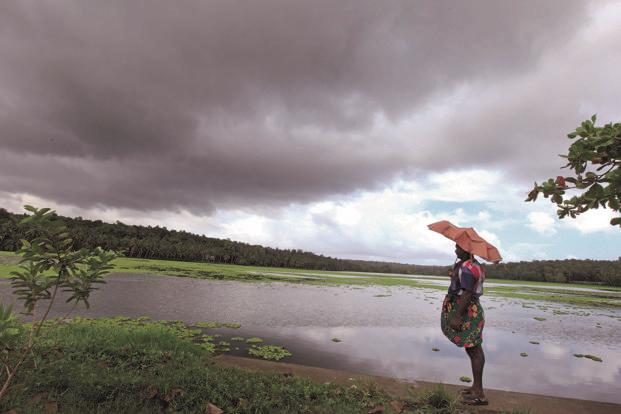
India Meteorological Department (IMD) divides a water year (June 1 to May 31) into four seasons: Monsoon: (June 1 to Sept 30), Post monsoon (Oct 1 to Dec 31), Winter (Jan 1 to Feb 28/9) and Pre Monsoon (March 1 to May 31). For rainfall during all these seasons, IMD’s hydro-meteorological website[i] provides a lot of data on daily basis, including daily district wise rainfall, state-wise, sub division wise and river wise daily rainfall maps among many other weekly, monthly and seasonal products. However, one problem with it is that none of this information is archived. So if you missed seeing or downloading available data on any date, there is no way to look at it even next day. This is even true of the seasonal rainfall maps, unfortunately.

Most observers look at the monsoon rainfall data, which is clearly the most important season, without doubt. However, the rainfall in other seasons is also very important from a number of perspectives.

Here we are giving a detailed account of the pre-monsoon season rainfall that India received in the season just ended on May 31, 2020, including state wise, sub division wise, river wise and also district wise figures. Along with it, we also provide the figures of post monsoon figures for the just concluded water year. For the winter season (Jan-Feb 2020) we have only the figures for Jan 2020 since we missed downloading the Feb 2020 figures. We had already provided the monsoon 2019 figures through two blogs in October 2019[ii].

Continue reading “State wise rainfall Pre Monsoon 2020 & Post monsoon 2019”

Dams · Water

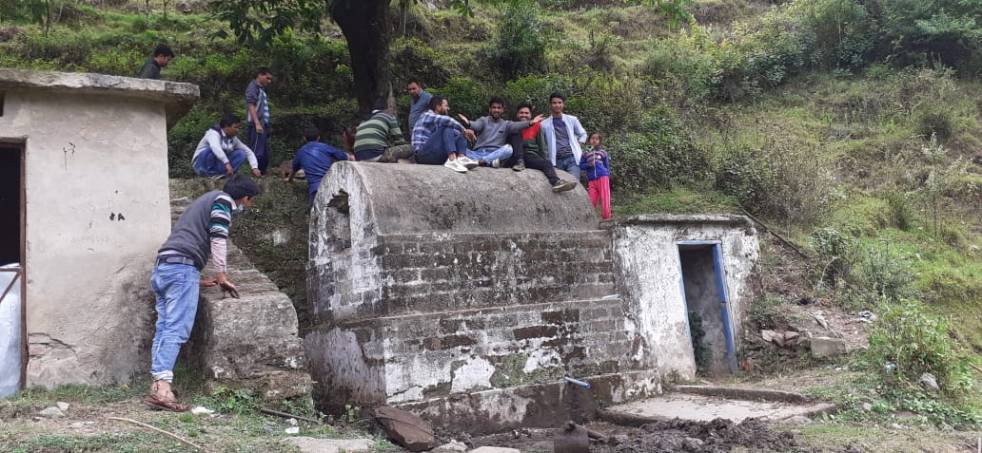
विश्व पर्यावरण दिवस 2020: उत्तराखंड में गांव के जल स्रोतों के संरक्षण में जुटे पोखरी के युवा

उत्तराखंड के पर्वतीय इलाकों में प्राकृतिक जल स्रोत हजारों गांवों की जल जीवन रेखा है। इन्हें पन्यारा, नौला, छौई, धारा इत्यादि नामों से जाना जाता है। यह जल स्रोत प्राचीन समय से ही गांव में पीने एवं अन्य घरेलू आवश्यकताओं के लिए जलापूर्ति का मुख्य जरिया रहे हैं।

दुख की बात है कि बदलते दौर, जीवनशैली में आए बदलाव और पाइपलाइन आधारित पेयजल आपूर्ति के चलते, ये धरोहर पहाड़ समाज की अनदेखी और सरकार की उपेक्षा का शिकार हो रहे हैं। अगर इन जल स्रोतों को सहेजा जाये तो ये आज भी उतने ही प्रभावी एवं उपयोगी साबित हो सकते हैं।  पौड़ी गढ़वाल के पोखरी गांव के युवाओं का इसी  दिशा में एक काबिलेतारीफ प्रयास है। विश्व पर्यावरण दिवस 2020 की थीम प्रकृति का समय[i] के अवसर हमने महसूस किया कि इन युवाओं का प्रयास सबके सामने उजागर किये जाने लायक है।  

Continue reading “विश्व पर्यावरण दिवस 2020: उत्तराखंड में गांव के जल स्रोतों के संरक्षण में जुटे पोखरी के युवा”

Dams · Water

WED 2020: Uttarakhand workers return to revive traditional water sources

Traditional water sources have been water life line for most of villages in hill areas of Uttarakhand. Known as Panyar, Naula, Chhoi, Dhara these fresh water sources, springs have been serving rural population with potable and other domestic water requirements since time immemorial.  We thought this is possibly an appropriate story on this World Environment Day 2020 on June 5 with appropriately fitting theme “Time for Nature”.[i]

Sadly, with changing time, lifestyle and introduction of tap water facilities these water sources and structures have been facing negligence of users and apathy of government. These time proven water sources can still serve the people if restored and taken proper care by village communities. The story of Pokhri village in Pouri Garhwal district in Uttarakhand is a step in this direction.

Continue reading “WED 2020: Uttarakhand workers return to revive traditional water sources”

Dams · Sand Mining

Kerala 2020 Sand Mining: Don’t forget floods, fisherfolks & vanishing villages

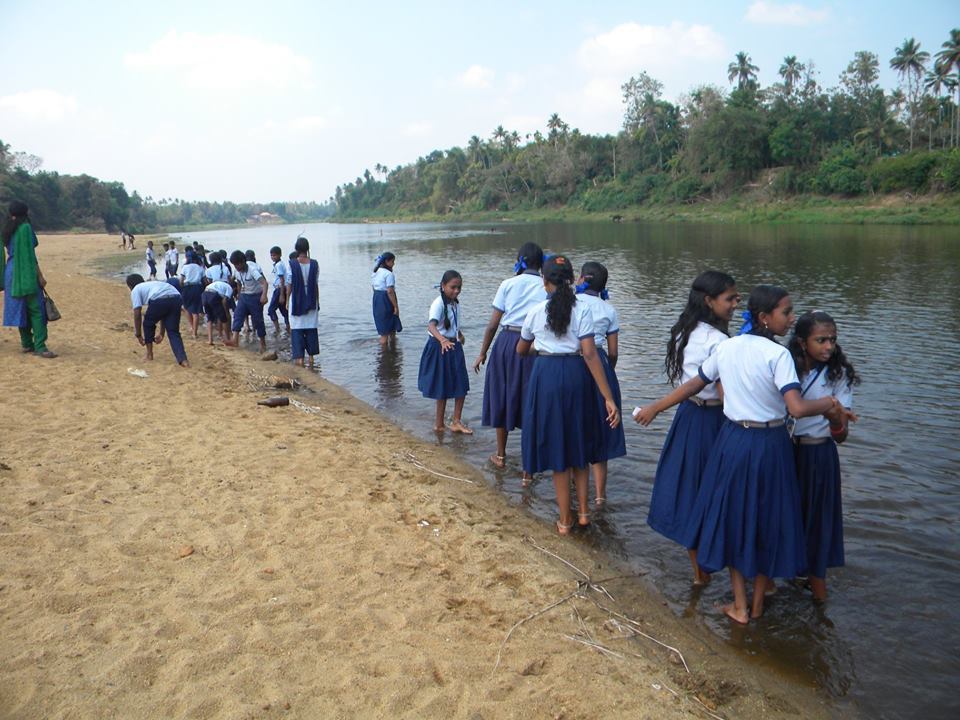
Feature image: Schoolkids take a walk along the Chalakudy river in Arangali village. https://timesofindia.indiatimes.com/city/kochi/ozhukanam-puzhakal-campaign-let-rivers-flow-without-hindrance/articleshow/68965530.cms (Times of India, 20 April 2019) 

The 2019 overview of sand mining in the Kerala showed how illegal mining of rivers had played its part in aggravating 2018 flood situation. Reports revealed that several rivers in the state turned dry and water level adjoining them dropped significantly soon after floods, despite excess rainfall, which was partly because of excessive mining and washing away of sand deposits which used to help recharge ground water.

Towards the end of 2018, the issue of unsustainable beach mining in Alappad surfaced and video of a 17 year old girl describing the adverse impact on coastal villages went viral. The effort earned National Green Tribunal (NGT) intervention. Meanwhile, the state govt agencies kept insisting on continued mining operations coastal area. This report provides an overview of state of affair through 2019 and 2020 so far.

Continue reading “Kerala 2020 Sand Mining: Don’t forget floods, fisherfolks & vanishing villages”

Dams · DRP News Bulletin

DRP: 1 June 2020: No escape from Dam floods as dam lobby continues to dominate

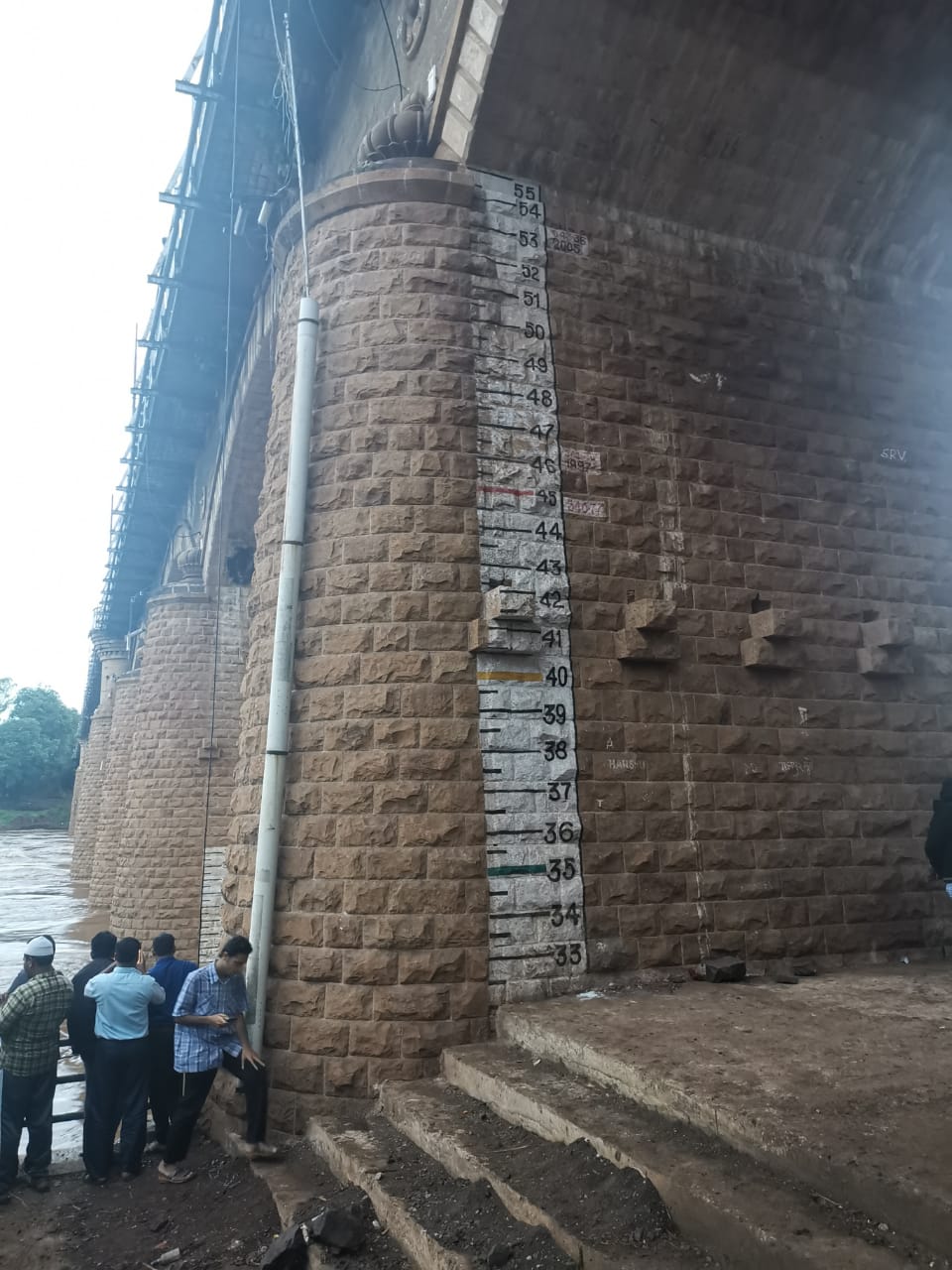
The report of the 10 member committee headed by Shri Nandkumar Vadnere, appointed by the Govt of Maharashtra in Aug 2019 was submitted on May 28, 2020. The report titled “A report on Floods 2019 (Krishna Sub-Basin): Experts Study Committee: Analysis, Causes, Remedies” from all accounts is a major let down as is apparent from the way one of the members felt so humiliated that he had to resign: he was not provided basic information to do justice to the Terms of Reference, his chapters were unilaterally removed from the draft report by the chairman, under pressure from higher ups. The report is actually an attempt to show, by hook or by crook that dams were not responsible for the Krishna basin floods of Aug 2019. Almost exactly the same way CWC came out with a shockingly unscientific, contradictory report about Aug 2018 Kerala floods to prove that dams had no role. The report did not even ask if the any of the dams followed the rule curve, though it made recommendation that rule curves should be followed! The story keeps repeating for each of the dozens of instances in recent years. The report of the Tiware dam disaster in Maharashtra in July 2019 has been submitted in Feb 2020, but is not yet in public domain. These few recent instances show how strong a strangle hold the dam lobby has over the official water institutions and governance in India. The Dam Safety bill now before the Parliament will not help as it has no provision to remove or even loosen this stranglehold, there is no place for independent oversight in the bill. Without an accountable reservoir operation policy, legal and institutional paradigm there is no possibility of freedom from dam induced floods.

Continue reading “DRP: 1 June 2020: No escape from Dam floods as dam lobby continues to dominate”
Dam floods · Krishna River · Maharashtra

Maharashtra’s Upper Krishna Basin again faces prospects of Dam Floods?

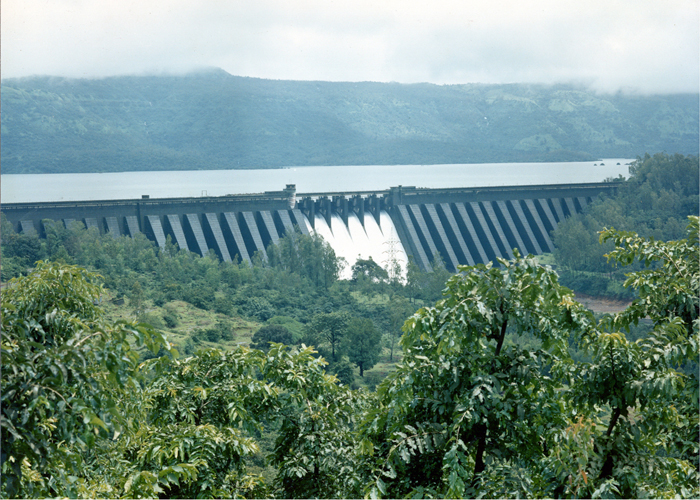
Seven major dams with high storage capacities in Upper Krishna Basin in Maharashtra’s Satara and Sangli districts have huge 1422.12 Million Cubic Meters (MCM) water in live storage as on May 30, 2020, just about a week away from the prospects of beginning of monsoon. The Wadnere committee’s efforts not withstanding, there is no doubt that almost simultaneous water release from these seven dams played a major role in creating highest ever flood levels in Maharashtra’s Upper Krishna Basin in August 2019. Though on this day last year, these seven dams had much lower water in live storage at 556.49 MCM, the almost simultaneous water release from these dams hugely contributed to the unprecedented flood disaster in Sangli district last year. With 256% water in live storage this year compared to last year on this date, the risk of these dams contributing to flood disaster in Sangli district is even greater this year. Unless the authorities in the water resources department, district administration and disaster management authorities wake up and ensure that these dams help moderate rather than contribute to floods. Continue reading “Maharashtra’s Upper Krishna Basin again faces prospects of Dam Floods?”

Dams · Yamuna River

Yamuna Riverbed Mining: Miners, Govts throw rule book in river

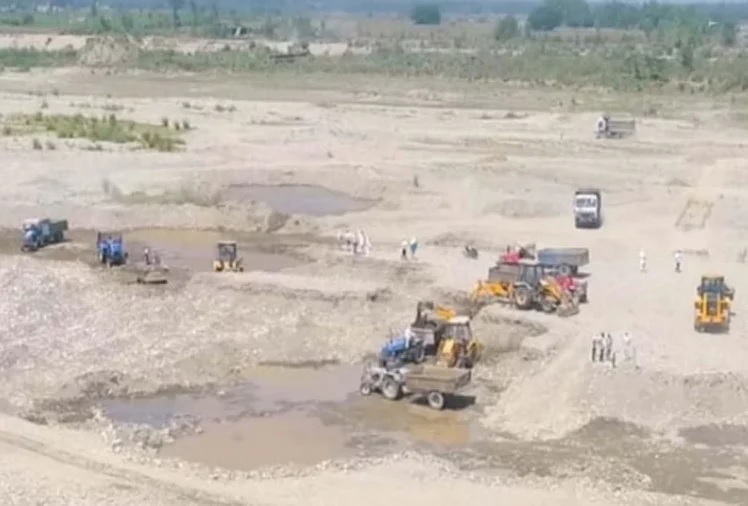
Latest and disturbing images taken on May 27, 2020 display brazen riverbed mining in Yamuna river in Dehradun, Uttarakhand. The images related to Vikas Nagar stretch of river show that miners have not only created a temporary bridge across the riverbed to transport mined material but also using heavy machines to dig the riverbed. In the process the river flow has been impounded at the location.

Sources reveal that active river channel is being compromised by in-stream mining operations. It is learnt that the mining is being done hardly 300 meters from Haripur bridge connecting Vikas Nagar to Kalsi.

Continue reading “Yamuna Riverbed Mining: Miners, Govts throw rule book in river”

Dams · Sand Mining

UP riverbed mining overview: NGT, CBI, Govts cannot stop the menace

Following large scale illegal mining incidents in Yamuna, Chambal, Ken, Betwa and many other rivers in Uttar Pradesh, the National Green Tribunal (NGT) in past few years has issued significant orders. Towards the end of 2018, the Central Board of Investigation (CBI) had also started inquiry into illegal mining case in Betwa river in Hamirpur district which involved the then Mining Minister Gyatri Prajapati and the district magistrate among others. The raids regarding the issue kept taking place throughout 2019. So far the case has not reached the conclusion.

With the help of available media & other reports SANDRP tracks the illegal sand mining incidents of Uttar Pradesh during past one and half years. The 2018 sand mining overview in UP can be seen here.

Continue reading “UP riverbed mining overview: NGT, CBI, Govts cannot stop the menace”

Dam floods · Maharashtra

Maharashtra Floods 2019: Don’t waste the crisis

Guest Blog by Pradeep Purandare

Abstract: Flood Study Committee in Maharashtra has set up a record of sorts by not only denying technical information to its member but even excluding his chapter altogether from the final draft report. The humiliated member who opted to quit the committee shares his experience in this article. The article highlights: (1) the report was finalized without detailed discussions on all chapters together, (2)  Maharashtra is well equipped with theory of ROS (Reservoir Operation Schedule) & Flood Zoning but doesn’t implement the same,  (3) Maharashtra wasted full 13 years by not implementing the recommendations of Wadnere Committee-1 regarding revised ROS & integrated reservoir operation,  (4) Total absence of flood management governance & (5) most importantly, the simulation study carried out by the committee indicates that backwater effect of Almatti project is not responsible for Maharashtra floods 2019. Next, the paper explains WRD’s (Water Resources Department) viewpoint regarding Maharashtra Floods 2019 & its emphasis on structural measures.  The paper then points out WRD’s strange policy, raises questions regarding reliability of discharge measurement at observation points & makes following critical comment on Reservoir Operation.

“There is, therefore, room to believe that had there been the implementation of revised ROS as recommended by Wadnere Committee -1, less storage in the dams in the last week of July 2019 & staggered outflow from 9 projects based on  the principle of integrated ROS, the flood situation would have been different & comparatively speaking less severe.”

In the end, the author requests the govt to follow the principle – “Don’t waste the crisis” and

  • Take a critical review of the State’s preparedness regarding Flood Moderation
  • Adopt & Implement the concept of Integrated Reservoir Operation
  • Don’t make compromises in respect of flood zoning
  • Ask Wadnere Committee-2 to make amendments in its report & modus operandi as well.

Continue reading “Maharashtra Floods 2019: Don’t waste the crisis”

Dam Disaster · USA

Michigan Dam failures: New Warnings for India’s Dam Safety

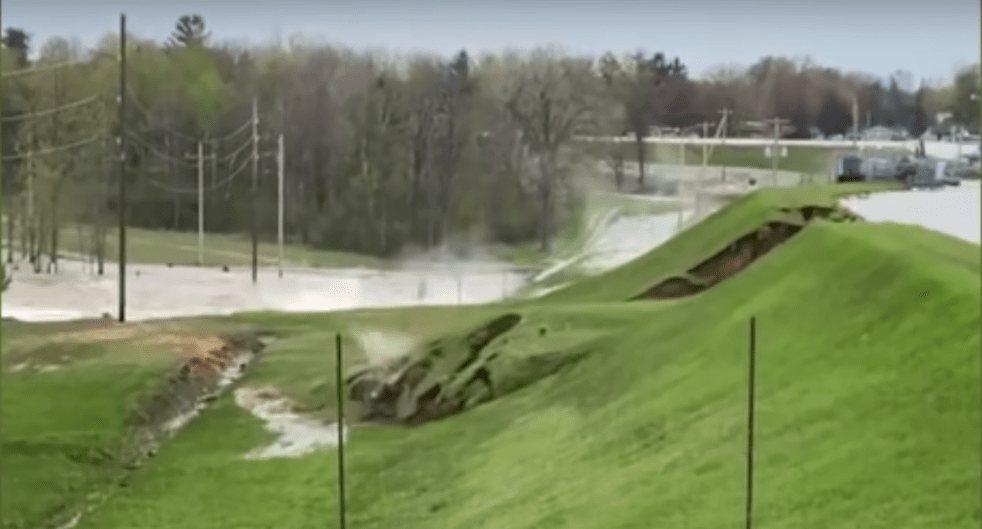
On Tuesday, May 19, 2020 evening following two days of heavy (4-7 inches) rains, Edinville Dam breached at 1740 and downstream Sanford dam overflowed at 1900 hours, leading to highest ever water level in downstream towns, leading to evacuation of over 10 000 people, besides massive damage, including to roads, bridges, buildings and crops. Both were earthen dams, Edinville dam famously did not have sufficient spillway capacity to pass even half the PMF (Probable Maximum Flood) it was expected to get. USA has much better dam safety situations legally, institutionally and practically that we in India have, and yet this happened where problems were known. As India awaits in the South West Monsoon 2020, there is lot we need to learn here and worry about our dams. Continue reading “Michigan Dam failures: New Warnings for India’s Dam Safety”