Climate Change · Cloud Burst · Dams · Hydro Disaster

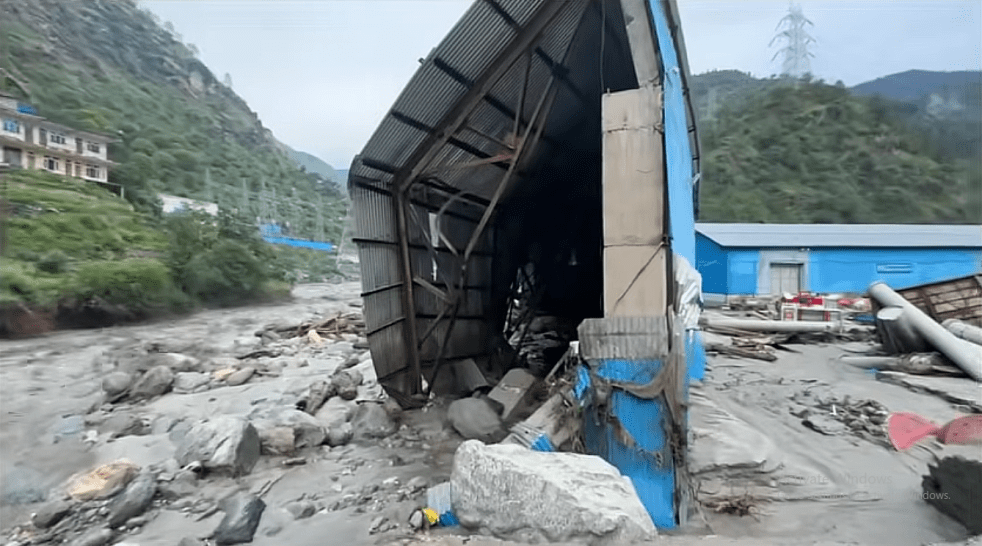
June 2025: NHPC Parbati II, III HEPs damaged in floods

Continue reading “June 2025: NHPC Parbati II, III HEPs damaged in floods”
Climate Change · Cloud Burst · Hydro Disaster

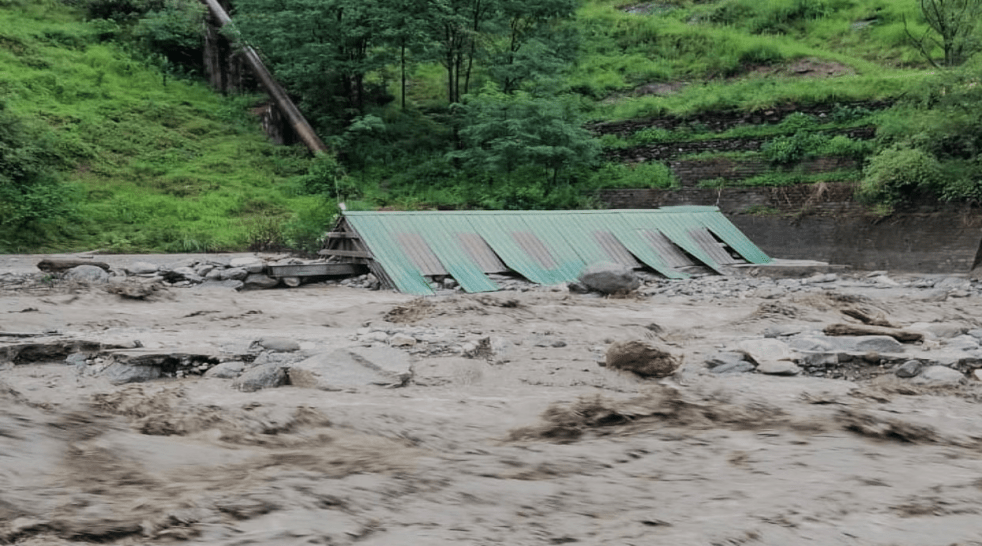
June 2025: ‘Cloudburst’ damages Jiwa hydro project in Sainj Valley, Himachal Pradesh

Continue reading “June 2025: ‘Cloudburst’ damages Jiwa hydro project in Sainj Valley, Himachal Pradesh”
Cloud Burst

Himachal Pradesh 2023: How we are turning ‘Cloudbursts’ into Deadly Disasters

Continue reading “Himachal Pradesh 2023: How we are turning ‘Cloudbursts’ into Deadly Disasters”
Hydro Disaster

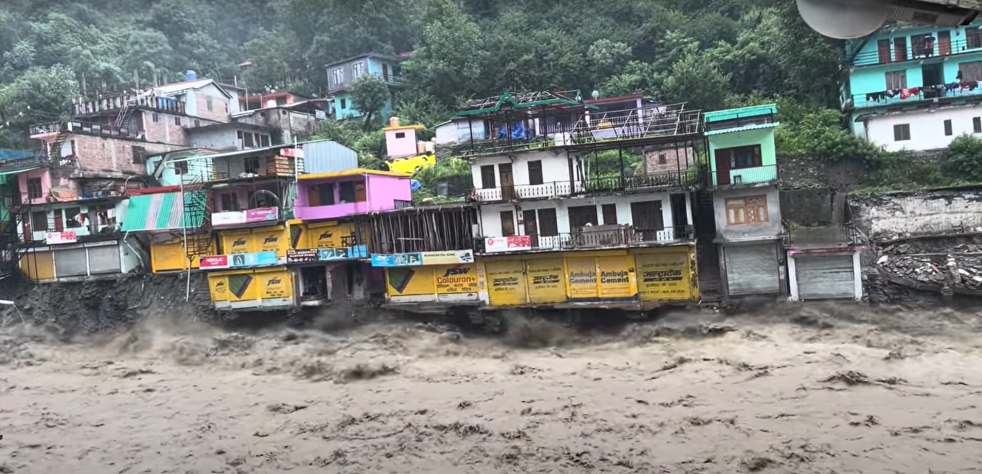
Himachalis blame NHPC dams for flood disaster in Sainj Valley in July 2023

Continue reading “Himachalis blame NHPC dams for flood disaster in Sainj Valley in July 2023”
Cloud Burst

Himachal Pradesh: Cloud Bursts in Monsoon 2021

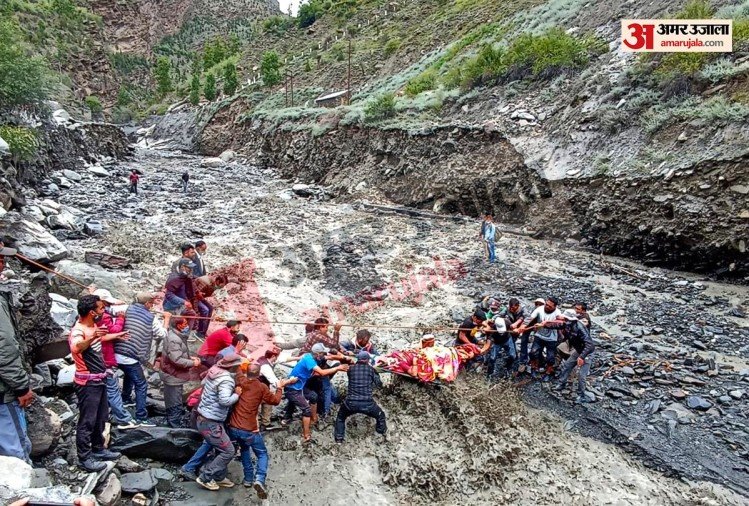
(Feature image:- Local people trying to crossing the overflowing Jahlma drain with a rope to take an injured person to the hospital. Source: Amar Ujala, July 30, 2021.)

The Himalayan states have been facing reoccurring cloud burst disasters for the past several years. The state of Uttarakhand witnessed 50 such events, 24 pre monsoon[i] and 26 during south west monsoon[ii] season of 2021. This account highlights the situation of the emerging climatic threat in Himachal Pradesh in pre monsoon and monsoon months in 2021.

Here it may be noted that during SW Monsoon months of June to Sept 2021, Himachal Pradesh had 10% below normal rainfall, with 8 of the twelve districts of the state experiencing below normal rainfall. Lahaul and Spiti had the highest deficit at -65%. Among the four districts that had above normal rains, Kullu had the highest surplus at +40%. Even during the pre-monsoon months (March to May 2021), HP had 10% below normal rains.

Continue reading “Himachal Pradesh: Cloud Bursts in Monsoon 2021”
Dams

Himachal Pradesh Rivers Profile


About Himachal Pradesh  

5 river basins; Total Area: 55,000 square kms.; Total Population: 68.65 lakhs; Total Catchment Area of 5 rivers; Total Catchment Area: 53311 sq.kms

Himachal is a relatively small state and in 2011 its population stood at 68.65 lakhs. It is only 9% urbanised and most of Himachal lives in its villages. Of the total land geographical area only 10% is under agriculture while close to 70% in under the category of ‘Forest land’. And yet agriculture is the main source of livelihood in Himachal with over 93% of the population dependent on it. As in most mountain areas agriculture and forest dependence is interwoven.

Agriculture is made possible due to the irrigation from river channels or natural springs. The health of the forests directly determines the health of the surface and ground water systems which in turn determines the viability of agriculture and horticulture. Horticulture and cash based agriculture was pushed by the government in the late 70s and 80s. Today the state has massive apple cultivation, apart from commercial vegetable cultivation, which is an important source of income for the farmers.

Continue reading “Himachal Pradesh Rivers Profile”