Within a week of 21-day long lockdown in India that started at midnight on March 24, 2020, several reports in print, electronic and social media have been doing rounds showing remarkable improvements in water quality in many rivers in the country. Most of these are on the basis of naked eye observations in the form of pictures and videos by people.
Some of the reports quote pollution control boards’ officials and experts with some analytical data. People generally believe that the shutting down of industrial units has led to reduction in discharge of industrial effluents in the rivers, breathing fresh life in pollution laden streams. It’s right that there is halt in industrial belts and there is less industrial pollution reaching the rivers. However there are other factors contributing to the change in the scenario.
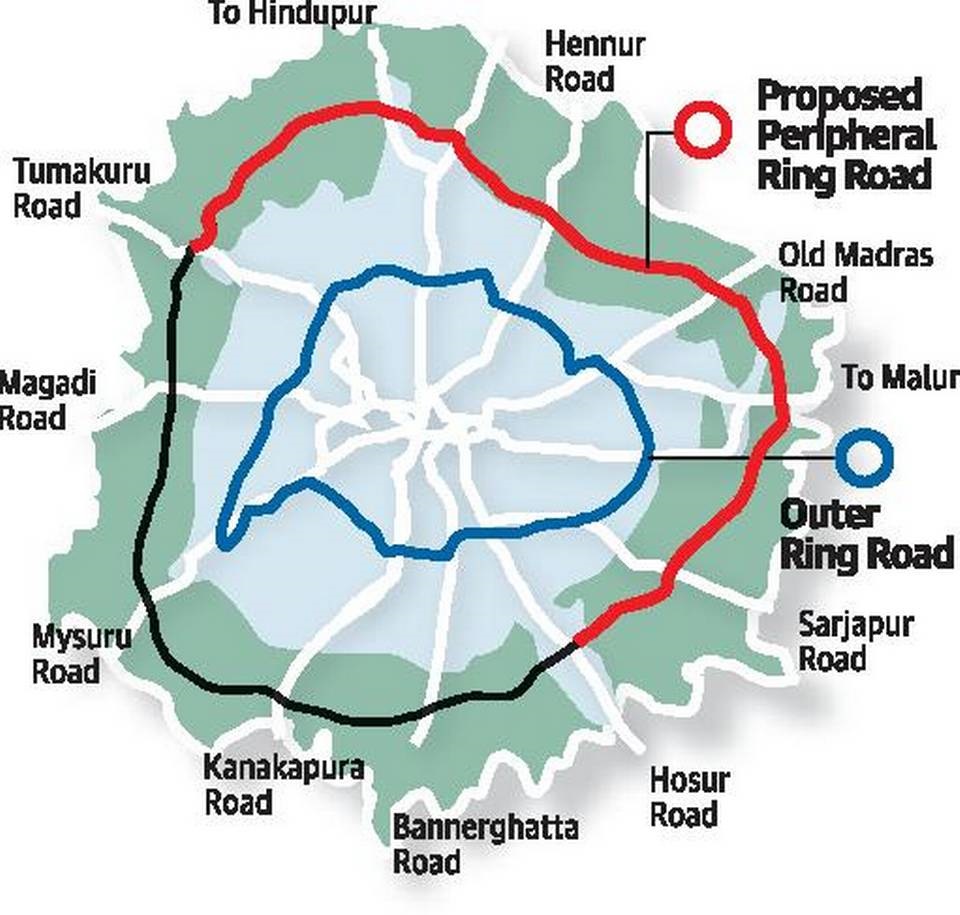
The Supreme Court order asking for fresh environment clearance and fresh Environment Impact Assessment for the Peripheral Ring Road project in Bengaluru is remarkable and most welcome, even though it is not directly related to water issues. The order is relevant since we have yet to find what can be called an honest Environment Impact Assessment (EIA) for River Valley Projects and yet the MoEF’s Expert Appraisal Committee (EAC) on River Valley Projects happily clears ALL the projects that come their way, even with most fraudulent EIAs. We are hoping against hope that this apex Court judgement will be a precursor to many such orders and judgements and general warning against fraudulent EIAs and EACs. We hope it is not too much to ask that the EIA be an honest effort and the EAC that does not reject fraudulent EIAs should also be dumped and members black listed. We hope we have such orders from the judiciary soon.
Mumbai Metropolitan Region (MMR), with annual rainfall in access of 2000 mm, does not do much to harvest the rain. It does not protect its local water bodies. It does not recharge groundwater to the extent it can easily do. It does not reduce its transmission and distribution losses. It does not treat its sewage to recycle and thus reduce freshwater demand. It does no demand side management. And yet it keeps demanding more water, and for that building of more dams and thus pushing more destruction. Without any credible options assessment. It has no water policy or water vision for smart water management.
It was good to see MID DAY news paper report and EDIT highlighting some of these issues. Will the people of Mumbai Rise up, to stop this destructive dam, being pushed in their names, the way they stood up to save the far fewer Aarey Milk Colony trees?
The statement of Shri U P Singh, secretary, Union Water Resources Ministry, that “industry (private or public sector) could adopt small rivers” seems to suggest that the government is moving towards handing over the rivers to Corporate bodies. The example Mr Singh gave of Drayavati River of Jaipur is even more disturbing since that river has been completely destroyed by the project implemented by the Tatas. It should not surprise though, considering that no less than the Prime Minister has been giving the example of canalisation of Sabarmati as an example of rejuvenation of the river. If this is what the government means by rejuvenation, that even Ganga and Yamuna are facing major risks of destruction. Its not less shocking that while Nitish Kumar, the Chief Minister of Bihar has questioned Modi government’s attempt to achieve Nirmal Ganga without attempting Aviral Ganga, his own government is basically following the same Sabarmati model on Ganga in Patna. If this is the example of “rejuvenation” of river according to the top most bureaucrat of of the government in charge of Water resources, nothing can save India’s rivers except a people’s movement against such moves wherever such destruction of rivers is attempted.
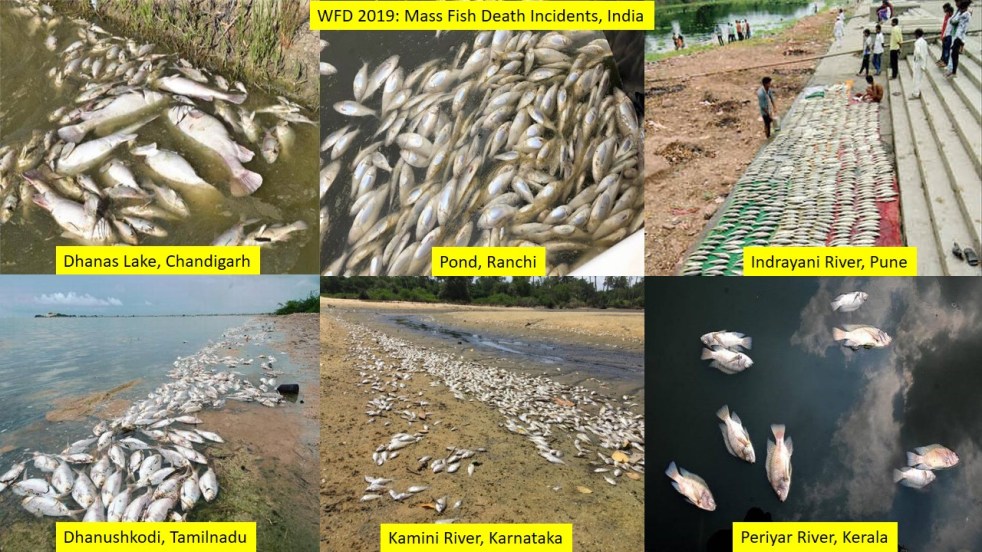
21 November is celebrated as world fisheries day across the world. Apart from crucial source of food and livelihood to lakhs of fisherfolks in India, fish diversity determines the health of the water body including lakes, ponds and rivers. However with growing threats and pollution mass fish mortality has been taking place in various rivers and lakes in the country every year. On World Fisheries Day 2019 SANDRP has put together known mass fish kill incidents that took place this past year to highlight the gravity of threat so that corrective measures can be taken by respective Governments and others concerned.
River carrying capacity is such a crucial factor in deciding if certain areas will be flooded and with what severity. This capacity is constantly changing, more so in tropical climate and high silt carrying rivers of South Asia, as new research shows. However, most models that are used in India, including by CWC, assume steady state situation. Nor are there constant and credible efforts to assess the river cross sections and river conveyance capacities and put them in public domain. The study shows how important it is that we wake up to this reality and ensure credible, consistent monitoring and assessments by credible independent agencies at the earliest. This has become even more urgent, the study underlines, since in changing climate, the rainfall patterns are changing fast.
इन दिनों हरियाणा के यमुना नगर जिले में यमुना नदी में बड़े पैमाने पर जमकर अवैज्ञानिक और अवैध तरीके से पत्थर, रेत खनन हो रहा है। जिसके कारण यमुना नदी का अस्तित्व खतरे में पड़ गया है। नदी से पत्थर-रेत निकालने के लिए भारत सरकार द्वारा बनाए गए सभी कानूनों को ताक पर रखा जा रहा है। परन्तु जिला प्रशासन और सम्बंधित विभाग मामले पर मौन साधे बैठे हैं।
हाल ही में खनन प्रभावित क्षेत्र के भ्रमण के दौरान, हमने देखा की कई बड़े वाहन नदी से भारी मात्रा में कीमती रेत ढुलान में लगे हैं। नदी की प्राकृतिक धारा को किसी जगह रोका गया है और किसी जगह पर मोड़ा गया है। बड़ी बड़ी जेसीबी और भीमकाय मशीनें बेतरतीबी से नदी तल से रेत खोदने में व्यस्त हैं। जगह जगह रेत के टीलें बने हुए हैं। कई स्थानों पर नदी में विशालकाय गढ्डे बन गए हैं। तो अन्य जगह नदी को बड़े तालाब में बदल दिया गया है। एक तरह से नदी नाम की कोई चीज देखने को नहीं मिली। नदी के स्थान पर रेत के ढ़ेर, जलकुंड और मशीनों और ट्रकों का शोर-शराबा ही देखने और सुनने को मिला।
For several decades now, groundwater has been India’s water lifeline. It is going to remain India’s water lifeline for long time to come. So when Prime Minister Modi called for people’s movement on water conservation during his MANN KI BAAT Radio program on June 30, 2019 (http://pib.nic.in/PressReleseDetail.aspx?PRID=1576353), the first thing the people would expect the government to do is to acknowledge the reality that groundwater is India’s water lifeline and make the sustenance of that water lifeline as the focus of all National Water Policies, programs and plans.
India also urgently needs a National Urban Water Policy that would also define what is a water smart city. The government will need to show it is serious by putting in place rainwater harvesting and groundwater recharging systems at ALL government buildings and lands across the country and show that these are functioning.
The government will also need to bring back the watershed development as the focus of its work on water conservation and reverse the wrong steps this government took five years back (see the detailed report below).
The government also needs to urgently start work on restructuring of water institutions of India, starting with CWC. Unless people see the government’s seriousness through actions, the one listed here are the initial steps, there is little likelihood of credibility of what the government says.
With rainfall in June 2019 during the South West Monsoon already showing a deficit of massive 33%, the fifth highest deficit in last 100 years, its possibly the most opportune time to take these steps on URGENT BASIS.
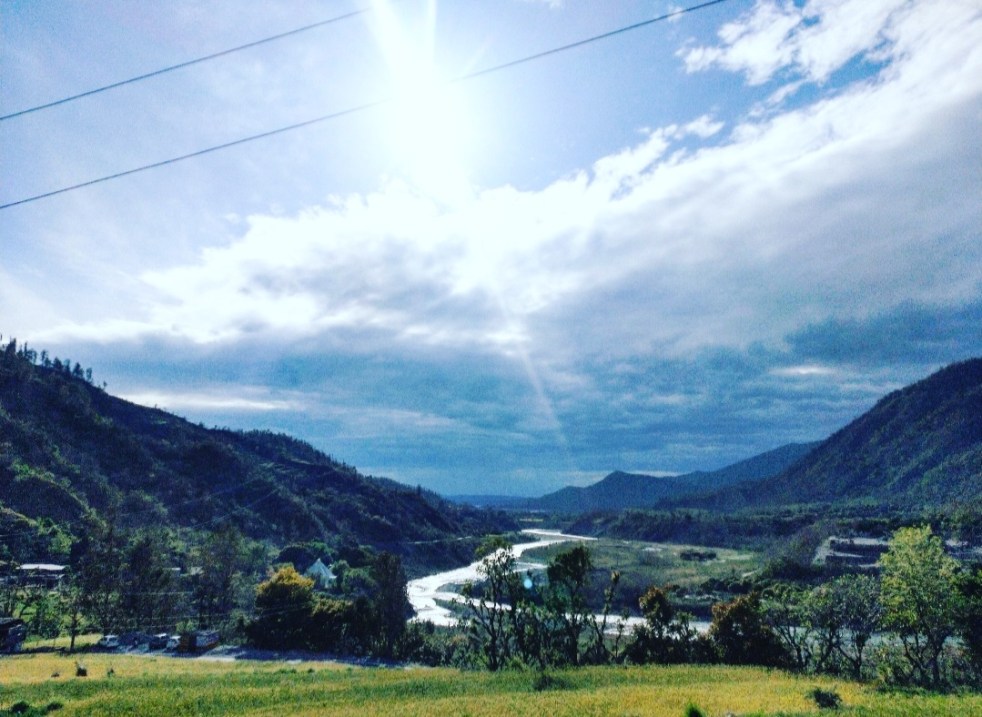
(Feature image by Nishant Panwar, Vikas Nagar, shows Yamuna River in upper reaches in Jan. 2019)
On April 11, 2019, is the birthday of Yamuna river. The Yamuna Jayanti comes every year on the sixth day of ‘Chaitra’ (summer) Navratra. The Kapat (door) of famous Yamnotri shrine would be opened this year on May 7 for Char Dham Yatra.
In April-May 2019 India will vote to elect 17th Lok Sabha or Parliament. On April 11, the 1st of the 7 polling days, the home state of Yamuna river, Uttrakhand and the districts of Western Uttar Pradesh through which Yamuna river flows, will vote.
The two other states heavily dependent and Yamuna river, Haryana and Delhi will see voting on May 12. The district Mathura, Agra, Etawa, Kanpur, Hamirpur, Fatehpur and Allahabad of Uttar Pradesh located along Yamuna river will witness voting from second (April 18) to sixth phase on May 12.
Yamuna river at different locations between 8 to 11 April 2019. (Image Source: Yamuna Nadi Mitra Mandalis)
The NDA government come to power in May 2014 promising clean Ganga and Yamuna. The thousands of devotees of Mathura and residents of Agra were especially convinced of a promise of clean flowing Yamuna river. People were also hopeful that the government of the same party, BJP, in centre and in key basin states of Yamuna (Uttarakhand, Haryana and Uttar Pradesh) would bring a change in the situation. But over the five years, things have only deteriorated further. In fact, under the present government apart from dams and pollution a illegal sand mining has emerged as equally dangerous threat for the Yamuna rivers from upper reaches through middle and lower stretches.
On the occasion of Yamuna Jayanti, the Yamuna Nadi Mitra Mandli (YNMM) a voluntary group of villagers and concerned; established along the length of Yamuna by Yamuna Jiye Abhiyan is highlighting the issues affecting the Yamuna river and riparian communities which have remained unaddressed during past five years and none of the political parties even now have remotely focused on these. They also warn that ignoring the problems of Yamuna and dependent community will soon affect every state and dependent people in a significant way apart from endangering the river itself.
As joint monitoring report by Paryavaran Surakhsha Samiti (PSS) and Gujarat Pollution Control Board (GPCB) shows, Sabarmati is severely polluted river, downstream of Ahmedabad and is practically a dead river. Upstream of Ahmedabad, the once perennial river has no water of its own and is stealing the Narmada water meant for drought prone areas.
This incidentally is supposed to be model river rejuvenation as told to SANDRP coordinator on a television channel by no less than Executive Director (Technical) of National Mission on Clean Ganga. In fact posters during the 2014 Parliamentary elections in Varanasi, where Mr Modi fought from, said exactly that. So is the National Ganga river going down that path? Narmada itself is in same situation downstream of the dam in Gujarat as another report here shows. Gujarat model has many examples to show, it seems.


 SANDRP