Dams · Rivers

Cleaner rivers in lockdown: Lessons we can learn

Within a week of 21-day long lockdown in India that started at midnight on March 24, 2020, several reports in print, electronic and social media have been doing rounds showing remarkable improvements in water quality in many rivers in the country. Most of these are on the basis of naked eye observations in the form of pictures and videos by people.

Some of the reports quote pollution control boards’ officials and experts with some analytical data. People generally believe that the shutting down of industrial units has led to reduction in discharge of industrial effluents in the rivers, breathing fresh life in pollution laden streams. It’s right that there is halt in industrial belts and there is less industrial pollution reaching the rivers. However there are other factors contributing to the change in the scenario. 

Continue reading “Cleaner rivers in lockdown: Lessons we can learn”

Dams · DRP News Bulletin

DRP: 6 April 2020: Ganga-Yamuna-Cauvery flow cleaner in lockdown: What can we learn?

A number of reports have appeared that show that the state of a number of rivers of India, including Hindon, Yamuna, Ganga and Cauvery has improved during the current lockdown due to Covid 19 crisis. That is indeed great news. At Kanpur and Varanasi there are reports that suggest the dissolved oxygen level has gone above 8 ppm and BOD level has gone down below 3 ppm at a number of places. While lack of industrial effluents entering the rivers due to closure of industrial units is a major reason, there are other reasons that has led to this situation, including above average winter rainfall, high snowfall now melting with onset of summer, reduction of irrigation water demand and also stoppage of sand mining along the rivers. The reduction of cultural activities including puja, bathing and cremations have also contributed to this situation.

The biggest lesson we can learn from this cleaner rivers after so many decades is that if our pollution control boards at the state and central level were doing their duty to ensure that no untreated effluents from the industries and also urban sewage enter the rivers, it is not that difficult to achieve cleaner rivers. But unfortunately there is no political will to achieve this simple and legally enforceable objective.

Continue reading “DRP: 6 April 2020: Ganga-Yamuna-Cauvery flow cleaner in lockdown: What can we learn?”
Dams · DRP News Bulletin

DRP: 23 March 2020: Welcome SC order asks for fresh EIA: Will Judiciary be equally strong against all fraudulent EIAs?

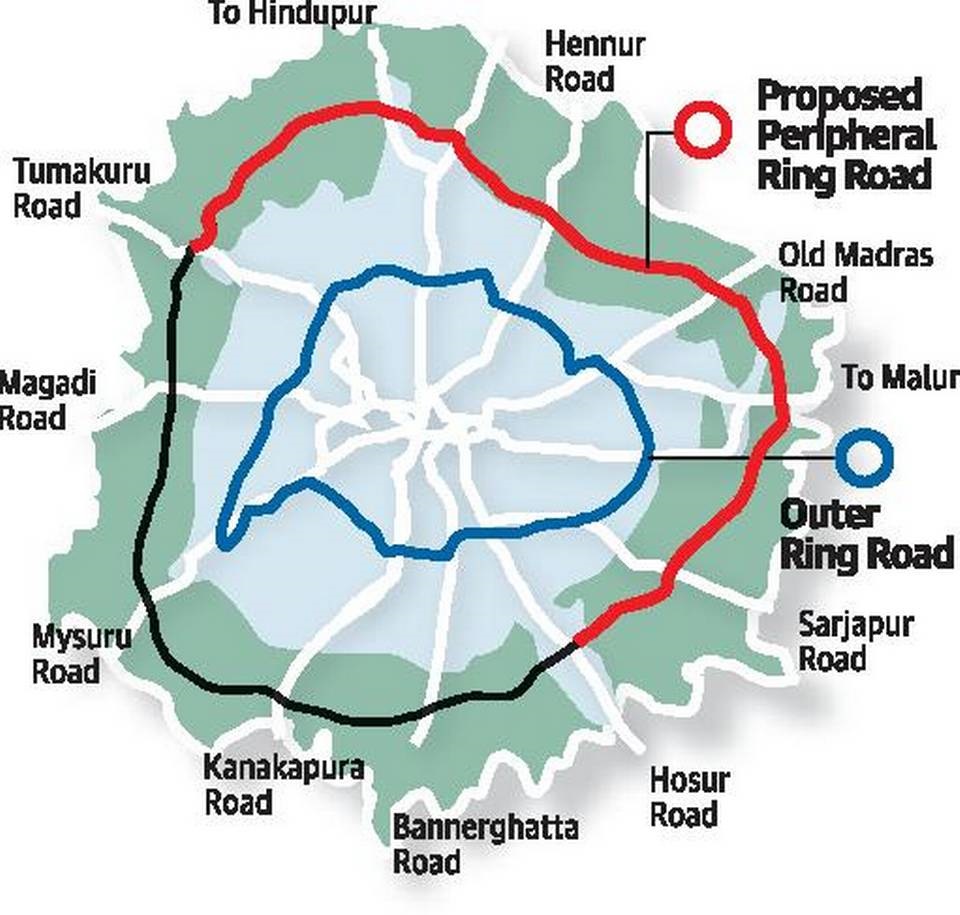
The Supreme Court order asking for fresh environment clearance and fresh Environment Impact Assessment for the Peripheral Ring Road project in Bengaluru is remarkable and most welcome, even though it is not directly related to water issues. The order is relevant since we have yet to find what can be called an honest Environment Impact Assessment (EIA) for River Valley Projects and yet the MoEF’s Expert Appraisal Committee (EAC) on River Valley Projects happily clears ALL the projects that come their way, even with most fraudulent EIAs. We are hoping against hope that this apex Court judgement will be a precursor to many such orders and judgements and general warning against fraudulent EIAs and EACs. We hope it is not too much to ask that the EIA be an honest effort and the EAC that does not reject fraudulent EIAs should also be dumped and members black listed. We hope we have such orders from the judiciary soon.

Continue reading “DRP: 23 March 2020: Welcome SC order asks for fresh EIA: Will Judiciary be equally strong against all fraudulent EIAs?”
Dams · DRP News Bulletin

DRP: 16 March 2020: Invitation to another Kedarnath floods tragedy?

This remarkable TOI report on March 14, 2020 (there was a Hindustan Times Report on March 9, 2020, we found out later: https://www.hindustantimes.com/india-news/scientist-flags-kedarnath-project-worries/story-1DoLBHLeMOmYLI3OPFOq1M.html) says that rampant redevelopments termed as “unabated unscientific work in the valley” around Kedarnath is likely to create dangerous situation leading to 2013 like catastrophe. We could not find report about such an important development in any other media.

But this detailed report, not contradicted by any of the quoted sources, seems sufficient reason to be alarmed by all concerned.

Experts of the Wildlife Institute of India, Wadia Institute of Himalayan Geology, Uttarakhand Space Application Centre (USAC) and even the Principle Science advisor to the Prime Minister K VIjay Raghavan and also the contractors, Woodstone Constructions along with other state and central govt officials were present where officials made some candid presentations. It seems there has been neither any impact assessment studies or clearances for the controversial interventions happening, including 9 km long approach road for Kedarnath on the left bank of Mandakini river, (left band has basically loose glacial sediments and hence is unstable and could get affected by avalanches and landslides) and a massive 50 ft deep and 100 m wide pit just 50 m behind Kedarnath for the Samadhi sthal. MPS Bisht, the Director of USAC in his presentation called the pit an extremely dangerous for future. He asked: “Why are we creating a situation for another disaster like the 2013 tragedy to take place again?” Scientists from the Wadia Institute are quoted saying: “The Road being built to Kedarnath is being made on the most vulnerable of Kedarnath Valley and may any day collapse under the pressure of so many glacier shoots which are directly opening on the road.” Raghavan called these revelations tipping points.

Continue reading “DRP: 16 March 2020: Invitation to another Kedarnath floods tragedy?”
Dams · DRP News Bulletin

DRP: 9 March 2020: High Court Directions for Sukhna Lake

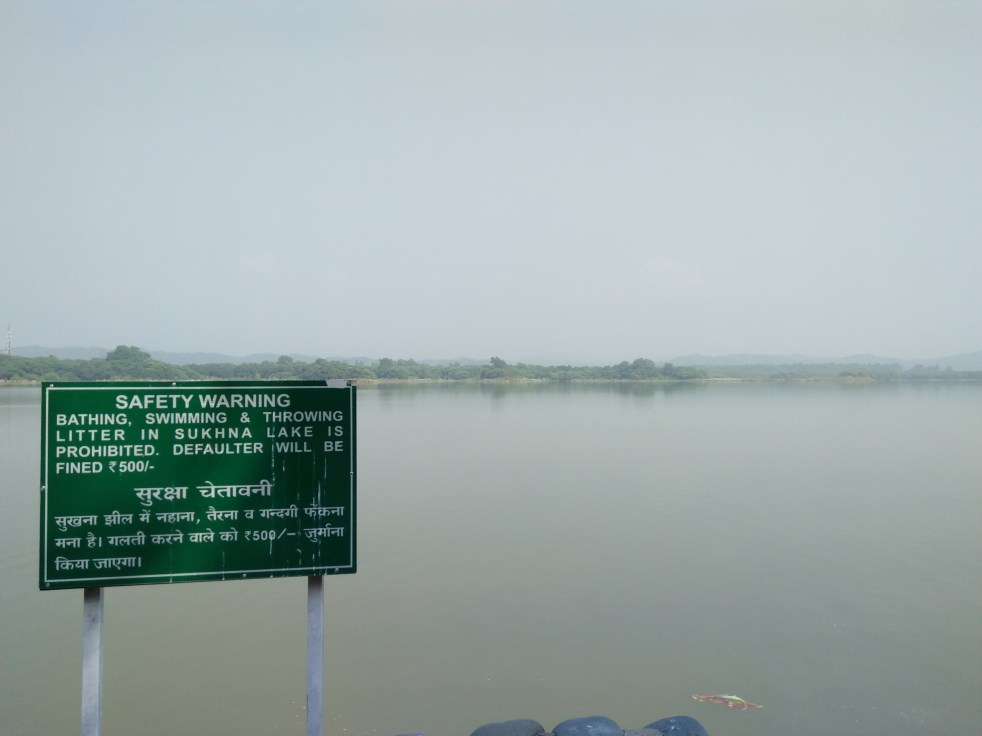
The March 2, 2020 directions of Punjab and Haryana High Court for the sustained conservation of Sukhna wetland are welcome, though the directions are likely to be appealed against in the Supreme Court, considering the far reaching implications of the lake. One hopes the Supreme Court takes a view that helps sustain the Sukhna lake and the wetlands in a confidence inspiring way.

Punjab & Haryana HC Issued Slew Of Directions For Protection Of Sukhna Lake. https://www.livelaw.in/news-updates/punjab-haryana-hc-issues-slew-of-directions-for-protection-of-sukhna-lake-in-chandigarh-read-judgment-153386  (2 March 2020)

This is a far reaching judgement on protection of watersheds, water bodies. Any government authority which ignores the environmental damage caused by unplanned development will have to face the music. The court also declared all commercial, residential and or other structures constructed in the catchment area falling in the areas of Punjab, Haryana and Chandigarh as delineated in the map prepared by the Survey of India on 21.9.2004 were declared illegal and unauthorised and ordered to be demolished within three months. https://www.thehindu.com/news/national/hc-declares-chandigarhs-sukhna-lake-living-entity-fines-punjab-haryana-100-cr-each-for-damaging-catchment-area/article30969711.ece  (03 March 2020)

Continue reading “DRP: 9 March 2020: High Court Directions for Sukhna Lake”
Dams · DRP News Bulletin

DRP: 2 March 2020: Will Mumbai rise up against unwanted, destructive Gargai Dam?

Mumbai Metropolitan Region (MMR), with annual rainfall in access of 2000 mm, does not do much to harvest the rain. It does not protect its local water bodies. It does not recharge groundwater to the extent it can easily do. It does not reduce its transmission and distribution losses. It does not treat its sewage to recycle and thus reduce freshwater demand. It does no demand side management. And yet it keeps demanding more water, and for that building of more dams and thus pushing more destruction. Without any credible options assessment. It has no water policy or water vision for smart water management.

The proposed Gargain Dam that will lead to destruction of over four lakh trees in 720 ha forest mostly in Tansa Wildlife Sanctuary, is a good example of how Mumbai is fuelling such dam building and destruction. The Rs 3105 Cr project will have many other impacts, including displacement of tribals and destruction of livelihoods for thousands others. As SANDRP report showed six years ago, (https://sandrp.in/2013/12/20/dams-in-tribal-areas-of-western-ghats-for-water-supply-to-mumbai-why-are-they-unjustified/, https://sandrp.in/2013/12/18/multiple-dams-for-mumbai-region/) and as our letter to the then Maharashtra Chief Minister emphasised in 2015 (https://sandrp.in/2015/01/13/water-smart-mumbai-open-letter-to-cm-devendra-fadnavis/), MMR region does not need any of these dams.

It was good to see MID DAY news paper report and EDIT highlighting some of these issues. Will the people of Mumbai Rise up, to stop this destructive dam, being pushed in their names, the way they stood up to save the far fewer Aarey Milk Colony trees?

Continue reading “DRP: 2 March 2020: Will Mumbai rise up against unwanted, destructive Gargai Dam?”
Dams · DRP News Bulletin

DRP: 24 Feb 2020: Urban Rivers Need Urgent attention: Hiding won’t help

There are large number of stories this week from all over India highlighting the crisis that Urban Rivers in India face. Urban rivers, like the Urban Water sector, exist in complete policy vacuum. There is no policy to guide the Urban water governance. Cosmetic efforts being done when President Donald Trump of USA visits India on Feb 24-25, 2020 at Yamuna (in view of his visit to Agra) or Sabarmati (visit to Sabarmati Ashram in Ahmedabad) won’t really help. The crisis not only affects the rivers, but the health, livelihoods and lives of millions and millions of city dwellers too, in addition to the downstream river users. Our Water Resources establishment has no clue, as is evident from their calling the Dravyawati river channelization in Jaipur as an example of river rejuvenation and suggesting such rivers should be given to corporates to rejuvenate in similar ways! It’s doubtful if the new National Water Policy now being formulated will help, unless it dares to suggest radical changes.

Continue reading “DRP: 24 Feb 2020: Urban Rivers Need Urgent attention: Hiding won’t help”
Dams · Yamuna River

Despite NGT order and Yamuna Monitoring Committee-CPCB-DDA responses, action awaited about dumping on Yamuna floodplain

The floodplains of Yamuna in Delhi have been facing encroachment threats for long. In the latest incident a huge portion of riverbed underneath Nizammudin bridge towards Games village was found turned into a dumping ground on February 16, 2020. This was happening despite the protection of floodplains from encroachment and waste dumping were among key concerns of remarkable National Green Tribunal (NGT) judgement “Maili Se Nirmal Yamuna” of January 13, 2015. Continue reading “Despite NGT order and Yamuna Monitoring Committee-CPCB-DDA responses, action awaited about dumping on Yamuna floodplain”

DRP News Bulletin

DRP: 3 Feb 2020: Some welcome news on Pinjal & other dams

A number of welcome developments around dams appear in this week’s DRP News Bulletin from SANDRP. The prominent is the Brihanmumbai Municipal Corporation declaring that it may not need Pinjal Dam, which SANDRP had said in its report way back in 2012-13 and the then BMC commissioner had agreed to in an interview to NDTV. This should also lead to cancellation of the Damanganga Pinjal River Link proposal. The Maharashtra govt decision to review the need for Human dam is also welcome. The Kerala State Information Commissioner’s decision to direct that the Dam Break Analysis should be in public domain is also a useful precedent that all states and CWC need to follow immediately and also amend the proposed Dam Safety Act to include a provision that all Dam Safety related information, including meeting minutes, agenda, decisions, status reports etc will be in public domain.

Continue reading “DRP: 3 Feb 2020: Some welcome news on Pinjal & other dams”
Wetlands

World Wetlands Day 2020: Positive Stories from India

On February 2, the World Wetlands Day is celebrated globally. The theme of 2020 is Wetlands and Biodiversity to emphasize the critical roles the wetlands plays for wildlife, aquatic life, and native vegetation. They also play crucial role in harvesting rainwater, recharging groundwater, providing livelihoods, acting as carbon sinks and providing cushion against flash floods thus they hold immense significance in changing climate.

This compilation puts together some of the positive developments related to wetlands that took place in 2019. It also includes few individual initiatives of lakes and water bodies cleaning from greater Noida, Chennai and Udaipur. There have been some fruitful efforts by citizen and community groups in Maharashtra, Goa and Kerala.

Continue reading “World Wetlands Day 2020: Positive Stories from India”