
The Andhra Pradesh’s proposed Polavaram Banakacherla Link Project (PBLP) to transfer Godavari flood waters to Rayalseema region through massively power consuming multi stage lift irrigation projects has all the signs like the ill-fated and controversial Kaleshwaram project of neighbouring Telangana.
Continue reading “Andhra’s Polavaram Banakacherla Project: Another Kaleshwaram in the making?”Category: India
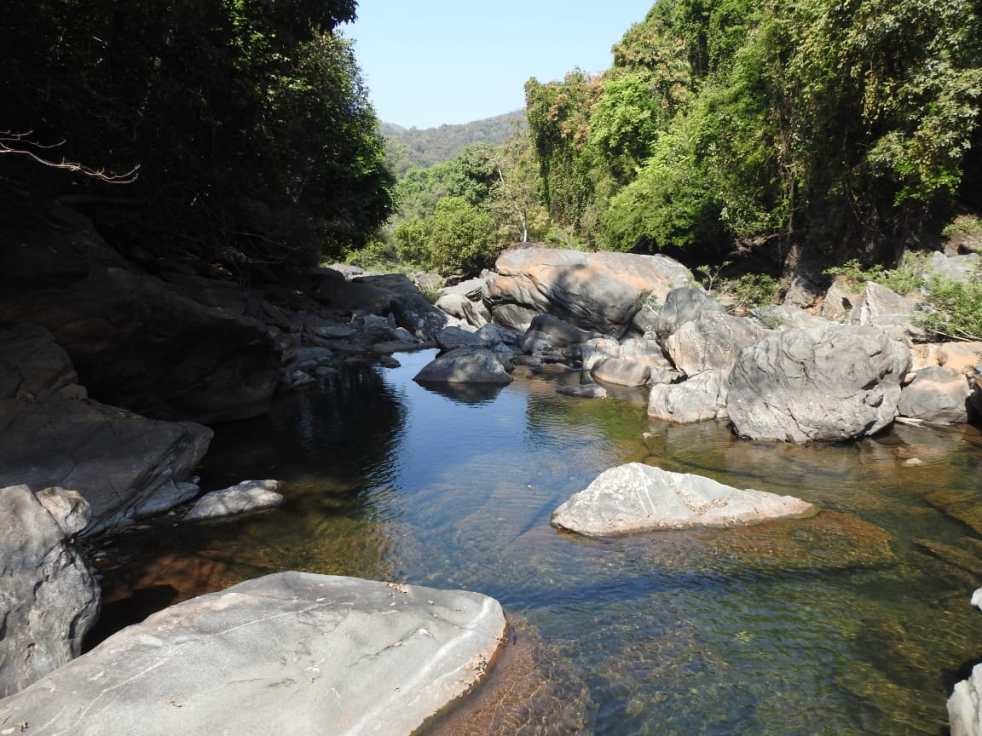
Dabhil Mauli: Stories and Struggles of a Small River in the Western Ghats
At the window of his new house, in a crowded suburb of Pune sits Aba Gawas. He looks out at the traffic and talks of his river Dabhil, more than 400 kms away from him. For years, Aba has fought hard to protect the river. He calls it Dabhil Mauli, a term of endearment reserved for mothers and deities. He is not keeping very well and longs to return to Dabhil Mauli. I realize with a sudden pang, rivers are home.
Continue reading “Dabhil Mauli: Stories and Struggles of a Small River in the Western Ghats”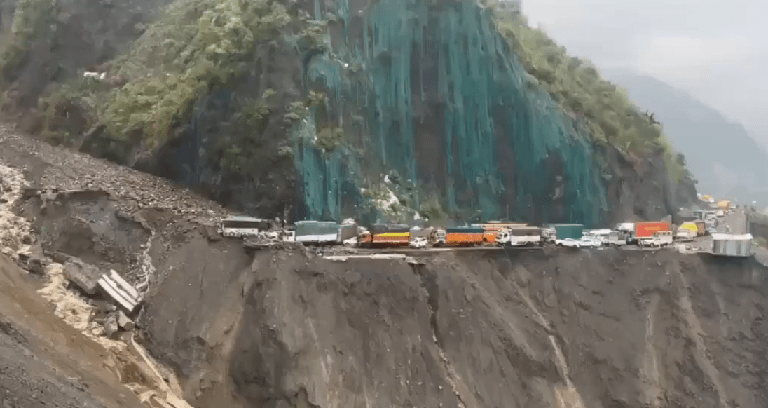
Jammu-Srinagar NH-44 An Unfolding Long Term Disaster in Ramban District?
(Feature Image: Social media image showing scroes of vehicles precariously standing on severely damaaged NH 44 in Ramban on April 20, 2025)
After April 20, 2025 ‘cloudburst’ disaster in Ramban, the role of Jammu-Srinagar National Highway (NH) 44 has been under criticism for adding into the devastation trail. While a significant portion of the NH has been severely damaged in the aftermath, the residents have also blamed the NH work for compromising the drainage system and increasing destruction toll in the affected area.
Continue reading “Jammu-Srinagar NH-44 An Unfolding Long Term Disaster in Ramban District?”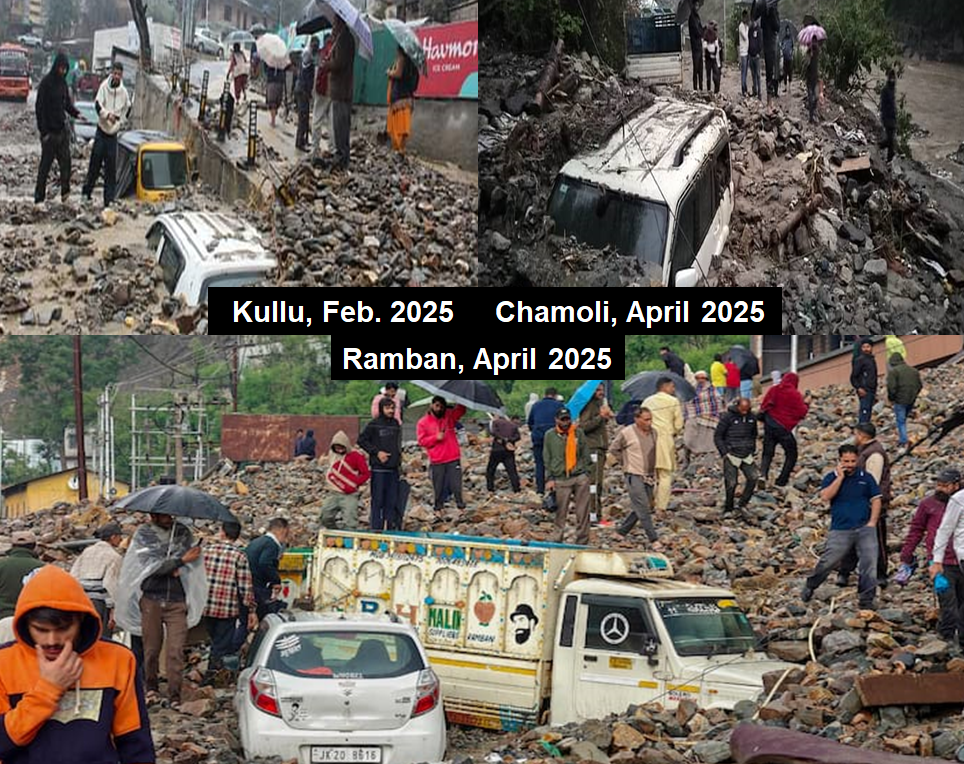
CWC, IMD Need to Improve Extreme Weather Forecast Services
The rising numbers and intensity of western disturbances (WDs) in pre-monsoon months are causing excessive but short rainfall spells across the country particularly in the Himalayan states. These events are then resulting in sudden flash floods and taking a huge toll on human life and public infrastructure. However, the specific monitoring and warning services for such disasters by the Central Water Commission (CWC) & Indian Meteorological Department (IMD) are largely unavailable as these agencies are mainly forecasting floods during the monsoon.
Continue reading “CWC, IMD Need to Improve Extreme Weather Forecast Services”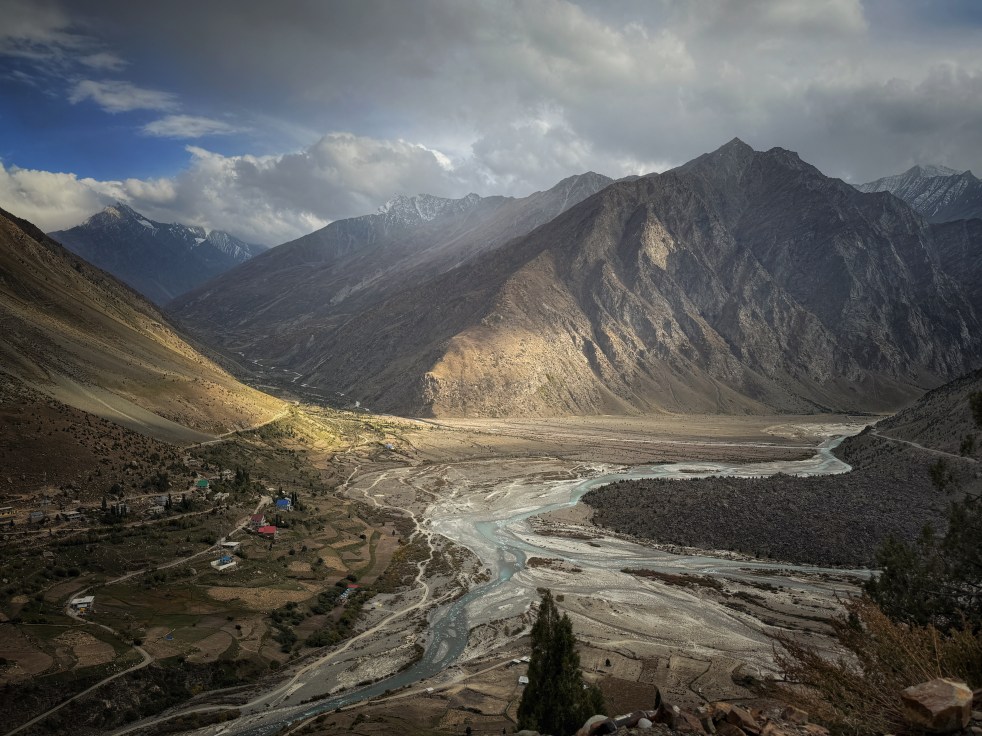
Of Landslides, Spirits and Stories
The Science and Myth surrounding a Himalayan Landslide
Here, in this central spot where three valleys come together
Is the triangle from which all phenomena originate,
An abode of the yoginis of the past,
A place for practitioners in the future.
~ A Tibetan prayer to the sacred Drilbu Ri Mountain where Rivers Chandra and Bhaga meet to form the Chenab
On a crisp September morning, we clank across an iron suspension bridge on the River Chandra to enter the valley of Bhaga. We are tracing the origins of Bhaga and will be reaching Barlacha La pass at an altitude of 15,900 feet in a few hours. Madly fluttering prayer flags swaddling the bridge and the roaring river below make it seem as if, like the prayers, we are adrift on the wind too. Below, on the toasty river sands, a few men doze like monitor lizards.
Continue reading “Of Landslides, Spirits and Stories”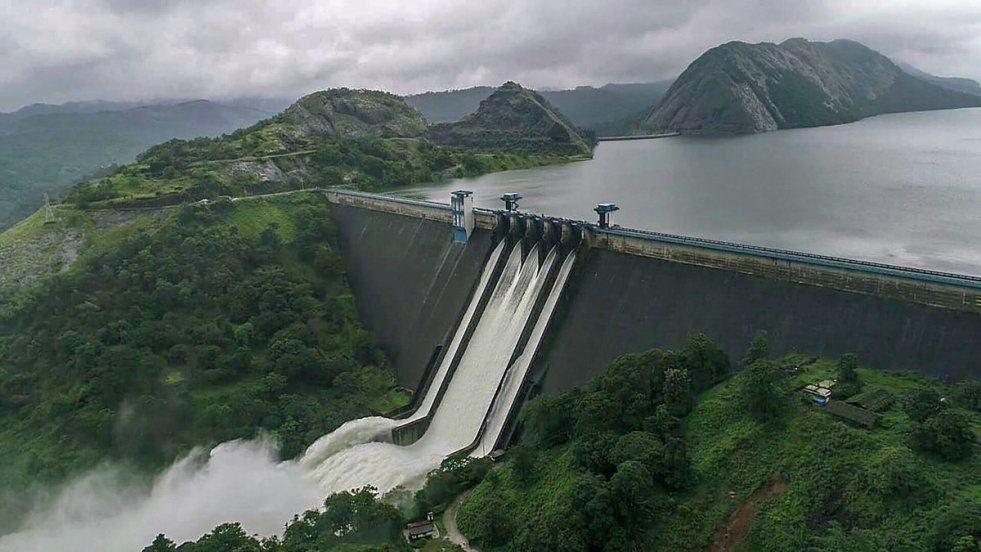
Room for optimality in Kerala Summer Electricity Demand vs Hydro Generation
Guest Article by S P Ravi
The share of hydro electricity in the energy mix of state of Kerala has come down sharply over the last three summers. Hydro share that used to be around 25-30 percent in previous summers has come down to well below 15 percent on many days. This is despite a sharp rise in electricity demand since 2023.
Continue reading “Room for optimality in Kerala Summer Electricity Demand vs Hydro Generation”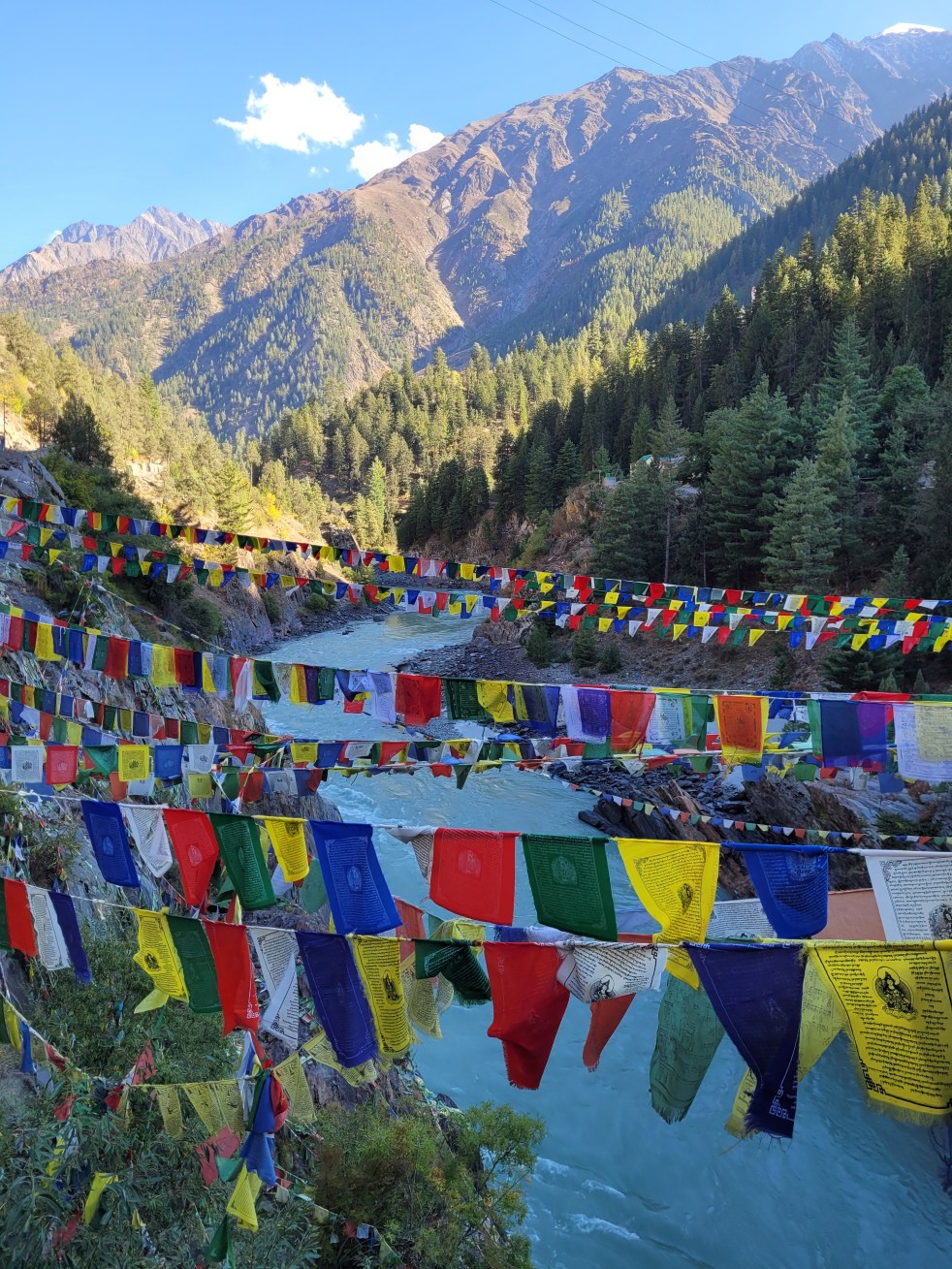
Infrastructure Projects in Chenab Basin and Climate Change: Need to Exercise Caution
The current developments around Indus Waters Treaty are deeply troubling. Following the heinous attack on tourists in Pehelgam, India has announced that Indus Waters Treaty, the only water sharing mechanism between India and Pakistan put in place in 1960, has been put in abeyance.
Continue reading “Infrastructure Projects in Chenab Basin and Climate Change: Need to Exercise Caution”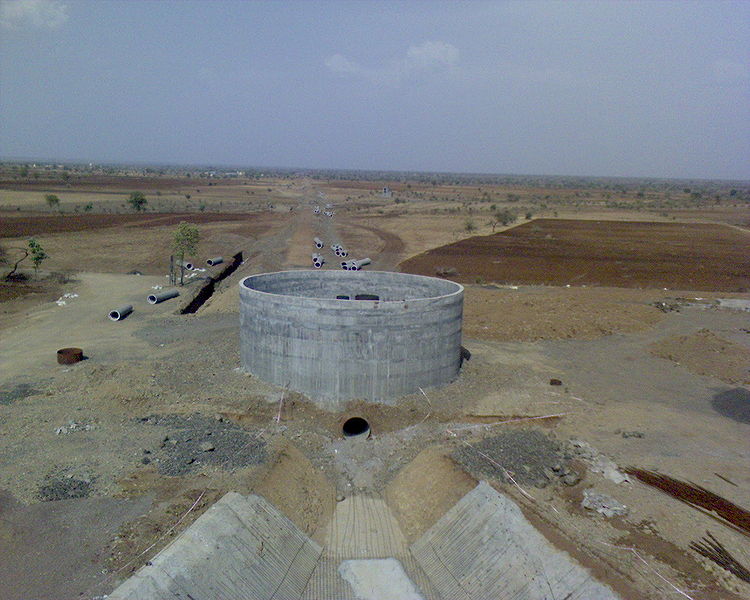
Maharashtra Irrigation Act 1976 exists for 49 years without Rules!
Guest Article by: Pradeep Purandare
A PIL (152 / 2014) has been filed by this author before the Aurangabad bench of Mumbai High Court way back in 2014. Maharashtra Irrigation Act, 1976 (MIA 1976) is not being implemented in letter & spirit, thanks to the absence of Rules of MIA 1976. It is needless to add that Act/Law states the general principles and Rules give the necessary details required for the actual implementation of the Act. For example, Act only says that Water Use Rights may be given to all farmers in the command area as prescribed. Rules of the Act, however, give the details to answer the usual questions like How? How much? When? Where? To whom? Application / Agreement required? Applicable terms & conditions? etc. Rules reduce the scope for discretion and chances to interpret the Act in different manner by different individuals at different times & places. Rules facilitate smooth & uniform implementation of the Act.
Continue reading “Maharashtra Irrigation Act 1976 exists for 49 years without Rules!”
The Moon River: People’s Story of Chenab
Chenab, which translates as the Moon River is the largest of the five tributaries of River Indus. It flows for about 974 kilometers from the High Himalayas of Lahaul to the forests of Jammu and Kashmir and onto the plains of Pakistan. Its main tributaries in India include Miyar, Marusudhar and Tawi. In the vast plains of Punjab in Pakistan, it is met by Jhelum, Ravi and Sutlej to form the mighty Panjnad before it meets the Indus. Its catchment, spread across 67,430 km2, is shared between the two countries.
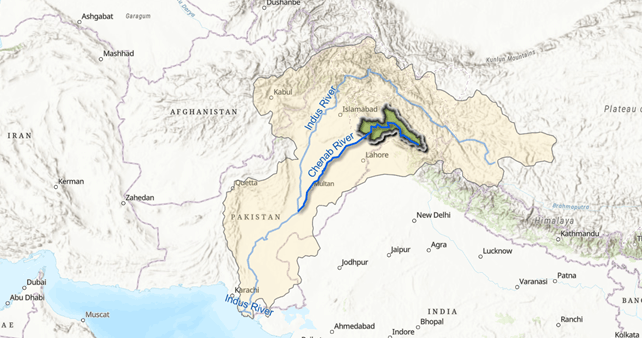
Chenab is Chandrabhaga (Crescent Moon) in its headwaters. It was the River Asikni in Rigveda, and the Acesines for the ancient Greek. From sparse mountain settlements of Lahaul to the bustling urban centers of Sialkot, more than 10 million people live and prosper along the Chenab. Hydropower projects operational and under constructions on the river have an installed capacity of more than 5000 MW (Central Electricity Authority 2024), and its canals irrigate hundreds of thousands of acres in Pakistan and India (Shakir et al).
Continue reading “The Moon River: People’s Story of Chenab”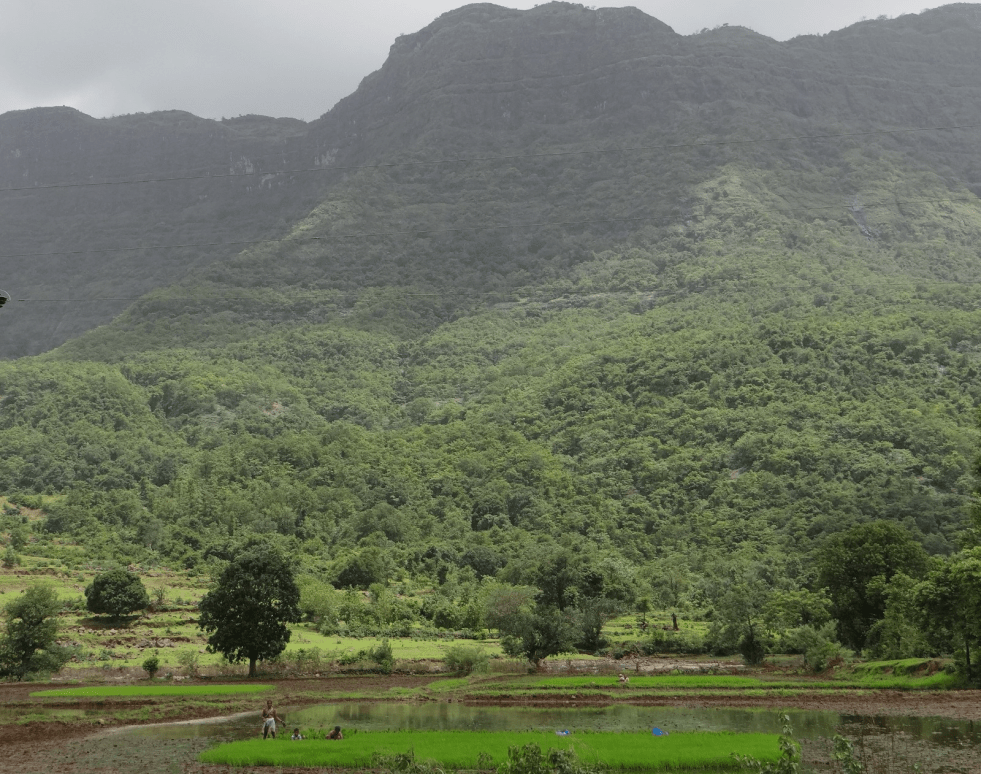
Letter to the EAC: No justification for Adani Dams in the Western Ghats
28.11.24
To,
The Chairperson and Members,
Expert Appraisal Committee, River Valley Projects,
Ministry of Environment, Forests and Climate Change
New Delhi
Subject: Submission against 1500 MW Warasgaon Warangi Pumped Storage Project by Adani Green Energy to be discussed in the 19th EAC meeting for TORs
Respected Sirs,
We see that Adani Green Energy’s 1500 MW Warasgaon-Warangi Pumped Storage Project is being considered for fresh TORs in the upcoming meeting of the EAC. We have gone through the documents uploaded by the proponent (AGEL) on MoEF CC’s Parivesh Website.[1]
Continue reading “Letter to the EAC: No justification for Adani Dams in the Western Ghats” SANDRP