Category: Groundwater

GW Overview 2023: Top Ten Judicial Actions
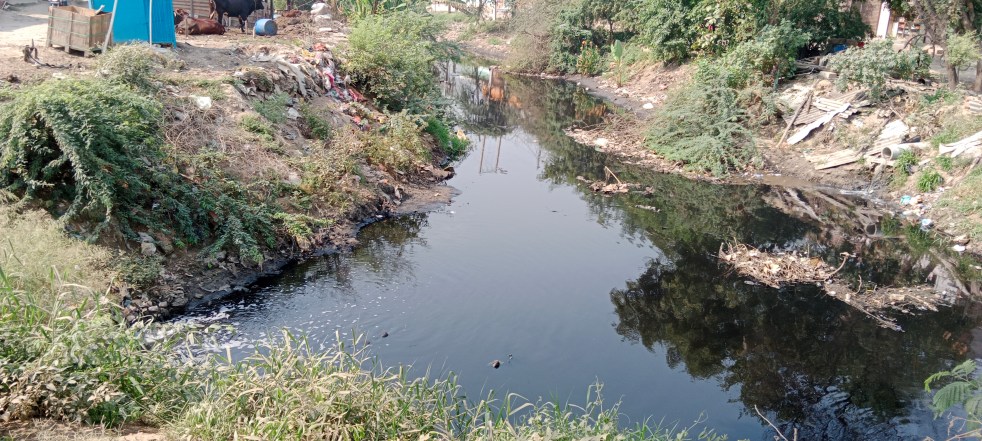
(Feature Image: Filled with untreated industrial effluents Drain No. 6 in May 2023, passing through Kundli industrial area in Sonipat and causing groundwater pollution along its course. Bhim Singh Rawat/SANDRP)
This third and concluding 2023 yearend overview on Groundwater in India, compiles top ten judicial interventions dealing with the depletion and contamination of groundwater. The SC asking Punjab govt to review groundwater conservation law in the face of air pollution crisis in Delhi is the biggest judicial development of 2023. The Kerala HC directing state govt to bring selling of well water under Food Safety & Standards Act 2006 & Regulation 2011 comes next.
The NGT too on its part has taken note for groundwater depletion and contimination across the country and issued notices to central and state governments. Following NGT orders, there have been action against commercial and industrial units extracting groundwater without permission in Delhi and NCR areas. In another ongoing noteworthy case, the NGT has asked MoJS consider prohibiting groundwater use for cricket ground maintenance.
Continue reading “GW Overview 2023: Top Ten Judicial Actions”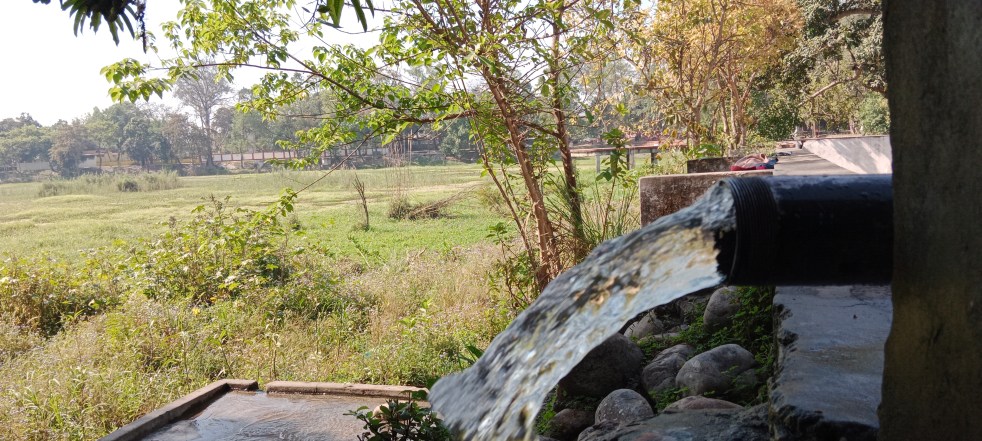
GW Overview 2023: Top ten Govt actions
(Feature Image: Drona Sagar Taal in Kashipur, Uttarakhand being filled with tubewell water in April 2023. Bhim Singh Rawat/SANDRP)
This second part of yearend overview on Groundwater issues in India lists top ten Government actions. While the groundwater has become backbone for all types of consumption including domestic water supply, irrigation, industrial use; depletion of the finite resource continue; the government efforts particularly of central government have been limited to mapping and monitoring. There is neither a recognition that groundwater is India’s water lifeline, nor is there any serious attempt at effective bottom up, decentralised regulation of groundwater.
The aquifer mapping scheme ongoing since 2012 has been extended till March 2026. The govt has planned to increase the number of monitoring wells and equipped them with digital sensors. Meanwhile the Parliament panel report has revealed that the National Water Mission (NWM) lacks adequate funds and autonomy. Several state governments have taken respective measures for protection of groundwater sources however they have largely shown no noteworthy results so far.
Continue reading “GW Overview 2023: Top ten Govt actions”
India Groundwater 2023: Reaching Depletion Tipping Point?
Like previous years, 2023 too has not seen any significant governmental decisions addressing the two key problems of ongoing contamination and depletion of groundwater resources across the country. On the contrary, the new reports and studies published during the year indicate some areas reaching depletion tipping points, land subsidence and climate change impacts compounding the situation.
This first part of yearend overview through top ten developments highlights the status of existing and emerging problems related to groundwater in India. The second and third parts will focus on government and judicial actions related to the subject during 2023.
Continue reading “India Groundwater 2023: Reaching Depletion Tipping Point?”
2022: Judicial Interventions in India for Groundwater Conservation
In this yearend overview, we highlights some remarkable judicial decisions particularly by National Green Tribunal (NGT) and some ongoing legal disputes regarding violation of groundwater norms and its pollution in India in 2022. The NGT not only criticized MoJS (Ministry of Jal Shakti) new groundwater guidelines but also ordered penalizing Pepsi’s and Coke’s bottling plants in Uttar Pradesh for operating without NOCs. These were unfortunately later stayed by Supreme Court. Though the judicial interventions have once again revealed the sheer ineffectiveness of concerned bodies at central and state level however these orders have failed to bring any change in their functioning so far. NGT proceedings into allegations of groundwater pollution by liquor factory in Firozpur, Punjab has remained inconclusive while affected villagers and farmers have been staging protest for months.
In the first part of the overview, we have tracked the worsening situation of groundwater depletion and contamination in the country while in second part, we have covered some positive efforts and initiative taken by various governments for its management in 2022.
Continue reading “2022: Judicial Interventions in India for Groundwater Conservation”
2022: Some positive reports on groundwater management
This second part of yearend overview, SANDRP highlights some positive reports and steps taken by various state governments in India for management and conservation of groundwater in 2022. In first part of the overview, we have tracked the situation of groundwater depletion and contamination in the country and in third part covered some remarkable judicial interventions regarding groundwater conservation in 2022.
Centre Recharge wells to power multi-city groundwater project. A pilot project on shallow aquifer management, initiated by the Union Ministry of Housing and Urban Affairs for 10 cities, under the Atal Mission for Rejuvenation and Urban Transformation (AMRUT), has identified recharge wells as key to improving groundwater availability. Experts have cited the non-availability of space to allow the percolation of rainwater as a major hurdle to recharging Bengaluru’s groundwater table. The Million Wells programme was launched by Biome Environmental Trust in 2015 to encourage citizens and communities to dig and maintain their own recharge wells. It also opened up employment for the traditional well-digger community, the mannu vaddars.
In Bengaluru, the Bruhat Bengaluru Mahanagara Palike (BBMP) will be the nodal agency for the project. Biome Environmental Trust and Advanced Centre for Water Resources Development and Management (ACWADAM) will be technical partners in the project, which is led by the National Institute of Urban Affairs, a national think-tank on urban planning and development. The pilot project also covers Chennai, Dhanbad, Gwalior, Hyderabad, Jaipur, Kolkata, Rajkot, Thane, and Pune. https://www.deccanherald.com/city/recharge-wells-to-power-multi-city-groundwater-project-1157262.html (28 Oct. 2022)
Continue reading “2022: Some positive reports on groundwater management “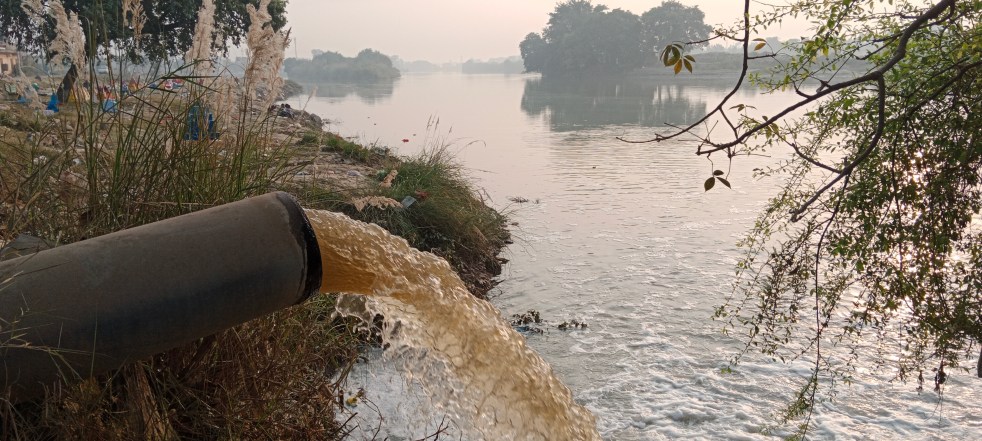
2022: Groundwater Depletion, Contamination Continue amid Govts’ Efforts
This first part of the annual overview, SANDRP tracks some of the important developments regarding groundwater depletion and contamination in India and ongoing efforts, new steps taken by Central and various state governments in 2022 for the protection and conservation of the finite natural resource. Overall, these developments show no significant improvement in governance and management of groundwater resources which is also the water lifeline of the country amid its rising depletion and contamination. In second and third parts of the yearend roundup we have tracked some positive initiative for groundwater management by various governments in the country and some remarkable judicial interventions for groundwater governance and conservation in 2022.
Continue reading “2022: Groundwater Depletion, Contamination Continue amid Govts’ Efforts”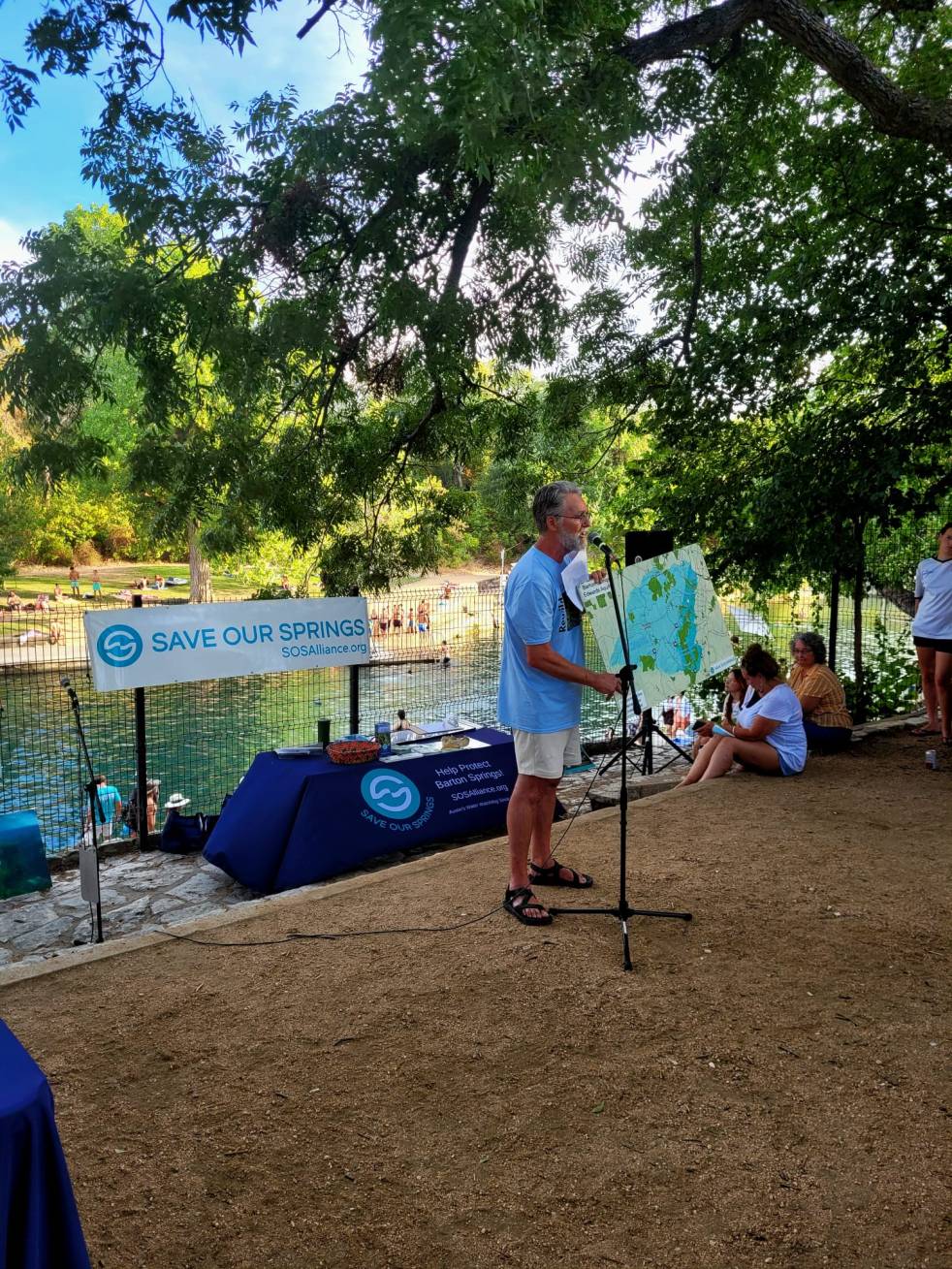
Celebrating 30 years of protecting a Spring in a City
On the August 7 2022, more than 1500 Punekars made their way to the Hills of the city and came together to protect “Tekdi” from multiple shortsighted developmental pressures. Hills of Pune are the last bastions for urban wild spaces and are also the watersheds for several streams flowing in the city, now bundled under the misnomer of Nallas or drains.
Continue reading “Celebrating 30 years of protecting a Spring in a City”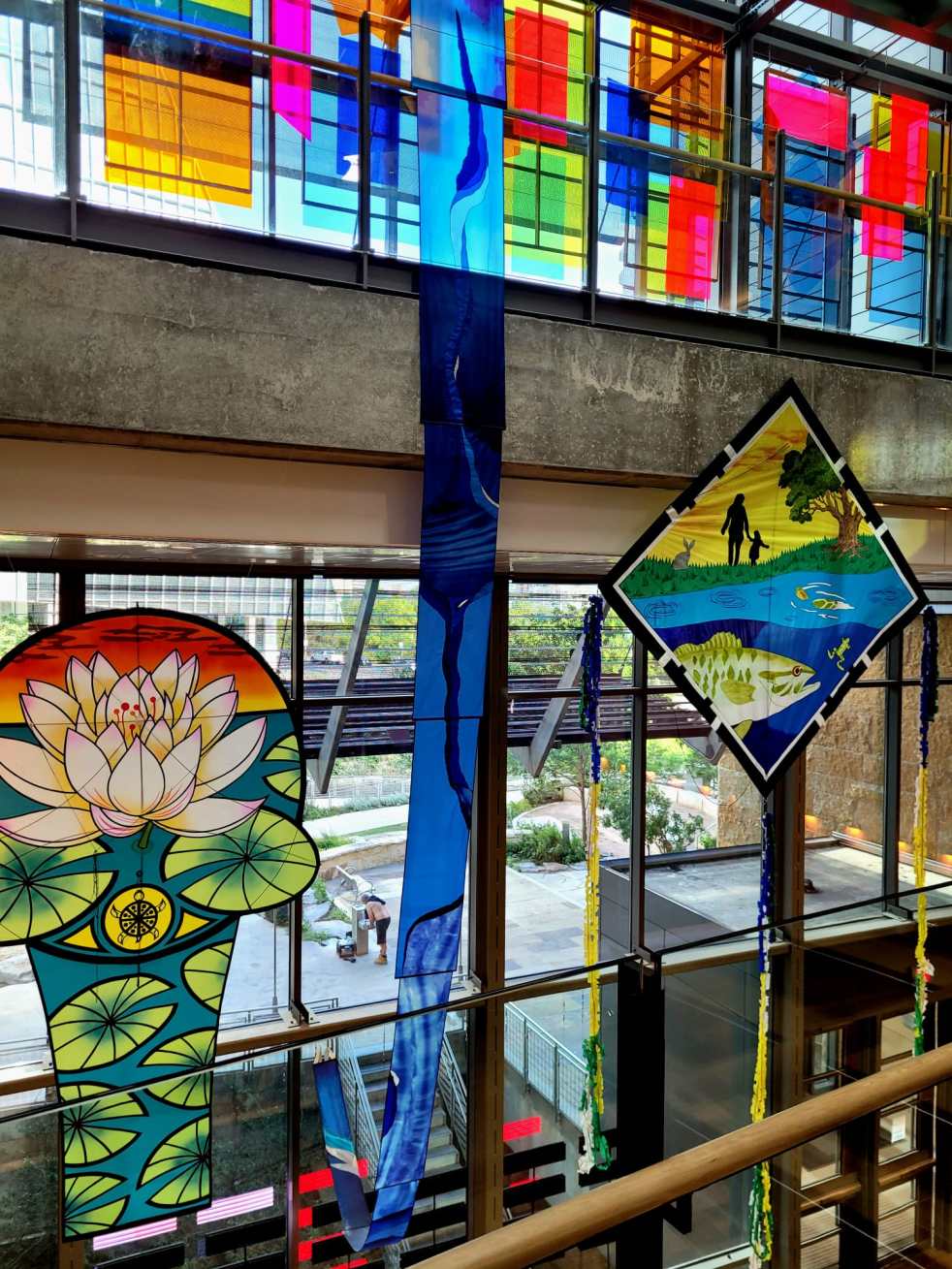
Sacred Springs and Kites: Groundwater reaches the skies
Groundwater management is an area where almost all of the world seems to be faltering right now. Like in India, in Texas too groundwater is private property, and its use, regulation and conservation is a complex and often an unsuccessful task. Groundwater is a major source of water in Texas, providing about 60 percent of the 16.1 million acre-feet of water used in the state[i]. Cities like Amarillo, Bryan-College Station, El Paso, Lubbock, Houston and San Antonio use groundwater to supply water for homes and industry.[ii] This year, Texas has seen record hot months and lowering water tables with 99% of the state facing drought right now, and 21% area facing exceptional drought. Jacob’s Well, an iconic artesian spring, has officially ceased flowing for the fourth time in recorded history as a result of the ongoing drought and increased levels of groundwater pumping.
Continue reading “Sacred Springs and Kites: Groundwater reaches the skies”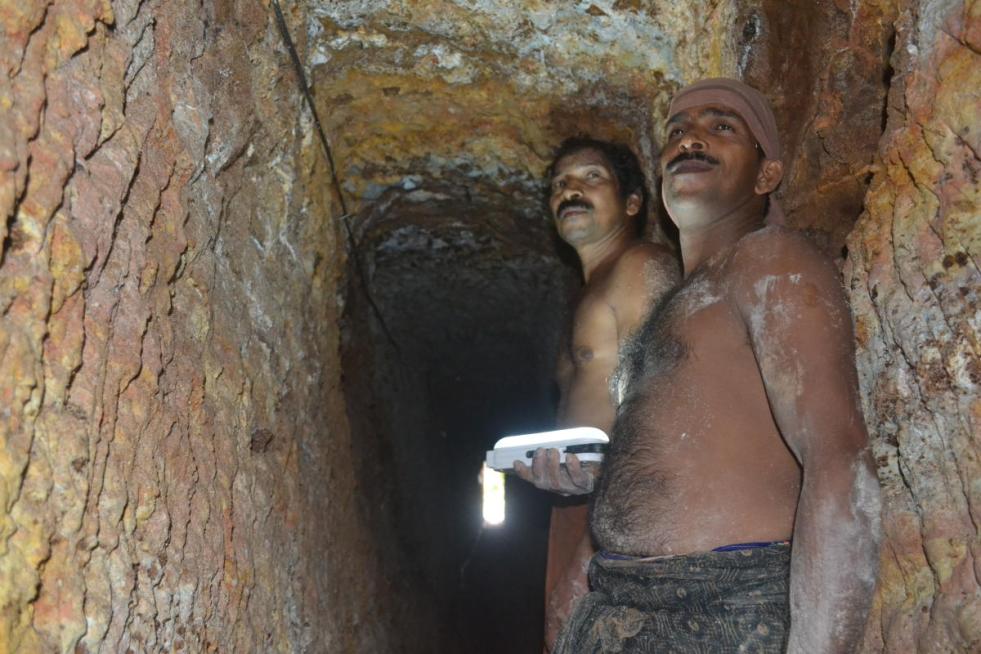
World Water Day 2022: India’s Positive Groundwater Stories
(Feature image: Suranga: Tunnelling the earth for water https://www.deccanherald.com/spectrum/suranga-tunnelling-the-earth-for-water-1080713.html (12 Feb. 2022)
March 22 is celebrated as World Water Day (WWD) since 1993 to underline the significance of freshwater resources. The theme for 2022 WWD is Groundwater which has become India’s water lifeline at least for the last four decades for most of urban and rural areas, be it supply of potable, irrigation or industrial use. The large scale unsustainable extraction and pollution of this invisible finite resource has been causing grave concern.
However, there are several indigenous viable alternatives and governance mechanism which can reverse the groundwater depletion trend and fulfil water requirements. We here compile top 10 positive groundwater stories of last one year. Similarly, the second part covers urban water options and the third part highlights positive water stories. It is worth mentioning that most of these remarkable efforts are result of MNREGA (Mahatma Gandhi National Rural Employment Guarantee Authority) scheme.
Continue reading “World Water Day 2022: India’s Positive Groundwater Stories”
