
(Feature Image by Cartoonist Alok/ Sakal, July 25, 2024)
This monsoon has again shown how our cities have been failing the monsoon test for decades. As rightly suggested in the Indian Express Edit this week, main reasons are: outdated drainage systems, planning that is blind to local hydrology and pathetic state of civic agencies. The last factor in fact needs to change to failed governance at all levels. There is no water or flood policy that guides our cities, nor is there any reward for improving governance, nor any penalties for lack of it.
In fact, with better rainwater management, cities can convert this problem into a blessing, both in terms of water security and also improved state of urban landscape. This would be possible if it prioritizes the city’s capacity to hold, store, recharge and drain the rainwater. Instead, the cities are busying destroying such capacities by destroying the rivers, ridges, forests, local water bodies, groundwater recharge capacities and also the drainage capacity.
An Urban Water policy and also urban governance policy to make urban governance more transparent, accountable and participative can also go a long way.
EDIT When rains bring cities to a standstill Good to see an edit on how our cities are repeatedly failing the monsoon test for over 15 years. It notes three common factors: Outdated drainage systems that cannot take the stress of more than normal rainfall, planning that does not account for local hydrology and civic agencies whose role seems limited to organising relief and rescue. This is good and welcome. But this does not go far.
– The cities are actually destroying their capacity to hold, store, recharge and drain the rainwater by destroying rivers, ridge, forests, local water bodies and groundwater recharge capacities. The new culprit added here is the river front development. The Edit also should have talked about the lack of Urban Water Policy and lack of confidence inspiring governance. https://indianexpress.com/article/opinion/editorials/when-rains-bring-cities-to-a-standstill-9483370/ (30 July 2024)
Pune Discharge from dams continues The irrigation department on Monday (July 29) continued to discharge water from Khadakwasla, Panshet and Varasgaon dams following continuous rain in the catchments. The overflowing Mutha appeared reddish as it carried soil and mud from the upstream areas. A geologist said landslides in the upstream could be one of the reasons for soil deposition in the water. https://timesofindia.indiatimes.com/city/pune/mutha-river-red-with-soil-from-upstream-landslips/articleshow/112121556.cms (30 July 2024)
Mumbai From flood-prone to sponge city Mumbai’s lakes, marshes & salt pans used to absorb monsoon rains and mitigate floods but they have been built upon or covered with concrete. As extreme climate events intensify, it is crucial to adopt the sponge city concept. This focuses on conserving and creating green areas that soak up rainwater and help make Mumbai flood-resilient. To achieve this, it is essential to identify and understand the varying degrees of wetness across the creeks, mangroves, mudflats, and saltpans that make up the natural terrain. (Shreya Rangaraj) https://questionofcities.org/reimagining-mumbai-from-flood-prone-to-sponge-city/ (26 Jul 2024)
HYDRO POWER PROJECTS
SANDRP Blog July 2024: ‘Cloudburst’ in Beas Basin Damages 2 HEPs It is clear that the flashflood destruction in and around Palchan area of Manali is abject failure of concerned government departments at multiple levels. The powerhouses of Serai HEP and Beas Kund HEP have come up in flood zone of rivers, thus facing damages. But none of the concerned government departments including HIMURJA and DoE took step to do anything to stop this.
Further, they seem uninterested in addressing the basic flaws and gaps in their hydro sector policy to prevent such damages in future. The project owners too are paying a heavy price for underestimating flood threats from extreme weather events. They are quite vulnerable to climatic disasters but now left on their own. https://sandrp.in/2024/08/03/july-2024-cloudburst-in-beas-basin-damages-2-heps-in-himachal-pradesh/ (03 Aug. 2024)
Himachal Pradesh 50 missing after multiple cloudbursts, Malana dam collapse Over 50 people are missing after multiply cloudbursts hit Kullu, Shimla and Mandi districts in Himachal Pradesh on Thursday night. Over 32 people were reported missing following a cloudburst last night at Samej Khud in Jhakri, Rampur in Shimla district. The officials have rushed to the spot to initiate the rescue operation.
– In Kullu’s Paravati Valley, Malana 2 Power Project has been worst hit after a cloudburst hit the area last night around 11 pm. A cloudburst also hit Rajban village in Mandi, where one person was killed, another critically injured and nine are missing. They are buried under the debris and a rescue operation is underway to pull them out.
– The Manali-Chandigarh National Highway has been breached at numerous places due to landslides and gushing waters of River Beas has entered some houses at Pandoh in Mandi. There were reports of some people missing and houses and shops being washed away in the area. https://www.tribuneindia.com/news/himachal/repeat-of-last-year-in-himachal-over-40-missing-after-multiple-cloudbursts-malana-dam-collapses-huge-building-swept-away-in-raging-parvati/ (01 Aug. 2024)
5 stranded in evacuation tunnel of Malana-2 HEP Five workers of Malana-2 HEP were stranded since morning on Aug 1 in evacuation tunnel of the project as the exit door was forced shut following cloud burst in Parvati Valley in early hours, Anand Verma, head of the project said. Verma said this happened as the project was damaged. There were 29 workers at the site, 24 of them were rescued. They were able to open the emergency flood gates. https://www.uniindia.com/news/north/hp-tunnel-stranded/3253302.html (01 Aug. 2024)
Malana barrage has been totally destroyed, has turned into rubble. NDRF team is on the way to rescue people. In addition to 5 persons trapped inside tunnel (no communication with them, so not know how they are) and 20-25 people are in a house, with access to food or water. https://himbumail.com/home/latest/25-people-marooned-and-five-trapped-in-tunnel (01 Aug. 2024)
4 killed, 49 missing after cloudbursts In Kullu, a cloudburst in the upper Malana glen of Parvati valley triggered a flash flood in the Malana rivulet, damaging hydroelectric project sites. As many as 35 people, mostly employees, trapped in the Malana hydro project (Stage 1) were rescued by NDRF teams and police. https://timesofindia.indiatimes.com/city/shimla/cloudbursts-flash-floods-hit-hp-4-killed-no-trace-of-49/articleshowprint/112206108.cms (02 Aug. 2024)
मलाणा परियोजना- 2 से इंजीनियर सौरव शर्मा एवं विशाल पांडे तथा ऑपरेटर डोला सिंह एवं वेंकटेश तथा सर्च शाफ्ट से ऑपरेटर टीकम राम एवं श्री देव् को रेस्क्यू किया गया। https://surbhinews.com/67708/ (02 Aug. 2024)
Dam failure highlights urgent need for safety reforms Early Aug 1 morning a cloudburst hit above the Malana II project in the Parbati Valley region. The gates of the Malana II Dam were opened slowly as per protocol, and Malana I, located downstream, was informed, he added. The Malana Dam No. 1 and Malana Dam No. 2, key components of the Malana Power Project owned by Bhilwara and Greenko groups, were affected.
– The cloudburst led to an accumulation of muck, boulders damaging the switchyard and the Malana II project. ”The gates were opened as per protocol. But since the dam does not have capacity to hold this volume of water it resulted in the flooding taking toll on infrastructure,” they added. Malana I, lacks floodgate, and has only a reservoir which was overwhelmed by the surge of water.
– The cloudburst and subsequent dam overflow released approximately 4.70 million cusecs of water, causing extensive damage. At least nine individuals are reported missing, a bridge was washed away, and significant road blockages occurred. A private bus parked along the roadside was also swept away near Sainj. Despite the gravity of the situation, authorities have not yet issued a detailed response. This incident follows last year’s malfunction at the Malana Project, where a floodgate failed to open during an emergency, raising serious concerns about dam safety protocols. https://himachalscape.com/malana-dam-failure-in-himachal-pradesh-highlights-urgent-need-for-safety-reforms/ (01 Aug 2024)
One cloudburst – 2 dams destroyed? Story of Malana Valley on the night of July 31-Aug 1, 2024 by Anand Sankar https://threadreaderapp.com/thread/1819342104721871220.html (02 Aug. 2024)
अभी तक 36 लोगों के लापता होने की पहचान हो पाई है. इसमें 33 लोग जिला शिमला क्षेत्र में रह रहे थे, जिसमे 4 प्रवासी मजदूर, 8 लोग कंदराहड़ और खुश्वा क्षेत्र से, 7 कर्मचारी ग्रींको प्रोजेक्ट समेज के और 14 स्थानीय निवासी समेज गांव के लापता है. इसके अतिरिक्त, 3 लोग जिला कुल्लू से संबंध रखते हैं. https://hindi.news18.com/news/himachal-pradesh/shimla-himachal-pradesh-cloudburst-flood-news-shimla-rampur-samej-village-flash-flood-36-people-missing-latest-news-ndrf-search-sunni-koldam-8542663.html (02 Aug. 2024)
चार जगह ‘बादल’ फटे, मलाणा में बांध फटा, एक की मौत कई लापता -बादल फटने और बाढ़ की इन घटनाओं में 52 से अधिक लोगों के लापता बताए जा रहे हैं। बादल फटने की सबसे बड़ी घटना रामपुर के झाकड़ी इलाके में देखने को मिली हैं जहां पर बादल फटने से समेज खड्ड में बाढ़ आने से 36 लोग लापता हैं और एक की मौत की पुष्टि जिला प्रशासन की ओर से की गई है।
-इसके अलावा मलाणा गांव में बने डैम के पास बादल फटने से डैम के फटने की भी सूचनाएं मिल रही हैं। डैम फटने से निचले क्षेत्र बलादी जहां मलाणा और पार्वती नदी मिलती है वहां पर कई भवन बह गए हैं और कई लोग फंसे हुए हैं।
-कुल्लू जिले के श्रीखंड महादेव यात्रा के रास्ते पर सिंहगाड में भी बादल फटने से बागीपुल, जाओ और सरघा क्षेत्र में कई मकान बाढ़ में बह गए हैं और 7 लोग लापता बताए जा रहे हैं। इसके अलावा बागीपुल में 11 निजी भवन, सरकारी भवन और कई गौशालाएं बह गई हैं।
-मंडी जिला के पधर क्षेत्र में भी देर रात 12 बजे बादल फटने की घटना हुई है। जिला के एसपी घटनास्थल पर पहुंच चुके हैं और उन्होंने बताया कि इस घटना में एक मृतक का शव मलबे से बरामद कर लिया गया है और 9 लोग अभी भी लापता हैं।
-खास बात यह है कि हाल ही में हुई इस भारी बारिश और बादल फटने की चार घटनाओं में से दो घटनाएं पावर प्रोजेक्ट एरिया में देखने को मिली हैं। इसमें से मलाणा में जो घटना देखने को मिली है उसमें पिछले वर्ष भी भारी नुकसान हुआ था और इस बार एक बार फिर इस स्थान पर डैम के पानी ने भारी तबाही मचाई है। रामपुर के झाकड़ी में भी बादल फटने की घटना पावर प्रोजेक्ट एरिया के साथ में देखने को मिली है। इससे पर्यावरण जानकार इन प्राकृतिक आपदाओं की घटनाओं को पावर प्रोजेक्टों से जोड़कर देख रहे हैं।
-मौसम विभाग के वैज्ञानिक कुलदीप श्रीवास्तव ने डाउन टू अर्थ को बताया कि कि जहां जहां ये घटनाएं हुई हैं वहां पर ऑबर्जवेशन सिस्टम नहीं हैं इसलिए यह कहना मुश्किल है कि बादल फटे हैं या नहीं। लेकिन हमारे डाटा के मुताबिक रात 12 से 6 बजे तक भारी बारिश हुई है। वहीं हिमाचल प्रदेश आपदा प्रबंधन प्राधिकरण की ओर से जारी जानकारी के अनुसार ने तीन स्थानों में बादल फटने की पुष्टि की है। https://hindi.downtoearth.org.in/natural-disasters/clouds-burst-at-four-different-places-in-himachal-dam-burst-in-malana-one-dead-and-many-missing (01 Aug. 2024)
जल विद्युत परियोजनाओं के आस–पास ही क्यों घट रही प्राकृतिक आपदाएं हिमाचल प्रदेश में पिछले एक वर्ष घटित हुई प्राकृतिक आपदाओं के घटना स्थलों का आकलन करें तो उसमें भी ज्यादातर घटनाएं किसी न किसी न किसी पावर प्रोजेक्ट या नेशनल हाईवे प्रोजेक्ट के आस पास घटती हुई पाई गई है। जिससे विकास की परियोजनाओं को लेकर सवाल उठने शुरू हो गई हैं। पर्यावरणविद् और वैज्ञानिकों ने भी परियोजना स्थलों में परियोजनाओं के कारण वहां की पारिस्थितिकी में पड़े असर से आपदाओं को जिम्मेवार माना है। हाईड्रो पावर प्रोजेक्टस के बनने से उस क्षेत्र की पारिस्थितिकी में भारी बदलाव देखने को मिलते हैं.
-1 जनवरी से 31 जुलाई तक हिमाचल प्रदेश में 7 स्थानों में बादल फटने की घटनाएं हुई हैं। इसमें से 4 ऐसे स्थान थे जहां पर पावर प्रोजेक्ट्स थे। 25 जुलाई को मनाली के धुंधी में अंजनी महादेव नाले में बादल फटने के बाद बाढ़ आ गई थी, जिससे राष्ट्रीय राजमार्ग बंद हो गया था। इस स्थान पर 9 मेगावाट को पावर प्रोजेक्ट लगा हुआ है। इसके अलावा 31 जुलाई की रात हिमाचल में एक साथ चार स्थानों में बादल फटने की घटनाएं हुई। इसमें मलाणा पावर प्रोजेक्ट स्टेज 1 के डैम के पास बादल फटने से भारी बाढ़ आ गई और इससे मलाणा स्टेज वन के डैम फटने से निचले क्षेत्रों में भारी जलभराव से नुकसान हुआ है।
-वहीं इसी रात शिमला के रामपुर क्षेत्र में झाकड़ी के समीप समेज में बादल फटने की घटना भी 6 मेगावाट के पावर प्रोजेक्ट के पास में हुई। इस घटना में 2 लोगों की मौत हो गई और 34 लोग लापता हैं। जिनकी तलाश का काम जारी है। इसके अलावा 31 जुलाई को पार्वती वैली में तोष के पास भी बादल फटने से भारी नुकसान हुआ है और इस स्थान पर हाईड्रो पावर प्रोजेक्ट पार्वती स्टेज टू है। इतना ही नहीं यदि पिछले साल और पूर्व मे घटित हुई प्राकृतिक आपदाओं को देखा जाए तो ये घटनाएं भी किसी न किसी पावर प्रोजेक्ट या राष्ट्रीय राजमार्ग के साथ में होती पाई गई हैं। पिछले वर्ष कुल्लू मलानी और सैंज घाटी में आई भारी त्रासदी जान माल के साथ हजारों करोड़ की संपतियों का नुकसान उठाना पड़ा। इन त्रासदियों में अधिक नुकसान के पिछे भी मलाणा पावर प्रोजेक्ट, सैंज पावर प्रोजेक्ट, पार्वती पावर प्रोजेक्ट, लारजी पावर प्रोजेक्ट, भाखड़ा और पौंग डैम बड़े कारण थे। https://hindi.downtoearth.org.in/natural-disasters/himachals-disaster-natural-disasters-are-occurring-near-hydroelectric-projects (2 Aug 2024)
4Mw Jirah small HEP in Manikaran valley of Kullu damaged by floods. मणिकर्ण घाटी के बलारगा गांव के सामने एक पावर प्रोजेक्ट में मंगलवार (July 30) को ओवरफ्लाे पेन स्टाेक पाइप फट गई। ओवरफ्लाे पेन स्टाेक पाइप फटने से प्रोजेक्ट के पावर हाउस को काफी क्षति हुई है। इसमें किसी तरह के जानमाल का नुकसान नहीं है। https://www.amarujala.com/himachal-pradesh/kullu/overflow-penstock-pipe-burst-in-mini-hydro-project-kullu-news-c-89-1-klu1001-127818-2024-07-30 (30 July 2024)
Problems in penstock of 12 Mw Upper Joiner HEP in Churah valley in Chamba. बिहाली पंचायत में संचालित ग्रीनको पावर हाइड्रो प्रोजेक्ट के पावर हाउस में उस समय कर्मचारियों में अफरा-तफरी मच गई, जब अचानक पावर हाउस में पानी की सप्लाई करने वाला पैन स्टॉक पाइप फट गया। इससे पानी पावर हाउस की तरफ बहने लगा। हालांकि, इससे पावर हाउस को कोई नुकसान नहीं पहुंचा। https://www.amarujala.com/himachal-pradesh/chamba/chaos-due-to-bursting-of-pan-stock-pipe-in-power-project-chamba-news-c-88-1-ssml1006-129534-2024-07-22 (22 July 2024) https://www.youtube.com/watch?v=8YGaLnytQLo (23 July 2024)
Pandoh Dam Gate Jam BBMB administration has been able to open one of the two spillway gates that they were not able to open earlier. https://currentnewz.in/archives/39796 (3 Aug 2024)
Two gates of Pandoh dam of BBMB are jammed due to silt, they are not able to open them and hence not able to release full quantum of water necessary. In the tunnel that takes water from Pandoh dam to Baggi, the tree trunks and other debris are collected, so less water is going there too. This is also affecting the power generation. There could be greater risk if there is too much delay. It is also reported that a lot of BBMB machinery at the dam site worth crores of rupees is found to be damaged, machinery had to be brought from elsewhere. https://currentnewz.in/archives/39779 (03 Aug. 2024) The gates were opened by 11.30 pm on Aug 3, 2024.
-बीबीएमबी पंडोह डैम के दो गेट बड़ी मात्रा में सिल्ट आने से बीते तीन दिनों से बंद पड़े हैं। इससे अधिकारियों के पसीने छूटने लगे हैं। बीबीएमबी के अध्यक्ष मनोज त्रिपाठी भी मौके पर पहुंचे। गेट को खोलने के लिए चंडीगढ़ से टेक्नीकल टीम भी पहुंची मौके पर पहुंची है। बता दें, भारी बारिश के चलते ब्यास नदी का जलस्तर बढ़ गया है। लारजी डैम से पानी छोड़ने के बाद पंडोह डैम पानी सलबालब हो रहा है। ऐसे में इस पानी को डैम से छोड़ना जरूरी है। लेकिन दो गेट बंद होने से परेशानी बढ़ सकती है। https://www.amarujala.com/himachal-pradesh/mandi/two-gates-of-bbmb-pandoh-dam-jammed-due-to-silt-officials-are-in-a-tough-spot-2024-08-03 (03 Aug. 2024)
CITU stages protest, says SJVN violating labour laws The Centre of Indian Trade Union (CITU) staged a protest outside the premises of the Deputy Commissioner’s office in support of the indefinite protest of 400 workers of the SJVN’s 412-MW Rampur Hydroelectric Power Plant for violation of labour laws. The protest has been going on for the last 60 days. https://www.tribuneindia.com/news/himachal/citu-stages-protest-in-shimla-says-sjvn-violating-labour-laws/ (02 Aug. 2024)
Shongtong HEP gets final FCA clearance: CM Himachal Pradesh govt claims final forest clearance for Shontong HEP. https://energy.economictimes.indiatimes.com/news/power/state-govt-secures-final-fca-clearance-for-shongtong-hydro-electric-project-cm-sukhvinder-sukhu/112165465 (31 July 2024)
Jammu & Kashmir Havoc on Ecology and Economy: Small Hydro-power Project Branwar and Broken Vows “Na khuda hi mila, na visaal-e-sanam/ Na idhar ke rahe, na udhar ke rahe.”: -This couplet describes the fate of many communities and people living in remote areas of Jammu & Kashmir especially the forest dwellers whose resources (land , forest , water) were acquired for so-called developmental projects. These hydropower projects left communities with economic losses and ecological damage. Even small hydropower projects have been harming the biodiversity, ecology and economic conditions of people. When the 7.5 MW Branwar Hydropower project was being constructed around 15 years back in a forest village called Branwar in District Budgam, a lot of false promises were made to villagers by the local politicians. Dr Raja Muzaffar Bhat describes the information after firsthand visit. https://kashmirobserver.net/2024/07/30/havoc-on-ecology-and-economy-small-hydro-power-project-branwar-and-broken-vows/ (30 July 2024)
Arunachal Pradesh Vedanta, Jindal Power lead 6-company bid for Athena According to news reports, six businesses are vying for control of Athena Demwe Power—which owns the 1,750 MW Lower Demwe hydropower plant—through the insolvency resolution process. These businesses include Vedanta, Jindal Power, and a division of JSW Energy. The other bidders, according to the reports, are Orissa Metaliks, THDC India, which is owned by the state-owned NTPC, and Greenko Energies. https://www.indiainfoline.com/news/companies/vedanta-jindal-power-lead-six-company-bid-for-athena (02 Aug. 2024)
Adi Bane Kabang has clarified that it does not support the proposed Upper Siang Hydropower project. https://northeastlivetv.com/around-ne/arunachalpradesh/arunachal-is-adi-bane-kebang-supporting-upper-siang-hydropower-project-amid-strong-opposition-against-it/ (30 July 2024)
Maharashtra Cabinet clears proposal to lease HEPs to private players The Maharashtra government on Tuesday (July 30) cleared a policy under which private players can bid to operate old hydroelectric plants where power generation is incidental to irrigation and drinking. Under the scheme — Renovation, Modernisation, Uprating & Life Extension (RMU&LE), over-lived hydroelectric plants on Lease, Renovate, Operate & Transfer (LROT) basis will be carried out. The government has categorised the hydro power projects into two categories and only Category 2 projects will be available for lease to private players. Category 1 involves those that are meant for power generation only and the Category 2 includes projects meant for irrigation and drinking water.
– Out of 25 projects owned and constructed by the Water Resources Department (WRD) and leased out to MAHAGENCo, nine are independent hydro power projects (IPP) under Category 1 and have an an aggregate power generation capacity of 2411.5 MW. In these nine projects, water is used only for power generation and the projects are important for stability and management of the grid. “Considering the strategic importance of these projects, MAHAGENCo will carry out RMU&LE works of these IPPs after expiration of their 35 years of normative life…” the policy said.
– The remaining hydroelectric projects fall in Category 2 with an aggregate capacity of 167.45 MW. Six others with 9.575 MW capacity, where power generation is incidental to irrigation and/or water supply releases will be carried out by LROT basis. Some of the major projects that can be leased out to private players include Yeldari (22.5 MW) Bhatghar (16MW), Paithan (12 MW), Pawna (10 MW), Khadkwasla (8MW+8MW), Ujani (12 MW) and Bhatsa (15 MW) among others. The project shall be allotted through a bidding process where MAHAGENCo is also allowed to participate. The term of lease shall be of 25 years from commercial operation date (COD). https://indianexpress.com/article/cities/mumbai/proposal-lease-state-hydroelectric-projects-private-players-clear-9486133/ (31 July 2024)
Report Dammed in the Himalayas Huge dams in the quake-prone Himalayas risk catastrophe. Despite warnings, construction continues, gambling with lives and ecosystems. Delays, disasters, and devolvement are the norm rather than the exception in most such projects planned across India. Yet more are on the anvil as clearances get issued. Resentment against these projects has been brewing for a long time in Arunachal Pradesh, with human rights groups and organisations pleading to let affected people have a greater say in the decision-making process. Their objections have gone largely unheeded.
– The big question then is, are projects of this magnitude worth it? The answer involves not just cost-benefit analyses and understanding of the recent dismal history of the hydropower sector but another essential element: risk. Hydropower projects in the Himalaya face two real, ever-present, risks: the possibility of a devastating earthquake and ruinous floods caused by glacial lake overflows. https://frontline.thehindu.com/environment/sikkim-glacial-lake-earthquake-mount-everest-himalayas-hydropower-dams/article68449344.ece (03 Aug. 2024)
Low snow levels in the Himalaya are putting lives at risk -Snow plays a crucial role in glacier mass balance and growth. Snowfall accumulation compacts under additional layers, transforming into firn — a dense, granular form of snow — and eventually into glacial ice through further compression and recrystallization. Understanding these dynamics is essential for predicting glacier behaviour and managing water resources in regions reliant on glacial meltwater.
-There is an urgent need for more scientific and societal information about precipitation in the region. Increased high-altitude meteorological observations and improved regional climate models are essential to understanding and preparing for an uncertain future. (Tirthankar Ghosh) https://www.nature.com/articles/d44151-024-00118-3 (29 July 2024)
MoEF Decisions of meeting of EAC on River Valley Projects held on July 18-19 2024: Before taking up the agenda for discussion the EAC deliberated upon improving the quality of EIA/EMP reports. The chairman suggested that the Project Proponents may get the reports vetted by a no conflict third party reputed consultant.
1. Kutehr Hydro-electric Project (240 MW) by JSW ENERGY (KUTEHR) Ltd at CHAMBA, HIMACHAL PRADESH for Ext of Validity of EC granted on 05.07.2011: Stage -II FC was granted by MoEF&CC on 11.01.2013, therefore as per OM no. IA3-22/10/2022-IA.III[E-177258] dated 11.04.2022 validity of EC shall be counted from 11.01.2013. The EAC noted that EC is valid till 10.01.2027.
2. Subansiri Upper HE Project by NHPC Ltd at UPPER SUBANSIRI,ARUNACHAL PRADESH for TOR: Approved.
3. Upper Sileru Open Loop Pumped Storage Project (1350 MW) in 332.44 Ha at Village Valasagedda, Busikonda, Sub District Gudem Kotha Veedhi, District Alluri Sitharama Raju, Andhra Pradesh by AP Power Generation Corp Ltd–for Env Clearance: Approved
4. Jhariya Pumped Storage Project (1620 MW), in 333.97 ha. at Village Badarwa, Tehsil Robertsganj, Dist Sonbhadra, Uttar Pradesh by Jhariya Ananturja Pvt Ltd for Terms of Reference: Approved
5. Rouni Open Loop Pumped Storage Project (2100 MW) in 370 ha at Village Bhadikona, Chhichhli and Rajpuri R F, Sub-dist Bagicha, Dist Jashpur, Chhattisgarh by CG State Power Generation Co Ltd for Terms of Reference: Approved
6. Panaura Pumped Storage Project (1500 MW), in 236.5 ha at Village Soman, Argarh. Chichli etc Tehsil Robertsganj, Dist Sonbhadra, Uttar Pradesh by Adani Green Energy Ltd for Terms of Reference: Approved
7. Cumulative Impact Assessment and Carrying Capacity Study (CIA & CCS) of Yamuna River Basin in Uttarakhand by Indian Council of Forestry Research and Education (ICFRE), Dehradun – Additional Terms of Reference AND CIA & CCS of Yamuna River Basin in Himachal Pradesh by ICFRE – Terms of Reference: More info sought
8. Discussion on the Report of the Site visit undertaken by EAC(Sub-Committee), River Valley & Hydro-electric Visit on 21.06.2023 to 25.06.2023 at Shongtong-Karcham (402 MW) Hydroelectric Power Project in Dist Kinnaur of Himachal Pradesh by HPPCL: More info sought. https://parivesh.nic.in/utildoc/89858497_1722601778606.pdf (Aug. 2024)
Agenda of EAC on River Valley Projects to be held on Aug 13 2024: 1. 240 MW Uri-I Stage-II Hydroelectric project in 102 ha in Sub Dist Uri, Boniyar, Kreeri, Baramullaand Rafiabad, Dist Baramulla (Jammu and Kashmir) by NHPC Ltd for Env Clearance
2. Bilaspur Open Loop Pumped Storage Project (1000 MW) in 301.5 Ha in Village Manjurpah & Karichhaper, District Bilaspur, Chhattisgarh by Jindal Renewable Power Pvt Ltd for ToR
3. MP30 Gandhi Sagar Off Stream Pumped Storage Project (1440 MW) in 402.5 ha by Greenko Energies Pvt Ltd in village Khemla Block, Tehsil Rampur, Dist Neemuch, Madhya Pradesh – Amendment in Env Clearance
4. OA No. 71/2020 (SZ) in the matter of Gavinolla Srinivas Vs. UOI and Ors. NGT, Southern Bench, Chennai regarding Rayalasema Lift Scheme of Andhra Pradesh. Compliance of NGT Order
5. Harmonization and Optimization of Environmental Clearance Conditions https://parivesh.nic.in/utildoc/88908224_1722339026542.pdf (July 2024)
DAMS
Hirakud Dam Oustees get land pattas after 6 decades ANOTHER OFFICIAL EVIDENCE THAT HIRAKUD OUSTEES HAVE STILL NOT BEEN FULLY RESETTLED: A wave of joy and fulfilment swept over the families displaced by the Hirakud Dam project as over 200 beneficiaries finally received land pattas after six long decads, in a special programme held at Kurla village in Rengali block on Aug 1. The Hirakud dam project was inaugurated by Jawaharlal Nehru on January 13, 1957. However, its oustees were assured 10 decimal homestead lands as compensation by the former BJD government in 2002. Though 20 years passed, the promise remained a distant dream for the hundreds of displaced families.
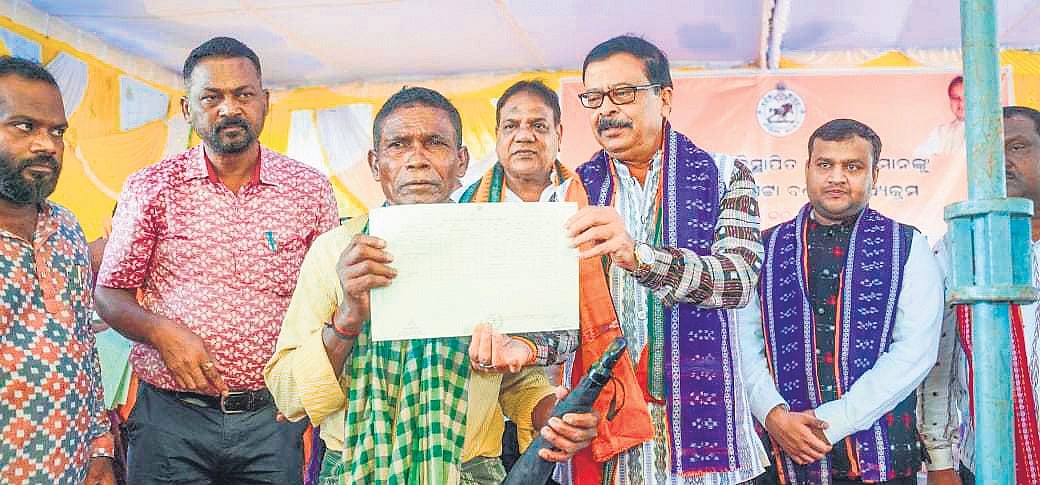
– Reportedly, at least 26,501 families were affected due to the construction of the dam and as many as 16,934 applications for homestead land were submitted by the displaced families, including 10,465 in Jharsuguda district, 2,719 in Sambalpur district, 3,100 in Sundargarh district and 650 applications in Bargarh district. https://www.newindianexpress.com/states/odisha/2024/Aug/02/hirakud-oustees-get-land-pattas-after-six-decades (02 Aug 2024)
Karnataka Civil society groups question Govt over proposed amusement park near KRS The proposed Rs 2600 Cr amusement park in Vridavan Gardens at KrishnaRaj Sagar Dam on Cauvery in Karnataka is facing opposition from civil society and farmer groups for costs, impacts, destruction of heritage gardens and possibility of acquisition of agriculture land. https://www.thehindu.com/news/national/karnataka/civil-society-groups-question-karnataka-government-over-proposed-amusement-park-near-krishnaraja-sagar/article68453220.ece (27 Jul 2024)
RIVERS AS NATIONAL WATERWAYS
Assam No EIA conducted for sagarmala projects, Govt to Lok Sabha The Assam govt has informed that no Environmental Impact Assessment (EIA) studies have been conducted for the Sagarmala Projects in the state, Union Minister of Ports, Shipping and Waterways Sarbananda Sonowal said in a written reply in Lok Sabha. Sonowal informed the Lok Sabha that the Government of India has given in-principle approval for 100% financial assistance under the Sagarmala Scheme for the development of eight smaller terminals and two slipways along the National Waterways-2 on the Brahmaputra river in Assam.
-As projects progress, there’s a growing demand for transparent environmental assessments. Stakeholders, like local communities, environmental groups, and policymakers, emphasize sustainable development aligned with ecological preservation. The next months will be crucial as the Assam government revises DPRs and initiates the tendering process. The authorities’ approach to environmental concerns while pushing for infrastructural development will be closely watched. https://groundreport.in/latest/no-eia-conducted-for-sagarmala-projects-in-assam-6795723 (03 Aug. 2024)
URBAN RIVERS
Sabarmati; Ahmedabad ‘We are in ICU’: HC A Gujarat High Court bench on Friday (July 02) suggested that the Gujarat Pollution Control Board (GPCB) frame norms and policies for industries to prevent them from releasing effluents into the river. It also recommended devising mechanisms, potentially with the help of technology, to enable industries to reuse treated water. The High Court was hearing a suo motu PIL based on a report published by Ahmedabad Mirror, which showed that STPs in the city are not functioning at full capacity, leading to contaminated water being diverted to the Sabarmati River. The GPCB assured the court that it would work on the suggestions put forth.
During the hearing, the Chief Justice commented on the irony of industries using pure groundwater, creating effluents, and then releasing them back into the river. This, he noted, is essentially making clean water unclean, necessitating a solution. The High Court emphasized the urgency of the situation, stating, “Treated water from industrial effluent by CETP should be diverted to the industries. We are [in the] age of water scarcity. Not much time [is] left. We are in the ICU. The way we are sustained is not a good situation for us.” The Chief Justice further highlighted the vicious cycle of contaminated water being used for irrigation, which in turn contaminates soil and crops, leading to serious diseases like cancer. https://www.ahmedabadmirror.com/sabarmati-pollution/81873199.html#goog_rewarded (05 Aug. 2024)
During the hearing of a suo motu PIL on the issue of river pollution, the bench of Chief Justice Sunita Agarwal and Justice Vaibhavi Nanavati reminded the GPCB and AMC about the court’s earlier observation that the industrial wastewater treated in the CETPs should be processed further and diverted to the industries for reuse. “Why should industries be allowed to use groundwater? Pure water is being used, and we are in the stage of water scarcity,” the CJ said. This happened after a video highlighting pollution from the MEGA pipeline near Vasna, which circulated widely on social media, was brought to the judges’ notice. The CJ said that CETPs must treat effluents to a commercially viable level for industrial reuse. Just dumping treated water in the river will never make it pollution-free. The CJ questioned if there was any study on the extent of damage caused to the river due to effluent dumping. https://timesofindia.indiatimes.com/city/ahmedabad/industries-must-reuse-treated-water-not-dump-in-sabarmati-gujarat-high-court-urges-for-industrial-water-reuse/articleshow/112236093.cms (03 Aug. 2024)
Lucknow Can city get back its rivers, lakes? THE city of Lucknow is planning a revival of its water heritage. If the effort succeeds at least one shrunken river with wetlands, lakes and rivulets could gradually spring back to life over time. The Gomti, which runs through Lucknow, has been under stress. The Kukrail, that joins it in the middle of the city, has been reduced to a drain. Rejuvenating the two rivers is important but simultaneously their catchments and networks of smaller waterbodies have to be revived and protected.
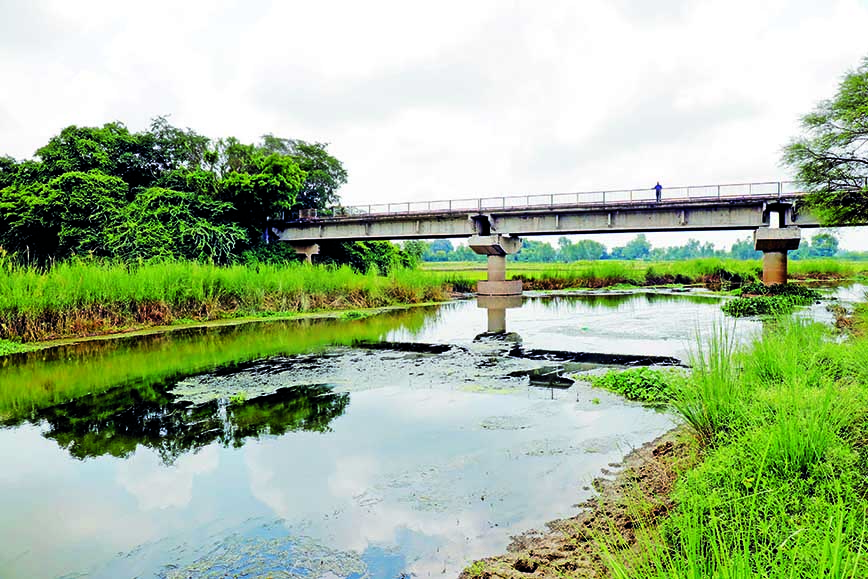
– Just like the river channel, the land adjacent to it on both sides is important. If you lose the river terrace, you lose the river. The riverbanks store water and recharge aquifers very fast. The banks should be natural with native plants and grasses. This foliage is the refuge of a variety of life forms. If you take away riverbanks and replace it with concrete walls, you destroy all the processes which keep the rivers alive. https://civilsocietyonline.com/cover-story/can-lucknow-get-back-its-rivers-lakes/ (29 July 2024)
RIVERS
Study India’s polluted rivers are becoming a global pollution problem India’s mounting, untreated waste is a problem whose consequences go beyond its borders. A new study from the International Institute for Applied Systems Analysis (IIASA) estimating waste leakage into aquatic environments finds India is at risk of being one of the top contributors to this global problem, with untreated municipal solid waste to blame. Millions of people depend on India’s vast river systems for their survival. India’s rivers also support 18% of the world’s population of unique aquatic animals and plants, according to the Wildlife Institute of India. But a little over half of India’s 605 rivers were found to be polluted by the Central Pollution Control Board in 2022. This pollution is not only a threat to domestic public health and biodiversity, but is adding to the global burden of waste leakage into water bodies. India currently accounts for 17% of the world’s scattered municipal waste, according to the IIASA study. Without a circular waste management system, India’s contribution to waste leakage into rivers will continue to increase. https://india.mongabay.com/2024/07/indias-polluted-rivers-are-becoming-a-global-pollution-problem/ (25 July 2024)
Yettinahole Project Road washed away due to landslide in Sakleshpur taluk The road connecting Kumbaradi and Harle Estate in Sakleshpur taluk washed away due to downpour and landslide during the early hours of Tuesday (July 30). The villagers alleged that the ongoing unscientific Yettinahole project led to the landslides in parts of Sakleshpur taluk. The road washed away and the land caved for 80 ft deep due to heavy rain. Five adjacent villages lost connectivity to the Hobli and Taluk Headquarters. The Yettinahole canal work progress is just 200 meters away from the landslide spot. https://www.newindianexpress.com/states/karnataka/2024/Jul/30/road-washed-away-due-to-landslide-in-sakleshpur-taluk-of-karnatakas-hassan-district (30 July 2024)
GANGA Parliamentary committee criticizes NMCG work Unutilised funds, absence of a long-term plan, lack of STP with optimum capacity and non-compliance of pollution norms by industries are hampering the rejuvenation of the Ganga, said a parliamentary panel report. The Public Accounts Committee report said, “The committee finds the absence of a long-term action plan for the National Mission for Clean Ganga (NMCG) alarming. It urges the NMCG to prioritise the development of a comprehensive river basin management plan that can guide the project’s implementation effectively.” “The plan should be shared with various ministries and departments. Besides, a definite timeline should be set for cleaning the Ganga river and maintaining its cleanliness in subsequent phases of the Namami Gange programme.”
– It noted that about 3,603 MLD of sewage was generated by 97 towns situated on the main stem of the Ganga river (based on the projected population for 2035). However, only about 2,100 MLD is being treated, while the rest of the untreated sewage goes directly into the river, the report said. It noted that 463 grossly polluted industrial units were not complying with norms. https://www.tribuneindia.com/news/india/absence-of-long-term-plan-unutilised-funds-hampering-rejuvenation-of-ganga-644273 (29 July 2024)
Uttar Pradesh DM efforts revive Sot river revived in Sambhal Firstly, the administration conducted a survey to understand the natural alignment of the river. This was followed by physical demarcation of the region to learn about the length and breadth of the river. The third step was to clear the illegal encroachments.
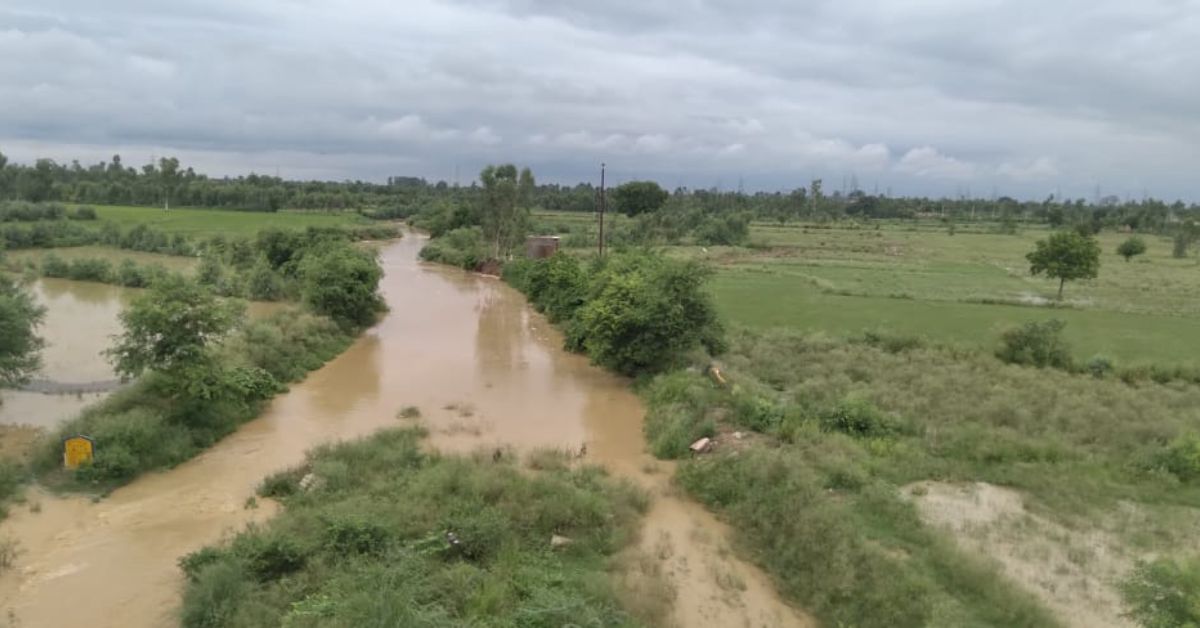
The fourth step was desilting of the river to remove fine silt and sediment collected in the river and restore it to its natural capacity. As part of this, the district administration roped in MGNREGA workers to clean and dig the riverbed afresh. Started in December 2022, the project was completed in six months by June 2023. During the last monsoon, the river captured the rainwater and was revived to its old glory. The region was also free from waterlogging. https://thebetterindia.com/359103/ias-officer-sot-river-revival-rejuvenation-project-sambhal-uttar-pradesh-manish-bansal-mgnrega-gram-panchayat-monsoon-waterlogging/ (31 July 2024)
FISH, FISHERIES, FISHERFOLKS
Jammu & Kashmir Heatwave threatens aquatic ecosystem A severe heatwave, accompanied by rising temperatures, is threatening the aquatic life in Kashmir’s lakes and streams, experts warned on Wednesday (July 24). They said the increasing temperatures are disrupting the delicate balance of the region’s aquatic ecosystems.
-The Kashmir Valley has experienced several mass fish mortality incidents in recent years. For instance, in August 2012, numerous fish died in Srinagar’s Nigeen Lake due to low oxygen levels and changes in water temperature. In October 2017, thousands of fish were found dead in the Jhelum River, again due to low oxygen levels. More recently, in July 2024, thousands of fish died in the Tsoont Koel stream near Barbar Shah, Srinagar, due to oxygen depletion and pollution. https://kashmirlife.net/heatwave-threatens-kashmirs-aquatic-ecosystem-361373/ (24 July 2024)
SAND MINING
Andhra Pradesh Former mines director suspended Former Director of Mines and Geology (DMG) VG Venkata Reddy, who was deputed to the Andhra Pradesh from Central service, was placed under suspension on charges of alleged irregularities in sand mining during his tenure. The State government has also ordered an inquiry by the Anti-Corruption Bureau (ACB) against the suspended official. Chief Secretary Neerabh Kumar Prasad issued the orders to this effect on Aug 1. Venkata Reddy, a senior civilian staff officer of the Indian Coast Guard, came to Andhra Pradesh on deputation during the YSRC regime and was posted as the Director of Mines and Geology Dept. He has been accused of resorting to gross violations in the Mining Dept. After the TDP-led NDA government came to power, an inquiry was ordered into the irregularities. https://www.newindianexpress.com/states/andhra-pradesh/2024/Aug/02/former-mines-director-vg-venkata-reddy-suspended-for-sand-mining-irregularities (02 Aug 2024)
GROUNDWATER
MoJS Exploitation of GW Resources 2023 As per the Ground Water Resource Assessment Report for the year 2023, the total annual extractable groundwater resource for the country has been assessed as 407.21 billion cubic meter (bcm) and the total annual groundwater extraction is assessed as 241.34 bcm.
Water being a State subject, the issues related to development, regulation and management of water resources, including ground water, are primarily the responsibilities of the state governments. The Central Government complements the efforts of the state governments by providing technical support and financial assistance through its institutions and various centrally sponsored schemes. Some of the important measures taken by the Central Government for having a better and more efficient water management system in the country are listed below:
– National Water Policy (2012) formulated by Department of Water Resources, RD & GR, envisages evolving an agricultural system which economizes on water use and maximizes value from water. The policy which primarily focuses on avoiding water wastage, inter-alia, advocates reuse of urban water effluents from kitchens and bathrooms and incentivizing recovery of industrial pollutants for recycle / reuse. The Policy has been forwarded to all States/UTs concerned Ministries/Departments of Central Government for adoption.
– Bureau of Water Use Efficiency (BWUE) has been set up under MoJS to plan and execute nationwide program for promotion of efficient use of water in irrigation, domestic water supply, municipal and/or industrial uses in the country. The BWUE has also been tasked with prescribing guidelines for water conservation codes; Developing standards for water efficient fixtures, appliances, sanitary wares etc; Evolving a system of efficiency labeling/ blue labeling; Promote research and development in the field of water & capacity building in collaboration with states.
– The Central Ground Water Authority (CGWA) has been constituted under MoJS for the purpose of regulation and control of ground water abstraction. Abstraction cum use of Groundwater in the country is regulated by CGWA by way of issuing NOCs as per the provisions of its Guidelines dated 24.09.2020 which have pan India applicability. As per the Guidelines, infrastructure projects drawing groundwater 20KLD or more are required to install STP and use the treated water for greenbelt development/ washing of cars etc. Further, industries abstracting ground water in excess of 100 KLD are required to undertake biennial water audit, which should recommend reduction in water consumption through recycle/ reuse.
– Government of India, in partnership with States, is implementing Jal Jeevan Mission (JJM) since August, 2019 to provide potable tap water supply of prescribed quality and on regular & long-term basis to every rural household in the country. Under JJM, for villages in water-scarce areas, in order to save the precious fresh water, States are being encouraged to plan new water supply scheme with dual piped water supply system, i.e. supply of fresh water in one and treated grey/waste water in another pipe for non-potable/ gardening/ toilet flushing use.
– Government of India is implementing Jal Shakti Abhiyan (JSA) in the country since 2019 which mainly focuses on effectively harvesting the monsoon rainfall through creation of artificial recharge structures, watershed management, recharge and reuse structures, intensive afforestation and awareness generation etc. The 5th edition of JSA for 2024-25 with theme ‘Nari Shakti se Jal Shakti’ has been launched by the ministry in March 2024.
– Ministry of Jal Shakti (MoJS) has launched Atal Bhujal Yojana in 8213 water stressed Gram Panchayats of 7 states, which is a community led scheme for participatory ground water management focusing on demand side management of ground water. Under this scheme, inter alia, states are incentivized for adopting water efficient agricultural practices like switching over to drips/sprinklers, crop diversification to less water intensive crops, mulching etc.
– Furthermore, a number of States have done notable work in the field of water conservation/harvesting such as ‘Mukhyamantri Jal Swavlamban Abhiyan’ in Rajasthan, ‘Jalyukt Shibar’ in Maharashtra, ‘Sujalam Sufalam Abhiyan’ in Gujarat, ‘Mission Kakatiya’ in Telangana, ‘Neeru Chettu’ in Andhra Pradesh, ‘Jal Jeevan Hariyali’ in Bihar, ‘Jal Hi Jeevan’ in Haryana, and ‘Kudimaramath’ scheme in Tamil Nadu etc.
In addition to the above, the Government of India has taken several other significant initiatives for the improvement of groundwater situation in the country which can be seen at: https://jalshakti-dowr.gov.in/document/steps-taken-by-the-central-government-to-control-waterdepletion-and-promote-rain-water-harvesting-conservation/
This was informed by UNION MINISTER OF STATE FOR JAL SHAKTI, SHRI RAJ BHUSHAN CHOUDHARY, in a written reply to a question in Rajya Sabha on July 29 2024. https://pib.gov.in/PressReleseDetailm.aspx?PRID=2038422 (29 July 2024)
URBAN WATER
IWP Urban water quality problems in India The recent Pey Jal Survekshan reveals that only 10 percent of cities provide safe drinking water to their citizens. Against this background, this article explains the challenges of providing safe drinking water through a centralised piped water supply model. It suggests the need to explore the alternative model of decentralised treatment and non-pipe mode of supply to overcome the issues of water quality in cities in India.
– The main challenge is maintaining water quality at the household-level tap after passing through the distribution network. The water quality deteriorates in the distribution network by multiple processes, such as pipe material release, biofilm formation, sediment buildup, and accumulation of human pathogenic viruses, and this is a global concern even in developed countries. In Indian cities, old and leaky pipes and their exposure to sewer lines further aggravate the contamination problem.
– As per CPHEEO standards, the water requirement in cities in India is 135 litres per capita per day. Under the existing approach of piped water supply, this entire 135 litres of water is treated to meet drinking water quality standards. However, for drinking and cooking purposes, an individual typically needs only 3-5 litres of water per day. Hence, the practice of treating such enormous quantities of water with drinking water quality standards and distributing it through a network that cannot guarantee the delivery of safe water at the premise of the citizens needs critical examination. https://www.indiawaterportal.org/articles/conundrum-water-quality-urban-water-supply-india (13 July 2024)
SUMMER 2024
Ladakh At 36°C, ‘cold desert’ Leh too hot for flights; 12 cancelled in 3 days – Since Saturday (July 27), flight operations at Leh, India’s highest commercial airport, have been affected as IndiGo and SpiceJet have been forced to cancel a dozen flights scheduled around noon as day-time temperatures soared to 36 degrees Celsius, rendering the high-altitude air too thin for safe aircraft operations. https://timesofindia.indiatimes.com/city/mumbai/at-36c-cold-desert-leh-too-hot-for-flights-12-cancelled-in-3-days/articleshowprint/112119451.cms (30 July 2024)
MONSOON 2024
Report Farm weather advisory offices nationwide shut Despite opposition from a senior union minister and an association of experts, the NITI Aayog, the government’s think tank, urged the closure of 199 district agro-meteorological units, which were shut in March 2024, according to documents we obtained under the right-to-information law. For six years, agromet units provided free, weather-based farm advisories to millions of farmers nationwide. The Aayog pushed to privatise these services, which experts cautioned against, given their value to marginalised farmers. https://article-14.com/post/farm-weather-advisory-offices-nationwide-shut-as-niti-aayog-misrepresents-their-role-seeks-privatisation-66aafa82d2fac (01 Aug. 2024)
Managing the monsoon -Monsoons were not a time for disaster, but a time to adapt. It was and is a natural process that makes agricultural surplus possible, revives the hydrological cycle, and allows forests to regenerate.
-The seeds of monsoon disasters are laid in the eight dry months that precede the rainy season. But the media waits till the calamities hit to make it to the news lineup. Poor engineering, bad planning and corruption in construction contracts that cause them are rarely ‘breaking news’. (Ngamindra Dahal) https://nepalitimes.com/opinion/managing-the-monsoon (25 July 2024)
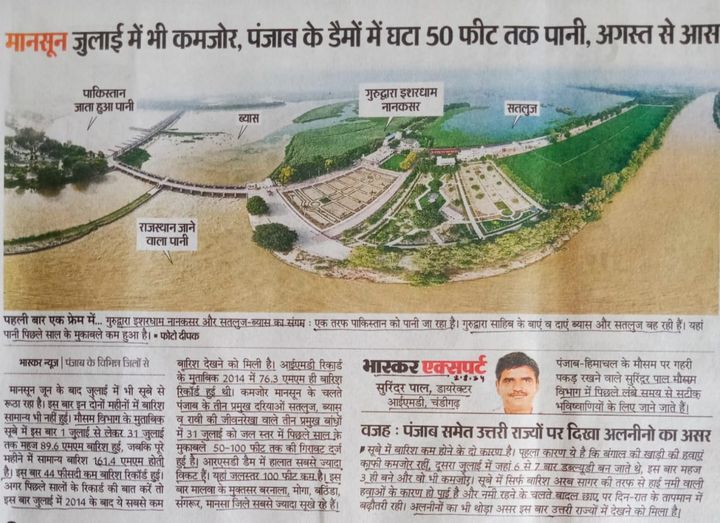
Punjab has seen 44% below normal rainfall in July 2024, following similar deficit in June. Most of the rains have come from Arabian sea winds bringing moisture, not from Bay of Bengal or Western Disturbances. The rainfall this July is lowest since 2014.
FLOOD 2024
DAM FLOODS Karnataka Flooding worsens as excess water is released from KRS, Kabini dams The flood situation turned from bad to worse on Wednesday as the authorities released 1.5 lakh cusecs of water from KRS dam near Mysuru, while 50,000 cusecs of water is let out of Kabini dam in HD Kote. Cauvery and Kapila rivers are flowing above the danger mark at several places in Mysuru, Mandya and Chamarajanagar districts. The Mysuru district administration has notified 8 villages as flood affected and said 319 persons from 134 families are affected by the floods. Of them, 105 families were affected by the Kapila River.
– Outflow from KRS dam stepped up to 1.7 lakh cusecs of water at 8 am. KRS has released this amount of water for the first time this century. The last time it did so in the 1990s. Entry to visitors to KRS dam and Brindavan Gardens banned till Aug 2. https://timesofindia.indiatimes.com/city/mysuru/flooding-worsens-as-excess-water-released-from-krs-and-kabini-dams/articleshow/112180691.cms (01 Aug. 2024)
KRS hits 4th highest outflow in its history Wednesday’s (July 31) release of 1,72,161 cusecs to the river from the KRS dam located in Srirangapatna in Mandya district was the fourth highest ever outflow from the reservoir since it was built. According to the Cauvery Neeravari Nigama Limited (CNNL), the highest ever outflow from the dam was 2.13 lakh cusecs recorded in 1961. Thirty years later, in 1991, the dam recorded its second highest ever outflow of 2.11 lakhs cusecs, which was largely attributed to flash floods. The third highest outflow was recorded in the year 1964 with 1.9 lakhs cusecs. https://timesofindia.indiatimes.com/city/mysuru/krs-dam-records-4th-highest-outflow-in-history/articleshow/112209184.cms (02 Aug. 2024)
Dam Flood Damodar Valley Stagger release, state requests after DVC discharges 1.4L cusec water Damodar Valley Corporation (DVC) on Saturday (Aug. 03) released around 1,38,000 cusec of water from Maithon and Panchet dams, raising fears of widespread flood across south Bengal, which has been receiving steady rainfall this week. The move prompted the state govt to ask DVC to stagger the release and announce a series of measures to deal with a possible flood situation. https://timesofindia.indiatimes.com/city/kolkata/dvc-releases-14l-cusec-water-state-requests-staggered-release/articleshow/112255388.cms (04 Aug. 2024)
W Bangal CM Mamata Banerjee on Aug 4 requested Jharkhand CM Hemant Soren to regulate water release from his state’s dams like Tenughat (DVC says it has to release water from downstream dams Maithon and Panchet if water is released from Tenughat), saying large discharges were causing “manmade” floods in Bengal. https://www.telegraphindia.com/west-bengal/large-discharges-causing-manmade-floods-in-bengal-mamata-plea-to-hemant-soren/cid/2038629 (05 Aug 2024)
Chhattisgarh गुरुवार (Aug. 01) की शाम से शुरू हुई मूसलाधार बारिश शुक्रवार (Aug. 02) और शनिवार (Aug. 03) को भी दोपहर तक जारी रही। इसकी वजह से अब अविभाजित सरगुजा के नदी-नालों व बांध का जल स्तर बढ़ता जा रहा है। लगातार बारिश के कारण ही ओडग़ी ब्लॉक के चिकनी गांव में स्थित निजी कंपनी के पावर प्लांट के पास महान नदी पर बिजली उत्पादन हेतु बना बांध खतरे के निशान से ऊपर पहुंच गया है। वहीं इसके 9 गेट भी खुल नहीं पा रहे हैं, इसकी वजह से बांध ओवरफ्लो हो रहा है और आसपास के इलाके के लोग चिंतित नजर आ रहे हैं। प्रशासन ने आसपास के गांवों को अलर्ट जारी कर लोगों को ऊंचे जगह पर शिफ्ट कर दिया है। बताया जा रहा है कि बांध का कुछ हिस्सा भी पानी के तेज बहाव में बह गया है। https://www.patrika.com/surajpur-news/weather-alert-water-flowing-above-the-danger-mark-in-the-dam-built-for-power-generation-18887413 (03 Aug. 2024)
Odisha Govt to take a fresh look at rule curve of Hirakud dam With changing circumstances and drastic variation in the water inflow and demand from the Hirakud reservoir, the state government is all set to take a fresh look at the dam’s rule curve to attune it to present-time. The Water Resources department has constituted a seven-member technical committee headed by engineer-in-chief (project and development) to evaluate the existing rule curve and suggest necessary changes required in view of the conflicts in dam operation due to demands for water for various purposes.
– “As a multi-purpose dam, the basic objective was flood control, irrigation, drinking water supply and hydropower generation. With large number of industries coming up in Sambalpur and nearby districts of Jharsuguda and Sundargarh, conflicts have emerged as demand for more water for industrial purpose is increasing,” official sources said. The last time the rule curve changed was in 1988.
– In keeping with other promises in the manifesto, the government has constituted four technical committees to prepare a concept paper for formulating a comprehensive policy for flood control and management, Mahanadi rejuvenation, water conservation and improvement of inland waterways. A nine-member committee will look into comprehensive flood control and management, a 13-member committee on Jal Sarakhyana Niti (water conservation policy) for comprehensive water management and a seven-member committee on improving inland waterways and periodic desilting and dredging of dams. The committees have been asked to submit report by the first week of Sept. https://www.newindianexpress.com/cities/bhubaneswar/2024/Aug/02/odisha-government-to-take-a-fresh-look-at-rule-curve-of-hirakud-dam (02 Aug. 2024)
Study The ‘flying rivers’ causing devastating floods in India An average atmospheric river is about 2,000km (1,242 miles) long, 500km wide and nearly 3km deep – although they are now getting wider and longer, with some more than 5,000km long. And yet, they are invisible to the human eye. “They can be seen with infrared and microwave frequencies,” says Brian Kahn, an atmospheric researcher with Nasa’s Jet Propulsion Laboratory. “That is why satellite observations can be so useful for observing water vapour and atmospheric rivers around the world,” Mr Kahn added. There are other weather systems like westerly disturbances, monsoon and cyclones that can cause floods as well. But global studies have shown that atmospheric water vapour has increased by up to 20% since the 1960s. https://www.bbc.com/news/articles/cv2g9x47441o (2 Aug 2024)
Ladakh The Shyok River, a vital waterway in the Ladakh region, has overflowed, causing widespread alarm and disruption among the local population. Residents along the riverbank are grappling with a multitude of challenges, as their homes and livelihoods are threatened by the rising waters. https://www.youtube.com/watch?v=W8a6fJEu1cg (03 Aug. 2024)
CLOUD BURSTS
Himachal Pradesh Cloud burst in Kullu damages shops, buildings -Three shops, a temporary shed and a portion of a building were damaged due to flooding of the Tosh nullah in the Parbati valley because of a cloudburst in the higher reaches yesterday (July 29) night. A footbridge connecting the village was also washed away.
-Meanwhile, the Manali-Leh national highway was also blocked again today for a few hours due to the flooding of nullah near Palchan. Huge debris and rocks were brought in the nullah by a cloudburst at Anjani Mahadev on July 25 and the Border Roads Organisation (BRO) had partially restored the road for traffic within hours.
-The movement of traffic had been halted between Palchan and Atal Tunnel from 11 am to 3 pm from July 28 to 31 for clearing the debris. https://www.tribuneindia.com/news/himachal/heavy-flooding-in-kullu-nullah-3-shops-building-damaged-644935 (31 July 2024)
कुल्लू में बादल फटने से तबाही कुल्लू के मणिकर्ण घाटी के तोष में July 29 देर रात बादल फट गया। बादल फटने से यहां पर भारी तबाही मची है। बाढ़ में एक पुल बह गया है। घरों में भी बाढ़ का पानी घुस गया है। देर रात बादल फटने के बाद यहां पर अफरा तफरी मच गई। लोगों ने भागकर अपनी जान बचाई। फिलहाल तोष का संपर्क कट गया है। मणिकर्ण घाटी में सोमवार देर रात बादल फटने से भारी तबाही हुई है। एक तरफ जहां तोष में बादल फटने से भारी नुकसान हुआ। वहीं मणिकर्ण के साथ लगते ब्रह्म गंगा नाले में भी देर रात बाढ़ आई। इसके चलते एक कैंपिंग साइट को नुकसान हुआ है। नदी-नालों में आई बाढ़ के बाद अब घाटी के लोग सहम गए हैं।
-उधर, सोलंग घाटी के पलचान से सटे सरेही नाला का जलस्तर फिर बढ़ा गया है। नाले का पानी सड़क से बहने लगा। इस वजह से मनाली-लेह मार्ग यातायात के लिए फिर बंद हो गया। हालांकि, कुछ समय बाद मार्ग बहाल कर दिया गया। वहीं पलचान गांव के ग्रामीणों अभी भी सहमे हुए हैं। कुछ दिन पहले बदल फटने की घटना से गांव के तीन मकान बह गए हैं, जबकि पांच मकानों को खतरा पैदा हो गया है। https://www.amarujala.com/shimla/himachal-weather-update-imd-issued-orange-alert-of-heavy-rain-cloudburst-in-kullu-causes-devastation-2024-07-30 (30 July 2024)
Flash flood devastates Miyar valley of Lahaul-Spiti In a recent incident of flooding at Karpat Nallah in the remote Myar valley of tribal district Lahaul and Spiti, nearly 13 bigha of agricultural land belonging to local villagers was heavily silted last evening, resulting in significant crop damage. The flooding occurred suddenly, prompting villagers to evacuate swiftly to safeguard their lives. https://www.tribuneindia.com/news/himachal/flash-flood-devastates-miyar-valley-of-lahaul-spiti-644303 (29 July 2024)
Uttarakhand -31 जुलाई को उत्तराखंड और हिमाचल प्रदेश के कई क्षेत्रों में बादल फटने जैसी सूचनाएं आईं। कल देर रात टिहरी के घनसाली ब्लॉक के जखन्याली के पास बादल फटने से एक होटल बह गया। जिसमें तीन लोग मारे गए। इसके साथ ही पशुहानि, एक पुलिया समेत सड़क समेत अन्य संपत्ति को भी काफी नुकसान पहुंचा। मुख्यमंत्री पुष्कर सिंह धामी ने आज आपदाग्रस्त इलाके का दौरा भी किया। पौड़ी के थलीसैंण विकासखंड में भी स्थानीय लोगों ने बादल फटने जैसी स्थिति की सूचना दी है। इससे खेत, सड़क, बिजली के खंभों को नुकसान पहुंचा।
-31 जुलाई की रात केदारघाटी में बारिश से बड़ा नुकसान हुआ। केदारनाथ मंदिर के लिए जाने वाले सोनप्रयाग और गौरीकुंड मार्ग के बीच कई जगह सड़क का नामोनिशान मिट गया। पैदल मार्ग भी कई जगह ध्वस्त हो गए। भारी भारिश के चलते नदी के कटाव और पहाड़ी दरकने से सोनप्रयाग मुख्य बाजार से तकरीबन 1 किलोमीटर आगे सड़क का काफी हिस्सा पूरी तरह बह गया। फिलहाल यहां किसी भी तरह की पैदल आवाजाही संभव नहीं रह गई।
-रुद्रप्रयाग जिले में एसडीआरएफ, एनडीआरएफ, डीडीआरएफ, पुलिस और जिला प्रशासन ने केदारनाथ यात्रा मार्ग पर लिनचौली, भीमबली, रामबाड़ा और सोनप्रयाग के आसपास फंसे करीब 1700 तीर्थ यात्रियों को सुरक्षित निकाला। इसके लिए वायुसेना के एक एमआई-17 विमान और चिनूक विमान की भी मदद ली गई। https://hindi.downtoearth.org.in/climate-change/uttarakhand-cloudburst-like-situation-at-many-places-roads-washed-away-in-kedarnath-three-dead-in-tehri (01 Aug. 2024)
मौसम विभाग जुलाई के आखिरी हफ्ते में राज्य में लगातार भारी बारिश की चेतावनी जारी कर रहा था। 31 जुलाई के लिए रेड अलर्ट जारी किया गया था। वरिष्ठ भू-वैज्ञानिक और गढ़वाल विश्वविद्यालय में भू-विज्ञान के विभागाध्यक्ष डॉ एसपी सती 2013 की आपदा की स्थिति से इस घटना की तुलना करते हैं। “मौसम विभाग लगातार खराब मौसम की चेतावनी दे रहा था। फिर इतनी बड़ी संख्या में वहां लोग कैसे पहुंचे। उन्हें रोका क्यों नहीं गया। बड़ी संख्या में कांवड़िए भी मौजूद थे। उनका कोई रजिस्ट्रेशन नहीं किया जाता। अगर वे लापता भी होते हैं तो उनके परिजनों को खबर कैसे लगेगी?” https://hindi.downtoearth.org.in/natural-disasters/kedarnath-disaster-of-the-year-2024-neither-the-exact-number-of-pilgrims-is-known-nor-the-effect-of-weather-warning (04 Aug. 2024)
News of cloud burst in Delhi and in Kedarnath area of Rudrapayag dist of Uttarakhand on July 31 2024. (Bhaskar 01 Aug 2024)

Jammu & Kashmir Massive damage in Kangan A Flash floods triggered by a possible cloudburst wreaked havoc in several areas of Kangan subdivision in Ganderbal district at 12:30 am on Sunday (Aug. 04), causing massive damage to residential houses, agricultural land, vehicles, and roads. The flash floods occurred in the Cherwan, Kullan, and Gagengar areas of Kangan with significant damage caused in the Cherwan area. https://www.greaterkashmir.com/front-page-2/massive-damage-in-kangan/ (05 Aug. 2024)
LANDSLIDES
Kerala In Munnar team forecast landslides, averted damages Barely two weeks before the devastating Wayanad landslide, a series of landslide incidents happened 300 km south in Munnar in Kerala’s Idukki district. Their scale was much lower but another reason these didn’t cause much damage was because they were predicted — allowing for pre-emptive action, including evacuation of at-risk populations. This response by the Idukki district administration came partly on the advice of a team of researchers from Amrita Vishwa Vidyapeetham which has been testing an early warning system for landslides at a few sites in Munnar.
– “It may not be possible to predict all kinds of landslides with pin-point accuracy but many of them can indeed be forecast and an effective early warning system developed. We have been working on this since 2009, and have shown that this is possible,” said Maneesha Vinodini Ramesh, the lead researcher on this project at Amrita Vishwa Vidyapeetham, told The Indian Express. Unlike earthquakes, for which prediction science is not yet available, landslides, at least those triggered by rainfall, can be forecast a few hours in advance. The challenge is that landslides are highly localised events, and are dependent on a variety of local characteristics like topology, terrain, soil type, and also aggravating factors like rainfall, the most common trigger.
– “At many sites in Kerala, including the one in Wayanad where the landslide happened, the terrain has two distinctive layers. A layer of soil sits atop a layer of rocks. When a lot of rain happens, the soil gets saturated with moisture and water percolates down and starts to flow between the soil and rock layers. This weakens the force that binds the soil to the rocks, and results in movement of the land,” said K S Sajinkumar, an assistant professor of Geology at the University of Kerala.
– For an effective warning system, therefore, besides “static parameters” like slope incline and soil characteristics, Sajinkumar said, what’s needed is information on the “thresholds” for saturation. “How much rains would lead to saturation of the soil? The thresholds would be different for different sites. Then one needs to assess the damage potential of the landslide, so that false alarms are minimised. Therein, lies a bigger challenge. The run-out areas (the route along which the landslide is expected to unfold) need to be calculated, and that is an extremely complex task.” https://indianexpress.com/article/india/a-glimmer-in-munnar-team-forecast-landslides-and-averted-damage-9493481/ (04 Aug. 2024)
Wayanad landslide bears a resemblance to a dam break: Expert -In normal landslides, the debris flow would be limited to 1–1.5 km, except for some rare occasions in the Himalayan regions. Here, the supersaturated soil with semi-liquid conditions, triggered by the excess downpour in the region, blasted as if a dam were breaking, sweeping away the villages down the valley through which a portion of the debris flowed into the Chaliyar river. Already, the area is categorised as a high-susceptibility zone by the GSI after the landslide in 2019 at Puthumala, which was hardly 5 km away from the current spot. https://www.thehindu.com/news/national/kerala/wayanad-landslide-bears-a-resemblance-to-a-dam-break-says-expert/article68468023.ece (31 July 2024)
Red alert came hours after Wayanad tragedy: CM Kerala CM says that the claim of prior warning about the Wayanad landslide tragedy from Union Home Minister is not correct. There was no warning from GSI, the IMD warning of rainfall was way off the mark and CWC claim was vague. “But the fact of the matter is that there were predictions that came out and they never mentioned a red alert in the affected area. In fact, the red alert came on Tuesday at 6 am, when the tragedy occurred several hours before,” Kerala CM Mr Vijayan was quoted as saying.
– “The IMD had predicted rains to the tune of 115 mm to 204 mm in the affected area. But in the first 24 hours, there was 200 mm and in the next 24 hours, 372 mm rain came down, making it a staggering 572 mm in 48 hours — much more than predicted. So with these being the facts, I wish to state, that this is not the time for wrangling,” Mr Vijayan added. The Chief Minister also said that there was no prediction of landslides from the Geological Survey of India and when this came, the tragedy had already taken place. “Then there was an alert from the Central Water Commission and it said that from July 23 to 29, not for one single day… of the two rivers which got swollen, there was no mention at all. What was said in the Parliament is not true,” he said. He even pointed out that there was a mention that the NDRF (National Desaster Response Force) was sent early, “but the fact is we asked for it”.
– Search operation in the landslide-hit zone of Wayanad is in progress amid torrential downpour. Around 200 people continue to be missing and 205 are confirmed dead. https://www.ndtv.com/india-news/wayanad-landslide-kerala-red-alert-came-hours-after-tragedy-pinarayi-vijayan-contradicts-amit-shah-6232361 (31 July 2024)
Centre Moves Draft To Declare 57,000 Sq Km Of Western Ghats As Eco-Sensitive. https://starofmysore.com/wayanad-landslides-centre-moves-draft-to-declare-57000-sq-km-of-western-ghats-as-eco-sensitive/ (03 Aug. 2024)
Studies point to deadly mix of climate change, environmental neglect Extremely heavy rain triggered a series of landslides in the hilly areas of Kerala’s Wayanad district early on July 30, leaving at least 123 people dead and 128 injured. Many were feared trapped under the debris.
According to the landslide atlas released by the Indian Space Research Organisation’s (ISRO) National Remote Sensing Centre last year, 10 out of the 30 most landslide-prone districts in India were in Kerala, with Wayanad ranked 13th. It said 0.09 million square kilometres in the Western Ghats and the Konkan hills (Tamil Nadu, Kerala, Karnataka, Goa, and Maharashtra) were prone to landslides. https://www.deccanherald.com/india/kerala/wayanad-landslides-studies-point-to-deadly-mix-of-climate-change-environmental-neglect-3129286 (31 July 2024)
Stripping Wayanad bare The district of Wayanad is being literally stripped bare of its forest and soil cover, according to experts. Quarrying, hill levelling for construction, extensive road building, expansion in hilly areas, and mono-crop farming contribute to landslides triggered by heavy rains intensified by climate change.
Four years ago, the Puthumala landslide in Kerala led to the emergence of ‘soil piping’. This hydraulic process creates large air-filled voids in the subsurface, often associated with landslides and collapse subsidence. The landslides in Mundakkai and Chooralmala imply that soil piping may have been the cause. Interestingly, Puthumala is just two kilometres from where the July 30 landslides occurred.
The recent landslides exhibit all the characteristics of soil piping, according to M G Manoj, a scientist from the Advanced Centre for Atmospheric Radar Research. He also pointed out the soil’s inability to absorb large amounts of water in a short period and the significant surface voids formed by the Puthumala tragedy, which contributed to the scale of the disaster. P U Das, a soil conservation officer in Wayanad, explained that during peak monsoon, rainwater seeps into the subsoil, loosening the connection between mud and rocks. This leads to landslides as water-soaked earth and large rocks tumble down. https://www.downtoearth.org.in/natural-disasters/wayanad-landsides-climate-change-districts-decimation-in-the-name-of-development-reasons-for-monumental-tragedy-say-experts (30 July 2024)
Geologist Dr K Soman explained to TNM the geological factors that caused the landslide in Vellarimala in Kerala’s Wayanad and the land use patterns that aggravated its impact. https://www.thenewsminute.com/kerala/the-river-reclaimed-its-course-geologist-explains-wayanad-landslide (01 Aug. 2024)
EDIT Unnatural disaster The tragedy is compounded by the fact that heavy rains here in 2020 had caused the Chaliyar to strip swaths of its upstream areas of plant cover, leaving more rocks and humus vulnerable to being displaced… Blame for the landslides’ deadly recurrence must thus be shared by climate change and a State that has been repeatedly caught off-guard. A recurring issue is an abject lack of advance warning and emergency preparedness… As recommended by the Western Ghats Ecology Expert Panel, Kerala must also decline engineering projects in ecologically sensitive areas & their surroundings, and constitute, equip, staff, and empower expert committees that deliberate the feasibility of other projects here. Indeed, the panel’s recommendations were designed to tame the effects of unpredictable weather without also denting economic growth, but Kerala today is sliding past the point of having an option to balance development needs with environmental concerns.” https://www.thehindu.com/opinion/editorial/unnatural-disaster-on-the-wayanad-landslides/article68468839.ece (1 Aug 2024)
Geologists flag lack of EWS, destabilisation of hill slopes -The Kerala State Disaster Management Authority was the first in the country to release a landslide and flood susceptibility map of Kerala in geoinformation file formats for the public.
-But geologists say such a map alone isn’t sufficient to protect people which requires localised early warning systems. “What we require is real-time analysis of how much rain has fallen or is about to fall over specific landslide-susceptible soil zones,” said K.S. Sajin Kumar, assistant professor of geology at the University of Kerala, Thiruvananthapuram. “If such information is available to authorities in real-time, they could identify areas at high risk of imminent landslides.”
-Alongside such early warning systems, Sajin Kumar said moving people out of harm’s way would require advance knowledge of both where a landslide is imminent and what specific routes mud, rocks, and other debris from the landslide will take as they roll downhill.
-“This can be determined through modelling local terrain and geological information to generate landslide route maps,” Sajin Kumar said. Both, early warning systems and the land route maps, will require enhanced investments in disaster preparedness, he added. https://www.telegraphindia.com/india/kerala-landslides-geologists-flag-lack-of-early-warning-systems-destabilisation-of-hill-slopes/cid/2037469 (31 July 2024)
Wayanad ranked high in ISLO landslide atlas According to National Landslide Atlas prepared by NRSC or ISRO in 2023, Rudraprayag is top district (it suffered cloud burst and landslide on July 31), Wayanad 13th (over 200 dead and same number missing in landslide on July 29-30). The report included landslide inventory for the period 1998-2022. This report quotes a CAG report. for year ending in March 2022 that said that forest land in the Wayanad dist in 1950 was 1811 sq km, which has now reduced to 864 sq km now. https://www.thehindu.com/news/national/kerala/wayanad-was-among-kerala-districts-that-ranked-high-on-isro-landslide-atlas/article68467556.ece (31 July 2024)
Massive landslides hit Wayanad: Hundreds feared trapped; 19 dead Massive landslides have struck various hilly areas near Meppadi in Wayanad district, Kerala, early on Tuesday (July 30), causing concerns that hundreds may be trapped. 19 people have been reported dead so far. Local reports indicate that many people are feared trapped, and ongoing heavy rainfall is complicating rescue operations. https://timesofindia.indiatimes.com/india/massive-landslides-hit-keralas-wayanad-district-several-feared-trapped/articleshowprint/112121813.cms (30 July 2024)
Hundreds of plantation labourers feared missing -Hundreds of labourers, including migrant workers from West Bengal and Assam, who were employed in in the vast tea, coffee and cardamom plantations in the landslide-hit Mundakkai area are feared missing. With roads and bridges washed away, district authorities and the plantation company officials have so failed to reach out to them. https://www.onmanorama.com/news/kerala/2024/07/30/wayanad-landslides-hundreds-plantation-workers-feared-missing.html (30 July 2024)
More disasters can be expected in these areas: Geologist -The Western Ghats Ecology Expert Panel has designated the entire Western Ghats as an ecologically sensitive area and assigned three levels of protection-ESA1, ESA2 and ESA 3. In ESA 1, change of land use from forest to non-forest is not permitted. Yet, no government has implemented the recommendations. Gadgil spoke to HT hours after the landslide in Wayanad. https://www.hindustantimes.com/india-news/more-disasters-can-be-expected-in-these-areas-says-top-ecologist-101722367213188.html (21 July 2024)
-Wayanad disaster man-made, says Madhav Gadgil, blames Kerala government for ignoring ecological recommendations. https://www.thehindu.com/news/national/kerala/wayanad-disaster-man-made-says-madhav-gadgil-blames-kerala-government-for-ignoring-ecological-recommendations/article68463667.ece (30 July 2024)
Jammu & Kashmir Several houses damaged in Ganderbal Locals from Bonibagh informed The Kashmiriyat that cracks developing in their houses last week caused panic, with residents attributing the land sinking to ongoing, uncontrolled construction work in the area. “The area had previously experienced significant damage in 2020 when landslides destroyed a shopping complex, resulting in considerable losses. Although the administration had promised to provide land for the affected individuals, no provisions have been made to date,” said a local resident.
-As residents have been relocated to safer areas by the administration, local residents have expressed frustration, attributing the land subsidence to the nearby Hyder Canal. They claim that the canal, which flows through the upper part of the town, is leaking water that is contributing to the subsidence issues. This incident in Bonibagh is part of a broader pattern of land sinking issues in the Jammu Kashmir. https://thekashmiriyat.co.uk/another-incident-of-land-sinking-several-houses-damaged-in-ganderbal-locals-evacuated/ (31 July 2024)
ENVIRONMENT GOVERNANCE
No new permanent structures allowed in eco-sensitive zones: Minister No new permanent structure shall be permitted in eco-sensitive zones of forest reserve area and forest lands as per a Supreme Court order, Union environment ministry informed the Lok Sabha on Monday (Aug. 05) The development is significant because the standing committee for the National Wildlife Board and the Forest Advisory Committee get several proposals to locate various projects in parts of eco-sensitive zones. https://www.hindustantimes.com/india-news/no-new-permanent-structures-allowed-in-eco-sensitive-zones-minister-in-lok-sabha-101722852437796.html (05 Aug. 2024)
Uttarakhand Forest guards face outstanding salaries and lack of resources According to GCS Negi, Joint Secretary of Nainital-based Central Himalayan Environment Association (CHEA), in the last two decades, the number of forest fire incidents has gone up in Uttarakhand in the winter and summer. Generally, the first fire season in Uttarakhand starts in the month of April and lasts for about 10 weeks, but in the past few years, fire incidents have been reported from November onwards.
Bhim Singh Rawat, associate coordinator of South Asia Network on Dams, Rivers and People (SANDRP), says, “Fires are causing major damage to forest biodiversity. Due to the increasing incidents of forest fires, populations of wild animals and insects that are dependent on forests are decreasing. The area of native vegetation is shrinking, while the spread of unwanted and invasive plants is increasing. Natural water resources and forest resources are being adversely affected.” https://india.mongabay.com/2024/08/uttarakhand-forests-burn-while-fire-guards-face-outstanding-salaries-and-lack-of-resources/ (05 Aug. 2024)
CLIMATE CHANGE
Study Underground Climate Change Is Weakening Buildings in Slow Motion According to a new study of downtown Chicago, underground hotspots may threaten the very same structures that emit the heat in the first place. Such temperature changes make the ground around them expand and contract enough to cause potential damage. “Without [anyone] realizing it, the city of Chicago’s downtown was deforming,” says the study’s author Alessandro F. Rotta Loria, a civil and environmental engineer at Northwestern University.
– The findings, published on July 11 in Communications Engineering, expose a “silent hazard” to civil infrastructure in cities with softer ground—especially those near water—Rotta Loria says. “There might have been structural issues caused by this underground climate change that happened, and we didn’t even realize,” he adds. While not an immediate or direct danger to human lives, this previously unknown effect highlights the impacts of a lesser-known component of climate change. The higher underground temperature can lead to greater fluctuations in temperature, affect underground biodiversity and groundwater temperature and interactions with surrounding geology.
– Scientists found that by the middle of this century, some areas under the Loop may heave upward by as much as 12 millimeters (0.47 inch) or settle by as much as eight millimeters (0.31 inch), depending on the soil makeup of the area involved. Though these may sound like small displacements, Rotta Loria says they could cause cracks in the foundations and walls of some buildings. This could lead to water damage or cause buildings to tilt. Over recent decades, this hidden factor could have contributed to some of the ongoing challenges and costs of maintaining these structures, he says.
– “Clay material is particularly sensitive,” Kathrin Menberg, a geoscientist at the Karlsruhe Institute of Technology in Germany says. “It would be a big issue in all cities worldwide that are built on such material.” This would include many cities near oceans and rivers—London, for example, is built on a layer of clay. In contrast, cities built largely on harder rocks (such as New York City), would not be as impacted by this effect, Ferguson says. https://www.scientificamerican.com/article/underground-climate-change-is-weakening-buildings-in-slow-motion1/ (11 July 2024)
SOUTH ASIA
Bhutan Kholongchhu hydropower project resumes After a two-year hiatus, the works on the 600MW Kholongchhu Hydropower Project has restarted, with initial contract works commencing at the project sites. The Project issued a letter, notifying Jaiprakash Associates Limited and Construction Development Corporation Limited (CDCL) to begin mobilising the initial contract works starting from mid-July. A small number of workers have already arrived at the sites to begin these works. The construction of the Kholongchu hydropower project stalled in 2022 when the two joint venture (JV) companies (SJVN and DGPC) tasked with constructing the project dropped the JV model after failing to reach a consensus for seven years. https://kuenselonline.com/kholongchhu-hydropower-project-resumes/ (31 July 2024)
ASIA
MEKONG Eco-systems and local communities impacted as Mekong undergoes a sea of change The 4,900 km Mekong, which originates in the Tibetan Plateau, is one of the world’s longest rivers, running through China – where it is called the Lancang – as well as Myanmar, Laos, Thailand, Cambodia and Vietnam. In Cambodia, it creates Southeast Asia’s largest freshwater lake, the Tonle Sap, as its waters back up before it empties into the sea through a vast delta in Vietnam – but this is fast disappearing with dams being built upstream.
An engineering mindset, urban-based and elite-driven decision making that leaves little or no agency to local communities affected by changes to the river system, and an element of unaccountability, are some of the factors that have been driving the transformation of the river system, experts Mr Brian Eyler and Ms Pianporn Deetes, told ST’s Green Pulse podcast. https://www.straitstimes.com/singapore/environment/asian-rivers-are-in-trouble-and-none-more-so-than-the-mekong (05 Aug. 2024)
THE REST OF THE WORLD
American Rivers -How Removing Dams Benefits People and Rivers.
https://www.youtube.com/watch?v=QqLugGlQj6k (27 June 2024)
SANDRP
Also see: DRP 29 July 2024 & DRP 22 July 2024
Follow us on: www.facebook.com/sandrp.in; https://twitter.com/Indian_Rivers

 SANDRP