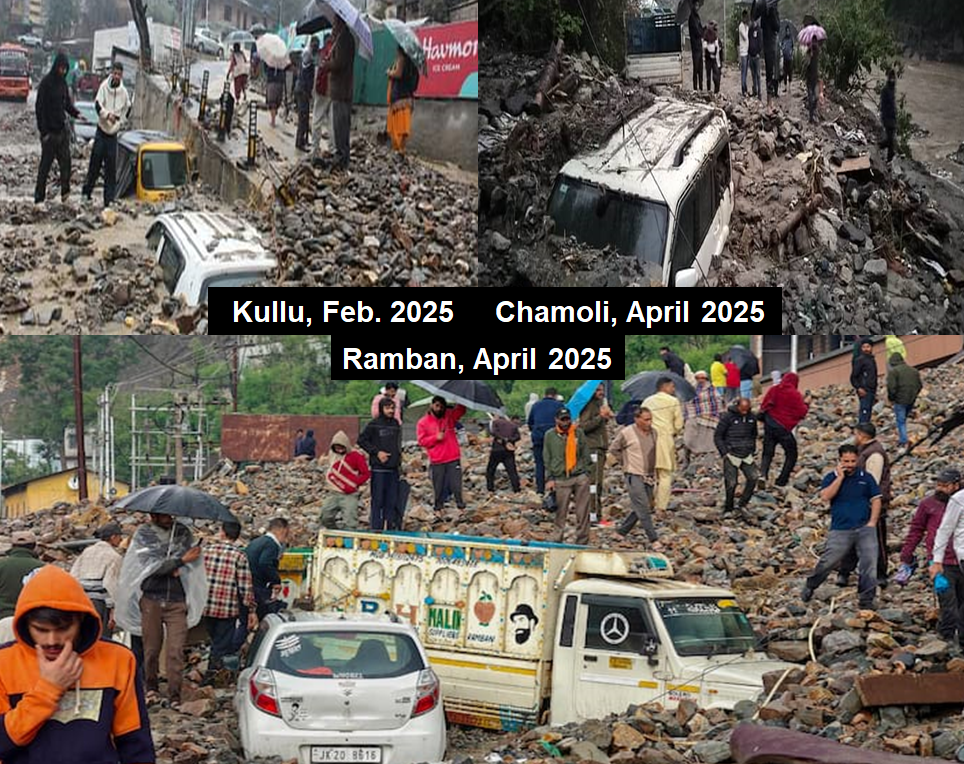
The rising numbers and intensity of western disturbances (WDs) in pre-monsoon months are causing excessive but short rainfall spells across the country particularly in the Himalayan states. These events are then resulting in sudden flash floods and taking a huge toll on human life and public infrastructure. However, the specific monitoring and warning services for such disasters by the Central Water Commission (CWC) & Indian Meteorological Department (IMD) are largely unavailable as these agencies are mainly forecasting floods during the monsoon.
Continue reading “CWC, IMD Need to Improve Extreme Weather Forecast Services”Tag: Snowfall

DRP 040324: Ganga Water not fit for even bathing in Uttarakhand, UP, Bihar, W Bengal
(Feature Image: A drain falling into Ganga in Varanasi. Source: Amar Ujala)
A number of reports given below from this week shows that Ganga River water is not fit for even bathing at a number of locations in Uttarakhand, Uttar Pradesh, Bihar and W Bengal. These are all official statements, mostly given in reports submitted to judicial bodies or statements by the judicial bodies.
This shows how little progress has been achieved by the government, including by the Prime Minister, central and concerned state governments including by schemes like Namami Gange and scheme of National Mission for Clean Ganga and expenditure of tens of thousands of crores of rupees. This is in spite of the promises given in the past by the Prime Minister and Union Ministers including Nitin Gadkari to clean the river by deadlines that have come and gone.
The worst part is that if we look at the trajectory of various work being done in this regard, we see no hope of any improvement in the foreseeable future unless there is major change in the way this problem is dealt with. But how will such a major change happen?
Continue reading “DRP 040324: Ganga Water not fit for even bathing in Uttarakhand, UP, Bihar, W Bengal”
Winter 2024: District wise Rainfall in India
In the just concluded 2024 Winter Season (January 1 2024 to February 29 2024), as per India Meteorological Department (IMD), India received 33% below Normal Rainfall (it was 45% below normal in winter 2023[i], 44% above normal rainfall in winter 2022[ii] and 32% below normal rainfall in winter 2021[iii]). This is coming on top of 5.55% below normal in SW Monsoon 2023[iv] and 9% below normal rainfall in Post Monsoon season 2023[v].
Continue reading “Winter 2024: District wise Rainfall in India”
DRP 130223: El Nino set to endanger 2023 SW Monsoon rains
After four years (SW Monsoons of 2019 [110.4%], 2020 [108.74% compared to normal rainfall], 2021 [99.3% or almost normal rainfall], 2022 [106.5%]) of normal or surplus monsoon rainfall, SW Monsoon 2023 could face rainfall deficit and uncertainties as per US Govt weather agency NOAA and also India’s IMD. El Nino conditions are many times associated with poor monsoon rainfall in India. Since SW Monsoon provides more than 75% of total annual rainfall of India, this can be critical for India. The shift from particularly prolonged La Nina conditions to El Nino conditions should be a warning sign for India. IMD DG has said that the department will come out with an update on Feb 28, which should be sufficient advance notice to take necessary steps to tackle its possible impacts on upcoming Summer and SW Monsoon. We hope the government is ready to take the necessary steps to tackle any eventuality.
Continue reading “DRP 130223: El Nino set to endanger 2023 SW Monsoon rains”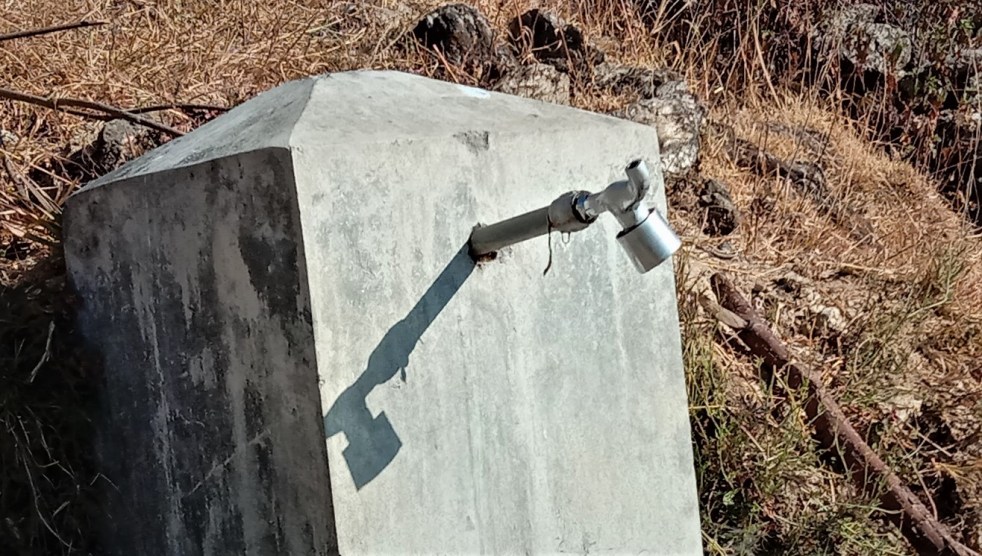
2021 Summer: North India staring at severe water crisis?
The water scarcity alarm bells have started ringing in Himachal Pradesh and Uttarakhand, both Himalayan states bestowed with plenty of natural water sources including springs, glaciers lakes and rivers. The reservoirs inside and at the border areas of these states that cater to water needs of Punjab, Haryana, Delhi, Rajasthan and Uttar Pradesh are at low levels.
Continue reading “2021 Summer: North India staring at severe water crisis?”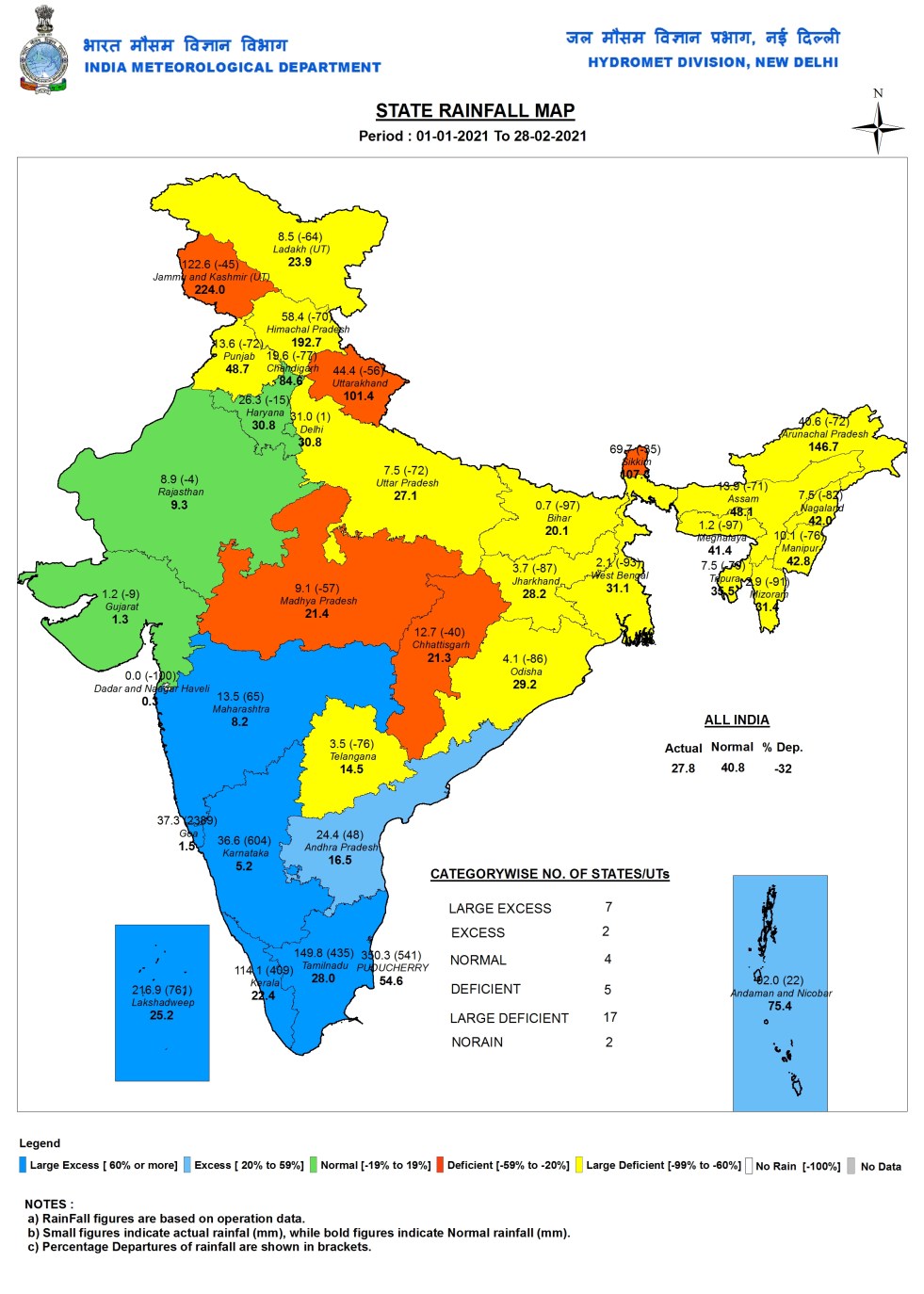
District wise Winter 2021 Rainfall in India
In the just concluded Winter Season (Jan 1 2021 to Feb 28 2021), as per India Meteorological Department (IMD), India received 32% below Normal Rainfall. The Normal rainfall in this two-month season is supposed to be quite low at 40.8 mm, but the actual rainfall was just 27.8 mm, which means rainfall was less than 0.5 mm per day in the season. Out of this the Rainfall in January 2021 was 20.2 mm, 17% above the normal rainfall of 17.3 mm. So in February 2021, the rainfall was 7.6 mm, against the normal rainfall of 23.5 mm, so the February rainfall was 68% below normal!
Continue reading “District wise Winter 2021 Rainfall in India”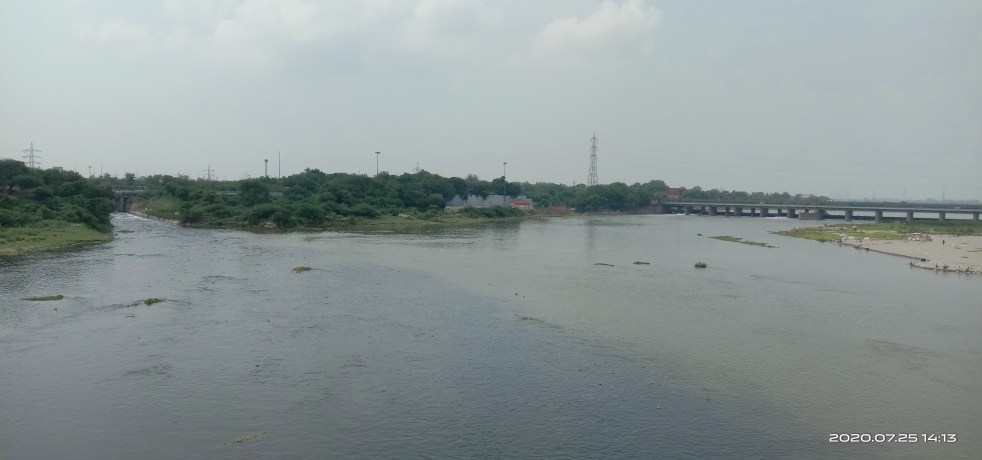
DRP 180121: Is there any hope for Yamuna from Delhi, SC actions?
Yamuna is again in headlines in this week’s Bulletin. It carries the Nov 2020 announcement of Delhi Govt plan to clean river by 2023 and the action by the Supreme Court. There is nothing very convincing, path breaking or new in what the Delhi Govt has announced, such announcements keep coming every few years and then tend to be forgotten, to be renewed with announcement of new deadlines in this case. Unfortunately, the Supreme Court action is not particularly different. One only needs to remind the apex court and everyone else that in 1994, the SC had taken up Yamuna case suo moto. No impact on the river could be achieved till around 2017, when the SC decided to handover the case to NGT. It is not clear what exactly has prompted SC to take it up again, but the move does not inspire confidence considering the past track record.
We hope we are wrong and the Delhi Plans and the SC move does lead to better days for Yamuna. In the meantime, the Yamuna Monitoring Committee set up by the NGT is doing its role, but one wishes, their hands and plans as strengthened and pushed by the NGT, which does not seem to be the case currently.
Continue reading “DRP 180121: Is there any hope for Yamuna from Delhi, SC actions?”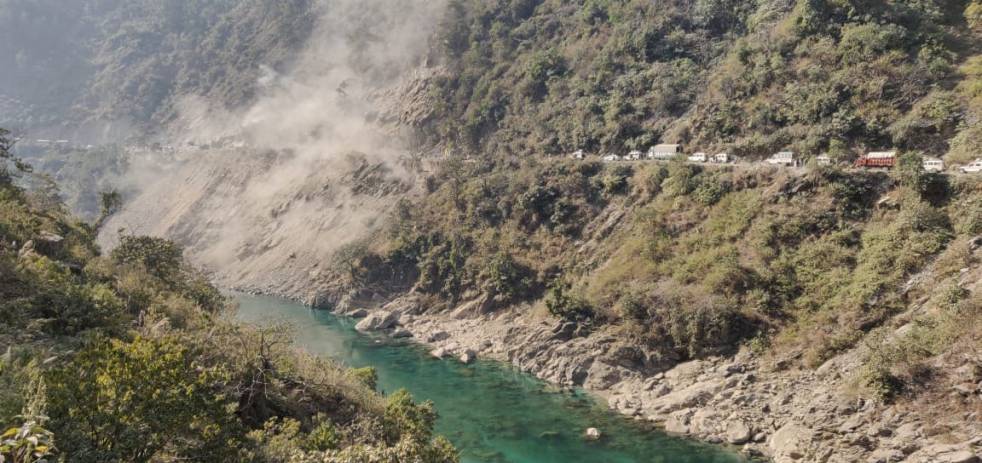
DRP: 20 July 2020: Will the Supreme Court stop destruction of Ganga & Himalayas in the name of WIDER Char Dham Road?
Feature Image: Pithoragarh-Tanakpur Road widening work going and muck being dumped in Saryu river under Chardham project. (Manoj Matwal, April 2019)
The Supreme Court appointed Ravi Chopra committee has submitted the report on Char Dham Road. It has not said NO to the all weather road which is the slogan of Gadkari and rest of the Union Government. It has in fact, going by the Union Ministry of Road Transport’s’ circular, as late as 2018, suggested that the road be of 5.5 m width with necessary precautions. It has provided elaborate justifications and reasons why it took this decision. And yet twelve govt members of the committee, claiming in the name of religion (as per interview by one of these twelve members in media today) has insisted that the road should be of 10 m width. Not bothering that religion was not part of their mandate, not bothering what impact such a road will have on the Ganga (and the impact will be massive, we will know the full extent only if the impacts are scientifically assessed), on Himalayas (again starting from deforestation, landslides, flash floods and so on will be unbelievably huge) and on people and future generations. One only hopes the Supreme Court will see through the mindlessness of the economic fundamentalism being pushed in the name of religion and not allow the proposal to go ahead.
The Union Environment Ministry is clearly out to destroy even the Bhagirathi Eco-Sensitive Zone by sanctioning the Zonal Master Plan without due process and in complete violation of the letter and spirit of the Bhagirathi notification. This will further open the flood gates for destruction of remaining stretch of Bhagirathi, considered original Ganga stream as it flows from Gangotri. Again one hopes the judiciary will strike this down.
One wonders what is the NMCG, National Mission for Clean Ganga, whose mandate is Ganga rejuvenation, is doing amidst all this? Why is it silent?
Continue reading “DRP: 20 July 2020: Will the Supreme Court stop destruction of Ganga & Himalayas in the name of WIDER Char Dham Road?”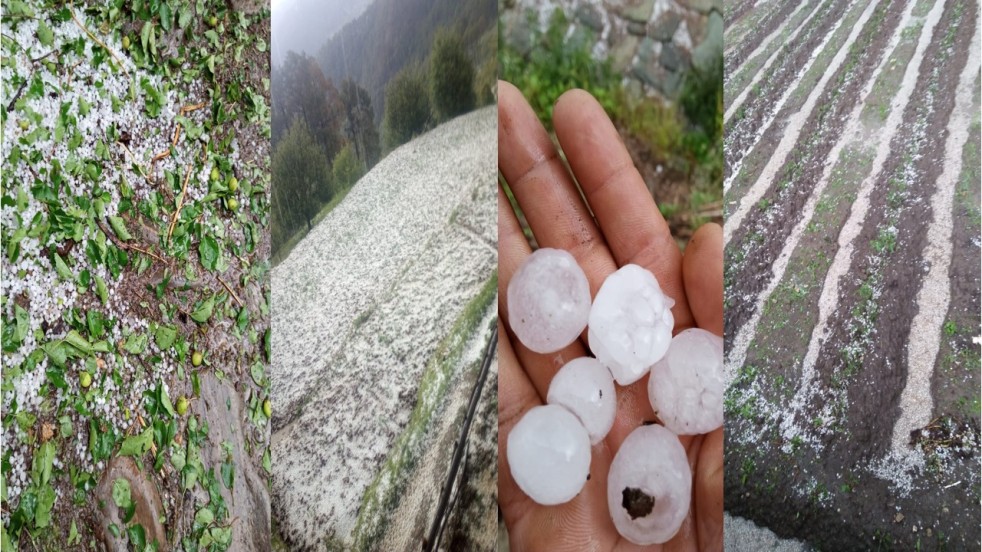
2020 pre-monsoon rains, hails hit Uttarakhand farmers hard
The hilly state of Uttarakhand has been witnessing severe weather conditions for most of April and first week of May 2020. The repeated incidents of rainfall, snowfall, and hailstorm have hit the mountain farmers hard.
Snow, rain, hailstorm destroys cash and food crops
On April 14, 2020 the Yamuna and Ganga valley faced severe hailstorm affecting horticulture produce of apple, apricot, peach, plum, pear and vegetable crops including tomato, potato, peas and food grain crops wheat, pluses and corns in Naugaon, Badkot, Chinyalisoud, Bhilangna area of Uttarkashi, Ghansali, Pratap Nagar, Jakhnidhar areas of Tehri and Dhumakot region of Pouri.
Continue reading “2020 pre-monsoon rains, hails hit Uttarakhand farmers hard”
Cleaner rivers in lockdown: Lessons we can learn
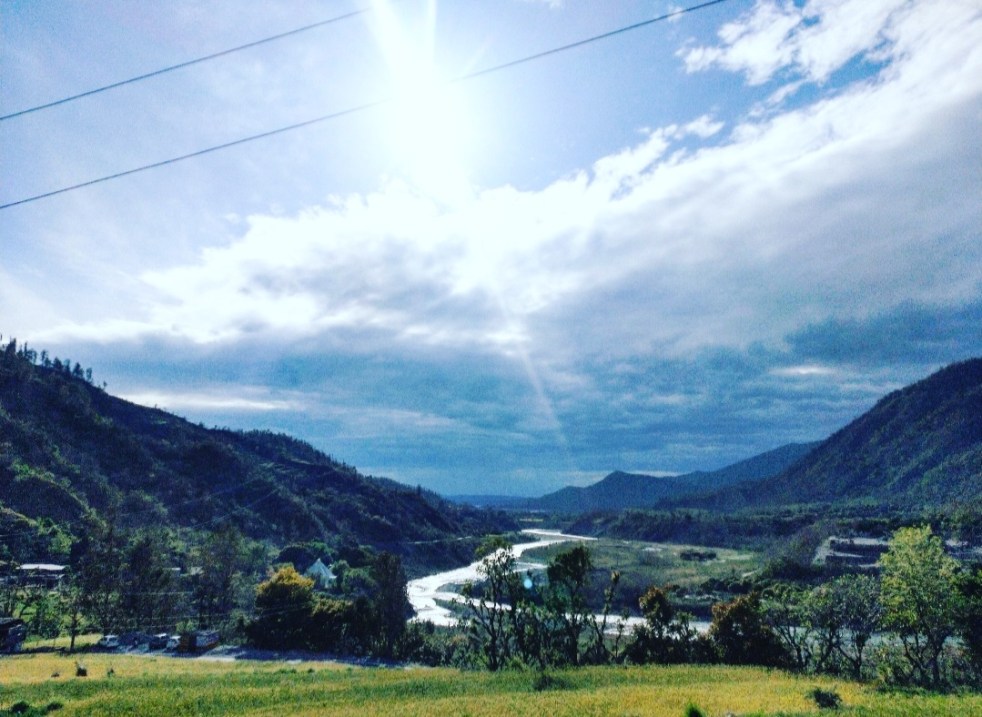
Within a week of 21-day long lockdown in India that started at midnight on March 24, 2020, several reports in print, electronic and social media have been doing rounds showing remarkable improvements in water quality in many rivers in the country. Most of these are on the basis of naked eye observations in the form of pictures and videos by people.
Some of the reports quote pollution control boards’ officials and experts with some analytical data. People generally believe that the shutting down of industrial units has led to reduction in discharge of industrial effluents in the rivers, breathing fresh life in pollution laden streams. It’s right that there is halt in industrial belts and there is less industrial pollution reaching the rivers. However there are other factors contributing to the change in the scenario.
Continue reading “Cleaner rivers in lockdown: Lessons we can learn”
 SANDRP