DRP News Bulletin

DRP NB 7 Sep 2020: On Himalaya Diwas, will Supreme Court stop destruction of Himalaya by Char Dham Road?

The people and state government of Uttarakhand would be celebrating Himalayan Diwas on September 9; the Supreme Court of India would be hearing the issues related to the controversial Char Dham Road project a day before it on September 08. During the last hearing on August 31, the apex court has rescheduled the case by extending the hearing date by a week amid concerns of recurring landslides raised by the petitioners.

The ongoing adverse impacts on forests, rivers, streams, soil covers, hills and people continue to concerns scientists, geologist who are alarmed by the scale of destruction and shocked by the brazen manner the state and central governments have been marching ahead without bothering to assess the impacts or address the genuine issues being raised by all concerned.

Multiple reports have been showing that the deliberate dilution of environmental rules and violations of already weakened norms applied by none other than governments themselves to avoid scientific scrutiny and push the project through climatically and ecologically sensitive mountains is proving to be a Himalaya blunder. There is still time to pause, ponder, review the project, assess the impacts, reduce road width and prepare an action plan to restore the damages and pay heed to scientific suggestions before the blunder leads to another inevitable disaster of Kedarnath or larger scale. Hope the apex court would not fail Himalayas.  

Continue reading “DRP NB 7 Sep 2020: On Himalaya Diwas, will Supreme Court stop destruction of Himalaya by Char Dham Road?”
Dam Induced Flood Disaster · Gujarat · Narmada

SSD induced Bharuch Flood disaster: Reality behind SSNNL claims that it saved Bharuch

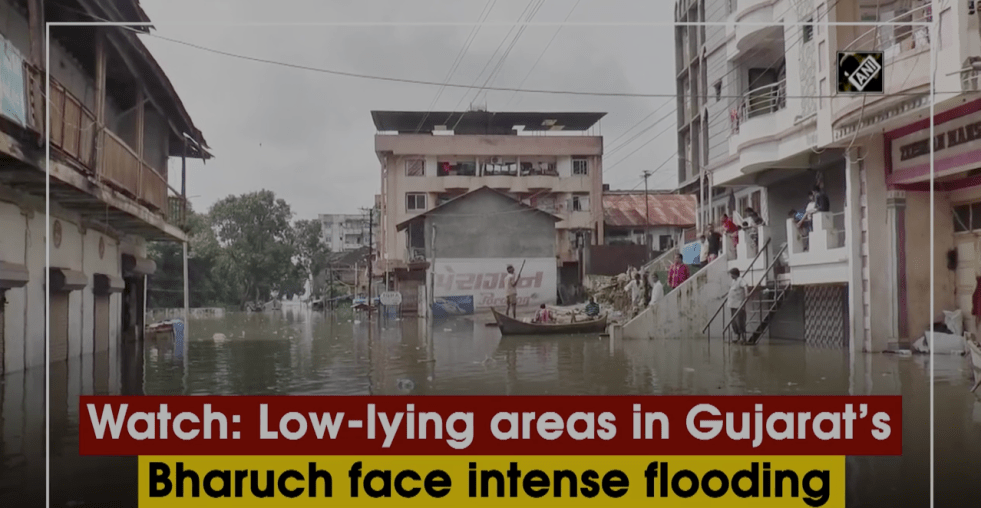
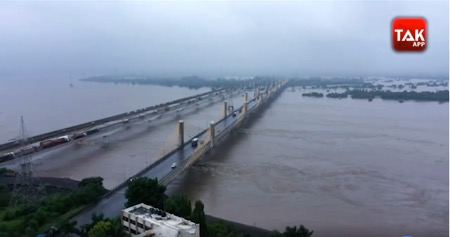
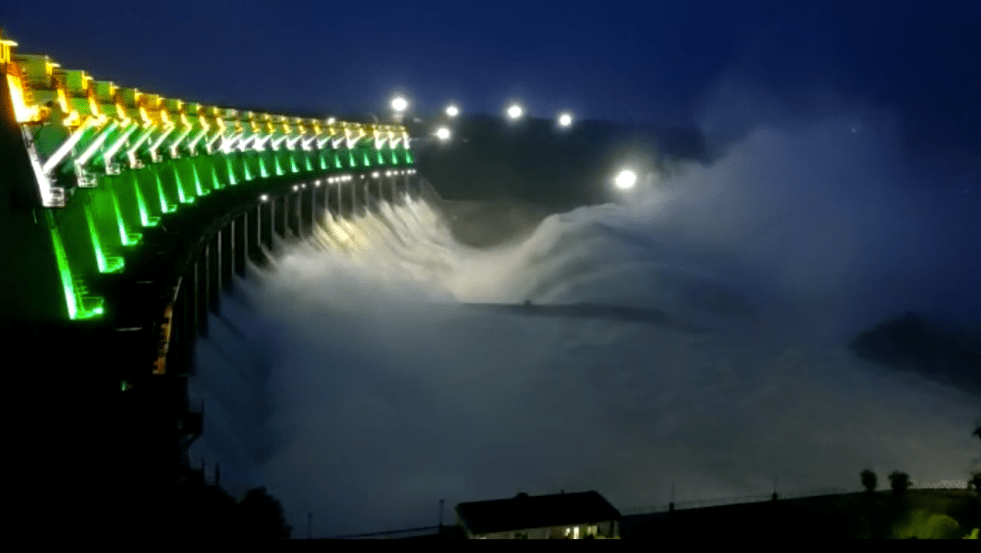
We showed on Sept 2, 2020[i] using official information that Sardar Sarovar Dam (SSD) created an avoidable flood disaster in Bharuch, downstream of SSD starting on Aug 29, 2020, due to sudden, adhoc release of massive quantities water upto 10.72 lakh cusecs. The Sardar Sarovar Narmada Nigam Limited (SSNNL), official agency responsible for operation of the SSD is yet to provide any clear, coherent and fact based response. However, some of the spokespersons of SSNNL/ Government of Gujarat (GOG) are claiming that scientific operation of SSD saved Bharuch from bigger disaster. While this claim has no basis, this is like spraying salt on the fresh wounds.

Only an independent (not by serving or retired bureaucrats of the government) investigation would be able to bring out the truth as to how SSD operated, how it should have been operated, who is responsible for the massive disaster that Bharuch experienced, how can we fix accountability and what lessons we can learn for future.

Continue reading “SSD induced Bharuch Flood disaster: Reality behind SSNNL claims that it saved Bharuch”
Dam Induced Flood Disaster · Gujarat · Gujarati blog · Narmada

ભરૂચમાં પૂરની તારાજી માટે સરદાર સરોવર જવાબદાર

સરદાર સરોવર ડૅમ (SSD)ના સંચાલકો જરાય વિચાર કર્યા વિના, અને કહી શકો કે, ક્રૂરતાથી, પાણી કેટલું છોડવું, ક્યારે છોડવું તેના નિર્ણયો લે છે. એમના નિર્ણયની અસર હેઠવાસમાં શું થશે તેના પર તો જરાય ધ્યાન નથી આપતા.  કંઈ નહીં તો, ૨૬મી ઑગસ્ટ ૨૦૨૦થી જ એમને સત્તાવાર માહિતી મળી ગઈ હતી કે  ભારે વરસાદને કારણે નર્મદાના ઉપરવાસમાં પાણી વધવા લાગ્યું છે. આ માહિતી પર એ કામ કરી શક્યા હોત તેમ છતાં ૨૯મી ઑગસ્ટ, શનિવારની વહેલી સવાર સુધી એમણે ડેમનાં સ્પિલ-વે ગેટ્સમાંથી પાણી ન છોડ્યું.  ડૅમ ૭૦ ટકા ભરાઈ ગયો હોવા છતાં એમણે પાવર હાઉસો પણ ન ચલાવ્યાં. ઓચિંતા જ ૨૯મીની રાતે એમણે દસ લાખ ક્યુસેક – દર સેકંડે ઘન ફૂટ (૨૮,૩૨૦ ક્યુમૅક એટલે કે દર સેકંડે ઘન મીટર) પાણી  છોડવાનું શરૂ કરી દીધું [i].. ત્રણ દિવસ પછી ૧ સપ્ટેમ્બર, મંગળવારની સાંજે એમણે મોટા ભાગનાં સ્પિલ ગેટ બંધ કરી દીધાં. આમ સ્પિલ-વેમાંથી નીકળતા પાણીનો જથ્થો પહેલાં કરતાં માત્ર દસમા ભાગનો રહ્યો. આ ૩-૪ દિવસમાં (૨૯મી ઑગસ્ટ અને ૧લી સપ્ટેમ્બર વચ્ચે) પાણીનો ૩૦,૦૦૦ ક્યુમૅક સુધીનોજબ્બરદસ્ત જથ્થો સ્પિલ-વે મારફતે છોડવામાં આવ્યો; એના પહેલાં કે તેના પછી કંઈ જ નહીં! પરિણામે હેઠવાસમાં ગરૂડેશ્વરથી ચાંદોદ અને ભરૂચ સુધી પૂરનાં વિનાશકારી પાણી ફરી વળ્યાં. પરંતુ લાગે છે કે, સરદાર સરોવર પ્રોજેક્ટ (SSP)ના સત્તાવાળાઓ અથવા ગુજરાત સરકારના પેટનું પાણી પણ નથી હાલ્યું. હવે સમય આવી ગયો છે કે ગુજરાતની જનતા જાગે અને આ માનવસર્જિત તારાજી માટે SSPના ખેરખાંઓનો જવાબ માગે.

Continue reading “ભરૂચમાં પૂરની તારાજી માટે સરદાર સરોવર જવાબદાર”
Dam Induced Flood Disaster · Narmada

Sardar Sarovar Creates avoidable flood disaster in Bharuch

Sardar Sarovar Dam (SSD) operators are operating the dam callously, almost cruelly, without consideration of the impact of the operation in the downstream area. Till Saturday-Aug 29, 2020 early hours, they were not releasing any water from the spillway gates of the dam, in spite of sufficient actionably information at least since Aug 26 that rainfall is hugely increasing in upstream Narmada basin. They were not even operating powerhouses even though the dam was close to 70% full. Suddenly, by Aug 29 night they started releasing upto ten lakh cusecs – Cubic Feet Per Second (28320 cumecs or Cubic Meters per second) of water[i]. Three days later, in the evening of Tuesday, Sept 1, they closed most of the spillway gates, thus reducing releases from spillway to less than a tenth of the earlier figure. During these 3-4 days (Aug 29-Sept 1), massive quantities were released, upto 30 000 cumecs through spillways, and almost nothing before or after! It created massive flood disaster all along the downstream from Gaudeshwar to Chandod to Bharuch, but the Sardar Sarovar Project (SSP) authorities or the Gujarat government seem least bothered. It is high time people of Gujarat wake up and hold the SSP operators accountable for this man made disaster.

Continue reading “Sardar Sarovar Creates avoidable flood disaster in Bharuch”
CWC - Central Water Commission · Dam floods · Floods

Central India downpour brings unprecedented flows in Brahmani, Chambal, Godavari, Mahanadi, Narmada, Suvarnarekha

A massive wave of flood is flowing down the rivers originating in Central India states from Odisha in East to Gujarat-Rajasthan in the west. At least fourteen river sites have seen breach of Highest Flood Levels (HFL) in last four days, a record by itself: 7 in Mahanadi, 5 in Godavari, 2 in JNarmada and one each in Suvarnarekha and Chambal. In at least four of these cases, the earlier HFL had survived for 26 years and has now been broken.

The flood wave that is traveling down is above above 35500 cumecs (12.54 lakh cusecs) in Narmada (at Indira Sagar Dam), above 25000 cumecs (8.83 lakh cusecs), in case of Mahanadi (at Hirakud Dam) and Godavari (at Gosikhurd Dam) rivers & over 15000 cumecs (5.3 lakh cusecs) in Chambal (at Gandhi Sagar Dam) River. Continue reading “Central India downpour brings unprecedented flows in Brahmani, Chambal, Godavari, Mahanadi, Narmada, Suvarnarekha”

Book Review · Narmada

Book Review: Narmada Valley’s gripping story!

Guest blog by Abhilash Khandekar

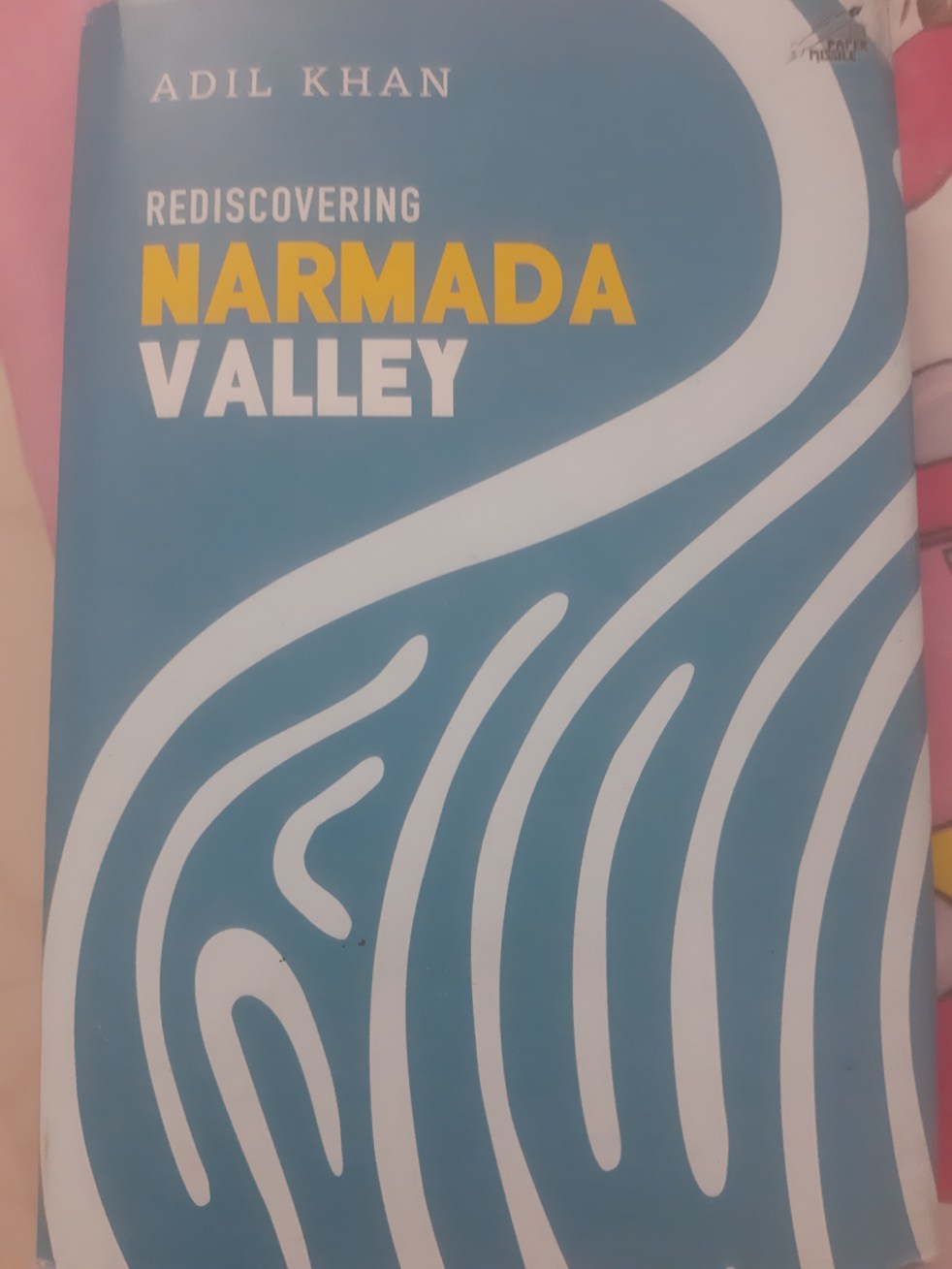
BOOK: Rediscovering Narmada Valley; Author: Adil Khan; Publishers: Niyogi Books, New Delhi; 2020; Pages-208; Price: Rs 695/-

A life-giving organism can not be controversial, but in India rivers that ought to be naturally free-flowing have been made controversial by policy makers and politicians over the past few decades. Narmada is one of them! Continue reading “Book Review: Narmada Valley’s gripping story!”

Dams · DRP News Bulletin

DRP NB 9 March 2020: High Court Directions for Sukhna Lake

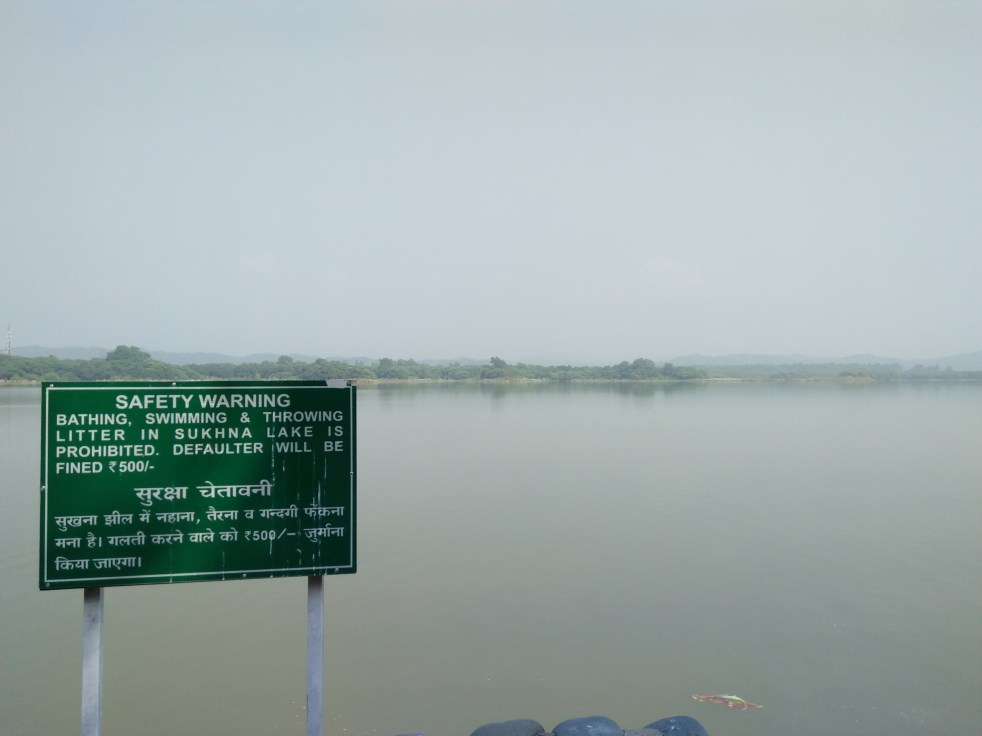
The March 2, 2020 directions of Punjab and Haryana High Court for the sustained conservation of Sukhna wetland are welcome, though the directions are likely to be appealed against in the Supreme Court, considering the far reaching implications of the lake. One hopes the Supreme Court takes a view that helps sustain the Sukhna lake and the wetlands in a confidence inspiring way.

Punjab & Haryana HC Issued Slew Of Directions For Protection Of Sukhna Lake. https://www.livelaw.in/news-updates/punjab-haryana-hc-issues-slew-of-directions-for-protection-of-sukhna-lake-in-chandigarh-read-judgment-153386  (2 March 2020)

This is a far reaching judgement on protection of watersheds, water bodies. Any government authority which ignores the environmental damage caused by unplanned development will have to face the music. The court also declared all commercial, residential and or other structures constructed in the catchment area falling in the areas of Punjab, Haryana and Chandigarh as delineated in the map prepared by the Survey of India on 21.9.2004 were declared illegal and unauthorised and ordered to be demolished within three months. https://www.thehindu.com/news/national/hc-declares-chandigarhs-sukhna-lake-living-entity-fines-punjab-haryana-100-cr-each-for-damaging-catchment-area/article30969711.ece  (03 March 2020)

Continue reading “DRP NB 9 March 2020: High Court Directions for Sukhna Lake”

DRP News Bulletin

DRP NB 16 Dec. 2019: Why the first NGC meeting signifies Govt’s Failure on Ganga

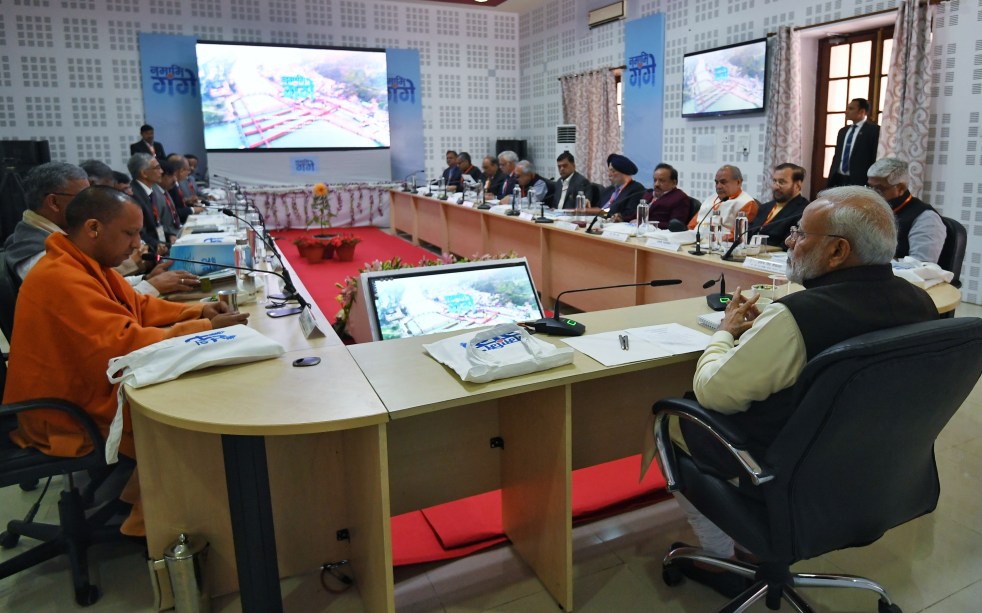
The Prime Minister finally found time to have the first ever meeting on National Ganga Council, over three years after the Ganga Notification of Oct 7, 2016. The meeting happened at Kanpur, where the NGT recently fined the state government for continuing to release untreated effluents into the Ganga. In fact NGT in recent weeks have taken several decisions that also shows how abysmally the govt has failed on Ganga front. And now after the first NGC meeting, the Prime Minister, in an effort to divert attention from Namami Gange failure, is proposing the new slogan of Arth Ganga, which basically seems to suggest focus on Money, which is Exactly what is not going to help the cause of Ganga. The Ganga is still on the lookout for the Ganga putra that promised a clean Ganga in May 2014.

Continue reading “DRP NB 16 Dec. 2019: Why the first NGC meeting signifies Govt’s Failure on Ganga”

DRP News Bulletin

DRP NB 25 Nov. 2019: Cauvery is calling, but do we understand her message?

Interrogating Cauvery Calling N Ram questions Jaggi Vasudev’s Cauvery Calling, asks why it shifts goal posts Speaking at Interrogating Cauvery Calling seminar in Chennai, N Ram said that various state governments and the central government that endorses the project should also be questioned.

 “Now a very serious issue that must cause concern is the raising of public interest and public money for this project. Truly mega, in terms of money involved – 242 crore trees, 11,000 crore rupees. That is the kind of money involved. Only 0.5% collected. There is still time to put checks on this and prevent this from going further,” he said. “What is the management of this money? Who oversees it? There is no transparency, no verifiable document, no clear management structure for huge amount targeted. It is a matter of great concern.”

– N Ram also said that various state governments and the central government that endorses the project should also be questioned. “As a political journalist, this is the question that occurs to me. Who gave the Isha Foundation the right, the jurisdiction to transgress on what should be the commons. And why are governments being subservient to this idea? Apart from the risks, probable negative outcomes and over simplification of solutions for Cauvery, this is what is worrying,” he concluded.  https://www.thenewsminute.com/article/n-ram-questions-jaggi-vasudevs-cauvery-calling-asks-why-it-shifts-goal-posts-112838  (24 Nov. 2019)

Continue reading “DRP NB 25 Nov. 2019: Cauvery is calling, but do we understand her message?”

DRP News Bulletin

DRP NB 18 Nov. 2019: River capacities are changing, but who is monitoring?

River carrying capacity is such a crucial factor in deciding if certain areas will be flooded and with what severity. This capacity is constantly changing, more so in tropical climate and high silt carrying rivers of South Asia, as new research shows. However, most models that are used in India, including by CWC, assume steady state situation. Nor are there constant and credible efforts to assess the river cross sections and river conveyance capacities and put them in public domain. The study shows how important it is that we wake up to this reality and ensure credible, consistent monitoring and assessments by credible independent agencies at the earliest. This has become even more urgent, the study underlines, since in changing climate, the rainfall patterns are changing fast. 

Continue reading “DRP NB 18 Nov. 2019: River capacities are changing, but who is monitoring?”