Dam Disaster

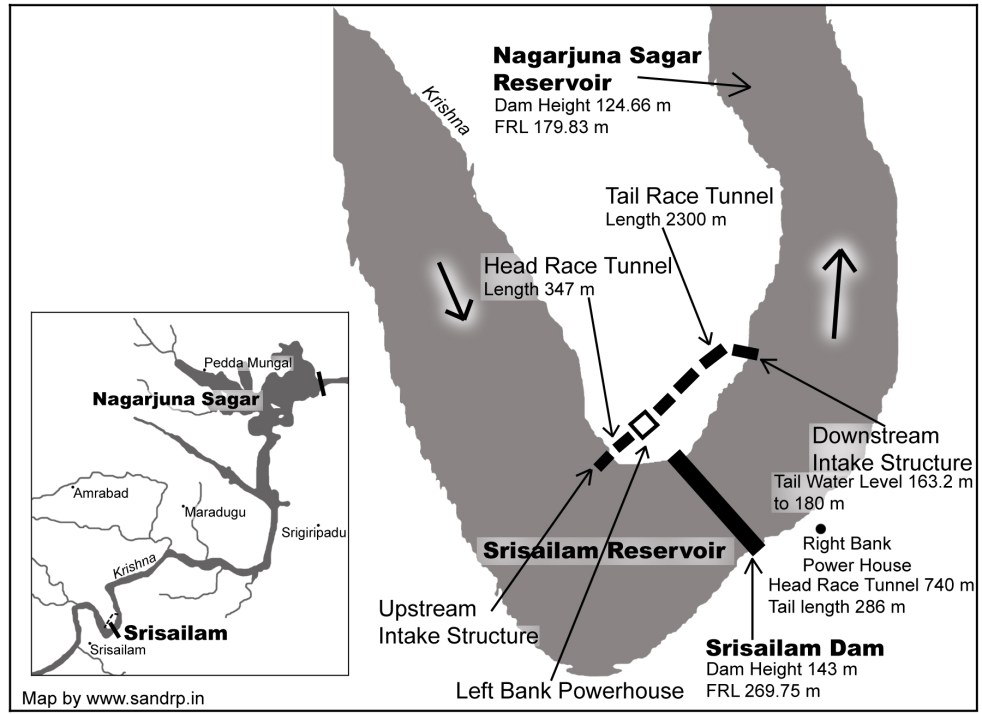
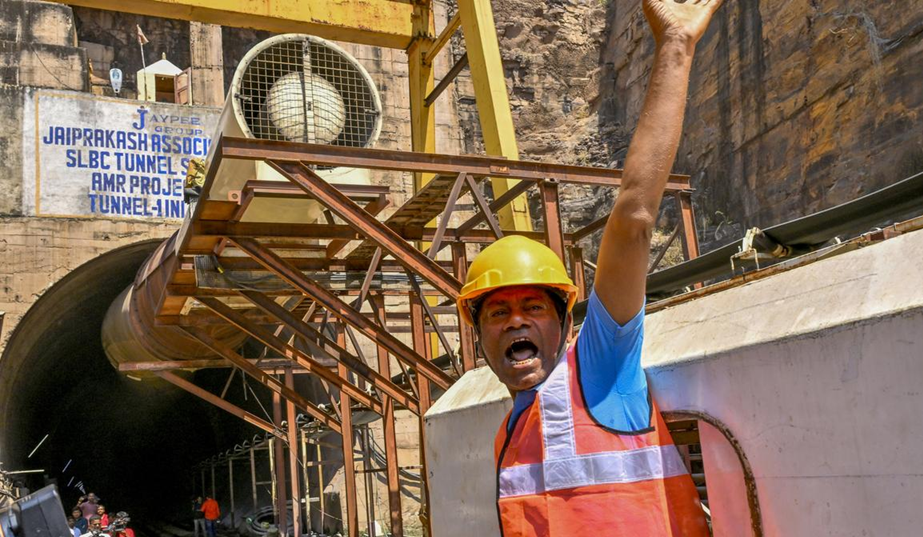
Feb. 2025: Srisailam Dam Left Bank Tunnel Collapse Disaster

Continue reading “Feb. 2025: Srisailam Dam Left Bank Tunnel Collapse Disaster”
CWC - Central Water Commission · Floods · Highest Flood Level

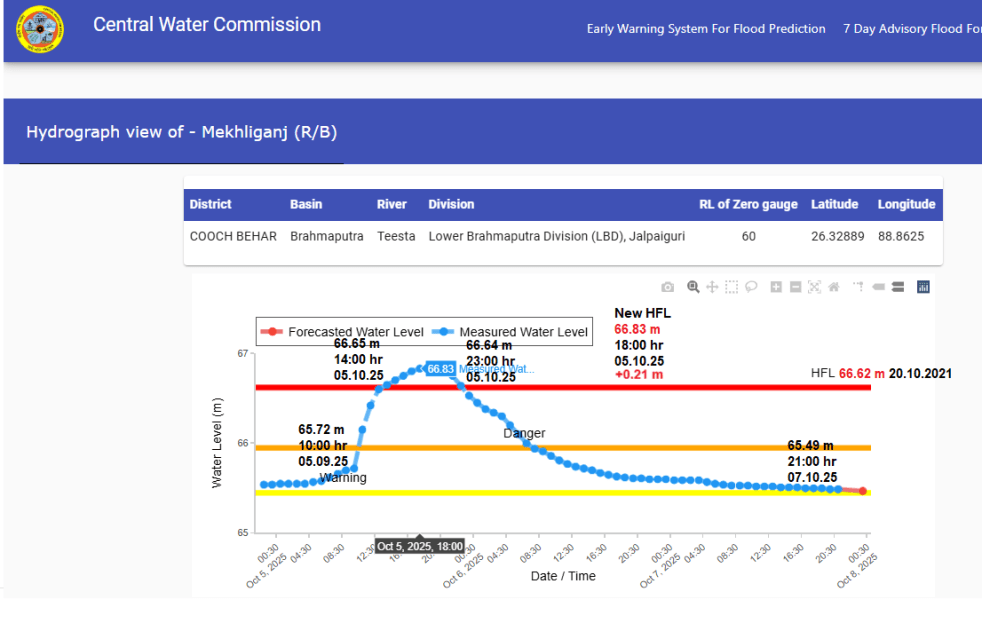
India’s Rivers in Extreme Floods in Oct 2025

Continue reading “India’s Rivers in Extreme Floods in Oct 2025”
Dam Safety

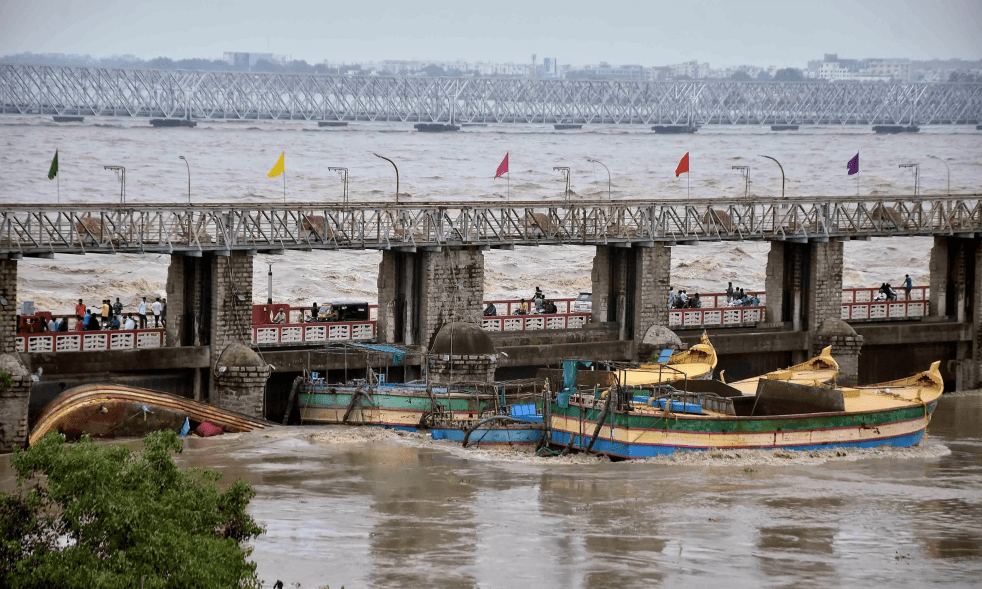
Andhra Pradesh: Prakasam Barrage Damaged by ‘Sand Boats’ Again

Continue reading “Andhra Pradesh: Prakasam Barrage Damaged by ‘Sand Boats’ Again”
Dam Disaster

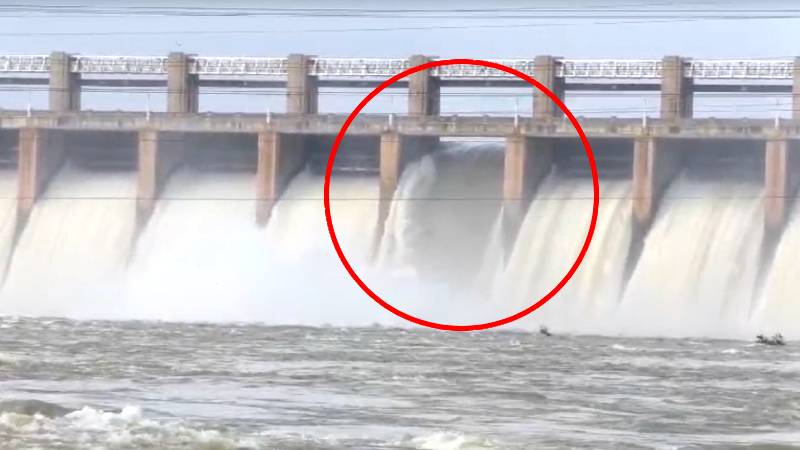
Tungabhadra Dam: A Crest Gate washed away in August 2024

In a major dam related disaster at around 10.50 pm on Aug 10, 2024[i], one of the crest gates at the Tungabhadra dam has broken[ii] near Hospete in Vijayanagara district in Karnataka, causing the release of 70,000 to 100,000 cusecs of stored water. The chain on the 19th (of total 33 gates) gate of Tungabhadra dam on Tungabhadra river, part of Krishna River Basin, got cut, snapped and was washed away about 100 m from the dam on Saturday. The chain that was used to operate the gate snapped as the welding gave way. The Tungabhadra gates only have chain and not chain and rope as in some other dams. The force of the water in the dam swept the 60-foot-by-20-foot gate, weighing around 20 tonnes, some 500 ft away, J Purushottham, president of the Tungabhadra Farmers’Association, said. This possibly happened due to heavy flows, but also due to wear and tear of over 70 years of operation of the dam. A temporary stop log gate is now being planned, as permanent crest gate will take time.

The disaster raises a number of questions about the operation and maintenance of the dam.

Continue reading “Tungabhadra Dam: A Crest Gate washed away in August 2024”
DRP News Bulletin

DRP NB 01 Feb 2021: Dissolving YMC is retrograde

In a shocking and disappointing move, the National Green Tribunal last week dissolved the Yamuna Monitoring Committee (YMC) in Delhi, UP and Haryana along with Justice Pritam Pal Committee and asked the state government to implement the various measures in earlier YMC and NGT reports and directions. This seems like a major set back for the future of Yamuna and other rivers. This seems to have been a direct fall out of the Supreme Court of India Suo Moto taking up the Yamuna pollution issue. This is not going to help solve the seemingly intraceable issue of tackling pollution of our rivers. If the states were interested and capable of implementing the necessary measures, we won’t have required YMC in the first place. YMC was taking a number of useful steps and as we wrote in the DRP lead story dated January 18, 2021, what is required is strengthening the hands of the YMC, but as if our worst fears were to come true, YMC has now been dissolved, even before it could make its mark in achieving cleaner rivers.

It should be noted that our judiciary does not have very remarkable track record in achieving cleaner rivers. In fact the same Supreme Court took up Yamuna case Suo moto in 1994 and not having been able to achieve any better state of Yamuna, after dealing with it for 23 long years, handed over the case to NGT in 2017. Supreme Court had been dealing with Ganga case even longer, and again not achieving better state of the river, handed over the case to NGT in 2017. It seemed like NGT had done something right in setting up YMC, but that also has been dissolved. Its clear that unless the citizens and society does not rise up, there is no hope for our rivers.

Continue reading “DRP NB 01 Feb 2021: Dissolving YMC is retrograde”
Climate Change · Floods

Krishna-Bhima basin floods in Oct 2020 breaks 56-year-old record

Krishna basin is again facing unprecedented floods, for the second straight year. Unprecedented is a bit of overused word these days, but consider the facts: At no less than ten locations, the Highest Flood Levels (HFL) ever recorded at those locations in the Krishna basin were surpassed (nine locations) or equaled (one location). Some of the HFLs surpassed this year were amazing 56, 51 and 44-year-old records! And imagine most of this happening in second half of Oct 2020, when South West monsoon is traditionally over by end of Sept! There is no doubt the floods were unprecedented.

Continue reading “Krishna-Bhima basin floods in Oct 2020 breaks 56-year-old record”
Dam Disaster · Hydro Disaster · Telangana

Srisailam Hydro Project Disaster of Aug 2020

Nine employees of Telangana State Power Generation Corporation (TSGenco) are trapped inside the under-tunnel 900 (6 X 150) MW Srisailam Left Bank Power Station (SLBP) when fire broke out in the electric panel at around 10.30 pm on Thursday night (Aug 20 2020). As we write this, six bodies have been recovered, search is on for the remaining three persons.

Continue reading “Srisailam Hydro Project Disaster of Aug 2020”
Fish, Fisheries, Fisherfolk

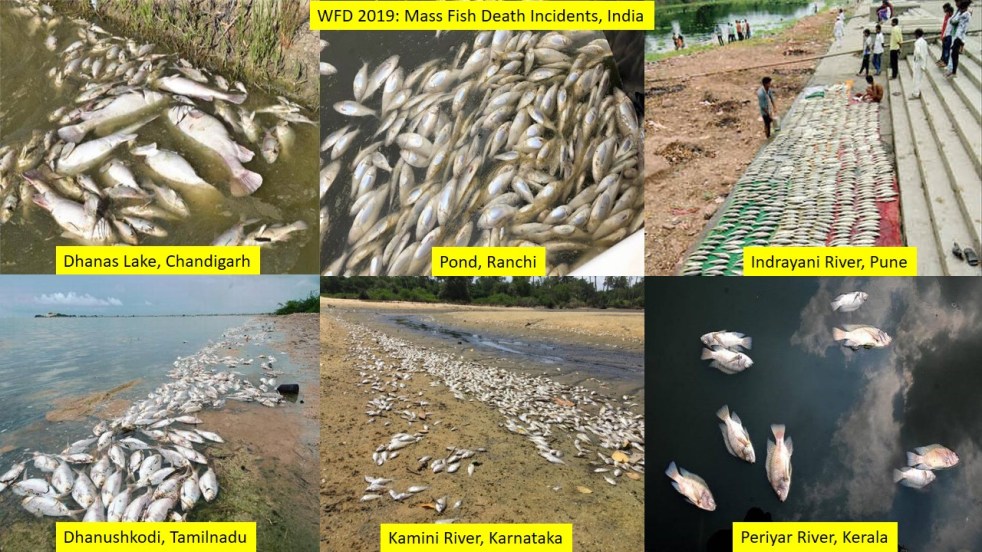
WFD 2019: Mass Fish Kill Incidents Due to Pollution, Dry Rivers In India

21 November is celebrated as world fisheries day across the world. Apart from crucial source of food and livelihood to lakhs of fisherfolks in India, fish diversity determines the health of the water body including lakes, ponds and rivers. However with growing threats and pollution mass fish mortality has been taking place in various rivers and lakes in the country every year. On World Fisheries Day 2019 SANDRP has put together known mass fish kill incidents that took place this past year to highlight the gravity of threat so that corrective measures can be taken by respective Governments and others concerned.

Continue reading “WFD 2019: Mass Fish Kill Incidents Due to Pollution, Dry Rivers In India”

Climate Change · Dams · Floods · Krishna River · Monsoon

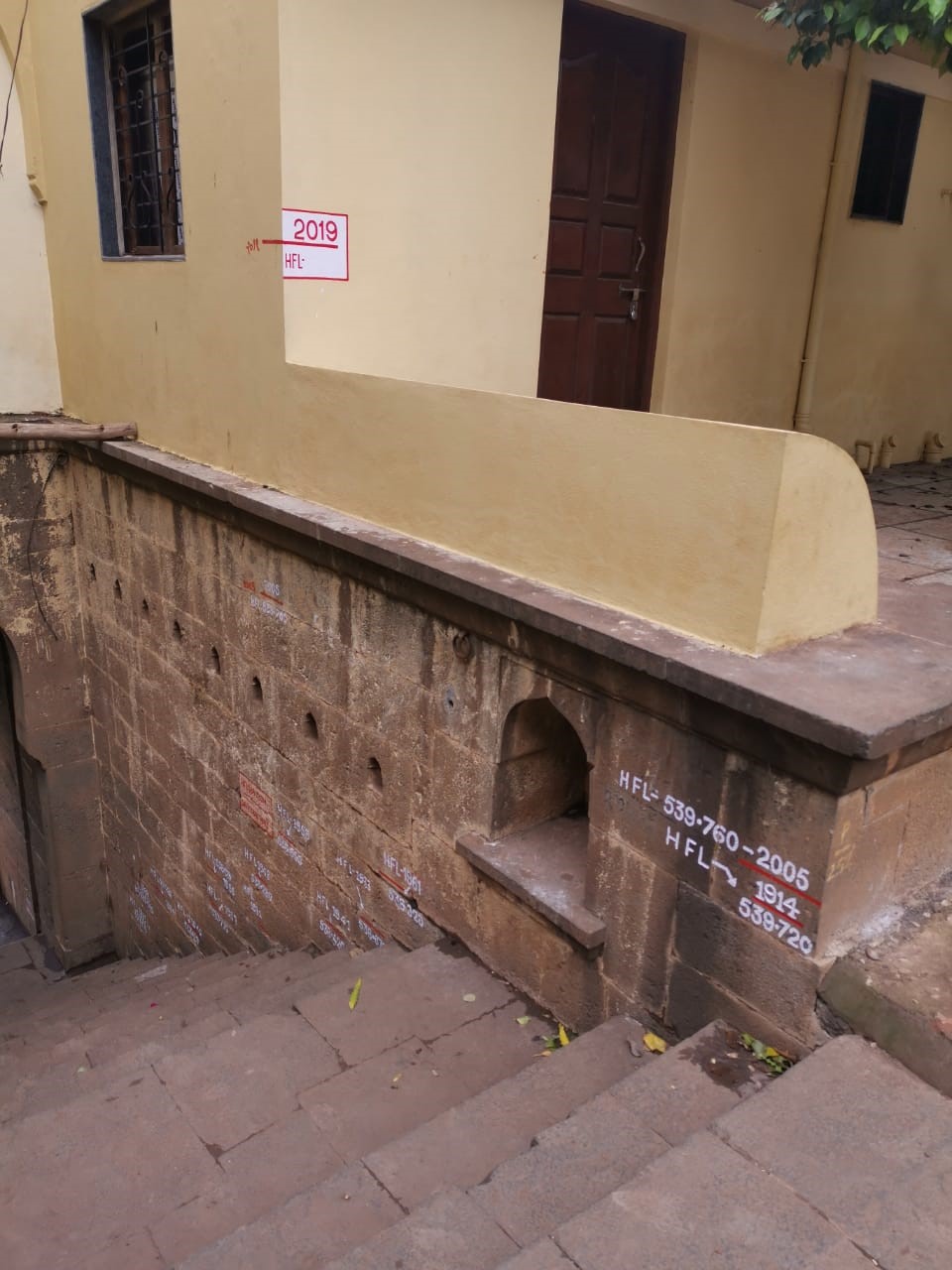
Sangli and Narsoba Wadi: Painted Red with Record Flood levels in 2019 monsoon

Sangli, on the banks of river Krishna in Western Maharashtra faced a historic flood in Aug 2019. Nearly One Lakh people were displaced and over 30 lost their lives in this district alone. While we covered the impact of floods on the agricultural and rural fabric of Sangli in the earlier photoblogs, Sangli city with a population of more than 22 Lakhs, too suffered huge losses.

Sangli-Miraj-Kupwad Municipal Corporation is on the banks of Krishna-Warna confluence in Western Maharashtra. Both rivers reached historic High Flood Levels in the 2019 floods. Warna, in Samdoli Village, Sangli District recorded an HFL of 546.9 Meters on 09 Aug 2019, breaking all previous records. Irwin Bridge, a historic bridge built in 1929 in Sangli city, recorded a river stage that the bridge had never experienced. Sangli and the nearby region are is not new to floods and has witnessed devastating floods in 1853, 1856, 1914, 2005, 2006 and latest 2019.

Same is the story downstream. Especially in the pilgrimage center of Narsoba Wadi near Kurundwad town of Kolhapur District. Situated at the confluence of Krishna and Panchaganga, floods are not new to Narsoba Wadi. In fact, there are elaborate flood rituals, in which the deity is moved to upper precincts after each flood event. But here too, 2019 floods broke all previous records, including the 1914 HFL.

Photos, videos and brief interviews by Abhay Kanvinde (taken in September 2019), show us the extent that Krishna waters had reached and all that they had swallowed in the first two weeks of August 2019.

Continue reading “Sangli and Narsoba Wadi: Painted Red with Record Flood levels in 2019 monsoon”

DRP News Bulletin

DRP NB 26 Aug. 2019: Canalisation of Rivers will worsen Punjab Flood and Water Situation

Following recent Punjab floods, the Punjab Chief Minister said that the state government would go for canalisation of rivers, as if that is going to help in managing or avoiding flood disaster. This proposal seems to come out from nowhere, but considering that the CM talked about funding by the World Bank and Asian Development Bank, either this is already under discussion or these institutes have proposed this to the Chief Minister. The Proposal seems blind to the impacts, costs, risks and wider implications of the canalisation of rivers.

To avoid duplication, the excellent report in MINT below provides detailed reasons why it is a disastrous Idea. The Indian Express report below is in fact a bad example of reporting, since it does not even mention the impacts, costs or risks of the canalisation proposal. And the report that follows these two from California in USA shows how there the work is ongoing to reverse the trend and bring more flood plains in connection with the rivers at a huge cost. Why do we have to repeat the blunders of others, as propagated by the World Bank and ADB and then pay the price in reversing the blunders?

Continue reading “DRP NB 26 Aug. 2019: Canalisation of Rivers will worsen Punjab Flood and Water Situation”