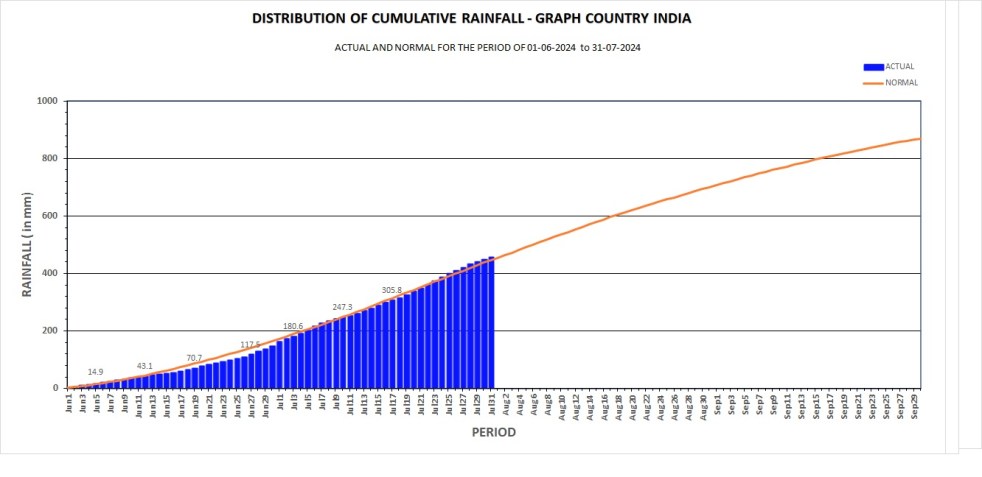
An analysis of the daily district wise rainfall data from India Meteorological Department (IMD) for July 2024 shows that there were 914 (up from 855 in July 2023, 809 in July 2022 and 717 in July 2021) instances when district rainfall of a day was above 50 mm. Such high rainfall instances included 730 (up from 660 in July 2023, 663 in July 2022, 595 in July 2021) instances when rainfall was 50-100 mm, 143 (149 in July 2023, 107 in July 2022, 98 in July 2021) instances when it was 100-150 mm, 27 (34 in July 2023, 28 in July 2022, 17 in July 2021) times it was 150-200 mm and 14 (12 in July 2023, 16 in July 2022 and 7 in July 2021) times above when rainfall in July 2024 when rainfall was above 200 mm. As noted in earlier article[i], the July 2024 rainfall all over India was 9.3% above normal.
Continue reading “High Rainfall days in India’s districts in July 2024”Tag: IMD
June July 2024: District wise rainfall in India’s SW Monsoon
In the month of July 2024, the second month of India’s South West 2024 monsoon, India received 306.6 mm (318.4 in July 2023[i] and 327.7 mm in July 2022[ii]) rainfall, 9.3 % above (13.5% above normal in July 2023 and 16.8% above normal in July 2022) the normal July rainfall of 280.5 mm as per India Meteorological department. So this is the third consecutive year when rainfall in July is above normal. In July 2021, the rainfall was 266.1 mm[iii], about 6.7% below normal and in July 2020, the rainfall was 257.1 mm[iv], or about 9.9% below normal.
Continue reading “June July 2024: District wise rainfall in India’s SW Monsoon”DRP NB 050824: Cities fail monsoon test
(Feature Image by Cartoonist Alok/ Sakal, July 25, 2024)
This monsoon has again shown how our cities have been failing the monsoon test for decades. As rightly suggested in the Indian Express Edit this week, main reasons are: outdated drainage systems, planning that is blind to local hydrology and pathetic state of civic agencies. The last factor in fact needs to change to failed governance at all levels. There is no water or flood policy that guides our cities, nor is there any reward for improving governance, nor any penalties for lack of it.
In fact, with better rainwater management, cities can convert this problem into a blessing, both in terms of water security and also improved state of urban landscape. This would be possible if it prioritizes the city’s capacity to hold, store, recharge and drain the rainwater. Instead, the cities are busying destroying such capacities by destroying the rivers, ridges, forests, local water bodies, groundwater recharge capacities and also the drainage capacity.
Continue reading “DRP NB 050824: Cities fail monsoon test”July 2024: ‘Cloudburst’ in Beas Basin Damages 2 HEPs in Himachal Pradesh
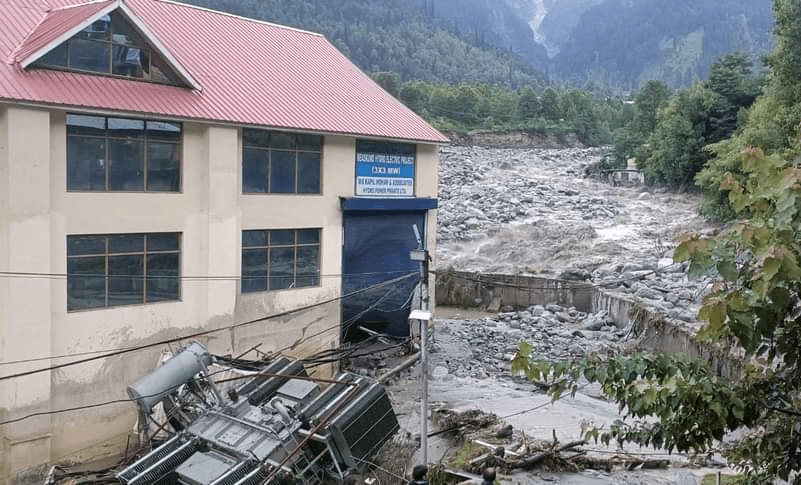
(Feature Image: Flashflood ravaged 9 Mw Beas Kund HEP Powerhouse complex. Image Source: News on Air)
The cloudburst induced flashflood destruction took place late on July 25, 2024 in Palchan area of Manali tehsil in Kullu district. Many of the media reports have also mentioned about the deluge damaging a hydroelectric power (HEP) project in Palchan just in a single line without revealing any details or even the name of the HEP.
While looking for more information about the affected HEP, we came to know that not just one but two HEPs have faced significant damages due to the flashflood incident. Both projects are owned and run by private companies in upper Beas River basin.
Continue reading “July 2024: ‘Cloudburst’ in Beas Basin Damages 2 HEPs in Himachal Pradesh”DRP NB 290724: Dam Floods need urgent attention
(Feature Image: Officials said it was very important to identify a dry area for construction of the diaphragm wall and the earth-cum-rock-fill dam on top of it, this being the main dam of the Polavaram project. DC Image)
The floods last week in Pune, with significant contribution from dam releases from upstream has led to Maharashtra deputy Chief Minister Ajit Pawar directing the water resources department to keep the Khadkwasla Dam only half full to avoid repeat of the floods. While this is welcome and needs to be implemented, it also raises a number of questions.
The phenomena of water releases from dams contributing to downstream floods is not new, it has been going on for decades as SANDRP has been pointing out. Even in 2023 monsoon, several dams were found guilty of this including Sardar Sarovar on Narmada in Gujarat and Bhakra & Pong dams in Punjab (this was highlighted at a meeting in Chandigarh on Saturday by SANDRP and others), among others. In 2019 floods in Maharashtra and Karnataka too this happened in Krishna basin. So, the minister’s statement post disaster is surprising.
Continue reading “DRP NB 290724: Dam Floods need urgent attention”DRP NB 220724: Why are Under construction hydro and dam projects excluded from dam safety regime?
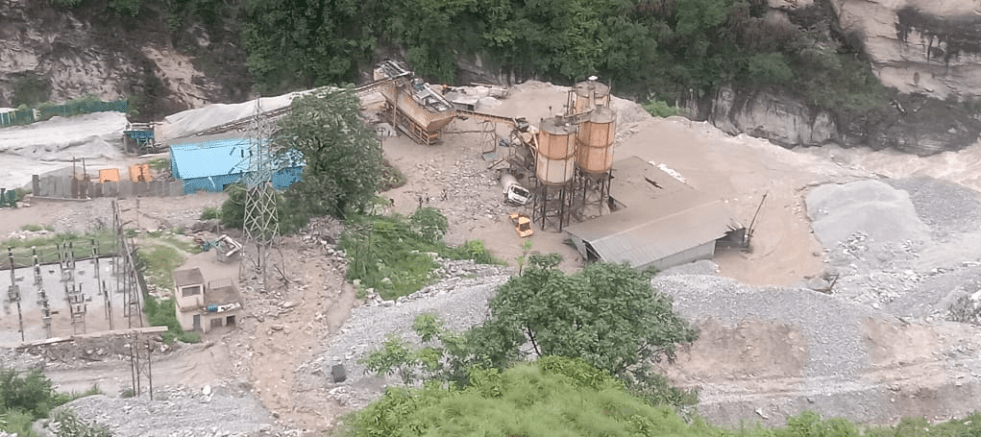
(Flash flood ravaged HCC’s batching plant along Alaknanda river at under construction Vishnugad Pipalkoti HEP site in Chamoli district. Image source: Social Media)
As we saw in stories in last week (e.g., Luhri HEP in Himachal Pradesh) and see this week (Vishnugad Pipalkoti in Uttarakhand and Dibang HEP in Arunachal Pradesh), a number of under construction projects regularly face disaster, which includes deaths and destruction on large scale. We have been narrating stories related to disaster at such projects regularly in the past too.
Continue reading “DRP NB 220724: Why are Under construction hydro and dam projects excluded from dam safety regime?”DRP NB 150724: Celebrating Monsoons
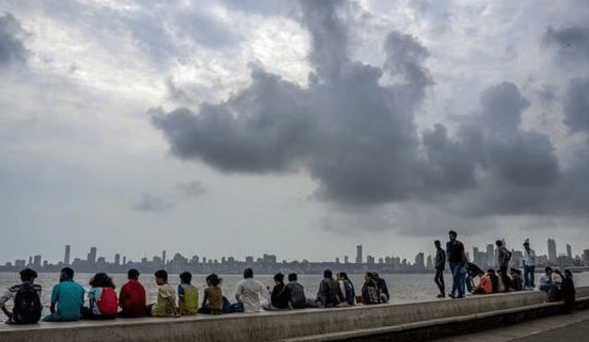
(Feature Image: People visit the seaside as dark clouds hover over the city, in Mumbai, Monday June 03. Image Credit: PTI/ Source: TNIE)
It is rather rare when we find anything in media about celebrating our monsoons. We find this week more than one piece about such celebration in various ways including through creating works like Bollywood songs and poetry in various languages of India.
In a detailed article famous Bollywood related author Jerry Pinto writes about the fascinating Bollywood songs related to monsoon and their picturization. He writes that the great tradition seems to be fading out, but hopefully that will not be the case. Incidentally the article should have mentioned the name of one of the best lyricist, author and film maker, Gulzar, who has shown more love for monsoon that possibly anyone else in Bollywood.
Continue reading “DRP NB 150724: Celebrating Monsoons”DRP NB 080724: Why IMD & CWC are unable to improve forecasts, reporting & help improve flood management?
(Feature Image: Flood-affected people move to a safer place on a boat in Nalbari district on Friday, July 5, 2024. Image Credit: PTI/Source HT)
We are in the thick of monsoon and also flood season. To manage floods, key inputs are accurate forecasts and prompt, accurate, location, river specific rainfall. India Meteorological department has a key role to play in all these aspects that can help us manage floods, as a very pointed Editorial in Indian Express stated in the context of Assam Chief Minister Himanta Biswa Sarma’s flip flops.
The edit referred to the 2021 parliamentary panel report that asked the Centre to set up modern weather stations in the upstream catchment of the Northeast’s rivers and install sirens to alert people downstream of floods. North East and rest of the country continues to lack such systems.
Continue reading “DRP NB 080724: Why IMD & CWC are unable to improve forecasts, reporting & help improve flood management?”June 2024: High Rainfall district days in India’s SW Monsoon Lowest in four years
An analysis of the daily district wise rainfall data from India Meteorological Department (IMD) for the month of June 2024, the first month of India’s South West Monsoon 2024 shows that there were 384 instances (451 in June 2023[i], 462 in June 2022[ii] and 442 in June 2021) when district rainfall of a day was above 50 mm. This, like the monthly rainfall for June, is the lowest figure for June for the last four years. The rainfall of India in June 2024 was 147.2 mm[iii], the rainfall in June 2023 was 148.6 mm, the rainfall of India in June 2022 was 152.3 mm[iv]. The data and analysis are based on IMD’s daily district wise rainfall bulletins for the 24 hours ending at 0830 am each day.
Continue reading “June 2024: High Rainfall district days in India’s SW Monsoon Lowest in four years”June 2024: District wise rainfall in India’s SW Monsoon
In the just concluded month June 2024, the first month of India’s South West 2023 monsoon, India received 147.2 mm rainfall, 11% below the normal June rainfall of 165.3 mm as per India Meteorological department. In June 2023 rainfall was 148.6 mm (10% below normal)[i], in June 2022 the rainfall was 152.3 mm (8% below normal)[ii], in June 2021, the rainfall was 182.9 mm[iii] (about 11% above normal) and in June 2020, the rainfall was 196.9 mm (about 18% above normal) and in June 2019 it was 33% below normal. So in six years from 2019 to 2024, India had below normal rainfall in 4 years in June, and above normal in two years (2020 and 2021). Six times in last ten years and nine times since 2008 June rainfall was below normal.
However, the distribution of rainfall has been far from normal in June 2024, both temporally and spatially.
Continue reading “June 2024: District wise rainfall in India’s SW Monsoon”