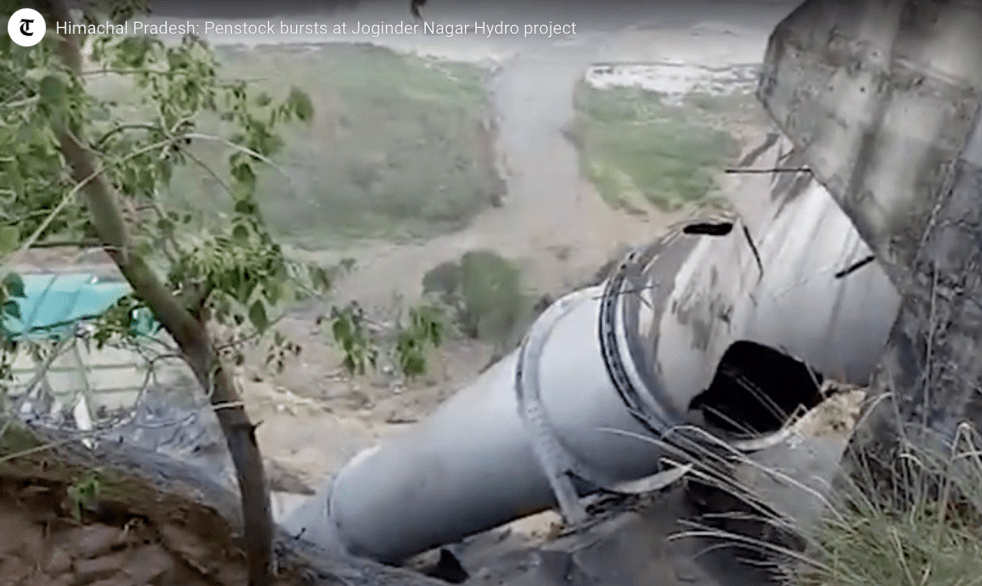
On May 16, 2020[i], the penstocks of the 100 MW Uhl III project at Lad Bhadol in Mandi in Himchal Pradesh, under testing, burst, leading to flooding of downstream power house. 30 people working at the project were trapped but all have been rescued to safety. The power house is about 150 m from the burst point in Chulla village. Continue reading “UHL hydro project disaster needs independent probe”
Category: Regions
Country wise list here with different states
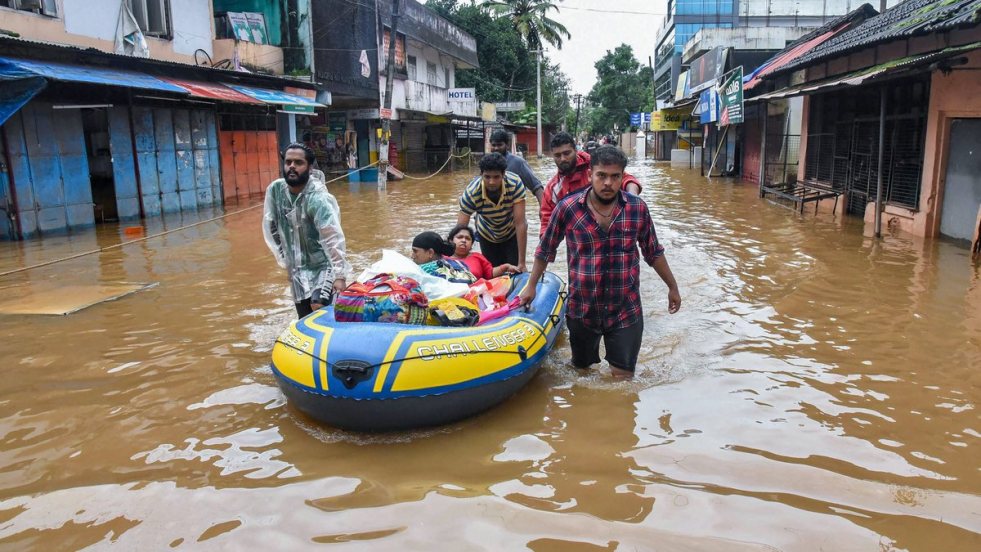
Open Letter to Kerala Chief Secretary about Monsoon preparedness and disaster risk reduction
On May 7, 2020, a number of groups in Kerala wrote this letter to Kerala Chief Secretary on the important issue of Monsoon preparedness and Disaster Risk Reduction, with particular focus on Reservoir operations during Monsoon. This is an excellent initiative worth emulating by a lot of us in different states and at national level. Hence we are happy to Share this here with permission from the authors.
Sir,
The South-West monsoon is scheduled to arrive at Kerala by around June 1st. Early predictions on the monsoon by different agencies including the Indian Meteorological Department (IMD) suggest normal to above normal rainfall in India. The South-Western coast and adjoining regions are expected to get very good rainfall this year. It may be recalled that the state had to face extremely high-intensity rainfall incidents and consequent disasters in the last two years. Hence, the state needs to be well prepared to face any eventuality during the coming monsoon. The following concerns may be addressed and suggestions may be considered. Continue reading “Open Letter to Kerala Chief Secretary about Monsoon preparedness and disaster risk reduction”

Are we ready to use more water from snow melt in Indus basin this year?
Union Water Resources Minister Shri Gajendra Singh Shekhawat has recently said that the snow this year on Himalayan peaks is the highest in 50 years, and reservoirs like Bhakra, Pong, Ranjit Sagar, Ramganga, Tehri, etc will receive very high water inflow from snowmelt during summer and SW Monsoon.[i] This is in fact the third warning this year on this issue. Earlier on Feb 27, 2020 and then again on May 4, 2020, the Bhakra Beas Management Board (BBMB) provided the same warning to its partner states. However, neither the Union Minister & BBMB, nor the partner states seem ready or doing anything to prepare for the unprecedented situation that the dams and rivers may bring in ongoing summer and coming SW monsoon.
In fact the situation is similar to the one that happened twice at Bhakra-Pong-Ranjit Sagar Dams last year[ii]. Even then not only there were massive floods, but the water flowed away to Pakistan, totally against the declared pronouncements and policy of Indian Government leaders including the Prime Minister. Continue reading “Are we ready to use more water from snow melt in Indus basin this year?”
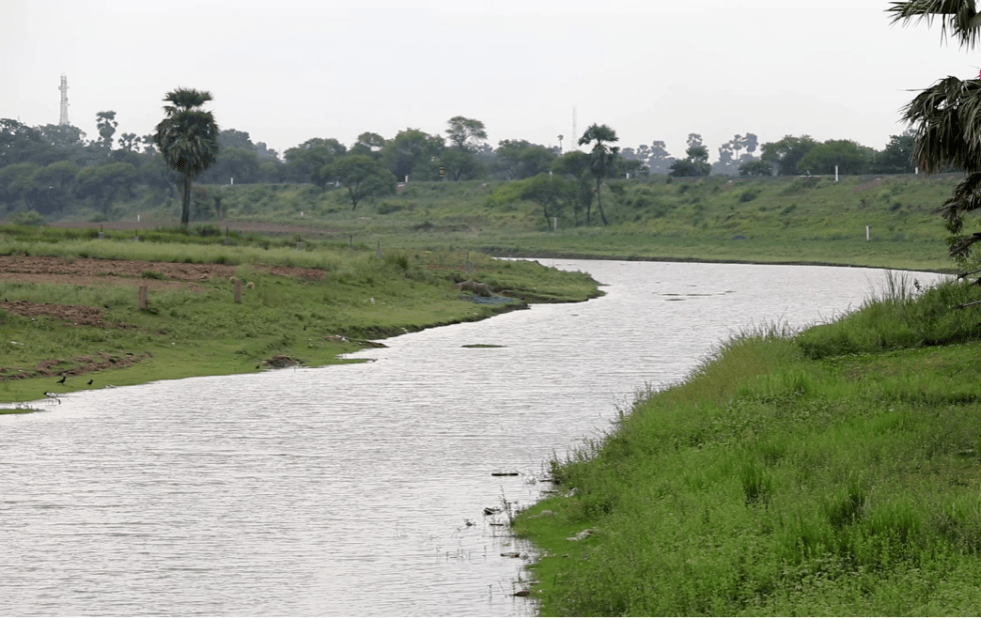
Bringing Life back to Champa River
Guest Blog by Dr. Ruchi Shree (TMBU, Bhagalpur)
Is it merely a coincidence that I am writing this last segment of my three-part writing on Champa river when due to ongoing lockdown amid unprecedented COVID-19 pandemic, the rivers not only all over India but worldwide are said to have become cleaner. Many scholars and environmentalists are calling it a ‘boon in disguise’ and asking us to take it as an opportunity to re-engage with human being’s relationship with the surrounding nature. To quickly recap what I have already said in my previous writings that rivers are more than merely water-bodies and each river has not one but many stories around it. These stories are about how did they come into existence to what are their specific features and many more. (Photo above: Live History)
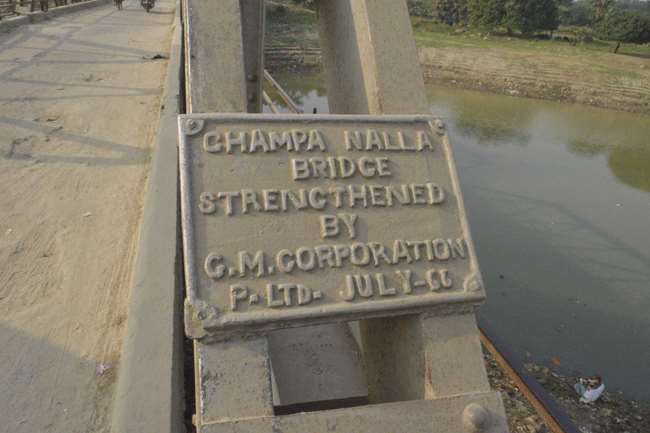
Champa’s Angpradesh to Champa Nala of Bhagalpur
Guest Blog by Dr. Ruchi Shree (TMBU, Bhagalpur)
The title of this paper is influenced by Anupam Mishra’s writing ‘Yamuna ki Dilli’[i] which narrates the significance of river for a city and how the equation between the two keeps changing along the passage of time. As mentioned in the previous part of the story, my writing is an attempt to explore the history of Bhagalpur around its one water body named Champa river. Continue reading “Champa’s Angpradesh to Champa Nala of Bhagalpur”
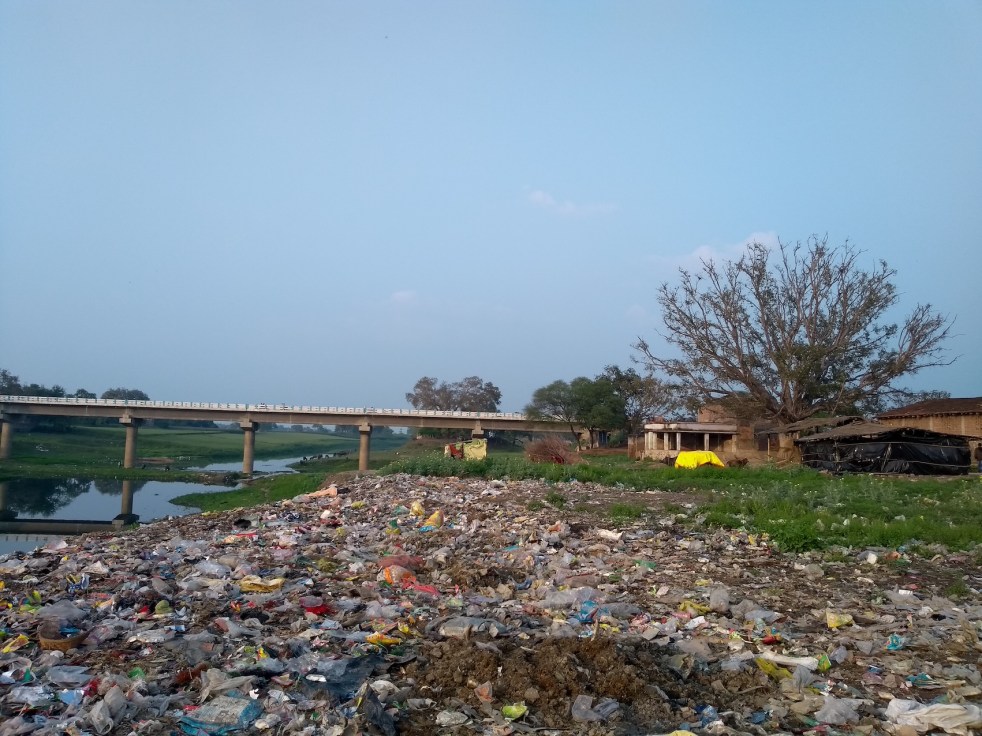
How did Champa Nadi (river in Bhagalpur, Bihar) become Nala (drain)?
Guest Blog by Dr. Ruchi Shree
Champanagar, a small suburb in Bhagalpur district of Bihar derived its name from a river named Champa. However, in the last three decades or so the river has reached in such a state that it is called nala (drain) by the local people. Even the administration uses the term ‘nala’ for the river and this narrative is an attempt to explore this shift i.e. how Champa ‘nadi’ became ‘nala’. To me, Bhagalpur is a new place as I joined a workplace here merely four months back but due to my interest in ‘politics of water’, I got curious in a campaign titled ‘kahan gum ho gayi Champa’ being carried out by a Hindi newspaper Dainik Jagran in November, 2019. Following the newspaper reports, I was interested in exploring the change in this narrative. I intend to write three to four pieces in this series (viz. problems faced by the rivers, the prospects of river rejuvenation, etc.) in near future and the first part will focus on significance of this river for this region. The series could also be seen as an attempt to understand the history of the city through its rivers or water bodies in general and Bhagalpur as a city in particular. Continue reading “How did Champa Nadi (river in Bhagalpur, Bihar) become Nala (drain)?”
People of the free-flowing Aghanashini
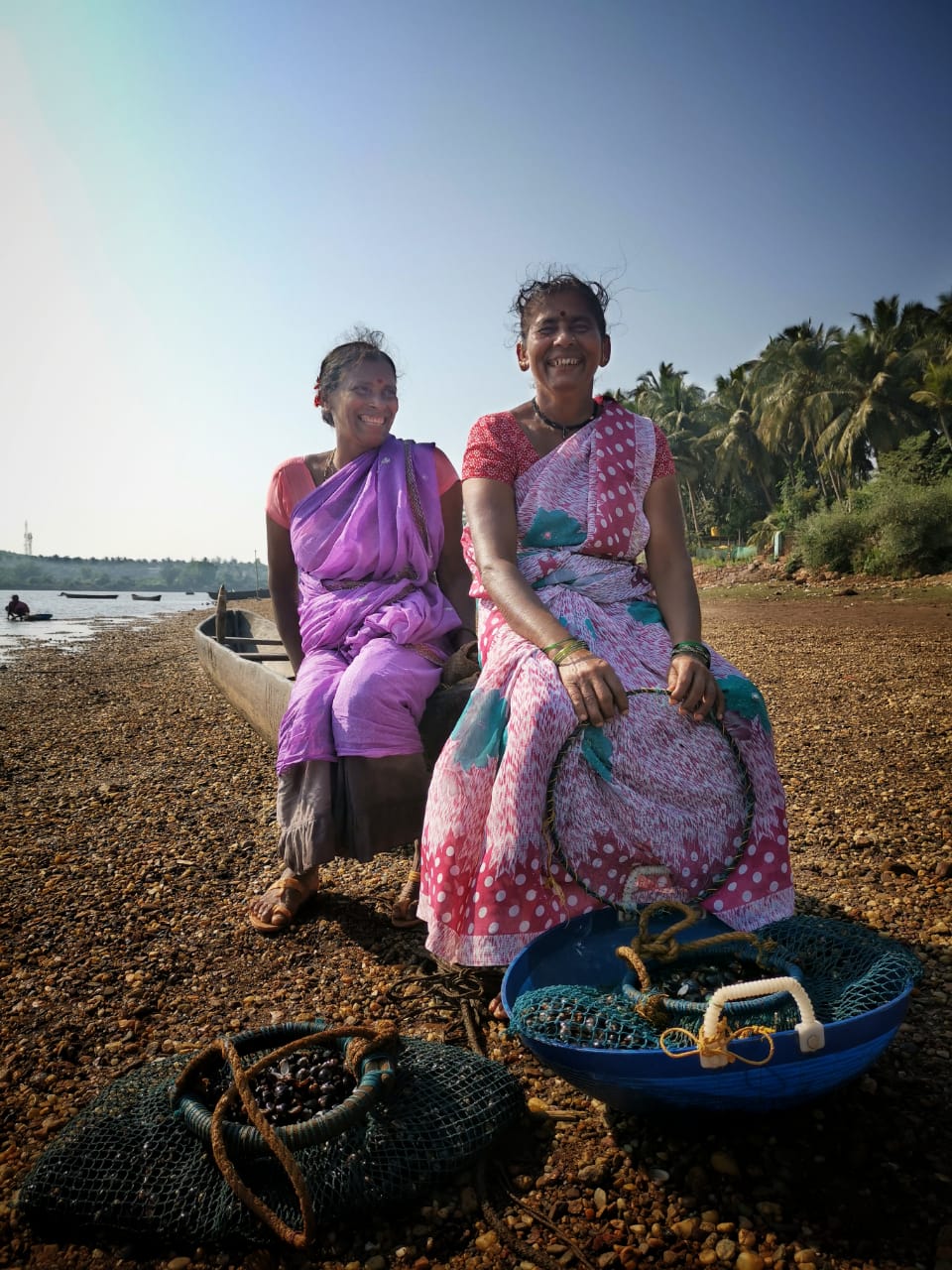
“I don’t know my age. But I know that I have been coming to this river since I was a child everyday to collect bivalves.” Janaki Amma told us while wading waist-deep in the Aghanashini estuary. Janaki Amma is at least 70 years old and has the agility of a ballet dancer as she plunges inside the limpid water one more time, and comes up with a new haul of bivalves in a wicker basket tied to her waist.
On the banks of the river, Thulasi and Sumitra sit laughing on an old wooden boat, as only old friends can. They collect bivalves too. They have never seen the river not having the shiny, black bivalves. Throughout Aghanashini Estuary, we hear this again and again: fisherfolk and rice farmers, priests and devotees, older women and solid middle-aged men: all echoing the sentiment: “Our lives are entwined with the river.” Continue reading “People of the free-flowing Aghanashini”

Critique of the Loktak Inland Waterways Improvement Project
Guest Blog by Shripad Dharmadhikary& Ram Wangkheirakpam
The Loktak Inland Waterways Improvement Project (LIWIP) essentially aims to extend and expand the motorised inland transport on the Loktak Lake wetland, by augmenting the machinery and equipment that will clear the lake of all obstructions to the water transport. It promises to be a “community welfare” project, with the benefits including growth in trade and commerce, eco-tourism and livelihoods and job creation, all due to the motorised water transport that will increase the ease and means of transport. Continue reading “Critique of the Loktak Inland Waterways Improvement Project”
NEPAL DRP Overview 2019
RIVERS
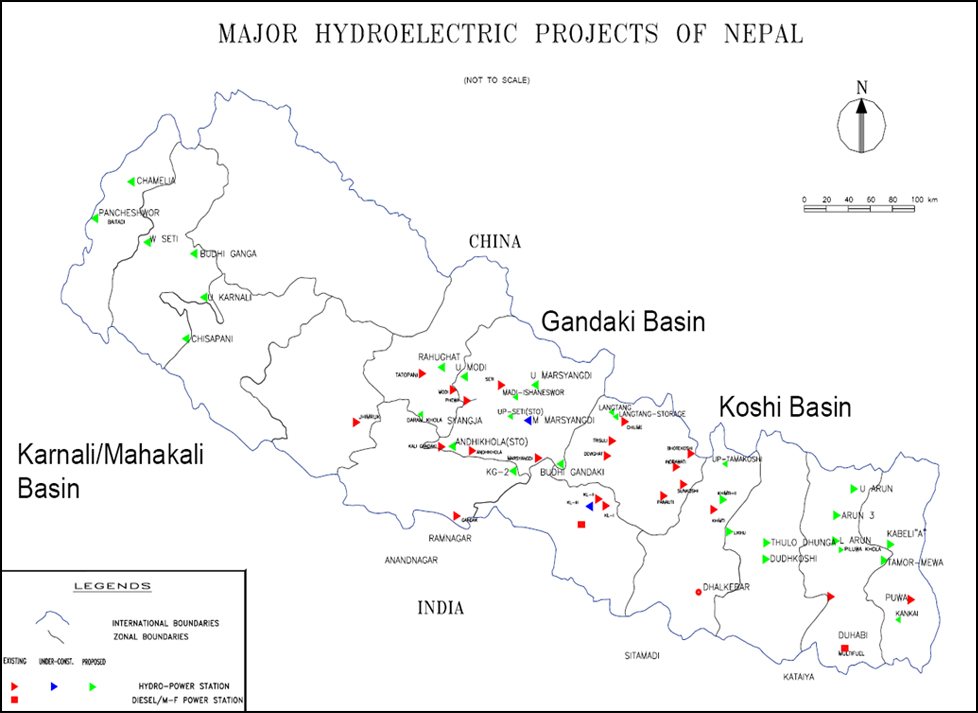
China not to alter course of rivers flowing into Nepal China has agreed not to deliberately change or cause to change the course of any trans-boundary rivers flowing into Nepal. This comes under an Agreement on the Boundary Management System reached with Nepal during the visit of Chinese President Xi Jinping to Kathmandu in October 2019. All the major rivers including the Karnali, Kali Gandaki, Budhi Gandaki, Trishuli, Sunkoshi, Bhotekoshi, Tamakoshi and Arun originate in the Tibet Autonomous Region (TAR) of China. Nepal as well as the northern part of India could be seriously affected if any dams or diversion projects are built in upper riparian Tibet. “Both sides shall, as far as possible, prevent the boundary rivers from changing their courses. Neither side shall deliberately change or cause to change the course of any boundary river,” states Article 7 (1) of the Agreement. Continue reading “NEPAL DRP Overview 2019”

Bhutan DRP Overview 2019
Plea to act to save the THIRD POLE In this TED talk in July 2019, former Prime Minister of Bhutan and President of the People’s Democratic Pary Tshering Tobgay makes impassioned plea to act on the melting glaciers of Hindu Kush due to climate change and among other things, form a Third Pole Alliance of eight countries of the region, including China, India, Pakistan, Nepal, Bhutan, Bangladesh, Myanmar to work collectively to avert the future catastrophe affecting 1.6 billion people. (https://www.ted.com/talks/tshering_tobgay_an_urgent_call_to_protect_the_world_s_third_pole#t-855110) Continue reading “Bhutan DRP Overview 2019”
 SANDRP