Irrigation · Maharashtra

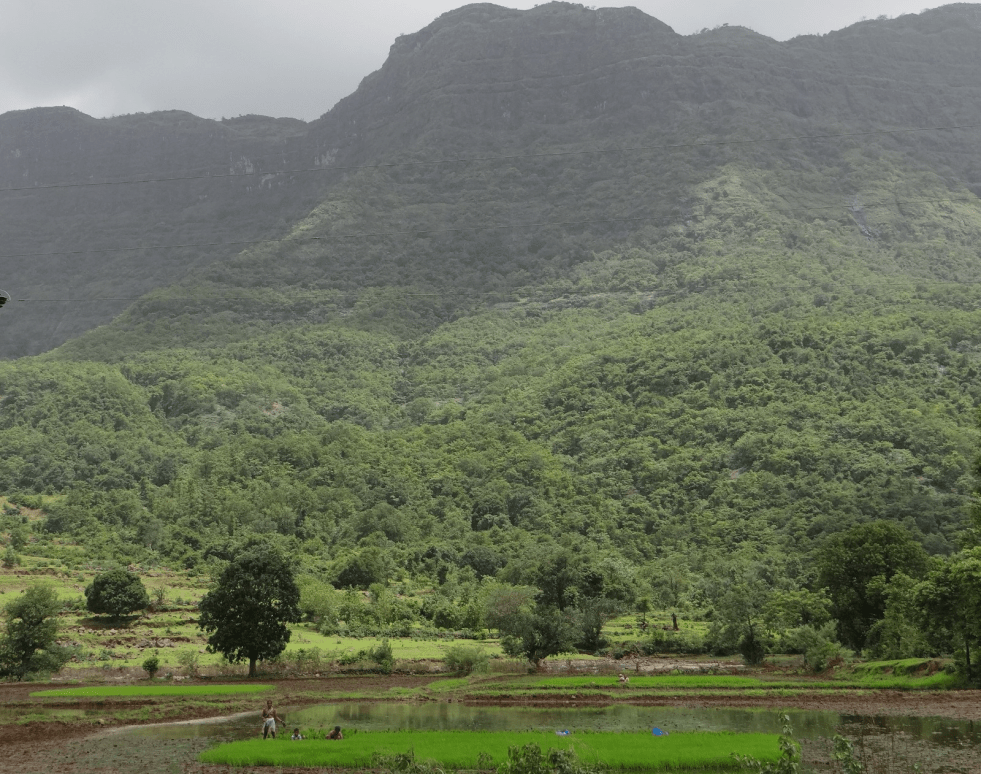
Maharashtra Irrigation Act 1976 exists for 49 years without Rules!

Guest Article by: Pradeep Purandare

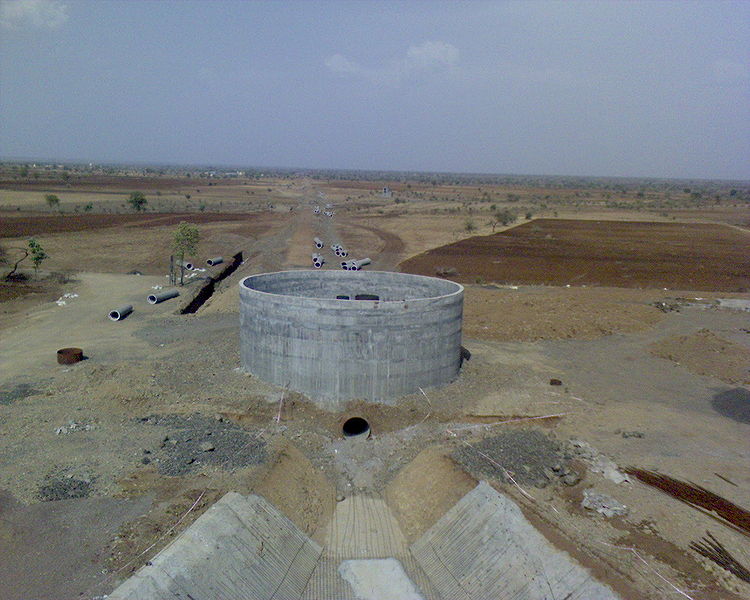
A PIL (152 / 2014) has been filed by this author before the Aurangabad bench of Mumbai High Court way back in 2014. Maharashtra Irrigation Act, 1976 (MIA 1976) is not being implemented in letter & spirit, thanks to the absence of Rules of MIA 1976. It is needless to add that Act/Law states the general principles and Rules give the necessary details required for the actual implementation of the Act. For example, Act only says that Water Use Rights may be given to all farmers in the command area as prescribed. Rules of the Act, however, give the details to answer the usual questions like How? How much? When? Where? To whom? Application / Agreement required? Applicable terms & conditions? etc. Rules reduce the scope for discretion and chances to interpret the Act in different manner by different individuals at different times & places. Rules facilitate smooth & uniform implementation of the Act.

Continue reading “Maharashtra Irrigation Act 1976 exists for 49 years without Rules!”
Agriculture · Chenab · Fish Sanctuaries · Groundwater · Hydropower · Indus

The Moon River: People’s Story of Chenab

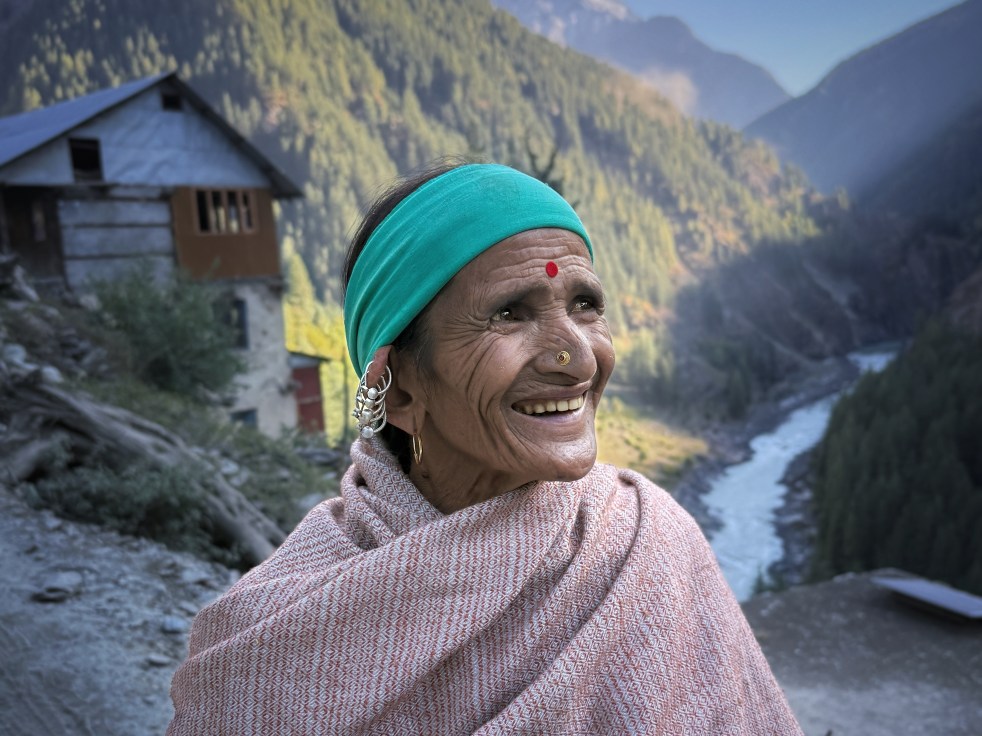
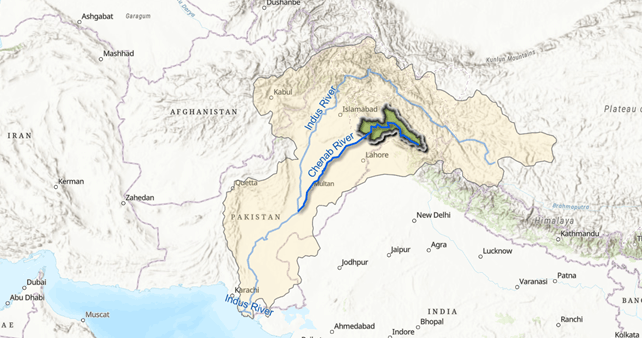
Chenab, which translates as the Moon River is the largest of the five tributaries of River Indus. It flows for about 974 kilometers from the High Himalayas of Lahaul to the forests of Jammu and Kashmir and onto the plains of Pakistan. Its main tributaries in India include Miyar, Marusudhar and Tawi. In the vast plains of Punjab in Pakistan, it is met by Jhelum, Ravi and Sutlej to form the mighty Panjnad before it meets the Indus. Its catchment, spread across 67,430 km2, is shared between the two countries.

Chenab is Chandrabhaga (Crescent Moon) in its headwaters. It was the River Asikni in Rigveda, and the Acesines for the ancient Greek. From sparse mountain settlements of Lahaul to the bustling urban centers of Sialkot, more than 10 million people live and prosper along the Chenab. Hydropower projects operational and under constructions on the river have an installed capacity of more than 5000 MW (Central Electricity Authority 2024), and its canals irrigate hundreds of thousands of acres in Pakistan and India (Shakir et al).

Continue reading “The Moon River: People’s Story of Chenab”
Dams · Hydropower · Maharashtra · Western Ghats

Letter to the EAC: No justification for Adani Dams in the Western Ghats

28.11.24

To,
The Chairperson and Members,
Expert Appraisal Committee, River Valley Projects,
Ministry of Environment, Forests and Climate Change
New Delhi

Subject: Submission against 1500 MW Warasgaon Warangi Pumped Storage Project by Adani Green Energy to be discussed in the 19th EAC meeting for TORs

Respected Sirs,

We see that Adani Green Energy’s 1500 MW Warasgaon-Warangi Pumped Storage Project is being considered for fresh TORs in the upcoming meeting of the EAC. We have gone through the documents uploaded by the proponent (AGEL) on MoEF CC’s Parivesh Website.[1]

Continue reading “Letter to the EAC: No justification for Adani Dams in the Western Ghats”
Hydro Disaster · Landslide · Sikkim · Teesta

Aug 2024: Massive Landslide damages NHPC’s Teesta V Hydropower station

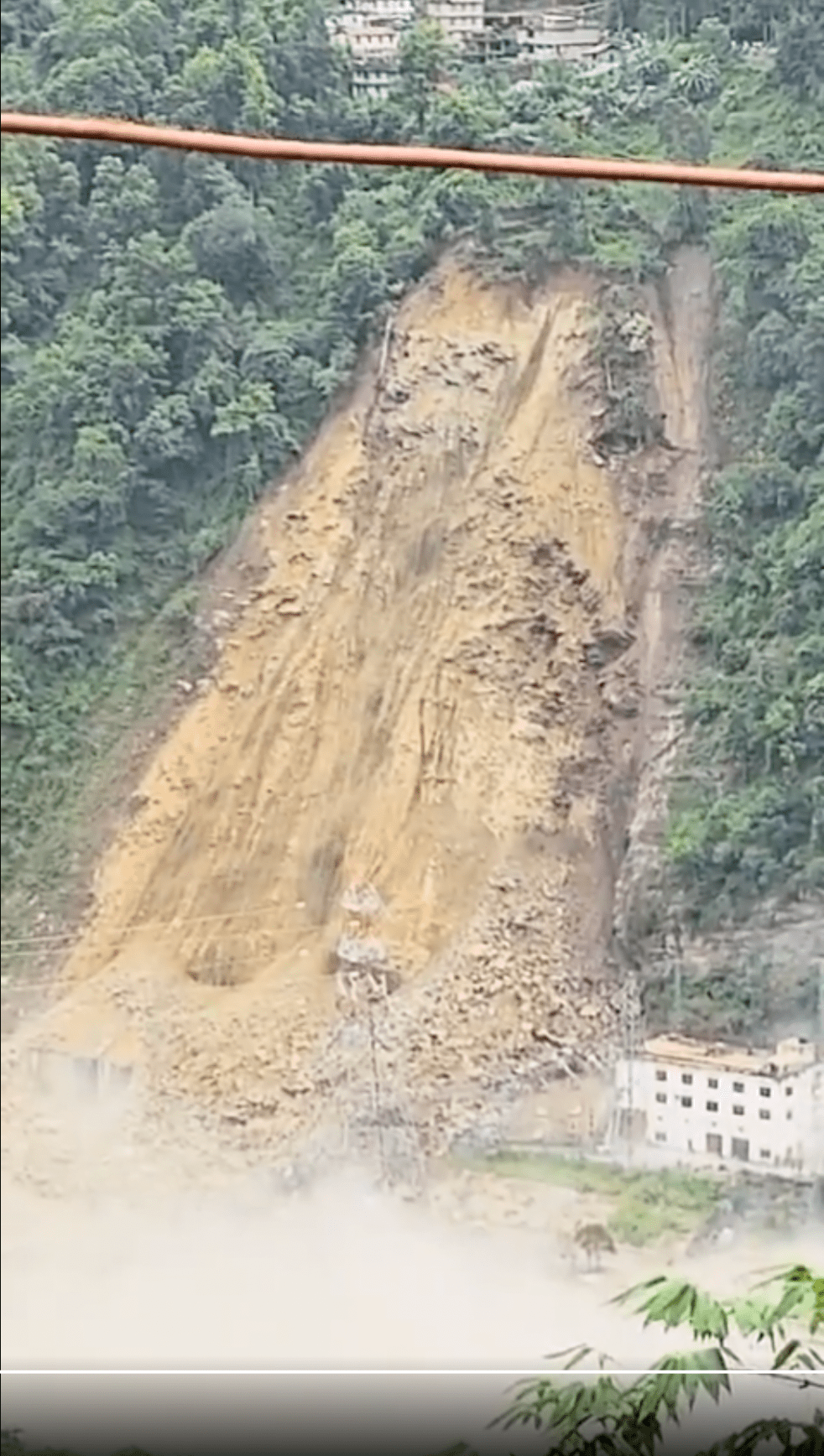
A massive landslide (location: [27.2515, 88.4594]) at Dipu Data near Singtam in Gangtok district that brought down a huge part of a hill above the power house of the NHPC’s 510 MW Teesta V hydropower project on Teesta river in Sikkim at 7.30 in the morning of Aug 20 2024 has damaged the power house. The GIS building above the underground power house located at Balutar can be seen getting destroyed in the massive landslide and getting buried under the debris. The project has been out of operation since the Oct 4 2023 GLOF disaster in Teesta river[i] had over topped the dam and seriously damaged the project.

Continue reading “Aug 2024: Massive Landslide damages NHPC’s Teesta V Hydropower station”
Bhutan

BHUTAN DRP 2023: Uncertain Fate of Mega Hydro

The Dams, Rivers & People overview of Bhutan here, mainly from media reports from Bhutan, highlights the failed hydropower goal of adding 10000 MW capacity by 2020. The fate of the 1200 MW Punatsangchu I remains uncertain, yet to be decided if the dam will be abandoned for barrage. The flood disaster in July 2023 that washed away 32 MW Yungichhu HEP and killed about 23 people was possibly sign of things to come, as shown by the washing away of the 1200 MW Teesta 3 project in neighbouring Sikkim in early Oct 2023 with GLOF. On positive side, Bhutan has decided to go for Solar and Wind. The Nikachhu HEP is likely to be commissioned soon, adding 118 MW to Bhutan’s installed capacity.

But let us begin with a postive story of a woman River Guardian.

Continue reading “BHUTAN DRP 2023: Uncertain Fate of Mega Hydro”
Nepal

DRP NEPAL 2023: Vibrant debate about Hydro Projects

This provides an overview of Dams, Rivers & People related issues in Napel in just concluded 2023. While export of hydropower to India is central this year following Nepal PM’s June 2023 visit to India. Pancheshwar, the most ambitious of the projects have seen no real progress in spite of repeated statements. An agreement signed with India to export upto 10000 MW of hydropower in ten years has raised lot of hopes in both countries. The electricity trade has indeed expanded significantly in 2023. There is also renewed hope for Nepal succeeding in export of hydropower to Bangladesh via India, but this still needs some concrete success.

However, most interesting is the vibrant debate in Nepal media about adverse economics, impact on environment, biodiversity and disasters, in addition to displacement risk for thousands of people. Some called it costly madness. It also notes that climate change does not even figure in decision making process. The overview begins with that debate.

Continue reading “DRP NEPAL 2023: Vibrant debate about Hydro Projects”
AFRICA · Dam Disaster

Floods worsened by Dams collapse lead to deaths of thousands in Libya

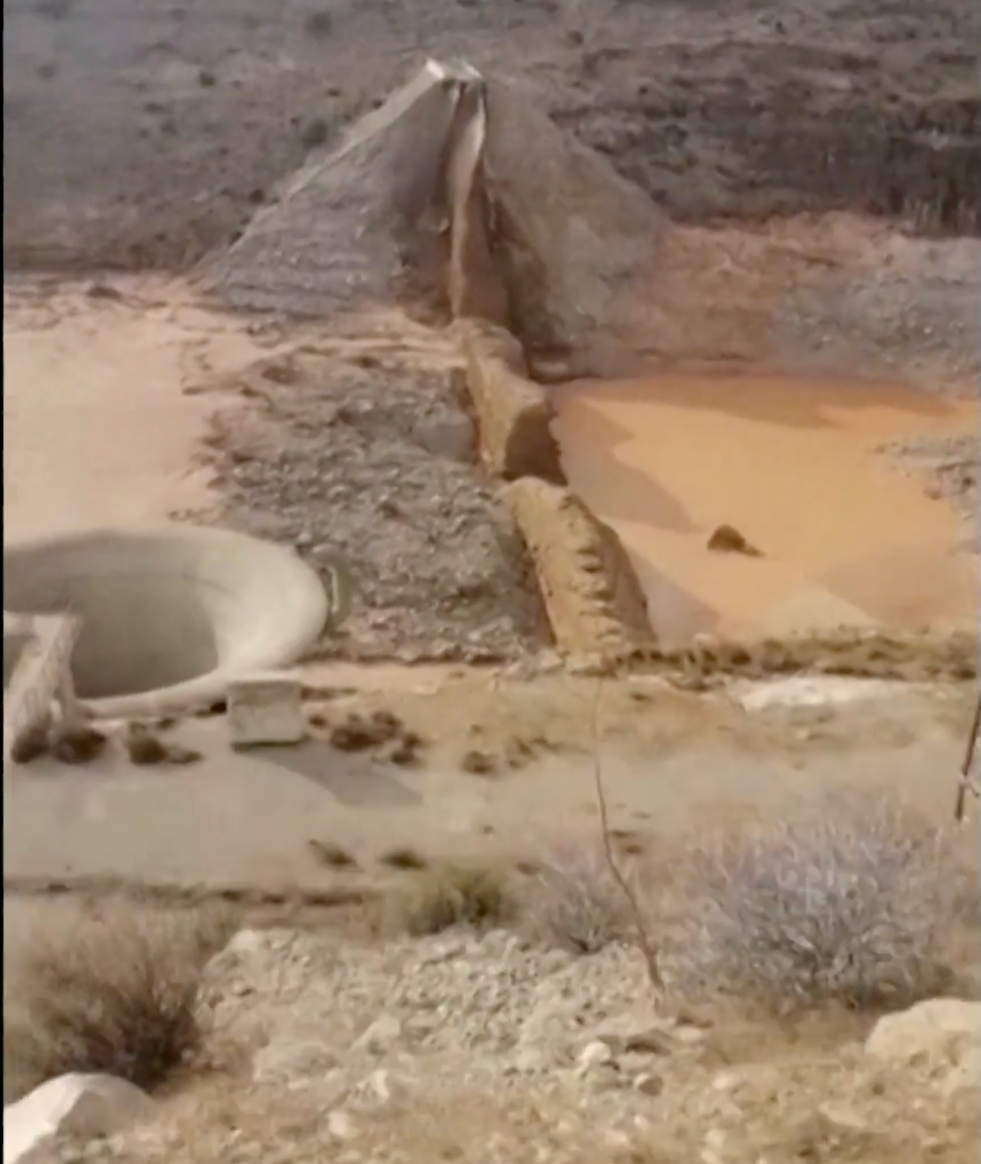
Collapse of two dams upstream of the coastal Derna city in NE of Libya, the North African Mediterranean country in the night of Sept 10, 2023, leads to deaths of 5200 and over 10000 missing. This is the worst ever flood disaster of Northern Africa in last 130 years of recorded history. The storm had a climate change footprint, but the city of Darna suffered this fate largely due to dam collapses. This underlines the threat that the dams pose in changing climate.  (Feature image above: Remains of a damaged dam upstream of the Derna city in Libya, N Africa in Sept 2023 disaster.)

Continue reading “Floods worsened by Dams collapse lead to deaths of thousands in Libya”
Bhutan · Hydro Disaster

July 2023 Bhutan Hydro Project Disaster: 23 Dead and missing

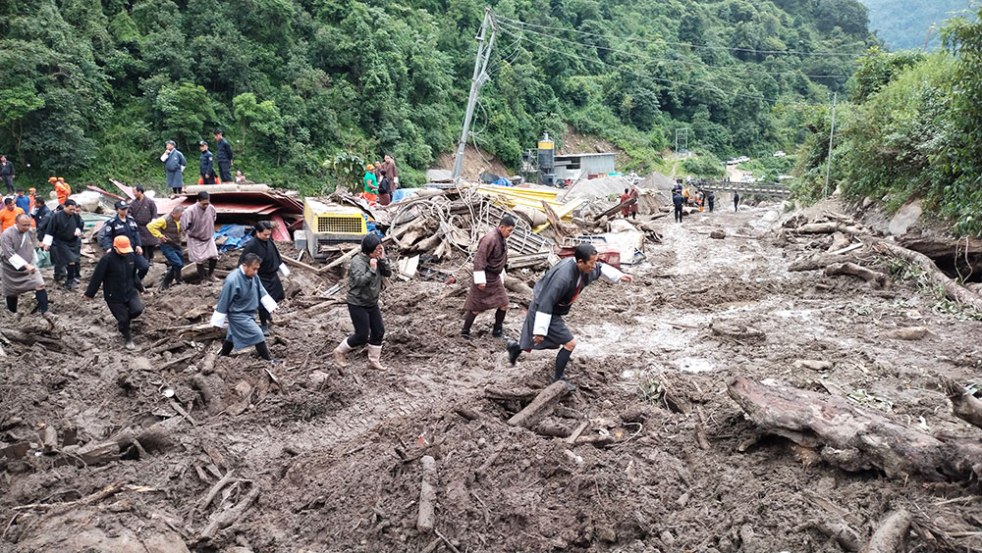
At least seven people were killed and 16 others missing in Bhutan after flash floods and landslides triggered by heavy rains washed away a section of a hydroelectric plant on July 20 2023[i]. They were washed away by the sudden burst at the residential area next to the worksite at Ungar village, according to a press release from the Prime Minister’s Office. Prime Minister Dr Lotay Tshering, who is in Lhuentse, said the devastating flashflood presented one of the biggest loss of lives and properties in recent memory, and shook the core of the nation.

Continue reading “July 2023 Bhutan Hydro Project Disaster: 23 Dead and missing”
Delhi · Urban Rivers · Yamuna River

A beginning of the Pipe Solution: Policy Intervention To Reduce Phosphates in Detergents

Guest Article by: Manu Bhatnagar

Consequent to INTACH’s efforts with the Yamuna Monitoring Committee [YMC] of NGT the following results were obtained in 2021:  

“The Delhi government on Monday (June 14, 2021) banned the sale, storage, transportation, and marketing of soaps and detergents not conforming to the latest BIS parameters to curb pollution in the Yamuna river. The National Green Tribunal (NGT) had in January (2021) accepted recommendations of the Yamuna Monitoring Committee (YMC) which had suggested directing the Delhi government to issue orders “prohibiting sale, storage and transportation and marketing of detergents which do not conform to the revised BIS standards”. All the authorities concerned, including local bodies, civil supplies department and district administrations having control over shops and other establishments dealing with sale, storage, transportation and marketing facilities for soaps and detergents in Delhi should ensure the compliance of directions through strict vigil and surprise checks, the Delhi Pollution Control Committee (DPCC) said in an order issued on Monday. 

In its report submitted to the NGT, the YMC had also suggested that all the manufacturers of soaps and detergents be directed to disclose the ingredients present in the product and display the same on the package.” – The above as reported in Business Standard of 15 June, 2021. [i]

Continue reading “A beginning of the Pipe Solution: Policy Intervention To Reduce Phosphates in Detergents”
Book Review · South Asia

Book Review of Water Conflicts and Resistance in South Asia

Guest Article by Ruchi Shree

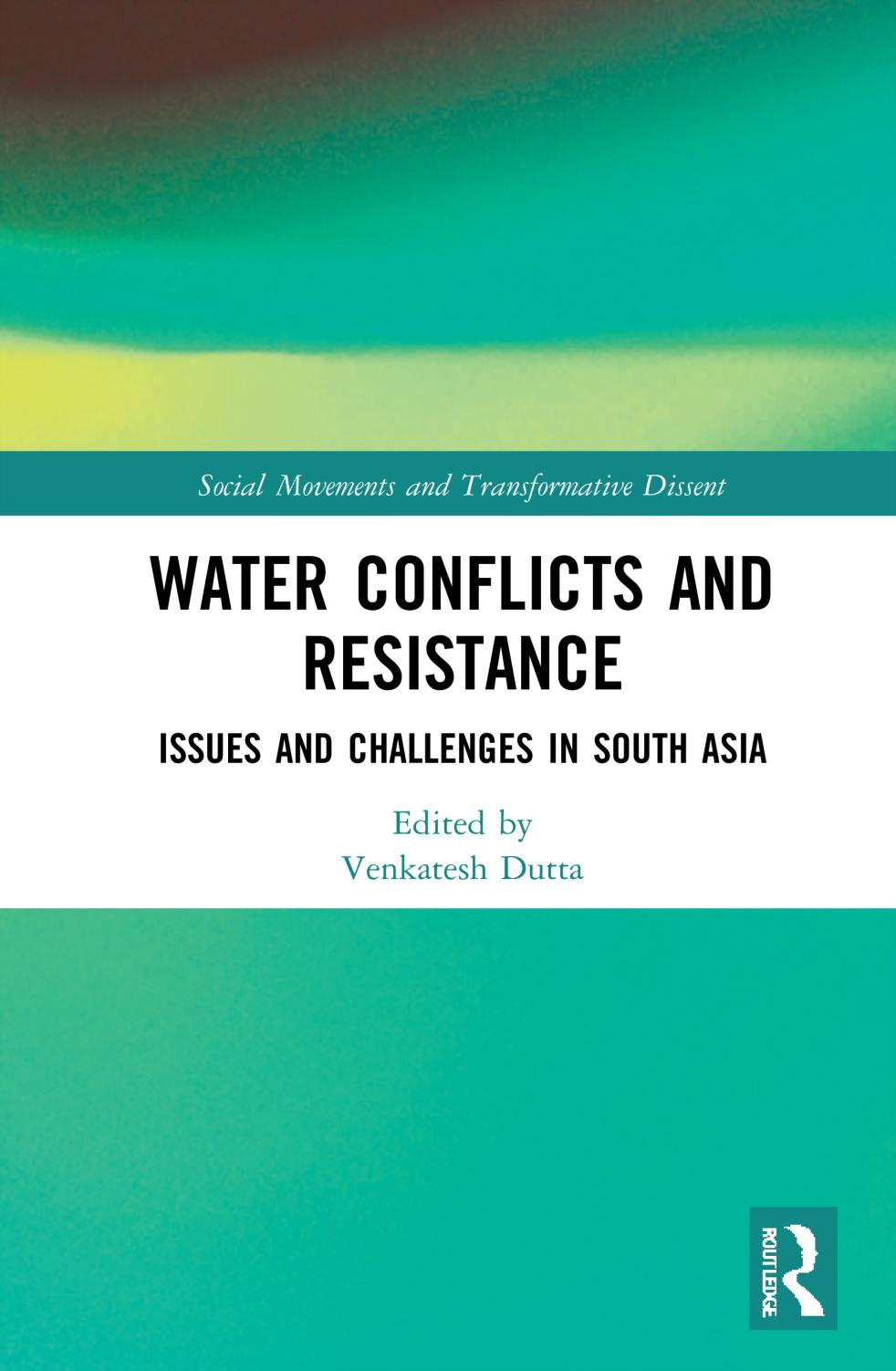
BOOK: Venkatesh Dutta (ed.) (2022), Water Conflicts and Resistance: Issues and Challenges in South Asia, Routledge, New Delhi. [Key words: Politics of Water, South Asia, Transboundary disputes, Water conflicts, Resistance, Waterscapes]

The recent arrival of this edited volume on changing nature of water conflicts in South Asia is a significant addition to the increasing literature on politics of water. I can recall two more texts namely Unruly Waters: How Mountain Rivers and Monsoons have Shaped South Asia’s History (Allen Lane, 2018) by Sunil Amruth and Water Issues in Himalayan South Asia: Internal Challenges, Disputes and Transboundary Tensions (Springer, 2020) an edited volume by Amit Ranjan. In the last two decades, politics of water has emerged as an interdisciplinary area of study and the framework of this book also suggests the same. The contributors range from water experts, govt. professionals to civil society activists and they capture the nuances of water conflicts at local, regional and transboundary scales.

Continue reading Book Review of Water Conflicts and Resistance in South Asia