
Probe into operation of Queensland dam following April 2017 floods YET ANOTHER INSTANCE OF DAM FLOODS IN AUSTRALIA? This time it is Kinchant Dam in Queensland, and it is accused of allowing water level to rise to 103% before starting releases only a day before the floods arrived, worsening the downstream floods. In downstream areas, the internet and text messages were not reaching people, leading to dramatic rescues and avoidable damages. The Queensland government has ordered an independent review of how a dam was operated before floods hit the Eton area in March-April 2017, south of Mackay, sparking dozens of dramatic rescues. https://www.brisbanetimes.com.au/national/queensland/probe-into-queensland-dam-after-dramatic-rescues-20170405-gvdxk6.html, https://www.dailymercury.com.au/news/exclusive-states-orders-independent-look-at-eton-d/3163103/ 5 April, 2017) Continue reading “Australia 2017: Floods due to Dams key issue”
Category: Regions
Country wise list here with different states

ASIA-2017: Surplus power, cancelled Hydro and dam risks dominate
SOUTH EAST ASIA Rivers are invaluable INTERESTING QUESTION: HOW MANY DIFFERENT WAYS CAN YOU MEASURE A RIVER? “Perhaps the most important – and largely overlooked – measure of a river is its value to the economy and wellbeing of a nation, a region, and its people. Simply put, large healthy, productive rivers like the Mekong and Ayeyarwady (or Irrawaddy) are unifying geographic features that serve as economic juggernauts, essential to long term growth and in maintaining the quality of life for millions of people.”
“These (FLOOD) benefits are valued annually at US$8-10 billion (K10.8 trillion), while floods in the Lower Mekong basin cause a much lower $60-70 million in damage every year.” “Floods and sediment are the artisans of river systems. If you lose them you are left to human-engineered solutions. That is now the only option for the US government in the Mississippi River. A $50-billion program has just been launched to rehabilitate the Mississippi delta. Conserving the natural processes that created it in the first place would have been a much more cost efficient option.” https://www.mmtimes.com/news/rivers-are-invaluable-south-east-asia.html Continue reading “ASIA-2017: Surplus power, cancelled Hydro and dam risks dominate”
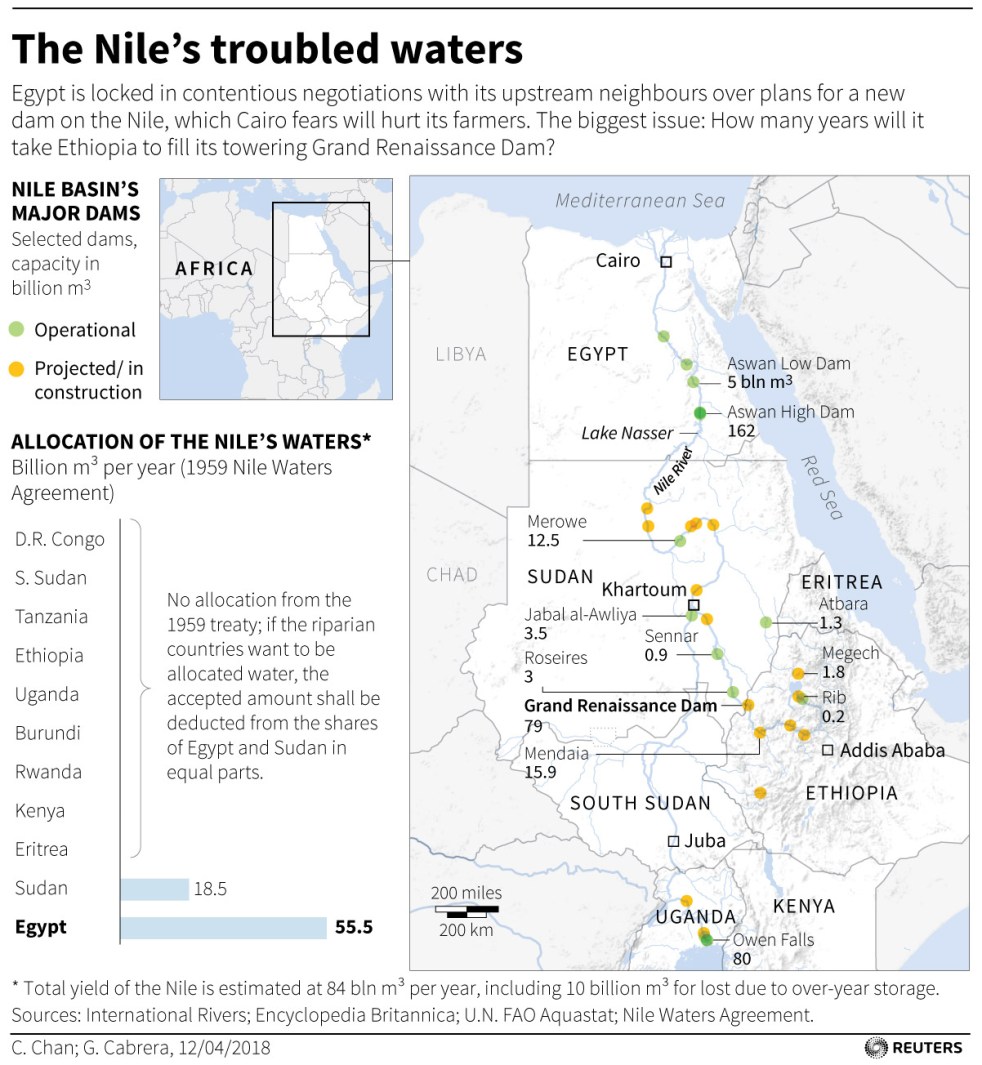
AFRICA-2017: Grand Ethiopian Renaissance Dam on NILE remains the focus
Grand Renaissance Dam A new dam on the Nile faces threats from warming Climate change could play a role in exacerbating water conflict in Africa, like worsening geopolitical wrangling over issues like the Grand Ethiopian Renaissance Dam (GERD). The 6,450 MW hydropower project that’s nearing completion just 12 miles from the Ethiopia-Sudan border, has been a point of contention in the region. Scientists estimate a 50 percent increase in the flow variation from year to year, meaning that the basin could be flooded one year and experience a drought the next, along with a 10 to 15 percent increase in the annual flow of the river. It’s surprising that these kind of articles look at only one storage option: Large dam. WHY do they not look at other storage options? https://www.scientificamerican.com/article/a-new-dam-on-the-nile-reveals-threats-from-warming/ Continue reading “AFRICA-2017: Grand Ethiopian Renaissance Dam on NILE remains the focus”
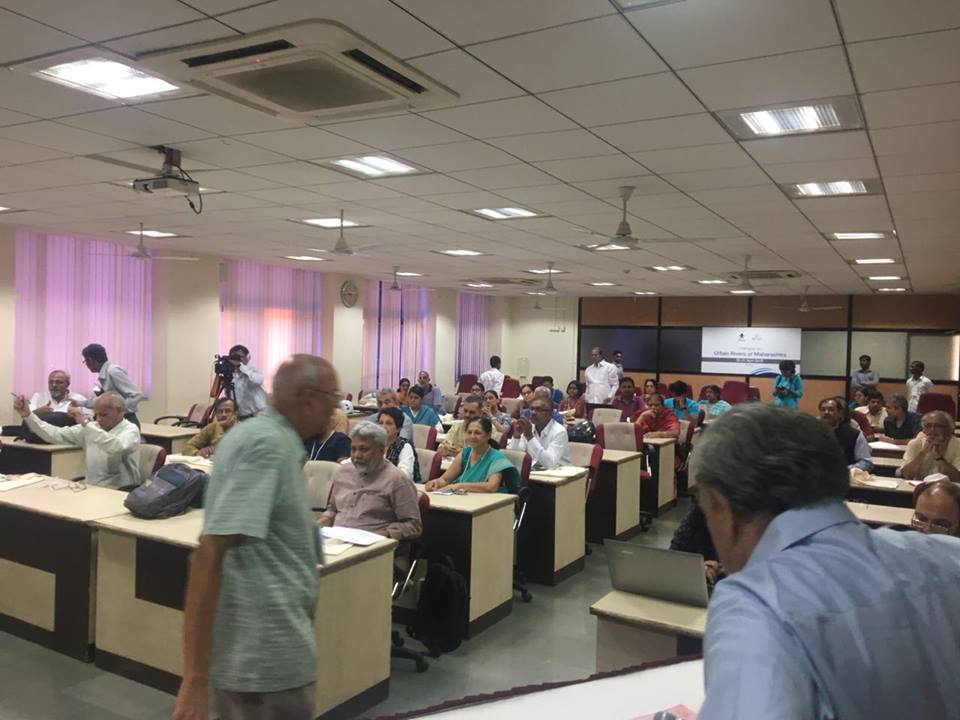
India Urgently Needs Urban Water Policy: River Front Development Kills the Rivers
In the conference, “Dialogue on Urban Rivers of Maharashtra”, experts on water and rivers from all over the country strongly expressed their views and unanimously agreed that, “Pune River Front Development Project is certainly going to cause a disaster.” The conference also underlined the need for and decided to work for Urban Water Policy for Maharashtra and India.
The conference was jointly organised on 20 and 21st April at YASHADA by Indian National Trust for Art Culture and Heritage (INTACH – Pune Chapter) and South Asian Network for Rivers Dams, Rivers and People (SANDRP). Experts from Delhi, Andhra Pradesh, Gujarat, Madhya Pradesh, Karnataka and various parts of Maharashtra attended the conference. Continue reading “India Urgently Needs Urban Water Policy: River Front Development Kills the Rivers”
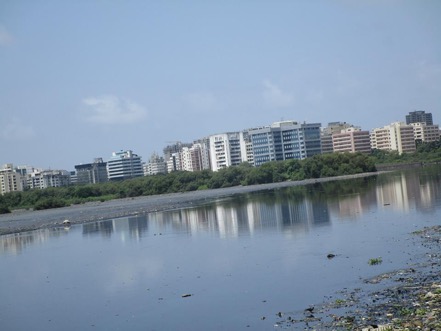
Pune Dialogue on Urban Rivers of Maharashtra on April 20-21, 2018
The health and future of our country is critically dependent on the health of our rivers. To compromise upon our rivers’ health is to endanger our own existence and future. Most of the urban rivers[1] in Maharashtra are in poor state affected by problems like pollution, with little or no biodiversity, little or no flow during most of the year, encroachment, dumping of waste, concretization and sometimes even mining. Water pollution from Urban Industrial effluents is a serious problem for the river, floodplain as well as ground water. With unplanned development, as the floodplains and riverbeds are being encroached, we are experiencing increased intensity and frequency of floods and flash floods. This can lead to an increasing possibility of water scarcity, depletion of groundwater levels and drought in spite of rains. Continue reading “Pune Dialogue on Urban Rivers of Maharashtra on April 20-21, 2018”

Fisher-people lead Save Mathabhanga & Churni River Campaign in W Bengal
On 10th April 2018 around 500 fishers assembled at Majhdia, a town bordering Bangladesh in the district of Nadia (W Bengal), to publicly voice their protest against killing of rivers Mathabhanga and Churni. Majhdia town reverberated with the slogan Save River, Save Fish, Save Fisher People! Continue reading “Fisher-people lead Save Mathabhanga & Churni River Campaign in W Bengal”

Pawai Dam Project displacing people without Rehabilitation, allege PAFs
Above: Broken, Silted Canals of under construction Pawai Project on Ken River in MP (SANDRP photo)
The Ken Yatra while going through the Panna district were told by Project Affected People that the Pawai Medium Irrigation Project (PMP) under construction is displacing the people without just compensation or rehabilitation.
The Ken Yatra observed that the construction work of the PMP is happening in full swing in Madhya Pradesh. The dam is being built at ‘Tendu Ghat’ on Ken River in Panna district to supply irrigation water to 9952 hectares (the board at the project site erroneously says it will irrigate 30 000 ha) of agricultural land falling in Pawai and Gunnor tehsils. The construction work also involves creation of a massive canal, including a few aqua-ducts on Ken river and its tributaries. Continue reading “Pawai Dam Project displacing people without Rehabilitation, allege PAFs”

The Hype, Hypocrisy and reality of Mumbai River Anthem
Above: Dahisar river inside SGNP Photo Aslam Saiyad
Guest Blog by Aslam Saiyad
While documenting the work of the River March organisation[i], whose goal was to rejuvenate Mumbai’s rivers, I came across Adivasi communities who lived inside the Sanjay Gandhi National Park (SGNP). I noticed some children standing in school uniforms a few kilometers inside the park. They were getting ready to go to a school which was 7km away. And it surprised me because people living in one of the world’s richest municipalities didn’t have a basic mode of transportation to go to school. Continue reading “The Hype, Hypocrisy and reality of Mumbai River Anthem”
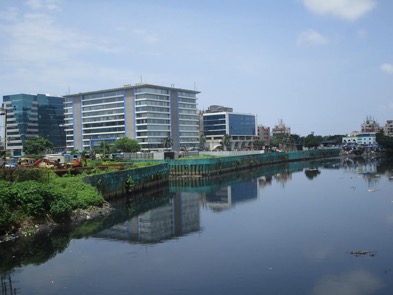
Anthems alone don’t save rivers: Treat sewage & create room for the rivers
Above: Mithi River at Bandra-Kurla Complex; Photo by Nidhi Jamwal
Guest blog by Nidhi Jamwal
The four rivers of Mumbai —- Mithi, Oshiwara, Dahisar and Poisar —- now have an anthem of their own. Released recently by T-Series and Leelaa, the music video, “Mumbai River Anthem”, has already created uproar in the state Assembly, as it features the state chief minister (CM), Devendra Fadnavis; the state finance minister, Sudhir Mungantiwar; Mumbai civic commissioner, Ajoy Mehta; and the city police commissioner, Datta Padsalgikar lip-syncing and striking poses to urge Mumbaikars to come together to save the rivers. The anthem also features Amruta Fadnavis, wife of the chief minster, who, along with Sonu Nigam, a playback singer, has sung the song. While celebration of rivers is welcome, when not accompanied by necessary actions to improve the pathetic state of Mumbai’s rivers, it sounds like hypocrisy. Continue reading “Anthems alone don’t save rivers: Treat sewage & create room for the rivers”

Rivers are Us
Above: Sindhu by Anoop Patnaik, Outlook Traveller
“To choose safe waters
is the route of imposters:
Those who love
take on the mighty river.” (Seeking the Beloved, translations of Shah Abdul Latif Bhitai’s Poems)

In the inky, starless night, beautiful Sohni plunged into the flooded River Chenab to meet her beloved Mehwal, knowing well that she will never make it to the other side. Sohni is one of the seven heroines brought to life by Shah Abdul Latif Bhitai, a remarkable 18th Century Sufi poet, mystic and reformist living on the banks of Indus. Sohni was the wife of a potter, in love with Mahiwal, a cattle herder from the banks of the Chenab. Like all poignant love stories, Sohni-Mahiwal’s tale was short-lived, but 300 years later, the legend of Sohni flows through the Chenab and lives on in the songs of peasants. In Punjab, the land of five rivers, they sing of Sohni, of the roaring, helpless river and of mad, wilful love. The narrative is so unwrinkled and dewy that till this day, silent figures sweep the modest tombs of Sohni and Mahiwal, hoping that their love will meet a better fate. Like Sur Sohni (Sohni’s poem) from Shah jo Risalo (Poetry of the Shah) prophecised:
“Hundreds were by the river drowned,
But the river was drowned by this maiden.” Continue reading “Rivers are Us”
 SANDRP