The National Green Tribunal, NGT marked its 4th Foundation Day on 18 October 2014, with an impressive fanfare. A full day function was organized at the Plenary hall of the capital’s iconic Vigyan Bhawan. NGT in this short span has acquired a formidable reputation as a unique, vibrant, active institute with independent & unbiased mind and forthright, quick redressal of petitions that come to it.
The function in two separate sessions, one in the forenoon and the other in the afternoon (a Seminar) was attended by large number of government officials, judicial officers, advocates, law school students, NGT petitioners and office bearers and members of the NGT Bar association.
NGT Foundation Function on Oct 18, 2014 (Source: FB page of Information and Broadcasting Ministry)
Invited dignitaries included Mr Justice Ranjan Gogoi (Judge, Supreme Court), Prakash Javadekar (Union Minister of State for Environment, Forests and Climate Change) and Ashok Lavasa (Secretary, MoEF&CC) in the forenoon session and Mr Justice Sudhanshu Jyoti Mukhopadhaya (Judge, Supreme Court) and Piyush Goyal (Union Minister of state for Power, Coal and new and renewable energy). Mr Justice Swatanter Kumar, the Chairperson of the NGT, Mr Justice Dr. P. Jyothimani, Judicial Member, Principal Bench, NGT, Prof. R. Nagendra, and Dr. D.K. Agarwal, Expert Members at the NGT also spoke and graced the dais.
The function included, in addition to the addresses by the invited dignitaries, the release of 2nd issue of NGT International Journal; the launch of new NGT Website (in the first session) and address by invitee experts (in the second session).
In the first session Mr Javadekar informed the gathering about his political beginnings from a water pollution struggle activist against factory pollution and Mr Lavasa categorically stated that the NGT is playing an extremely crucial role and that there is no move to dilute its powers in any manner. It was in the second session that very controversially one Mr M.K. Pandit was invited to speak as an invited expert.
The Minister of State for Environment, Forests and Climate Change (I/C), Shri Prakash Javadekar lighting the lamp at the 4th Foundation Day function of the National Green Tribunal, in New Delhi on October 18, 2014. The Secretary, Environment, Forests and Climate Change, Shri Ashok Lavasa and the Judge, Supreme Court of India, Mr. Justice Ranjan Gogoi are also seen (Source: FB page of I&B Ministry)
Mr Pandit began with highlighting how recent and how fragile the Himalayas were and that a 8+ richter scale earthquake in central Himalayas was round the corner that could flatten Dehradun. Very soon in his almost 25 minute speech changed track as if on a cue to how great the hydropower dam projects in the Himalayas were for the power security of the country. The Union Power Minister had by then just joined the function to nod in full agreement with all that the Mr Pandit was narrating. The audience on the other hand was left perplexed as to what was happening?
An invited speaker was eulogizing the great merits of high dams receiving approving glances from the power minister on an NGT seminar whose topic was “Natural Disasters, Environment & Role of NGT with special reference to Uttarakhand, J&K, Assam & Himachal Pradesh”. Clearly something was amiss, somewhere?
Secondly, Mr Pandit is not a neutral expert, but an interested party. As leader of scores of pro hydro Environmental Impact Assessments that he has led as part of the CISMHE[1] team (Center for Inter-disciplinary studies of Mountain and Hill Environment) has earned them millions as they also continue to mint more money. Typical of Indian EIAs, no EIA done by CISMHE has ever raised any difficult questions for the developers. It has also never concluded that any of the projects is unviable. CISMHE EIAs are as shoddy, incomplete and inadequate as any other[2]. For example on Luhri HEP, the CISMHE EIA was so problematic that even the Ministry of Environment, Forests and Climate Change’s Expert Appraisal Committee on River Valley Projects and the World Bank found it inadequate and unreliable.
Interestingly, CISMHE website says: “Ministry of Power, Government of India established CISMHE as an R&D Centre in power studies in environment in recognition of its excellent past performance”. This means that there is also conflict of interest here in CISMHE doing EIAs, since it has been set up as an R&D Centre by Ministry of Power, that is itself a promoter and developer of hydropower projects. No wonder, Mr Pandit said what the Power Minister wanted to hear and Power Minister made no efforts to hide his approval of what Mr Pandit was saying.
Very strangely, Mr Piyush Goyal claimed that Tehri dam was an example of good project in the Himalayas that saved Uttarakhand in the floods of June 2013. Mr Goyal should know that this claim had absolutely no basis and even an Expert Body appointed by the Supreme Court of India has shown, after listening to THDC, CWC and others that such a claim has no scientific foundation. Mr Pandit did try to support the unfounded contention of Mr Goyal, but the minister asked him to keep quite.
It became clearer, when a pointed question asked by Shri Manoj Misra of Yamuna Jiye Abhiyaan about what would have been the Tehri dam scenario if the Uttarakhand high rainfall event had occurred in the peak monsoon months of July, August or September and not on 16 June 2013 (as in fact happened in Sept 2010, when Tehri created a havoc in the downstream, damaging its own Koteshwar project[3]), when the dam was almost empty and only beginning to get filled, elicited an evasive response first by the Union Minister (we cannot have structures planned for every 365 days in a year). And later when Pandit ji tried to answer, he was asked to shut without him being able to even respond to the other two questions relating to how does he reconcile to the fact of a high intensity earthquake visiting a region where he had been advocating the dams; why was USA (as also some other countries), the mecca of large Dams bringing many of its dams down?
In any case, Mr Maharaj Pandit was contradicting himself, because he said something totally different in his article in The Hindu soon after the Uttarakhand disaster of June 2013: “Most downstream damage in otherwise flood-free areas is caused by dams and barrages, which release large volumes of water to safeguard engineering structures. Dam operators often release more water during rains than the carrying capacity of downstream areas, causing floods… Hydropower policy must consider building fewer dams and prioritise those that have the least environmental and social costs. Independent and serious monitoring of the catchment area treatment plans proposed by Forest Departments with funds from hydropower companies needs to be carried out and reported to the Green Tribunal.” In fact then in June 2013, he was on TV channels almost every night, talking about how Himalayas have the highest dam density in the world and that is such a big invitation to disaster! But he seems ready to change his stand to please the minister or the hydro project developers.
It seems as if Mr Pandit had been invited to justify the building of dams in the Himalayas in front of a large gathering of impressionable judicial officials and young student minds. It is possible that it was also intended to influence the minds of NGT members (judicial and experts) and other persons from judiciary in the face of a number of proposed dams being challenged before the various NGT benches and courts.
If a proper seminar was indeed planned on such an important matter, then there should have been several speakers on wide range of perspectives and topics and not just one speaker with conflict of interest and a clear agenda? The only other technical speaker, Dr R. Nagendran, an expert member with NGT southern bench spoke sensibly on how unscientific management of sanitary projects in hilly regions lead to parallel “Faeco-microbial disaster” which is difficult to tackle.
Mr Ritwick Dutta, secretary of NGT bar association said that the information about Mr Pandit speaking from NGT platform was not available in public domain and it is not clear how he was selected as a speaker.
Such blatant pro hydro bias in an NGT foundation day meeting is certainly unwarranted and out of place for an NGT function. An NGT platform should not have been allowed to be used for such biased presentation. We hope the bias apparent in this aberration is just that, an aberration and does not run deeper, considering that some hydropower professionals have been appointed on NGT benches.
We hope that at least in future the NGT, a statutory judicial body, otherwise doing a great job for the protection of environment, would be more careful in not letting its platform get used by the vested interests. The formidable reputation that NGT has acquired with a lot of remarkable orders should not be allowed to be affected by this one incident. NGT indeed needs to be strengthened in every way and not weakened in any manner.
It would also help if the NGT were to distance itself from this biased episode.
Pushp Jain, EIA Research and Response Centre (http://www.ercindia.org/, Pushp Jain pushp@ercindia.org) & SANDRP (based on interviews with those who were present at the NGT foundation day meeting)
Every possible violation of norms, procedures, law and democratic governance is being committed in pushing clearances for the India’s largest capacity hydropower project, which involves India’s highest dam proposed so far & North East India’s Largest capacity reservoir: the 3000 MW Dibang Multi Purpose Project in Arunachal Pradesh. The players involved in these violations include the Union government of NDA led by BJP (UPA earlier), including its cabinet and Union Ministry of Environment, Forests and Climate Change (MEFCC), Ministry of Power, State government, the project developer company NHPC Ltd, the Expert Appraisal Committee (EAC) and Forest Advisory Committee (FAC).
The project will need more than 4700 hectares of biodiversity rich Forest area with several Schedule I species in Arunachal Pradesh. It will also have significant downstream impacts on the people & environment of Arunachal and Assam and Dibru Saikhowa National Park. Most of its impacts have not been either properly assessed or considered by the developer, EIA agency or the EAC & MEFCC.
Déjà vu: We did the same for Lower Subansiri HEP! It seems the government is indulging in the same blunders that the previous NDA government[1] indulged in over a decade ago while clearing the then-largest capacity hydropower project: the 2000 MW Lower Subansiri Hydropower Project (LSHP), also in Arunachal Pradesh. Environment clearance for LSHP came on July 16, 2003 and stage I forest clearance came on June 10, 2003. Exactly the same set of players were involved in manipulating LSHP clearances over a decade ago. The developer is also the same: NHPC. The government at centre is again led by NDA.
Aaranyak environmental group of Assam, in a letter dated May 16, 2002 to the then-Chief Justice of India had highlighted the violations involved at various stages in the decision making of LSHP including during public hearings, in conducting EIA, in giving environment, forests and wildlife clearances. Almost all the issues that Aranayak letter raised then are applicable in case of Dibang with even greater force. But it seems in the twelve years since 2002 when that letter was written, our environmental governance has only degenerated.
The fate of the LSHP is a lesson in itself. After spending over Rs 5000 crores (Rs 50 Billion), the work on the project came to a standstill in December 2011. It has remained stalled for 34 months since then, following India’s biggest Anti dam People’s movement so far. This is unprecedented in India’s hydropower history. NHPC Ltd has been trying every possible trick to resume the construction work on LSHP, without genuinely trying to address the issues people’s movement has been raising.
Dr Mite Linggi, Representative of Kere A Initiative for Cultural and Ecological Security said exactly that at the public hearing of Dibang Project on March 13, 2013: “It is evident that the 2000 MW Lower Subansiri Project is stalled since Dec 2011 because the technical, environmental and social concerns of the people of Assam were not considered earlier… Ignoring downstream concerns will only ensure that this project to will meet the same fate as Subansiri Lower Project (2000 MW and get stalled by people of Assam.”
It seems none of the players have learnt any lessons from the blunders committed in LSHP’s decision making. If this is how Dibang Project is being pushed down the throat of the people of Dibang Valley, Arunachal Pradesh and the North East India, they will have no option but to oppose the project and the Dibang Project may have the same fate as that of LSHP. Those who have been involved in the decision making now will then be held accountable for the wrong decisions and manipulations.
Dam site and the Dibang River Basin (Source – EMP)
THE DIBANG PROJECT
The foundation stone of 3000 MW Dibang Multipurpose Project on Dibang River was laid on 31st January 2008, by Prime Minister Manmohan Singh[2] when the project had no clearances, showing utter disregard the former PM had for statutory clearances or environment or affected people. The project affects Lower Dibang Valley and Dibang Valley districts of Arunachal Pradesh, and significantly, several districts in downstream Assam.
Considering the fact that Dibang has the largest installed capacity for a project in India, involving highest dam in India and biggest reservoir in North East India so far, one expected the EAC to be much more diligent while considering the project and even more so considering the experience of the LSHP. But that, it seems, was expecting too much.
The first thing that would strike any one who goes through the EAC and FAC documents is that the basic parameters of the project are yet unclear even as the EAC and FAC have recommended clearances, within the span of a week, under pressure from their political masters. Unbelievably, these two committees functioning under the same Ministry have recommended clearance for differing capacities, differing heights, differing submergence areas and so on!
This is because the NHPC knowingly misled the EAC in its meetings by presenting the 288 m height (above the deepest foundation level) dam with 545 m elevation at Full Reservoir Level (FRL) and 3.75 Billion Cubic Meters (BCM) of storage capacity at FRL. The same NHPC, in FAC meeting on Sept 22, 2014 provided sensitive analysis with dam height reduced upto 40 m, but this was not even mentioned before the EAC!
Let us review the how the EAC and FAC dealt with the project.
A. ENVIRONMENTAL CLEARNACE FOR THE DIBANG PROJECT:
The Expert Appraisal Committee (EAC) of the MoEF, which holds the distinction of having a zero rejection rate for the projects it appraises, recommended Environment Clearance to 3000 MW Dibang Multipurpose Project in its 77th meeting on 16th Sept, 2014.
The Project was given TOR (Terms of Refence) clearance on 17.8.2009. Public hearings in Lower Dibang and Dibang Valley districts were held on 11.3.2013 and 13.3.2013 respectively, with huge protests from affected people. The EAC earlier considered the project in 68th meeting in Sept 2013, in 73rd meeting in March 2014, in 74th meeting in May 2014 and now in 77th meeting in Sept 2014.
Some key questions that arise as to how the EAC arrived at the positive recommendation:
1. Was there any Public Hearing in downstream Assam? Was there proper public hearing in Aruunachal Pradesh?
Although Dibang Multipurpose project will have impacts in the downstream Assam, as accepted by NHPC Ltd, WAPCOS and recorded in EAC minutes, no public hearing has been conducted in Assam, in complete violation of the EIA notification which clearly states that in all affected districts public hearings must be held. The submissions from Assam were not discussed during EAC minutes. The people of Assam have been completely ignored in the decision-making about a project that will affect them. Several people who spoke at the Dibang Public Hearing in Arunachal Pradesh in March 2013 raised this issue, but MEFCC and EAC failed to do anything about this even after SANDRP submissions to EAC also raised this issue.
Even in Arunachal, the public hearing process has seen several violations, leading people to oppose the project and the public hearings, see the quotes from the public hearings given below. Consequently, the public hearings were disrupted by the local people and had to be cancelled several times. The MEFCC, unfortunately, has no concern for the quality of the whole consultation process and sees it as only a box to be tick marked. The EAC does not even look at issues related to public hearings.
View of One of the affected villages show the rich forest that the project will destroy (Source – EIA)
2. Were the issues raised at public hearing in March 2013 addressed?
No. As is clear from the report of the public hearing for the project held at Roing and New Anaya on March 11 and 13, 2014 respectively, the affected people raised a lot of critical issues about the project, EIA, EMP and Public hearing.
In the Minutes of the 68th meeting of EAC held in Sept 2013 and the 73rd EAC meeting held in March 2014, there is one paragraph (same para in both minutes) on public hearings: “Concerns Raised During Public Hearings It was explained that in general, the people were satisfied with the EIA and EMP reports and proposed R&R plan and community and social development plan. R&R plan has been formulated in line with the State R&R Policy, 2008. They took keen interest in knowing the R&R package and community and social development (CSD) plan. However, during public consultation prior to public hearing and during public hearings of Dibang Multipurpose Project, in addition to community and social development plan more infrastructural development in both Lower Dibang Valley and Dibang Valley Districts were sought viz., up gradation of District Hospitals in both districts, financial assistance for schools, colleges and polytechnic, and construction of cultural museum at Roing and ITI at Anini etc. Besides this for downstream people, the main concern was protection of downstream area in case of dam break / high flood. Keeping this in view, a lump sum provision of Rs. 17100 lakhs has been proposed for consideration of MoEF for mitigative measures at downstream and other infrastructural facilities as raised during public hearings in addition to R&R and CSD plan.”
The claim that “in general, the people were satisfied with the EIA and EMP reports and proposed R&R plan and community and social development plan” is a complete lie, as we see from the quotes from the official public hearing minutes below.
It seems the EAC members have not bothered to read the public hearing report, and they have willingly or unwillingly been misled by the NHPC and EIA agencies. To illustrate the critical issues raised at the public hearings, we are giving below some quotes from the official public hearing report. Most of these reports remain unaddressed in the EIA-EMP submitted to the MEFCC, but MEFCC and EAC has not bothered to check this.
Shri Lokha Elapra, President, All Idu Mshmi Students Union: “Poor planning of mitigation from impacts during construction phase. Mitigation measures fail to address issues of demographic impacts, socio-cultural concerns and preservation of traditional land and livelihood… EMP does not have any provision to address this. EIA and EMP does not have any mitigation measures to preserve nor compeansation for permanent loss of mithun grazing areas, fishing grounds and medicinal plants thus endangering the loss of Mishmi Takin (rare Animal), Mishmi Monal (rare Bird) and Mishmi Teeta (rare medicinal plant)… Flood control of Eze (Deopani River to protect Roing Township… A cumulative impact study in the Dibang river basin must be undertaken.”
Shri Raju Mimi, Member, Mishmi Scholar’s Association: “NHPC had undermined the seismic design parameters as recommended by the experts of IIT Guwahati, Guwahati University and Dibrugarh University in respect of the Subansiri Dam. In this regard can the community members of the affected areas be certain that such careless disregard for dam safety be not repeated by NHPC in this case? All the documents related to dam design and safety be made public. Also, the documents should be peer reviewed by independent group of scientists. Ecological concerns like extraction of boulders from ecologically sensitive Important Bird Area (IBA). No impact assessment made regarding this in the EIA report… Hence a cumulative impact study in the Dibang river basin must be commissioned. Socio-economic concerns like the catchment area treatment (CAT) plan will restrict land use resulting in loss of land and livelihood. NHPC must ascertain such losses and compensate the people affected by CAT… There is possibility of loss of land by destabilization of soil due to the huge reservoir. What mechanisms will be implemented to address these losses? ”
Shri Kelo Pulu, President IMCLS: “Environment Monitoring Cell to assess and review the various mitigation measures as mentioned in the EMP is not convincing. Therefore, the Government of Arunachal Pradesh should immediately notify the formation of an independent Committee consisting of less than 5 members of local Idu Mishmi people.”
Shri Moba Riba: “Conduct Public hearing at Dambuk Sub division.”
Shri Jibi Pulu: “Additional EIA-EMP must be undertaken to ensure the minimum impacts to the ecology of Dibang area. The Community people will lose an area of 10390 ha that will be required for CAT plan. This area being grazing area of Mithun will be lost. The EIA does not have any data or estimate/ valuation of this resource. Without any compensation the livelihood rights cannot be taken away from the community. EIA studies about wildlife conservation is inadequate. EIA studies carried out regarding assessment of economic and medicinal plants is not project specific nor community focused. It does not have any reference, assessment and compensation of economically valuable plants like Piper mellusa and Paris polyphylla. The impact of 1950 earthquake of 8.7 magnitude.. Is the dam axis and reservoir standing along the seismic fault line? The impoundment of the drainage system by building dam will have major effect.. Hence, EIA studies on downstream impact particularly study of Deopani drainage and its siltation status is absolutely necessary.”
Dr Mite Linggi: “As recommended by the Planning Commission Committee we demand for a Dam safety design panel for an independent assessment of safety of Dibang Dam. There are lacunae in EIA-EMP reports. This must be rectified.”
Shri MartinLego: “Resistance capacity of the mountains which fall in the reservoir is not studied. Dam should be able to withstand flashflood. Construction of flood protection works with RCC wall supported by vegetative cover on both banks of Dibang River… Our demands must be fulfilled then only we will support.”
Shri Mibom Pertin, President Adi Bane Kebang (ABK):“Till date no initiative has been taken by the State Government, the district administration or the NHPC to educate the people… the EIA EMP must be modified/ rectified wherein safety measures and actions to be taken in case of dam break… Until and unless the above points are fulfilled the holding of this public hearing is strongly opposed by ABK.”
Shri Jowar Moyang: “Demand to establish a family dossier of the entire downstream people… Downstream not reflected in the EIA/EMP and DRP therefore, a separate guideline be made to include the downstream within the defined local area. The demands placed above must be addressed to within three months of this hearing or else will protest against the construction of the project.”
Shri Nun Pertin, President, Dibang Adi Students’ Union (DASU): “Downstream people are unaware of the project benefits, impacts and other issues which are mandatory to be known before the commencement of the project. Therefore, public hearing in this regard must be conducted within blocks and subdivision of Lower Dibang Valley. This must be furnished in written assurance form within one week’s time. ”
Shri Anjite Menjo, Zilla Parishad Member, Iduli Anchal Block and Shri Chiliko Meto, ZillaParishad Chairperson: “Environment Monitoring Cell to assess and review the various mitigation measures as mentioned in the EMP is not convincing. Therefore, the Government of Arunachal Pradesh should immediately notify the formation of an independent Committee consisting of less than 5 members of local Idu Mishmi people… Hence a cumulative impact study in the Dibang river basin must be commissioned.”
Dr Mite Linggi, Representative of Kere A Initiative for Cultural and Ecological Security (KICES): “It is evident that the 2000 MW Lower Subansiri Project is stalled since Dec 2011 because the technical, environmental and social concerns of the people of Assam were not considered earlier. Report of the Planning Commission appointed Committee of Dr C D Thatte and M S Reddy has raised several serious concerns about the downstream impacts of the 2000 MW Subansiri Lower Project. Therefore, keeping this in mind, it is absolutely important that public consultation in Assam is carried out before the Dibang project gets environment clearance. Public consultation in Assam is not only necessary to address the concern of the people, but it is a pre-requisite for the people of Dibang Valley in the upstream… Ignoring downstream concerns will only ensure that this project to will meet the same fate as Subansiri Lower Project (2000 MW and get stalled by people of Assam. Rights of the people to use Catchment Area will be denied. Will compensation be included for them? Is it possible for NHPC Ltd to formulate new criteria for all those villages perched atop to include within affected families?”
Shri Lokha Elapra, President, All Idu Mishmi Students’ Union (AIMSU): Raises most of the critical issues raised above including need for Cumulative Impact Asessment, inadequate EIA-EMP, Impacts of demographic changes, lack of assessment of loss of grazing land, fishing right. “We do not want to be refugees in our land.. We the Idu Mishmi have a way of living where we live independently. Past history is proof of it. We had never been ruled and can never be ruled under any circumstance or vice versa. The plot which the NHPC Ltd claim giving free of cost is by virtue forcefully asking us to live in that piece of land where the PAFs are not satisfied.”
Shri Athupi Melo, Ex-ZPM, Anelih-Arju Block and Representing New Endoli village: “Public hearing on Dibang Multipurpose Project (3000 MW) was postponed 10-14 times earlier as the consent of the public was not taken before preparing EIA and EMP reports. The NHPC Ltd had cheated the entire affected people by concealing information and letting the awareness remain within the high reach people only. The NHPC Ltd as per their survey has shown 5 villages, 72 families, 243 persons, 938.8 ha of agriculture land as to be affected by the project. Do they know that the storage reservoir will submerge the land mass which belongs to another 34 villages of the valley?”
Shri Kupu Miku-ASM Arzoo and Representative of Apako village: “Had been resisting NHPC Ltd for the last ten years. Nothing was made known as to how much land would go and how much compensation would be provided.”
Shri Rezina Mihu, General Secretary, All Idu Mishmi Students Union (AIMSU): “It has been six yeas of resistance till this morning. The former President of AIMSU sacrificed his life fighting against the Dibang Project… the EIA-EMP is still not upto the mark.”
This selection of quotes from the Public hearing and reading of NHPC response, EIA-EMP and EAC minutes show that not only NHPC has failed to satisfactorily respond to most of these issues, the EAC and MEFCC has not even bothered to check the veracity of the claims of NHPC and uncritically accepted the NHPC claims. Inadequate response to the issues raised at the public hearing means that environmental clearance given to the project is legally untenable.
Anxious afffected people outside the public hearing Hall in March 2013 (Source – PH Report)
3. Has there been proper Environmental Impact Assessment of the project? Kalpavriksh, SANDRP, affected groups from Assam and Arunachal have made several independent submissions to EAC on the inadequacies of the EIA (Environmental Impact Assessment). SANDRP itself sent four different submissions (dated Sept 20, 2013, April 2014, May 2014 and Sept 12, 2014) highlighting various inadequacies of the EIA including:
Lack of compliance with the Terms of Reference of the EIA
Lack of basin wide cumulative impact assessment
Impact of mining of materials for the project not assessed
Lack of downstream impact assessment (more details below)
Lack of assessment of how climate change will affect the project and how the project will worsen the climate change impacts.
Lack of options assessment
Severe Impacts of Migration of Outsider on Local Tribal Community not assessed
Impact of the project on disaster potential in the project area as well in the downstream including Assam not assessed
Impact of changing silt flows downstream not assessed
As noted above, large number of speakers at the public hearing also pointed out the inadequacies of the EIA-EMP.
4. Are downstream impacts on Assam & Arunachal Pradesh Studied?
No credible study of the impact of the dam, dam break and peaking on Assam and Arunachal Pradesh in the downstream has been done.
Several speakers at the public hearing raised this issue of inadequate downstream impact assessment, as can be seen from the quotes from the public hearing listed above.
It may be mentioned here that the biggest issue plaguing the LSHP is lack of downstream impact assessment, and the EAC, MEFCC, NHPC or the EIA agencies (WAPCOS, which by now is notorious for doing substandard studies and National Productivity Council). Even Assam and Arunachal Pradesh state governments also seem least bothered. Also, it seems no lessons have been learnt after Larji mishap when 25 students were washed away due to demand-driven water releases by upstream hydropower project.
5. Has the impact of Peaking on Downstream Assam & Arunachal Pradesh studied?
NO
This is despite the fact that submissions were sent to the EAC from several organizations and individual also from Assam, drawing their attention to impact of peaking in downstream Assam, especially in lean season (winter) when flow fluctuations will range from 111 cumecs (Cubic meters per second) to about 13 time rise in volume at 1441 cumecs in a single day. Fluctuations can happen twice or thrice in a single day.
6. Has the impact on Dibru Saikhowa National Park in the downstream Assam studied?
NO
The EAC has shown zero application of mid in this respect. There are several hydropower projects being constructed on the three main tributaries of Brahmaputra upstream of Dibru Saikhowa National Park in Assam. All these hydropower projects will undertake peaking operations. EAC has considered these projects separately, as a part of basin studies and as a part of downstream impact studies on Dibru Saikhowa National Park.
In all these studies, the level fluctuation at the National Park when the three major projects in the upstream undertake peaking operations is different, as per the convenience of the project proponent! EAC has considered all these studies without raising any questions about this convenient difference in figures even when the contradictions were brought to EAC’s attention by SANDRP.
The EAC has recommended Clearance to Dibang Multipurpose Project accepting the contention of the NHPC that “water level fluctuation in Dibru Saikhowa National Park (DSNP) will be less than one meter.”
However, the same EAC has considered EIA of Lower Siang HEP (by WAPCOS) where the fluctuation at Dibru Saikhowa when all projects are peaking is said to be 8 feet (2.38 meters)
The Report on “Effect of Peaking power generation by Siang Lower HEP, Demwe Lower HEP and Dibang Multipurpose HEP on Dibru Saikhowa National Park” also by WAPCOS states that level difference when all three projects are peaking is estimated to be 34 mts i.e. 7.67 feet. (Page 26)
EAC did not question these glaring differences in these models even when a submission highlighting these points was sent to the EAC on 13.09.14, before the 77th EAC meeting. The submission is not mentioned in the minutes, neither discussed, also violating Hon. Delhi High Court Orders (Utkarsh Mandal Case).
7. EAC decision violates its mandate; MEFCC & NHPC guilty of misleading EAC.
During the entire appraisal process, the EAC has failed to pose any difficult questions to NHPC, has not taken a stand supporting Assam, has not even initiated discussion in that direction, has turned blind eye towards submissions it received raising critical concerns, has overlooked contradictions, has overlooked precautionary principle and welfare of people in the downstream Assam and has refused to learn any lessons from the LSHP experience or the Larji Mishap.
While discussion about height reduction of Dibang upto 40 meters were initiated in MEFCC/ NHPC since Feb 2014, the MEFCC or the NHPC has not brought this proposal to the attention of the EAC and the EAC has taken absolutely no notice of this and has not even asked for this 40 m height reduction. The only reference we can find to the height reduction proposal is in the minutes of the 73rd EAC meeting, where too there is reference to only 10 m ht reduction. And yet, there is no mention of this in the minutes of the 77th EAC meeting where the EAC recommended clearance to the project.
This alone is sufficient to make the EAC decision legally untenable and make both MEFCC and NHPC guilty of not informing the EAC about these developments more than six months after they were initiated.
The EAC on its part has not shown the will to ask for a realignment of the project to minimize its downstream impacts, peaking impacts and submergence impacts. Such biased conduct and the decisions of the EAC, sidelining genuine concerns are in complete violation of the mandate given to EAC and extremely damaging to environmental governance of the country and are a reason for increasing conflicts, delays, protests and strife underlining its callousness towards environmental impacts and local resistance.
The issues that FAC raised while rejecting the Forest clearance are the very issues that EAC should be concerned about since they are under their mandate. But not only EAC did not raise them on their own, but even after they were brought to the EAC’s attention by SANDRP, the EAC failed to even discuss those issues.
8. Issues on Dibang raised in earlier EAC meeting remains unanswered
The decision making paragraph of the minutes of the EAC meeting of Sept 16-17, 2014 on Dibang Project reads: “After critically examining the proposal and considering the response to various issues raised in the earlier EAC meetings, the project was recommended by EAC for accord of Environmental Clearance to Dibang Multipurpose Project. However, EAC suggested that 20 cumec flow may be released towards e-flow in the 1.2 km diverted stretch as 15 cumec gives just sufficient quantity. EAC noted that beyond this 1.2 km, adequate flow will be available from TRT which will be minimum in the order of 85 cumec at 80% rated discharge of one turbine.”
It is clear that this paragraph does not reflect any application of mind by EAC if the response provided by NHPC to the various issues raised by EAC and others’ submissions to EAC are adequate. Even in this paragraph, it is not clear what is the basis of EAC decision to recommend 20 cumecs flow downstream of the dam and not the norm that EAC is following for other projects (30% in monsoon, 20% in lean season and 20-25% in non monsoon non lean season). Nor is it clear what is the basis and impact of operation of one of the (there are 12 turbines, each of 250 MW installed capacity in this project) turbine at minimum 80% capacity round the clock. This non application of mind on the part of the EAC is the norm of EAC and not an isolated incident.
In fact, reading through the minutes of all the EAC meetings since Sept 2013 where Dibang EC (Environment Clearance) was discussed, it is clear that while EAC has raised a large no of questions and reported some of the information submitted by NHPC, no where can we find application of mind of the EAC where it is stated that the information/ responses provided by NHPC is adequate or not. The uncritical acceptance by the EAC about the information/ responses provided by the developer is another noteworthy feature of EAC decision.
Let us illustrate this. The minutes of the 73rd EAC meeting held in March 2014 says: “A detailed fisheries (also flora and fauna) survey was conducted by Centre for Inter-Disciplinary Studies for Mountain and Hill Environment (CISMHE), Delhi University in the month of December 2013.” Immediate question than arises is, why were the fisheries and other surveys done only in one month and not across the year as is the normal practice? What were the outcomes of the study? You will find neither critical questions, nor any answers in the EAC proceedings.
Here is another example. The minutes of the 74th EAC meeting held in May 2014 says: “It was informed that fluctuation in the water level at upstream of Dibang-Lohit confluence due to peaking operation will be about 17 cm which is almost negligible considering the size of the river.” Shockingly, the EAC does not even ask: A. If this estimate is sound and if it is consistent with conclusions of other studies; B. What will be the level fluctuation at different points along 60 km stretch of the river upstream from this point to the project site and what will be the impact there of. EAC’s such uncritical acceptance of apparently contradictory and inadequate responses from the developer is the norm and not an isolated incident. Considering that EAC was considering the largest installed capacity project of India, highest dam of India and biggest reservoir in North East India so far, one expected the EAC to be more diligent. This was even more so considering the experience of the LSHP.
To further illustrate, the minutes of the 74th EAC held in May 2014 says: “The point-wise reply to the two representations submitted by Kalpavriksh was submitted to MoEF and EAC members and the same was also presented before EAC during the meeting.” Similarly, the minutes of the 73rd EAC meeting held in March 2014 says: “point-wise replies to the issues raised by Shri Chow Rajib Gogoi, Secretary, All Tai Ahom Student Union, Jorhat and Shri Pushp Jain, Director, EIA Resource and Response Centre (ERC), New Delhi were also given”. But in both cases, there is not even a word as to whether EAC discussed the NHPC response and if they did what was their conclusion about adequacy or acceptability of the NHPC responses.
As far as four separate submissions sent by SANDRP to EAC on Dibang Project are concerned, EAC neither mentioned them, nor did it seek NHPC’s response on them.
Considering all this, the decision of the EAC to recommend EC to the Dibang Project is clearly wrong, based on inadequate appraisal, in the absence of application of mind and legally untenable.
Active Lanslide zone in submergence area of Dibang Project (Source – EIA)
B. FAC DECISIONS ON DIBANG PROECT
It has been reported[3] that the Forest Advisory Committee of the MoEF has recommended clearance to 3000 MW Dibang Multipurpose project in its meeting on Sept 22, 2014, though the minutes of the FAC meeting are as yet unavailable. This decision is reversal of FAC’s clear rejection to the project twice in past 2 years[4] in addition to MEFCC’s rejection letter to the project as late as on the 28th August 2014.
MEFCC was pressurized by the Cabinet Committee on Investment, Ministry of Power and even unrelated Ministries like Ministry of Mine, Ministry of Steel and Ministry of Coal into clearing the Dibang project. FAC itself was under pressure of the MEFCC minister and its highest officials to clear Dibang at any cost.
Relevant papers regarding height reduction proposal by NHPC were not uploaded on FAC Website in advance of the Sept 22, 2014 Meeting.
It is unclear if even the FAC Members had these documents, which form the basis of project consideration.
The height reduction proposal was not available to the EAC members a week earlier before EAC recommended clearance to the project.
FAC’s recommendation on Dibang project is clearly an undemocratic and illegal decision in the absence of prior information in public domain for all concerned, and when all the original objections raised by FAC while rejecting the project twice remain unaddressed.
Let us look at the timeline of FAC decision making on Dibang Project:
12.06.13: FAC rejects Dibang FC (Forest Clearance) Proposal. Reasons: “huge forest area with very good forest cover, irreparable and adverse impact on general eco-system of the area by felling of more than 3.5 lakhs of trees, several other HEP have been proposed in the same river valley apart from Dibang HEP, unavailability of study on cumulative impact of all the HEP, etc. The Committee is also of the opinion that ecological, environmental and social costs of diversion of such a vast track of forest land, which is a major source of livelihood of the tribal population of the State, will far outweigh the benefits likely to accrue from the project.”
13.08.2013: Meeting of Secretary, Ministry of Environment and Forests and the Secretary, Ministry of Power held and it was decided that proposal will be considered again after exploring the possibility to reduce the requirement of forest land for the project.
9.12.2013: Project discussed by the Cabinet Committee of Investment which nearly ordered fast clearance for Dibang Project. It stated: “Ministry of Environment and Forests may grant the requisite clearance for diversion of forest land expeditiously.” Such direction from CCI was clearly in violation of the Forest Conservation Act 1980 which clearly defines the process for forest clearance and where CCI has no role.
10.02.14: NHPC revises proposal and submits two alternatives, reducing height by 5 m and 10 meters respectively. Marginal decrease in submerge of forest land due to 10 meters reduction. NHPC Officials say any further reduction will not be possible.
Revised Diversion proposal with reduction of 10 mts height and 445 hectares forest area submitted to MoEF with new proposal for total diversion of 4577.84 hectares.
29th-30th April 2014: Revised proposal discussed in FAC with 10 meters reduction. The revised proposal was incomplete in many basic respects like absence of maps, CAT Pan, FRA compliance, identified land for Compensatory afforestation, etc. In addition, the FAC noted that the region is home to Schedule I species, the reduction in forest loss due to decrease in height in minimal and will not have substantial ameliorative impact, It said “Such a marginal reduction in requirement of the forest land for the project may not be able to reduce the adverse impact of project on such a biodiversity rich mature forest ecosystem to the extent which could make the project environmentally as well as socio-economically viable in forest dependent tribal society of Arunachal Pradesh”. FAC also noted that impact of reduction of dam height on its economic feasibility was not put before the committee.
16.06.2014: Secretary Power writes to Secretary, MEFCC on 16.06.2014 to review the decision of FAC and accord the Stage-I forest clearance. Such direction from letter was clearly in violation of the Forest Conservation Act 1980 which clearly defines the process for forest clearance and where Power Ministry secretary has no role.
19.06.2014: Joint meeting held between Ministry of Mine, Ministry of Steel, Ministry of Environment Forests and Climate Change and Ministry of Coal, attended by the Ministers and Secretaries of the respective Ministries, as well as Secy, Ministry of Power wherein it was decided that a report on sensitivity analysis of dam height reduction by 40 meters shall be submitted to MoEF and action will be taken only after that.
24.06.2014: Secy, Ministry of Power writes to MEFCC & submitted a report on the sensitivity analysis on the dam height reduction upto 20 meters. However, MEFCC maintained that that as decided in the meeting the sensitivity analysis report was not submitted by the project proponent.
28.08.14: MEFCC sends letter rejecting Forest Diversion Proposal of Dibang Multipurpose Project on the basis of 10 meters height reduction, rich forest, social impacts and also downstream impacts on Assam, including Dibru Saikhowa.
5.09.2014: MEFCC writes to (NHPC/ Min of Power) to submit sensitivity analysis of reduction by 40 meters.
08.09.14 (This letter of 08.09.14 was uploaded on MEFCC FAC website on the day of the FAC meeting, 22.09.14): NHPC submits letter to MEFCC about sensitivity analysis for height reduction from 5m-40 meters. While it highlights the loss in installed capacity (780 MW) and loss in revenue due to 40 m reduction, it downplays the fact that 40 mts reduction will bring down forest land requirement by 26%. It concludes, without substantiation that “Decrease in dam height and consequent sacrifice in power generation beyond 10 mts reduction is not commensurate with saving forest land” and further recommends only 10 mts height reduction, which proposal the MEFCC had rejected in its Apr 29-30, 2014 meeting.
21.09.14: No sensitivity Analysis uploaded on MoEF FAC Website. SANDRP sends a submission urging FAC not to consider the project in the absence of this analysis in public domain as it violates CIC orders. People affected by the project have no idea of this analysis which is the basis of decision making in the next day’s meeting.
22.09.14: Day of the Meeting: Suddenly Additional Information document accessed (and downloaded) on 21.09.14 changes, with two additional pages and letter from NHPC about sensitivity analysis is uploaded ON THE DAY OF THE MEETING.
23.09.14: News that FAC has recommended clearance to Dibang was already public.
CONCLUSION As noted earlier, the Dibang Project is the largest capacity hydropower project, the highest proposed dam and largest proposed reservoir of North East India. One expected all concerned to be diligent in taking decisions on such a project. However, it is clear from this narrative that the process of environment and forest clearance for the Dibang Project is fundamentally flawed, inadequate and in violation of all norms of democratic and informed governance. Significantly, it is also illegal and untenable. Such manipulative decision-making has led to flawed decisions of environmental and forest clearances in case of LSHP in 2003, with the project stalled by people’s agitation since 34 months now. If the Dibang Project, which is bigger than LSHP in every respect and with much greater impacts, is pushed in such a manner, it is likely to face the same fate as that of the LSHP. We hope that the final decisions related to Dibang Project will be more informed, diligent, democratic, unbiased and objective. Admittedly, such hope seems rather farfetched at this moment.
[1] This is not to state that the UPA government that ruled India during the 2004-2014 decade was in anyway more sensitive to environment or democratic concerns. In fact part of the EC and FC time line and some of the manipulations happened before May 2014 when the current government took over. However, it is apparent that the current government has indulged in much more violations and manipulations and pressurized the statutory bodies (including FAC & NBWL reconstitution).
[5] A video titled “Dibang Resistance (Arunachal Pradesh)” depicts the protest and blockade by local people against the Dibang dam. The video can be viewed here: https://www.youtube.com/watch?v=m8TCUKh2hQY
[6] Mimi, R., “The Dibang Multipurpose Project, Resistance of the Idu Mishmi” published in “Water Conflicts in Northeast India – A Compendium of Case Studies” edited by Das, Partha J. et. all, 2013
A study done by the National University of Singapore (NUS) predicted that dam related activity in the Himalayas will submerge and destroy 17,000 ha of land. The Himalayas have a dam density which is 62 times greater than the current global average[i]. The trouble is that Professor Maharaj K Pandit, who led the NUS study, has deep entrenched interests in hydropower business, having led seriously problematic Environmental Impact Assessment and Cumulative Impact Assessment studies that have never said NO to any project, never raised the issues he is raising in NUS study in any of the EIA or CIA study he has led. Several of his EIAs have been found to be seriously inadequate, incomplete and supporting hydropower lobby.
In 2010, a Comptroller and Auditor General (CAG) had stated that more than 40 hydro projects in the region was a serious threat to nature and bio-diversity of the region[ii]. The impact these dams have on the environment and people has been clearly seen in the light of the 2013 floods which wrecked havoc in the state. There are constant delays and faulty constructions due to lack of strict supervision which then endanger the lives and livelihoods of the local population. Despite this, the government pushes on for more and more projects.
American Met Society confirms role of Climate Change in Uttarakhand floods In an annual extreme-weather report of September 2014, the Bulletin of the American Meteorological Society has[iii] listed the Uttarakhand disaster of June 2013 as among the 16 extreme weather events of 2013 where role of climate change is undeniable. Unfortunately, Indian government is neither clearly acknowledging this reality, nor identifying the victims and demanding justice for them. While Uttarakhand disaster was a clear warning in this regard, the Sept 2014 floods of Jammu and Kashmir is another one showing how vulnerable the Himalayas are to the climate change.
American Meteorology Society confirms role of Climate Change in Uttarakhand Disaster of June 2013 (climatecentral.org)
Post-flood scenario: In the 2013 floods, about 19 projects were completely washed away resulting in affecting 35 % of the state generation capacity[iv].
Estimated losses from damage to hydropower projects on the Ganga
Project
Location
Capacity
Estimated Loss
Dhauli Ganga
Pithoragarh
280 MW
Rs 30 crore (project completely submerged)
Kaliganga I
Rudraprayag
4 MW
Rs 18-19 crore (power house and 4 houses washed away)
Kaliganga II
Rudraprayag
6 MW
Rs 16 crore (power house and 4 houses washed away)
Following the orders of the Supreme Court on Aug 13, 2013[v] in the after math of the June 2013 flood disaster, an Expert Body (EB) was formed under Dr. Ravi Chopra to assess the role of dams in the flood disaster. In its report it was recommended that 23 projects be dropped altogether in the Bhagirathi-Alaknanda basin and studies be initiated in all other basins. The court had stayed work on 24 out of 39 projects last year after the floods[vi] and had also stayed clearance to any more projects in the state. (To know more about the recommendations of the EB read SANDRP’s blog: https://sandrp.wordpress.com/2014/04/29/report-of-expert-committee-on-uttarakhand-flood-disaster-role-of-heps-welcome-recommendations/.)
The major reasons for amplification of floods according to the report were the mountains of silt, sand, and boulders that “construction crews excavated to make room for at least 30 big and small hydropower projects, and left unmanaged along the riverbanks. The rushing high water scoured the banks, dissolved the mountains of construction spoils, and pushed the mud and boulders downstream, burying low lying communities”[vii]. SANDRP has been continuously demanding an assessment of the hydropower projects and the potential danger they cause, even before the Supreme Court order (see: https://sandrp.wordpress.com/2013/07/20/uttarakhand-disaster-moef-should-suspect-clearances-to-hydropower-projects-and-institute-enquiry-in-the-role-of-heps/).
Despite the report of the Expert Body, the Central Electricity Authority and the Central Water Commission, working like a lobby for big dams and hydropower projects, do not agree that dams had a role to play in the 2013 disaster[viii]. This led the CWC to even cause violations of the order which it thought it could hide under the register (to know more about this visit SANDRP’s blog https://sandrp.wordpress.com/2014/05/15/cwcs-national-dam-register-violates-laws-and-sc-orders-on-uttarakhand-dams/’)
Also, despite the stay on clearances, the 300 MW Lakhwar Project in the Upper Yamuna River Basin in Dehradun District has been given a green signal by the MoEF[ix].
Creation of eco-sensitive zones:
5 km stretch between Gomukh and Uttarkashi was declared as an eco-sensitive zone which has led to the shutting down of various projects in that stretch. The bigger projects which have been affected are the 600 MW Loharinag-Pala under the NTPC, which is still appealing to receive its reimbursement to the tune of Rs. 536.30 crore. Apart from this, the 480 MW Maneri project under UJVNL and the 380 MW Bhaironghati project have been scrapped[x].
The collapsed basin walls of desilting basin of Srinagar HEP (Matu Jan Sangathan)
Damages:
The Srinagar Hydro Electric Project on the Alaknanda River has increased installed capacity from 200 to 330 MW which was already a cause for concern for the people of the area and other experts who say that the land is too unstable to hold such a big project. Previously, the project faced problems due to damage to its coffer dam. The GVK company owned project was also the centre of controversy due to the Dhari Devi temple which was ultimately relocated in undue hurry just before the Uttarakhand floods.
Damaged Vishnuprayag Dam filled with boulders after the June 2013 floods. Source: MATU Jansangathan
In July 2014, it faced another disruption due to the collapse of the 19 metre high and 100 metre long wall of its de-silting basin during a test run of the project[xi]. The heavy rainfall and raging waters in the Alaknanda led to the breaking of the walls which caused flooding and inundation of land and houses. The earlier complaints of the residents of nearby villages regarding the leakage from the power channel canal of the project were not taken seriously by the authorities[xii].
The 171 MW Lata Tapovan project was overrun by floodwaters that damaged concrete work and forced at least a year-long delay in its commissioning. The delay could grow longer because of the badly damaged highway which makes transportation unsafe.
Another affected project is the 520 MW Tapovan Vishnugad HEP in the Chamoli district. The project was already under scrutiny because of the unfavourable geographical characteristics of the area it is in. The added damage was done during the floods which led to damages in the power channel and the approach road to chormi adit. This could lead to a 12 month delay. Its diversion dyke was also washed away and in June 2014, BHEL refused to start work. Even the head race tunnel (HRT) contractors L&T and Alpine Mayreder Bau Gmbh (AM) have terminated their contract leaving NTPC searching for new contractors[xiii].
The 400 MW Vishnuprayag HEP in the Chamoli district was also affected in the floods as muck and debris filled its reservoir, causing electricity generation to stop. It was also under controversy for being responsible for causing floods downstream as it did not open one of its gates to let the water out, resulting in water finally being left under great pressure causing flooding and destruction of downstream area, people and properties.
Apart from this, the project authorities are also engaging in the disposal of muck and debris on the Alaknanda river bed and not in a safe site. The Jaypee group has been asked to to file a comprehensive affidavit on disposal of river bed material lying in the Vishnupryag HEP on Alakhnanda River, Joshimath by a bench of five judges of the National Green Tribunal. After the floods in 2013, a huge amount of muck and debris were deposited in the reservoir. To clean this and restart electricity generation, the company removed it from the reservoir but dumped it in the Alaknanda river bed, hoping that in the next monsoon it would open its gates enough to let the debris flow downstream. But this is highly dangerous for the downstream areas and population as pointed out by Vimal bhai, founder of the Matu Jansangathan, an NGO[xiv]. The NGT, however, has not taken necessary punitive measures against the company.
Delays:
Contract for construction of the Koteshwar dam was awarded to PCL Intertech Lenhydro Consortium JV in 2002 for a contract value of Rs 334.52 crore. The scheduled completion was specified for May 2006, but project was delayed due to non handling of project and quarry land by the owner to the contractor. Only Rs 99 crore worth work was done upto March 2007[xv].
Another case for delay is the Tehri Pumped Storage Plant (PSP) under the Tehri Hydro Development Corporation (THDC). The contract was given to Alstom-HCC Consortium which had only completed 10% work even after 25 months had elapsed since its commencement and until October 2013[xvi]. Even till April 2014, only 16% of the work was done while only 37 months are left to complete the rest[xvii]. Various problems pointed out by the THDC were that the consortium did not employ sufficient people or deploy enough machinery on site.
The 444 MW Vishnugad-Pipalkoti project under the THDC also faced delays in obtaining the clearances from the forest department to divert 80.507 ha of forest land for the project. The delay was caused in obtaining the stage II forest clearance which was in the hands of the State Wildlife Board, which finally gave its clearance in March 2013. But the surprise is that the World Bank approved the project even before it got its clearances but claimed that work would begin only after all clearances are obtained. But like a lot of other projects, work had already begun for the power house near Harsari village, affecting the villagers. Unfortunately, the inspection panel of the World Bank that was looking into the complaints against the project have completely failed to understand or show the courage to point out the failures of the project and the Bank right from impact assessment to consultations to violations in clearance procedures. The joint statement of the Inspection panel and the World Bank Management on Oct 2, 2014 exposes both the parties. The World Bank, while funding destruction of Alaknanda River, one of the two major head sources of the Ganga, is claiming to fund river rejuvenation efforts in the downstream!
Even one year after the floods, there is no comprehensive report about the disaster that would give a blow by blow account and fix accountability. The villagers are still awaiting resettlement[xviii].
Residents of 29 villages in Tehri district who already faced danger from landslides are now in a worse situation as the landslide occurrence has increased since the 2013 floods. But the villagers say that the state has made no efforts into their relocation and they live in fear of their life. The government had claimed that these villages would be relocated for their safety but due to the laxity of the authorities, work has not started on that yet.[xix]
To know more about the situation of hydropower dams in Uttarakhand in the context of June 2013 disaster, read SANDRP’s blogs:
The state of Himachal Pradesh has a hydropower potential of almost 23,000 MW, which is about one-sixth of the country’s total potential[1]. In a bid to harness it, the state authorities seem to have gone all out without really even assessing the costs and impacts it will have on the local ecology and people. It has already developed about 8432.47 MW till now and is racing towards increasing that and in its way, displacing people, destroying forests and biodiversity, drying the rivers, disrupting lives and cultures in upstream and downstream, and flooding cultivable and forest land. The target of the State government for 2013-14 is to commissioning 2000 MW[2] capacity projects. The state and central governments are pushing for more and more projects, playing havoc with the lives of the locals and thus facing continuous agitations. This update tries to provide some glimpses in hydropower sector in Himachal Pradesh over the last one year.
The Ravi, Sutlej, Chenab, Beas & Yamuna, which form the major river basins of Himachal have been heavily dammed. These projects submerge and bypass the rivers, change the course, the flow and the silt carried by the rivers. The 27 proposed projects in the Chenab basin endanger the fragile ecosystem of the Lahaul-Spiti Valley. In the Sutlej, the nine major hydel projects of 7623 MW which are already running along the 320 km stretch include: 633 MW Khab (proposed), 960 MW Jangi Thopan & Thopan Pawari (re-bidding), 402 MW Shongtong Karcham (under execution), 1,000 MW Karcham Wangtoo (commissioned), 1,500 MW Nathpa Jhakari (commissioned), 412 MW Rampur (under execution), 588 MW Luhri (allotted)[3]. There are about 21 more proposed projects. The same is the case with the Ravi where about 30 projects are proposed to be built or are already functional.
From 1981-2012, more than 10,000 ha of forest land on which people had user rights, have been diverted for hydropower, mining, roads and other projects[4]. This does not include the thousands of hectares of forest land diverted towards projects like the Bhakra Dam before 1980.
On the one hand, the Ministry of Environment and Forests (MoEF) treats the locals like hindrances, saying that they cause damage to the environment by using the forests inefficiently, on the other hand, it approves big projects which cause hundred times more damage to the environment. There is no recognition of the ecological fragility of the landscape, and clearance from the MoEF seems like just a formality. Clearly, the MoEF and the state government are not interested in doing something for the people of the area, but in pushing project constructions to achieve targets at whatever cost it may require. This is also evident in the way the MoEF, without proper consultation, approved the state’s request for making the procurement of no-objection certificates (NOCs) from the Gram Sabhas a non requirement. MoEF itself had passed a circular in 2009, making it mandatory for project proponents to obtain NOCs of the affected Gram Sabhas and compliance to the Forest Rights Act 2006 before the diversion of forest land to non forest purposes. However, in 2012, the MoEF issued a letter which stated that there are no compliance issues with regard to FRA in Himachal Pradesh since the rights of the forest dwellers have already been settled under the Forest Settlement Process in the 1970s[5]. This is clearly wrong and not supported by facts or ground realities.
Taking away the rights of people on land without giving them adequate compensation has been a governmental trend. It is not enough to just grant monetary compensation to them. The land which could be put to various uses by the local is no longer his. The Gaddis, a shepherding community, rely a great deal on their rights over land as they need it for grazing. With the Forest Dept. making some areas inaccessible for them, their land has anyways decreased. In addition to this, projects like the Bajoli-Holi and the proposed dam at Bada Bhangal, which is sanctuary area now, and traditionally a grazing area for the Gaddis, will further take away from the available land.
But it is not only the loss of forest and private land which is the problem here. Another major issue is that of water. With the state giving increased priority to run-of –the –river projects, more and more water from the river is being diverted for longer stretches.
In the controversial Luhri project on the river Sutlej, the diversion of water into a 38 km long tunnel would mean the absence of free flowing river in stretch of almost 50 kms. The agreed amount of water to be left flowing in the river is 25% for the lean season and 30% in monsoon[6]. The project was initially supposed to be of 775 MW installed capacity and was to have two tunnels. This was challenged because higher environmental discharge was to be maintained in the downstream river. The capacity has been reduced to 600 MW and there will be only one tunnel[7].
But even this diversion would mean that villages falling within 50 km downstream of the project will not have access to its water like they used to. It will also lead to the warming up of the valley as the cool waters will be diverted into the tunnel. The environmental impact assessments (EIAs) have failed to address the effects of this. The EIA has also done no assessment of the impact of the tunnels on the land and people over ground. Locals have been agitating under the banner of Sutlej Bachao Jan Sangharsh Samiti, but the project is still on[8].
Another major drawback of the tunneling process is the danger it poses to the residing population and their groundwater sources. The Karcham Wangtoo project (1000 MW) in Kinnaur, which is the country’s largest hydropower project in the private sector (owned by the Jaiprakash Associates) was closed briefly in the December of 2012, due to leakage from the surge shaft and the water-conducting system, raising concerns about the safety of such projects and the absence of a monitoring body[9]. Because of the massive dam, the leakage was between 5-9 cumecs (cubic meters per second) or 5000-9000 liters per second, which is large enough to trigger massive landslides in the area. The company involved in the project will always try to get away saying that such things are unforeseen and it will take time for the project to stabilize. But in the meanwhile, who should be held accountable for the losses to life, livelihoods, habitats and environment due to this?
The same project involves a 17 km long tunnel passing under 6 villages The tunnell has affected water aquifers causing natural springs to dry up. This claim by the villagers was verified by the state’s Irrigation and Public Health department in a response to an RTI application. The official data showed that 110 water sources have been affected by this project. This information has come out only due to the proactive-ness of local people, but these issues are not even part of the impact assessments.
The concerns expressed by locals in the case of the 180 MW Holi-Bajoli project are quire serious. This project on the Ravi River has been given clearances under suspicious circumstances. It is being opposed by the local communities on issues of environment, violation of rights, and impacts on local livelihoods. People have also taken offense at the apathy shown to them by the state government. The tunnel for the project was supposed to be constructed on the right bank of the river, which is relatively devoid of habitation, but the powerhouse and headrace tunnel sites were later shifted to the left bank, on which rest most of the villages of the area. This decision was seen as flawed according to a report by the state-run Himachal Pradesh State Electricity Board Ltd (HPSEBL), which pointed out that it could have negative effects on the environment and the locals. The reason being cited for this is that construction on the right bank would take longer to be completed. GMR’s contention was that the right bank was weak and unsuitable, whereas the opposite has been confirmed by a Geological Survey of India report according to Rahul Saxena of the NGO Himdhara Environment Research Collective[10].
The protests which have been going on for four years now have been due to legitimate concerns raised by the locals of deforestation, loss of land and infrastructure and the loss of peace which would accompany the project. Earlier this year, women of four panchayats set up camp at the proposed site of the power house at Kee Nallah near Holi village to stage their protests. 31 of these women were arrested for protesting against the illegal felling of trees and the road construction of the project. They were taken to Chamba town which is almost 70 kms away from Holi and were detained for more than 24 hours despite appeals for their immediate release. Though they were released on bail the next day, they say that a lot of false charges have been filed against them. The district administration has taken no steps to resolve these issues[11]. In a letter to the Chief Secretary, the people have demanded that all charges be dropped against these women and justice be done about their demands. Despite continuous protests by the people the MoEF has given clearance to this project which requires the diversion of 78 ha of rich forest land and the felling of 4995 treesx.
The locals also say that change in the MoEF policy of NOCs enabled the Deputy Commissioner to issue a false certificate under FRA saying that no rights have to be settled on the land diverted for the project as it has already been done under the settlement process of 1970s.
Management glitches:
In the Chamera II and III projects on Ravi River, there has been much debate about the distance between the two being only 1.5 km without any water source in the middle. The operation of the Chamera II power station is completely dependent on the release by upstream Chamera III project. If the generation schedules of both are very different, there will be danger to the downstream areas. Last year it was observed that the schedules given by the Regional load Dispatch center were not coordinated, resulting in a dis-balance in the generation in both dams. In another instance, leakage was noted in the head race tunnel of Chamera III HEP.[12]
In a letter to the Chief Minister last year, environmental activists sought to know why there has been no committee set up by the State government for the control and monitoring of safety and water flows as is required by the Hydropower Policy 2006 of Himachal.
In another case of delay and mismanagement among many others, the Kol Dam on Sutlej River, the foundation for which was laid by former prime minister Atal Bihari Vajpayee in the year 2000, was due to be completed in 2008 but is not yet functional. The Majathal Wildlife Sanctuary area falls in the submergence area for the project and clearance was required from the National Board for Wildlife as the project would endanger 50,000 trees and the habitat of the ‘cheer pheasant’[13]. The project was finally granted approval by the Supreme Court in December 2013, given permission to drown the proposed parts of the sanctuary. The whole episode smacks of a scam when the project authorities say they forgot to get the clearance for submergence of the sanctuary and the forest & wildlife departments are ready to look away.
But due to continuous delays trigged by shoddy work and project management, the NTPC Dam project has still not been made functional. The delay is expected to be for at least another year, which would mean an additional loss of Rs. 150 crore. For about a year now the NTPC has been claiming that the filling of the reservoir would start, but they had to abandon that twice due to heavy leakages. There are also problems with the gates fitted inside the diversion tunnel and also additional repairs are needed in the tunnel.[14]
The Comptroller and Auditor General of India (CAG) has found that the hydro power projects are not adhering to the compensatory afforestation that was promised. Out of the projects it studied, it found that 58% of them have carried out no afforestation activities at all. According to the results of an audit, it was seen that only 12 companies had deposited compensation money out of which no work was done at all in seven of the projects. Even out of the 12, full afforestation was achieved on paper only in 2 of them[15].
Another major problem is that tunnelling and road construction generate huge amounts of muck and debris. These are not disposed off in the right manner. For example, in the Koldam, the net volume of muck generated is 2.27 crore cubic metres. If this was to be dumped in the Sutlej, it would lead to a raise in the level of the Sutlej by 2.20 metres along a length of 100 kms[16]. The project authorities, including the World Bank funded projects like Rampur and Nathpa Jakhri, find it easier to dump the muck into the river rather than transport and dump it properly. The MoEF, state government and all concerned are happy to not take any action against any of the projects for such blatant violations that everyone knows about and even when evidence of such violations are presented to them.
Small Hydel Projects (SHPs):
The view of the government regarding the non requirement of clearances for small projects is clearly unfounded, unscientific and unacceptable. If the authorities think that these projects cause no or little harm to the environment and the people, they are wrong. The fact is that a lot of the hydro power potential of Himachal Pradesh is envisioned to be realized through these small projects which are being indiscriminately built on even small tributaries of the major rivers, sometimes even the ones listed as negative (from fisheries perspective) for HEPs.
In a recent case, the 4.8 MW Aleo II project located on the Aleo nallah, a tributary of the Beas River, in Kullu district, made news due to the collapse of its reservoir wall in a trial run[17]. The Aleo II project was supposed to become functional in January 2014, but as the management started to fill the 12,000 cubic meter capacity reservoir, its wall collapsed when it was only 75% full. The water from the reservoir went straight into the Beas River, causing sudden rise in its levels till about 50 kms downstream. The management had not informed the panchayat or the public of Prini village which is situated next to the dam site before attempting to fill the reservoir, causing unforeseen danger to them and others downstream.
These small projects[18] also seem to be working without proper lease of land. In a report earlier this year, it was found that out of the 55 projects examined below the 5 MW capacity in Himachal Pradesh, about 47 of them are operating without proper lease of the forest land that they are using. It was found after an RTI was filed regarding this that about 35.973 ha of land in the Chamba district was being used without lease by 13 HEPs. The case was similar in Kangra with about 43.5035 ha being used without lease. This just goes to show that the State regulations regarding hydro projects are not strict and definitely faulty. The land is being ruthlessly exploited by private and public sector companies which have a bullying attitude towards the local population[19].
Excessive electricity? Reports suggest that the state requires about 1200 MW of power, but it is producing so much more that it has no buyers. It is not surprising to see that projects like the 1000 MW Karcham Wangtoo in Kinnaur are facing lack of buyers for electricity. The JPHL has not been able to sign long term Power Purchase Agreements (PPAs) with any power distribution company (discoms). As a result, it is selling electricity through short term agreements or at lower prices. This is the situation with a lot of other plants in the state, both private and public. Even the state is facing difficulties selling its surplus power and as a result has to sell it at lower prices. According to a 2012 report of the CAG, the revenue earned from selling surplus power in Himachal has dropped significantly over the past years. The reason given for this is mostly the increased cost of production which has made power more expensive and the discoms, which are already in debt are thus unable to buy it.[20] Even after facing such losses, why is it that the Himachal government is pushing for more and more projects, destroying the rivers, forests, biodiversity, livelihoods and environment?
To add to the worries of the local people and environmentalists, in a recent announcement, the Chief Minister has announced that there is no NOC required from the fisheries dept, IPH, PWD and the revenue dept for small projects[21] Also, to make things easier for the project developers, it was announced that the small projects below 2 MW installed cpacity, were now liable to give the government only 3% of free power for a period of 12 years, as opposed to the earlier 7%xvi.
In an interesting development of the first ever Cumulative Environmental Impact Assessment (CEIA) in the state, a study of 38 hydro electric power projects in the Sutlej basin, the recommendation has been to designate the “fish-rich khuds, mid-Sutlej, eco-sensitive Spiti, Upper Kinnaur area and 10 other protection areas as a no-go zone for hydro projects”[22]. The CEIA is incomplete, inadequate and makes a lot of unwarranted assumptions and uscientific assertions. Even if this recommendation implemented, several projects in the Sutlej basin are still under way and the government seems to be doing nothing to stop them. There is also an Environmental Master Plan (EMP) prepared by the Department of Environment and Scientific Technology, and approved by the government which claims to have identified the vulnerable areas of the State[23]. This EMP is being adopted by the State for its developmental planning for the next 30 years. But the impact of this is yet to be seen, assuming that it does not turn out to be one of those plans which are never implemented.
Guest Blog by: Sumit Mahar (sumitmahar.12@gmail.com), Him Dhara Environment Research and Action Collective, Himachal Pradesh [1]
Tunneling for hydropower project using the blasting technique can have massive impacts. It has a series of direct and indirect impacts which have already been documented. Among the most serious impacts is drying up of the natural drinking water springs and the reduction in sub-soil moisture. This directly impacts the drinking water availability for the local villagers as well as agriculture and horticultural productivity, which is critically dependent upon the presence of sub-soil moisture. Blasting for tunnels and other underground components of hydroelectricity projects creates vibrations that have resulted in cracks in houses situated near these components.
Importance of impacts of tunneling and blasting becomes very important since all run of the river (ROR) projects involve tunneling and blasting. Proponents claim that ROR hydropower projects are environment friendly, but most people do not know that the tunneling and blasting adds an additional dimension to the impacts due to ROR hydropower projects and these can be very serious. Most environmental and social impact assessments or cumulative impact assessments do not even assess these impacts. Many times the proponent get away claiming that the impacts are not due to the projects, when in reality all evidence shows that these are very much caused by the tunneling and blasting being done as part of the construction of these projects.
This photo essay documents the impacts of tunneling and blasting for hydropower projects mainly in Kinnaur (part 1 of photo essay does the same for projects in Chamba district) of Himachal Pradesh. In Kinnaur the photo essay includes such impacts of 1000 MW Karcham Wangtoo and 1500 MW Nathpa Jakhri hydropower projects.[2] It is noteworthy that impacts are not only limited to large hydropower projects, but also to what is defined as small hydropower projects (projects below 25 MW installed capacity). This should also help puncture the misconceived notion that small hydropower projects are environmental benign and they do not need environmental and social impact assessment, public consultations, appraisal, monitoring or compliance.
These photo essays are indicative of the kind of impacts tunneling and blasting can have in the process of building hydropower projects in the Himalayas. What they indicate is relevant not only for Himachal Pradesh, but entire Himalayas and all projects that involve such tunneling and blasting. We hope these photo essays open the eyes of state governments, Union Ministry of Environment, Forests & Climate Change, Union Ministry of Power, Union Ministry of Water Resources, Central Electricity Authority, state environment departments, hydropower developers, EIA consultants, chairman and members of Expert Appraisal Committee on River Valley Projects, media, judiciary, civil society and all others concerned.
Karcham Wangtoo Hydro Power Project, Kinnaur
Project
Jaypee Karcham Wangtoo HEP
Capacity (MW)
1000
Basin
Satluj
District
Kinnaur
Villages
Choling, Yulla, Urni, Runnag, Meeru, Chugaun
Pictures taken on
25 May to 2 June 2014
Murim-I, is a local stream that dried up due to the 17 km long 1000MW Karcham Wangtoo project’s tunnel in Kinnaur district. The stream is surrounded by grazing landsMurim-II next to Murim I shared a common source which led to drying up of both streamsNang Choling water source or chashma near the highway. The water was used for drinking not just by the people in Choling but also by passers by. This source has totally dried up now due to the Karcham Wangtoo tunnel constructionPeokeh-I is a water source in the Yulla village. The discharge of this source has reduced by 50% since the construction of the tunnel for Karcham Wangtoo HEPYet another source of water – Peokeh-II, Yulla village whose discharge has reduced by 30 to 40%Jyoti Prakash’s house in Yulla village suffered from cracks because of the tunnel construction of Karcham Wangtoo HEPJagat Singh’s fields had this water source and used this for drinking and irrigation. Due to the reduction in the discharge after tunnel construction there is just enough water to use for drinkingKakhiyo water source was used for drinking by 10 families in Yulla and the source is now totally dryLang Chuldhing water source in Yulla the discharge has reduced due to the tunnel. 4 -5 families in the vicitnity depend on this sourceRam Devi’s gharat in Yulla has been rendered useless along with another 4 above her’s. All due to the drying up of a water source – Yang baroYang Baro water source was feeding the watermills as well as irrigation channels. Now there is hardly any water for theseRamanand Negi showed this water source in Urni village which emerged suddenly in 2005. This has come out in a location where there is a landslide getting activeThis is the Urni steep slope where the landslide is activeRamanand’s House in Urni village which has developed cracks and crevices due to the blasting and construction of tunnel for Karcham Wangtoo ProjectRunnag Chashma is used by the Runnag village for washing and drinking. The water discharge has reduced substantiallyMunni Lal’s apple orchard which was impacted by a landslide last year when the June 2013 monsoon rains occurredLandslide just above the tunnel of Karcham Wangtoo project at Rangle. This was also activated lst year during the monsoonsRyabi Khaldam (Disturbed Source), the water source has relocated naturally after the construction of the tunnel beganLand slide at Meeru village activated last year and the main path of the village disturbedButhkas, IPH Source fully dried now as a result of tunnel. Almost the entire Meeru panchayat was dependent on this water for drinkingJagdish Chand Negi’s house in Chugaun was impacted because of the construction of Karcham Wangtoo TunnelCow shed developed cracks in Chugaun affected by Karcham Wangtoo Project’s tunnel construction
Nathpa Jhakari Hydro Power Project
Project
Nathpa Jhakari HEP
Capacity (MW)
1500
Basin
Satluj
District
Kinnaur
Villages
Nigulseri & Jhakari
Pictures taken on
29/05/2014 & 03/06/2014
On 25th May 2014 this landslide occurred in Nigulseri village. Locals claim that the tunnel of 1500 MW Nathpa Jhakri Project had already disturbed the area which was further disturbed because of the transmission tower construction for Baspa II and Karchham Wangtoo HEPsGeeta Ram’s house affected by the landslide at NigulseriShamsher Singh’s house cracks at Nigulseri in May 2014. A total of 13 houses have suffered such damagesThis landslide has occurred near powerhouse of the Nathpa Jhakri project in Jhakri
For Part 1 of the photo essay related to tunneling impacts of hydropower projects in Chamba district, see: https://sandrp.wordpress.com/2014/10/01/photo-essay-on-the-impacts-of-blasting-and-tunneling-for-hydropower-projects-in-chamba-district-in-himachal-pradesh-1/
Guest Blog by: Sumit Mahar (sumitmahar.12@gmail.com), Him Dhara Environment Research and Action Collective, Himachal Pradesh [1]
Tunneling for hydropower project using the blasting technique can have massive impacts. It has a series of direct and indirect impacts which have already been documented. Among the most serious impacts is drying up of the natural drinking water springs and the reduction in sub-soil moisture. This directly impacts the drinking water availability for the local villagers as well as agriculture and horticultural productivity, which is critically dependent upon the presence of sub-soil moisture. Blasting for tunnels and other underground components of hydroelectricity projects creates vibrations that have resulted in cracks in houses situated near these components.
Importance of impacts of tunneling and blasting becomes very important since all run of the river (ROR) projects involve tunneling and blasting. Proponents claim that ROR hydropower projects are environment friendly, but most people do not know that the tunneling and blasting adds an additional dimension to the impacts due to ROR hydropower projects and these can be very serious. Most environmental and social impact assessments or cumulative impact assessments do not even assess these impacts. Many times the proponent get away claiming that the impacts are not due to the projects, when in reality all evidence shows that these are very much caused by the tunneling and blasting being done as part of the construction of these projects.
This photo essay documents the impacts of tunneling and blasting for hydropower projects mainly in Chamba (part II of photo essay does the same for projects in Kinnaur district) of Himachal Pradesh. In Chamba, the photo essay includes such impacts of Chamera III, Chanju, Ginni, A.T. hydropower projects.[2] It is noteworthy that impacts are not only limited to large hydropower projects, but also to what is defined as small hydropower projects (projects below 25 MW installed capacity). This should also help puncture the misconceived notion that small hydropower projects are environmental benign and they do not need environmental and social impact assessment, public consultations, appraisal, monitoring or compliance.
These photo essays are indicative of the kind of impacts tunneling and blasting can have in the process of building hydropower projects in the Himalayas. What they indicate is relevant not only for Himachal Pradesh, but entire Himalayas and all projects that involve such tunneling and blasting. We hope these photo essays open the eyes of state governments, Union Ministry of Environment, Forests & Climate Change, Union Ministry of Power, Union Ministry of Water Resources, Central Electricity Authority, state environment departments, hydropower developers, EIA consultants, chairman and members of Expert Appraisal Committee on River Valley Projects, media, judiciary, civil society and all others concerned.
Chamera III Hydro Electric Project, Chamba
Project
Chamera III
Capacity (MW)
231
Basin
Ravi
District
Chamba
Village
Mokhr
Pictures taken on
29/04/2014
In April 2012 there was a massive leakage in the 16km HRT of the 231 MW, Chamera III project just above the Mokhar village in Chamba district leading to severe threat to the village downhill so much so that the 40 families residing there had to be evacuated. This picture is of the Adit 6 of the tunnel. The leakage occurred during testing of the generating units.Leakages in the surge shaft of the 231 MW Chamera III tunnel just above the Mokhar village in ChambaVidya Devi’s house in Mokhar was completely damaged by the landslide caused due to the seepage from the surge shaft in April 2012Shri Jagdish Sharma standing in front of the debris of his leftover house after the leakage tragedyThe pastures of the village buried under the landslide caused by the seepages in Mokhar villageDamages caused by the leakage in the HRT to houses in Mokhar villageDamages caused by the leakage in the HRT to houses in Mokhar villageDamages caused by the leakage in the HRT to houses in Mokhar villageDamages caused by the leakage in the HRT to houses in Mokhar village
Cracks on the walls of Aaganbhadi Kendra of Dhalanjan village due to the tunnel construction of 36 MW, Chanju HEP in Chamba on Ravi basin’s Chanju nallahLilo Devi’s house was located just above the HRT of the Chanju project. 12 houses were completely damaged by the tunnel construction in this village in December 2013Power house site of Chanju HEP, where 1000s of trees were damaged by the blasting for the tunnel construction due to activation of a landslide
People of Dhalanjan village show their destroyed and dilapidated structures
People of Dhalanjan village show their destroyed and dilapidated structuresPeople of Dhalanjan village show their destroyed and dilapidated structuresPeople of Dhalanjan village are now residing in temporary shelters
A.T. Hydro Power Project, Chamba
Project
A.T. Hydro
Capacity (MW)
5
Basin
Ravi (Tarela Nallah)
District
Chamba
Village
Alwas
Pictures taken on
01/05/2014
Landslide at Alwas due to road and channel construction for 5 MW Tarela project in ChambaCracks in the house of Shri Baija Ram due to Tarela Project in Alwas villageLanslide close to Alwas village due to Tarela project
Ginni Hydro Power Project, Chamba
Project
Ginni Hydro
Capacity (MW)
5
Basin
Ravi (Tarela Nallah)
District
Chamba
Villages
Tarela, Junas
Picture was taken on
01/05/2014
Watermill rendered dysfunctional due to landslide cause by construction work for the 5MW Ginni Project in Tarela village in Chamba. The Project also diverted the water that was being used by the village for the watermill. Almost 15-20 watermills in this village have dried up due to the project’s construction activitiesThe location of the landslide which dried up the watermill
Landslide due to the construction activities and then subsequent destruction of the penstock of the Ginni project further led to soil erosion. The village above the slides, Junas has 20 houses and now stand threatened
For Part 2 of the photo essay related to tunneling impacts of hydropower projects in Kinnaur district, see: https://sandrp.wordpress.com/2014/10/02/photo-essay-on-the-impacts-of-blasting-and-tunneling-for-hydropower-projects-in-kinnaur-district-in-himachal-pradesh-2/
There is a rush of riverfront development schemes in India. We have heard of Sabarmati Riverfront development being drummed many times, followed by the proposed rejuvenation of Ganga, supposedly on the lines of Sabarmati.
What does Riverfront Development entail? Is it River Restoration? Are the millions of rupees spent on Riverfront Development schemes justified? Will it help in saving our damaged rivers?
A cursory glance at the existing river restoration/ improvement/beautification schemes indicates that the discourse revolves mainly around recreational and commercial activities. It is more about real estate than river. Activities that are promoted on the riverfronts typically include promenades, boat trips, shopping, petty shops, restaurants, theme parks, walk ways and even parking lots in the encroached river bed.
Pioneering project in Riverfront Development was claimed to be the Sabarmati Riverfront Development project of Ahmedabad city which was supposed to be designed based on riverfronts of Thames in London and Seine in Paris. The project which began as an urban development project is lately being pushed as a role model for many urban rivers in India. This kind of riverfront development essentially changes the ecological and social scape of the river transforming it into an urban commercial space rather than a natural, social, cultural, ecological landscape. Is it wise to go for this kind of development on riverfronts? What does it do to the river ecosystem, its hydrological cycle? What does it do to the downstream of river? These questions need to be explored before accepting the current model of riverfront development as replicable or laudable.
Reclaim and beautify!
Most of the currently ongoing projects lay a heavy emphasis on beautification of rivers. Riverfronts are treated as extension of urban spaces and are often conceived as ‘vibrant’, ‘throbbing’ or ‘breathing’ spaces by the designers. Concrete Wall Embankments, reclamation of the riverine floodplains and commercialization of the reclaimed land are the innate components of these projects. Quick glimpse at various Riverfront Development Projects confirms this.
Sabarmati Riverfront Development Project
Sabarmati Riverfront Development Project of Ahmedabad city which is presented as a pioneer in urban transformation[1] has been proposed by Environmental Planning Collaborative (EPC), an Ahmedabad-based urban planning consultancy firm, in 1997 and envisaged to develop a stretch of 10.4 km of the banks on both sides of the river by creating concrete embankment walls on both banks with walkways. A Special Purpose Vehicle called the Sabarmati Riverfront Development Corporation Ltd. (SRFDCL) was formed in the same year for implementation of the project. The financial cost of the initiative was estimated to be in the range of around INR 11520 million[2]. Around two thirds of this amount has already been spent.
Construction of the project started in 2005. The project sought to develop the riverfront on either side of the Sabarmati for 10.4 kms by constructing embankments and roads, laying water supply lines and trunk sewers, building pumping stations, and developing gardens and promenades[3]. Mainstay of the project was the sale of riverfront property. Land along the 10.4 km stretch on both the banks was reclaimed by constructing retaining walls of height ranging from 4 to 6m[4]. 21% of the 185 ha of reclaimed land which was developed by concretizing the river bank[5] was sold to private developers for commercial purpose.[6] Activities hosted on this reclaimed land were recreational and commercial activities like restaurants, shops, waterfront settlements, gardens, walkways, amusement parks, golf course, water sports and some for public purpose like roads etc. The sale of reclaimed land created by the project is expected to cover the full cost of the project. Ahmedabad Municipal Corporation (AMC) claims that the after the project “river has added vibrancy to the urban landscape of Ahmadabad with its open spaces, walkways, well-designed gardens along with activities which contribute to economic growth.”[7]
Even though the project has been modeled as “best practice” by several financing institutions[8], it has also drawn severe criticism for poor rehabilitation of the displaced (rehabilitation happened only after High Court orders following a public interest petition) disrupting the nexus of shelter, livelihood and services of urban poor, lack of transparency in the execution and for tampering with the carrying capacity of the river. No Environment Impact Assessment of the project has been conducted nor any credible public consultation process held.
Sabarmati channel has been uniformly narrowed to 275 metres during the riverfront development project, when naturally average width of the channel was 382 metres and the narrowest cross-section was 330 metres[9]. In this attempt of “pinching the river”[10], the original character of the river is changed completely from seasonally flowing river to an impounded tank illegally taking water from Narmada Canal[11]. River banks have been treated as land that is wasted on which value could be created by reclaiming and not as seasonal ecological systems with floodplains as an integral part of its flows (Baviskar 2011). Seasonality of the river is destroyed and fauna and avi fauna on edges have been damaged. No thought has been given for protection, sustenance or enhancement of the riverine ecosystem. The water that is now impounded in this stretch is not even Sabarmati river water, but Narmada River Water, on which the city of Ahmedabad or Sabarmati has no right, it’s the water meant for drought prone areas of Kutch, Saurashtra and North Gujarat.
The River Sabarmati itself was a perennial river till the Dharoi Dam in the upstream stopped all water at least in non Monsoon months, making the river dry. The stretch flowing through Ahmedabad was carrying the mostly untreated sewage of Ahmedabad city and toxic effluents from the City and district industries.
In the name of Sabarmati River front development, no cleaning of the river has happened, the project has only transferred the water from both banks to the river downstream from Vasna barrage, which is situated downstream from the city. The Vasna barrage stops and stores the water released from Narmada Main Canal that crosses the river about 10.4 km upstream from the barrage. Thus this 10.4 km stretch of the river now holds the Narmada water and huge losses from the stretch are losses for the drought prone areas.
The reclaimed land and the narrowing of the channel have been tampering with the carrying capacity of the river. The project was stalled during August 2006 to March 2007 due to heavy floods[12]. Prior to the floods, the river’s maximum carrying capacity was calculated at 4.75 lakh cusecs on basis of the rainfall over last 100 years[13]. The floods however proved the calculation wrong. National Institute of Hydrology (NIH) and Indian Institute of Technology Roorkee (IITR) were asked to re-evaluate the project design, in the light of the river’s carrying capacity, and see whether the execution of the project would damage the river’s ecology[14]. Report by the NIH, Roorkee in 2007 said “the calculations did not take into account any simultaneous rainfall over the entire catchment area”[15]. This means that the carrying capacity was based only on the water flow from the Dharoi Dam (which is upstream of Ahmedabad City) and not from other places in the river’s catchment until Ahmedabad that also contribute to the volume of water in the Sabarmati. This report states that the riverfront development is “not a flood control scheme”, and that the municipal corporation will have to work out other measures to meet the impending challenge of floods.
The project is also heavily criticized for the poor rehabilitation of the evicted slum population. Large scale eviction was being carried out in an utmost non-transparent manner. A public interest litigation (PIL) was filed in the Gujarat High Court by Sabarmati Nagarik Adhikar Manch (SNAM) or Sabarmati Citizens Rights Forum, supported by several other non-governmental organisations (NGOs) to ensure that the rehabilitation plan was shared with them and to bring transparency to the process. According to the high court orders, at least 11,000 affected families were to be rehabilitated and resettled by AMC. Demolition drive went on without ensuring rehabilitation. Over 3,000 people have moved to a marshland in the outskirts of city with negligible compensation, little & infrequent access to drinking water and minimal sanitation facilities[16].
“The ecology of the river is being transformed to satisfy the commercial greed of a select few,” said Darshni Mahadevia of CEPT, expressing concerns about riverfront ‘beautification’[17].
The project that has converted the Sabarmati River into an urban space by reclaiming nearly 200 ha of land and has sustained by borrowing water from Narmada Canal today is claimed to be a role model for many riverfront development projects in the country. Should this model really be replicated? Many of the rivers like Yamuna, Ganga, Mithi, Brahmaputra etc. that are being ‘developed’, have had a flood history which is being ignored in the process. With having no regards to the hazards of floods, several riverfront projects are being pushed across the country by different government agencies.
The fact that even after a Riverfront Development Project, Water Quality of Sabarmati downstream the Vasna Barrage is extremely poor and the cosmetic treatment of flowing water stretch at Ahmedabad is actually water from Narmada, which was promised for the drought hit regions of Kutch and Saurashtra, highlights the contradictory and superficial nature of such Riverfront development schemes.
Yamuna Riverfront Development inspired from Sabarmati Model
Recently the newly elected BJP led Central Government sent a team of bureaucrats to Gujarat to study the feasibility of replicating the successful model of the Sabarmati Riverfront Development Project for cleaning the Yamuna[18]. Despite the concerns about flooding of Yamuna, the team is exploring ways of replicating Sabarmati Model. In 2009, the Sheila Dikshit administration was also planning channelizing the Yamuna and putting up a waterfront like Paris and London with recreational facilities, parking lots and promenades etc[19].
Reclamation of the floodplains to create a concrete riverfront, like in Ahmedabad, could be ecologically unsound and even dangerous for Delhi that is already extremely vulnerable to floods[20]. The sediment load in Yamuna is very high. The non-channelized river rises by over four metres during peak monsoon flooding[21]. Risk of flooding will increase multifold for a channelized river. The Inter-governmental Panel on Climate Change last year put Delhi among three world cities at high risk of floods. Tokyo and Shanghai are the two other cities.
An expert committee appointed by the Ministry of Environment & Forests (MoEF) to examine the Yamuna River Front Development Scheme of the Delhi Development Authority (DDA) recommended that DDA should scrap its ambitious plan for developing recreational facilities, parking lots and promenades. [22] The committee was formed following order from National Green Tribunal which was drawn in response to a petition filed by activists and Yamuna Jiye Abhiyaan convener Manoj Misra.[23] The committee pointed out that recreational spots located in active floodplain areas would kill the river and cause floods in the city. About the Sabarmati Model Being followed, CR Babu, Chair of the committee said: “There is no Sabarmati river. It’s stagnant water with concrete walls on two sides. The floodplains have been concretized to make pathways and real estate projects. It cannot be replicated for our Yamuna”.
The committee report says the Yamuna Riverfront Development scheme will reduce the river’s flood-carrying capacity and increase flooding and pollution and it recommended a ban on developmental activity in the river’s Zone ‘O’ and its active floodplains on the Uttar Pradesh side. It also said that a 52-km stretch of the Yamuna in Delhi and Uttar Pradesh be declared a ‘conservation zone’ as restoring the river’s ecological functions is heavily dependent on the environmental flow through this stretch, particularly in the lean season.
Manoj Misra of Yamuna Jiye Abhiyan, dismisses the Sabarmati solution saying “We cannot call it a Sabarmati model… It’s like a mirage created for a brief stretch. Let’s be clear about it. If the Delhi bureaucrats have gone there to learn from the Gujarat model, it’s up to them to figure out if it can be implemented. I cannot call the Sabarmati project a river rejuvenation project – it’s more of a real estate project… That is not advisable for Delhi.” [24]
Another important aspect which does not feature at all during the talks of Yamuna Riverfront Development is the massive displacement that will take place. Over a dozen unauthorised colonies are located on the riverbed. These colonies which have been in existence for over 40 years will have to be uprooted which again may lead to Sabarmati like situation where urban poor are brushed aside to serve interests of real estate developers and urban middle class.[25]
City of Noida on the other hand has decided to go ahead with the Rs 200 crore Yamuna Riverfront Development Project that Greater Noida Authority (GNA) has been planning[26]. The project involves developing recreational facilities like parks, Yoga centres, picnic spots and sports centres, polo grounds, golf course etc. on Hindon and Yamuna floodplains. Officials from GNA claim that these facilities will be for recreational purpose and will be developed without disrupting the natural flow of Yamuna. Here again the project has nothing to do with sustaining, cleaning, rejuvenation of the river.
Ganga cannot be ‘developed’ as Sabarmati
Prime Minister Narendra Modi made a promise during his election campaign in Varanasi to clean up Ganga.[27] The National Ganga River Basin Authority (NGRBA) was shifted from the environment ministry to the water resources ministry.[28] New name for the Ministry of Water Resources is Ministry of Water Resources, River Development and Ganga Rejuvenation. Uma Bharati was assigned with this specially created ministry for cleaning Ganga by the PM. “If Sabarmati can be cleaned, all other rivers can also be made better.” print media has quoted Uma Bharati.[29] Ms Uma Bharati seems to have no idea that Sabarmati has NOT been cleaned, the Sabarmati project just transferred the polluted water downstream of the 10.4 km stretch. Can Sabarmati Model be replicated at Ganga? Even if it is replicated, will it help the cause or river or river rejuvenation? The answer is clearly a BIG NO. A number of apprehensions have been raised in this regard. “The so-called Sabarmati model won’t work for the Ganga. The Sabarmati has neither been cleaned nor rejuvenated,” Openindia News quotes Himanshu Thakkar, environmentalist and coordinator of SANDRP[30]. He further points out that
Sabarmati Model survives on water from Narmada canal in the stretch of 10.4 km which flows through the Ahmedabad city. This is not possible in case of Ganga.
Priority for the river rejuvenation is restoring its water quality, freshwater flow and not riverbank beautification. More than Rs. 5,000 crore (some estimates this figure to be over Rs 20 000 crores) has been spent on cleaning the Ganga in the past 28 years. The Ganga Action Plan was launched in 1986 and was in 1994 extended to the Yamuna, Gomti and other tributaries of the Ganga. The second phase of the Ganga Action Plan was launched in 2000 and NGRBA was created in 2009.[31] The plan however has not achieved what it set out to achieve. Water quality for Ganga River has been declining and is unfit even for irrigation or bathing. Potable use is out of question. The count of harmful organisms, including hazardous faecal bacteria, at many locations is more than 100 times the limit set by the government. The water’s biochemical oxygen content, which is vital for the survival of aquatic wildlife, has dipped drastically.[32] Any “cosmetic treatments”[33] will not work for Ganga, like they have not worked for Sabarmati.
Several Riverfront Development Projects springing up across nation
While there are experts opposing replication of Sabarmati Riverfront Project on Ganga and Yamuna River, there are several other riverfront projects which are inspired by the Sabarmati Project and which are being pushed without any kind of studies or impact assessment. Their possible impacts on the riverine ecology, flood patterns, downstream areas etc. are going unchecked.
Brahmaputra Riverfront Development Project: Another “multi-dimensional environment improvement and urban rejuvenation project” that is set to come up with plans for reclaimed river banks is on Brahmaputra River in Guwahati[34]. While on one hand the city is struggling to cope up with the flood prone nature of the Brahmaputra River, State Government of Assam plans to take up an ambitious project to develop the city riverfront named ‘Brahmaputra Riverfront Development Project’ under the Assam Infrastructure Financing Authority. The riverfront project will be implemented by the Guwahati Metropolitan Development Authority (GMDA) in phases[35]. Foundation of the beautification project was laid by the Chief Minister Tarun Gogoi in February 2013. The project plans to achieve maximum possible reclamation[36].While the plan talks of revitalization of the river ecology and Strengthening of riverbanks through soil bio engineering it has several urban features on its agenda like promenade, Ghats, Plazas and Parks; buildings, conference facilities, Parking lots, ferry terminals, Bus and para transport stops, Urban utilities and drainage, Improved infrastructure for floating restaurants, Public amenities; Dhobi Ghats, etc.[37]
Will such a huge real estate development leave any room for river or its revitalization?
Tendency to flood is an important feature of River Brahmaputra. The river also has one of the highest sediment loads in the world. Every year during the successive floods, most of the areas in the valley of Assam remain submerged for a considerable numbers of days causing wide spread damages. In a phenomenon as recent as June 27, 2014 Guwahati experienced heavy downpour for 15 hours, setting off flash floods[38]. Half of the city was submerged under flood water. The authorities blamed illegal encroachments on watersheds across the state capital for the flash floods, which had choked the natural outlets for the gushing water. National Institute of Hydrology (NIH), Roorkee; upon being requested by the GMDA; is carrying out a study which includes river shifting analysis for studying stability of the river banks, flow variations to determine the perennial water depth, estimate of floods of various return periods for design of river embankments, estimate of water surface profiles employing hydro-dynamic river flow model and design parameters for river embankments[39]. The Bramhaputra Riverfront Development Project however has been inaugurated even before the requisite studies have been completed.
Gomti Riverfront Development Project in Lucknow: The project by the Lucknow Development Authority is based on the Sabarmati Riverfront Model. It plans to “beautify” Gomti River between Gomti Barrage and Bridge on Bye-pass road connecting Lucknow-Hardoi road and Lucknow-Sitapur road, a length of about 15 Km. According to the Technical Bid Document released by the Lucknow Development Authority, the Riverfront Project has no component of water treatment or river restoration, but is a landscape-based development project, which will also look at “reclaiming” the river banks for activities like shops, entertainment area, promenades, etc. The inspiration for the project swings from Thames Rivefront in London, to Sabarmati in Gujarat, depending on the political party in power.[40]
In all this discussion, there is no mention of maintaining adequate flow in Gomti, treating sewage, conserving its floodplains, or any other ecological angles.
River Improvement and Restoration are also about real estate!
For many government agencies, ironically, not just river beautification, but the idea of river improvement and restoration is also about channelizing rivers and providing recreational facilities.
Pune Rivefront Project: Pune Municipal Corporation, the Pune city also known for chronically polluting Mula and Mutha rivers that flow through the heart of the city, has sanctioned a River Improvement Project, under the aegis of JNNURM (Jawaharlal Nehru National Urban Renewal Mission). The Project envisages channelizing the river, introducing barrages to maintain water levels, development of riparian zone as entertainment and shopping groups, even Parking lots, introducing navigation in the river etc. There are several issues with this “improvement” project. Firstly, it is not planned according to the once in a hundred years flood in Pune, it plans to constrict the river further, thus encroaching the riverbed. Creation of stagnant pools through barrages will result in backwater effect on the many nallahs that join the river. These Nallahs routinely flood in rainy season and additional backwater in these nallahs will worsen the situation further. The project does not say a word about treating water quality, but envisages to build drainage lines inside the riverbed and carry the sewage out of Pune city limits. This hardly qualifies as river rejuvenation or restoration. A case has been filed against this project in National Green Tribunal.
Goda Park (Godavari Riverfront Project) in Nashik, Maharashtra: Godavari emerging from the Brahmagiri Hills in Nashik is famed not only for being one of the longest rivers in India, but also because Kumbh Mela is held on its banks every 12 years in Nashik. Nashik and Trimbakeshwar have had no dearth of funding for cleaning Godavari. They have received funds from the National River Conservation Directorate as well as JNNURM. Despite this, Godavari is extremely filthy in Nashik. Ignoring the pressing issues of water quality, Nashik Municipal Corporation and a specific political party have been hankering after beatification of Godavari’s banks. In fact, the project has been handed over to Reliance Foundation by the Nashik Municipal Corporation[41] without any public consultations or discussions. As per reports, the components of this 13.5 kms long project will be laser shows, musical fountains, rope-way, multi-purpose meeting hall, garden, water sports, canteen, etc.[42]
In the meantime, there are several court orders against Nashik Municipal Corporation pending about severe water pollution in the River including Ram Kund where holy dip on Kumbh Mela is supposed to be taken.
Mithi Riverfront Development: Stretch of 18 km of Mithi River flows through city of Mumbai. Course of Mithi has been modified throughout the city to host range of activities.[43] On 26 July 2005, the river flooded some of the most densely populated areas claiming nearly 1000 lives[44].
After these catastrophic floods, the Municipal Corporation of Greater Mumbai (MCGM) and Mumbai Metropolitan Region Development Authority (MMRDA) made a plan to “restore” the river. BMC and MMRDA’s definition of restoration involves desilting, beautification and building of a retaining wall. Stretch of 4.5 km of the total six km stretch of the river that falls within MMRDA’s jurisdiction is covered with mangroves. MMRDA has planned to beautify the stretch of remaining 1.5 km (10 Ha) which lies right amidst mangroves by developing a promenade. MMRDA plans developing this project on a PPP (Public Private Partnership) basis. Interestingly, the Mukesh Ambani-led Reliance Foundation and Standard Chartered bank have been selected for this project.[45]
As per the Coastal Zone Management Plan (CZMP) of the area, the proposed Mithi Riverfront Development Project falls in Coastal Regulation Zone (CRZ) II and III. The proposal was presented to CRZ authority in its 82nd meeting on 10th June, 2013[46]. CRZ authority has not allowed any reclamation or construction activities in this stretch. For Widening, lengthening & reconstruction of the existing bridge CRZ has referred the proposal to MoEF and asked MMRDA to take prior permission of High Court if the proposal involves destruction of mangroves[47].
Observer Research Foundation, a private, not for profit organization (funded by Reliance India[48]) from Mumbai has come up with a study that recommends a 21-point programme for reclaiming the Mithi, envisaging a single and unbroken river-park corridor spanning across the entire 18-km length of the Mithi with dedicated bicycle tracks, gardens, amphitheatres, sports and recreation.[49]
Riverfront Development is NOT River Restoration
As is evident, the riverfront projects discussed above are essentially river bank beautification & Real Estate Development projects and not helping restoration of the river. The projects aim at comodifying rivers to develop urban scapes. Such riverfront development changes the essential character of the river. Stream channelization and alteration of shoreline disconnects the river stretch from adjacent ecosystems and leads to risks of habitat degradation, changes in the flow regime and siltation[50].
While the water of the rivers flows in the natural landscapes, there are many processes that are happening. Sediments are carried, fertile land is created along the banks, river channel is widened, flooding, deposition of sediments during flooding, cleansing of river etc.[51] However the urban rivers are alienated from this natural landscape to such an extent that the rivers are reduced to merely nallas carrying city’s sewage and filth.
Flow, connectivity and flood are fundamental characteristics of rivers and rivers need space for that. If these are violated the river water spreads uncontrolled through the habitation causing catastrophic events like Mithi Flooding.
Creating more room for rivers
While Indian cities are busy replicating Riverfronts of Thames and Seine, there are some remarkable projects going on in some other countries which actually talk of giving more room to the rivers during floods. They are trying to restore the river and not beautify, concretize, channelise or encroach on it.
In the Netherlands, such an integrated approach has been adopted for ‘Room for the River Program’[52]. The program is currently being implemented in the Dutch Rhine River Basin of the country.
The programme started in 2006 is scheduled to be completed by 2015. The objectives of the programme are improving safety against flooding of riverine areas of Rivers Rhine and Meuse by increasing the discharge capacity and improving of spatial quality of the riverine area.
At 39 locations, measures will be taken to give the river space to flood safely through flood bypasses, excavation of flood plains, dike relocation and lowering of groynes etc. Moreover, the measures will be designed in such a way that they improve the quality of the immediate surroundings.
While Room for the River programme focuses on flood management in sustainable way, Yolo Bypass is another unique initiative aimed at keeping intact the benefits to the ecosystem without causing a negative impact on water supply[53]. The Yolo Bypass is a flood bypass in the Sacramento Valley located in Yolo and Solano Counties of California State in USA. The primary function of the bypass is flood damage reduction. It is a designated floodway that encompasses 60,000 acres in eastern Yolo County between the cities of Davis and Sacramento. All the properties within the bypass are subject to a flood easement that allows the state to flood the land for public safety and ecological benefit.
Conclusion
Riverfront of Thames in London and Seine in Paris are often cited as successful models of riverfront development in India. However, the ecological as well as social setting of Indian rivers and the challenges that we face are significantly different from these foreign models. A Blind replication will only be wastage of public funds and degradation of the rivers further. Riverfront development projects across the country seem to be alienated from the river, and talk only about its urban banks, trying to achieve cosmetic changes on deeper wounds by encroachment and real estate development on the belly of the rivers. The need of the hour is river rejuvenation and not river FRONT development. Let us hope that we see central place for rivers in all these projects. Moreover, there is neither any social or environmental impact assessment, nor any regulation or democratic participatory decision making process. Such projects will only be at the cost of the poor, the environment, future generation and to short term benefits of real estate developers and a section of urban middle class.
[43] The Mumbai airport has its domestic and international terminals, and its cargo complex along the Mithi River. There are five major railway stations along the Mithi River including Mahim and Bandra on the western line andSion, Chunnabhatti and Kurla on the central line. The upcoming V ersova-Andheri-Ghatkopar corridor of the Mumbai Metro project that also crosses over the Mithi River has two stations planned along the Mithi River at Marol and Saki Naka. There are also several bus stops located close to the river all along its banks.
[47] The proposal was cleared subject to compliance of following conditions
(i) The proposed construction should be carried out strictly as per the provisions of CRZ Notification, 2011 (as amended from time to time) and guidelines/ clarifications given by MoEF time to time.
(ii) Disposal of debris during construction phase should be as per MSW (M&H) rules. 2000.
(iii) Tidal flow of river should not be obstructed.
(iv) The project proponent should obtain prior High Court permission, if the proposal involves destruction of mangroves or construction falls with 50 nil buffer zone.
(v) All other required permissions from different statutory authorities should be obtained prior to commencement of work
During Sept 4-6, 2014 Jammu and Kashmir in North India is facing one of the worst floods. NDTV[1] has reported that these are the worst floods in 60 years (The Times of India reported that this was worst flood of the state since independence based on number of casualties.). More than 160 people have died and some 2500 villages are affected (1615 in the valley, rest in Jammu), out of which 450 are completely submerged (390 in valley)[2]. Over 10 000 people are stranded across the state. The flood has affected almost all 10 districts in the Jammu region. J&K Chief Minister admitted that the rescuers have yet to reach the worst affected South Kashmir region. Jammu Srinagar Highway has remained blocked for over three days. Several rivers have been flowing above the danger mark and most parts of south Kashmir, including Pulwama, Anantnag and Kulgam districts have been submerged. Jhelum was flowing at 30.7 ft in South Kashmir, 7 ft above the danger mark. Chenab river was also flowing above the danger mark at several places.
Authorities have declared the bridge over the Chenab in Akhnoor unsafe for traffic. Source: Vinay Saraf’s facebook post
Unprecedented floods Landslides triggered by heavy rainfall have damaged roads, dozens of bridges, buildings and crops. As many as 40 people went missing after a landslide in Thanamandi area of Rajouri district in Jammu region. Heavy rain in the catchment areas of Jhelum river has so far submerged more than 100 villages in the south Kashmir districts of Anantnag, Kulgam, Shopian, Pulwama, where the river was still rising, as well as the north Kashmir districts of Ganderbal, Srinagar and Badgam[3]. The flood has surpassed the 1992 memories and revived the 1959 flood memories[4].
Flood Forecast map of CWC has no sites to forecast floods in J & K
Vehicular traffic has been stopped on the Jammu-Pathankot highway due to incessant rain. Jammu is on red alert and Tawi bridge is also in danger.
Flood image from Vinay Saraf’s Facebook post
State Finance Minister Abdul Rahim Rather said Chenab was flowing at 38 ft at Akhnoor which is four ft above the danger mark cumulatively discharging 2.75 lakh cusecs, a quantum of discharge which equals all other rivers of the state.
The situation is very grim indeed: “According to the Army, the situation in the state is as grim as it was in Uttarakhand last year.” Union Home Minister has visited the state and the prime minister has expressed grief.
VERY HEAVY Rainfall during Sept 3-6 The state received massive 250 mm of rainfall in just three days between Sept 3-4, out of its seasonal monsoon rainfall of 568 mm till Sept 6, 2014. Rainfall just on Sept 6 was 106 mm, which is unbelievable 3116% of the normal rainfall for that date for J&K.
Rainfall Map from IMD showing that J&K received 558 mm rainfall till Sept 6, progressing to excess rainfall category in three days from deficit category on Sept 3, see the next map below
It can be seen from the season rainfall map see above of India Meteorology Department as on Sept 6, 2014 that J&K had received 558 mm rainfall till that date, progressing to Excess Rainfall category (blue colour code) from Deficit season rainfall of 308 mm as on Sept 3, 2014 (see IMD map below), in just three days.
IMD Map of Sept 3, 2014, showing J&K in deficit rainfall category (brown colour) with seasonal rainfall of 308 mm
CWC has no flood forecasts for J&K However, shockingly, India’s premier water resources body, Central Water Commission, responsible for flood forecasting and providing advisory to the states for tackling floods, has no flood forecast for any place in the state. The CWC’s flood forecast list[5] on Sept 6, 2014 has 18 level forecasts and 8 inflow forecasts, but NONE from J&K. CWC’s Flood forecast site has another option[6] that provides hydrographs for various rivers and location. Again for J&K it provides NO hydrographs. The options on CWC’s Flood Forecast site for list based selection[7] and map based selection[8] again has no information about Jammu & Kashmir.
J&K Flood Control Chief Engineer called the situation Alarming. Photo Source – NNIS
This seems like shocking omission on the part of CWC, which functions under Union Ministry of Water Resources and reminds one that CWC completely failed to provide any flood forecast when Uttarakhand faced its worst floods in June 2013[9]. We hope CWC will urgently include the flood vulnerable sites of J&K in its flood forecasting and also explain to the people of J&K and rest of the country why these sites were not included so far.
Akhnoor flood image from Vinay Saraf’s Facebook post
Mismanaged hydro projects increase the damage In this context, media has reported[10] that Dulhasti Hydropower project on Chenab river decided to open its flood gates DURING the worst flood period, which lead to further increase in flood levels in the downstream areas: “Release of water by NHPC dam is expected to increase the levels of the Chenab massively between Kishtwar and Ramban. Surged level can lead to submergence of the highway.” Such additional floods could have been avoided if the gates were kept opened in anticipation of floods. Such opening of gates during the floods can lead to catastrophic consequences for the downstream areas as happened in case of Srinagar Hydropower project in Uttarakhand in June 2013.
Kids crossing flooded bridge in flood hit J&K Photo Sources – NNIS
MoEF’s wrong decisions The Union Ministry of Environment and Forests have been clearing hydropower projects in the Chenab basin even without proper social and environment impact assessment as was evident in case of Sach Khas project most recently. As SANDRP pointed out in a submission to the Expert Appraisal Committee[11], the EIA and public hearing process of the Sach Khas HEP has been fundamentally inadequate and flawed and yet without even acknowledging the issues raised in this submission the EAC has recommended approval of the project. This is bound to be legally untenable decision. Such decisions by the EAC and MoEF are likely to add to the disaster potential in Chanab and other basins in J&K. There is also no cumulative impact assessment of such massive number of big hydropower projects any basins of J&K.
It is well known, as witnessed in case of Uttarakhand in 2013, that hydropower projects hugely add to the disaster potential of the vulnerable areas. We hope the J&K and central governments make this assessment on urgent basis and we hope the apex court does not have to intervene for such assessment as the Supreme Court had to do through its order of Aug 13, 2013 in case of Uttarakhand.
SANDRP
POST SCRIPT: This is one possible fall out of this, also flashed by several newspaper and following CWC questioned by media: http://www.cwc.nic.in/main/webpages/Flood%20Forecasting%20in%20uncovered%20Himalayan%20and%20interstate%20inflow%20forecasting%2011092014.pdf
Stumbled upon this on January 14, 2015. Hope the government will be now implementing this.
To
Sushri Uma Bharati
The Honourable Minister
Ministry of Water Resources, River Development and Ganga Rejuvenation
Government of India
New Delhi
minister-mowr@nic.in, psmwr-mowr@nic.in, mod-mowr@nic.in, secy-mowr@nic.in, mwp@nic.in
Copy to:
1. Shri Santosh Kumar Gangwar, Minister of State for Water Resources, River Development and Ganga Rejuvenation
2. Shri Alok Rawat, Secretary, Ministry of Water Resources, River Development and Ganga Rejuvenation and ex-officio Chairman of the Narmada Control Authority
3. Shri A. Mahendran, Executive Member (Additional Charge), Narmada Control Authority
Respected Madam,
We the undersigned are deeply concerned about the recent decision of the Narmada Control Authority (NCA) to raise the height of the Sardar Sarovar dam by 16.76 metres taking the height to the designed final height of 138.68 metres.
We think this decision of the NCA is unjustified and unwise. 1) It will cause huge additional displacement, when rehabilitation of the people affected even at the current height is incomplete. 2) As everybody agrees and experience has shown, even at current height, Gujarat is in a position to take the water stored to virtually any part of the designed command area, and can draw its share of water as per the Narmada Water Disputes Tribunal (NWDT) award. Moreover, it has been able to utilise only a small portion of the water available at current height. So there are no compelling reasons for raising the height on this count.
Under these circumstances, the decision taken by the newly formed government at the centre and the NCA to raise the height of the dam within two weeks of oath by the new government is a hasty, unwise and disastrous decision. We earnestly appeal to you and the government to immediately withdraw the decision to raise the height of the dam.
More importantly, the issues related to the dam have festered over more than 30 years of its troubled history because governments have tended to take a legalistic stand rather than initiate an inclusive dialogue on the substantive issues about the project amongst all concerned, particularly those adversely affected. We appeal to you to start such an inclusive process of reflection and dialogue to arrive at a broad social consensus on four critical issues about the Sardar Sarovar Project (SSP) as outlined below.
1. Height of the dam: What is the height of dam needed for Gujarat to utilise its share of Narmada waters and take water to all its designated command? As already mentioned above, Gujarat is in a position to take water anywhere in the designated command area. There are studies and alternatives which indicate that Gujarat may be able to utilise its share of Narmada waters at current height and no further height increase may be required on this count. Doing away with the installation of the 16.8 meter high gates does not have any structural implications for the dam. So far as power generation is concerned, major power benefit is transitional, falling off as the states utilise their share of water and final residual power benefit is small. Moreover, even today, as per Central Electricity Authority (CEA) figures, at current height SSP generated 5,882 Million Units of Power in 2013-14, which is more than what SSP was envisaged to generate. The biggest beneficiary of power generated at SSP is Madhya Pradesh, but it forms a small percentage of its present power capacity and generation while virtually the entire brunt of massive displacement has to be borne by it. So, it may be optimal for Madhya Pradesh to trade off much of its transitional power benefit with the greatly reduced submergence and displacement with a dam at the current height. Thus there is a distinct possibility that optimal solutions exist at current height and they need to be explored.
2. Equitable distribution, sustainable use and participatory and efficient management of stored water: Given the ability to carry water to all parts of Gujarat at current height, it is more important to concentrate on issues of how water is used now. Criticism on these counts comes from some of the strongest proponents of the project. The project has been criticised, among other things, on account of gross underutilisation of the stored water, irrigation water not reaching the drought prone areas of Kachch, Saurashtra and North Gujarat, diversion of water for unplanned uses (for example, river front development, urban and industrial use south of Sabarmati), non existence of water users’ associations (WUAs) for most part of the command, lack of proper drainage in the command area, and inefficient and inequitable use.
3. Status of displacement and rehabilitation: There is a large gap in the perceptions and articulations of state and various groups and individuals including those from the adversely affected, both about the exact numbers involved as well as about the quality of rehabilitation. While the authorities have generally been claiming satisfactory rehabilitation, there is every indication that the rehabilitation even at current height falls quite short of what is legally required or what basic human justice demands. Since the submergence and displacement that would take place between 121.92 metres and 138.68 metres would be massive, there is every indication that effective rehabilitation would be intractable and virtually impossible. It becomes much more urgent to bridge this gap and come to a consensus on the actual extent and quality of rehabilitation already carried out before causing further massive displacement.
4. Environment and Climate Change: Environment and climate change issues that are important in the long run have not been given due attention. Downstream impacts of SSP on environment and livelihoods have not been properly assessed, environment-flows and requirements have not been studied and management plans have not been formulated or implemented. Climate change experts emphasise the importance to reevaluating the costs, benefits, impacts and optimality of projects and it is high time we initiated studies and discussion on these with respect to the SSP. If rejuvenation of rivers is to receive a central place in water resources development and the Narmada is to remain alive these issues need to be brought into discussion and resolved as soon as possible.
Good governance entails making socially and environmentally just decisions within a deliberative democratic framework and it is the lack of this that has resulted in three decades history of conflict and polarisation around SSP. We sincerely hope you will put us on a path of better governance, the professed aim of the new government, by revoking the decision to increase the height of the SSP from the current 121.92 m to 138.68 m and initiating a comprehensive dialogue on the substantive issues surrounding it.
Yours sincerely,
A. C. Bhagabati,
A. Latha,
A. Vaidyanathan,
Achyut Das,
Amita Baviskar,
Ashish Kothari,
Bharat Patankar,
Brij Gopal,
Devaki Jain,
Dinesh Abrol,
Dunu Roy,
Ghanshyam Shah,
Himanshu Thakkar,
Himanshu Upadhyaya,
K. J. Joy,
Kanchan Chopra,
M K Prasad,
Mamata Dash,
Manoj Mishra,
N. C. Narayanan,
Nafisa Bharot,
Prashant Bhushan,
Rajeswari Sarala Raina,
Ramaswamy R. Iyer,
S. Janakarajan,
Sanjay Kak,
Seema Kulkarni,
Sharachchandra Lele,
Shripad Dharmadhikary,
Sudarshan Iyengar,
Sudhirendar Sharma,
Suhas Paranjape,
Vimalbhai,
Viren Lobo.
Names added subsequently:
Persis Ginwalla,
Rohit Prajapati
V N Sharma
For any further details and follow up please contact:
Ashish Kothari (chikikothari@gmail.com);
Himanshu Thakkar, (ht.sandrp@gmail.com);
Himanshu Upadhyaya (himanshugreen@gmail.com);
K. J. Joy (joykjjoy2@gmail.com);
Shripad Dharmadhkari (manthan.shripad@gmail.com);
Suhas Paranjape (suhas.paranjape@gmail.com)
Some highlights from SANDRP’s latest Publication on Riverine Fisheries of the Ganga
The government is discussing Ganga not only as ‘Ganga Mata’, but also as a ‘navigational corridor’ with plans to build barrages after every 100 kilometers with funding from World Bank. At her origin, hundreds of hydropower dams are changing the ecological character of the Ganga. However, as a rich ecosystem, the Ganga also supports about 10-13 million riverine fisherfolk and about 300 freshwater fish species! Riverine fisheries have been a blind spot in Independent India, despite the fact that they provide nutritional and livelihood security to millions of people.In the post independence water management discourse, river has been equated to water and water to irrigation, water supply, and hydro power. The profound impacts of irrigation, water supply and hydropower dams on sectors like riverine fisheries have been entirely ignored.
Nachiket Kelkar looks at the status of riverine fisheries and fisher communities in the Gangetic Basin of India and highlights the devastating impacts of dams, barrages and water abstractions on this. Nachiket’s study on Gangetic Fisheries is based on long term engagement with fisher communities in the basin as well as robust scientific studies.
SANDRP has published this work in the form of a Primer which will soon be available online. What follows are some glimpses from the Primer. Please write to us if you are interested in receiving a full soft copy of the Primer.
Riverine fisheries of the Gangetic basin support one of the largest fishing populations of the world. However, its fish resources are rapidly declining due to large dams, barrages and hydropower projects, severely altered river flows, fragmentation of hydrological connectivity between rivers and wetlands, alarming levels of pollution, riverfront encroachment, rampant sand mining and unregulated overexploitation of fish resources.
Across its range, the fisheries show indications of economic unviability and ecological collapse, with violent social conflicts as an outcome of the contest over scarce and declining resources as well as politics and access. A major factor behind the serious fisheries-related problems is severe alteration of river flow volume and seasonal dynamics by large dams, barrages and hydropower projects. The state of river fisheries directly indicates the declining biophysical, ecological and social integrity of the river basin. The existing in-river fisheries contribute merely about 10% of the overall inland fish production. Even this production is highly unsustainable today and has all the indicators of serious levels of overfishing. For instance, river fisheries in Bihar now even glean small-sized fish fry for markets in northern West Bengal (Siliguri) and Assam, where eating small fish is a delicacy (F.pers.comm).
To understand the situation in Gangetic Basin clearly, a detailed, large-scale interview survey was conducted by the author in 2012 across 372 fishers in 59 fisher groups spread over 17 rivers in 5 north Indian states. The survey objective was to document perceptions of traditional fishing communities about issues and problems in fishing in the Gangetic basin. Of the respondents, c. 90% singled out “large dams and poor river flows” as the main causes for a near-total decline in fisheries and fish resources over the past 4 decades. About 90% people mentioned low water availability and stoppage of fish migratory routes by large dams as the main cause for fish declines. Almost 45% (from eastern and northern UP, and Bihar) singled out the Farakka barrage as the main problem.
The Canvas of Gangetic River Fisheries
The Ganga River, from her headwaters to the delta, along with hundreds of her tributaries drains an area of approx. 0.9_1 million km2 across northern and eastern India, flowing through 10 states in India and also in Nepal and Bangladesh. These rivers form one of the largest alluvial mega-fan regions of the world, and deliver huge quantities of sediment from the Himalayas to the northern Indian plains and to the Bay of Bengal in the Indian Ocean. The Gangetic floodplains shape not only landforms but also complex human cultures that attempt to stabilize themselves and adapt to the constantly changing riverine forces. Biodiversity, hydrology, geomorphology and social dynamics influence each other through constant interaction and multiple feedback mechanisms.
The major rivers of the Gangetic Basin (Based on ‘hydro1k-rivers-Asia.dbf’).
The dynamic balance of these factors triggers opportunities for spawning, reproduction, population dynamics and viability, migration and movement of freshwater species, including fishes, river dolphins, otters, crocodilians, turtles, invertebrates as well as terrestrial biodiversity.
In floodplain rivers, as floodwaters recede post-monsoon, fishers record the highest catches in October and November, as large post-breeding and migrating adult fishes (e.g. major carps, clupeids, mullet) become catchable. Winters, from December to early February, generally record low catches because many fish show slowed behavior and limited movement. But in spring fisheries of minor carps and catfishes record high production. With water levels reducing, fishes become more concentrated in specific river habitats like deep pools, where they are easy to fish. Summer fish catch biomass is also reasonably good due to the overall low water availability.
In the Gangetic basin, fisheries are practiced in a range of diverse freshwater habitats including natural and man-made, lentic (stagnant water) and lotic (flowing water) ecosystems. Natural freshwater areas include large floodplain rivers, non-perennial rivers, perennial and seasonal streams, cold-water rivers and streams, glacial lakes, estuaries, tidal rivers, floodplain wetlands, oxbow lakes, grassland swamps and marshes. Manmade habitats include dug or built-up wetlands, ponds, man-made reservoirs, dam reservoirs and canals. To the fisher, flow velocity, depth profile, substrate type, vegetation structure, current patterns and habitat stability are key indicators for fishing effort allocation and logistical decisions.
Fish Diversity in the Gangetic Basin
The overall species pool of the Gangetic fish assemblage is estimated at around 300 species (53+ families, 150+ genera; 250 species). The floodplain fisheries are dominated by major and minor carps (Cyprinidae), catfishes (Siluriformes: 6-7 families), Clupeidae, Notopteridae and a mix of many other families. Major carps and the Clupeid fish, Hilsa (Tenualosa ilisha) and some large catfishes form the most valued catches across most parts of the Gangetic floodplains.
Major carps, the most preferred freshwater food fishes, include species like Catla, Rohu, Mrigal, Mahseer etc. exhibit potamodromous (along freshwater upstream-downstream gradients) migration. Though these fishes have suffered serious declines due to overfishing, pollution and dams, they have been mass-produced through artificial rearing in pond aquaculture. Farmed large carps form the major proportion of fish eaten anywhere in India today. In wild fisheries, catfishes come lower in the preference order, but with the decline of carps, medium and small catfishes have become the main fishing targets. Further, as most catfishes are sedentary and do not show long-distance movements, the fisheries have completely switched from carp- to catfish-targeting fisheries. Other deep-bodied, highly sought after fishes include the Chitala and Notopterus, or the featherfishes, and mullet.
Various fish species in Ganga Basin. Refer to the Primer for more information.
The estuarine fishery in the Hooghly and Sunderbans tidal rivers in West Bengal is dominated by shellfish (prawns, mud crabs and shrimp), Clupeidae and Engraulidae, Sciaenidae, catfishes of the Ariidae and a far more diverse set of families compared to truly inland fisheries. Other important components of the commercial fisheries include 5-6 species of shellfishes (mainly prawn and shrimp).
Coldwater fisheries specialize on large-bodied, rapids-loving potamodromous migrant fishes such as Mahseer and Snow Trout. These fishes are of high commercial importance and are in high demand by professional sport fishers and anglers, apart from being highly prized as food locally. Mahseer in particular, have recently led to the opening of new markets of luxury wildlife tourism that is based on angling and recreation in the Western Himalaya.
Dam reservoir fisheries are almost entirely based on managed stocking and breeding of commercial fishes in hatcheries, of major carps Catla, Rohu and Mrigal, catfishes like Pangasiodon, and minor catfishes. The state of river fisheries in the Gangetic basin has been affected over the last few decades by several threats described in the next section.
Dams and Riverine Fisheries in India Fisheries across India have been severely affected by dams, flow regulation and associated human impacts, which have substantially altered ecological requirements of fisheries and biodiversity together. If one clinically investigated the fisheries’ decline, they would find it to coincide with the period of maximum dam building (1970s-80s) in India. Most commercially valuable fish species, especially major carps and Hilsa, have shown population-level collapse and even commercial extinction over large inland waters. Reduction in harvested fish size-class distributions, a classical indicator of overexploitation by fisheries, points to poor fish recruitment and adult survival, which may be further brought down by flow regulation by dams. Dams have acted as the major factor of disruption by blocking migratory routes of upriver or estuarine spawning fishes such as Hilsa and Anguilla eels. Dams have also caused loss of genetic connectivity between fish populations, most notably seen in major carp stocks. Erratic water releases, nutrient and sediment trapping behind dams and barrages, failure of breeding in carp and catfish species due to siltation, erosion, poor water availability, modified thermal regimes required for breeding (increase in temperatures due to low river depth/flow), and exceptional levels of hazardous pollution (again, magnified due to the poor flows reducing dilution capacity of river water), are other fallouts that adversely affect fisheries. The fact that there is just not enough water in the river must form the bottom line of any causal investigation of riverine fisheries. Lack of appropriate policy measures and pollution receive dominant mention as threats to fisheries by government research agencies, but they are mere outcomes of much larger shifted baselines because of dams. Dams, barrages and hydropower projects through flow regulation have increased uncertainty about fishing and driven fishing to desperate levels: fishers often resort to destructive practices, or even worse, exit the fishery altogether. Such exit does not solve the problem of existing fisher folk: water is critical to sustaining not just fisheries but the river and the people dependent on it. Detailed understanding of the lives of fishing communities of the Ganges is therefore critical.
Ganga made completely dry at Haridwar by the Bhimgouda barrage Photo: SANDRP.
Fisher communities in Ganga: Around 10-13 million people in the Gangetic floodplains are estimated to be dependent on fish resources for their livelihoods, directly or indirectly. However, accurate estimates of active traditional and non-traditional fisher populations are still wanting. It is important for any discussion on fishing communities to clearly separate traditional fishing communities from ‘non-traditional fishers’, who may be practically from any other local community and with the possession of other livelihood options, but also opportunistic fishing, due to unrestricted access to imported nets and gear available in markets to anyone. Traditional fishing communities were always the craftsmen of their own nets and gear, and also possess remarkable ecological knowledge about rivers, fish and biodiversity, their breeding biology, ecology, seasonality, and distribution. Of course, with the degradation of fisheries throughout the Gangetic plains, the traditional knowledge and practices of fishing are eroding fast. Hence such knowledge needs to be documented well, especially from old fishers with whom it still persists, to identify historical baselines of river fisheries with a different, past ecological reference (pers.obs.; F.pers.comm).
Traditional fishing communities today form a highly marginalized, politically unorganized and socio-economically impoverished people. Caste discriminations and political history form the chief reasons for their poverty and subjugation over centuries of fishworking. But the present condition of rivers does not seem to offer hope to any improvement in their economic position unless and until there is collective voicing of their concerns, especially against large-scale water engineering projects that threaten their livelihoods.
Author in discussions with fishers
Their livelihoods, one may argue, confined them to the river’s water,albeit the fact that they never owned the waters legally. However, they always have stated cultural claims of temporally confined territory, following their foraging preferences and site usage. But depending on the nature of the river’s hydrological dynamics, there may be variable maintenance of fixed ‘territories’ by fishers adopting a roving mode of fishing, and neither legal nor cultural claims can be reconciled to a level that the conflicting parties can reach mutually. With regards to their economic viability and status, a large proportion of the traditional fishworkers fall Below the Poverty Line (BPL), and are recorded as Economically Backward Castes, and also have been assigned the status of Scheduled Castes. Annual incomes from fishing alone, according to the few estimates available, range from INR 25,000/- to INR 50,000/- (pers.obs., F.pers.comm.).
Large dams, flow regulation and Gangetic basin fisheries : The singular key problem of fisheries today is that it lacks water in the dry-season, because of flow regulation by dams, barrages and hydropower projects. More water flow releases are needed for the protection of riverine fisheries in the Gangetic basin. Widespread river habitat degradation, industrial, agricultural and domestic pollution, altered flows and modification of sediment and nutrient fluxes by dam projects, and resource overexploitation (by fisheries, agriculture or industry) have had major consequences for the unique biodiversity and fisheries of floodplain rivers across Asia. Obstruction and fragmentation of river flow, habitat destruction, accelerated erosion and siltation, long-distance water diversions (involving huge amount of transmission losses and waste) and poor flow releases are the major direct threats of dam-canal systems in the Gangetic plains.
Flow volume problems: Lower-than-minimum flows have been consistently recorded across the Ganga, Yamuna, Chambal, Kosi, Sone, Ken, Betwa, Ghaghra and Gandak rivers. Along with these large rivers, almost all others (Rapti, Baghmati, Mahananda, Teesta, Kamla, Burhi Gandak, Punpun, Gomti and others) have been highly regulated64,69. The reduction of freshwater discharge reaching the Sunderbans because of the Farakka barrage has led to high degree saline ingress throughout the estuary, causing die-offs of considerably large tracts of mangroves and aquatic vegetation, as well as severe losses to the upstream fishery. Downstream, fishing practices suited to brackish and fresh waters now have to adapt to saline intrusion into the estuary’s waters. Globally, fragmentation and flow regulation have caused the most severe impacts through drastic alterations to riverine biota and ecology. Low flows and fragmented connectivity of river channels lead inevitably to fish population declines and breeding failure. Over time, dams have probably led to genetic isolation of fish populations as well as river dolphin / crocodile populations, destruction of fish breeding habitats and spawning triggers and loss of valuable wild fish germplasm. These losses are so large in their ecological value and opportunity costs that they cannot be recovered with artificial fish culture techniques or hatcheries.
Aggravation of pollution effects: The Ganges basin is one of the most polluted large river basins in Asia, especially with regards to domestic sewage and agricultural runoff. Poor flows reduce the dilution and self-purification capacity of river water to reduce concentration of pollutants and local impacts on fishes. . Agricultural fertilizers (organophosphates, organochlorines, nitrates etc.), heavy metal pollution from industrial effluents, thermal power plants, oil refineries, distilleries and tanneries, and nitrogen-rich sewage, waste-water and non-biodegradable substances such as plastics, mercury, radioactive compounds and hospital wastes can cause fish kills or even worse, lead to high levels of toxicity in tissues. Pollution problems are especially acute in highly regulated river reaches, especially around Delhi (Yamuna River), and the Gomti at Lucknow, Yamuna until Panchnada in UP and Ganga River at Kanpur, Allahabad, Varanasi, Patna, Barauni, Bhagalpur and Farakka.
Polluted Ganga at Allahabad Photo: National Geographic
Siltation in dam reservoirs and barrage gates: Excessive siltation in the Ghaghra barrage has led to, as per local fishers, breeding failure in Labeo angra (Ghewri), a preferred spring-fisheries target in the region. The fishers claimed that over the past 5 years they have not captured a single fish with eggs inside it, and also added that catches have plummeted heavily (F.pers.comm). Siltation of gravel/sediment in reservoir or storage zones is a problem of huge magnitude for fisheries, especially through breeding failure. Accumulated silt in reservoirs is estimated to be so high (in tens of meters height) that it cannot even be easily flushed out, and leads to nearly 60-90% reductions in sediment fluxes of rivers in monsoon and non-monsooon seasons. Siltation adds to obstruction of flow release through barrage gates. In the Farakka barrage, sediment load accumulation is leading to breakage of gates every year, adding to maintenance costs.
Habitat destruction and alteration of erosion-deposition dynamics: Soil erosion by erratic and sudden releases before floods can potentially lead to alteration and destruction of fish breeding habitats and stock depression. Changes in depth and flow velocity lead to fish not being able to receive natural physiological cues for movement and spawning that are otherwise provided by variability in discharge. Flow alteration also alters hydrological connectivity and sediment transport with wetlands and confluence channels during flooding. As a result these productive breeding habitats often become unavailable for catfishes and carps. These factors together become a problem for pre-settlement fish juveniles and recruits, which move into the main channels.
Threats to cold-water and foothills fisheries from Hydropower Dams: Overall, despite their projected low impact situation, hydropower projects can have serious large-scale effects on mountain streams as well as rivers downstream. Globally, despite mitigation measures in hydropower constructions, fish migration and development have largely been deemed as failures. In India, hydropower projects, especially run-of-river projects in higher altitudes, often have disastrous effects on natural thermal regimes, cause sediment blockages and perturb natural flow variability at diurnal timescales through releases varying across several orders of magnitude. These changes severely affect not just breeding and migration in higher-altitude cold-water fisheries of snow trout and Mahseer in Himachal, Sikkim and Uttarakhand, but also downstream fisheries of catfish and carps in the foothills and plains due to altered flows. Their cumulative downstream impact can also potentially risk fisheries-based uses of river water without being exposed to the risk of sudden flow releases every day.
Globally, through extreme perturbation of natural flow dynamics, dams have homogenized and altered many crucial river-floodplain processes, and have had disastrous impacts on biodiversity and fisheries. There is an urgent need to ensure ecologically necessary, adequate and natural flow regimes in all rivers of the Gangetic basin. The current water scarcity is so severe that projects such as river interlinking, apart from their ridiculous proposed costs, are simply impossible to conceive of, water itself being the limitation. There is no doubt that further water developments will prove disastrous for a whole section of people and their livelihoods, and must be scrapped. Rivers that need urgent attention in this respect are the Chambal, Yamuna, Ken, Betwa, Alaknanda, Bhagirathi, Mandakini, Sone, Damodar, the Ganges at Farakka and Allahabad, Sharada, Ghaghra and all other rivers especially in Uttar Pradesh, Uttarakhand, Madhya Pradesh and Bihar0. Run-of-river hydropower projects, flow diversions and links, pumped irrigation, embankments, agricultural intensification, groundwater depletion and sand mining are highly destructive threats that will affect not just fisheries but the whole social fabric of river users in the near future.
Despite the demonstrated folly of not allowing rivers to flow from headwaters to estuaries and deltas, engineers, technocrats and politicians talk of “rivers flowing wastefully into the sea”. This statement would imply that the thousands of species and millions of fisher livelihoods that need flowing water in rivers are of no value to the state policy on water resource development. Such statements are ignoring important societal needs and hence are evidently irresponsible.
No post dam-construction compensation schemes exist for fishers, who may lose their entire livelihood because of flow-regulation and loss of hydrological connectivity due to dams. Downstream fisher populations must be ideally compensated for the lost fishing catch and livelihood opportunity, but in general there has been scant attention towards the communities’ livelihoods (F.pers.comm). Downstream water allocations through on-ground consultations with fisher communities are urgently needed (F.pers.comm). In India, water resources development is so strongly irrigation-focused (and now strongly focused on industry and hydropower), that, in comparison, riverine fisheries are not even acknowledged as legitimate and in need of conservation and livelihood protection. These biases mean that only pond aquaculture receives any attention. If river conservation and development groups can actively work with fishing communities in order to develop an informed and aware constituency or interest group, fishers will gain political voice in making negotiations about water availability in river basins.
Fisherfolk of Ganga Photo: Gangapedia
Fisheries incur ‘colossal losses’ every season due to irregularities in dam operations, and always fall severely short of demand. But now, through the boom of artificially managed pond aquaculture and wetland fishing especially in Andhra Pradesh and West Bengal, the nature of supply itself has radically changedThis boom has contributed to India becoming one of the largest producers of inland freshwater fish in the world. But such ranking hides a lot of miserable facts about river degradation. Although net production shows increases, the collapse of river fisheries that still support millions of poor people who don’t get access to aquaculture, get totally ignored under such swamping. This is why farmed fish in fish hatcheries can barely replace riverine fisheries despite the fact that they have cornered the attention of fisheries development.
The failure of river fisheries has led to large-scale outmigration for labour from the Indo-Gangetic plains (F.pers.comm.). This might be a significant contributor to the magnitude of labour-related migrations from the Gangetic plains, which has been a rising exodus. Today, fisher folk from Uttar Pradesh, Bihar and Bengal provide a large proportion (20-40%) of construction and manual labor force across India (F.pers.comm). Others who stay behind have to take to menial jobs such as rickshaw-pullers or servants (F.pers.comm; pers.obs). Some are forced to take to crime to be able to feed themselves and their families. These factors can weaken the social resilience of production systems and create poverty, disparity and community breakdown. It has been argued that ethnic conflicts between local Indian populations and illegally immigrated Bangladeshi refugees are linked to poor water releases from the Farakka barrage in West Bengal, to downstream floodplain reaches in Bangladesh.
Mitigation measures like Fish ladders and hatcheries
There is little existing research on the construction design, functioning and efficiency of fish ladders in tropical and subtropical large floodplain rivers. Across the tropics, monitoring studies on fish ladders do not show positive results. A handful of barrages in India have constructed fish ladders, but owing to numerous problems they have been largely a failure. These problems are all related to the extremely low discharge rates from the dams – as there is simply not enough water volume allocated for migrating fishes, which therefore cannot access the ladders and fish lifts. Other problems are linked to siltation in reservoirs and turbulence of flows near the fish passages. For instance, the Farakka fish lifts do not seem to have been of any help due to the extremely low outflow of the Ganga River from it, and the commercial extinction of the Hilsa fisheries both upstream and downstream is clear with an estimated 99.9% decline. Fish passes constructed at barrages on the Yamuna River (Hathnikund barrage) and the Ganga barrage at Haridwar have been monitored by CIFRI and the results suggest that they have had very low success for migration of cold-water species like the Golden Mahseer Tor putitora. Similar structures on the Beas River and Mahanadi River (Salandi dam, Orissa) have found to be ineffective in buffering the adverse impacts on fisheries production in these rivers. India has dominantly followed reservoir hatcheries development, and therefore consideration for effective fish ladders has always been low priority. However, as we have seen, hatcheries themselves bring about several problems for native fish populations – and are not an ecologically viable solution, despite being economically profitable to certain interests. Given the poor success of existing fish passages, it is important to consider modern designs in existing and proposed dams that are suited to the ecology of our own fishes. A whole body of interdisciplinary research – spanning engineering and ecology, is needed to address the significant gaps in our understanding of making fish passages work. We need to monitor existing examples well to assess reasons for their failure. Again, just the act of allowing higher dry-season flows and timely adequate releases in the river could be a far more effective strategy for fisheries improvement than other intensive technology-driven practices to enhance fisheries production (F.pers.comm)
River restoration and alternative livelihoods: Given the current state of riverine fisheries, there is an urgent need to consider possibilities for large-scale ecological restoration of rivers by modifying dam operations and improving ecological flows. Alongside restoration, it is crucial to consider alternative livelihoods to fishers, which regard their traditional knowledge and provide them with clearly defined user rights and responsibilities over management of wild-caught or cultured fish resources. Ecological restoration of all major and minor rivers in India needs to be undertaken urgently, to ensure ecologically adequate, naturally timed flow releases, consistent dry-season flow regimes, hydro-geomorphological habitat maintenance, flood maintenance and reduction in pollution. Dam re-operations to ensure adequate flows and variability in river discharge remain a neglected aspect of river management in most regions today. Flow restoration can lead to improved health, numbers and availability of native commercial carps and preponderance of larger fish sizes through improved juvenile recruitment, along with other advantages to surface hydrology and local groundwater availability. Large-scale scientific research and monitoring programs must be instituted to study the response of inland wild-capture fisheries and take further steps to mitigate local threats. Restoration also needs to involve stringent restrictions on release of untreated domestic and industrial effluent, especially in urban belts such as Kanpur, the National Capital Region of Delhi, Allahabad-Varanasi, Mathura-Agra, Lucknow in Uttar Pradesh; Patna, Barauni in Bihar and the Durgapur and Kolkata regions in West Bengal. Strict restrictions are needed on sand-mining, riverfront encroachment and embankment construction, especially in the Chambal, Ghaghra, Gandak, Baghmati, Rapti and Kosi Rivers. In this regard, more judicial interventions, such as seen recently in the case of sand-mining closures from river beds based on a review by the National Green Tribunal, are critical in reducing wanton and unregulated destruction of riverfronts, when implemented effectively. In terms of reducing the most direct impacts, there is a need to regulate fishing pressure and completely curb destructive fishing practices like dynamiting, use of mosquito-nets, beach seines, and gillnets below allowable mesh-sizes, poisoning, use of long-lines etc. Traditional fishers must be involved directly in monitoring and banning the use of destructive practices by the government monitoring agencies.
Finally, the quest for sustaining fisheries in the Ganga River basin in the long-term will require rethinking of current dominant paradigms to move towards ecological restoration of rivers, their biodiversity, as well as socially just, rights-based and equitable socio-political restoration of traditional fisher communities and fisheries management systems.
-Nachiket Kelkar
Ashoka Trust for Research in Ecology and the Environment, Srirampura Royal Enclave, Jakkur, Bangalore 560064, India. (The views expressed are of the author and do not belong to the institution where the author currently works)
Twelve-point recommendation from traditional fisher communities for sustaining riverine fisheries and livelihoods in the Gangetic basin.
Rank
Need
Recommendations
1
Water
Provide enough water, adequate natural flows in all rivers. Allow fish movements upriver, currently blocked by large dams and barrages. STOP new dams and mindless, high-cost, destructive and unsustainable engineering projects such as river interlinking.
2
Ban on destructive fishing practices
Curb destructive practices of fishing, especially mosquito-netting, poisoning, dynamite-fishing, trawling and beach-seine netting everywhere.
3
Poverty alleviation and social security
Fishers are in need of government dole or loans, technical know-how, permits and I-cards, housing, education and displacement packages. It is alleged that these benefits are hardly reaching them, although the allocations of funds reach farmers easily. Fishers need government security from criminals / mafia / anti-social elements / pirates that harass them and grab fish catch.
5
Define fisher rights and responsibilities
Clearly define fishing use and access rights across all riverscapes, provide clear guidelines on multi-objective management of fisheries amidst other economic activities
6
Reduce pollution and mass fish-kills
Urgent need to reduce the presently excessive river pollution, especially industrial but also domestic wastes.
7
Alternative livelihoods
River fisheries are currently in a state of ecosystem-level decline or collapse. Trash fishes have become the most common catch, replacing many commercially viable carps and catfishes. People require alternative livelihoods in situ, to check problems related to migration and exodus to work as construction laborers or rickshaw-pullers. Community-based, cooperative pond carp-culture fisheries seem highly promising. Other alternative livelihoods include working with river management authorities, conservation agencies, ecotourism, agriculture etc.
8
Fishery co-operatives
Focus on community-based management of river fisheries and help it develop in an ecologically friendly and sustainable manner. Replace the systems of private contracts and free-for-all fishing by power-equitable, social dignified resource-sharing arrangements
9
Ensure compliance of fishers towards biodiversity conservation and monitoring
Needs to be ensured through continued monitoring of fishing activity and behavior, including by-catch or hunting of species. This will help safeguard endangered wild species such as gharial, turtles, river dolphins, birds etc. This can also help the spread of exotic food fishes that are rapidly invading our rivers (the worst examples are Tilapia species, Chinese and Common Carps, and more recently, Red-bellied Piranha.
10
Use of Food Security Act, Rural Labor Programs
Can facilitate daily incomes by which fisheries losses could be offset; while also providing a solid community-level incentive to regulate and monitor fishing.
11
Restoration of native riverine fish communities
Very important given the huge decline in native carp species of high commercial value. Fisheries need to protected not only by revival of stocks, facilitating better fish recruitment, but also by protecting fish breeding habitats from
12
Adaptive management of water tenure in fishing areas
Owing to natural uncertainty linked to flow regimes and channel course changes, new flexible systems of tenure in fisheries are required. Such systems would fit in well with providing a clear definition to fishing rights in any riverine stretch.
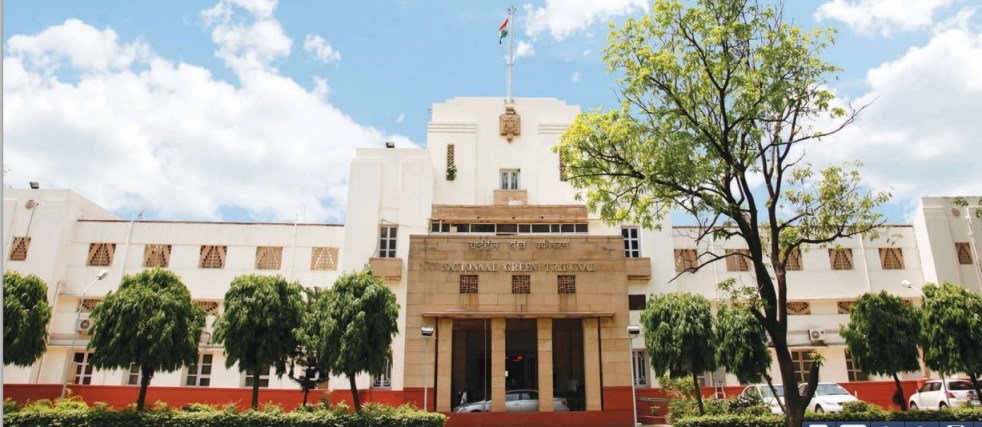
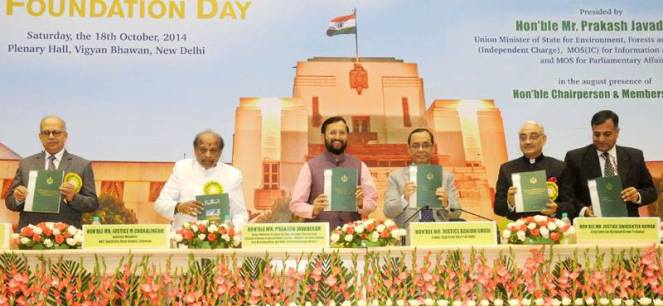

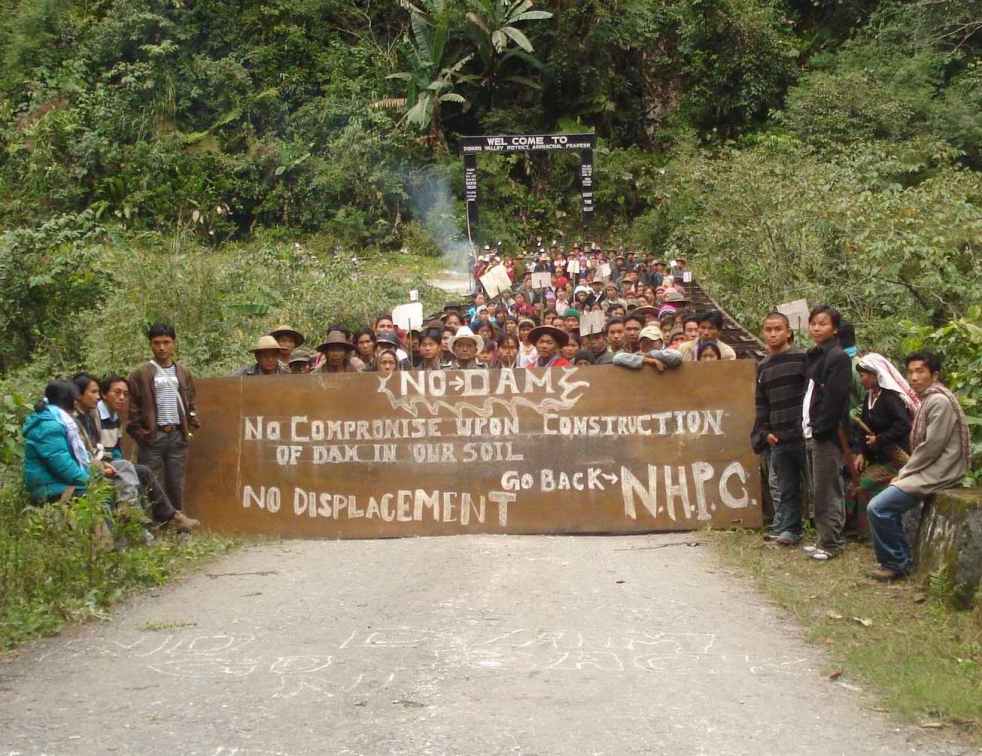
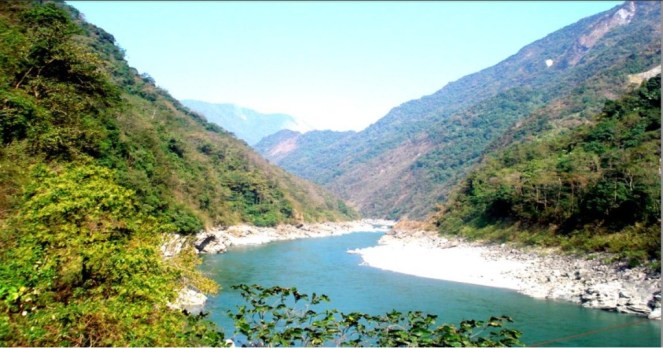
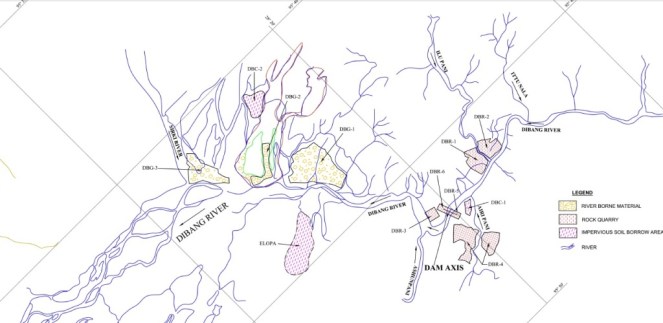
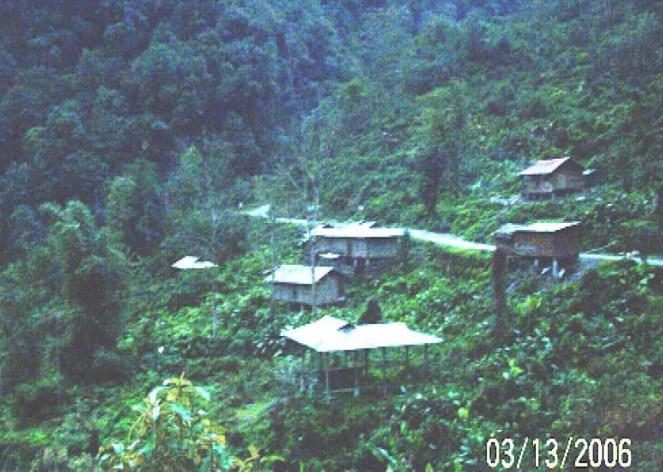
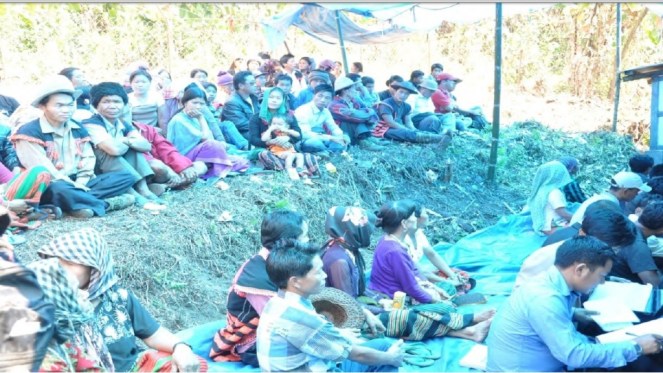
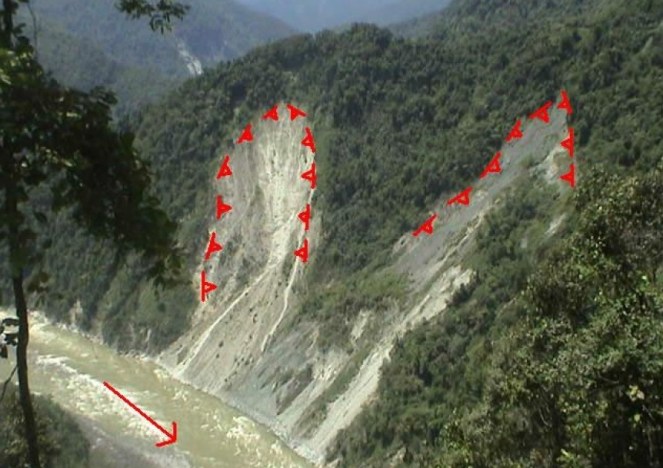
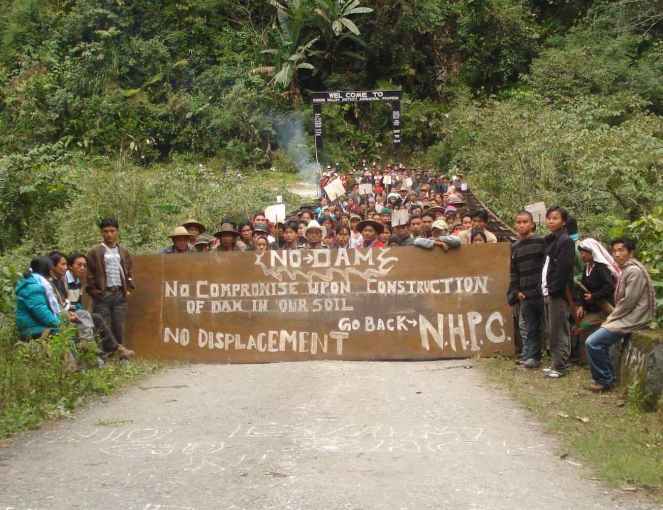
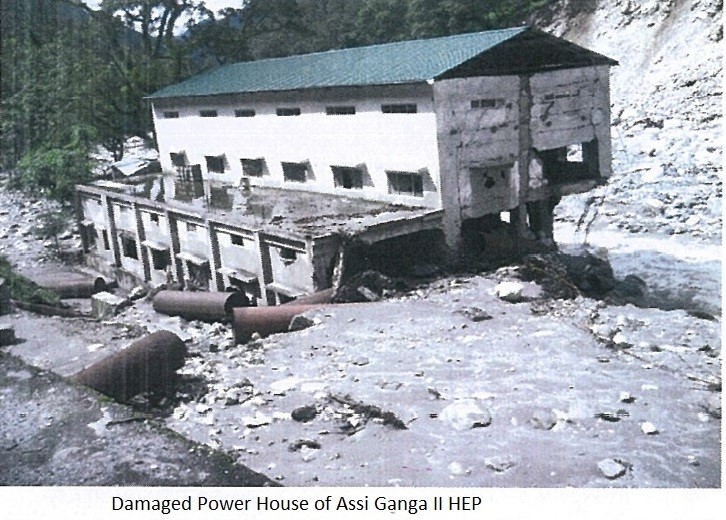
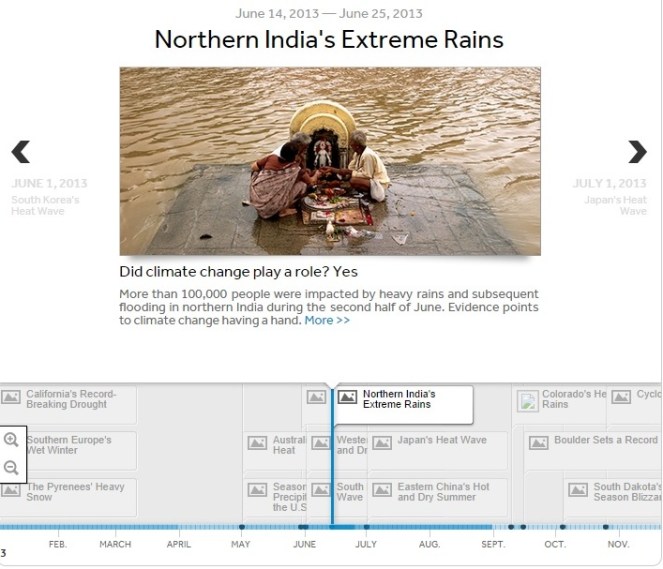
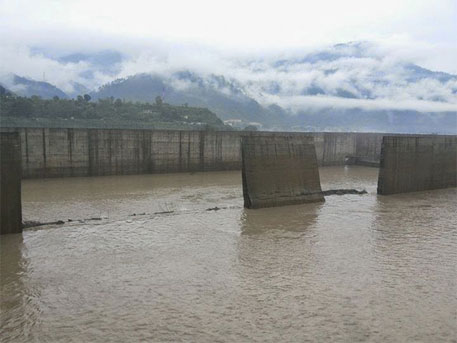
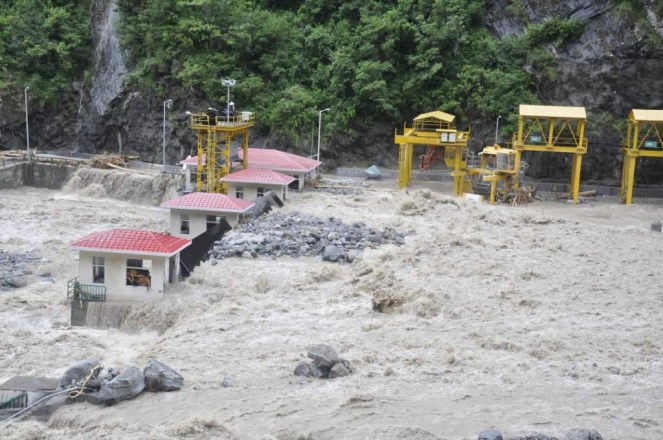

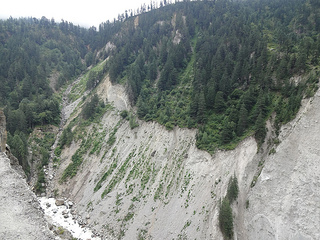
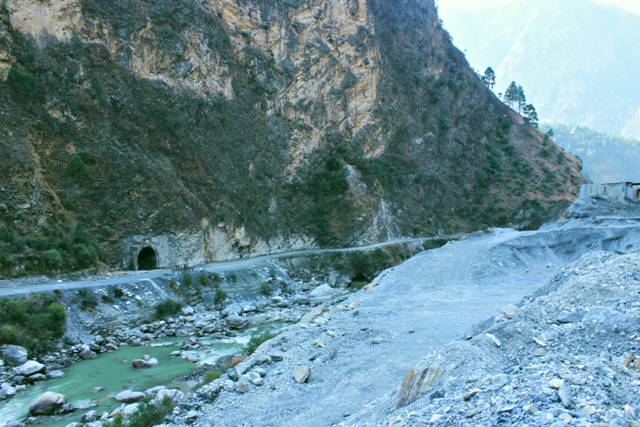
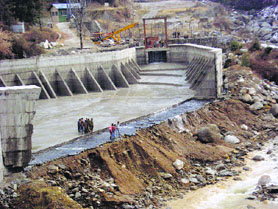
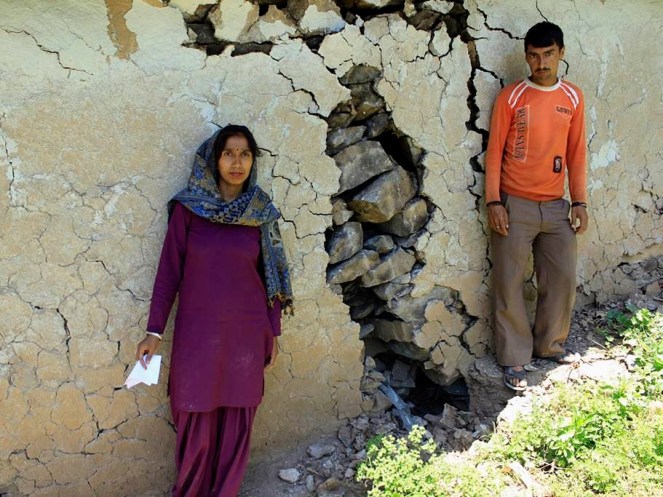
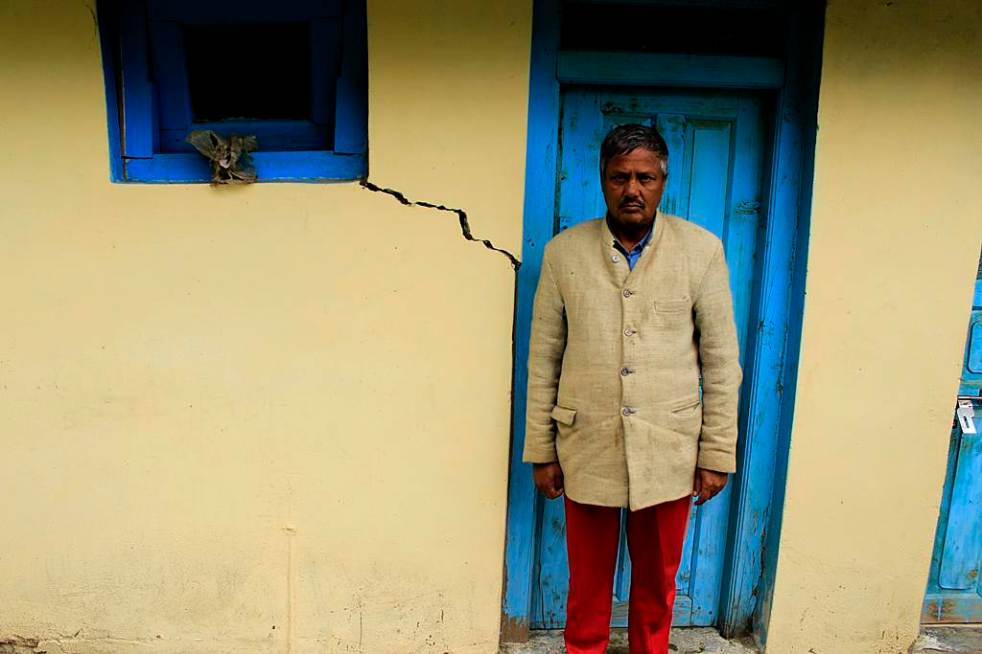
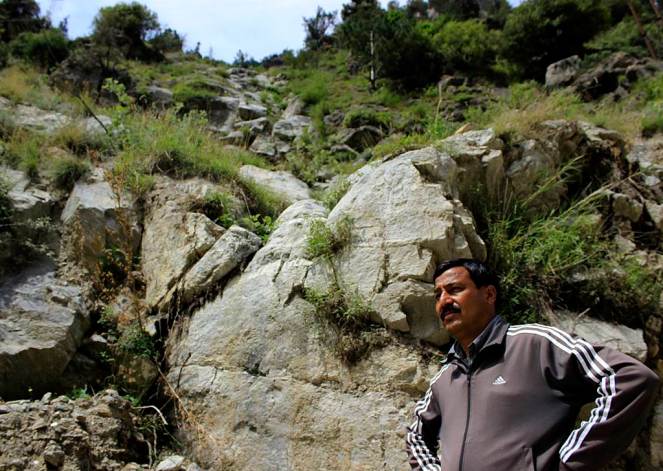
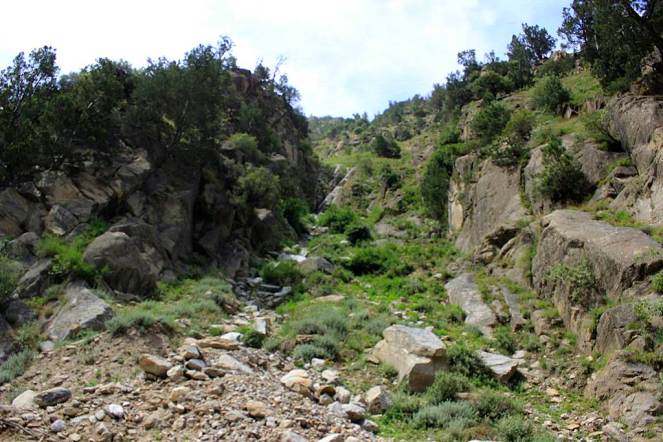
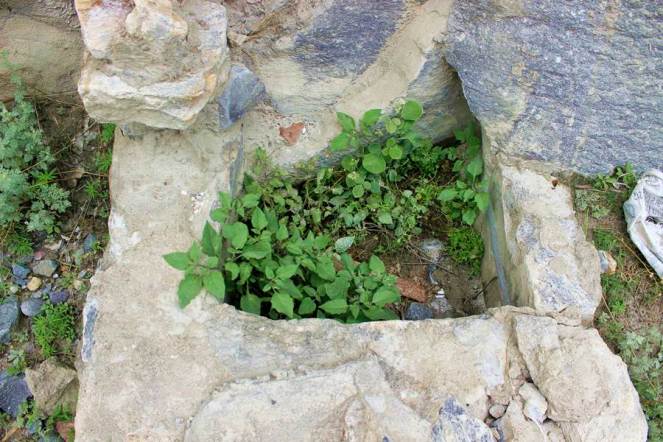
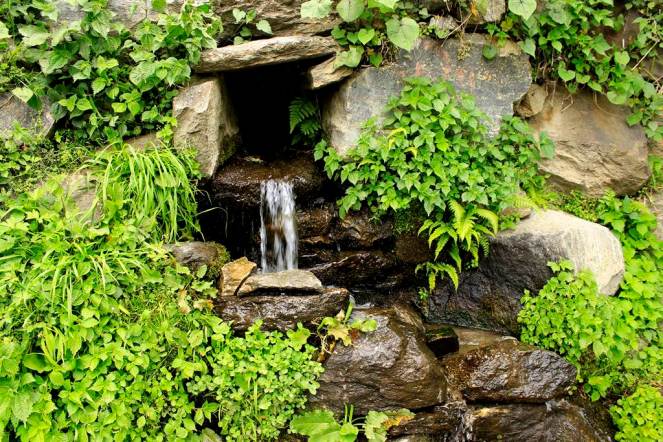
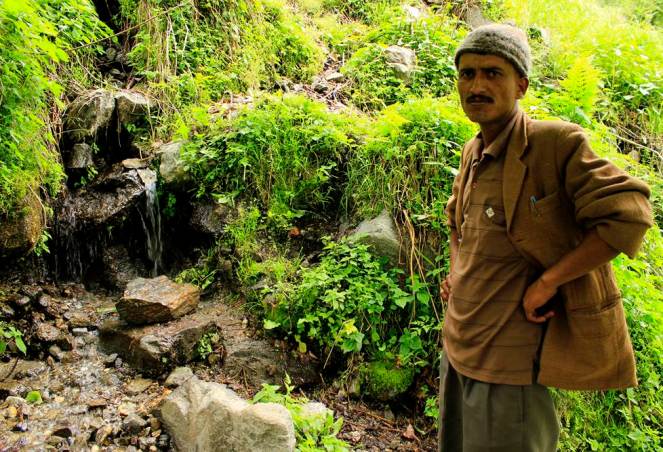
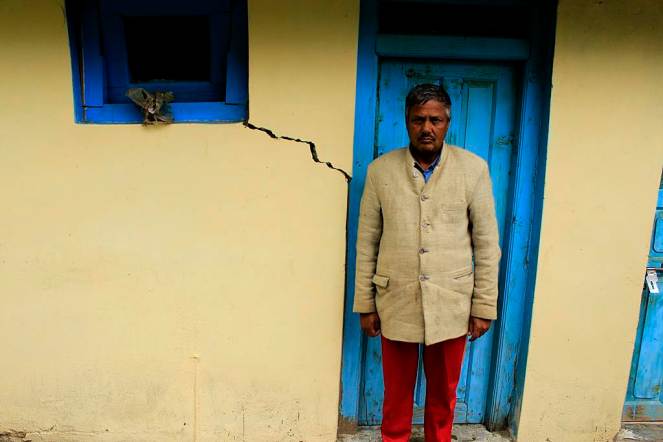
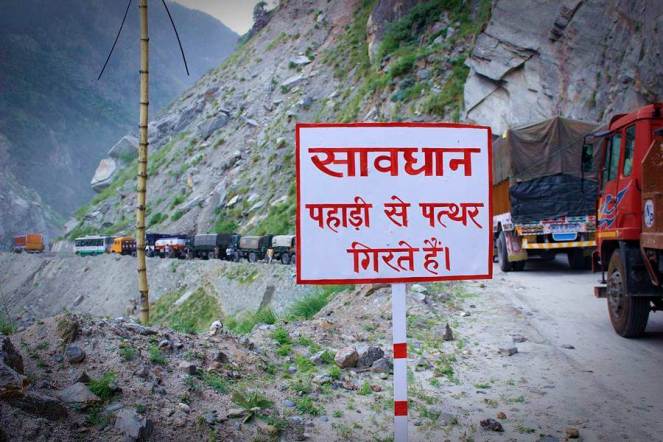
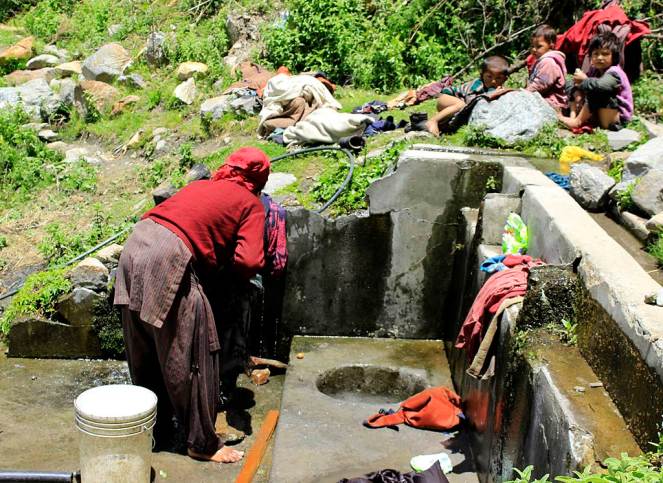
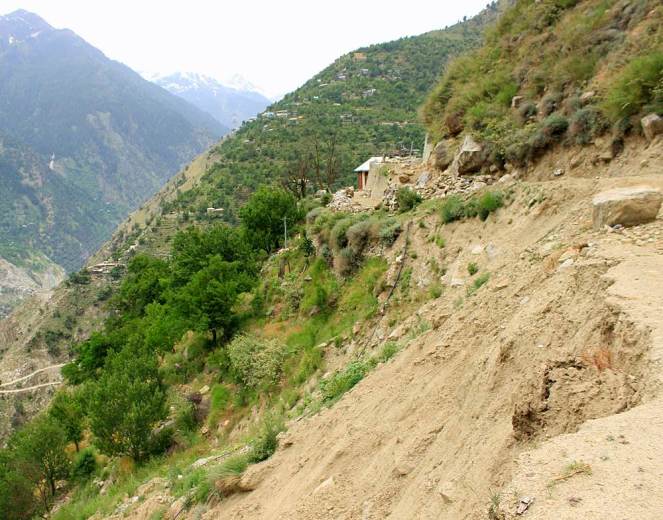
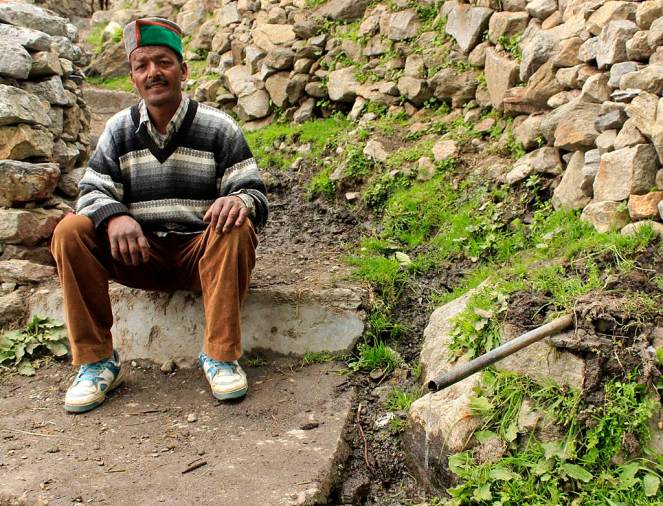
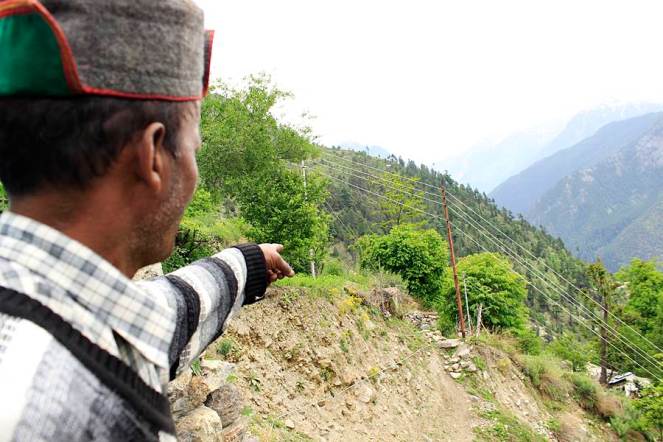
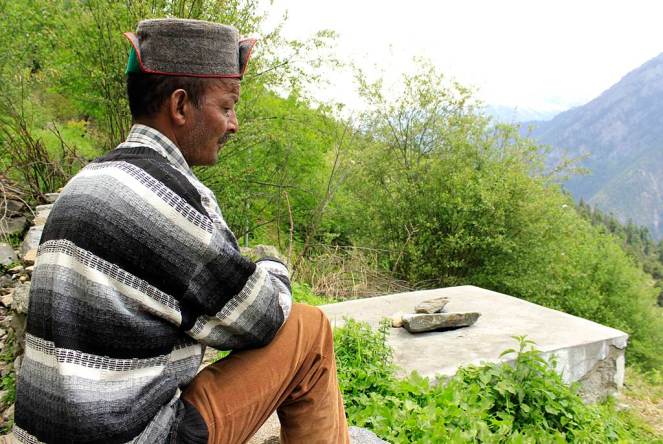
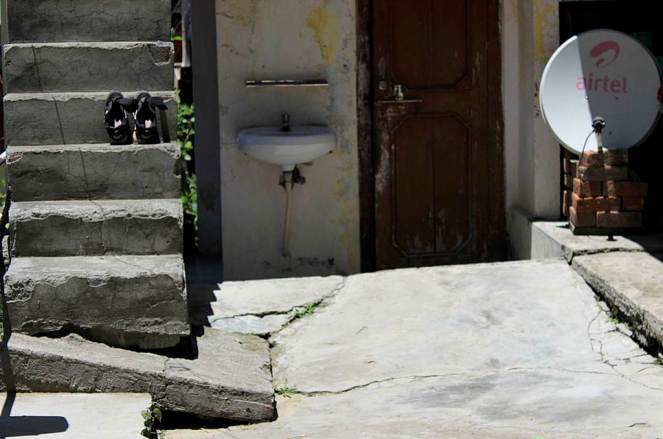
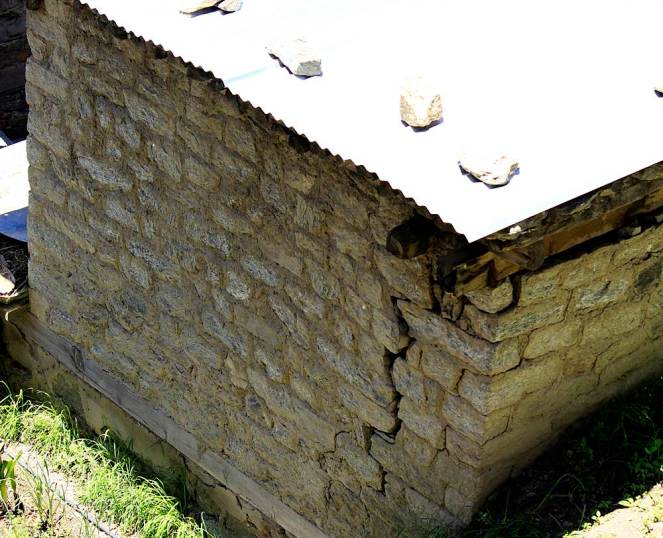
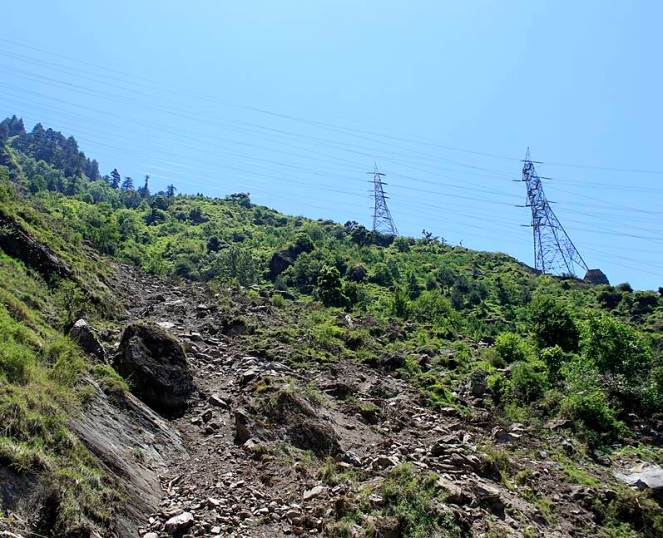
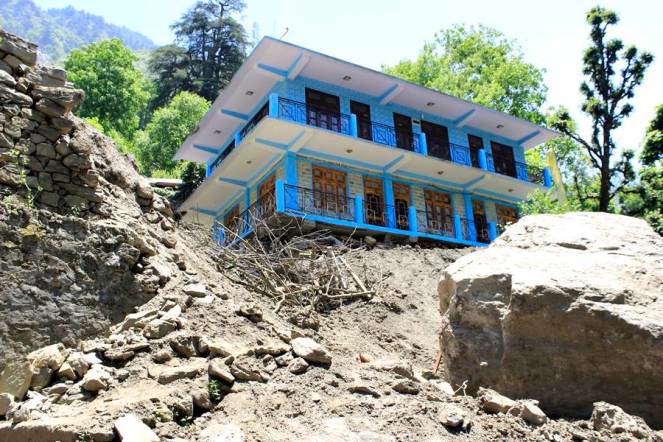
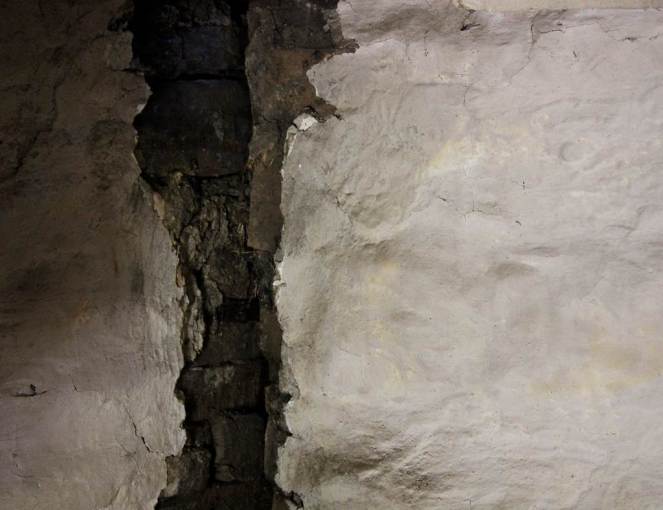
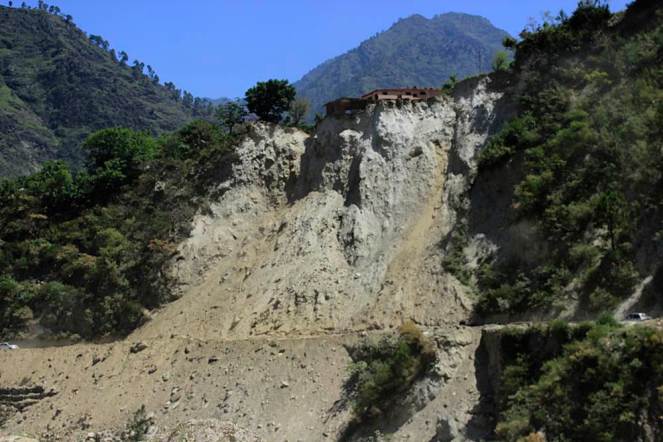
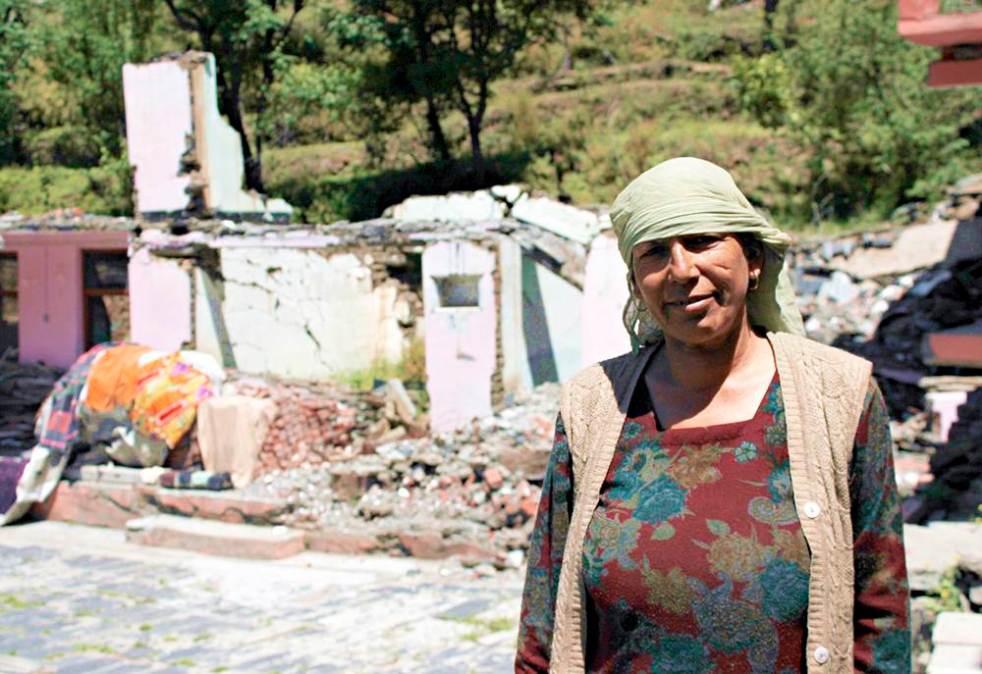
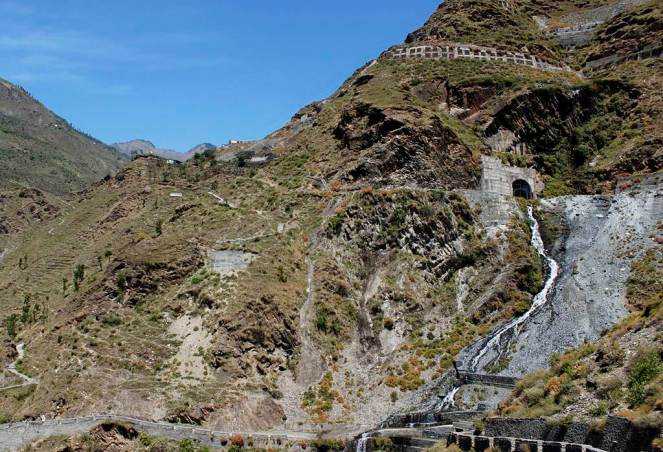
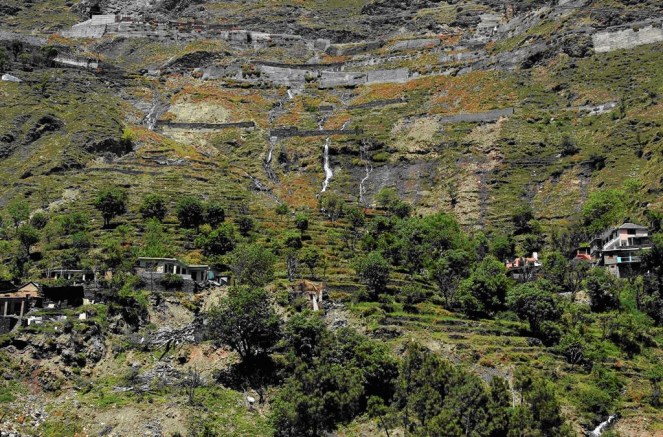
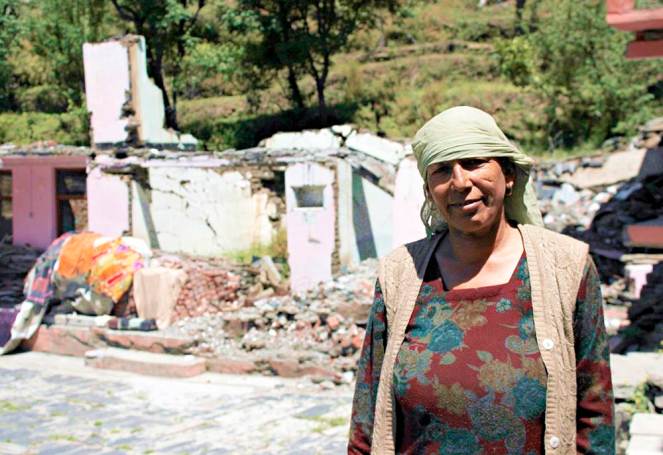
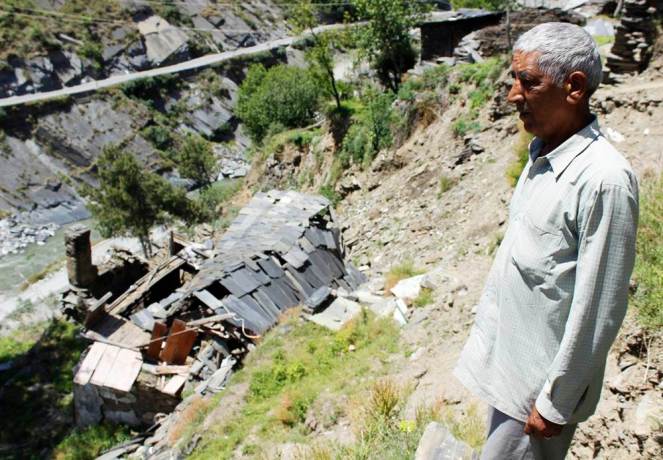
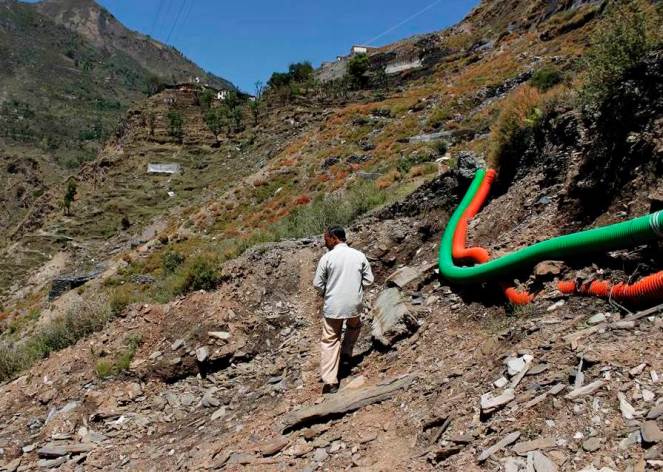
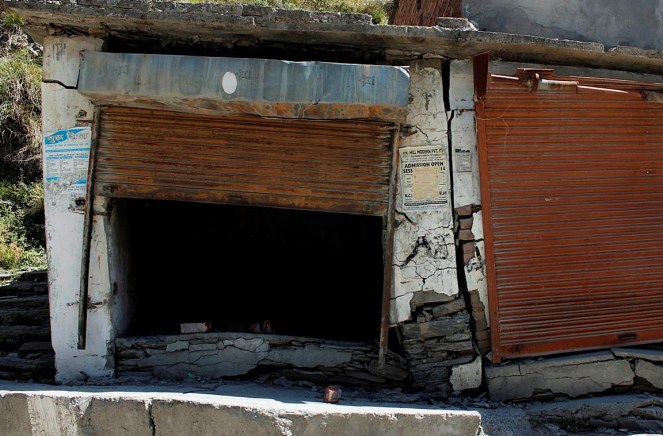
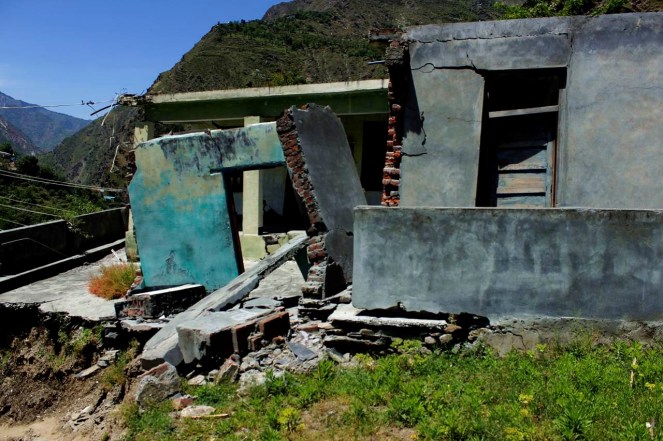
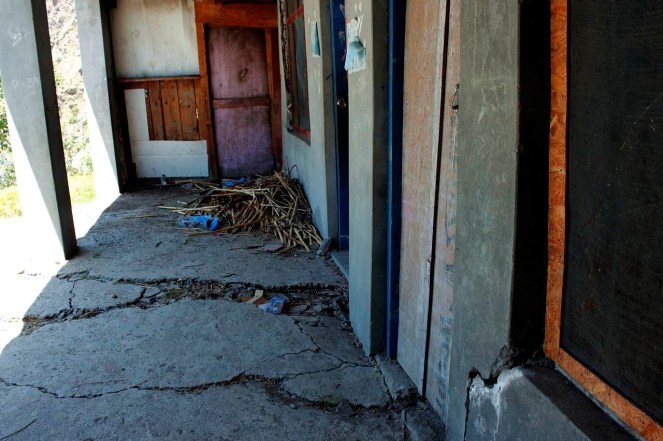
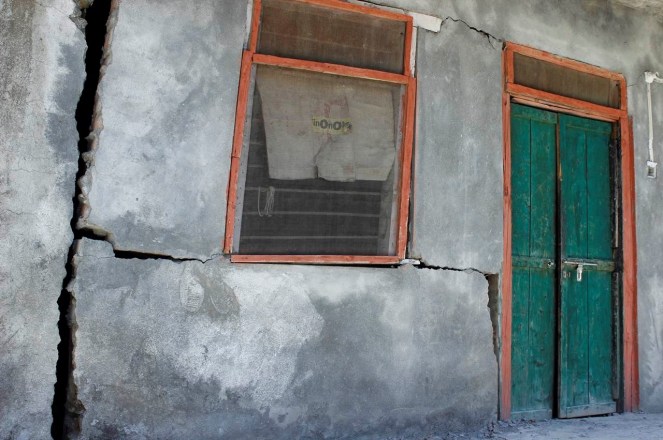
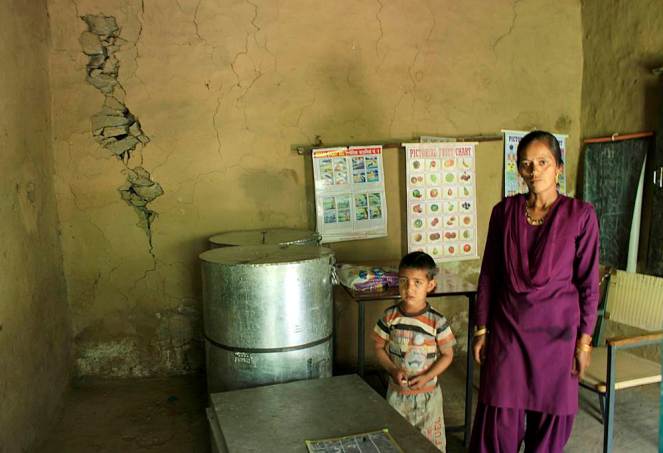
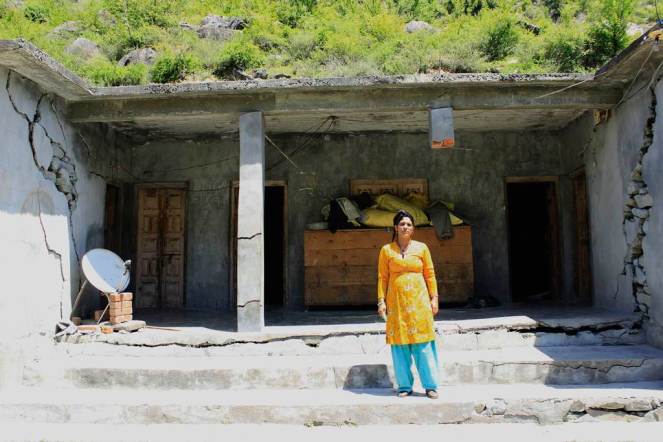
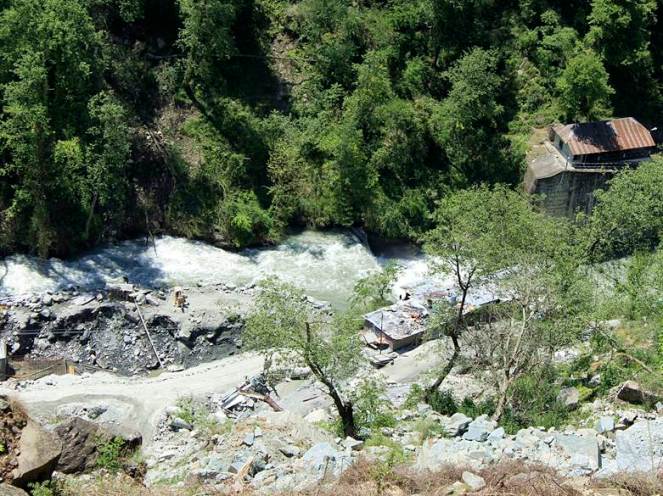
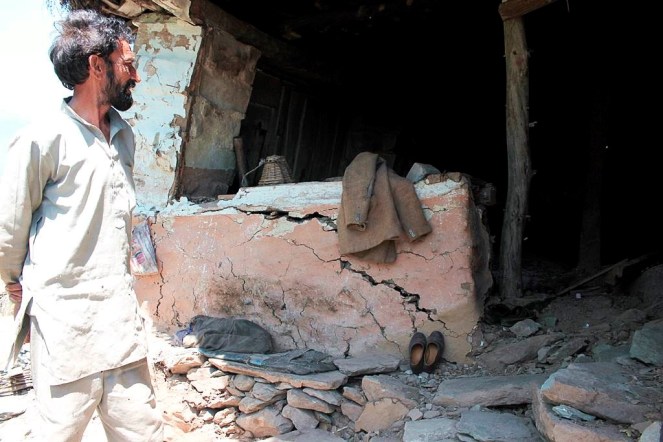

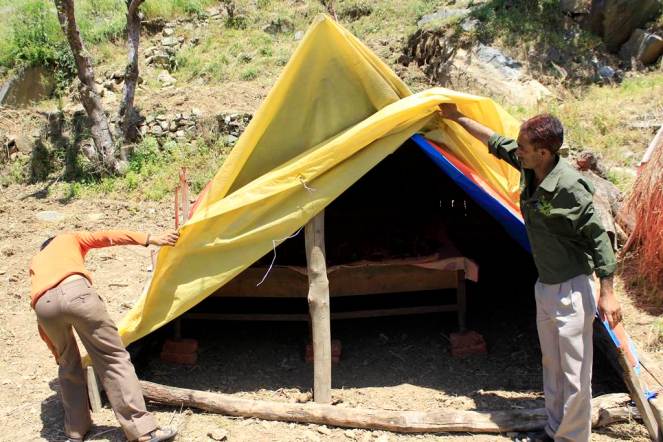
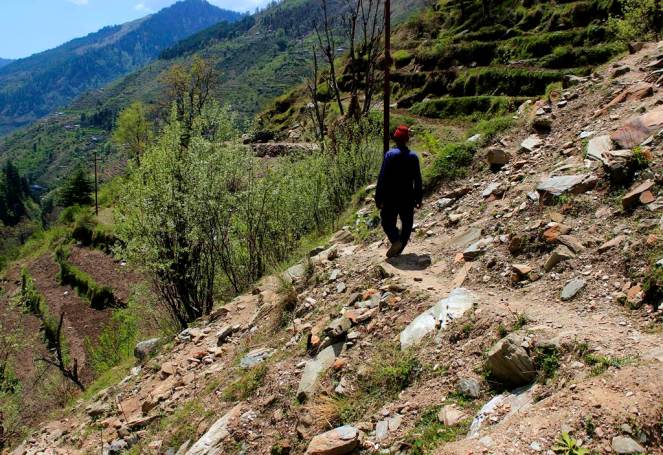
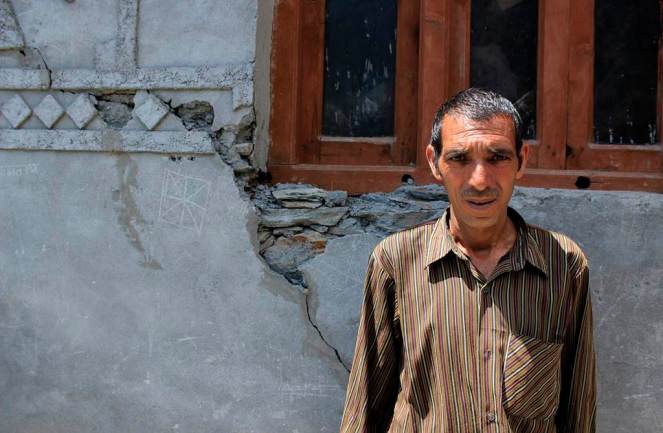
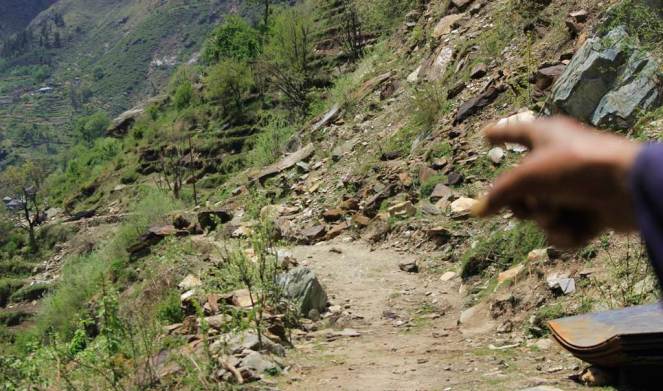
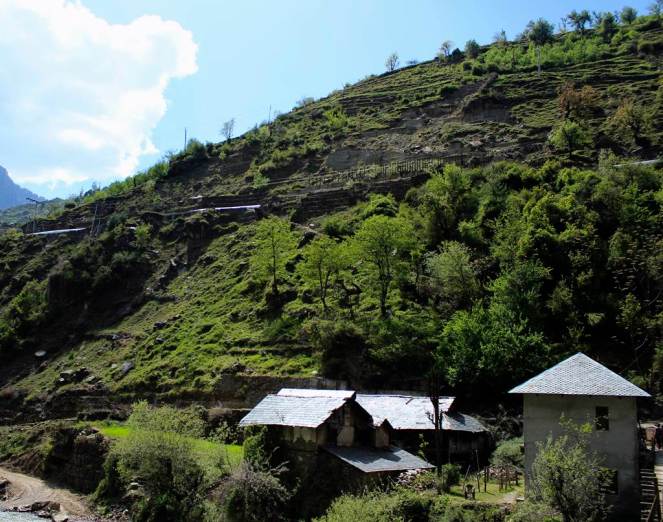
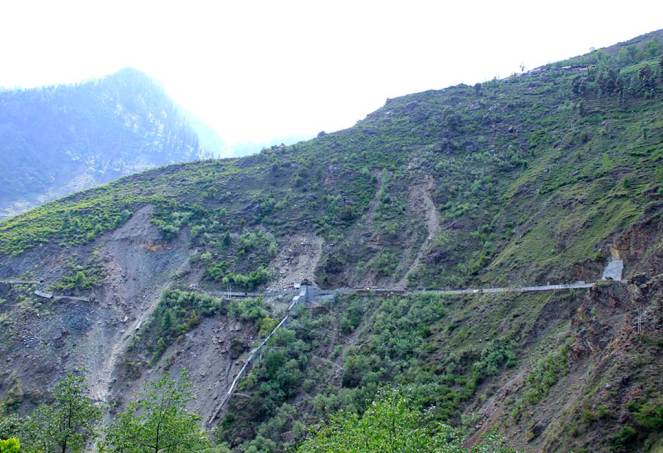

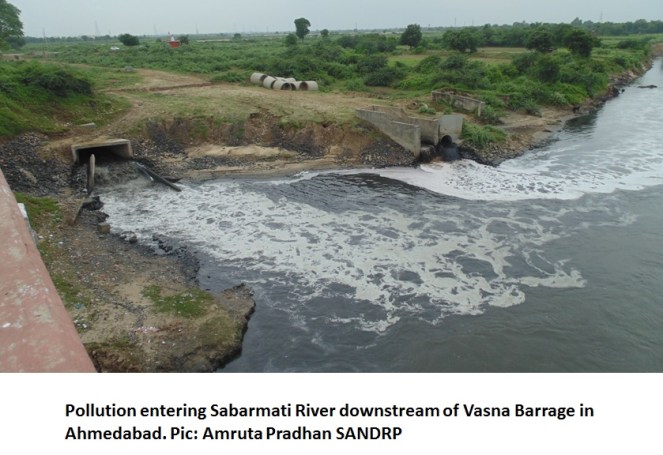
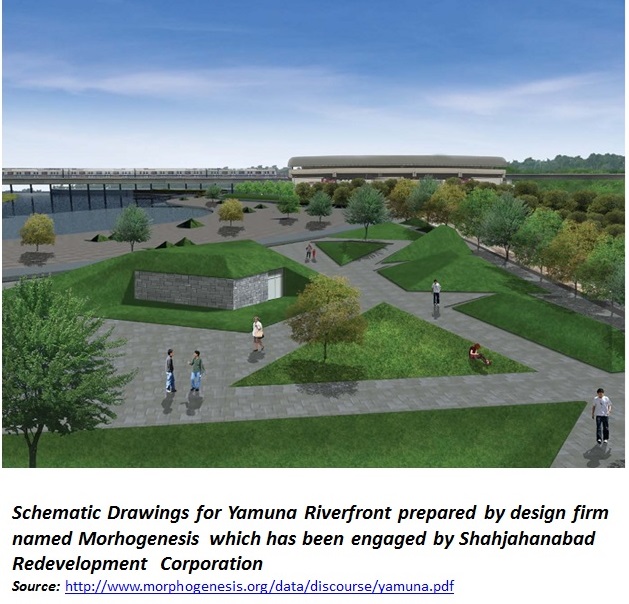
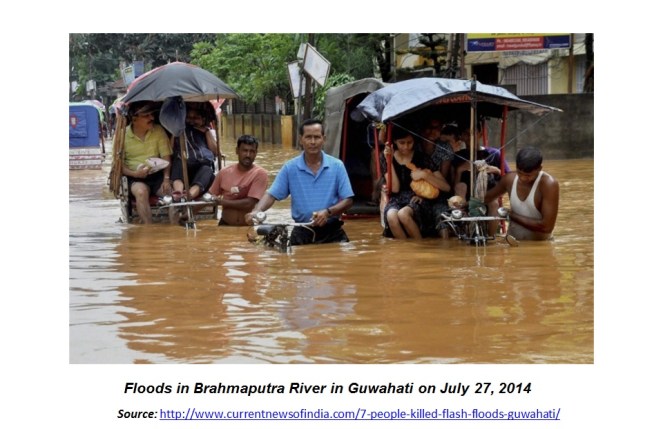
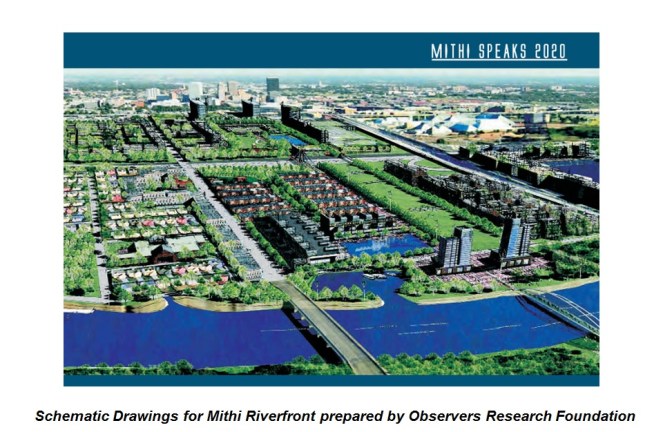
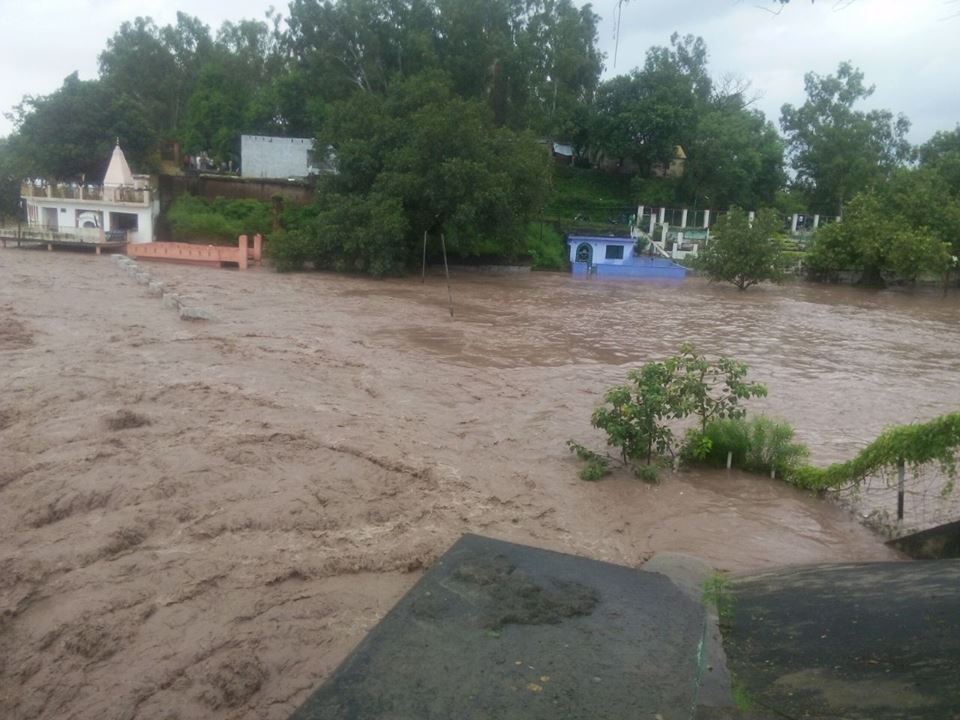
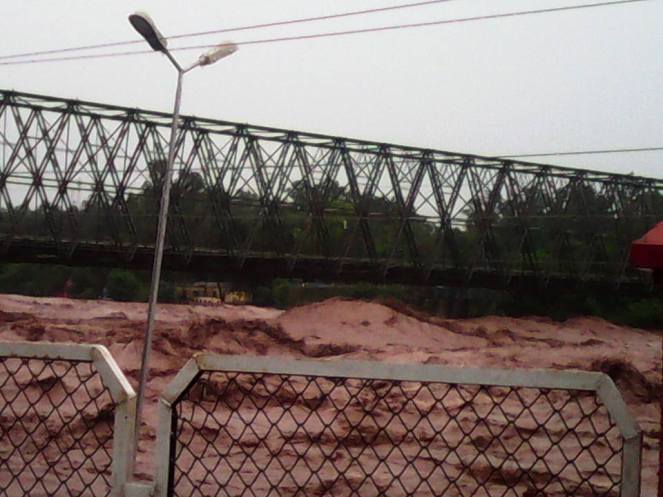

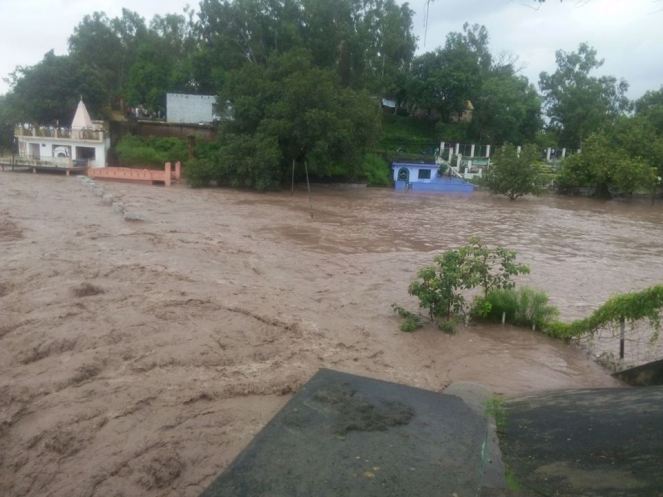
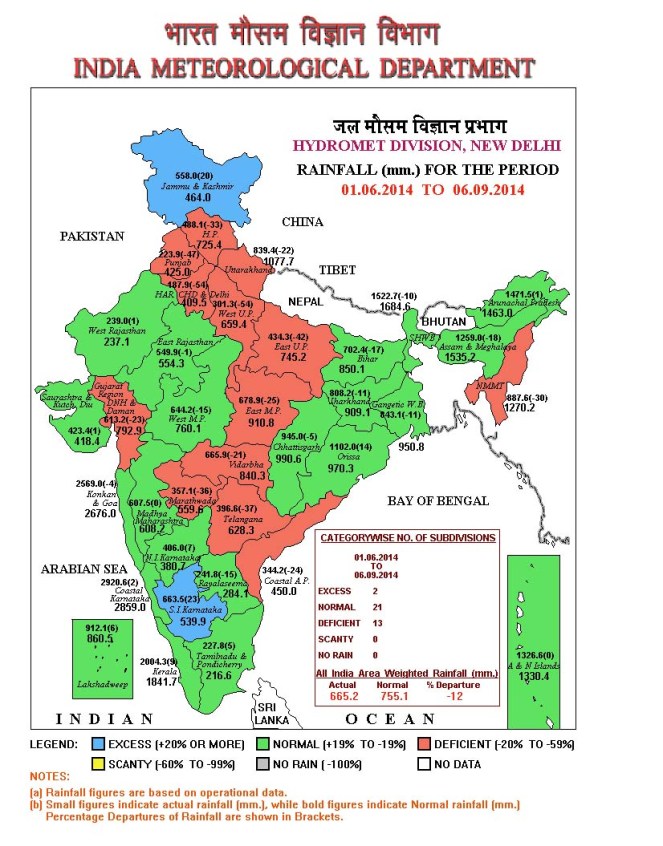
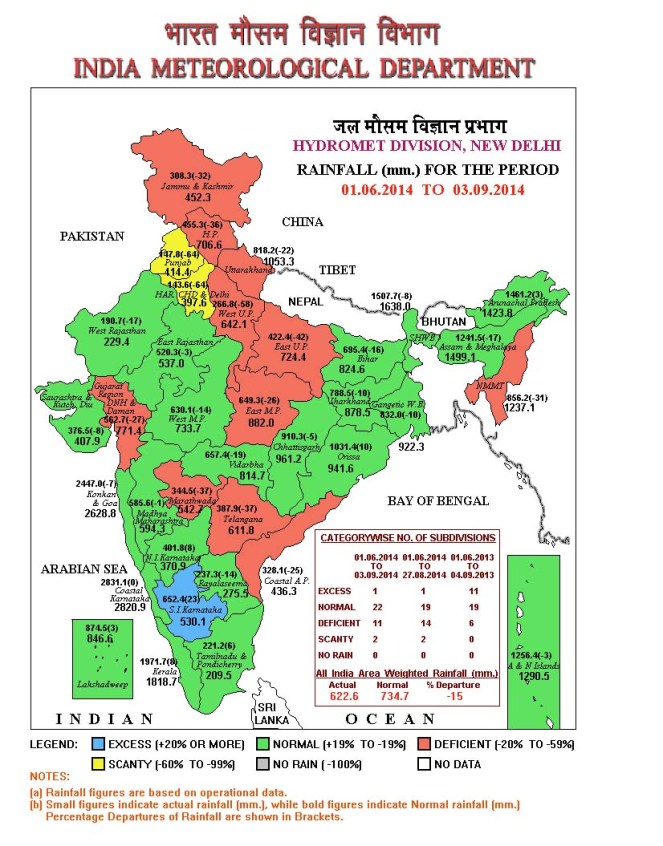
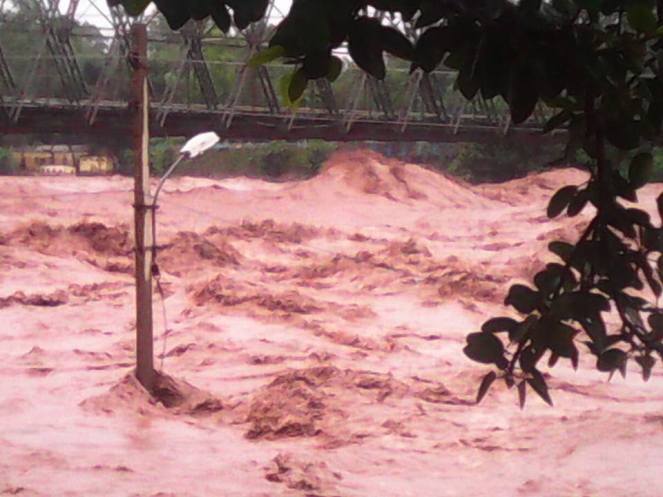
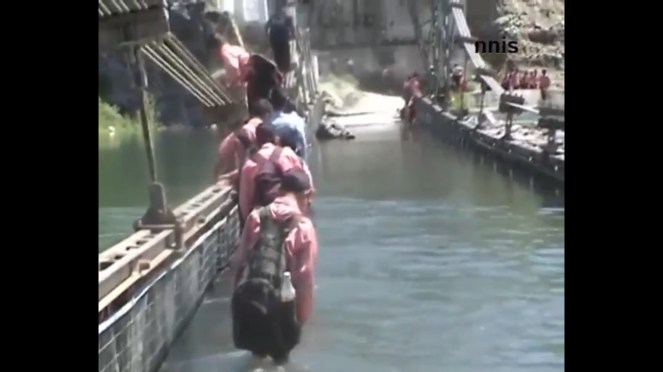


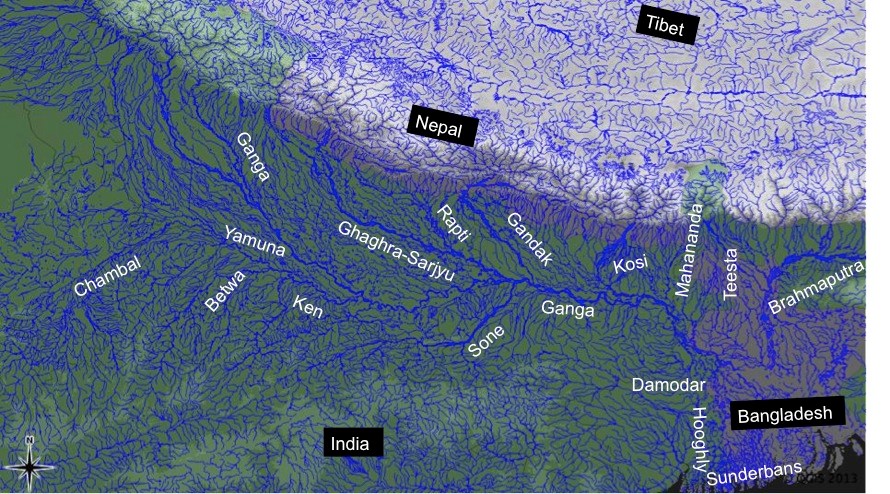
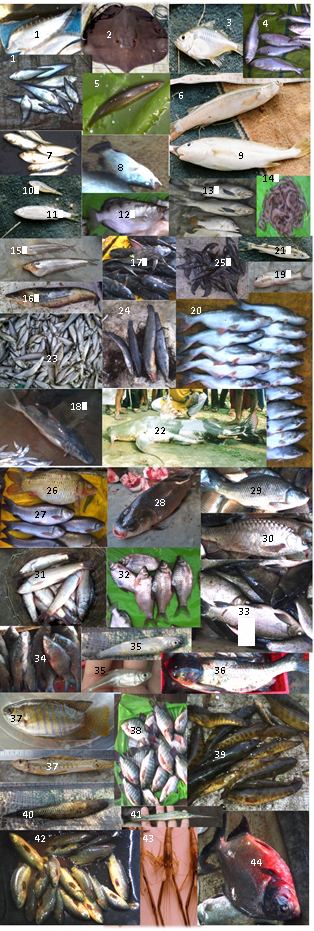
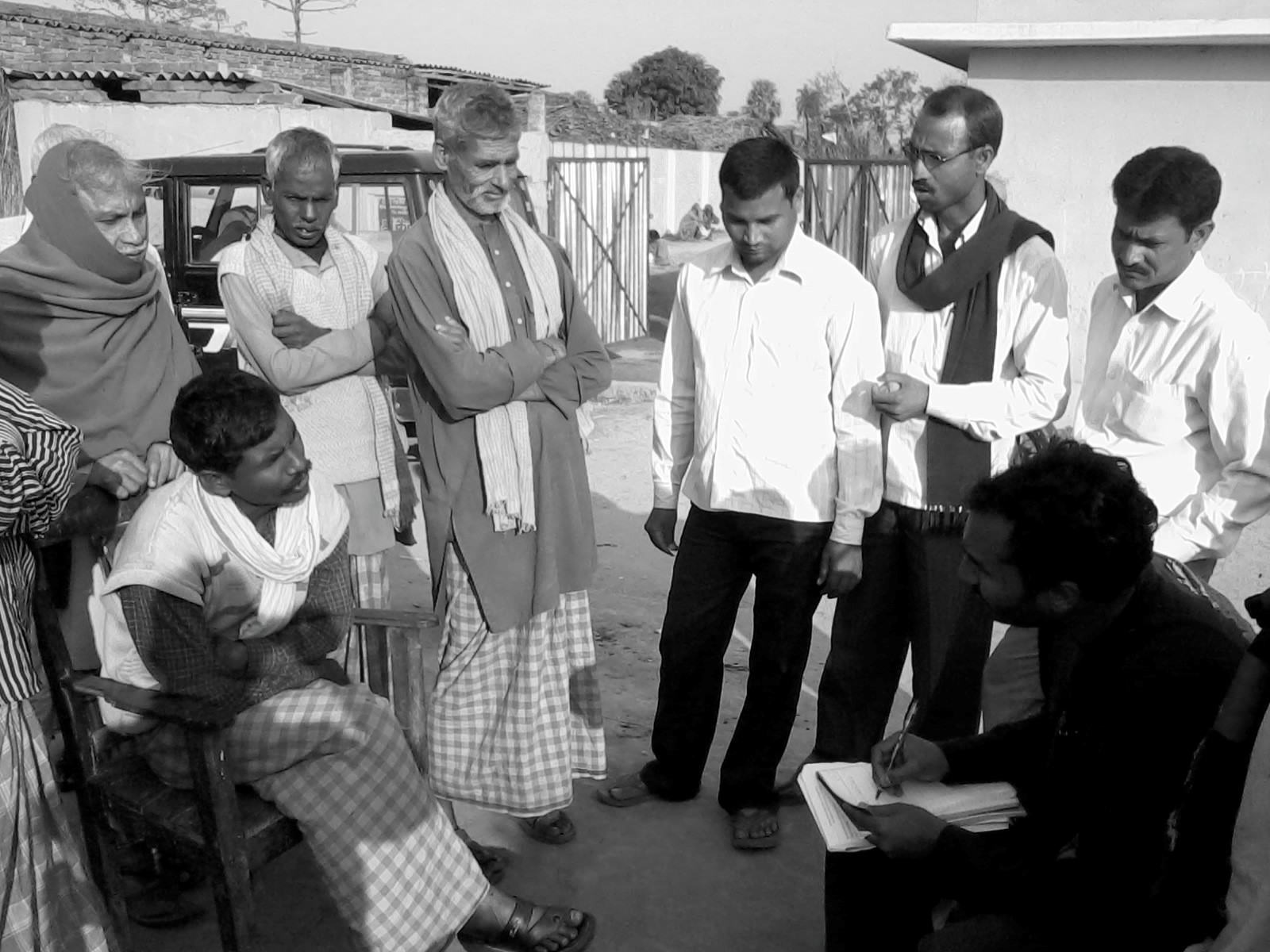
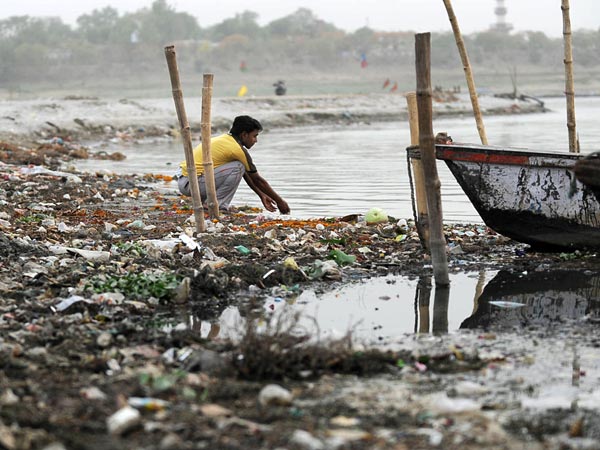
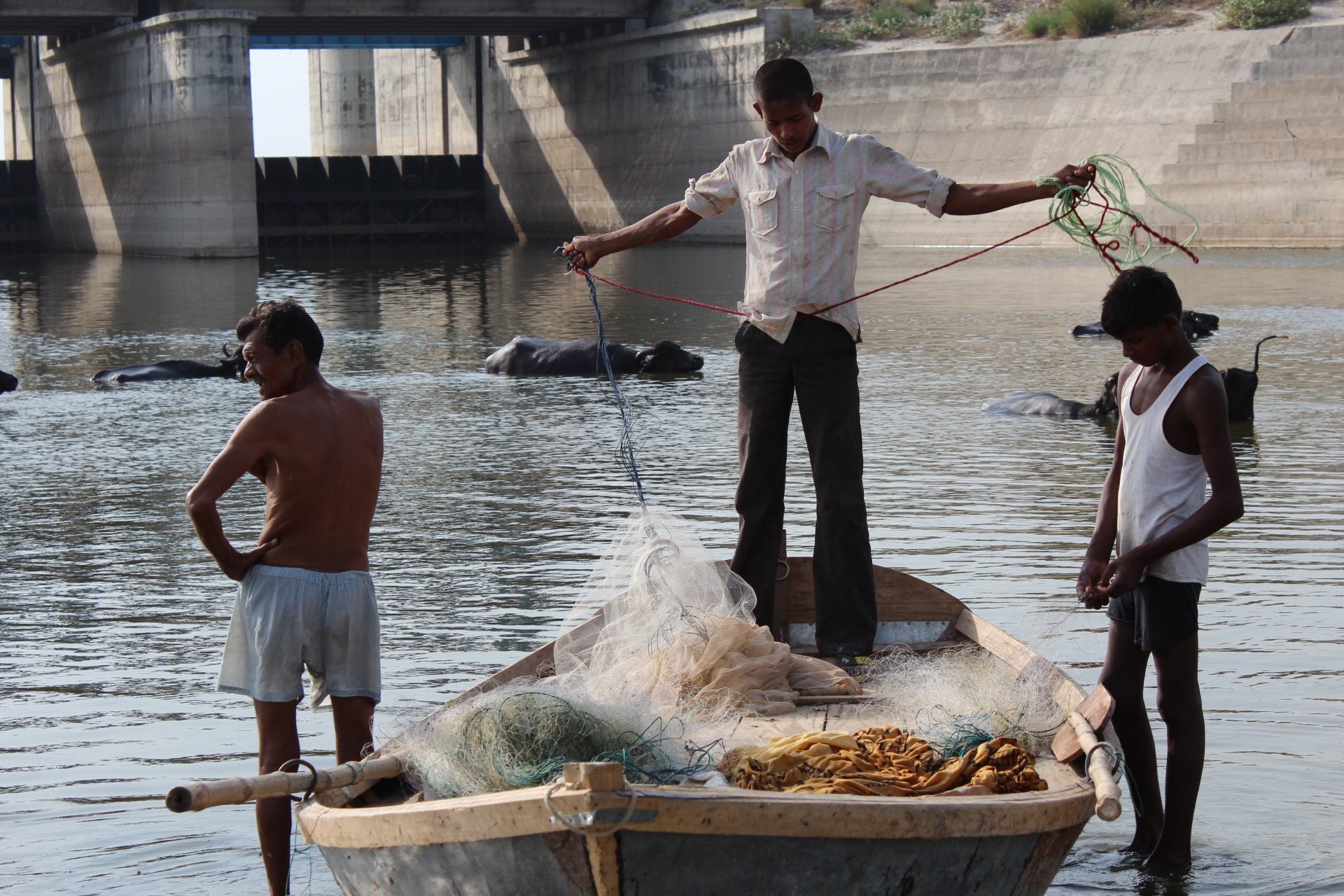
 SANDRP