Assam · brahmaputra · Dam Induced Flood Disaster · Floods

Role of Doyang Dam in bringing unprecedented floods in Golaghat

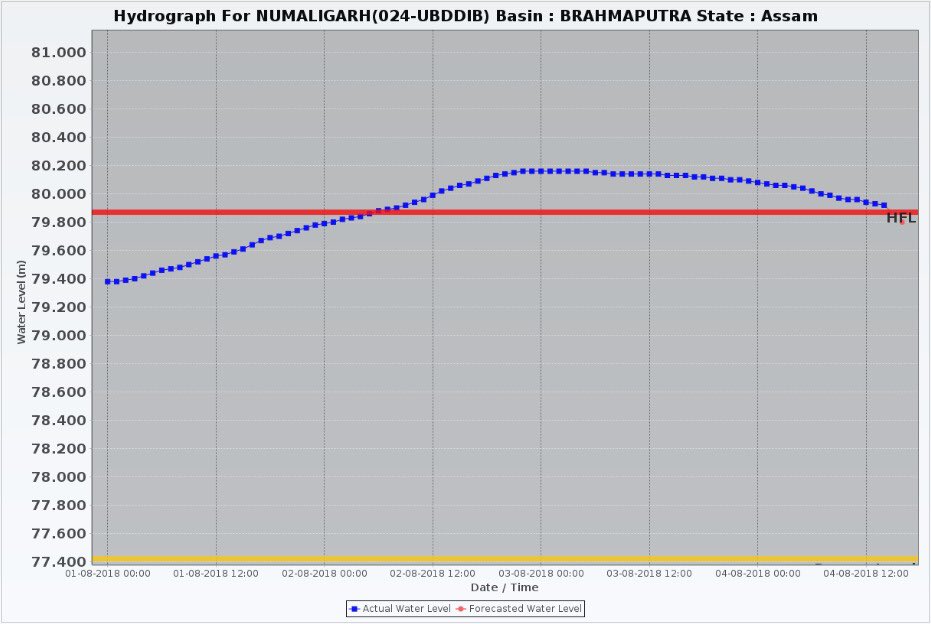
When Dhansiri river broke the highest flood level mark at Numaligarh site in early hours of Aug 2, 2018 in Golaghat district in Assam, it was not only completely out of the blue, the whole episode was unprecedented.

The earlier Highest Flood Level of Dhansiri River at Numaligarh was 79.87 m. The new HFL, it seems, was 80.18 m, full 31 cm above the previous HFL. This is rather rare, normally the new HFL would be a few cm higher, not almost one third of a meter. Secondly, the water level remained above 79.87 cm, the old HFL, for over 60 hours. This is also unusual, normally the water level rarely remains above HFL for more than a day or so. Thirdly, the earlier HFL was achieved on Sept 24, 1985, so this sudden episode of flood was breaking 33 year old record. Continue reading “Role of Doyang Dam in bringing unprecedented floods in Golaghat”
Bihar · Ganga · Inland Waterways

National Inland Waterways in Bihar: Viable or desirable?

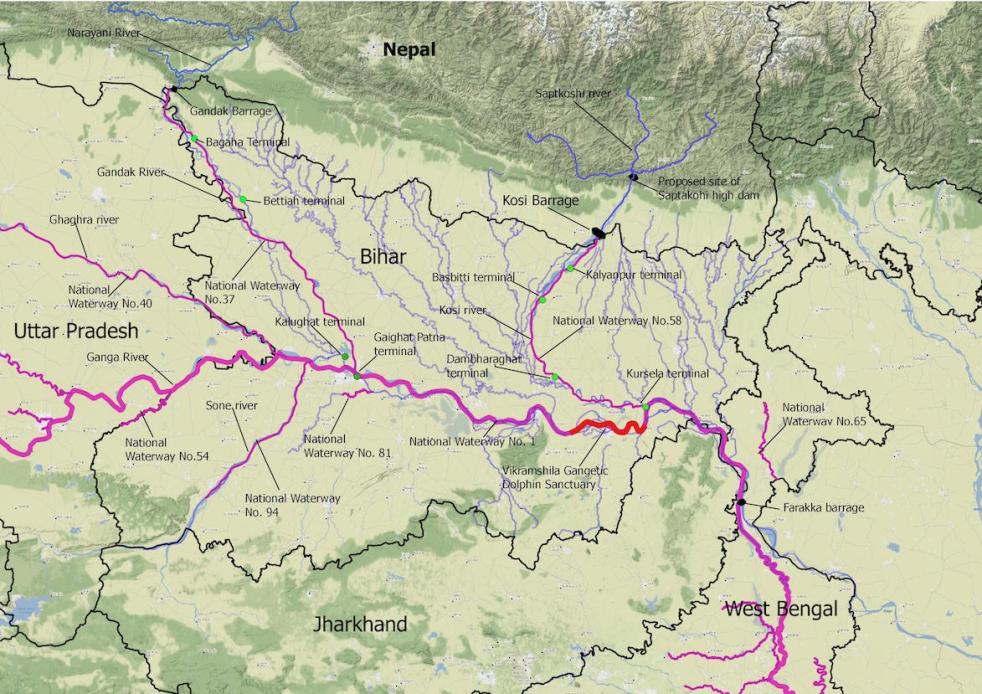
A new surge in the developmental interventions in the rivers in India is seen with the implementation of National Inland Waterways Act, 2016. Under this Act, 138 stretches of the rivers, creeks, backwaters, estuaries, etc. in 24 states and 2 union territories will be developed as the ‘national inland waterways’ for the transportation of huge cargo and passenger vessels. Being declared as “national” means that the control and regulation of these waterways will be in the hands of the central government and not state governments. This project of Central Government is being pushed forward with the claims of inland water transport being cost-effect, environmental friendly and safe for the transportation of hazardous goods. However, these so called benefits are neither universal nor automatic as they will be dependent on certain conditions, and will accrue if and when those conditions are met. Development of these waterways will be controlled and regulated by Inland Waterways Authority of India (IWAI). Continue reading “National Inland Waterways in Bihar: Viable or desirable?”

Bihar · Dams · Floods · Ganga

Will sluggish Farakka again create prolonged floods along Ganga in Bihar?

It’s a bit intriguing situation. IMD and Skymet experts are downgrading the monsoon rainfall from earlier forecast 100% to 92%. Both agencies are predicting even lower rainfall in remaining part of current South West Monsoon.  Bihar has received 413.2 mm rainfall till Aug 2, 2018, 22% below normal. And yet, starting Aug 1, CWC’s flood forecasting sites along the Ganga were showing ominous portents. For the first time this monsoon, the sites started showing steep upwards trend. Continue reading “Will sluggish Farakka again create prolonged floods along Ganga in Bihar?”

Cauvery · central water commission · Dams · Disasters · Floods · Karnataka · Tamil Nadu

Cauvery is facing very serious flood risk, but CWC is in slumber

(The figure above is screen shot of CWC Flood forecasting site showing no warning signs even at 5 pm on 230718)

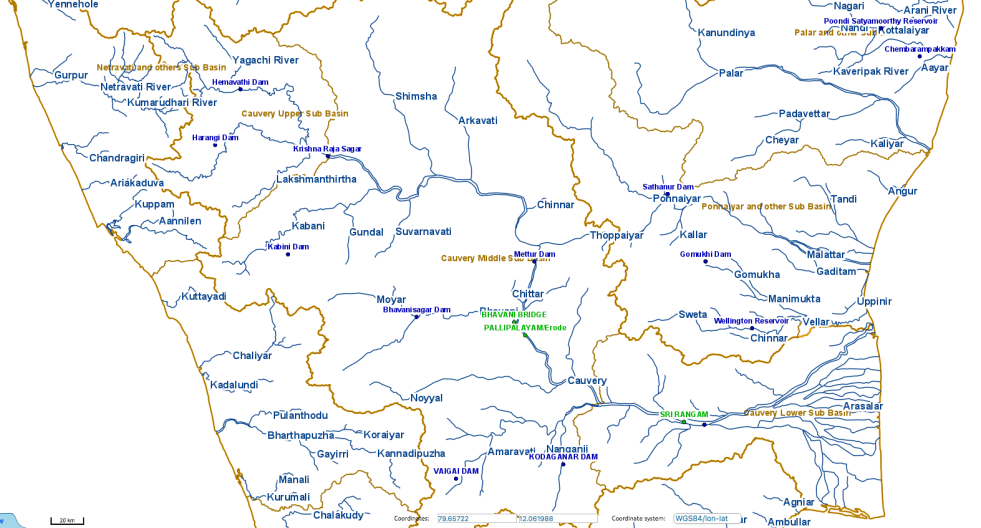
Almost all the big dams in Cauvery Basin are full on the earlier ever monsoon date this year. This includes Krishnaraj Sagar, Mettur, Kabini, Harangi, Hemavathi and Bhavanisagar. They are almost full and have started releasing large flows to the downstream areas. This is when we are past just about six weeks of South West Monsoon, the North East monsoon would come after that. It means that the basin is facing major risk of floods in next 2-5 months. And yet Central Water Commission, India’s flood forecasting agency, seems to be in deep slumber. It has not even bothered to update the flood readings on its designated sites from the 2017 figures.  Continue reading “Cauvery is facing very serious flood risk, but CWC is in slumber”

Maharashtra · Monsoon

Maharashtra Monsoon Musings – July 2018

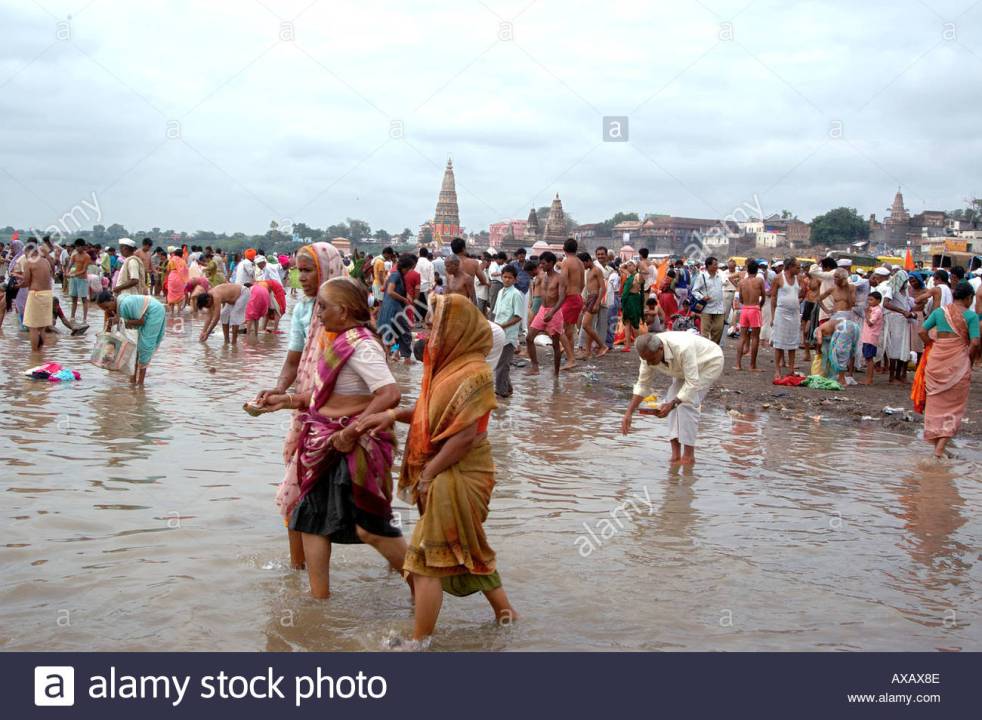
Maharashtra celebrates Ashadhi Ekadashi today[i], also called Dev Shayani Ekadashi, when god Vishnu went to sleep. Ashadhi Ekadashi is a cultural phenomenon in Maharashtra, holding a special place in the hearts of devotees and atheists alike. This is the day when the Vaari, a travelling caravan of devotees reach Pandharpur, the abode of Pandurang or Vitthal from various places in the state. Pandurang is a special god himself. He is the loving god of the farmers and cattle herders and the toiling masses of the state.  People travel to Pandharpur with tradition attire and gaiety. Ashadhi Ekadashi is supposed to fall right in the middle of monsoon as coughing Parineeta told me in the morning, enjoying the Pune rains. She also said that Farmer leader Sharad Joshi used to be unhappy with this festival as farmers left behind their fields right in the sowing season to go for the Pandharpur Vaari, away from their fields for days at end. Festivals are always fun though. Continue reading “Maharashtra Monsoon Musings – July 2018”

Assam · Floods

Floods in Tripura, Mizoram, Barak Valley in June 2018

The second wave of floods (first wave came in around May 20-24) this year inA North East India is affecting Tripura, Mizoram and mainly Barak Valley in Assam. Worryingly, while CWC flood forecast site shows water level reaching unprecedented levels in Manu river at Kailashahar in North Tripura District, CWC seems to have NO flood forecasting site in Mizoram. At Matizuri site in Hailakandi district in Barak Valley in Assam, the Katakhal river also approaching its highest ever flood level. In Bangladesh too sites like Amalshid have crossed the HFL.  Continue reading “Floods in Tripura, Mizoram, Barak Valley in June 2018”

Himachal Pradesh · Urban Water Sector

Shimla water crisis: How smart are we getting?

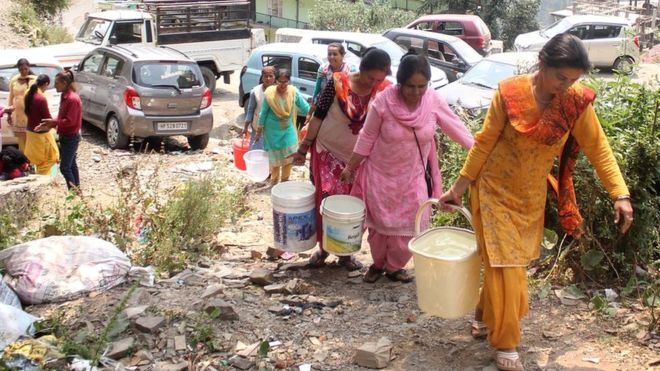
“If you love Shimla, please do not visit” is one of the viral messages in social media this season, encapsulating the water crisis in the hill city this summer. The current round of severe water crisis in Shimla possibly had some roots in what happened here in Dec 2015-March 2016. In winter of 2015, Shimla faced severe water quality issue[i], out break of hepatitis lead to huge reduction in water use in Shimla from Ashwini Khad. Thousands suffered from the outbreak and dozens of people died. The poorly functioning Malyana Sewage Treatment Plant, was releasing the effluent in the same Ashwini Khud from where the Hill city was taking a significant part of water. That water supply was then reduced, but nothing has been done to improve the situation. The Himachal Pradesh Chief Secretary has also told media[ii] that water available from Giri and Gumma streams have hugely reduced currently. Continue reading “Shimla water crisis: How smart are we getting?”

Maharashtra · Rivers · Urban Water Sector

India Urgently Needs Urban Water Policy: River Front Development Kills the Rivers

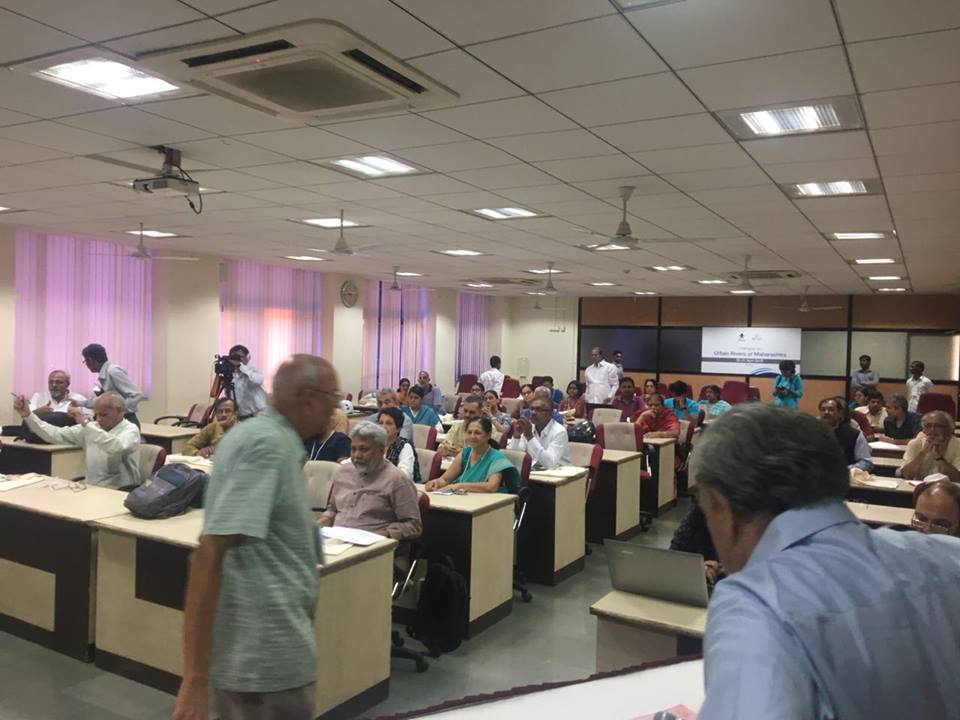
In the conference, “Dialogue on Urban Rivers of Maharashtra”, experts on water and rivers from all over the country strongly expressed their views and unanimously agreed that, “Pune River Front Development Project is certainly going to cause a disaster.” The conference also underlined the need for and decided to work for Urban Water Policy for Maharashtra and India.

The conference was jointly organised on 20 and 21st April at YASHADA by Indian National Trust for Art Culture and Heritage (INTACH – Pune Chapter) and South Asian Network for Rivers Dams, Rivers and People (SANDRP). Experts from Delhi, Andhra Pradesh, Gujarat, Madhya Pradesh, Karnataka and various parts of Maharashtra attended the conference. Continue reading “India Urgently Needs Urban Water Policy: River Front Development Kills the Rivers”

Maharashtra · Rivers · Urban Water Sector

Pune Dialogue on Urban Rivers of Maharashtra on April 20-21, 2018

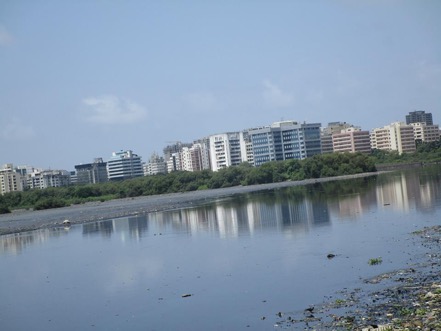
The health and future of our country is critically dependent on the health of our rivers. To compromise upon our rivers’ health is to endanger our own existence and future. Most of the urban rivers[1] in Maharashtra are in poor state affected by problems like pollution, with little or no biodiversity, little or no flow during most of the year, encroachment, dumping of waste, concretization and sometimes even mining. Water pollution from Urban Industrial effluents is a serious problem for the river, floodplain as well as ground water. With unplanned development, as the floodplains and riverbeds are being encroached, we are experiencing increased intensity and frequency of floods and flash floods. This can lead to an increasing possibility of water scarcity, depletion of groundwater levels and drought in spite of rains. Continue reading “Pune Dialogue on Urban Rivers of Maharashtra on April 20-21, 2018”