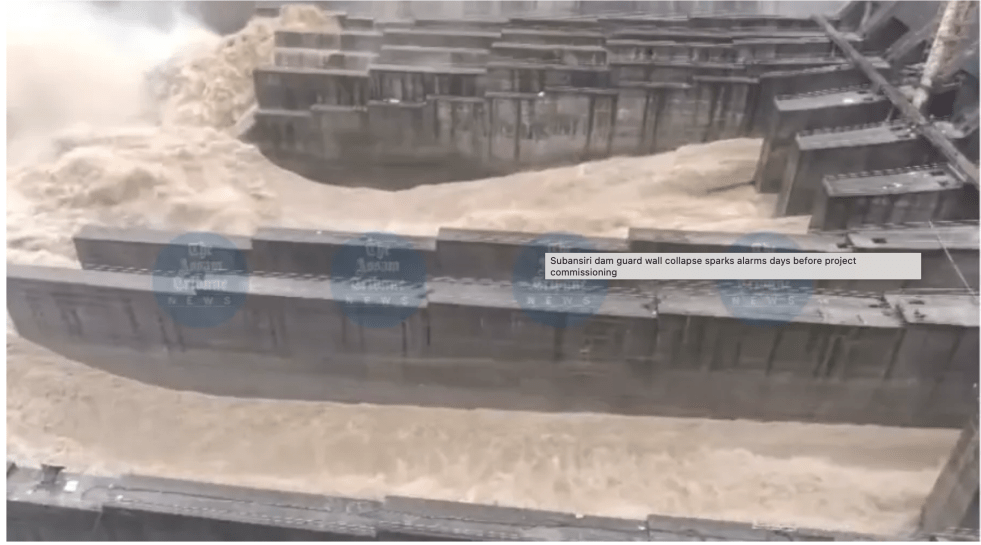
“The commissioning of the Subansiri Lower Hydro Electric Project (SLHEP) has been further delayed till May 2026” NHPC has now acknowledged. In a report filed by PTI, the project developer has acknowledged on June 12 2025 that the controversial 2000 MW Hydropower project on Subansiri River in Brahmaputra basin on Assam-Arunachal border “has suffered “minor damages” during the recent monsoon rains”. The suggestion that the damages were minor may not be accurate considering the consequences of project delay.
Continue reading “Subansiri Lower HEP faces damages in 2025 like in every year since 2019”Category: Hydropower
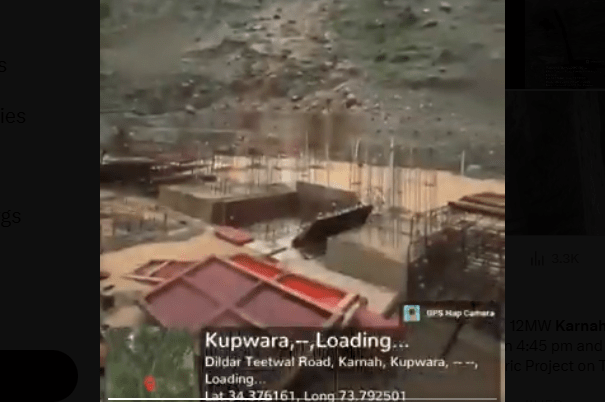
Jammu & Kashmir: ‘Cloudburst’ damages Karnah HEP in Jhelum Basin in May 2025
(Feature Image: Screenshot of video shared by Kashmir Weather on X platform showing powerhouse of 12 Mw Karnah HEP flooded after ‘cloudburst’ disaster on May 27, 2025 evening)
A ‘cloudburst’ induced deluge and landslide has severely affected the under construction 12 Mw Karnah Hydro Power Project in north Kashmir’s Kupwara district in evening hours of May 27, 2025. The extreme weather event between 04:45 PM to 05:45 PM, flooded the project.
Continue reading “Jammu & Kashmir: ‘Cloudburst’ damages Karnah HEP in Jhelum Basin in May 2025”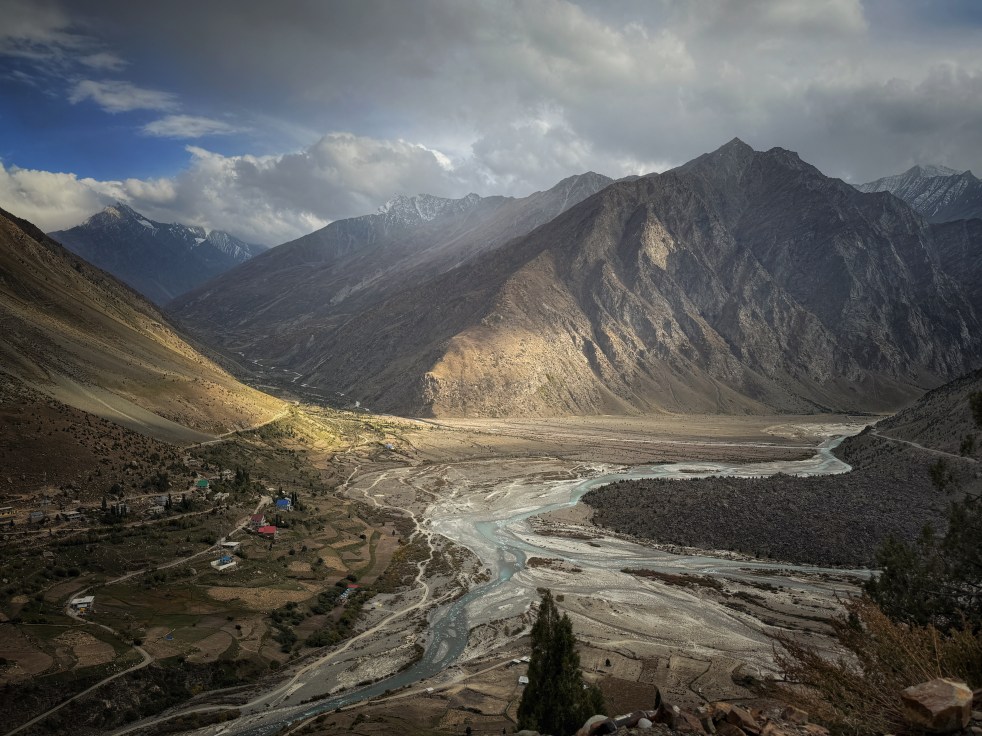
Of Landslides, Spirits and Stories
The Science and Myth surrounding a Himalayan Landslide
Here, in this central spot where three valleys come together
Is the triangle from which all phenomena originate,
An abode of the yoginis of the past,
A place for practitioners in the future.
~ A Tibetan prayer to the sacred Drilbu Ri Mountain where Rivers Chandra and Bhaga meet to form the Chenab
On a crisp September morning, we clank across an iron suspension bridge on the River Chandra to enter the valley of Bhaga. We are tracing the origins of Bhaga and will be reaching Barlacha La pass at an altitude of 15,900 feet in a few hours. Madly fluttering prayer flags swaddling the bridge and the roaring river below make it seem as if, like the prayers, we are adrift on the wind too. Below, on the toasty river sands, a few men doze like monitor lizards.
Continue reading “Of Landslides, Spirits and Stories”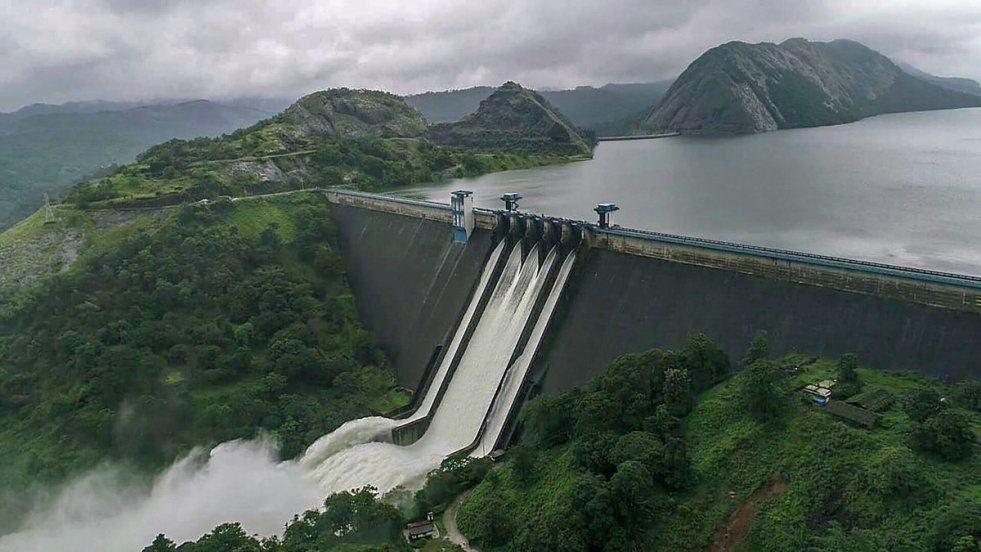
Room for optimality in Kerala Summer Electricity Demand vs Hydro Generation
Guest Article by S P Ravi
The share of hydro electricity in the energy mix of state of Kerala has come down sharply over the last three summers. Hydro share that used to be around 25-30 percent in previous summers has come down to well below 15 percent on many days. This is despite a sharp rise in electricity demand since 2023.
Continue reading “Room for optimality in Kerala Summer Electricity Demand vs Hydro Generation”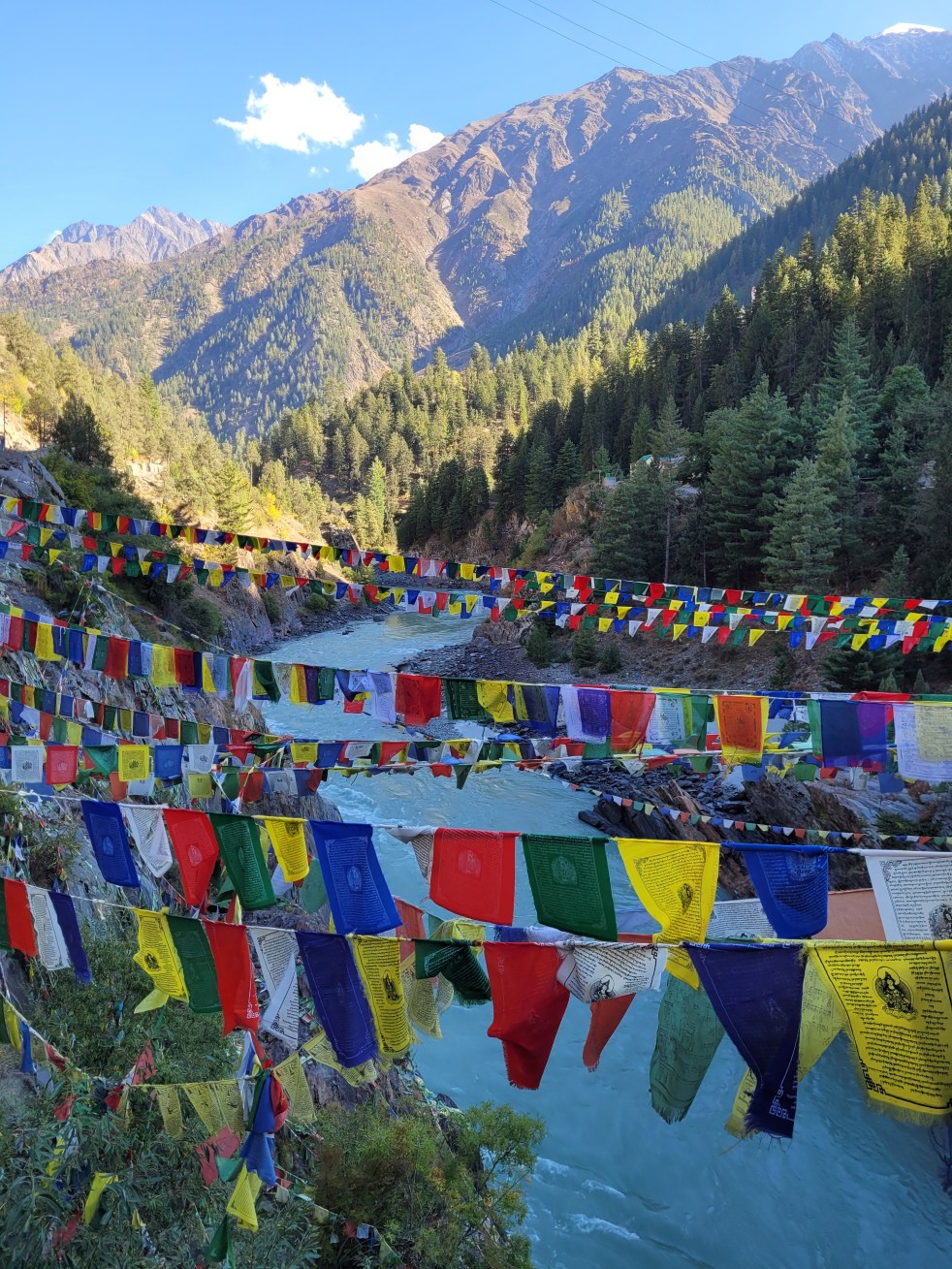
Infrastructure Projects in Chenab Basin and Climate Change: Need to Exercise Caution
The current developments around Indus Waters Treaty are deeply troubling. Following the heinous attack on tourists in Pehelgam, India has announced that Indus Waters Treaty, the only water sharing mechanism between India and Pakistan put in place in 1960, has been put in abeyance.
Continue reading “Infrastructure Projects in Chenab Basin and Climate Change: Need to Exercise Caution”
The Moon River: People’s Story of Chenab
Chenab, which translates as the Moon River is the largest of the five tributaries of River Indus. It flows for about 974 kilometers from the High Himalayas of Lahaul to the forests of Jammu and Kashmir and onto the plains of Pakistan. Its main tributaries in India include Miyar, Marusudhar and Tawi. In the vast plains of Punjab in Pakistan, it is met by Jhelum, Ravi and Sutlej to form the mighty Panjnad before it meets the Indus. Its catchment, spread across 67,430 km2, is shared between the two countries.
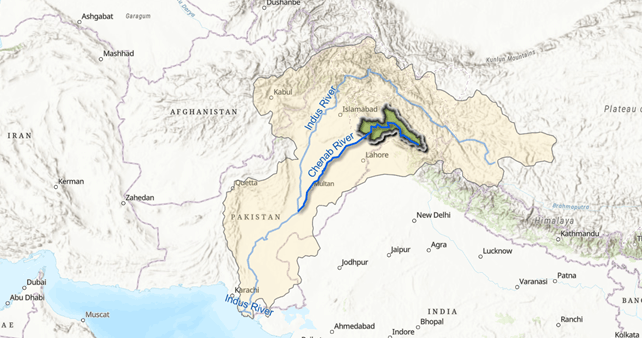
Chenab is Chandrabhaga (Crescent Moon) in its headwaters. It was the River Asikni in Rigveda, and the Acesines for the ancient Greek. From sparse mountain settlements of Lahaul to the bustling urban centers of Sialkot, more than 10 million people live and prosper along the Chenab. Hydropower projects operational and under constructions on the river have an installed capacity of more than 5000 MW (Central Electricity Authority 2024), and its canals irrigate hundreds of thousands of acres in Pakistan and India (Shakir et al).
Continue reading “The Moon River: People’s Story of Chenab”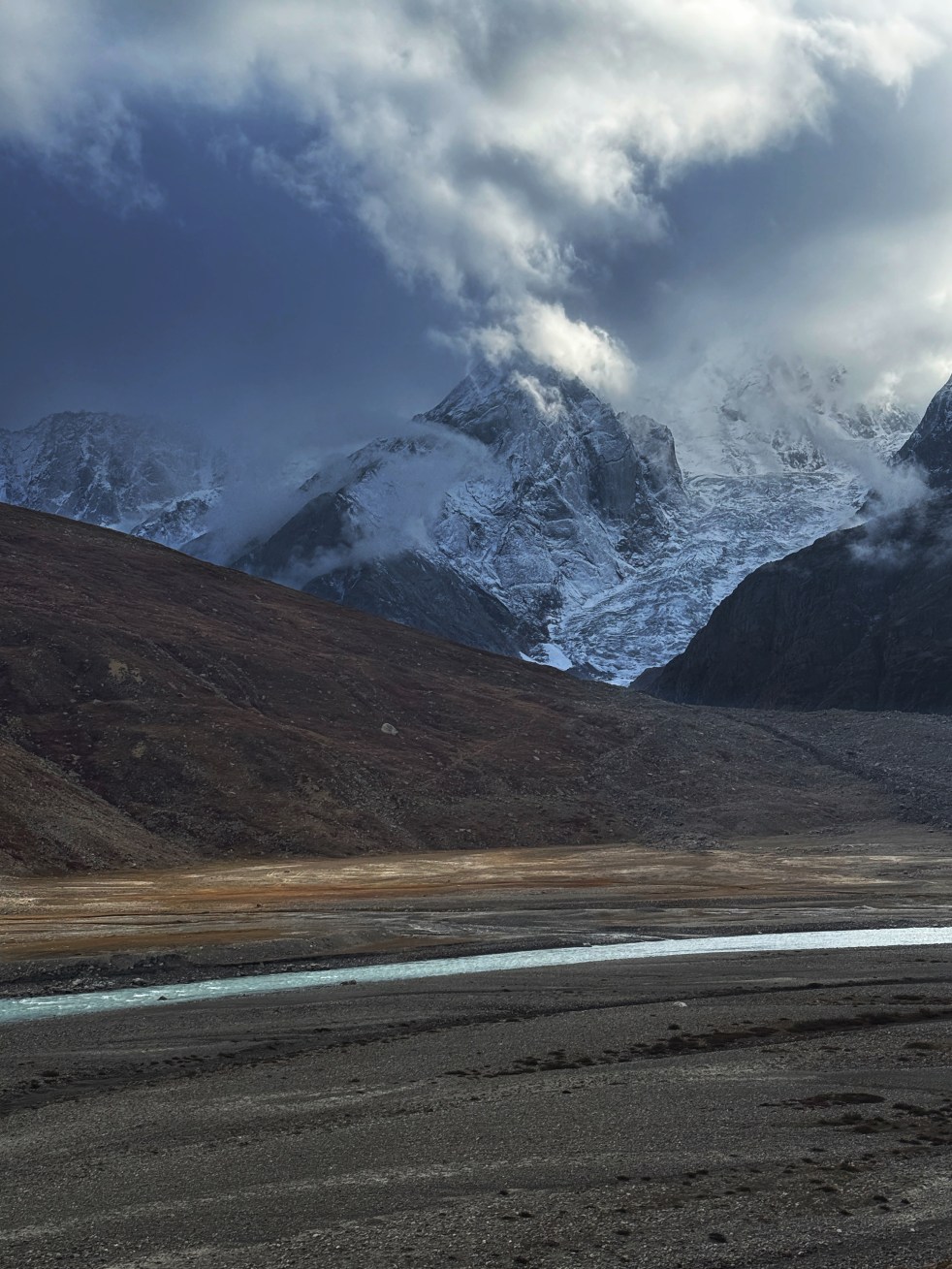
Hydropower-GLOF Nexus in Chenab Headwaters: Absence of credible studies and accountable governance
Increasing incidences of Glacial Lake Outburst Floods (GLOFs) are being experienced in the Indian Himalayas. One of the most notable examples of GLOF was the Chorabari Lake GLOF that occurred on 16th June 2013 in Kedarnath, Uttarakhand[1] which was triggered by heavy rainfall induced mass movements into the lake. The GLOF devastated villages of Kedarnath, Rambara, and Gaurikund. Around 6,000 people were officially killed, and a significant number of the deaths were linked to the GLOF. Countless bridges and roads were washed away, and about thirty hydropower plants were affected or completely devastated. Several Hydropower projects resulted in exponential losses to life and livelihoods. Whole of Uttarakhand was affected in the disaster, and a significant proportion of it was related with GLOF.
Continue reading “Hydropower-GLOF Nexus in Chenab Headwaters: Absence of credible studies and accountable governance”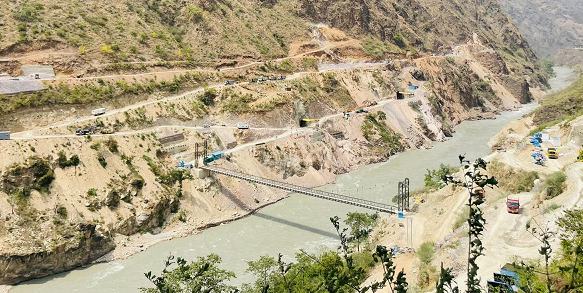
2024: Corruption in Hydro, Dams in India
(Feature Image: Construction site of 382 Mw Sunni Hydro project on Sutlej river in Himachal Pradesh. Source: Social Media)
This annual overview focusses on important reports highlighting the corruption issues related to the hydro and dam projects in India in 2024. The electoral bond case has revealed the deep nexus among political parties, contractors and financers as dominant force working behind the projects overlooking the evident disaster risks and undermining the democratic process. As a result, the people, rivers and environment are made to bear the burden and burnt.
The part 1 of the yearend roundup has documented the accidents and disasters related to dam and HEP projects in India in 2024. The part 2 focuses on community resistance against hydro projects in Himalayan states. The part 3 covers the struggle of dam projects affected people. The part 4 highlights growing concerns against pump storage projects.
Continue reading “2024: Corruption in Hydro, Dams in India”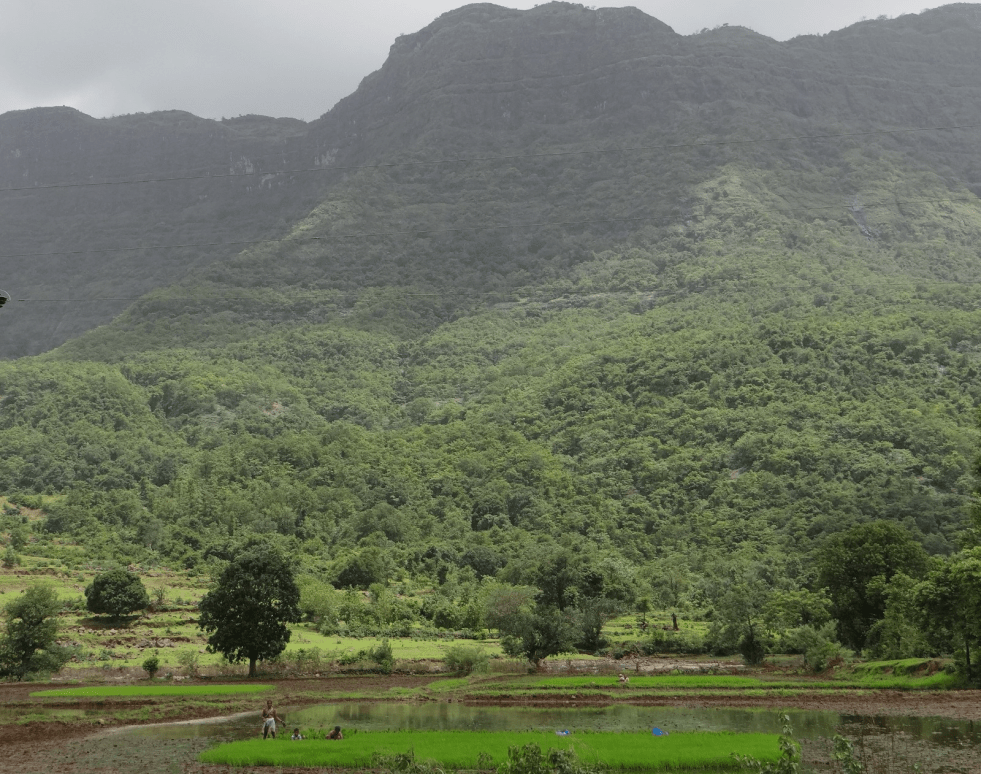
Letter to the EAC: No justification for Adani Dams in the Western Ghats
28.11.24
To,
The Chairperson and Members,
Expert Appraisal Committee, River Valley Projects,
Ministry of Environment, Forests and Climate Change
New Delhi
Subject: Submission against 1500 MW Warasgaon Warangi Pumped Storage Project by Adani Green Energy to be discussed in the 19th EAC meeting for TORs
Respected Sirs,
We see that Adani Green Energy’s 1500 MW Warasgaon-Warangi Pumped Storage Project is being considered for fresh TORs in the upcoming meeting of the EAC. We have gone through the documents uploaded by the proponent (AGEL) on MoEF CC’s Parivesh Website.[1]
Continue reading “Letter to the EAC: No justification for Adani Dams in the Western Ghats”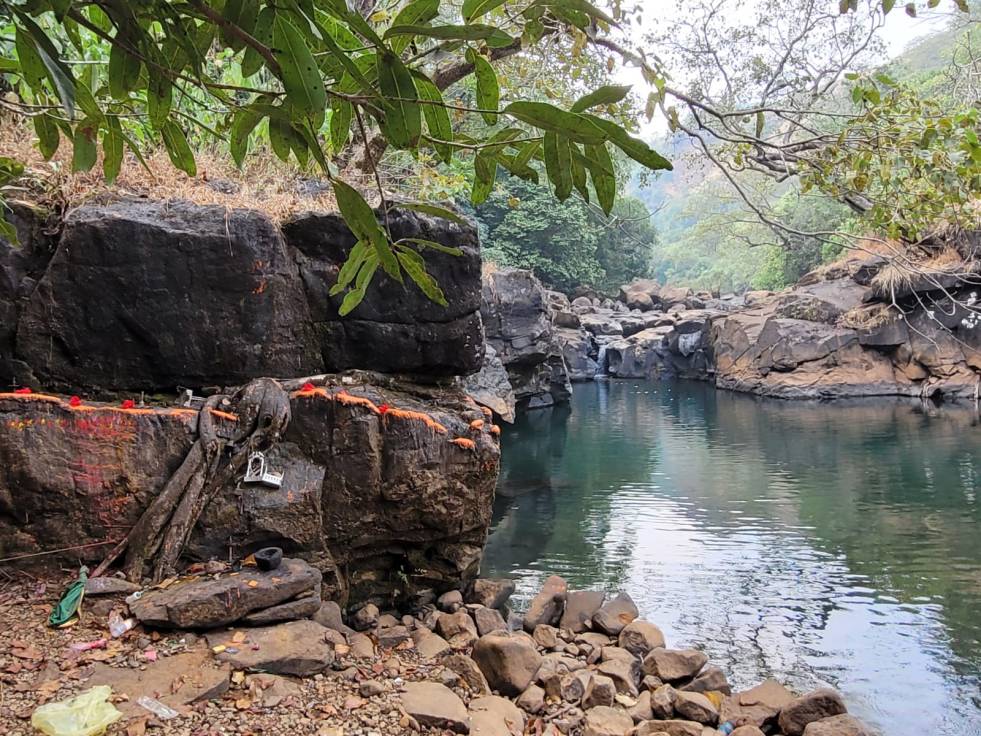 MoEF Committee Rejects the Adani Application and asks to apply afresh for Warasgaon-Warangi Project!
MoEF Committee Rejects the Adani Application and asks to apply afresh for Warasgaon-Warangi Project!
In a respite to forest dwelling communities, fragile biodiversity and community conservation areas in the Western Ghats, Expert Appraisal Committee (EAC) of the Union MoEF (Ministry of Environment and Forests) rejected Adani Energy’s application for 1500 MW Warasgaon-Warangi Pump Storage Project. The committee has asked the proponent to apply afresh for Stage I Clearance, adding several conditions to assessment.
Continue reading “MoEF Committee Rejects the Adani Application and asks to apply afresh for Warasgaon-Warangi Project!” SANDRP