Environment Impact Assessment · Ministry of Environment and Forests

Draft EIA Notification 2020: Dilutes EIA process & encourages violations

Guest Blog by Amruta Pradhan

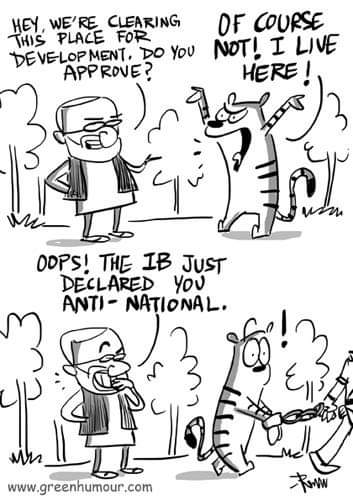
The Ministry of Environment Forests and Climate Change (MoEFCC) has issued Draft Environmental Impact Assessment (EIA) Notification 2020 in March 2020. The opening paragraph of the draft notification 2020 states that the purpose of the notification is “imposing certain restrictions and prohibition” on the development projects. The purpose of amending the notification is said to “make the process more transparent and expedient”. However, as one reads through the 83 paged verbose notification and puts several pieces of the proposed amendments together, it becomes more and more clear that the purpose is in fact dilution of the EIA process, protecting the project proponents from any kind of public scrutiny, covering up for the violations and making the Environmental Clearance (EC) process more and more non-transparent, undemocratic, unjust and unaccountable. Continue reading “Draft EIA Notification 2020: Dilutes EIA process & encourages violations”

Dams · DRP News Bulletin

DRP: 22 June 2020: Seven years after Uttarakhand Disaster: Any lessons learnt?

This past week we just completed seven years since the worst ever flood disaster in Himalayas, the Uttarakhand-Himachal Flood disaster that got launched with the massive unseasonal rainfall during June 15-17, 2013, along with the Glacial Lake Outburst Flood from Chorabari glacier upstream from Kedarnath. It was a massive wake up call.

To briefly recall, that unprecedented rainfall occurred when monsoon had not even set in Uttarakhand and neighbouring Himachal Pradesh. The first thing that strikes about this disaster where by official accounts over 6000 people died and by unofficial accounts over 20 000, is that we do not even have a comprehensive report from the government about this disaster. It would have told us a lot of things, including what we can learn from this disaster.

Second big thing that strikes is that big dams and hydropower projects, both due to their construction and operation impacts, both completed and under construction projects played a big role, as brief SANDRP video films in English and Hindi shows. But we continue to play with the Himalayas, the Ganga and lives of the lakhs of people by pushing more dams and such destructive activities (e.g. Char Dham Highways) in the fragile mountains without even honest impact assessments.

Continue reading “DRP: 22 June 2020: Seven years after Uttarakhand Disaster: Any lessons learnt?”
Dams · Sand Mining

Telangana Riverbed Mining 2020: Tribals, Godavari robbed

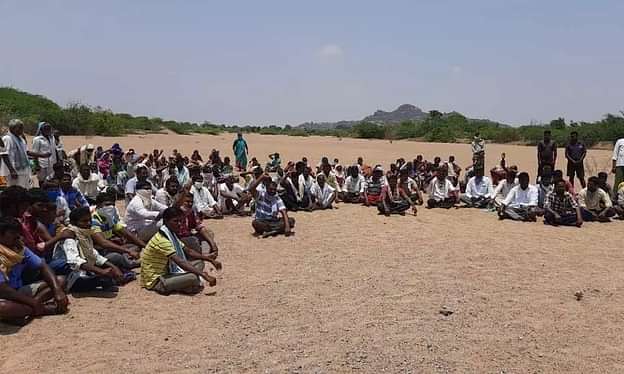
In 2019 overview, we found at least three people had died in Telangana due to illegal sand mining related incidents amid growing number of cases of illicit excavation of riverbeds. The state govt was seen laying stress on technological solutions to curb illegal sand mining and even reportedly had taken significant steps towards manufacturing and use of M-sand as a viable alternative, while its viability and impacts on environment during production remain to be fully studied and understood.  https://sandrp.in/2019/02/26/sand-mining-2018-telangana-and-andhra-pradesh/ Here we track the key developments in the state since then.

Continue reading “Telangana Riverbed Mining 2020: Tribals, Godavari robbed”

Dams · Sand Mining

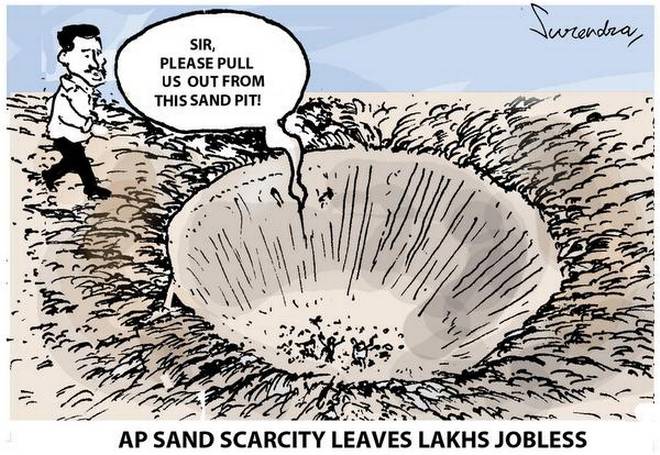
Andhra Pradesh Riverbed Mining 2020: Quicksand of mismanagement

In 2019 overview, we saw the state of Andhra Pradesh experiencing all the key problems associated with sand mining; growing demand and prices, inadequate supply, illegal excavation affecting rivers and villagers and inactive govt bodies. Reports revealed Krishna and Vamasdhara rivers facing large scale mechanized mining while indiscriminate mining in Nagavali river affecting drinking water schemes in Regidi mandal. Srikakulam district and beaches particularly suffered.

There were reports showing political parties involved or facilitating illegal mining. Like other states, the Andhra govt was seen rallying on technological solutions to manage the mining. https://sandrp.in/2019/02/26/sand-mining-2018-telangana-and-andhra-pradesh/

The following overview since then show a whole range of developments. Unsustainable excavation of riverbed minerals & mismanagement show no end.

Continue reading “Andhra Pradesh Riverbed Mining 2020: Quicksand of mismanagement”

Dams · DRP News Bulletin

DRP: 15 June 2020: Athirapally, Bodhghat, Cauvery, Dibang, Etalin: New growth alphabets from the PMO?

A for Athirapally, B for Bodhghat, C for Cauvery, D for Dibang, E for Etalin, seems to be the new growth alphabets from the Prime Minister’s Office. With the economic growth in negative territory, depression in the corner, the old and trusted Big Dams as major infrastructure to push up expenditure and hope for the growth was a formula used even in 1930s by US president Franklin D Roosevelt to bring the US economy out of the Great depression of 1929. It started with the Tennessee Valley Authority Act of May 1933, which then was pushed as growth model to other countries. In India it came in the form of Damodar Valley Corporation (DVC) Act of 1948.

However that 20th century model was a failure even then, as the first CEO of the DVC, Sudhir Sen wrote. That model is no longer relevant in 21st century except possibly as an easy route to corruption and kickbacks. These dams and hydropower projects are no longer even economically viable and better options are now available for irrigation and power. In the changing climate scene they are even less relevant places of worship (temples). Dams and hydropower projects are seeing slow down across the globe, not just in India.

Continue reading “DRP: 15 June 2020: Athirapally, Bodhghat, Cauvery, Dibang, Etalin: New growth alphabets from the PMO?”
Dams · Sand Mining

Tamil Nadu Sand Mining 2020: Persistent Court can’t shake indifferent govt

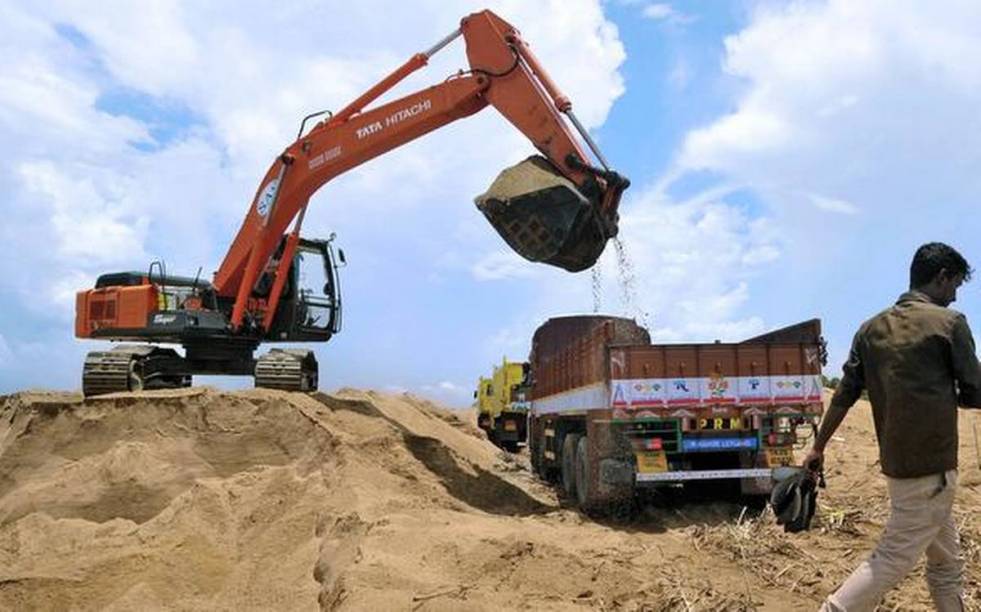
[Feature Image: Vital resource; Nearly 80% of the State’s output of river sand comes from quarries on the Cauvery and Coleroon rivers in Karur and Tiruchi districts. File photo Credit: M. Moorthy/The Hindu]

The 2019 overview for Tamil Nadu showed that the illegal sand mining incidents, protests, govt actions and court orders kept taking place concurrently. It revealed involvement of govt official in illegal sand extraction activities. In fact, sand mining was reportedly among reason leading to collapse of 185 year old regulator on Kollidam river. Also one officials and two citizens lost their lives in illegal mining related incidents.

Sandhya Ravi Shankar who revealed the gross violations of norms and irregularities in beach sand mining faced defamation cases, threats and stalking. Govt efforts to promote of M-sand & imported sand as alternative to river sand didn’t help.

Continue reading “Tamil Nadu Sand Mining 2020: Persistent Court can’t shake indifferent govt”

Dams · Sand Mining

Karnataka Sand Mining 2020: Active Collector, Destruction of fish sanctuary & calm collection

Feature image: Extraction of sand from the banks of the Tunga near Chibbalagudde in Tirthahalli taluk posing a threat to the fish sanctuary that hosts 27 species of fish. (The Hindu)

2019 Karnataka sand mining overview showed that the incidents of illegal sand mining were on the rise, state was reportedly consuming around 70 MT (Million Tons) sand annually while the govt was able to produce 30 MT. The govt was losing about Rs 200 crore to illegal sand mining, while about 29,000 cases of illegal stone quarrying and sand mining were detected in past 3 years. Towards the end of 2018, the govt was seen working on 4 separate mining policies for sand, granite, building material and stone crushers to stop the revenue losses.

There were discussions in govt circle promoting M-Sand and importing sand from Malaysia. M-Sand was being produced in 18 districts of state. However there was no clarity on its quality and usage. MSIL had imported 8000 T of sand and sold half of it. Despite facing sand dearth, the govt in Sept. 2018 decided to send imported sand to Kerala. About 0.15 MT Malaysian sand was stuck at two ports.

Continue reading “Karnataka Sand Mining 2020: Active Collector, Destruction of fish sanctuary & calm collection”

Dams · DRP News Bulletin

DRP: 08 June 2020: Banda Satyagaraha shows tip of the Sandberg

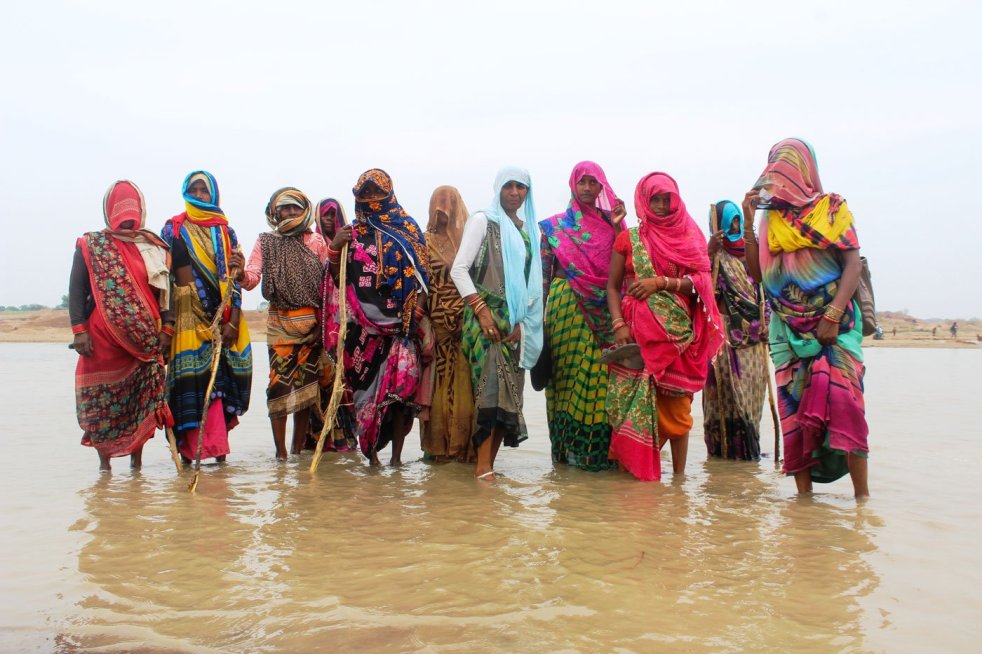
Feature image: Women in Banda performing Jal Satyagrah against illegal sand mining in Ken river. (PARI) 

Sand mining menace has been a very dark spot on India’s governance. It affects not just the river beds or flood plains, but also water security, livelihood security, biodiversity, groundwater recharge among many other aspects. Banda Satyagarah provides a striking picture to highlight this issue, but the worrying fact is that we have no real sustained positive story on this front. Even major interventions by the highest judiciary has completely failed to make any major dent on ground.

SANDRP has been bringing out statewise updates on sand mining issues for several years now as we continue to do this year too, with the link to Kerala sand mining 2020 overview can be found below. These overviews make a rather dismal readind state after state, year after year. Occasionally we get stories like the NOIDA collector Durga Shakti Nagpal fighting sand miners in 2013 or 17 year girl from Kerala awakening us in 2018 or Sandhya Ravishankar getting Goenka award for exposing the Sand mining nexus in Tamil Nadu in 2019 or now the Banda women waking us up to this dark reality. Will we wake up to our collective failure in dealing with this SANDBERG?

Continue reading “DRP: 08 June 2020: Banda Satyagaraha shows tip of the Sandberg”
Dam floods · Maharashtra

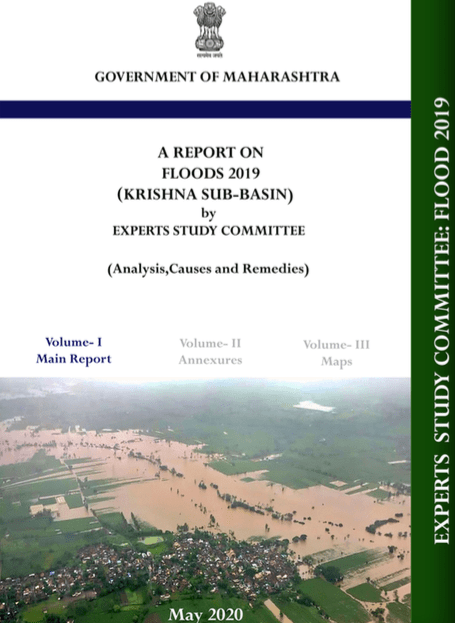
Maharashtra Upper Krishna Basin Flood 2019 Vadnere  Committee-2: A report with “difference”!

Guest Blog by Pradeep Purandare

SANDRP published my article entitled “Maharashtra Floods 2019: Don’t waste the crisis” on 26th May 2020.In that article I had explained the reasons behind my resignation from the Flood Study Committee. Exclusion of my chapter from the committee’s report was one of the reasons. Now, the said report is available in public domain & surprisingly enough, it includes my chapter; thanks to SANDRP!

In this note, I would like to draw the attention of all concerned towards the erroneous data, strange analysis & weird logic employed by the Vadnere Committee-2 in its report without discussing the serious issues in the committee meetings. Continue reading “Maharashtra Upper Krishna Basin Flood 2019 Vadnere  Committee-2: A report with “difference”!”

Groundwater · Ken River

Groundwater in Bundelkhand: Unique geological features in upper Ken River catchment need to be conserved

Guest Blog by Seema Ravandale, People’s Science Institute, Dehradun

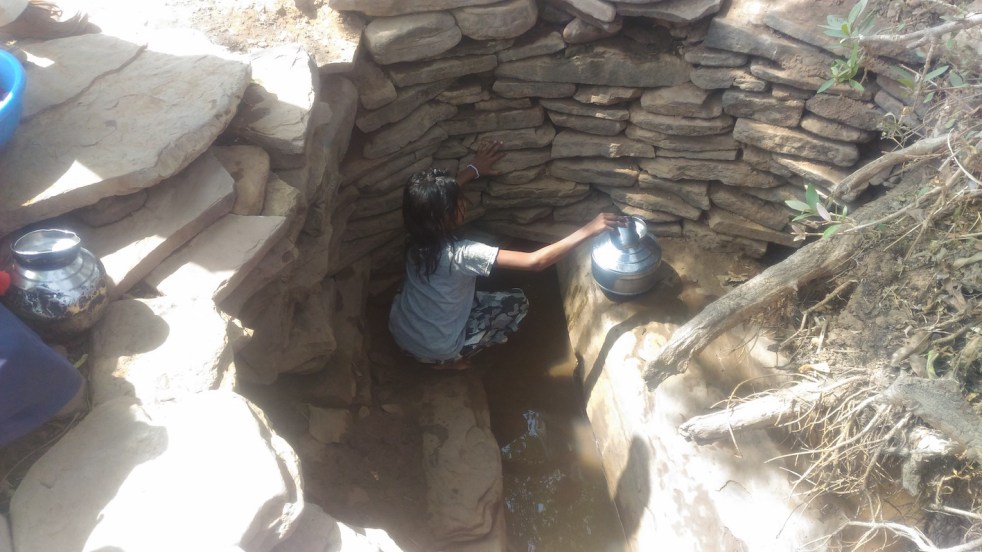
Kathayi (Shahnagar, Panna district), a ST (Scheduled Tribe) dominated village with 75 household amid the forested area of Shahnagar block, faces acute water scarcity during summer season – almost for 3-4 months. Under the government schemes, three wells and two hand pumps were installed in last 10-15 years, but most of them are dysfunctional. The problem becomes acute in the months of May-June, when there is a shortage of water everywhere and only perennial spring in the village supplies drinking water to 75 families. Women have to spend whole night queueing to fetch water. After a lot of perusal, water tanker was provided by Gram Panchayat, but supply is intermittent. Continue reading “Groundwater in Bundelkhand: Unique geological features in upper Ken River catchment need to be conserved”