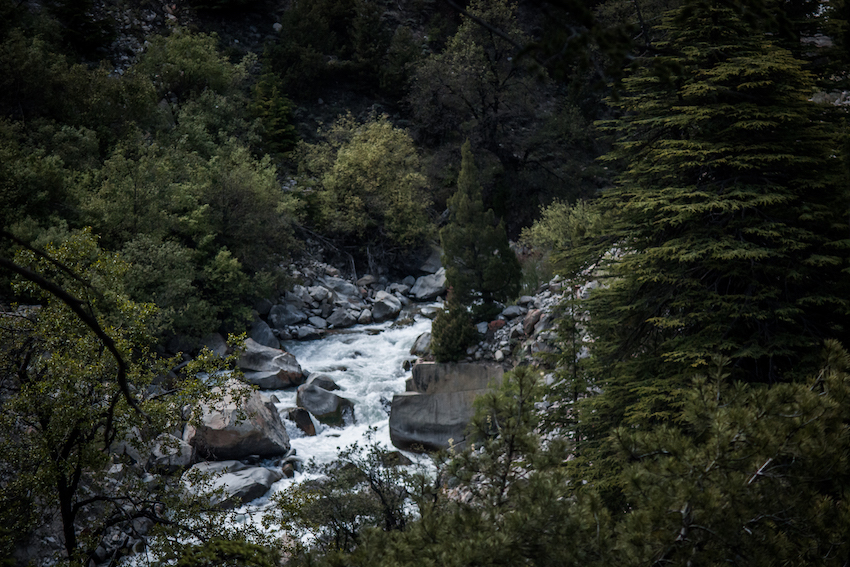
On the 30th of April 2020, a large portion of a steep mountain in Kinnaur district of Himachal Pradesh slipped down to village Pangi destroying apple orchards and killing one Nepali migrant worker. This area in the high Himalayas, falling in the Satluj Valley, which is known for its geological and ecological vulnerability, is also the site of Stage 1 of the 243 MW Integrated Kashang Hydropower Project, which is already operational. Stage II, III and IV are yet to be constructed close to the same location and have faced massive opposition from the local tribal population on the grounds that these will spell doom for their lives, livelihoods and biodiversity. Continue reading “Integrated Kashang Hydropower project in geologically fragile and ecologically diverse, tribal area Kinnaur, Himachal”
Tag: Kinnaur
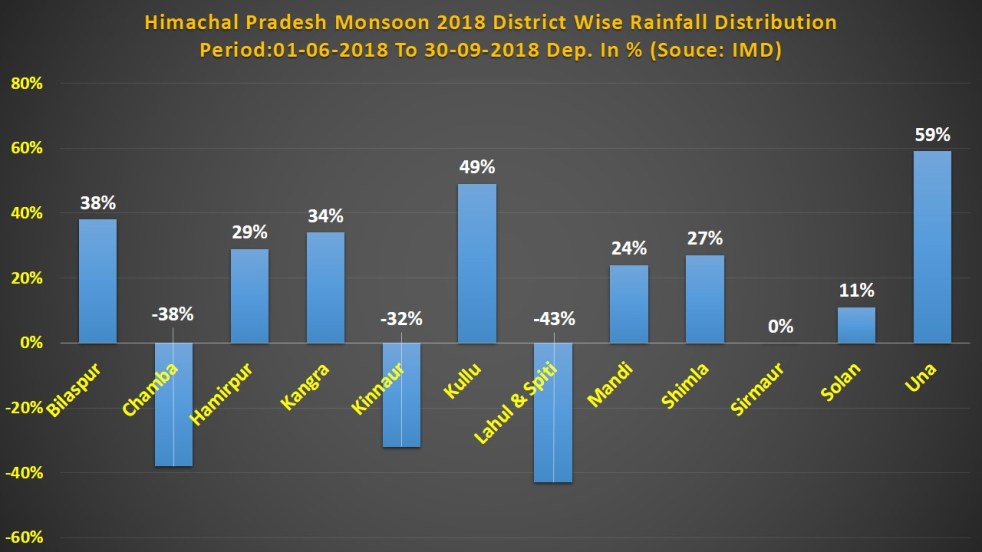
Himachal Pradesh Monsoon 2018 Overview
Himachal Pradesh has received 917.3 mm rainfall during South West Monsoon 2018. The amount is 11 percent higher than normal rainfall category of 825.3 mm. However at district level there is considerable variation in the distribution of rainfall. Out of 12 districts in the state, rainfall departure has been in deficit in three districts namely Chamba, Kinnaur and Lahul & Spiti by 38 percent, 32 percent and 43 per cent respectively. All these three districts are in upper part of Himalaya, the origin of many rivers & where mountains are mostly snow covered.
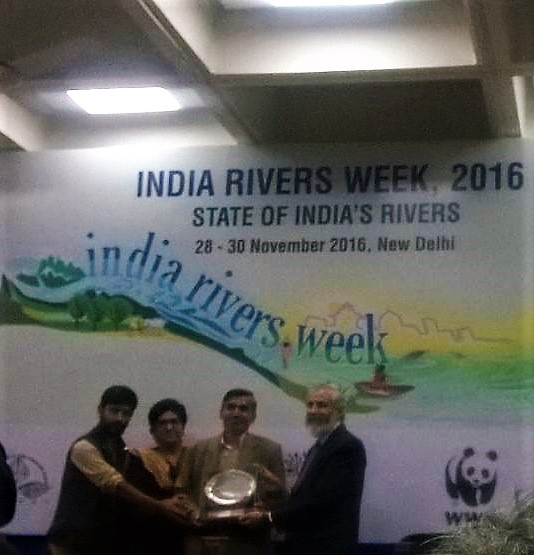
Bhagirath Prayas Samman: Himdhara Collective: Relentless Questioning and Doing
When I talk with Manshi, a friend and co-traveler from Himdhara Collective about Bhagirathh Prayas Samman that the collective received during the India Rivers Week 2016, she is modest, even slightly hesitant. She simply says, “We love the mountains, we want to protect them and help mountain communities fight the unequal battle against unplanned hydropower. That is one motivation of our work. But the other is recognition of the fact that we are privileged… privileged to be able to speak English, to work on a computer, to understand the bureaucratic procedures that alienate a tribal or forest dweller from her land. That understanding also drives us.”
Citation of Bhagirath Prayas Samman given to Himdhara Collective states: “Himdhara’s strength is its engagement with communities, movements and organisations. It has created an effective discourse around issues of resource distribution and their ownership and the resultant impacts on ecological spaces of mountain communities, especially vulnerable groups like indigenous people, dalits and women. It is an honor to recognize and celebrate Himdhara Environment Research and Action Collective’s extraordinary Bhagirath efforts in maintaining the integrity of rivers in Himachal Pradesh.”
In their own words, “Himdhara is an autnomous and informal non registered environment research and action collective, extending solidarity and support, in research and action, to people and organisations asserting their rights over their natural resources and agitating against corporatisation of these resources for destructive development in the state.”

A collective of young, passionate and questioning minds, Himdhara has been working with communities in far flung areas of Himachal Pradesh include Lahaul and Spiti and Kinnaur in their fight against the onslaught of ill-planned and bumper to bumper hydropower projects in Himachal, amongst other issues. Continue reading “Bhagirath Prayas Samman: Himdhara Collective: Relentless Questioning and Doing”

Kinnaur in crisis; Sheer Negligence in hydro projects claiming lives. Who is accountable?
Above: Entirely destabilised house next to 100 MW Sorang HEP transmission lines Photo: Sumit Mahar
Immediate Press Statement from Himdhara 02/12/15
In the last two weeks a half a dozen lives have been lost in the Kinnaur region alone in three separate incidents that have one thing in common – accidents at hydropower project sites. The first event took place in Burang village on the 18th of November 2015 where a penstock pipe burst of the 100 MW Sorang Hydro-electric project led to the death of three people. On 29th November, two labourers died in blasting operations in the 450 MW Shongthong Karchham project, some others were seriously injured. And on the same day in the Bhabha Valley, a young teacher lost her life in a landslide that occurred in the area. Continue reading “Kinnaur in crisis; Sheer Negligence in hydro projects claiming lives. Who is accountable?”

Sorang Hydropower disaster: Will we learn any lessons?
Google Earth Image of the Area
A burst in penstock pipe of 100 MW Sorang hydro power project (HEP) in Kinnaur, Himachal Pradesh have played havoc with the lives and livelihoods of people of Burang and surrounding villages. On surface it may look like an accident. But deeper look raises doubts about many systemic loopholes that allowed the siutation that led to the disaster. Let us see the shortcomings and negligence exercised by project proponent and state government which finally resulted in the fatal accident. We urge the Himachal Pradesh Govt., other governments where such projects are coming up and Central Electricity Authority, to constitute a monitoring cell to inspect quality of construction of ongoing HEPs and form adequate safety standards and enusre their strict implementation to prevent such mishaps from becoming a norm. Continue reading “Sorang Hydropower disaster: Will we learn any lessons?”
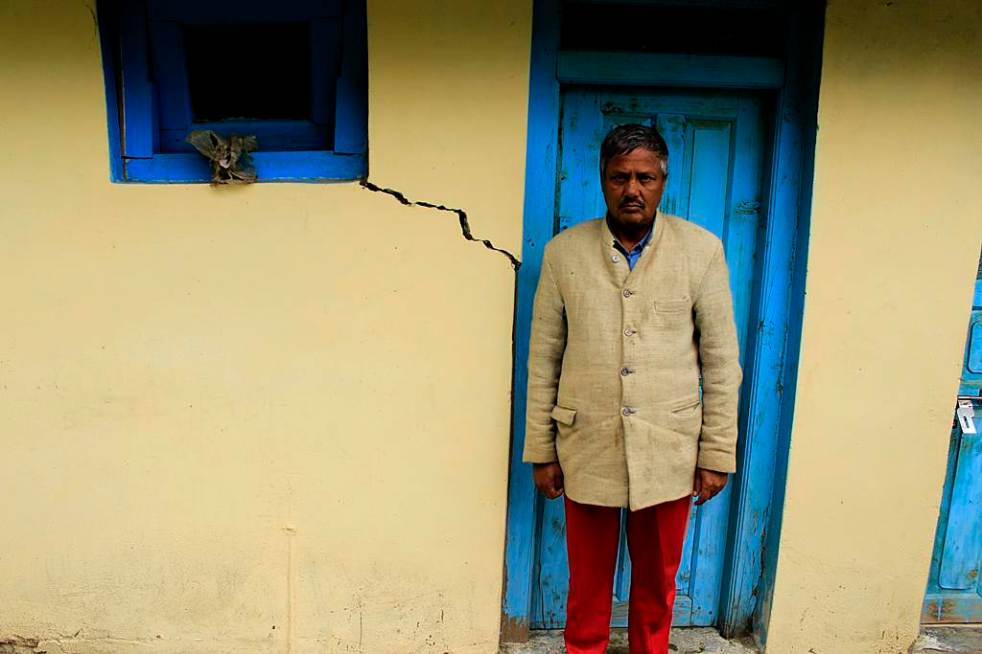
Photo Essay on the impacts of blasting and tunneling for hydropower projects in Kinnaur district in Himachal Pradesh – 2
Guest Blog by: Sumit Mahar (sumitmahar.12@gmail.com), Him Dhara Environment Research and Action Collective, Himachal Pradesh [1]
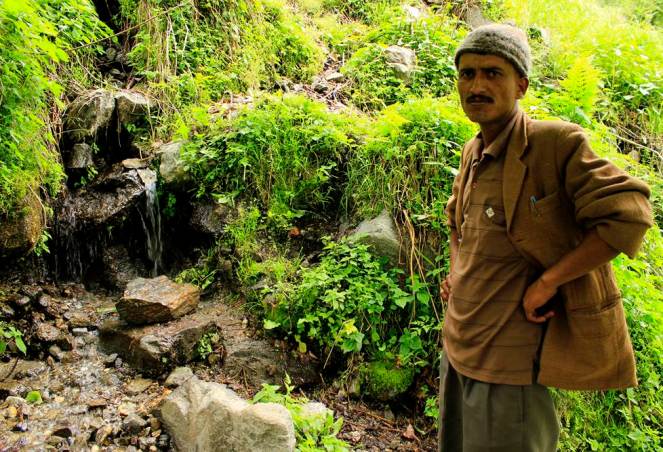
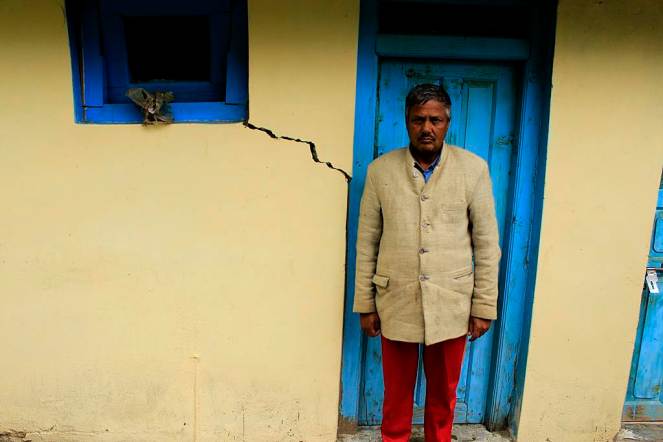
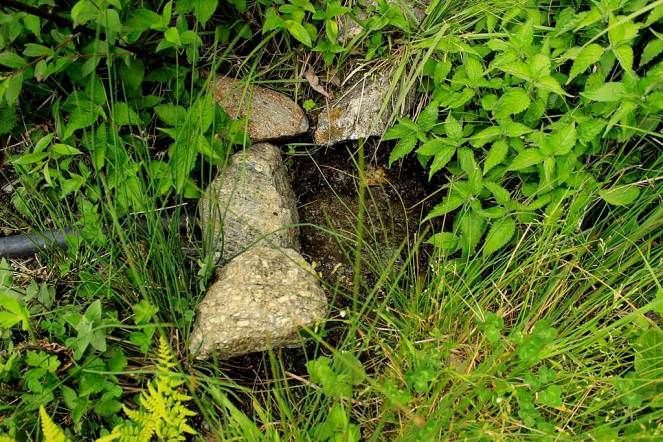
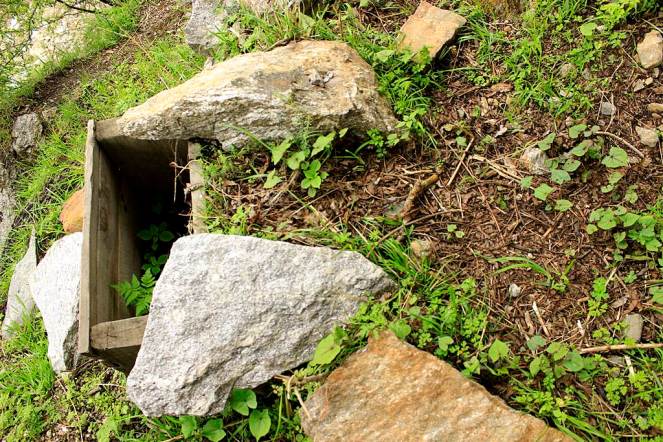
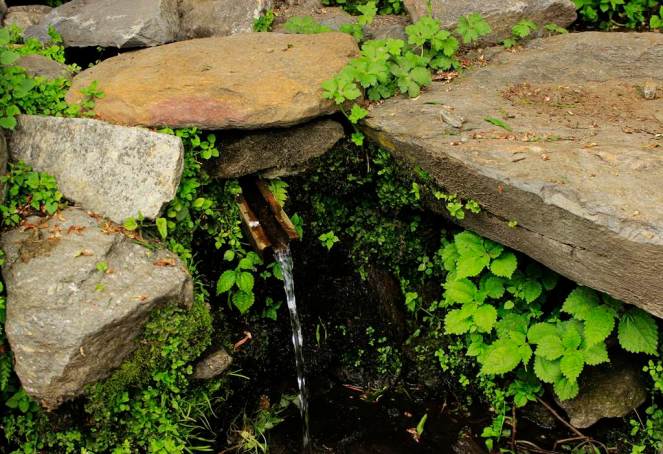
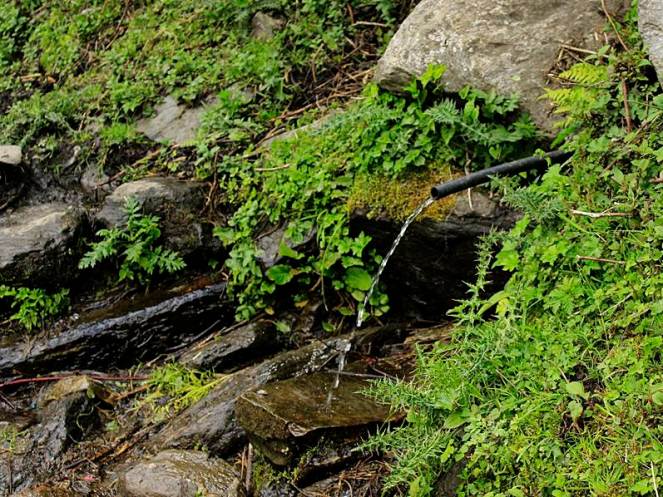
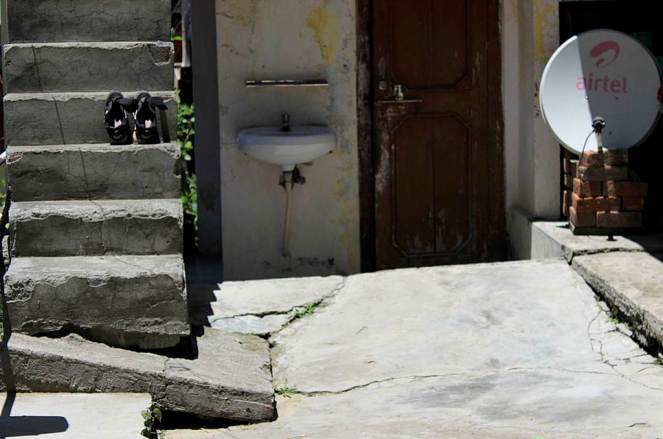
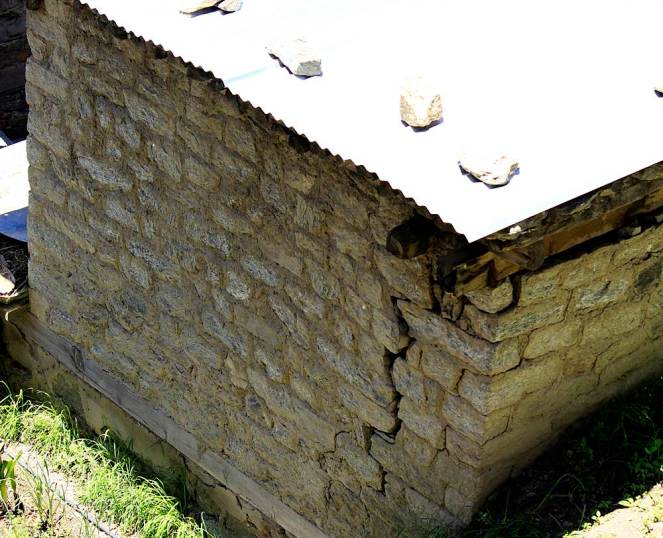
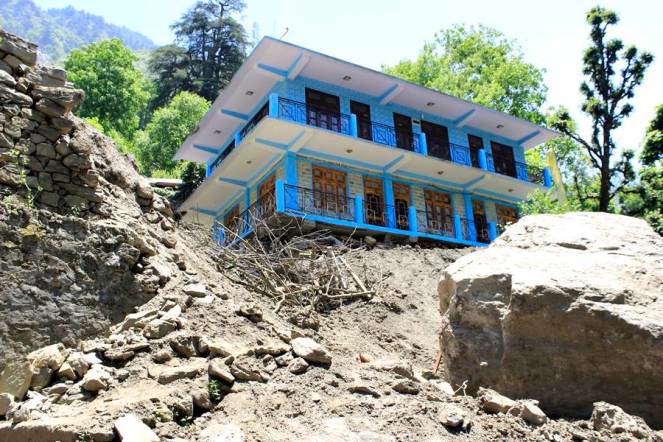
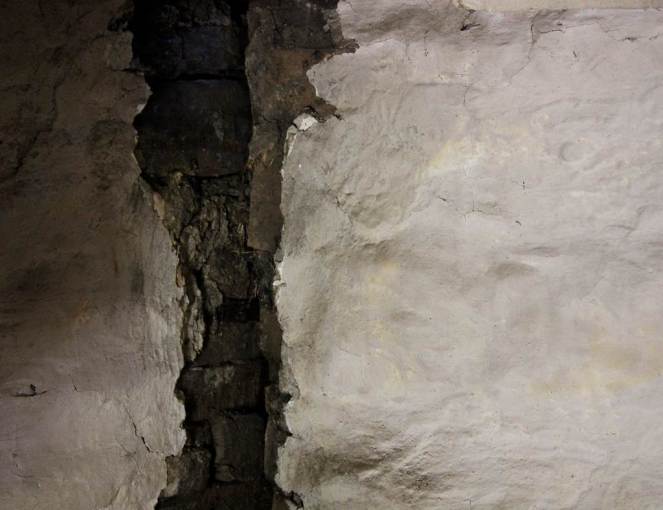
Tunneling for hydropower project using the blasting technique can have massive impacts. It has a series of direct and indirect impacts which have already been documented. Among the most serious impacts is drying up of the natural drinking water springs and the reduction in sub-soil moisture. This directly impacts the drinking water availability for the local villagers as well as agriculture and horticultural productivity, which is critically dependent upon the presence of sub-soil moisture. Blasting for tunnels and other underground components of hydroelectricity projects creates vibrations that have resulted in cracks in houses situated near these components.
Importance of impacts of tunneling and blasting becomes very important since all run of the river (ROR) projects involve tunneling and blasting. Proponents claim that ROR hydropower projects are environment friendly, but most people do not know that the tunneling and blasting adds an additional dimension to the impacts due to ROR hydropower projects and these can be very serious. Most environmental and social impact assessments or cumulative impact assessments do not even assess these impacts. Many times the proponent get away claiming that the impacts are not due to the projects, when in reality all evidence shows that these are very much caused by the tunneling and blasting being done as part of the construction of these projects.
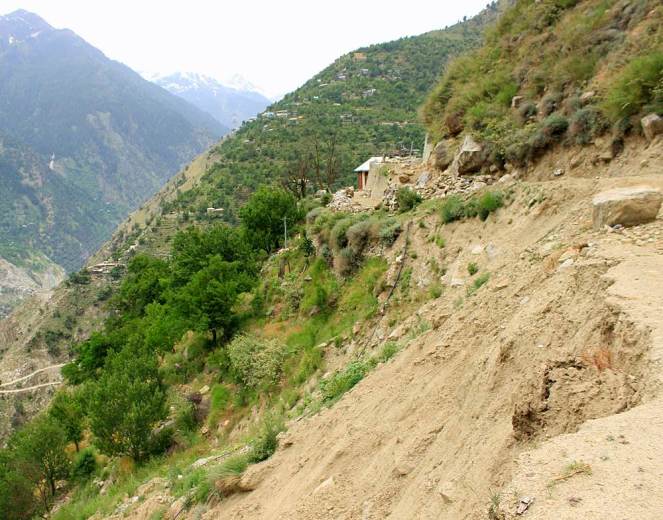
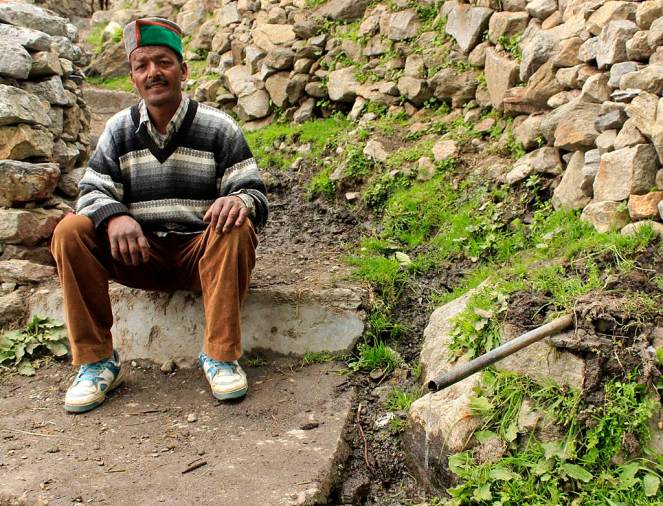
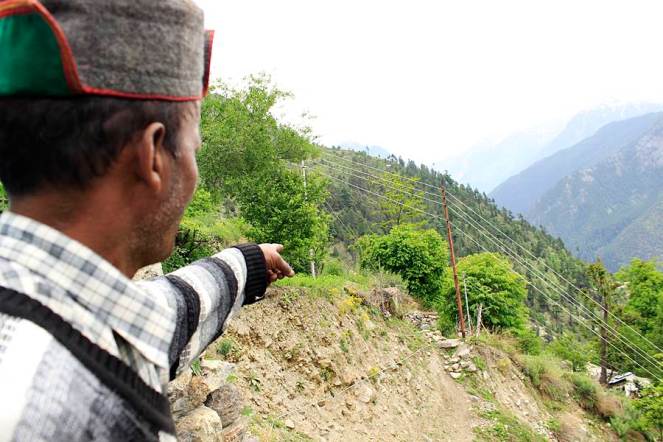
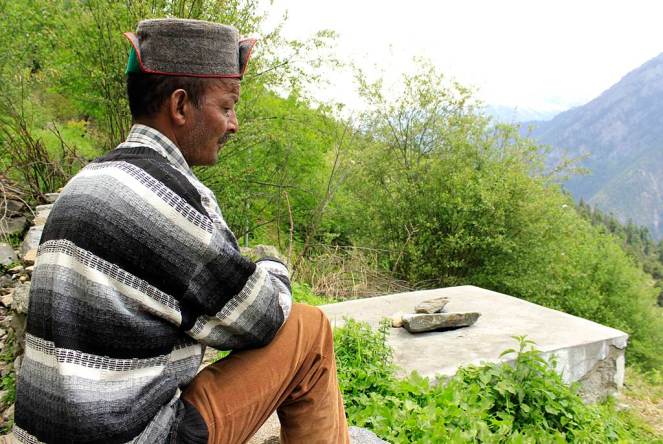
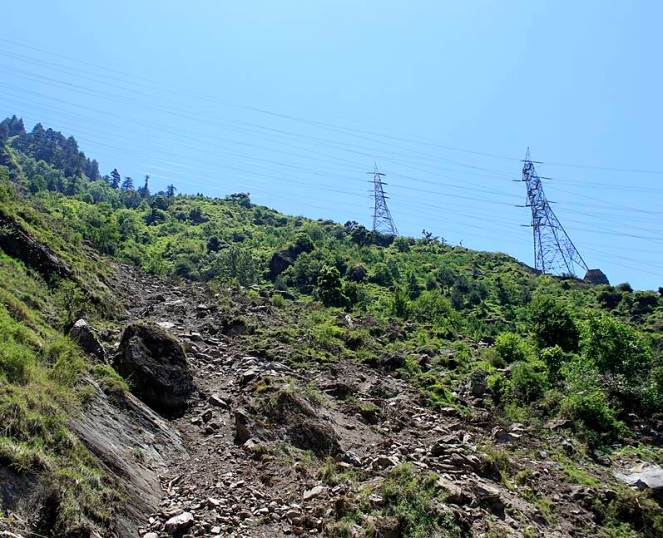
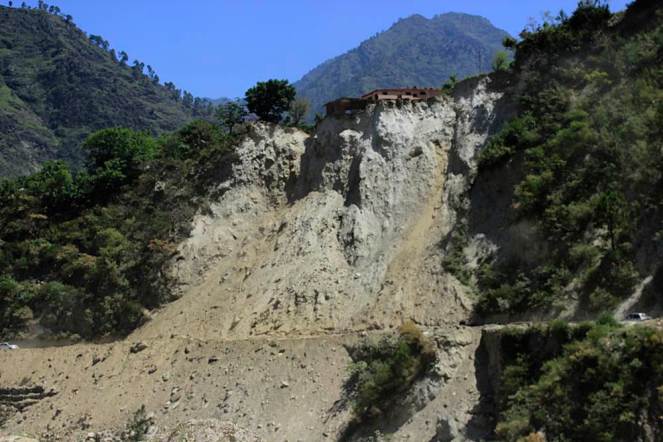
This photo essay documents the impacts of tunneling and blasting for hydropower projects mainly in Kinnaur (part 1 of photo essay does the same for projects in Chamba district) of Himachal Pradesh. In Kinnaur the photo essay includes such impacts of 1000 MW Karcham Wangtoo and 1500 MW Nathpa Jakhri hydropower projects.[2] It is noteworthy that impacts are not only limited to large hydropower projects, but also to what is defined as small hydropower projects (projects below 25 MW installed capacity). This should also help puncture the misconceived notion that small hydropower projects are environmental benign and they do not need environmental and social impact assessment, public consultations, appraisal, monitoring or compliance.
These photo essays are indicative of the kind of impacts tunneling and blasting can have in the process of building hydropower projects in the Himalayas. What they indicate is relevant not only for Himachal Pradesh, but entire Himalayas and all projects that involve such tunneling and blasting. We hope these photo essays open the eyes of state governments, Union Ministry of Environment, Forests & Climate Change, Union Ministry of Power, Union Ministry of Water Resources, Central Electricity Authority, state environment departments, hydropower developers, EIA consultants, chairman and members of Expert Appraisal Committee on River Valley Projects, media, judiciary, civil society and all others concerned.
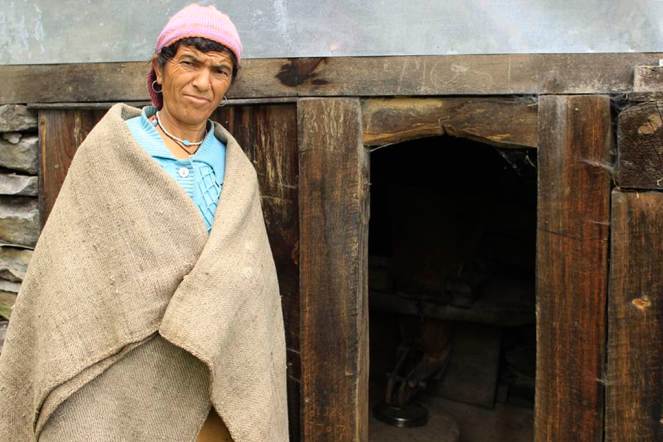
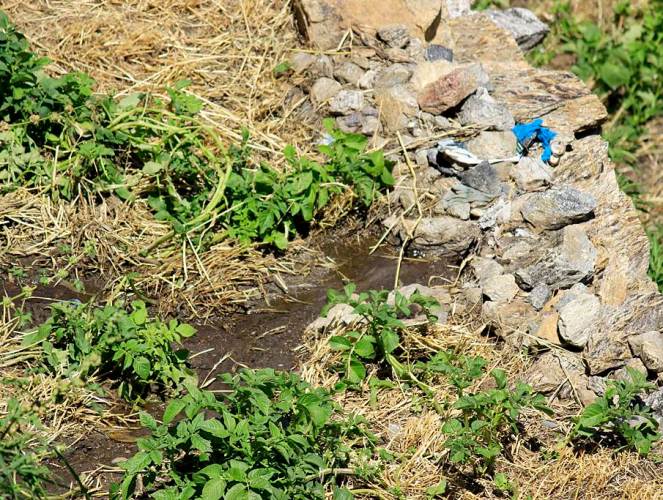
Karcham Wangtoo Hydro Power Project, Kinnaur
| Project | Jaypee Karcham Wangtoo HEP |
| Capacity (MW) | 1000 |
| Basin | Satluj |
| District | Kinnaur |
| Villages | Choling, Yulla, Urni, Runnag, Meeru, Chugaun |
| Pictures taken on | 25 May to 2 June 2014 |
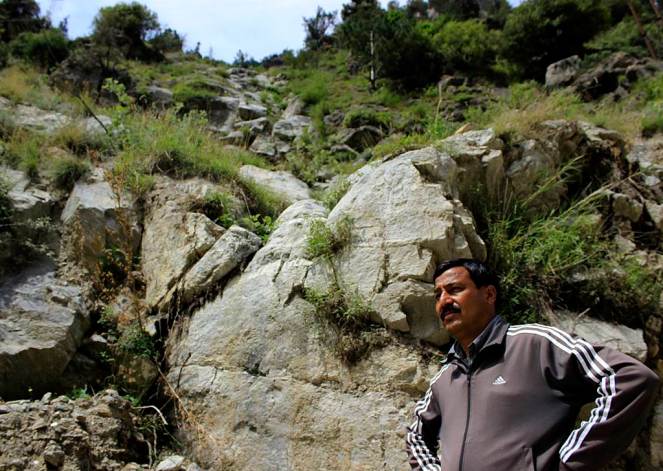
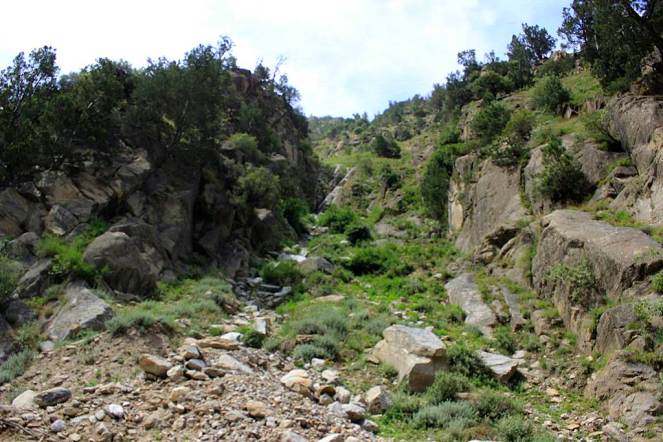
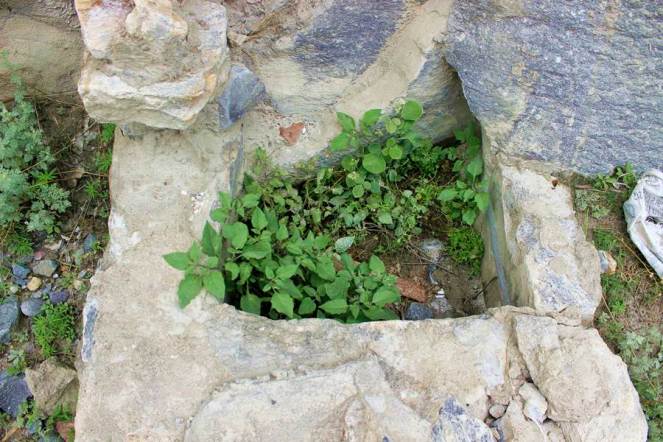
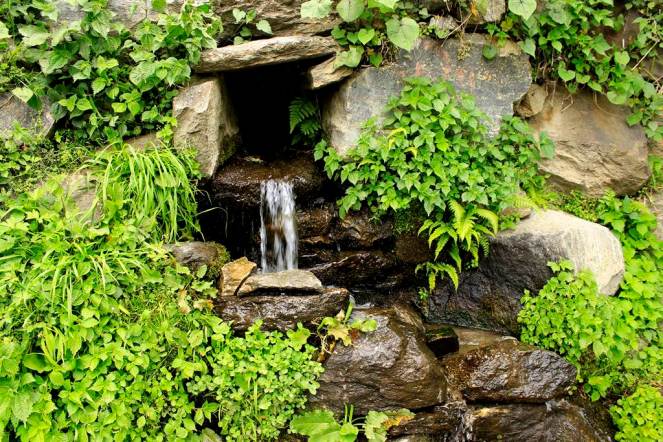
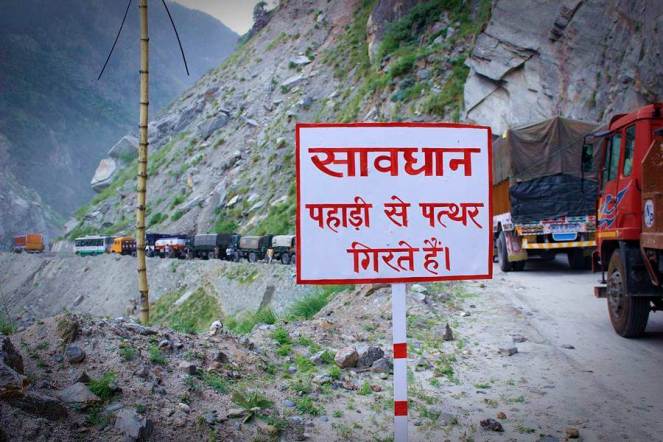
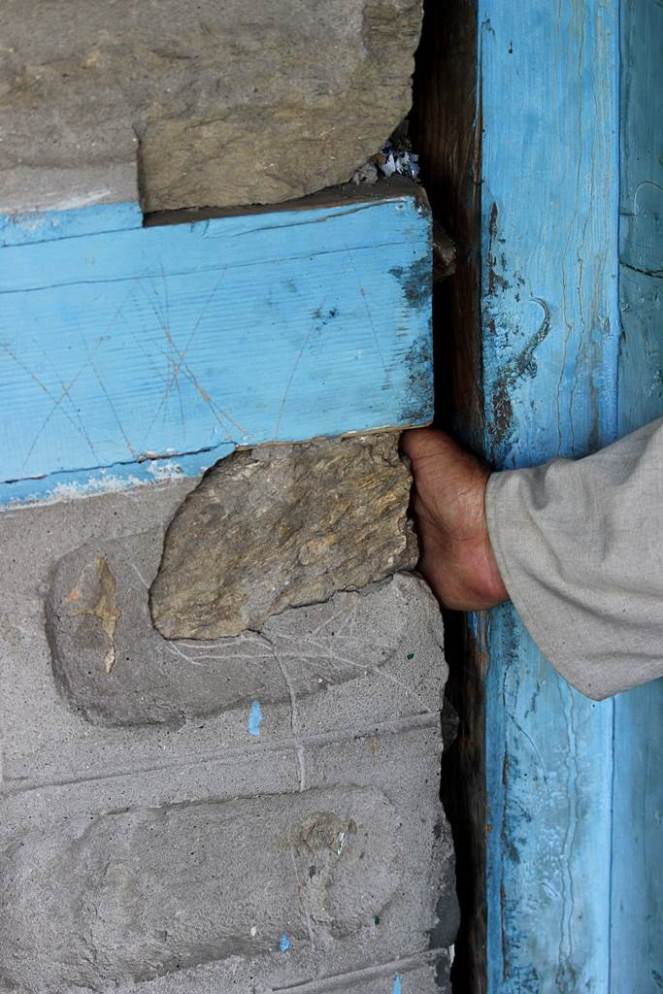
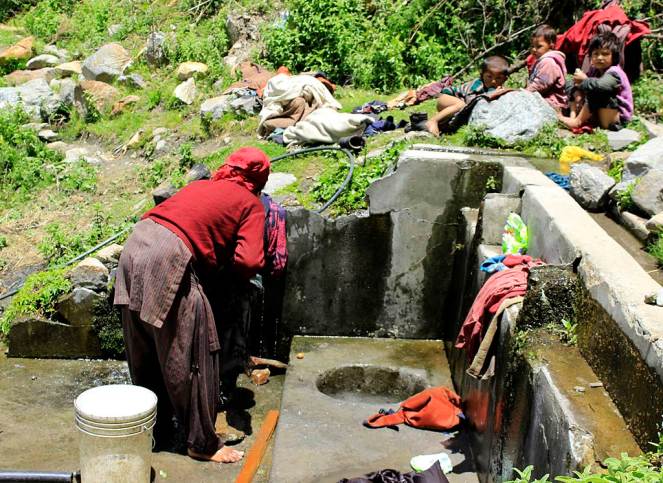
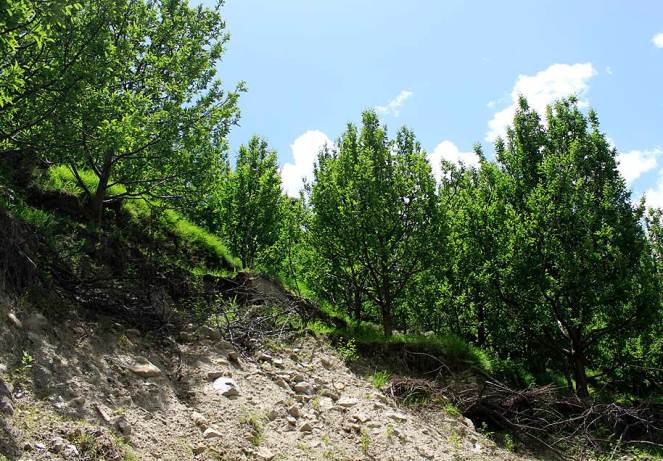
Nathpa Jhakari Hydro Power Project
| Project | Nathpa Jhakari HEP |
| Capacity (MW) | 1500 |
| Basin | Satluj |
| District | Kinnaur |
| Villages | Nigulseri & Jhakari |
| Pictures taken on | 29/05/2014 & 03/06/2014 |
For Part 1 of the photo essay related to tunneling impacts of hydropower projects in Chamba district, see: https://sandrp.wordpress.com/2014/10/01/photo-essay-on-the-impacts-of-blasting-and-tunneling-for-hydropower-projects-in-chamba-district-in-himachal-pradesh-1/
END NOTES:
[1] The photo blog also appears here: http://www.himdhara.org/2014/08/06/photo-essay-when-mountains-are-hollowed/
[2] For a detailed article on this issue, Seeping through the cracks, see: http://www.epw.in/web-exclusives/seeping-through-cracks.html
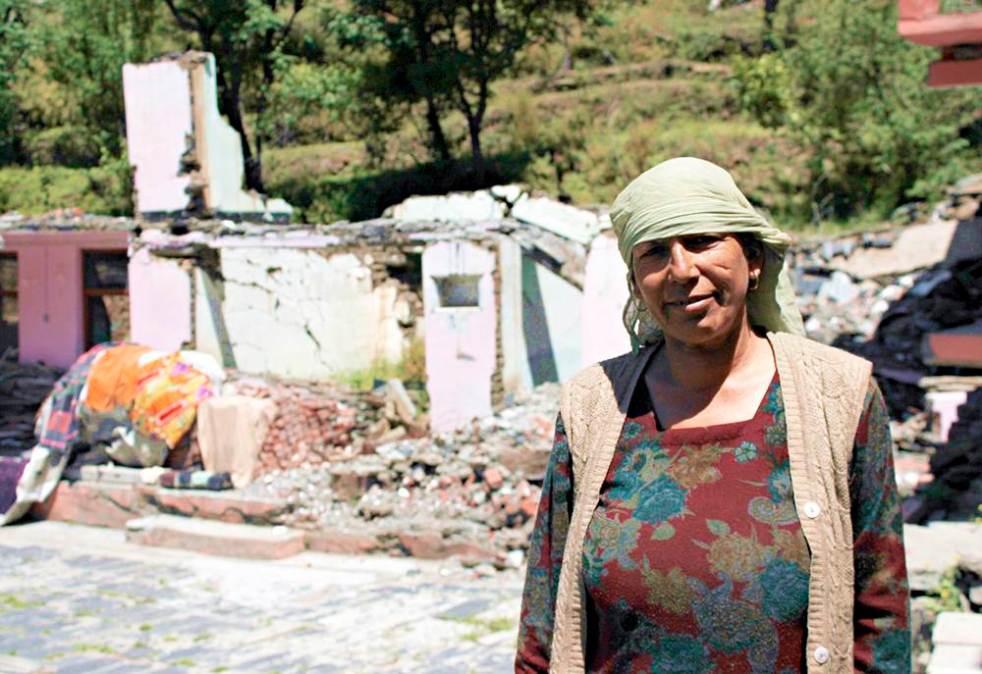
Photo Essay on the impacts of blasting and tunneling for hydropower projects in Chamba district in Himachal Pradesh – 1
Guest Blog by: Sumit Mahar (sumitmahar.12@gmail.com), Him Dhara Environment Research and Action Collective, Himachal Pradesh [1]
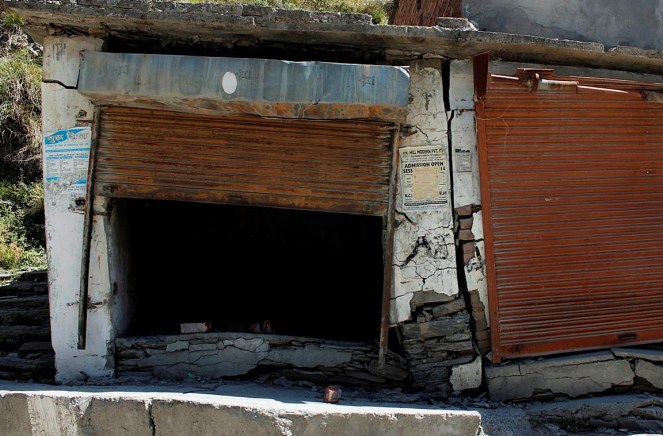
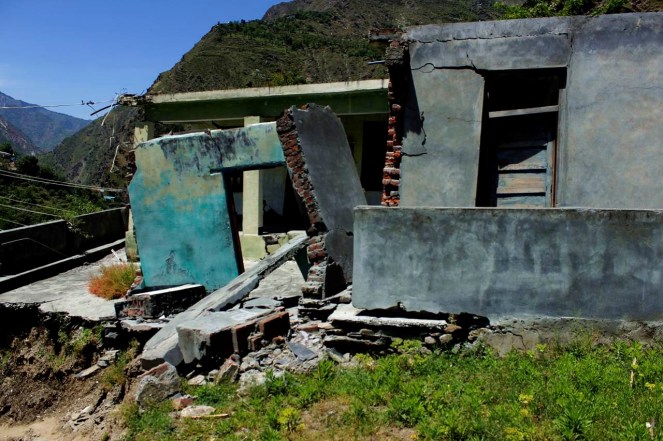
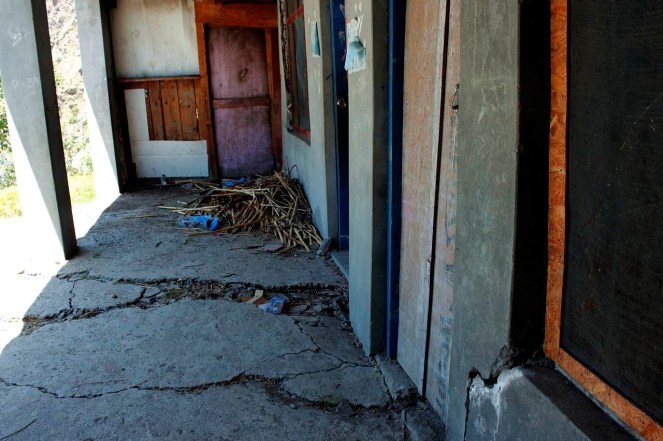
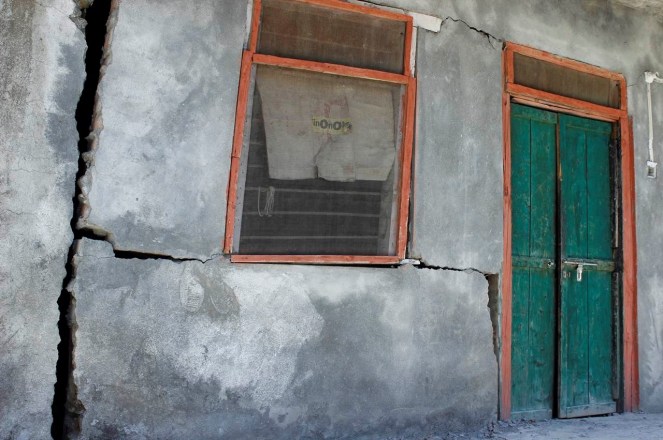
Tunneling for hydropower project using the blasting technique can have massive impacts. It has a series of direct and indirect impacts which have already been documented. Among the most serious impacts is drying up of the natural drinking water springs and the reduction in sub-soil moisture. This directly impacts the drinking water availability for the local villagers as well as agriculture and horticultural productivity, which is critically dependent upon the presence of sub-soil moisture. Blasting for tunnels and other underground components of hydroelectricity projects creates vibrations that have resulted in cracks in houses situated near these components.
Importance of impacts of tunneling and blasting becomes very important since all run of the river (ROR) projects involve tunneling and blasting. Proponents claim that ROR hydropower projects are environment friendly, but most people do not know that the tunneling and blasting adds an additional dimension to the impacts due to ROR hydropower projects and these can be very serious. Most environmental and social impact assessments or cumulative impact assessments do not even assess these impacts. Many times the proponent get away claiming that the impacts are not due to the projects, when in reality all evidence shows that these are very much caused by the tunneling and blasting being done as part of the construction of these projects.
This photo essay documents the impacts of tunneling and blasting for hydropower projects mainly in Chamba (part II of photo essay does the same for projects in Kinnaur district) of Himachal Pradesh. In Chamba, the photo essay includes such impacts of Chamera III, Chanju, Ginni, A.T. hydropower projects.[2] It is noteworthy that impacts are not only limited to large hydropower projects, but also to what is defined as small hydropower projects (projects below 25 MW installed capacity). This should also help puncture the misconceived notion that small hydropower projects are environmental benign and they do not need environmental and social impact assessment, public consultations, appraisal, monitoring or compliance.
These photo essays are indicative of the kind of impacts tunneling and blasting can have in the process of building hydropower projects in the Himalayas. What they indicate is relevant not only for Himachal Pradesh, but entire Himalayas and all projects that involve such tunneling and blasting. We hope these photo essays open the eyes of state governments, Union Ministry of Environment, Forests & Climate Change, Union Ministry of Power, Union Ministry of Water Resources, Central Electricity Authority, state environment departments, hydropower developers, EIA consultants, chairman and members of Expert Appraisal Committee on River Valley Projects, media, judiciary, civil society and all others concerned.
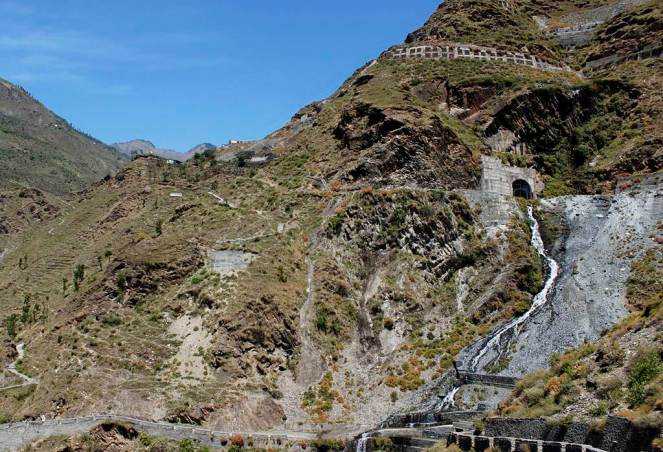
Chamera III Hydro Electric Project, Chamba
| Project | Chamera III |
| Capacity (MW) | 231 |
| Basin | Ravi |
| District | Chamba |
| Village | Mokhr |
| Pictures taken on | 29/04/2014 |
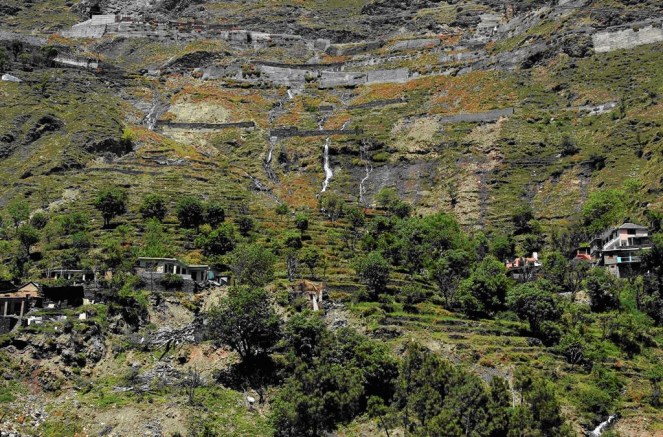
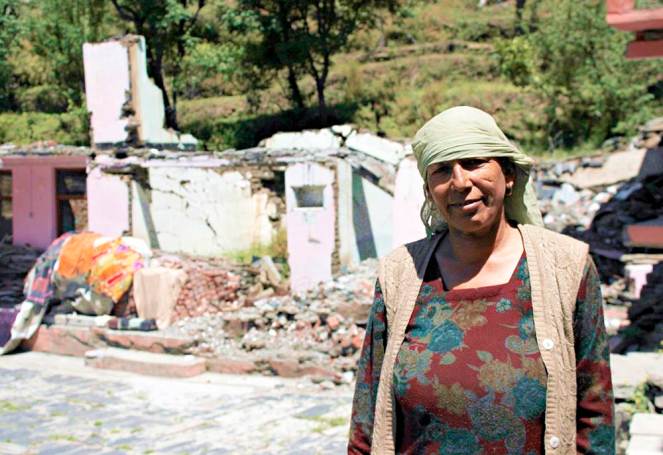
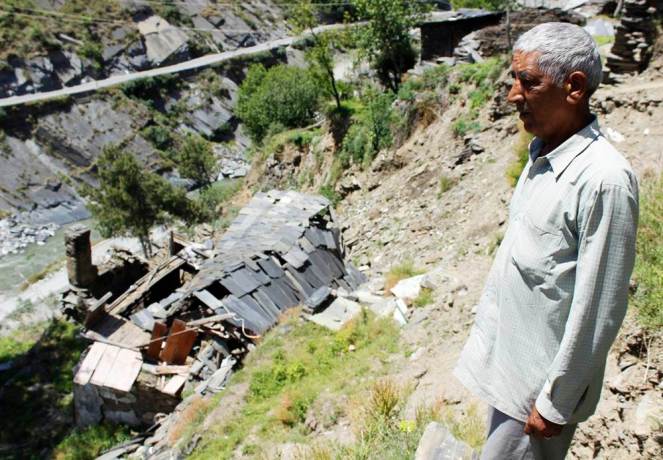
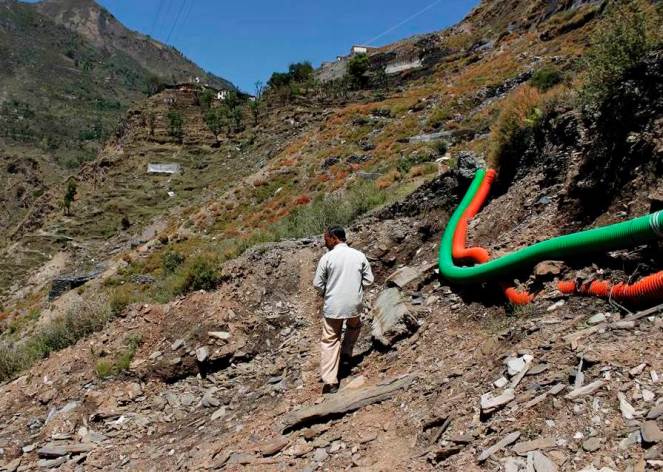
New Links : http://www.jagran.com/news/state-10802084.html
http://www.jagran.com/news/state-10802084.html
http://www.tribuneindia.com/2012/20120418/himplus.htm#2
Chanju Hydro Electric Project, Chamba
| Project | Chanju HEP |
| Capacity (MW) | 36 |
| Basin | Ravi (Chanju Nallah) |
| District | Chamba |
| Village | Dhalanjan |
| Pictures was taken on | 30/04/2014 |
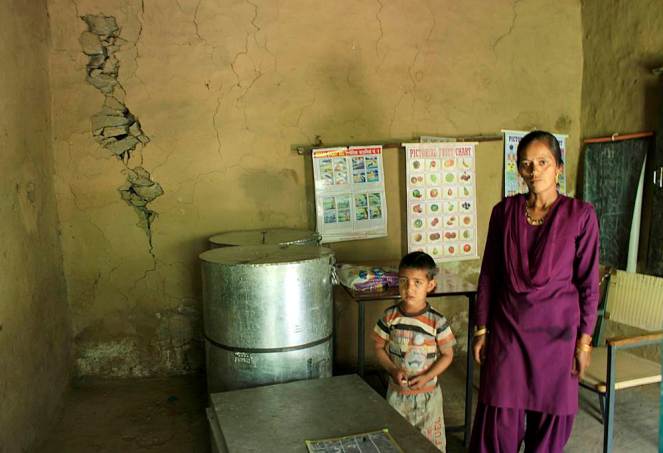
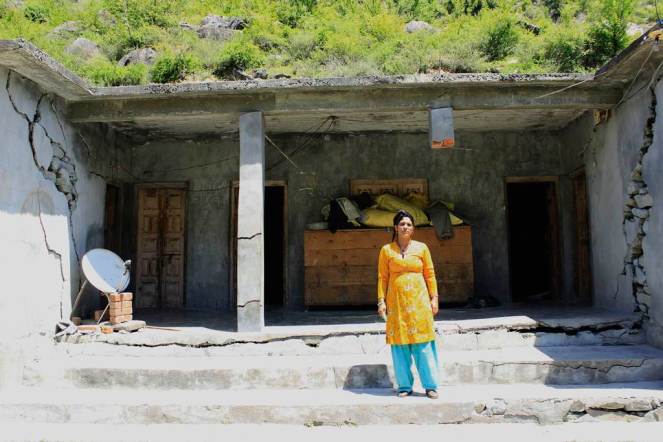
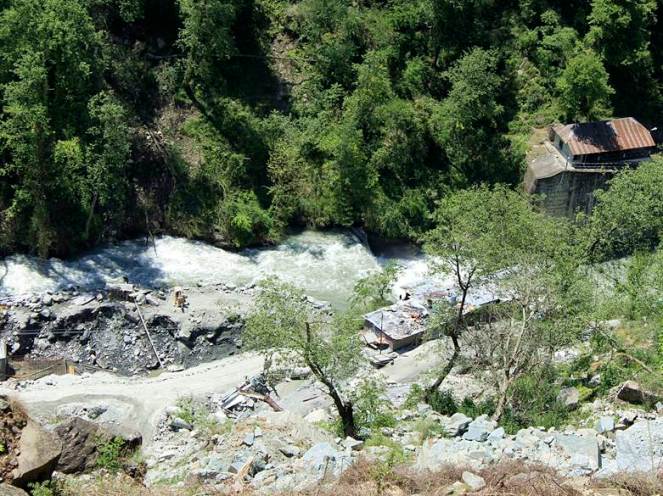
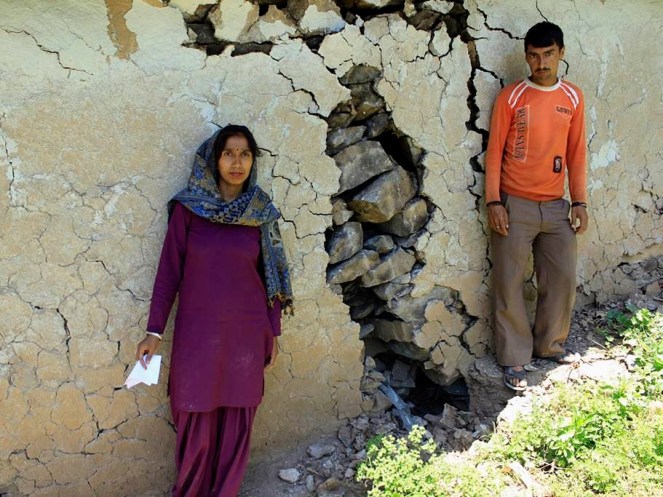
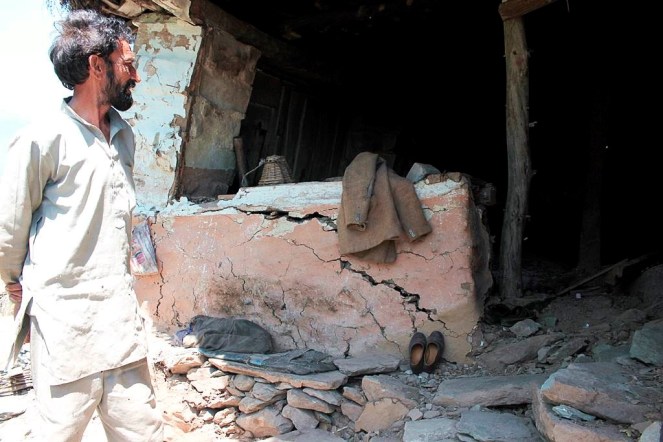
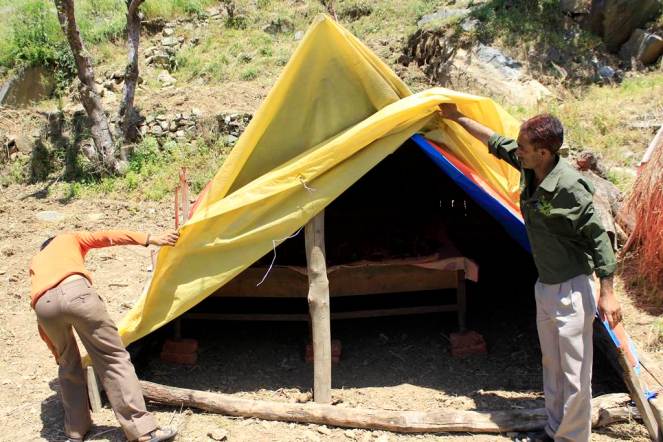
People of Dhalanjan village show their destroyed and dilapidated structures

A.T. Hydro Power Project, Chamba
| Project | A.T. Hydro |
| Capacity (MW) | 5 |
| Basin | Ravi (Tarela Nallah) |
| District | Chamba |
| Village | Alwas |
| Pictures taken on | 01/05/2014 |
Ginni Hydro Power Project, Chamba
| Project | Ginni Hydro |
| Capacity (MW) | 5 |
| Basin | Ravi (Tarela Nallah) |
| District | Chamba |
| Villages | Tarela, Junas |
| Picture was taken on | 01/05/2014 |
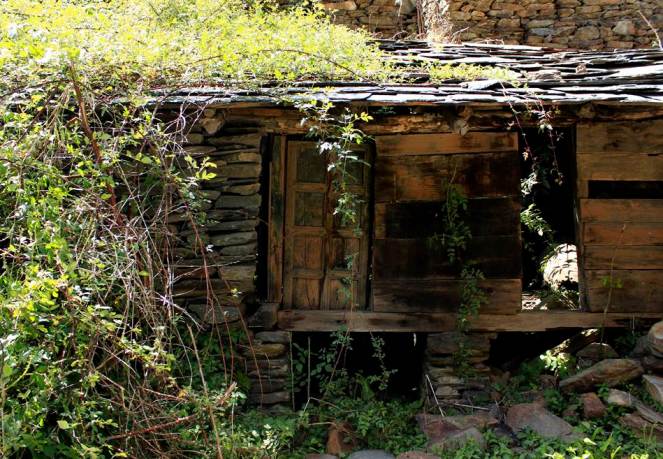
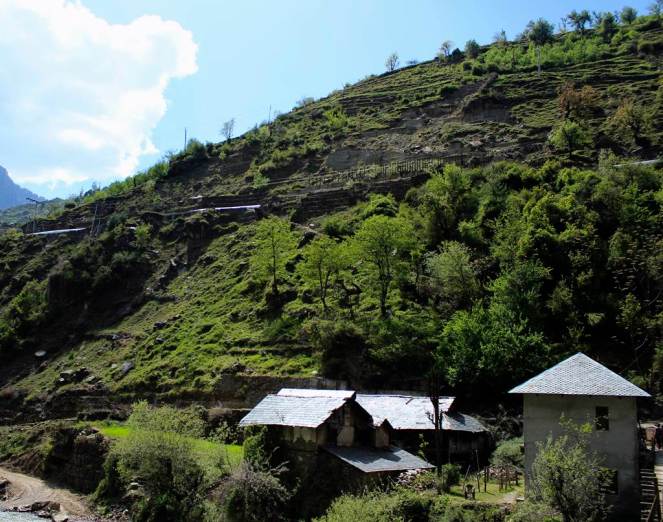
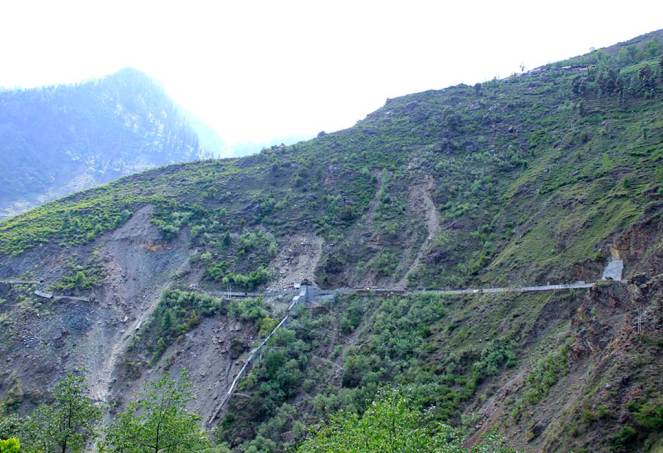
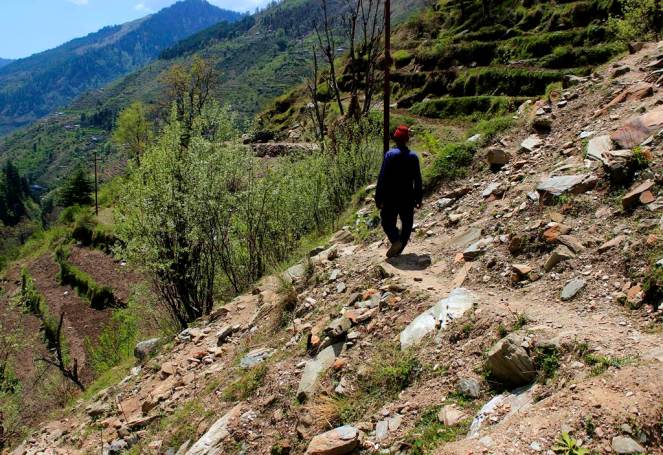
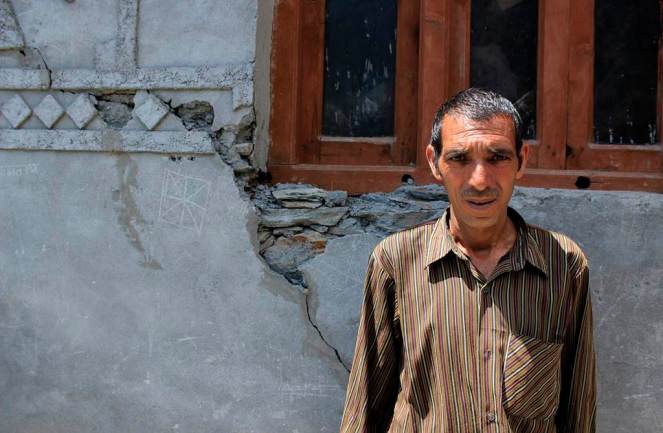
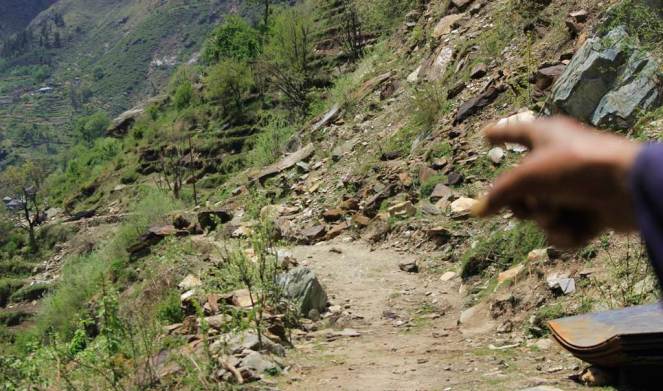
Landslide due to the construction activities and then subsequent destruction of the penstock of the Ginni project further led to soil erosion. The village above the slides, Junas has 20 houses and now stand threatened
For Part 2 of the photo essay related to tunneling impacts of hydropower projects in Kinnaur district, see: https://sandrp.wordpress.com/2014/10/02/photo-essay-on-the-impacts-of-blasting-and-tunneling-for-hydropower-projects-in-kinnaur-district-in-himachal-pradesh-2/
END NOTES:
[1] The photo blog also appears here: http://www.himdhara.org/2014/08/06/photo-essay-when-mountains-are-hollowed/
[2] For a detailed article on this issue, Seeping through the cracks, see: http://www.epw.in/web-exclusives/seeping-through-cracks.html
 SANDRP