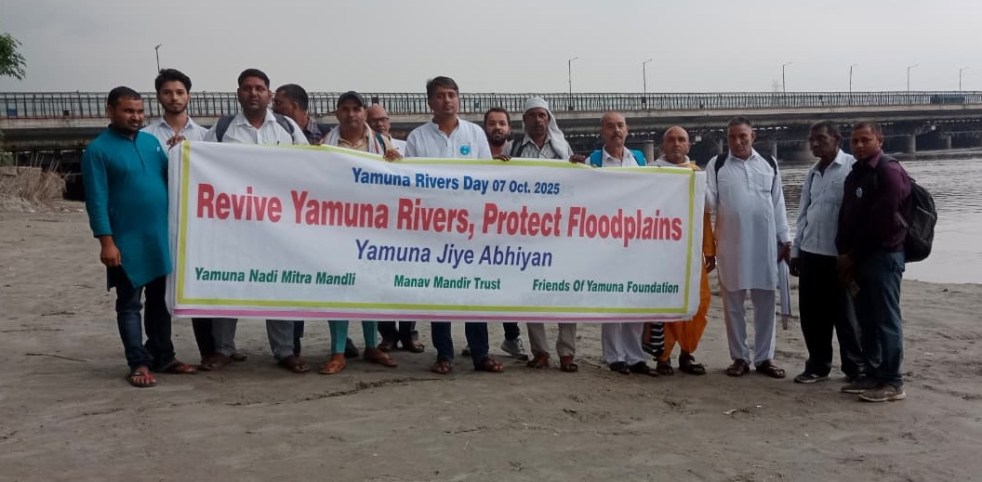
दिल्ली चुनाव के दौरान यमुना नदी प्रदूषण एक अहम मुद्दा बना। चुनाव जीतने के बाद नई सरकार निरंतर यमुना सफाई को लेकर कई घोषणाएं और योजनाओं पर बात कर रही है। स्वयं प्रधानमंत्री और उसके बाद केंद्रीय गृहमंत्री, जल संसाधन मंत्री इसके लिए बड़ी बैठक कर चुके हैं। इन सबमें हरियाणा, दिल्ली और उत्तर प्रदेश सरकार द्वारा मिलकर कार्य करने की आवश्यकता सबसे सराहनीय पक्ष रहा है। सरकार द्वारा एसटीपी क्षमता विकास, औद्योगिक प्रदूषण रोकथाम, जल संचयन बढ़ाने और जल स्रोतों को बचाने की बातें भी कही जा रही है। पर ये सब बातें तो पिछली सरकारों द्वारा पहले भी कही जा चुकी हैं और बातों से आगे ठोस नीति और सफल निष्पदान कार्ययोजना की तरफ नहीं बढ़ पा रही है। इन सबके बीच यमुना नदी स्वास्थ्य में गिरावट जारी है।
Continue reading “केवल सफाई नहीं, चाहिए समग्र यमुना नदी तंत्र संरक्षण नीति “Tag: Hydro Project
Yamuna Manthan 020125: River Dying by Design or Default?
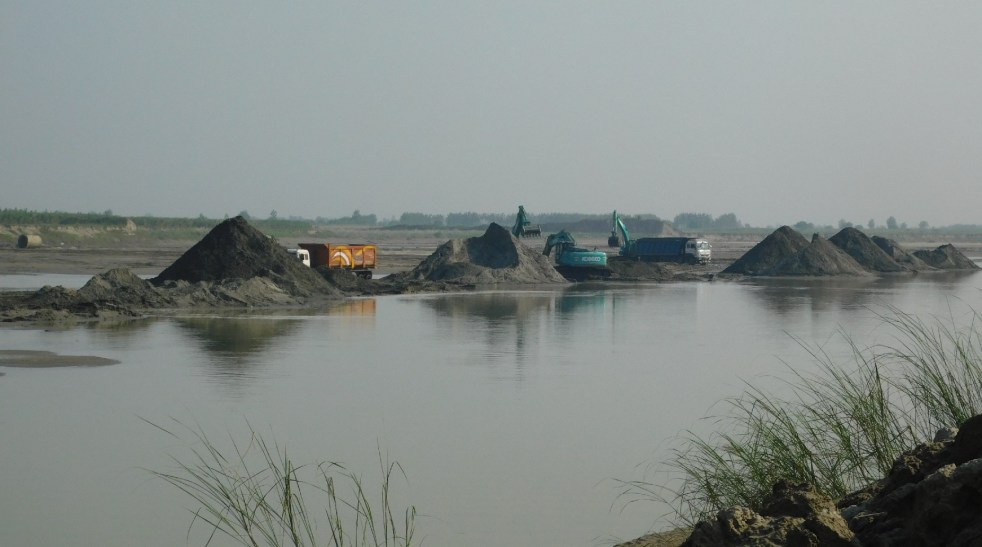
(Feature Image: Instream mechanized mining going on in Yamuna river at Gumthala Rao near Karnal-Yamuna Nagar border in Haryana in Oct. 2024. Source: Yamauna Nadi Mitra Mandli)
This twelfth edition of monthly Yamuna updates and the first one of the new year 2025, rounds up the critical issues impacting the river eco-system during the past year. The updates of the past one month only hint towards the bleak future the river is heading to. Without addressing the adverse effects and exploring cost effective alternatives, foundation stones of two massive river interlinking projects namely Ken-Betwa and Parbati-Kalisindh-Chambal have been laid. The work of unjustifiable Renuka and Lakhwar dams in climatically sensitive and geologically fragile region of Himalaya is going on.
Continue reading “Yamuna Manthan 020125: River Dying by Design or Default?”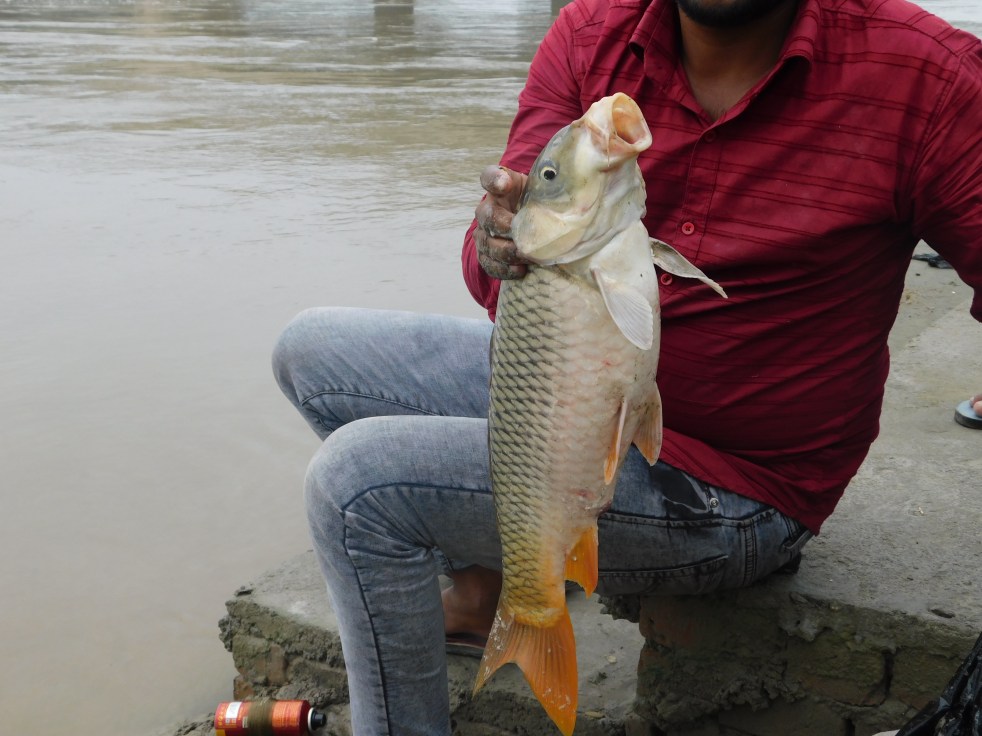
World Fisheries Day 2024: Important Studies, Reports on River Fish, Fisherfolks
(Feature Image: Prized catch of a fishman at Yamuna bank in Kairana, UP in Sept 2024)
During past one year, there have been several new studies and reports published amplifying the adverse effects of developmental projects including dams, waterways, river interlinking, invasive fish species, degradation of rivers and climate change on river fish and fisherfolks in India. In the last part of the annul overview on the World Fisheries Day on Nov 21 2024, we focus on these important studies and reports highlighting the threats and challenges on freshwater fish and fisherfolks.
Continue reading “World Fisheries Day 2024: Important Studies, Reports on River Fish, Fisherfolks”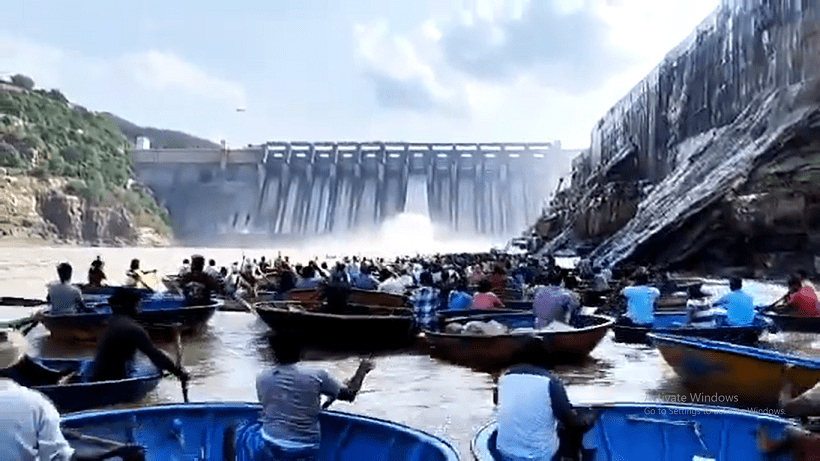
World Fisheries Day 2024: Top Ten Positive Fisheries Reports from India
(Fature Image: Telangana fishermen fishing downstream Srisailam project after closing of dam gates in Aug 2024. Source: Social Media)
On the occasion of World Fisheries Day 2024 which is celebrated on November 21 annually, we compile top ten positive developments during the last one year on the issues of fish, fisheries and fisherfolks from India.
Continue reading “World Fisheries Day 2024: Top Ten Positive Fisheries Reports from India”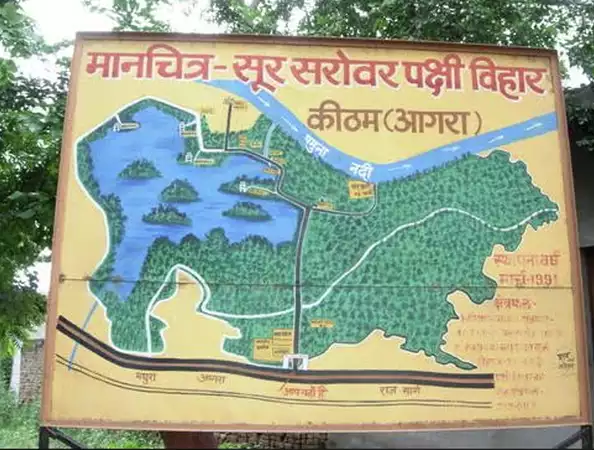
Yamuna Manthan 031024: Threatened River Wetlands
(Feature Image: Soor Sarovar Bird Sanctuary, along with the river Yamuna, is considered to be green lung of the Agra city. Source: ToI report Six-member committee to probe development of Agra Trade Centre in Soor Sarovar eco-zone. Nov. 01, 2018)
The waterbodies, lakes, wetlands in Yamuna basin continue to face damages and threats from many quarters, including concerned govt departments. In latest examples of this, there are reports of Uttar Pradesh govt’s plan to reduce the eco-sensitive zone (ESZ) of Keetham lake to zero. The wetlands also known as Sur Sarovar is a large ox bow lake formed by Yamuna River in Agra. It is a protected bird sanctuary and has been designated a Ramsar site in August 2020. In Sept. 2022, the Supreme Court had directed the govt to increase lake’s ESZ to 799 ha from 403 ha.
Similarly, the Uttar Pradesh govt departments have also been delaying process to notify Dhanauri wetlands as a Ramsar site in Greater Noida. The case is going on in NGT (National Green Tribunal) for the past many years. In the recent hearing held on Sept. 26, the NGT asked govt department to explain reasons behind delay in notifying the wetlands apart from directing it to remove water hyacinth chocking the wetlands. The next hearing will be held on Jan. 27, 2025.
Continue reading “Yamuna Manthan 031024: Threatened River Wetlands”
DRP: 6 April 2020: Ganga-Yamuna-Cauvery flow cleaner in lockdown: What can we learn?
A number of reports have appeared that show that the state of a number of rivers of India, including Hindon, Yamuna, Ganga and Cauvery has improved during the current lockdown due to Covid 19 crisis. That is indeed great news. At Kanpur and Varanasi there are reports that suggest the dissolved oxygen level has gone above 8 ppm and BOD level has gone down below 3 ppm at a number of places. While lack of industrial effluents entering the rivers due to closure of industrial units is a major reason, there are other reasons that has led to this situation, including above average winter rainfall, high snowfall now melting with onset of summer, reduction of irrigation water demand and also stoppage of sand mining along the rivers. The reduction of cultural activities including puja, bathing and cremations have also contributed to this situation.
The biggest lesson we can learn from this cleaner rivers after so many decades is that if our pollution control boards at the state and central level were doing their duty to ensure that no untreated effluents from the industries and also urban sewage enter the rivers, it is not that difficult to achieve cleaner rivers. But unfortunately there is no political will to achieve this simple and legally enforceable objective.
Continue reading “DRP: 6 April 2020: Ganga-Yamuna-Cauvery flow cleaner in lockdown: What can we learn?”
Ramsar Wetlands Crisis 2020: North East India
There are three Ramsar sites in eight states of north east India which includes Deepor Beel in Assam, Loktak lake in Manipur and Rudrasagar in Tripura. There are no Ramsar wetlands in remaining North East India states of Arunachal Pradesh, Nagaland, Mizoram, Meghalya, Sikkim. Here is an account of issues these Ramsar sites are facing.
Continue reading “Ramsar Wetlands Crisis 2020: North East India”
Env Groups & Citizens write to PM to take Urgent Action on Ganga
February 19, 2019
To:
- Hon’ble Mr. NarendraModi,
Prime Minister of India,
connect@mygov.nic.in
narendramodi1234@gmail.com
2. Hon’ble Mr. Nitin Gadkari,
Minister, Water Resources and Ganga Rejuvenation Ministry,
Government of India.
3. Hon’ble Mr. Trivendra Rawat
Chief Minister, Uttarakhand
cmuksampark@gmail.com
Subject: River Ganga
Respected Sirs,
There is no debating that Ganga must flow free or will perish with all attendant consequences. This is vindicated by Ravi Chopra Committee in its report to the Supreme Court submitting that there has been an increase in disasters in Uttarakhand ever since the tragedy in 2013, due to the presence of big dams. The Union of India under your governments pledged to rejuvenate the Ganga including Alaknanda, Mandakini and Bhagirathi and all their tributaries.
Presently, four under-construction dams namely Tapovan-Vishnugad, Vishnugad-Pipalkoti, Singoli-Bhatwari and Phata-Byung are further threatening the survival of this river adding to the damage already done by the existing dams.
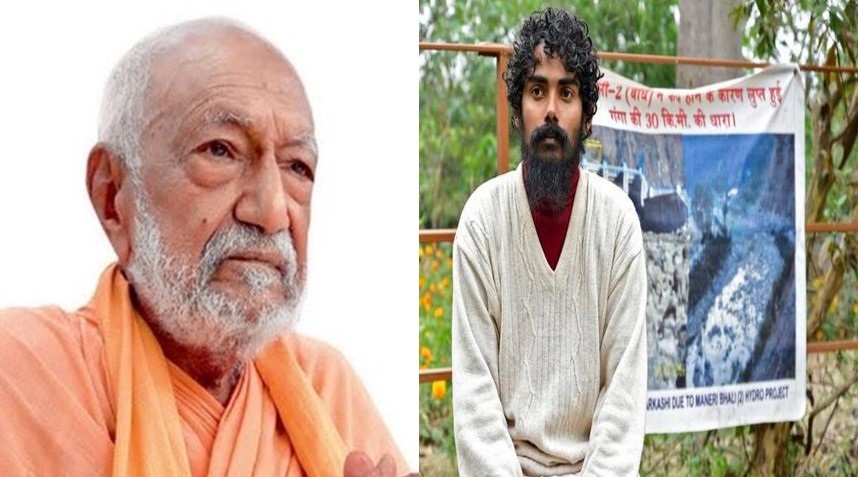
To save the River Ganga, Swami Saanand fasted for 111 days to draw your attention to River Ganga’s cries for survival before he succumbed unheeded. Carrying on the baton, Sant Gopaldas fasted for 146 days when he disappeared under suspicious circumstances unheard and unheeded. Presently the 26 year old young Brahmachari Aatmabodhanand from Matri Sadan, Haridwar, has been on a fast since 24th of October 2018 determined to carry on the baton for a positive response on Ganga from your governments.
Continue reading “Env Groups & Citizens write to PM to take Urgent Action on Ganga”

DRP: 29 Oct 2018: Better Paddy Options Exist For Punjab
A try-out of the technique to grow paddy without puddling at village Chehlan of Ludhiana has resulted in higher yield in comparison to puddled fields, while saving water in the process. The crop was ready for harvest days before expected time, saving irrigation water otherwise to be used for another fourteen days. This trial was funded and supervised by ATMA, a central govt. scheme under the Union Ministry of Agriculture.
Puddling is a traditional method of flooding paddy fields with running water, whereas in non-puddling technique, ‘ridges and furrows’ are formed in soil to let water store in spaces and let it stay, thus reducing irrigation frequency.
“Not paddy but puddling is the enemy of waters of Punjab. It is wastage of water to puddle fields as most of it just evaporates. We have saved 45-50 per cent of water in non-puddled fields. Our yield has been almost 30 per cent more from fields where crop was not puddled. Also, non-puddled crop matured very early, saving at least ten days of irrigation water,” says Rupinder Singh Chahal (43) who along with his brothers Jasvir Singh (48) and Kulwinder Singh (52) experimented with ‘non-puddling’ technique on four acres this year.
Continue reading “DRP: 29 Oct 2018: Better Paddy Options Exist For Punjab”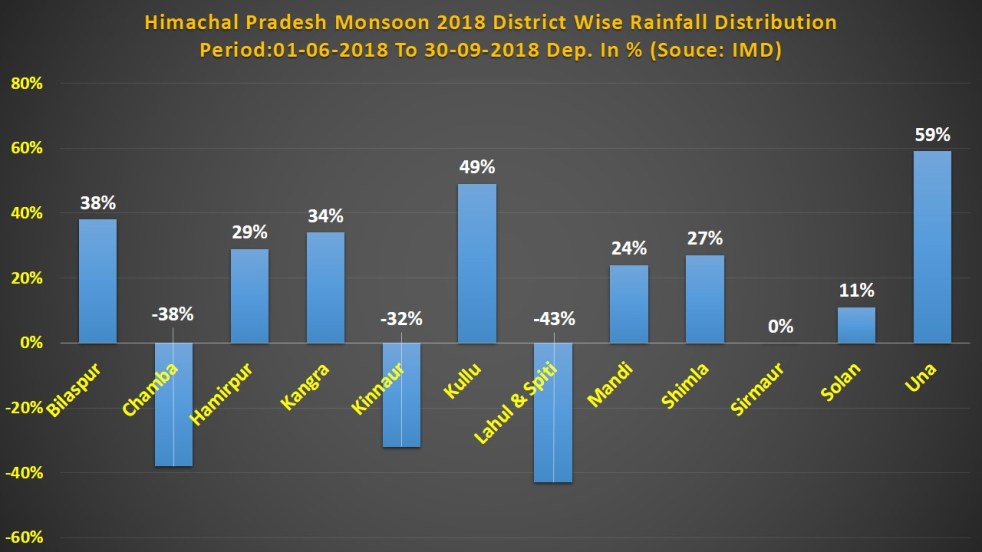
Himachal Pradesh Monsoon 2018 Overview
Himachal Pradesh has received 917.3 mm rainfall during South West Monsoon 2018. The amount is 11 percent higher than normal rainfall category of 825.3 mm. However at district level there is considerable variation in the distribution of rainfall. Out of 12 districts in the state, rainfall departure has been in deficit in three districts namely Chamba, Kinnaur and Lahul & Spiti by 38 percent, 32 percent and 43 per cent respectively. All these three districts are in upper part of Himalaya, the origin of many rivers & where mountains are mostly snow covered.
 SANDRP