Dams, Rivers & People

DRP 150221: Why Mangshri Devi of Tapovan Should Head Uttarakhand’s Disaster Management Department?

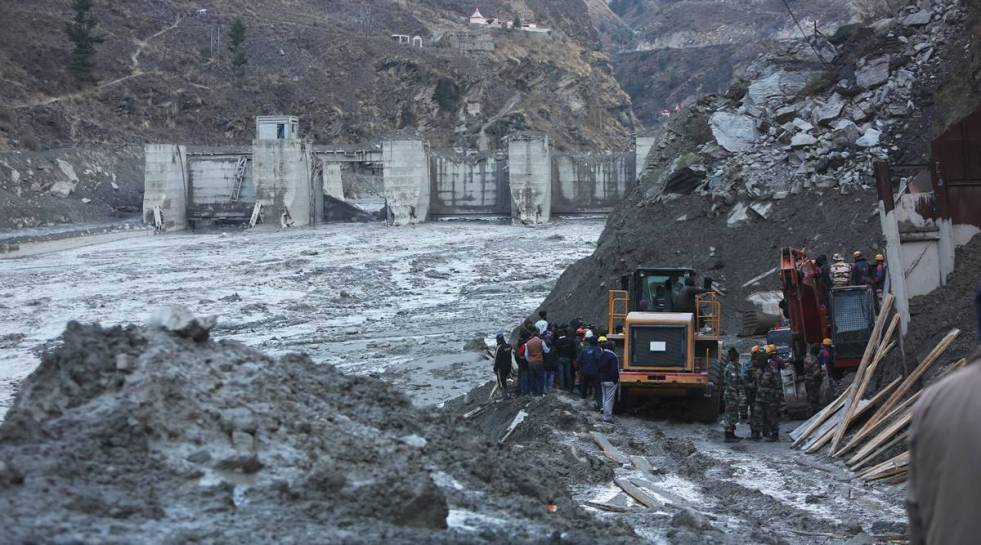
Feature image Tapovan-Vishnugad hydropower project in Chamoli district on Feb., 7 by Gajendra Yadav, Express Photo

In a fantastic story, Shivani Azad of The Times of India has reported possibly the most remarkable story of the Chamoli avalanche disaster that started on Sunday morning on Feb 7, 2021. She reported that Vipul Kairuni of Dhaak village in Tapovan, working at the time at the now destroyed Tapovan Vishnugad project, got saved thanks to frantic calls by his mother Mangshri Devi as she and his wife saw from their village home, situated at a height from the river, that a massive flood is approaching the dam site. It was thanks to frantic, repeated calls by Mangshri Devi that not only Vipul, but at least two dozen more people could run to safety of a ladder and saved their lives.

So effectively, Mangshri Devi has saved at least two dozen lives in Chamoli disaster. Who else can claim to have achieved anything like that in the disaster? The disaster management department seems completely absent from the scene either in terms of pre disaster monitoring or in taking steps to save lives during the disaster. In fact, there should have been an early warning system in place that could have saved many more lives. But it does not exist. Either in Rishiganga/ Dhauliganga basin or anywhere else in Uttarakhand. NTPC’s Tapovan Vishnugad Project has faced so many disasters already since 2008, but is only now talking about putting in place early warning system. Should not the NTPC and power ministry top brass as well as Uttarakhand disaster management department held accountable for that?

Continue reading “DRP 150221: Why Mangshri Devi of Tapovan Should Head Uttarakhand’s Disaster Management Department?”
Dam Disaster · Landslide dam

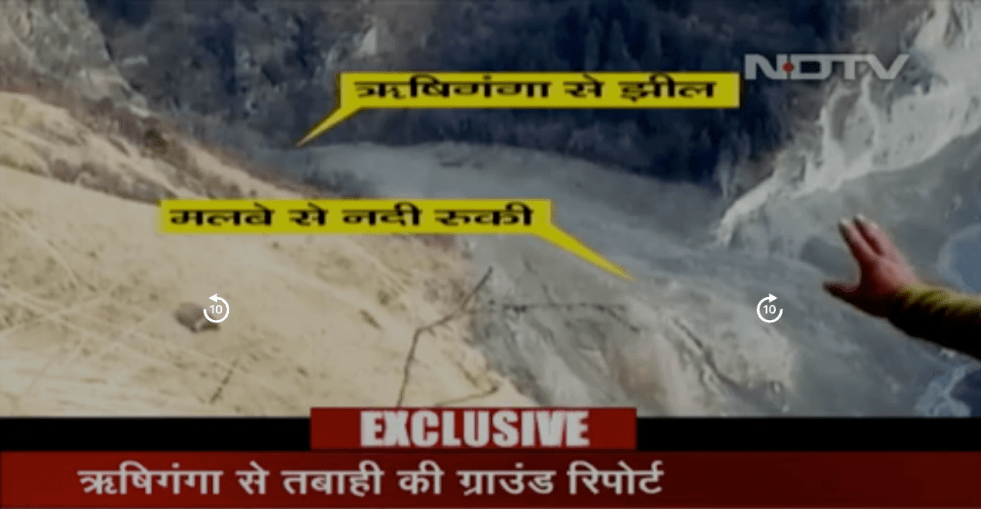
Rishiganga Ground visit report reveals landslide dam & raises questions

The first ground visit report of the Rishiganga catchment in Uttarakhand’s Chamoli district by Dr Naresh Rana, a geologist after the Chamoli Avalanche disaster of Feb 7, 2021 has been shared by NDTV on Feb 11, 2021[i]. Dr Rana visited the catchment of the Rishiganga to understand the ground situation on Feb 10 ,2021 and this is possibly the first such visit since the disaster.

Continue reading “Rishiganga Ground visit report reveals landslide dam & raises questions”
CWC - Central Water Commission

Chamoli Disaster: CWC needs functioning, forecasting beyond monsoon

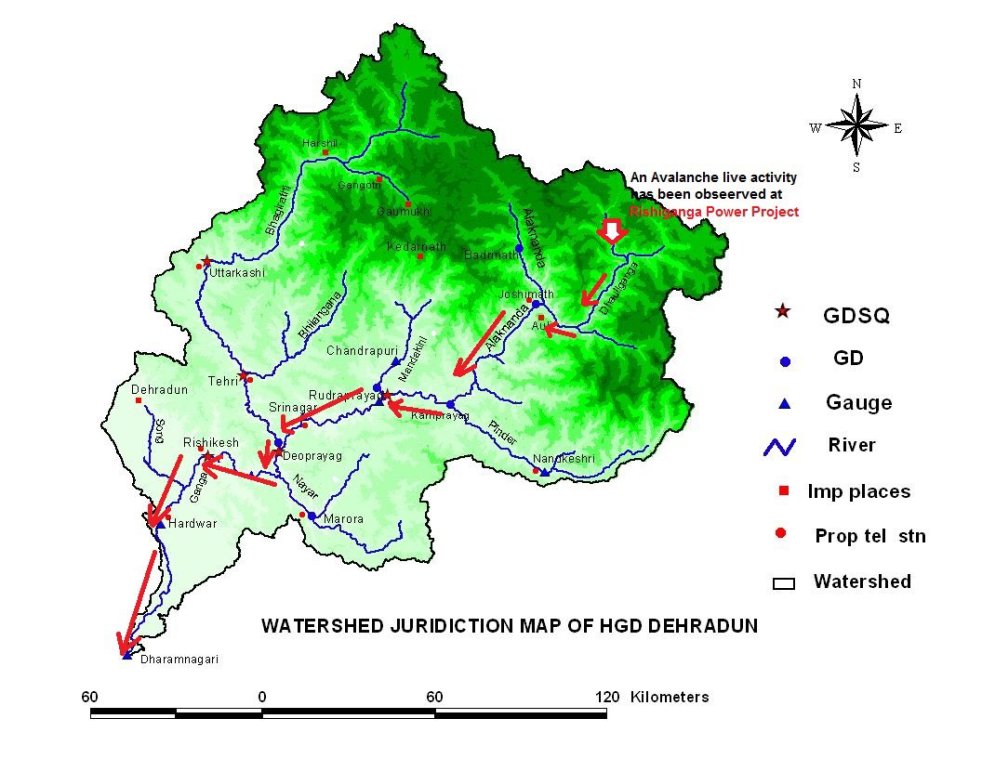
Feature image: CWC’s flow diagram map showing movement of flash flood in Alaknanda valley, Chamoli after landslide induced deluge on Feb. 7, 2021.

The landslide induced[i] flash flood disaster has left long-lasting trail of destruction along the Rishiganga-Dhauliganga-Alaknanda rivers. The flood sludge has filled up the riverbed after damaging infrastructures along the rivers. The rescue work still is underway.

The episode has reignited discussion on vulnerabilities of Uttarakhand, role of hydropower projects and climate change threats. Questions are being raised on destructive projects involving use of blasting, heavy machinery, tree felling challenging the resilience limits of fragile ecology of the region.

Continue reading “Chamoli Disaster: CWC needs functioning, forecasting beyond monsoon”
Dams, Rivers & People

DRP 080221: Will NITI Aayog study the costs of overturning the Radhakrishnan Judgement on Uttarakhand?

NITI Aayog, we learn, has started studies of implications of the Supreme Court and NGT orders on environment issues. In the context of the massive Chamoli disaster now unfolding in Uttarakhand, NITI needs to urgently institute an inquiry as to who all are responsible for overturning the Justice Radhakrishnan led verdict of Aug 13, 2013 about the June 2013 Uttarakhand disaster and role of hydropower projects in the disaster and the costs of overturning that verdict. In fact if the Justice Radhakrishnan verdict were to have been sincerely and honestly implemented to its logical conclusion, the proportions of the current Chamoli disaster and others would have been majorly reduced. So the costs are no doubt huge and mounting. Will NITI Aayog institute such an independent inquiry urgently?

Continue reading “DRP 080221: Will NITI Aayog study the costs of overturning the Radhakrishnan Judgement on Uttarakhand?”
DRP News Bulletin

DRP 010221: Dissolving YMC is retrograde

In a shocking and disappointing move, the National Green Tribunal last week dissolved the Yamuna Monitoring Committee (YMC) in Delhi, UP and Haryana along with Justice Pritam Pal Committee and asked the state government to implement the various measures in earlier YMC and NGT reports and directions. This seems like a major set back for the future of Yamuna and other rivers. This seems to have been a direct fall out of the Supreme Court of India Suo Moto taking up the Yamuna pollution issue. This is not going to help solve the seemingly intraceable issue of tackling pollution of our rivers. If the states were interested and capable of implementing the necessary measures, we won’t have required YMC in the first place. YMC was taking a number of useful steps and as we wrote in the DRP lead story dated January 18, 2021, what is required is strengthening the hands of the YMC, but as if our worst fears were to come true, YMC has now been dissolved, even before it could make its mark in achieving cleaner rivers.

It should be noted that our judiciary does not have very remarkable track record in achieving cleaner rivers. In fact the same Supreme Court took up Yamuna case Suo moto in 1994 and not having been able to achieve any better state of Yamuna, after dealing with it for 23 long years, handed over the case to NGT in 2017. Supreme Court had been dealing with Ganga case even longer, and again not achieving better state of the river, handed over the case to NGT in 2017. It seemed like NGT had done something right in setting up YMC, but that also has been dissolved. Its clear that unless the citizens and society does not rise up, there is no hope for our rivers.

Continue reading “DRP 010221: Dissolving YMC is retrograde”
Wetlands

World Wetlands Day 2021: Five new Ramsar sites in 2020 but threats remain

On the Feb 2 2021, the World Wetlands Day, the Ramsar Convention on Wetlands would also complete its 50 years. The global treaty popularly known as Ramsar Convention was adopted in 1971 and came into force in 1975 following decades of negotiations.

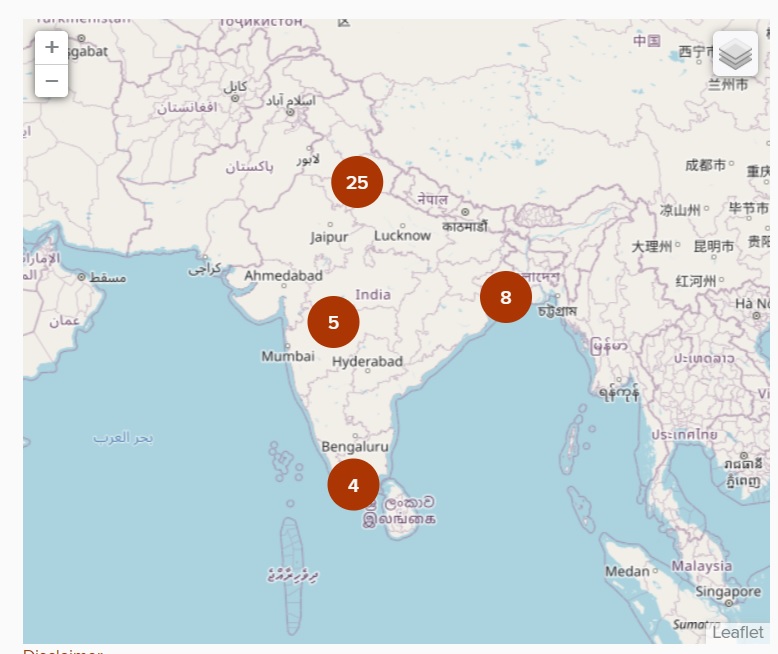
The main objective of the treaty is to promote conservation and wise use of all wetlands through regional actions and international cooperation. Currently, the treaty has been accepted by 171 nations including India. There are 2414 Wetlands of International Importance under Ramsar treaty spreading over 254,540,512 ha of lands across the globe.

Continue reading “World Wetlands Day 2021: Five new Ramsar sites in 2020 but threats remain”
Bridges · Dams · Urban Rivers

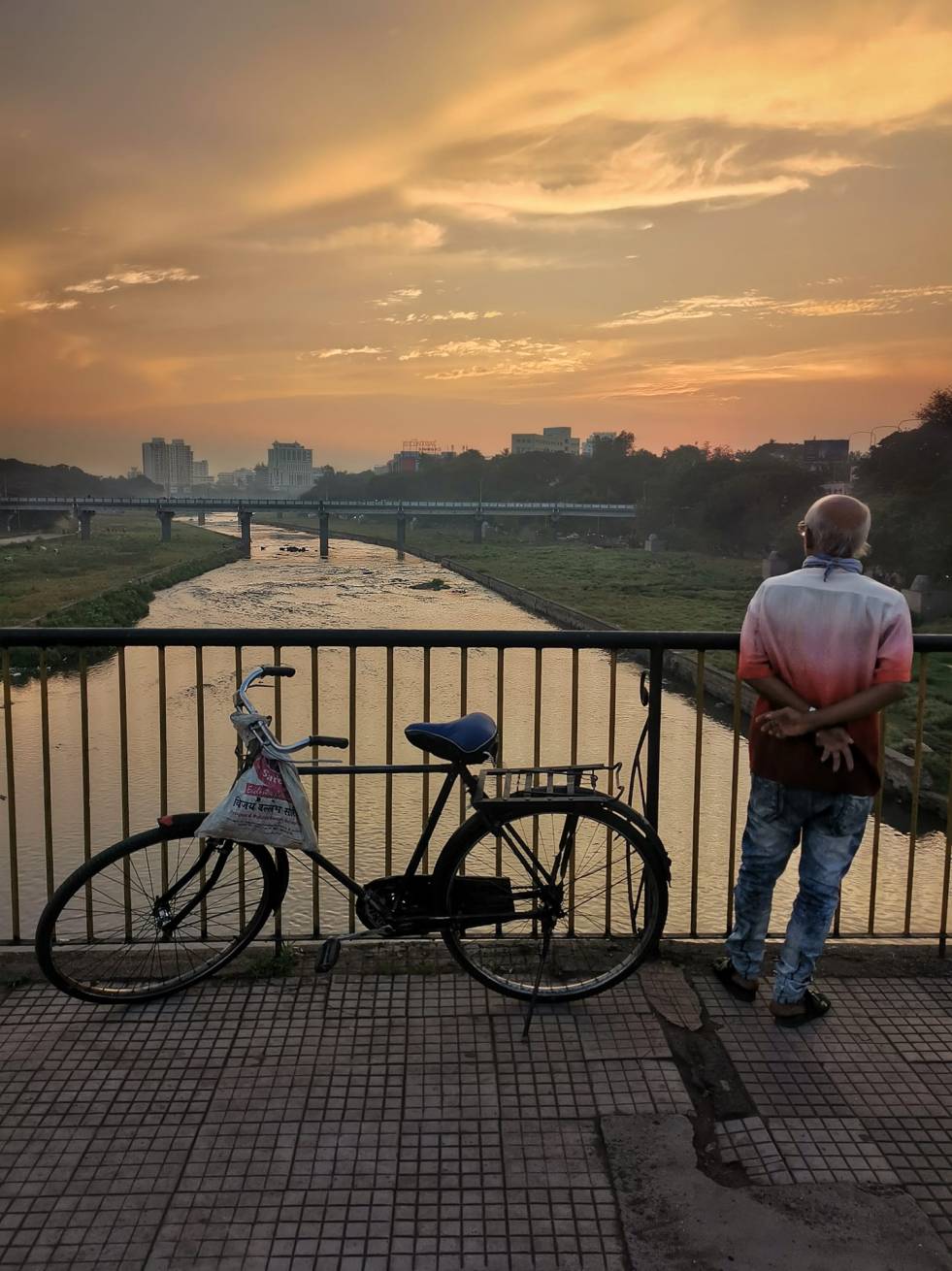
Bridges of Pune and the People who Stop and See

Several bridges, old and new crisscross over the rivers Mula and Mutha in Pune. Some of them are old and stately like the Lakdi Pul built over 250 years ago or the beautiful Shivaji Pul, while there are low ones like the Baba Bhide Bridge, which routinely gets submerged in the monsoons.

I try to walk across these bridges on most evenings.

Continue reading “Bridges of Pune and the People who Stop and See”
Urban Rivers

South India Urban Rivers Overview 2020

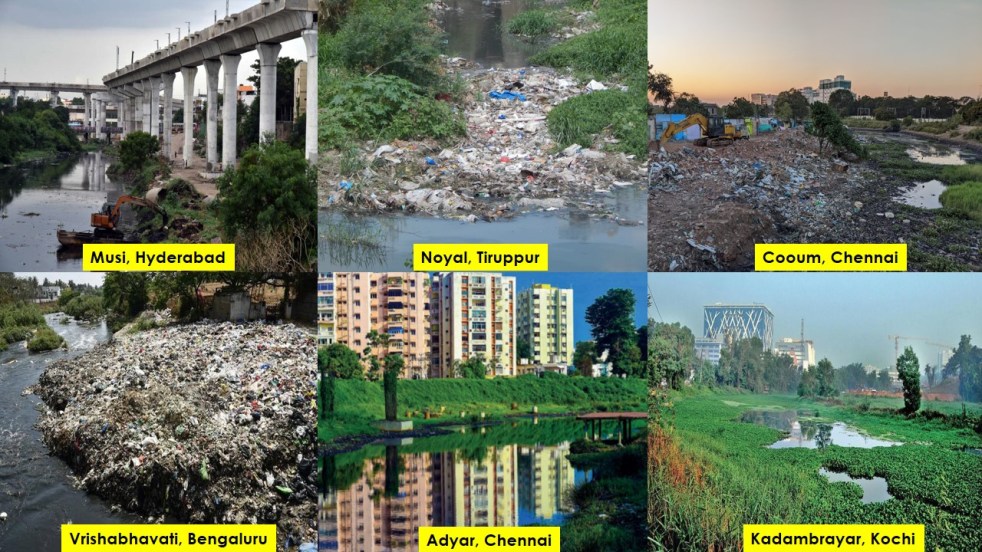
Urban rivers provide a lot of services, but the urban areas are inviting major trouble by destroying them through dumping of solid and liquid waste, encroachments, river front developments, unsustainable mining among others. The urban areas also operate in almost total policy vacuum and none of the cities under smart city programs are dealing with Urban rivers with any smartness.

This overview includes some key developments about Urban Rivers in 2020 from the South Indian states of Karnataka (Vrishabhavati in Bengaluru; Swarna-Netravati in Udupi), Tamil Nadu (Adyar, Buckingham Canal and Cooum rivers in Chennai; Kiruthumal in Madurai; Noyyal in Tiruppur; Bhavani in Coimbatore; Palar in Vellore; Vasishta in Salem), Telangana (Musi in Hyderabad), Andhra Pradesh (Tungabhadra in Kurnool), Kerala (Periyar, Kadambrayar & Konthuruthy in Kochi; Kodoor in Kottayam) and Puducherry (Sankarabarani).

Continue reading “South India Urban Rivers Overview 2020”
Dams

Gangetic dolphin deaths in 2020

More than a decade after Gangetic dolphins (platanista gangetica) was granted the status of national aquatic animal, the rare mammal species continue to face multiple threats impacting their habitat and population in Ganga rivers. Just in past one year, the year when the Prime Minister of India declared the Project Dolphin, six dolphins were found dead for unnatural reasons in three states along the Ganga. In addition to Gangetic, river dolphin were killed in three other states.

Continue reading “Gangetic dolphin deaths in 2020”
Sand Mining

Sand & Stone Mining: 45 lives lost in fatal accidents in a week

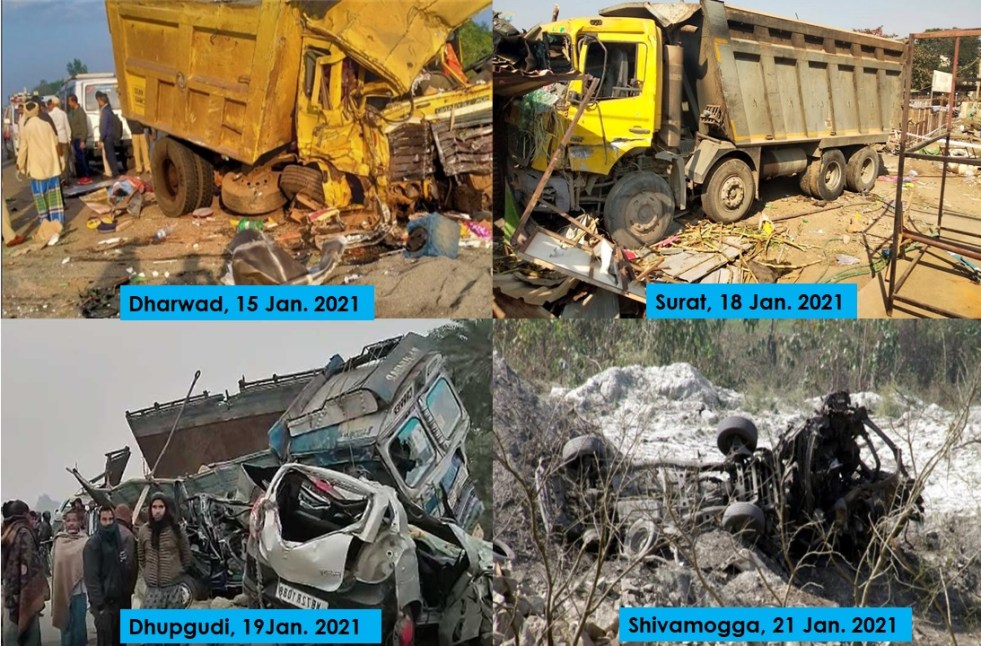
 2021 has begun with 45 lives lost in 4 mining accidents in just a week. We highlight the tragic incidents here as they raise some critical questions about governance and to prevent the avoidable accidents from becoming a new normal. 

Karnataka, January 21, 2021

The latest accident occurred in Hunasodu village in Abbalagere taluk of Shivamogga district where a strong blast in a lorry carrying explosive gelatine sticks has killed six people. There is still no exact figure of death toll and cause of explosion is yet unknown. While various media reports have been mentioning death toll varying from 5 to 15, denying these figures[i] six bodies have been recovered so far. 

Continue reading “Sand & Stone Mining: 45 lives lost in fatal accidents in a week”