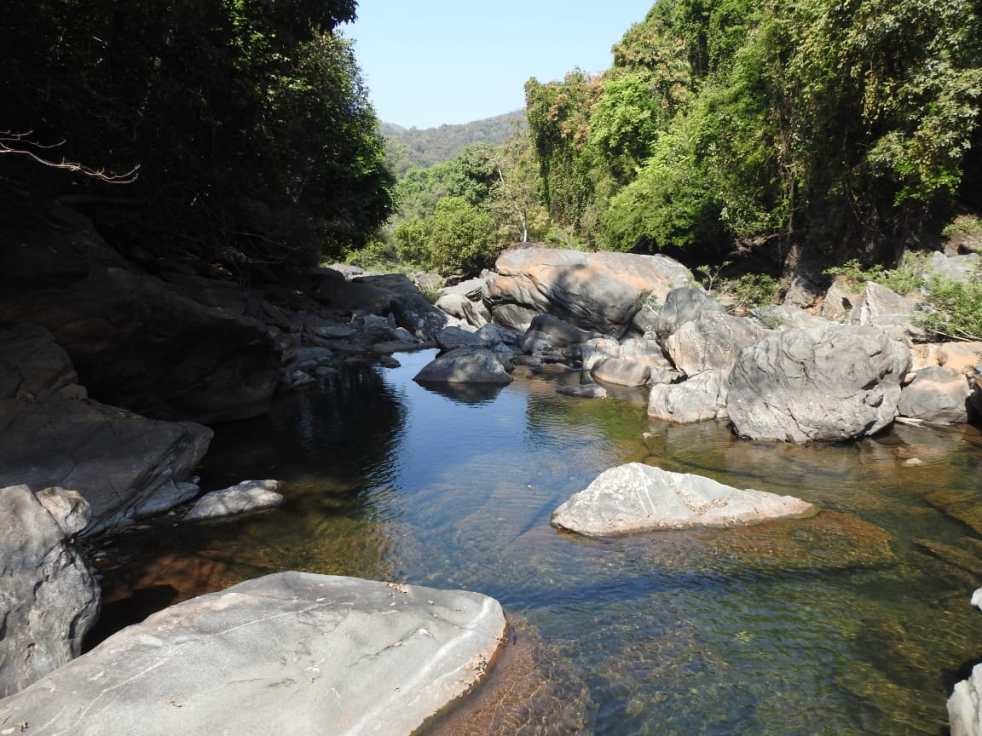
At the window of his new house, in a crowded suburb of Pune sits Aba Gawas. He looks out at the traffic and talks of his river Dabhil, more than 400 kms away from him. For years, Aba has fought hard to protect the river. He calls it Dabhil Mauli, a term of endearment reserved for mothers and deities. He is not keeping very well and longs to return to Dabhil Mauli. I realize with a sudden pang, rivers are home.
Continue reading “Dabhil Mauli: Stories and Struggles of a Small River in the Western Ghats”Category: Maharashtra
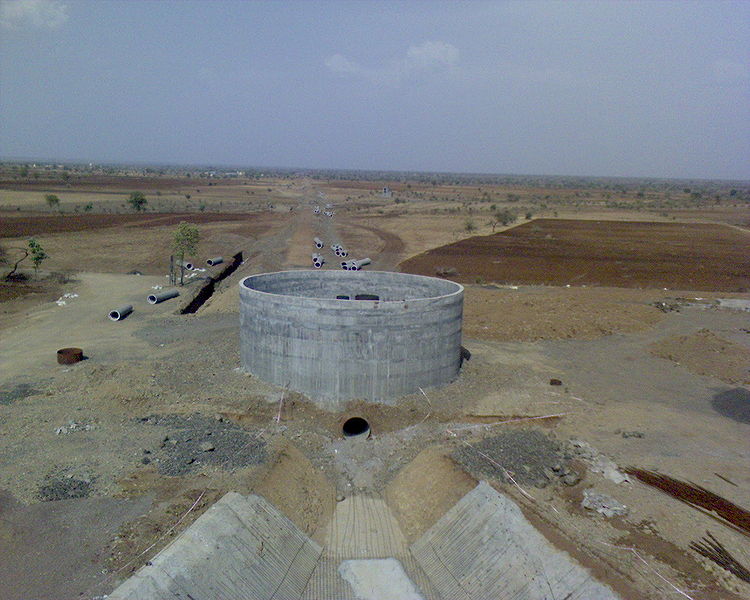
Maharashtra Irrigation Act 1976 exists for 49 years without Rules!
Guest Article by: Pradeep Purandare
A PIL (152 / 2014) has been filed by this author before the Aurangabad bench of Mumbai High Court way back in 2014. Maharashtra Irrigation Act, 1976 (MIA 1976) is not being implemented in letter & spirit, thanks to the absence of Rules of MIA 1976. It is needless to add that Act/Law states the general principles and Rules give the necessary details required for the actual implementation of the Act. For example, Act only says that Water Use Rights may be given to all farmers in the command area as prescribed. Rules of the Act, however, give the details to answer the usual questions like How? How much? When? Where? To whom? Application / Agreement required? Applicable terms & conditions? etc. Rules reduce the scope for discretion and chances to interpret the Act in different manner by different individuals at different times & places. Rules facilitate smooth & uniform implementation of the Act.
Continue reading “Maharashtra Irrigation Act 1976 exists for 49 years without Rules!”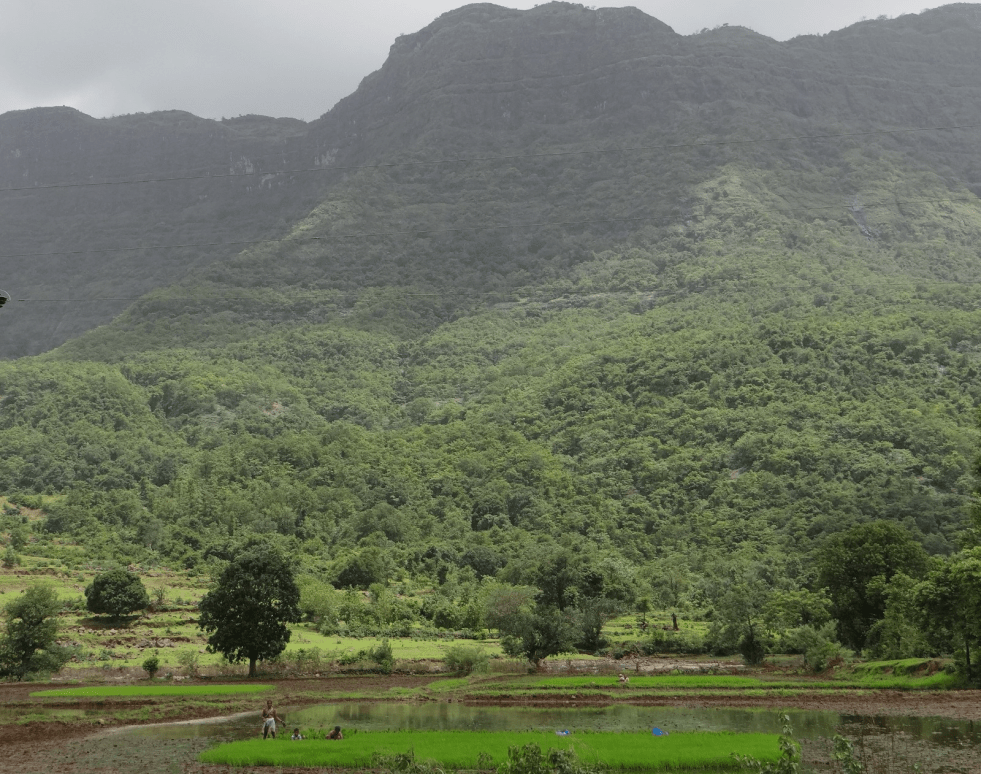
Letter to the EAC: No justification for Adani Dams in the Western Ghats
28.11.24
To,
The Chairperson and Members,
Expert Appraisal Committee, River Valley Projects,
Ministry of Environment, Forests and Climate Change
New Delhi
Subject: Submission against 1500 MW Warasgaon Warangi Pumped Storage Project by Adani Green Energy to be discussed in the 19th EAC meeting for TORs
Respected Sirs,
We see that Adani Green Energy’s 1500 MW Warasgaon-Warangi Pumped Storage Project is being considered for fresh TORs in the upcoming meeting of the EAC. We have gone through the documents uploaded by the proponent (AGEL) on MoEF CC’s Parivesh Website.[1]
Continue reading “Letter to the EAC: No justification for Adani Dams in the Western Ghats”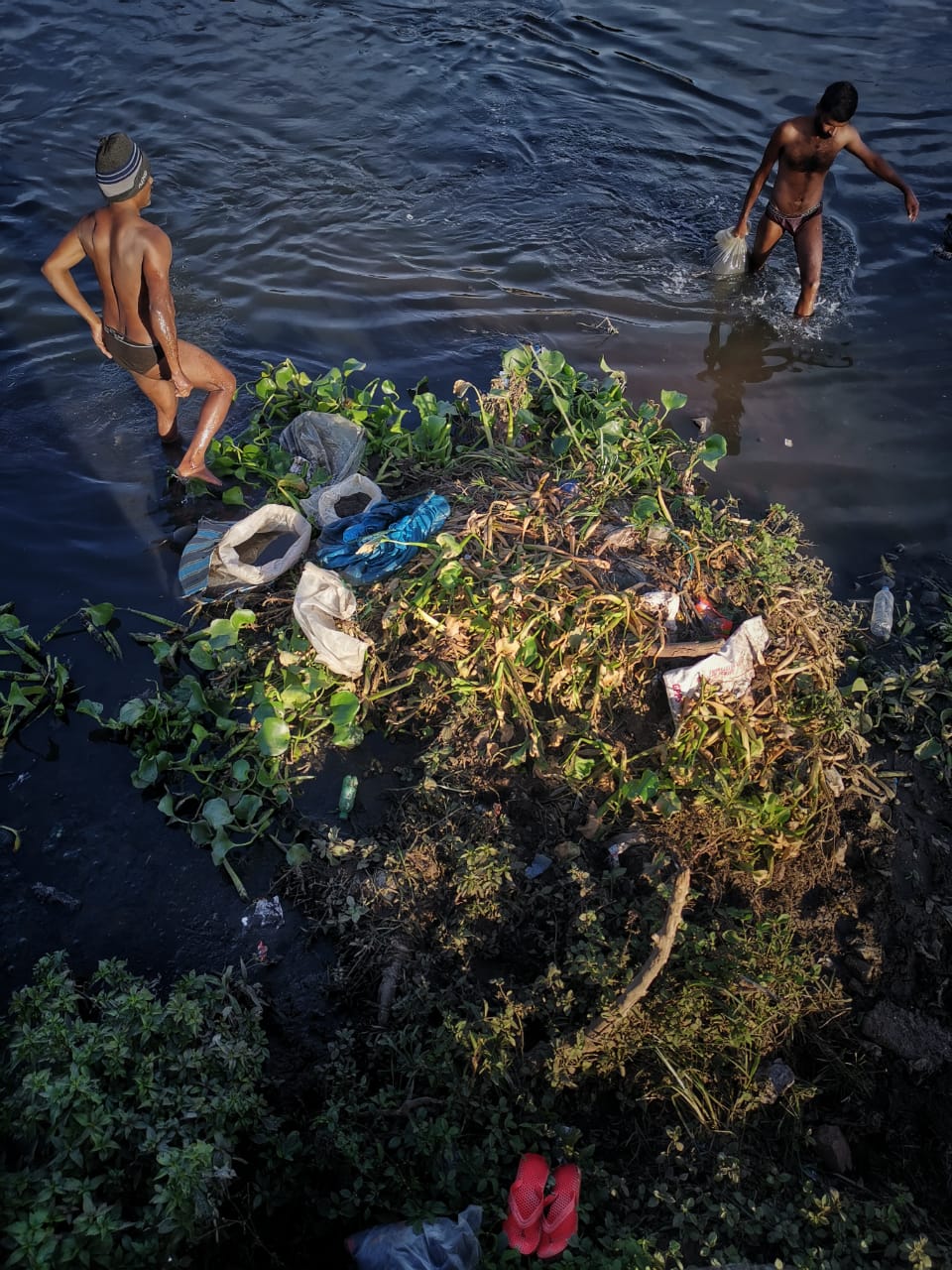
Photo Story:Worm Collectors of a Polluted River
For the past few years, I walk along the bridges and riverbanks of Pune, taking pictures of the unique happenings here. I have made several silent friends who sit at the riverbanks grazing their cattle, or recline on the bridges, looking at the river. As a photographer, their body language and stories have fascinated me, as has the river.
Continue reading “Photo Story:Worm Collectors of a Polluted River”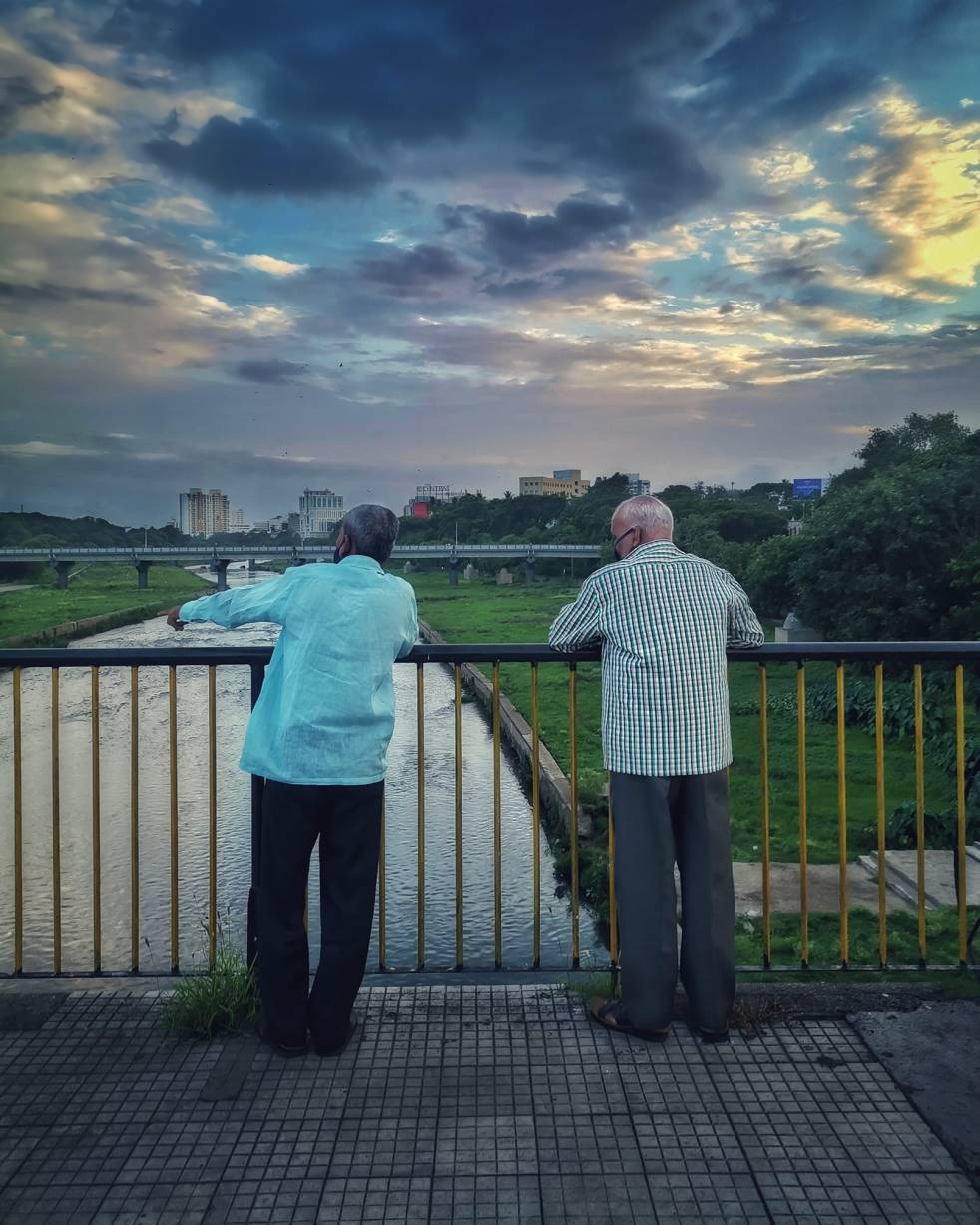
Of Peace and Pollution: Urban Rivers as Public Spaces
In the ongoing Covid crisis, accessible green, open spaces are a dream for many city dwellers. And yet, there is burgeoning work on the profound positive impacts of urban green spaces on the physiological and psychological health of city dwellers.
Despite being polluted, dammed, encroached and thwarted, rivers continue to be free and open public places. Today more than ever, rivers, riverbanks, floodplains and bridges are an invaluable resource for any Indian City. This momentous service is ignored in our riverfront development projects, metro and road plans and city development plans which encroach upon rivers. Continue reading “Of Peace and Pollution: Urban Rivers as Public Spaces”
Beyond technological failure: Examining the role of religious organisations in water conservation
Guest Blog by Sachin Tiwale
Introduction
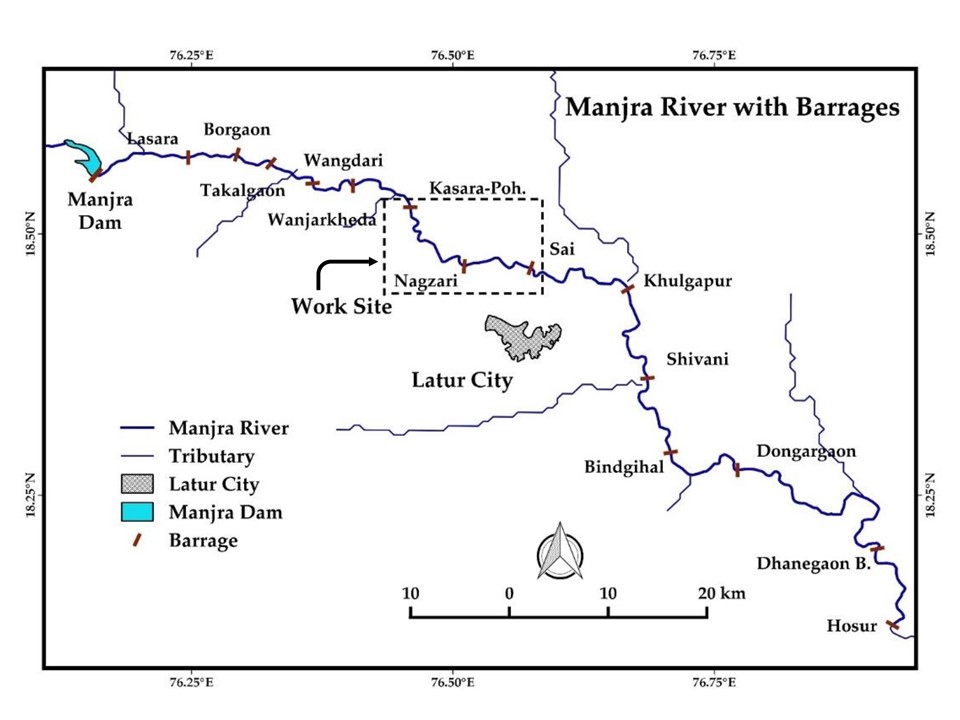
In summer of 2016, after witnessing two consecutive droughts, Art of Living (AoL) along with RSS Jankalyan Samiti, (RSS-JS) initiated Manjra River Rejuvenation program with the involvement of local leaders and residents. As a part of this program, the Manjra River channel was deepened and widened to create additional storage to meet the drinking water demand of parched Latur city of Marathwada, Maharashtra. During implementation, the leading organisations AoL and RSS-JS proclaimed rejuvenation project as a permanent measure resolving the crisis by creating storage of 18 million cubic metre (MCM) enough to meet Latur city’s water demand (Ghadyalpatil 2016; Thomas 2016). With a promise of supplying piped water every alternate day, they collected around Rs. 70 million from the people[1]. However, as described below, even after completion of massive excavation damaging river ecology, this project failed miserably. It could not even supply one drop of water to the citizens of Latur. Surprisingly, this failure is never revealed or discussed and on the contrary, the project was celebrated as a success (Samvada, 2016). Continue reading “Beyond technological failure: Examining the role of religious organisations in water conservation”
Maharashtra Upper Krishna Basin Flood 2019 Vadnere Committee-2: A report with “difference”!
Guest Blog by Pradeep Purandare
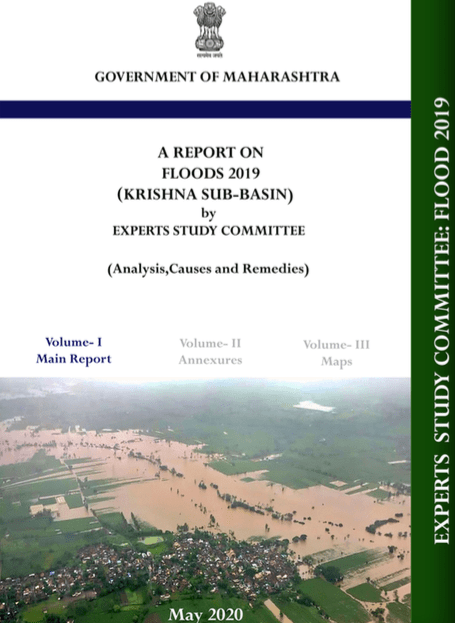
SANDRP published my article entitled “Maharashtra Floods 2019: Don’t waste the crisis” on 26th May 2020.In that article I had explained the reasons behind my resignation from the Flood Study Committee. Exclusion of my chapter from the committee’s report was one of the reasons. Now, the said report is available in public domain & surprisingly enough, it includes my chapter; thanks to SANDRP!
In this note, I would like to draw the attention of all concerned towards the erroneous data, strange analysis & weird logic employed by the Vadnere Committee-2 in its report without discussing the serious issues in the committee meetings. Continue reading “Maharashtra Upper Krishna Basin Flood 2019 Vadnere Committee-2: A report with “difference”!”
Maharashtra’s Upper Krishna Basin again faces prospects of Dam Floods?
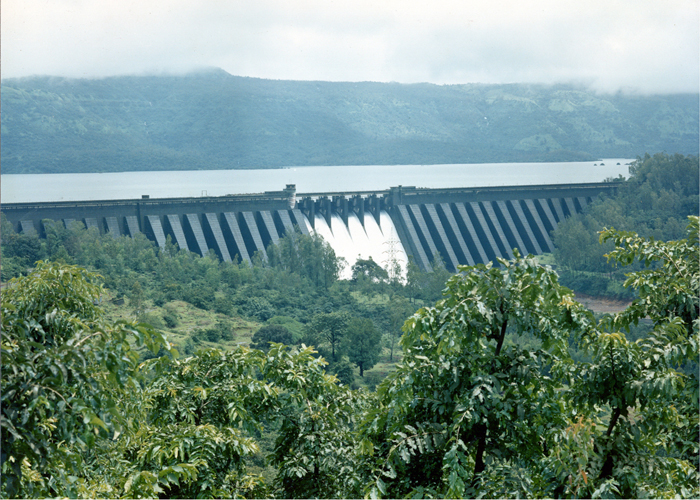
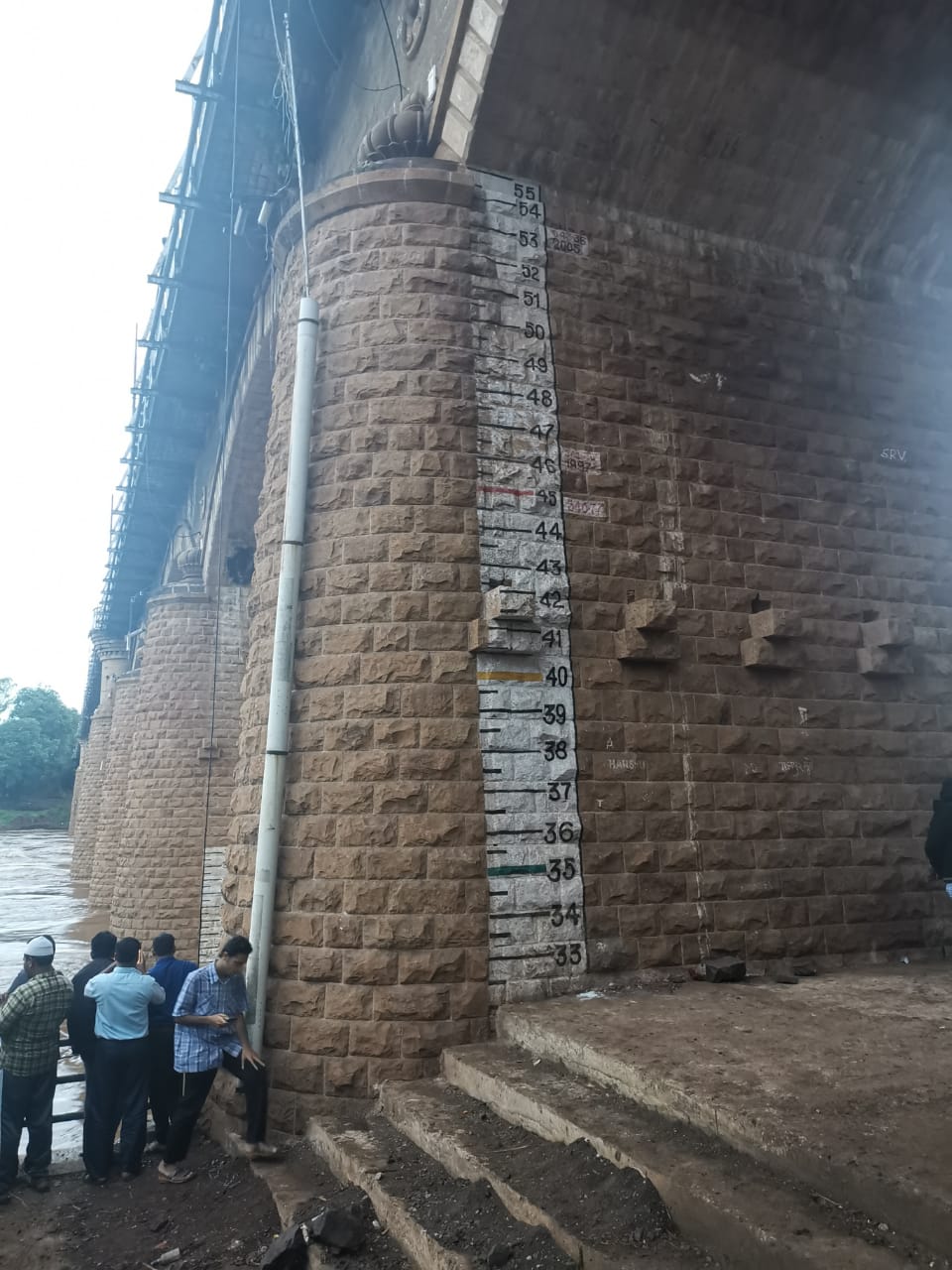
Seven major dams with high storage capacities in Upper Krishna Basin in Maharashtra’s Satara and Sangli districts have huge 1422.12 Million Cubic Meters (MCM) water in live storage as on May 30, 2020, just about a week away from the prospects of beginning of monsoon. The Wadnere committee’s efforts not withstanding, there is no doubt that almost simultaneous water release from these seven dams played a major role in creating highest ever flood levels in Maharashtra’s Upper Krishna Basin in August 2019. Though on this day last year, these seven dams had much lower water in live storage at 556.49 MCM, the almost simultaneous water release from these dams hugely contributed to the unprecedented flood disaster in Sangli district last year. With 256% water in live storage this year compared to last year on this date, the risk of these dams contributing to flood disaster in Sangli district is even greater this year. Unless the authorities in the water resources department, district administration and disaster management authorities wake up and ensure that these dams help moderate rather than contribute to floods. Continue reading “Maharashtra’s Upper Krishna Basin again faces prospects of Dam Floods?”
Maharashtra Floods 2019: Don’t waste the crisis
Guest Blog by Pradeep Purandare
Abstract: Flood Study Committee in Maharashtra has set up a record of sorts by not only denying technical information to its member but even excluding his chapter altogether from the final draft report. The humiliated member who opted to quit the committee shares his experience in this article. The article highlights: (1) the report was finalized without detailed discussions on all chapters together, (2) Maharashtra is well equipped with theory of ROS (Reservoir Operation Schedule) & Flood Zoning but doesn’t implement the same, (3) Maharashtra wasted full 13 years by not implementing the recommendations of Wadnere Committee-1 regarding revised ROS & integrated reservoir operation, (4) Total absence of flood management governance & (5) most importantly, the simulation study carried out by the committee indicates that backwater effect of Almatti project is not responsible for Maharashtra floods 2019. Next, the paper explains WRD’s (Water Resources Department) viewpoint regarding Maharashtra Floods 2019 & its emphasis on structural measures. The paper then points out WRD’s strange policy, raises questions regarding reliability of discharge measurement at observation points & makes following critical comment on Reservoir Operation.
“There is, therefore, room to believe that had there been the implementation of revised ROS as recommended by Wadnere Committee -1, less storage in the dams in the last week of July 2019 & staggered outflow from 9 projects based on the principle of integrated ROS, the flood situation would have been different & comparatively speaking less severe.”
In the end, the author requests the govt to follow the principle – “Don’t waste the crisis” and
- Take a critical review of the State’s preparedness regarding Flood Moderation
- Adopt & Implement the concept of Integrated Reservoir Operation
- Don’t make compromises in respect of flood zoning
- Ask Wadnere Committee-2 to make amendments in its report & modus operandi as well.
Continue reading “Maharashtra Floods 2019: Don’t waste the crisis”
Homes in Deluge: Aftermath of Maharashtra Floods 2019
Photo-blog 1
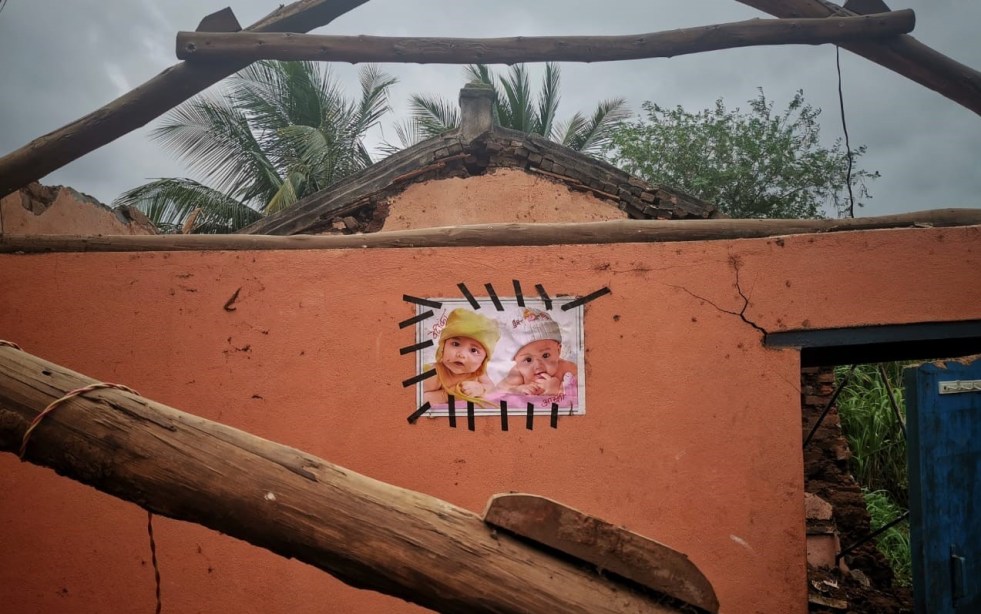
August 2019 Floods in Sangli and Kolhapur districts of Maharashtra have been historic. River levels washed away all past records many times over. New High Flood Levels (HFL) were reached multiple times at multiple places both in Sangli and Kolhapur. These districts, which form the fertile Black Cotton Soil belt of Maharashtra, are the floodplains of mighty rivers of the Krishna Basin: Krishna, Koyna, Warna, Panchaganga, Tarli, Urmodi, Dudhganga, Hiranyakeshi etc.
On the 8th August, Krishna breached its HFL: Highest Flood Level at two places in Maharashtra (Kurundwad and Arjunwad). On the same day, Warna and Panchaganga too crossed their HFLs at two places: Samdoli and Terwad (Kolhapur). Continue reading “Homes in Deluge: Aftermath of Maharashtra Floods 2019”
 SANDRP