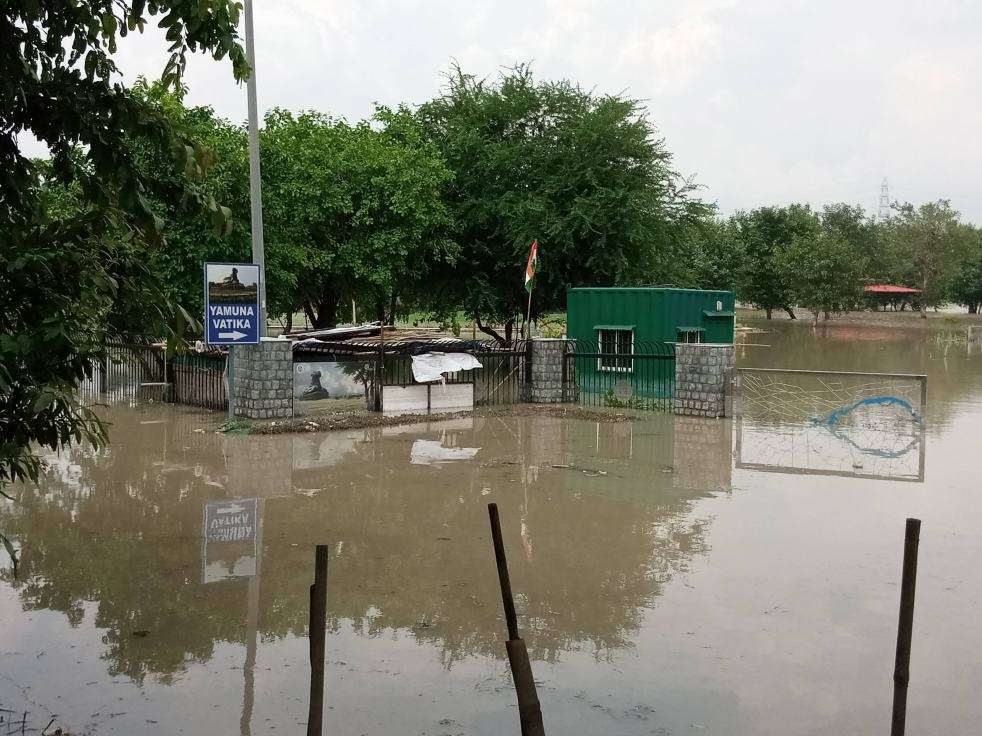
(Feature Image: Entrace of Asita West projects flooded with Yamuna water on Sept. 05. 2025. Credit: Surendar Solanki)
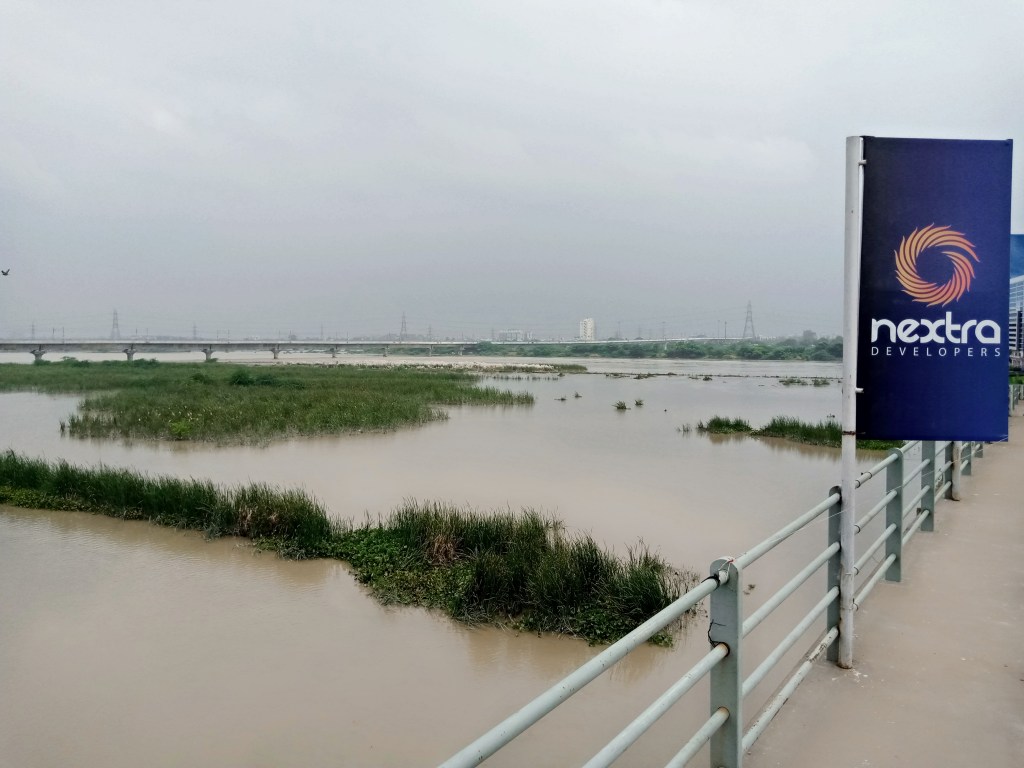
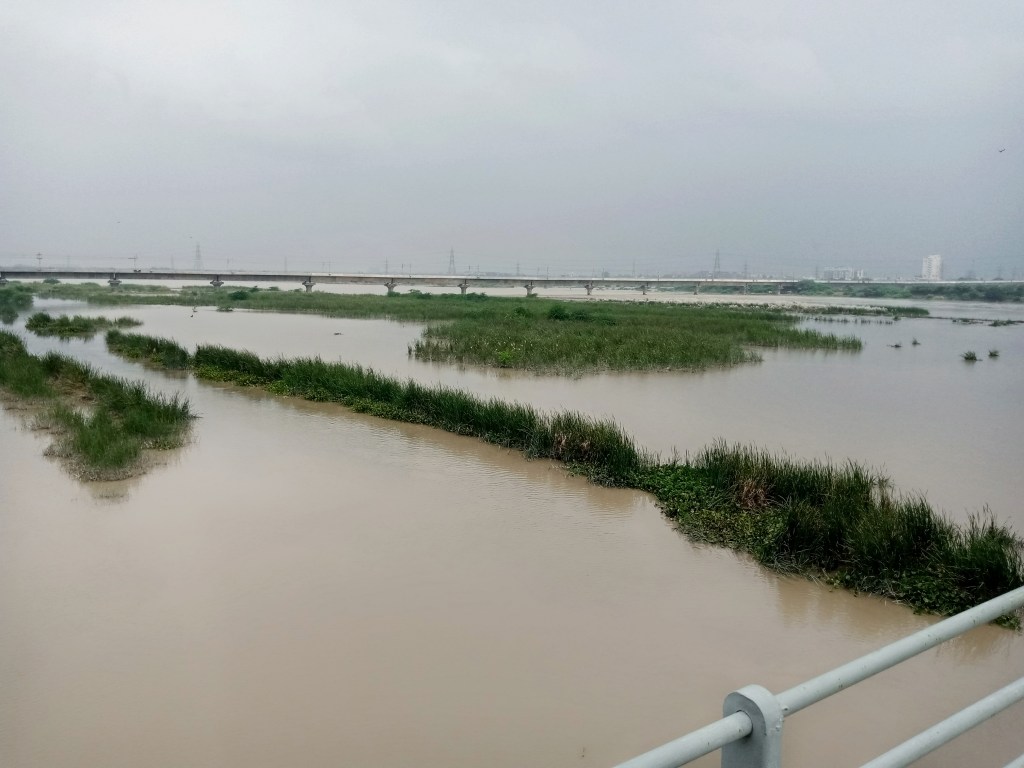
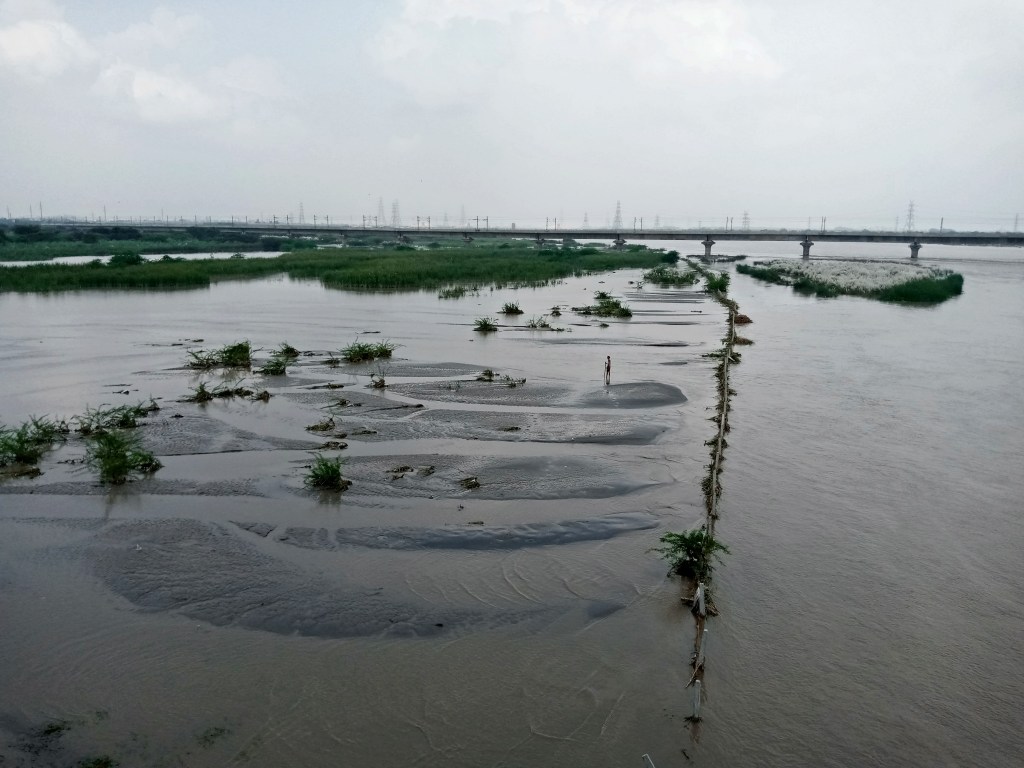
Through pictures and satellite imagery, this blog documents the impact of Sept. 2025 Yamuna flood on Delhi Development Authority’s (DDA) riverfront projects. These 10 projects are being developed over the past 8 years in river floodplain and had also suffered damages during July 2023 floods. Earlier they were called part of floodplain rejuvenation but now being termed as Yamuna riverfront projects. DDA website has only shown name, size and location of riverfront projects, however has maintained secrecy on important factors of cost, progress, delays, damage and losses concerning these projects.
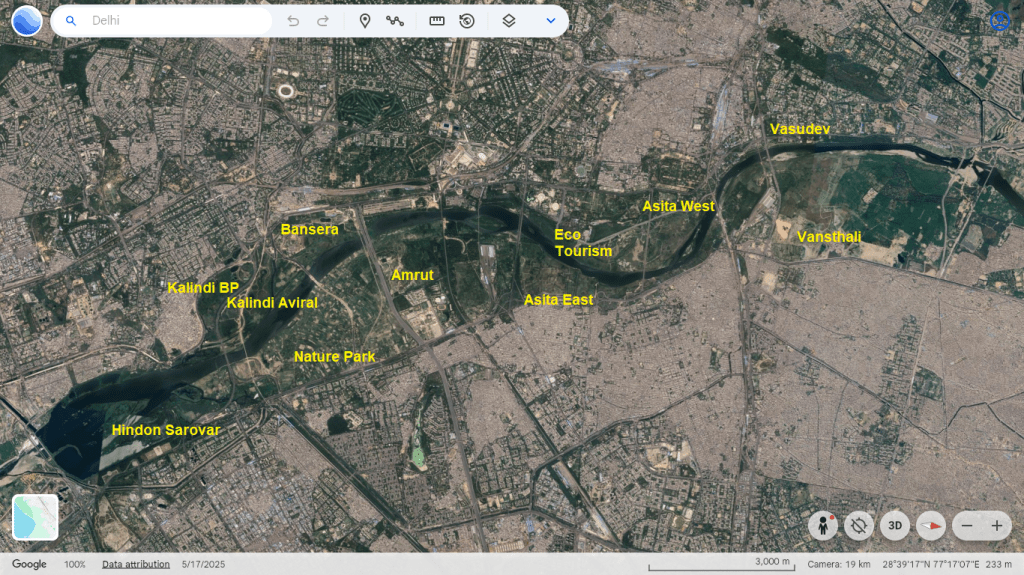
1 Vasudev Ghat: Spread over 16 hectares of floodplain land the swanky ghat has been developed near ISBT Kashmiri gate. Red stone marble, concrete materials have been used in huge amount to create permanent structure there. It was opened for public in March 2024. In April 2024 DDA approved ₹30.41 crore as revised cost of the project. The project was about 5 feet under flood waters in July 2023. The project has again been fully submerged in Sept 2025 floods. As the project site includes the lowest point of floodplain on western bank from where Yamuna floods have been entering into city, it is quite vulnerable to flood damages.
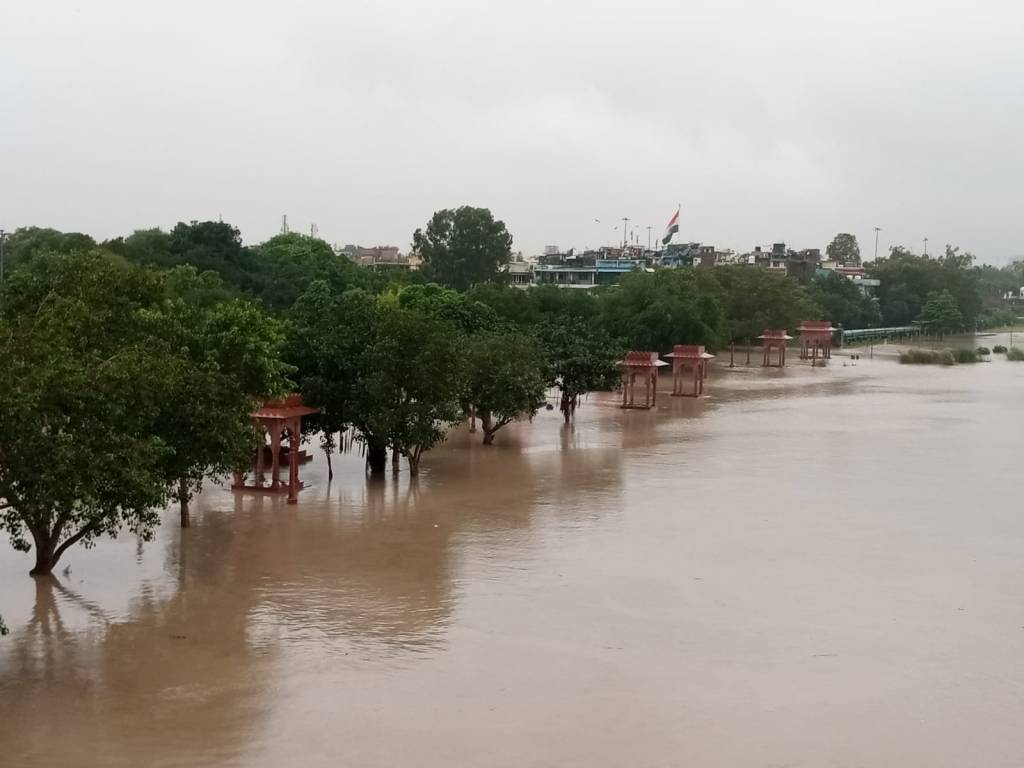
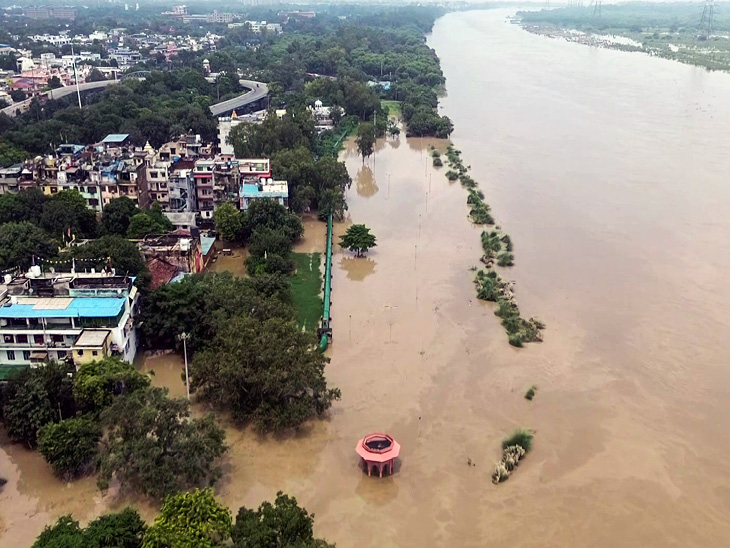

2 Yamuna Vansthali: Covering an area of 236.5 ha, this is second largest project of the DDA. The first phase of the project was ready by May 2025. Being on eastern floodplain the project is quite vulnerable to floods and has faced submergence in July 2023 and Sept 2025. About 19 ha of floodplain in project area has been raised by several feet in April 2024. Another over 50 ha floodplain land adjoining the project area has also been raised by dumping of soil. Thus, the project has significantly reduced the flood cushion, the floodplain provided to the city.

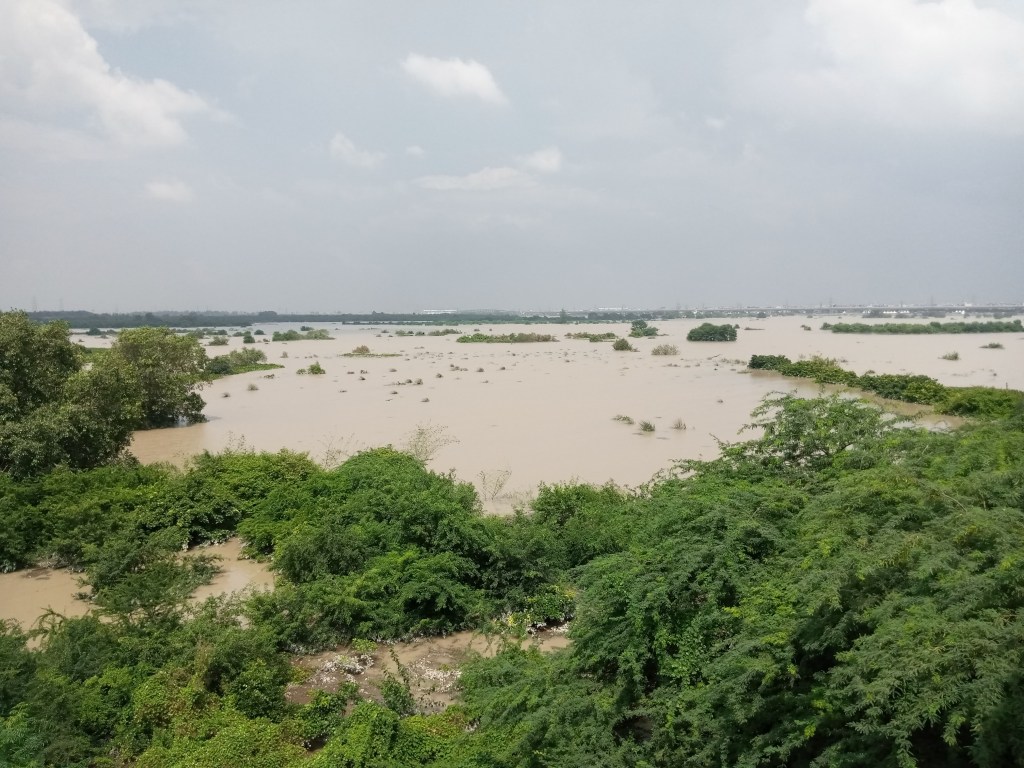


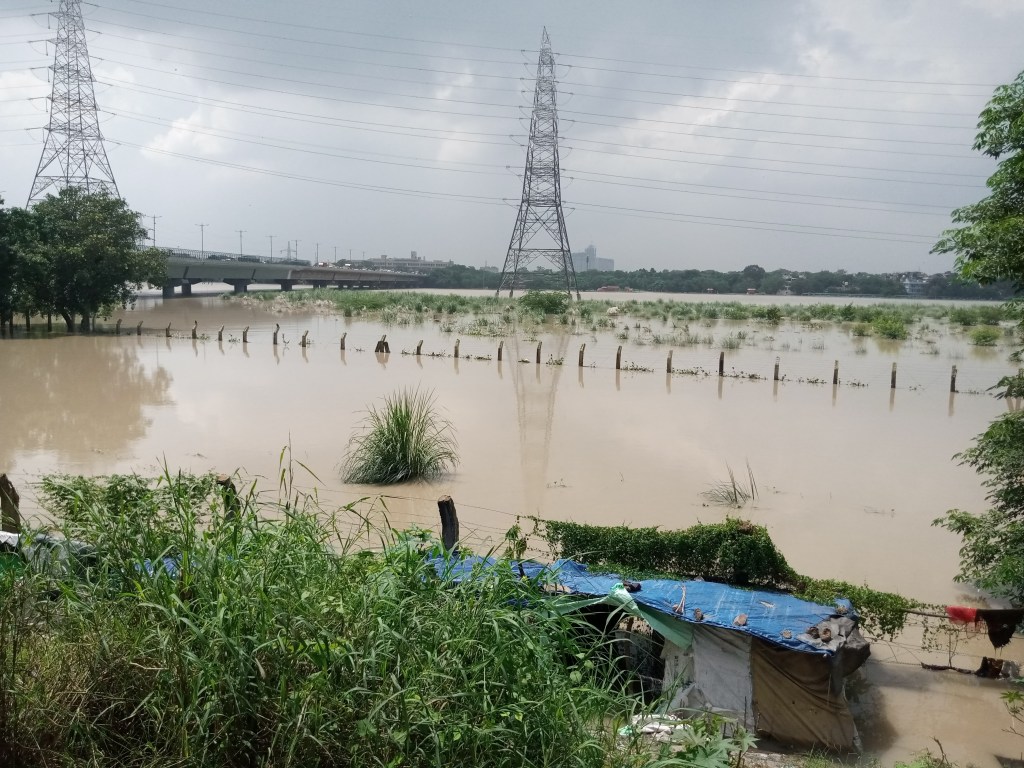
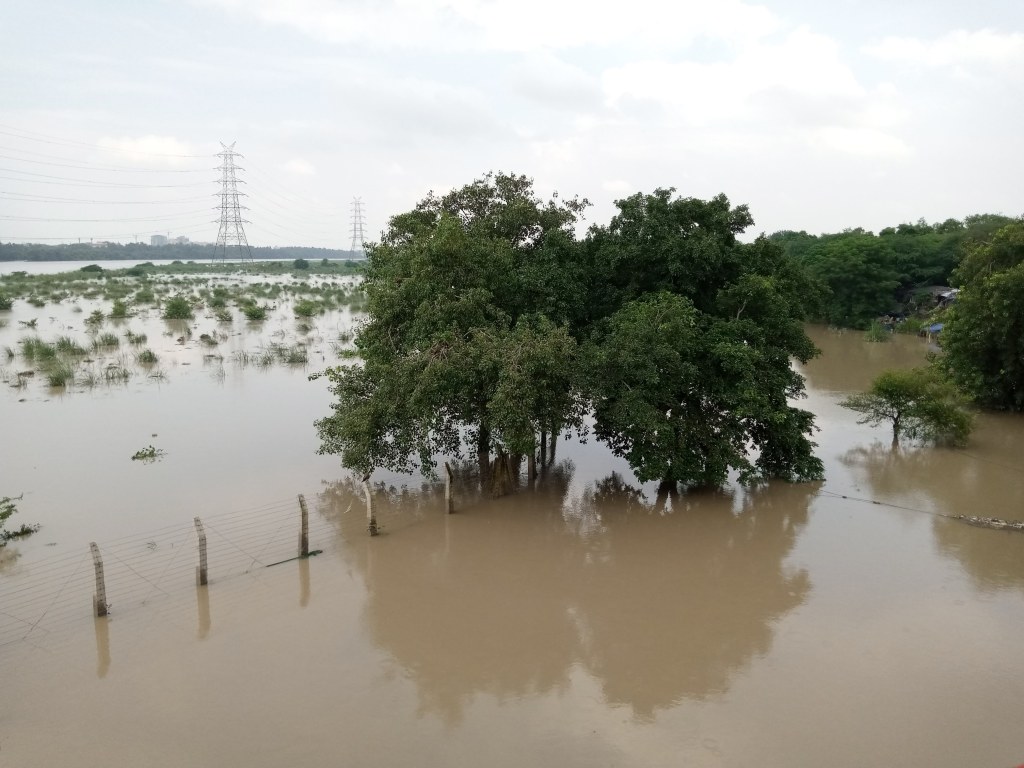
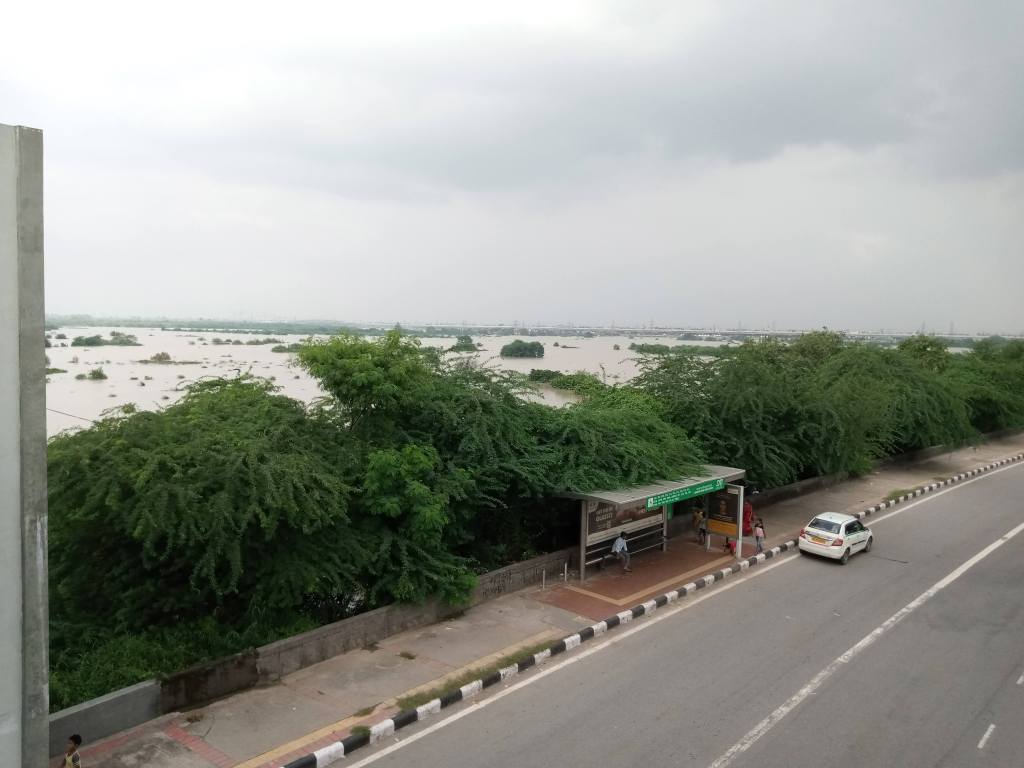
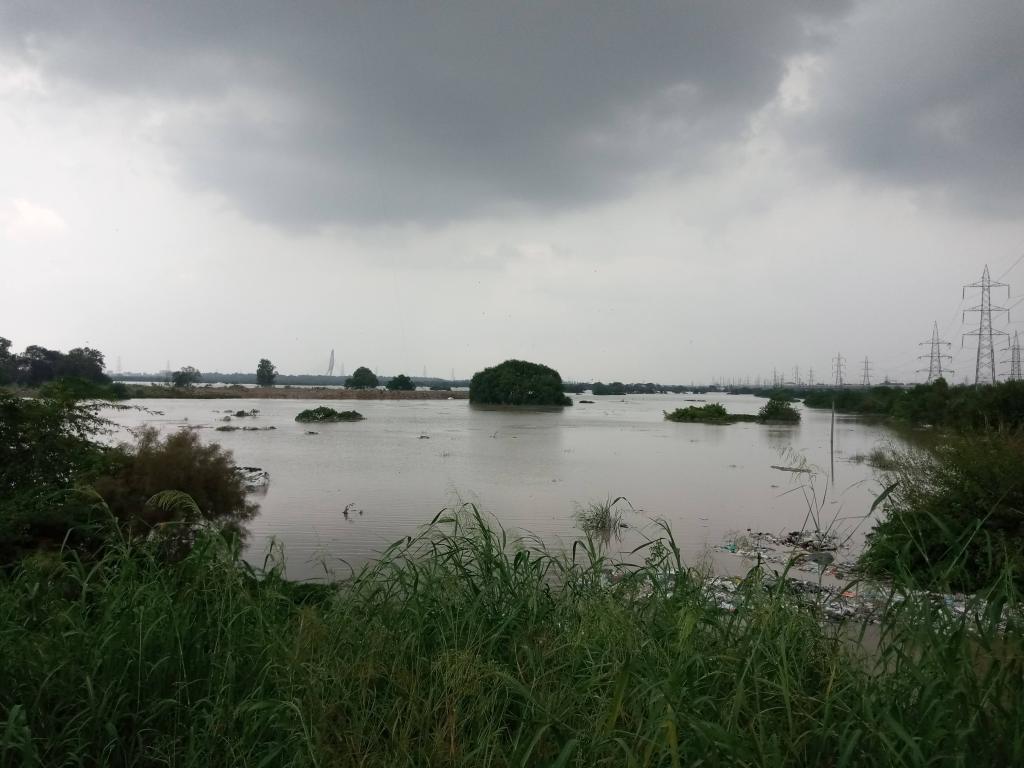
Slideshow showing inundation of Yamuna floodplain around Vanasthali site on Sept. 05, 2025. Surendar Solanki
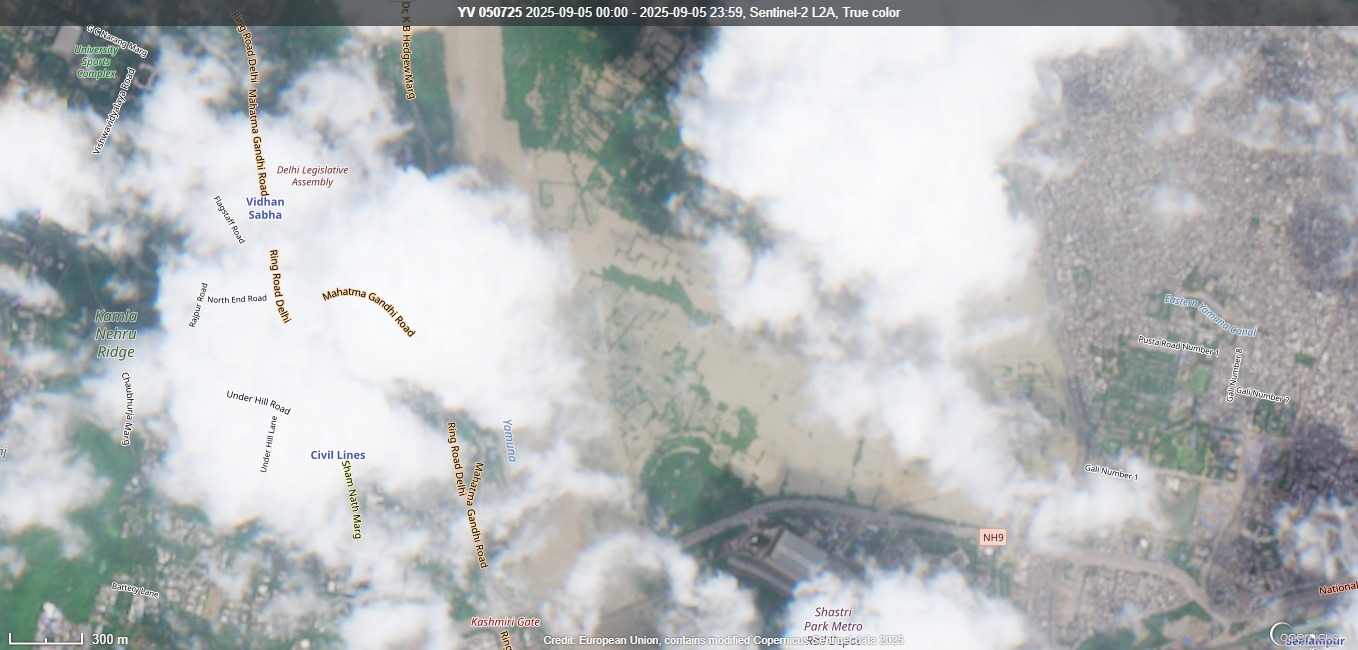
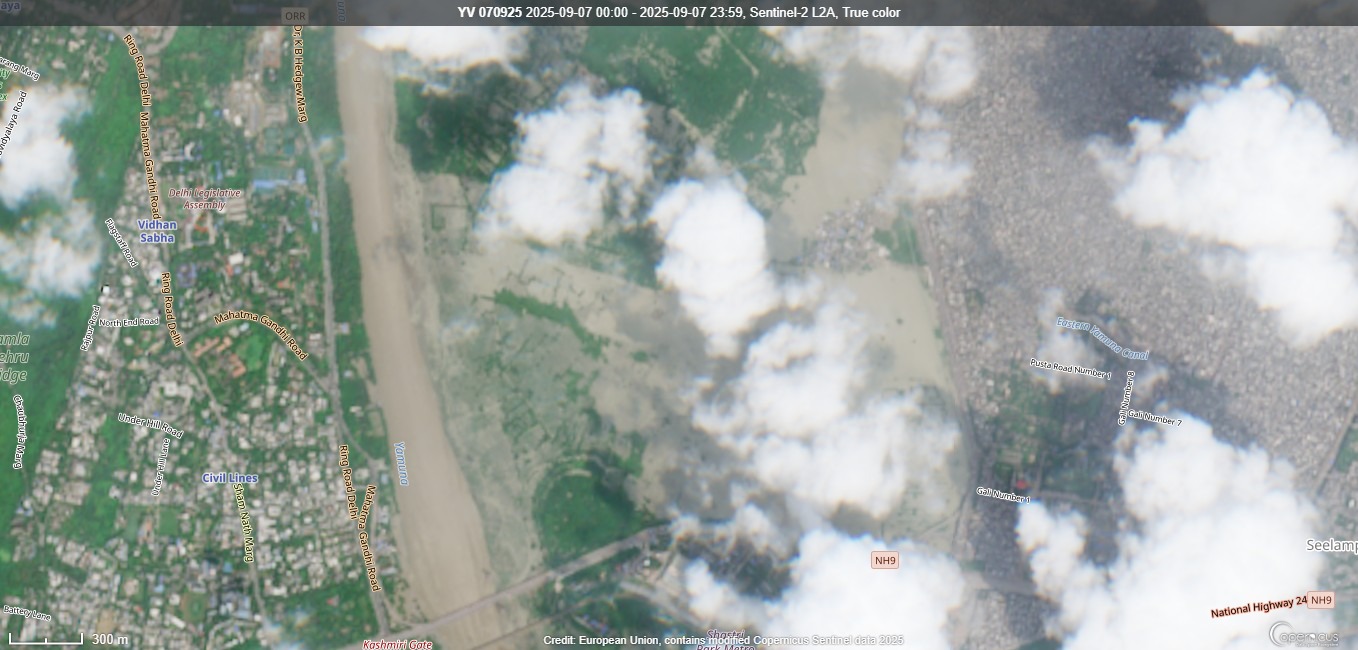
3 Asita East: The Asita East project is proposed on 197 ha of floodplain land. The first phase of the project covering 93 hectares was complete by May 2025. DDA has invested ₹13.3 crore to develop the project. Being located on lower part of floodplain the project is vulnerable to inundation during floods and has faced flood damages in July 2023 and September 2025.
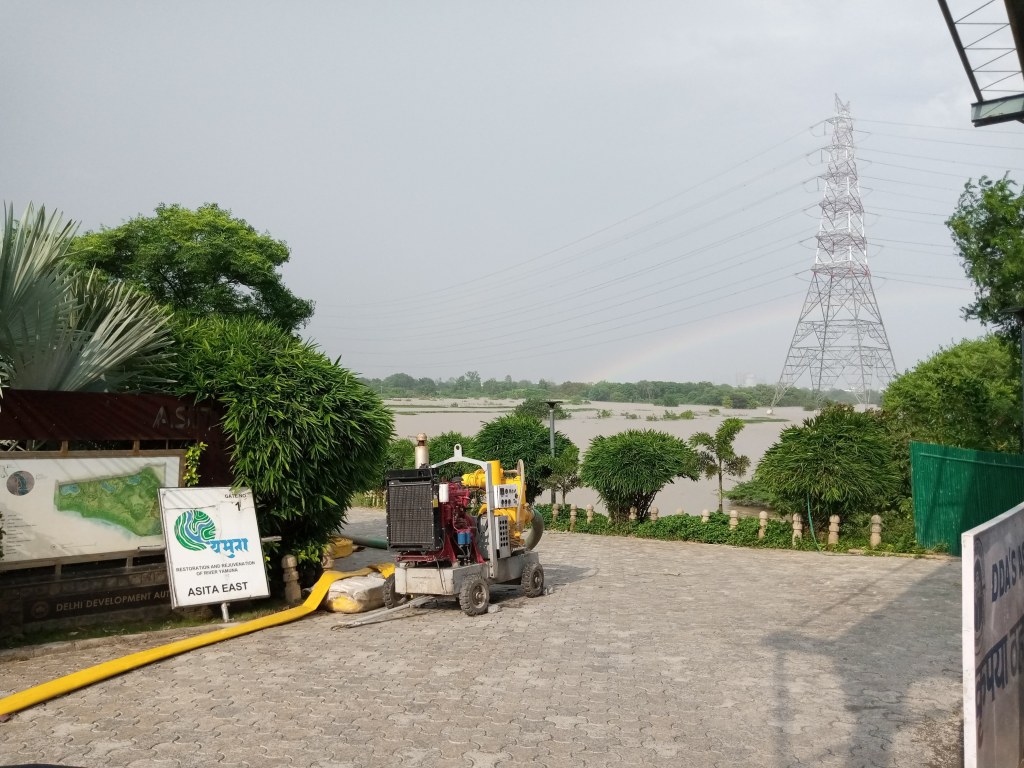
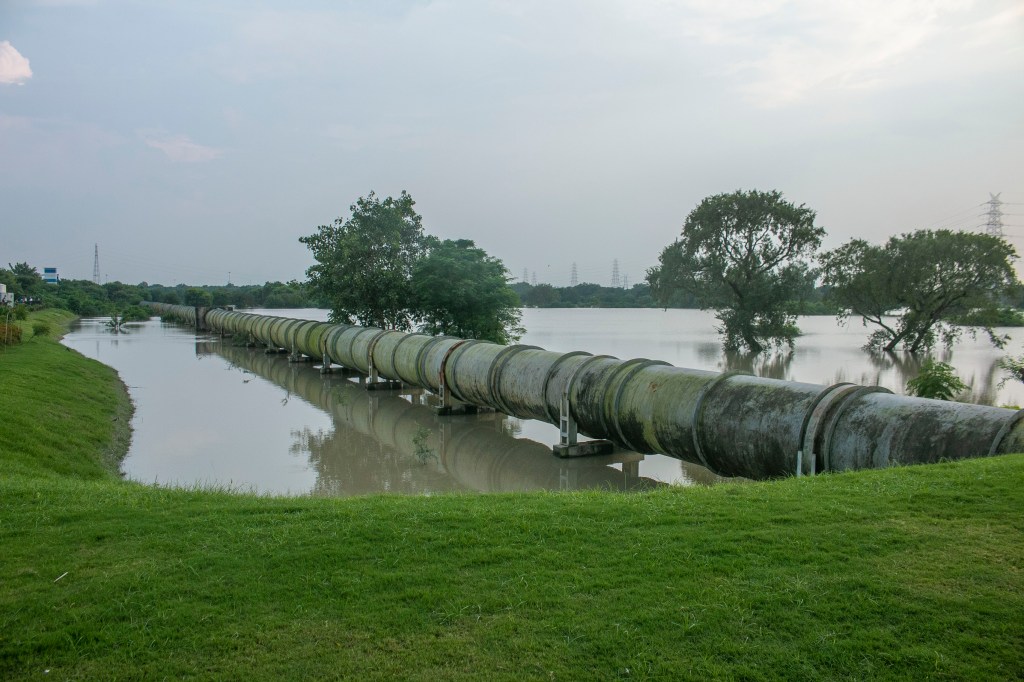
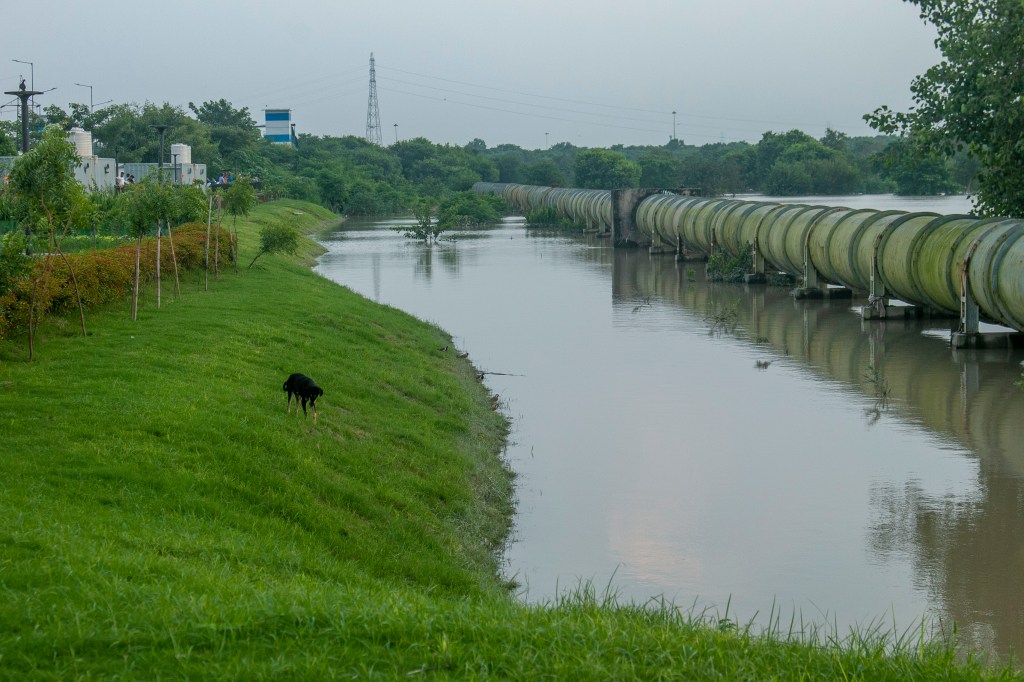
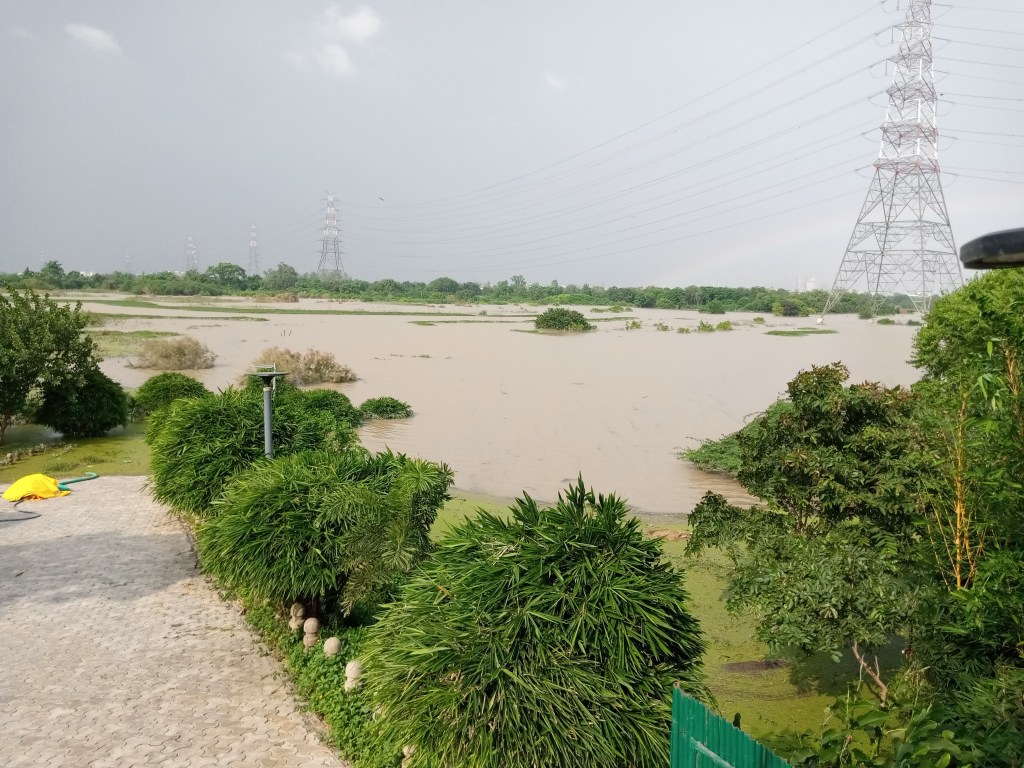
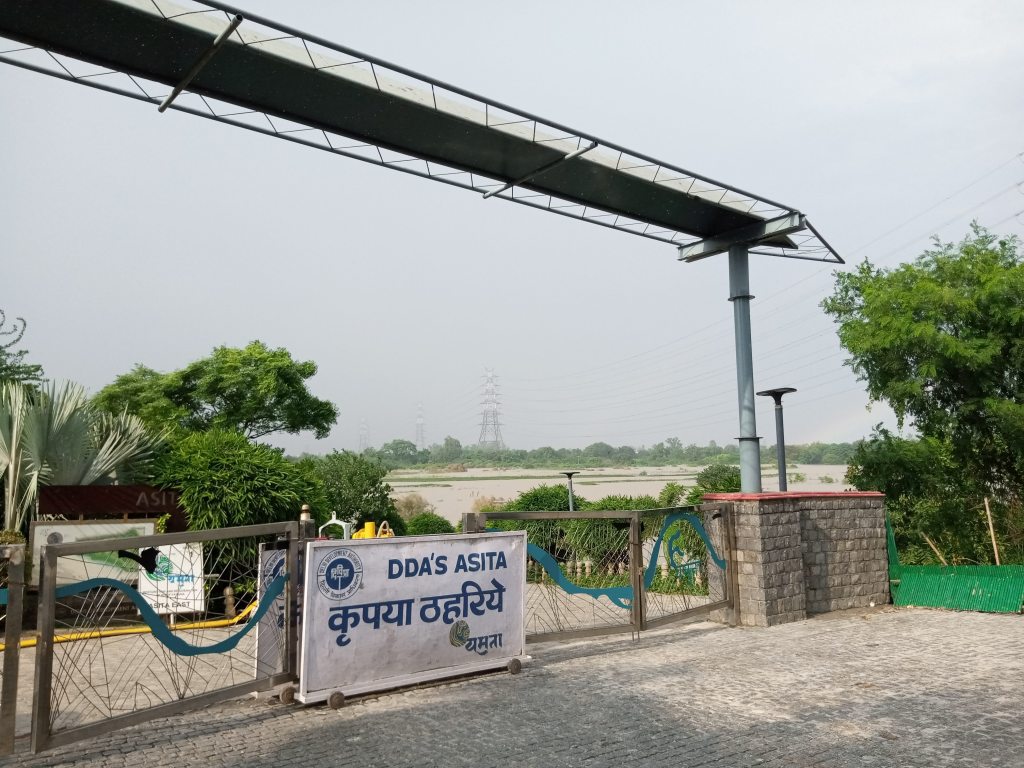
Slideshow showing flooding situation aroun Asita East site on Sept. 05, 2025. Surendar Solanki
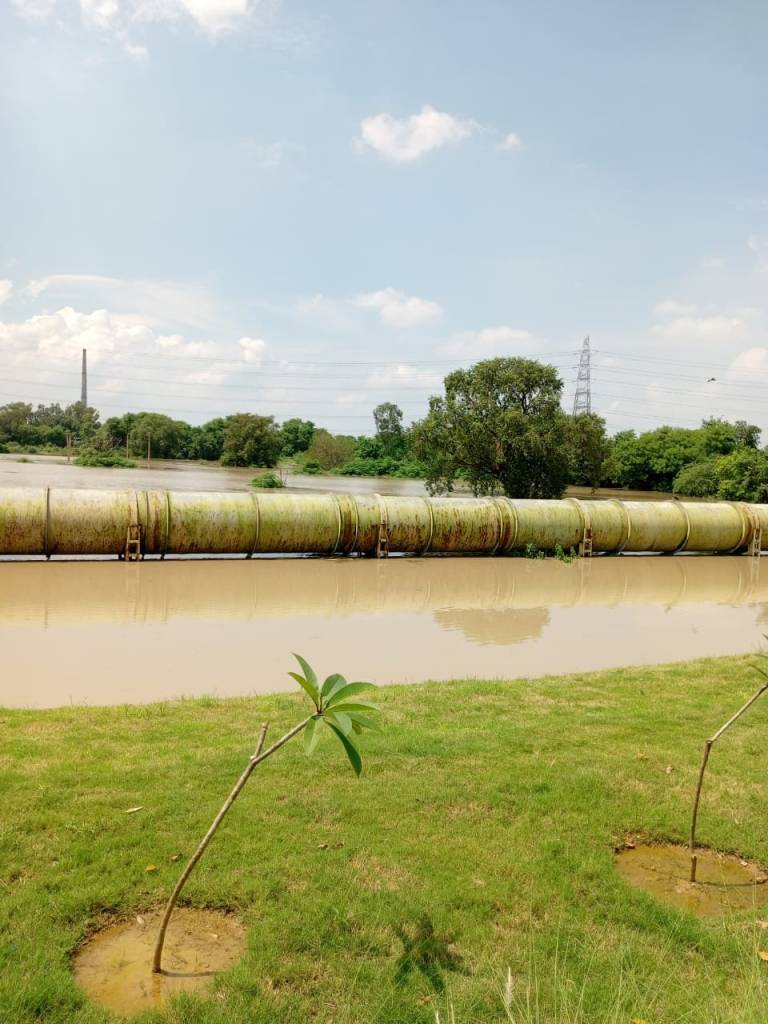
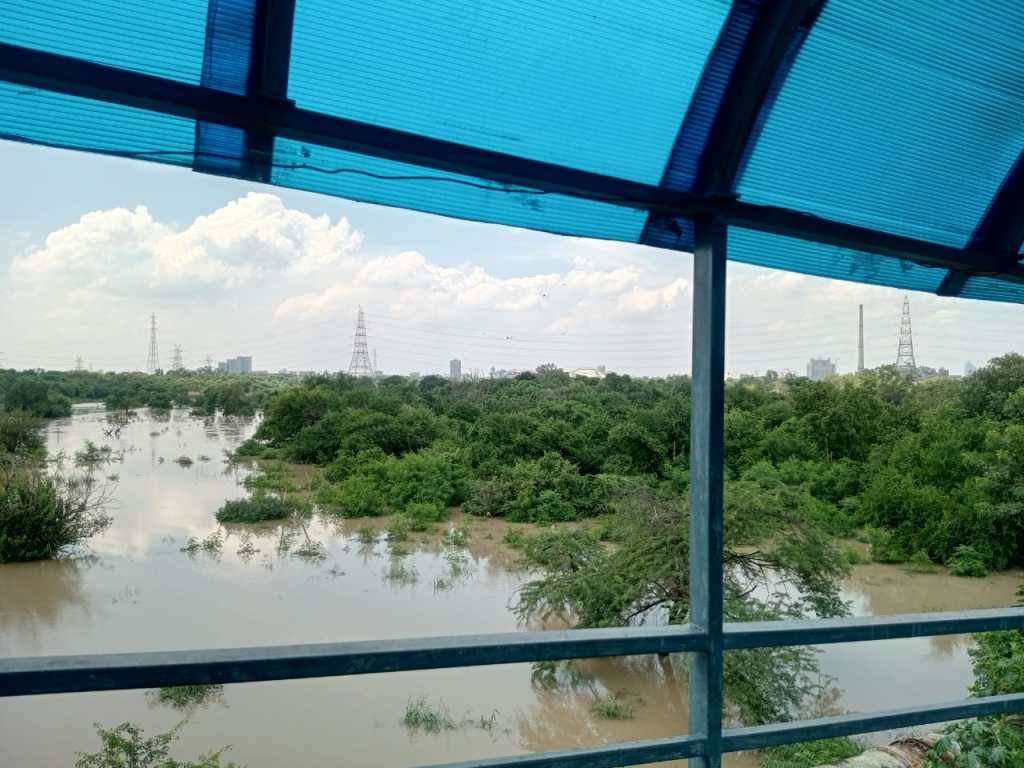
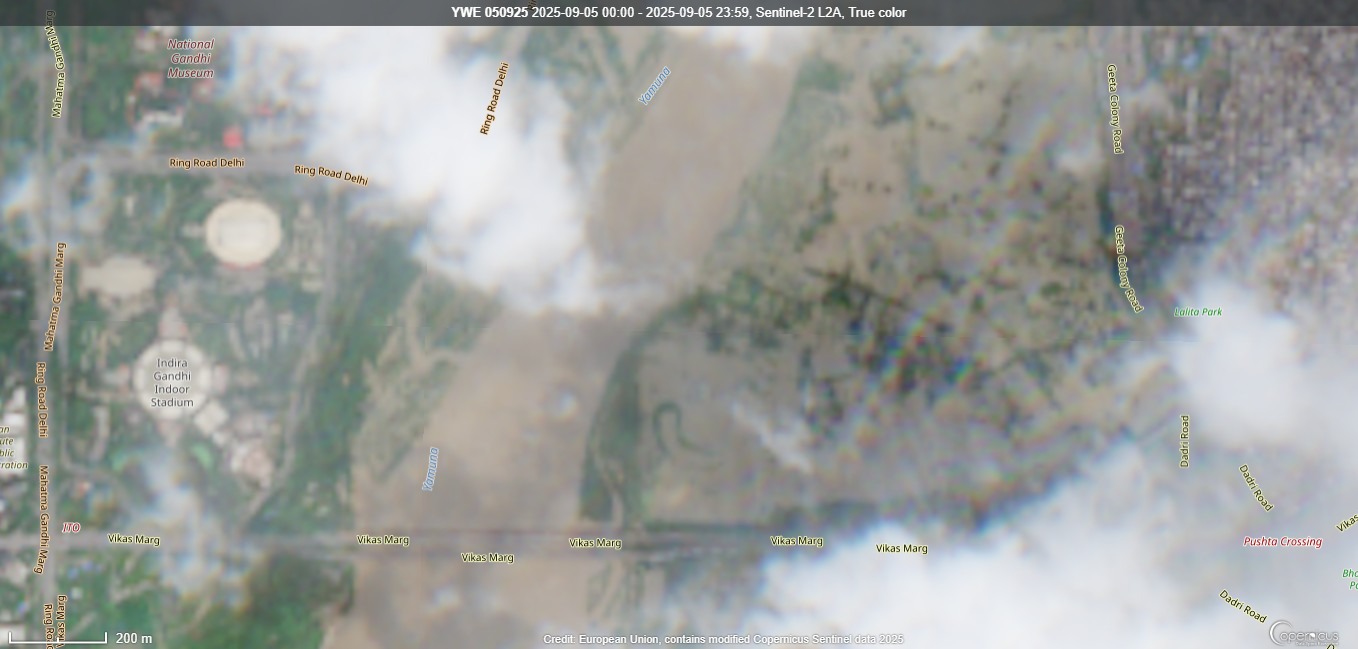
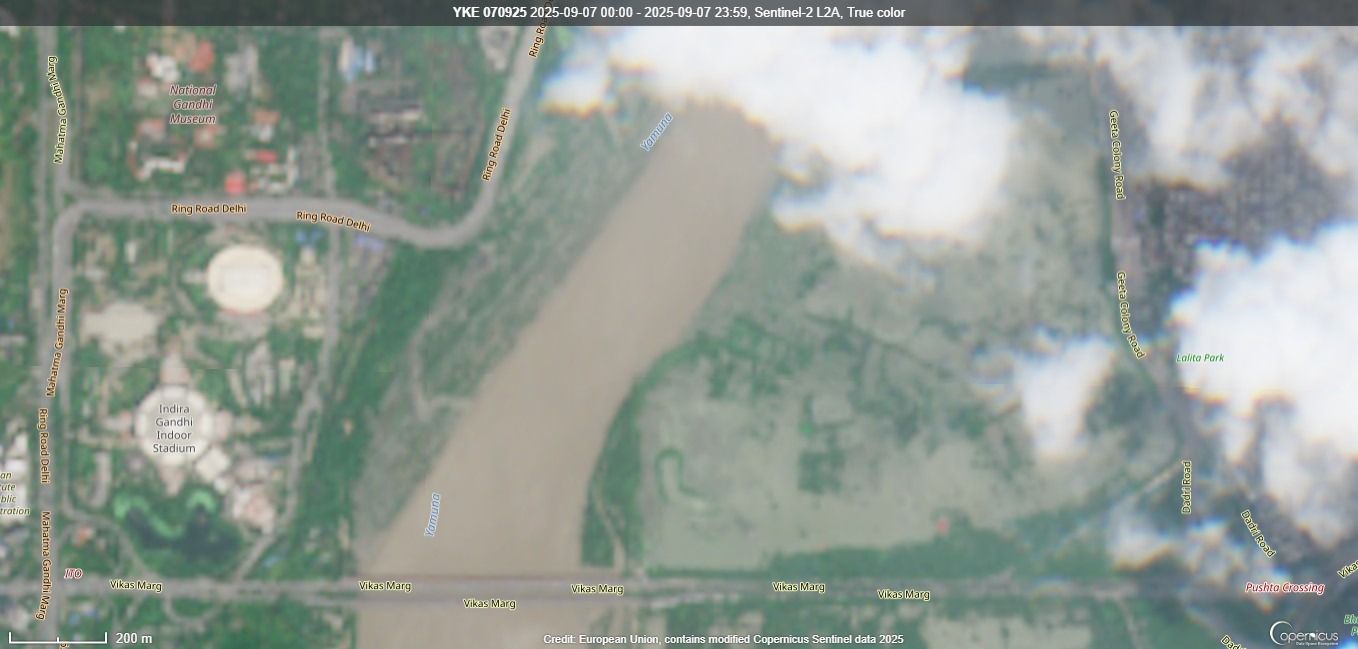
4 Asita West: This is third largest project covering an area of 200 ha between Old Railway Bridge and ITO barrage. The first phase of the project covering 107 ha was complete by May 2025 costing ₹14.3 crore and second phase was to be completed by June 30, 2025. The site has faced submergence in both July 2023 and Sept 2025 flood spells in Yamuna.


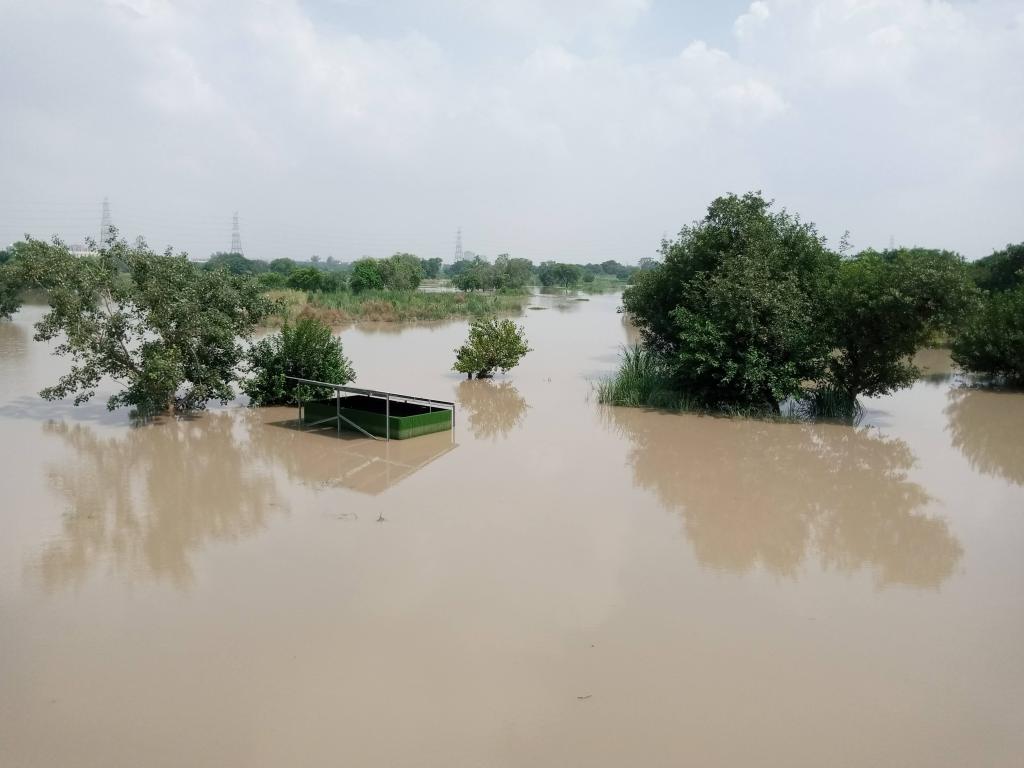
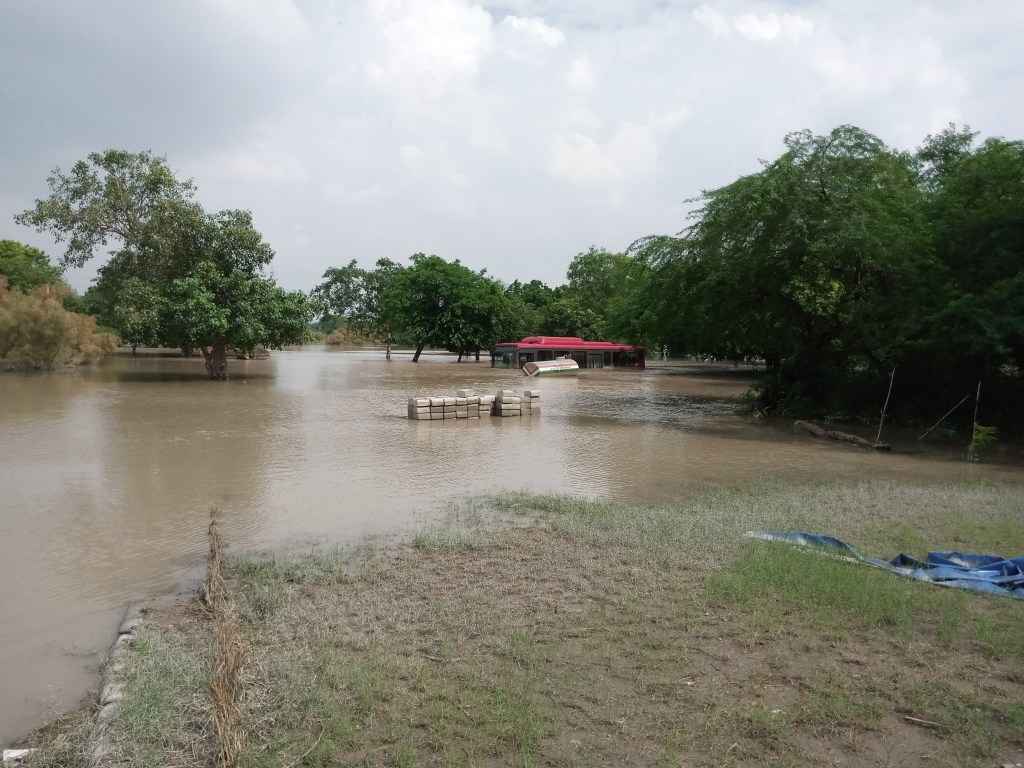
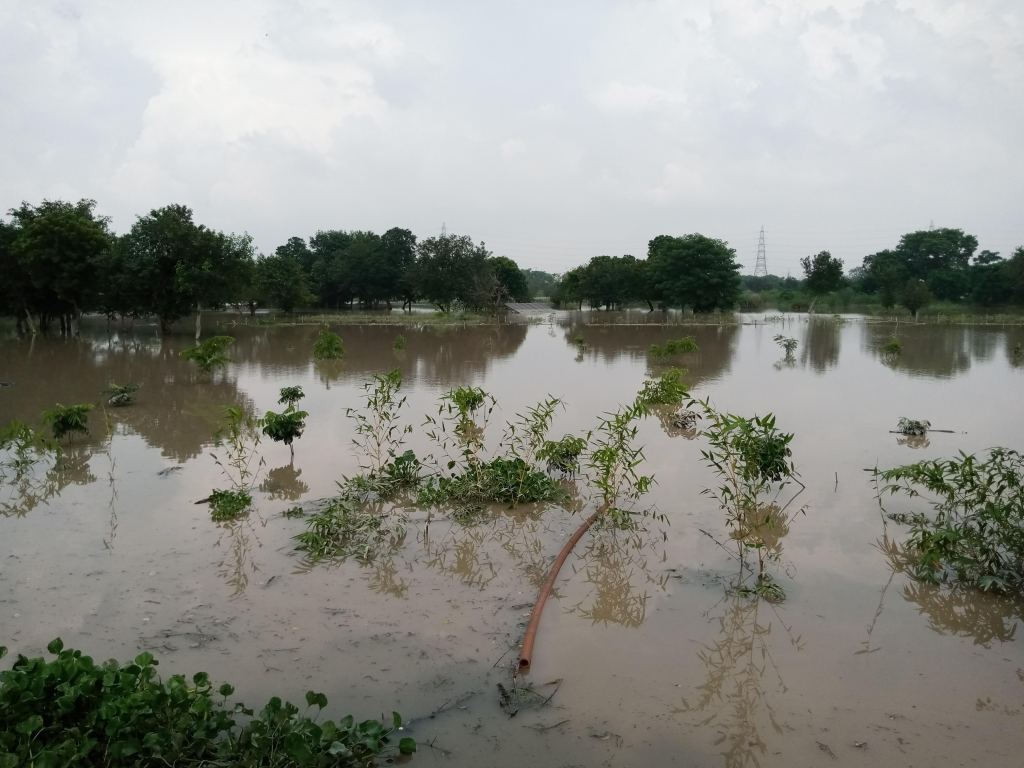
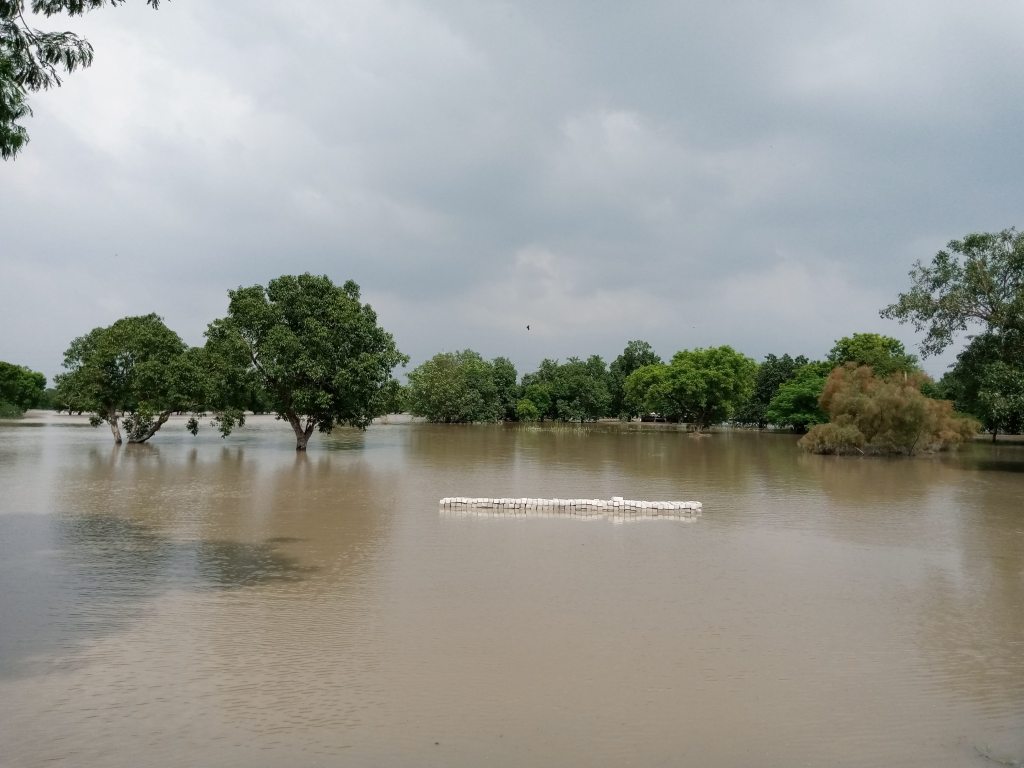
Asita West project in completely flooded condition on Sept. 05, 2025. All images by Surendar Solanki.
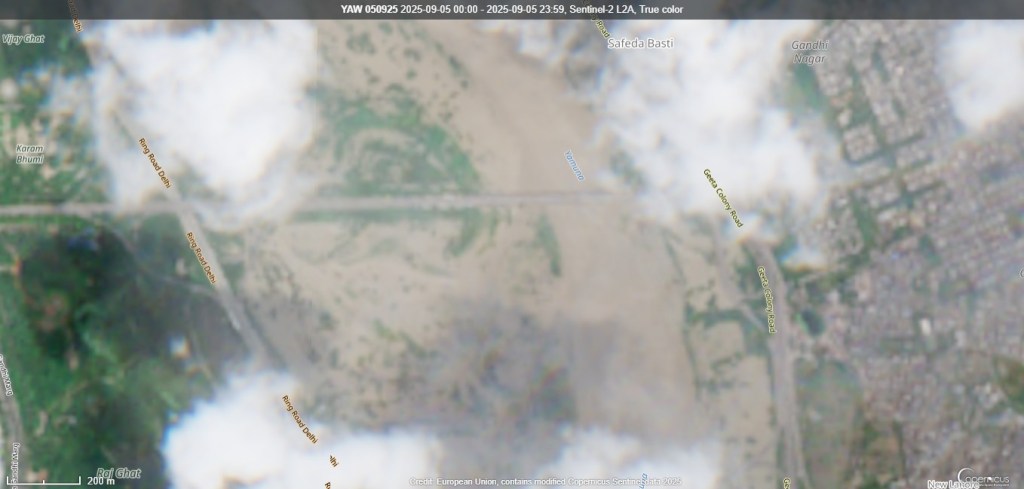
5 Amrut Biodiversity Park: Located next to CWG village along NH 24, the Amrut Biodiversity Park was inaugurated by Delhi LG in March 2025. The park covers 108 ha of eastern floodplain land and has been developed after planting about 14,500 trees, 18,000 shrubs, 321,000 grasses and creation of 5 water bodies. The area goes under water even during low scale flooding and has been inundated completely in July 2023 and Sept 2025 floods causing significant damages and financial losses.
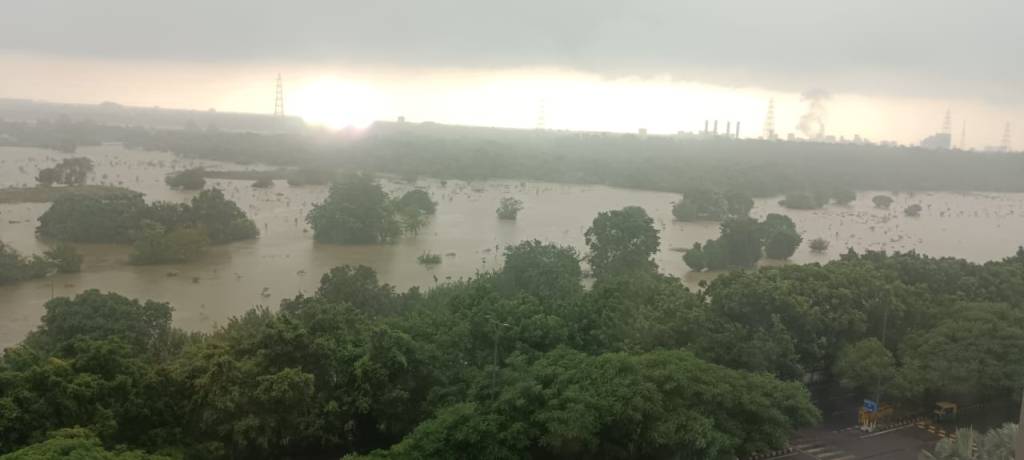
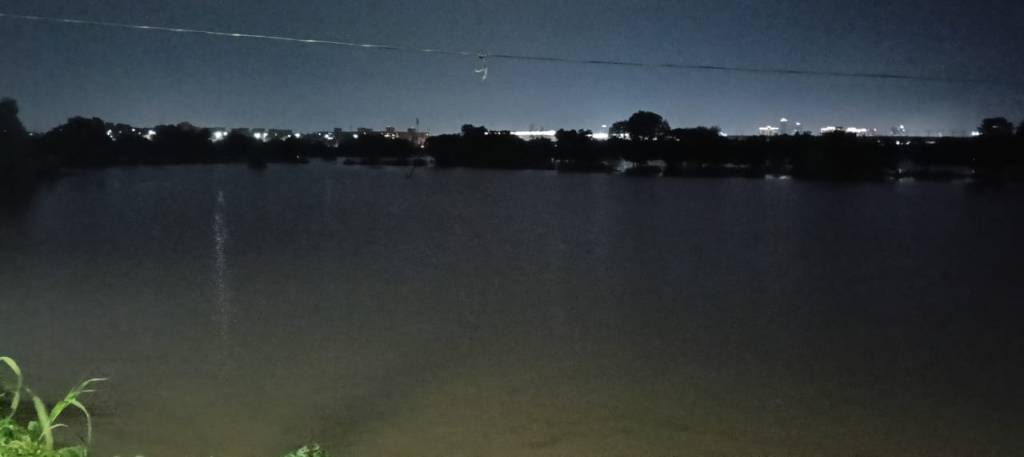
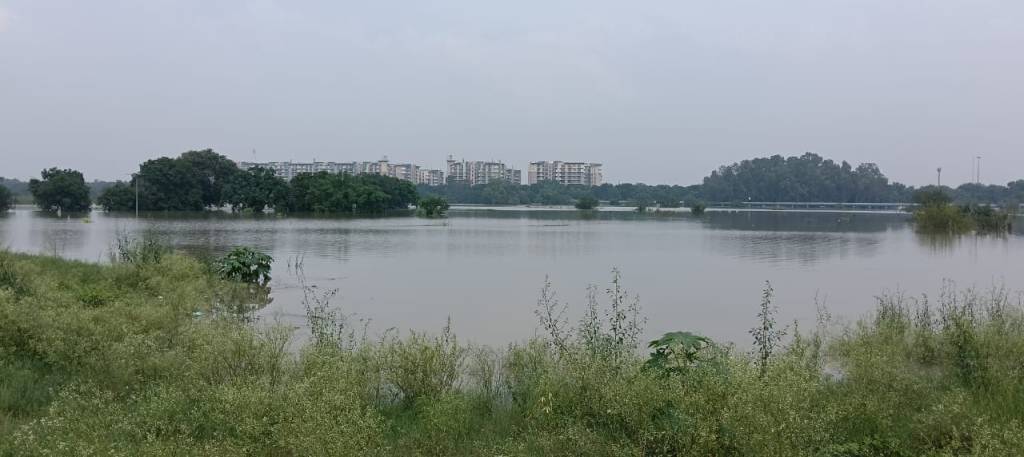
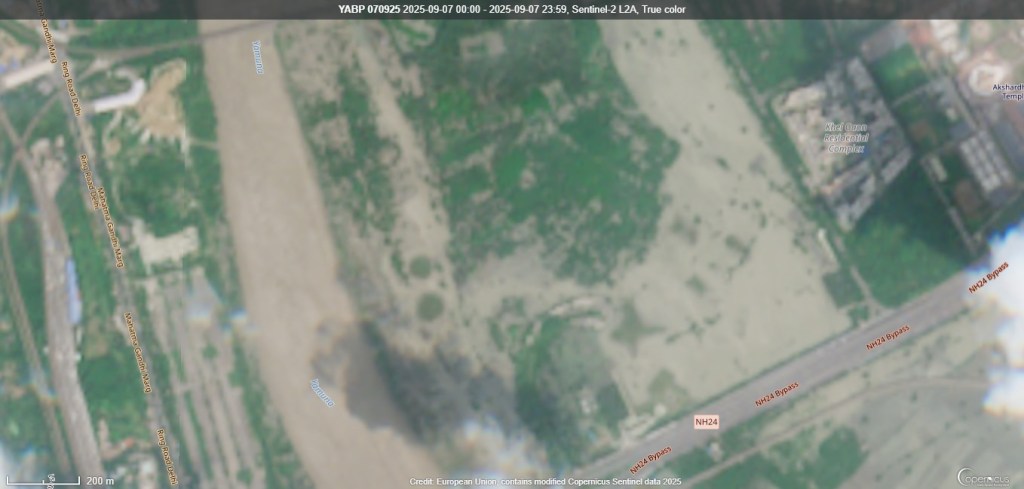
6 Mayur Nature Park: The cost of this largest project covering 397.75 ha of eastern floodplain is stated to be ₹136 crore and it will be completed by Oct 2026 from earlier target of March 2026. The site is prone to flooding and has been submerged completely during July 2023 & Sept 2025 floods.
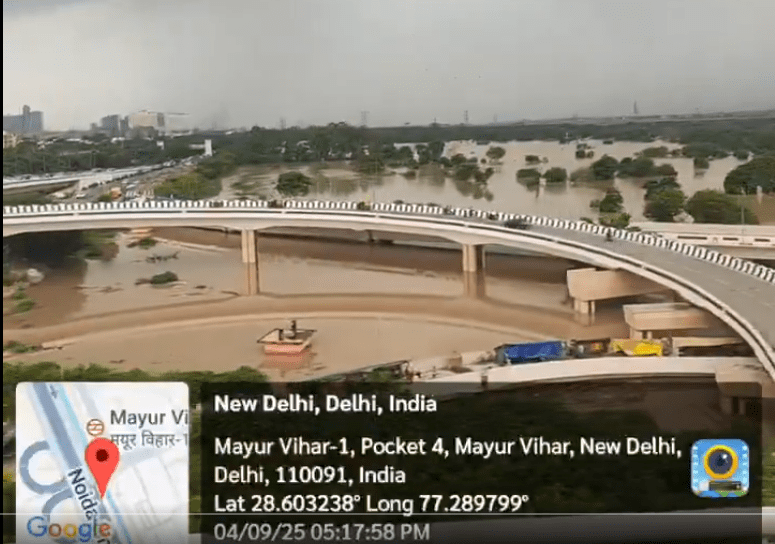
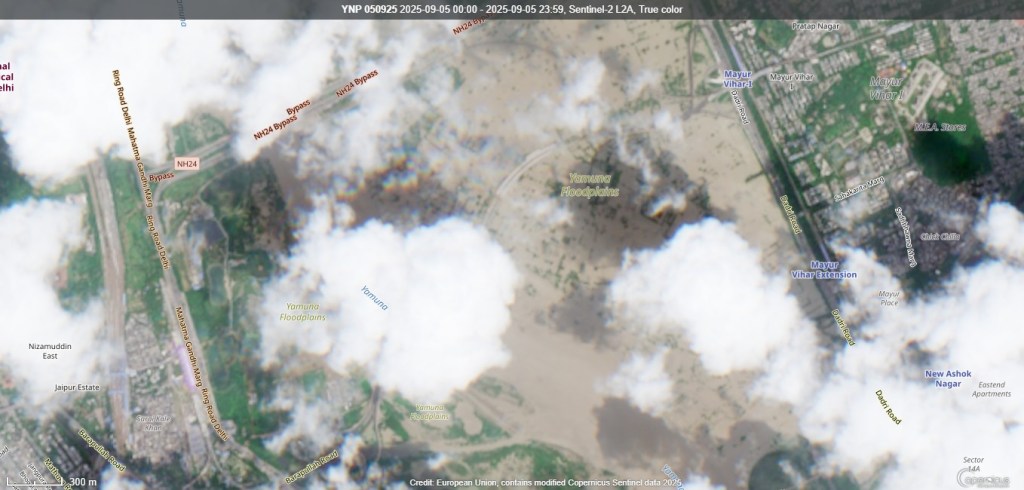
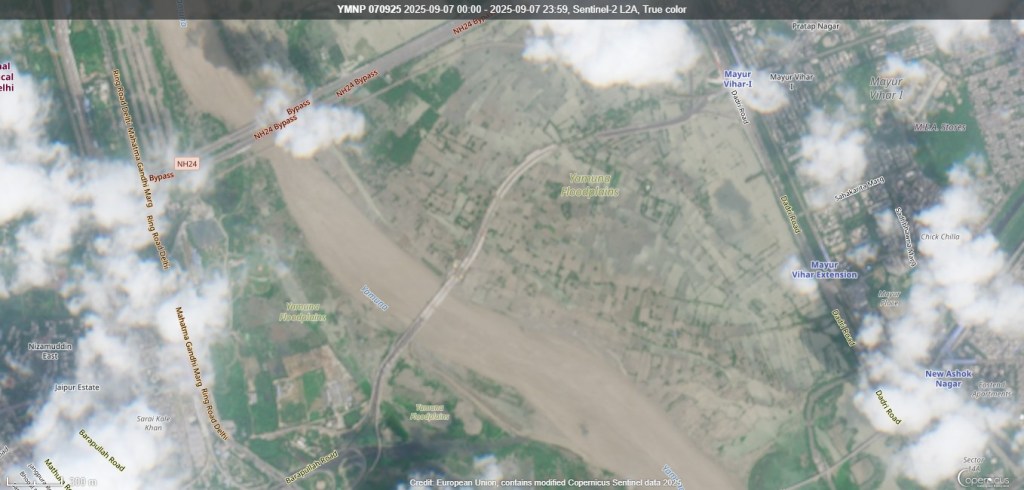
7 Kalindi Aviral: As per May 2025 report, the Kalindi Aviral project was complete but suffered some damage due to construction work by the agency. The controversial Bansera project built on 12 ha elevated land where large-scale permanent construction has taken place is part of the Kalindi Aviral project. The July 2023 and September 2025 floods have flooded and affected the work of the Kalindi project.

Decision Making Process DDA has taken up all these projects, but it is not clear who has taken the decisions about these, what has been the process of decision making. The decision-making process should have been transparent, participatory and accountable, involving people of Delhi, sharing the feasibility reports and impact assessment studies, cost benefit analysis and conducting a public hearing for each project. None of these has been done, unfortunately.
SANDRP

 SANDRP