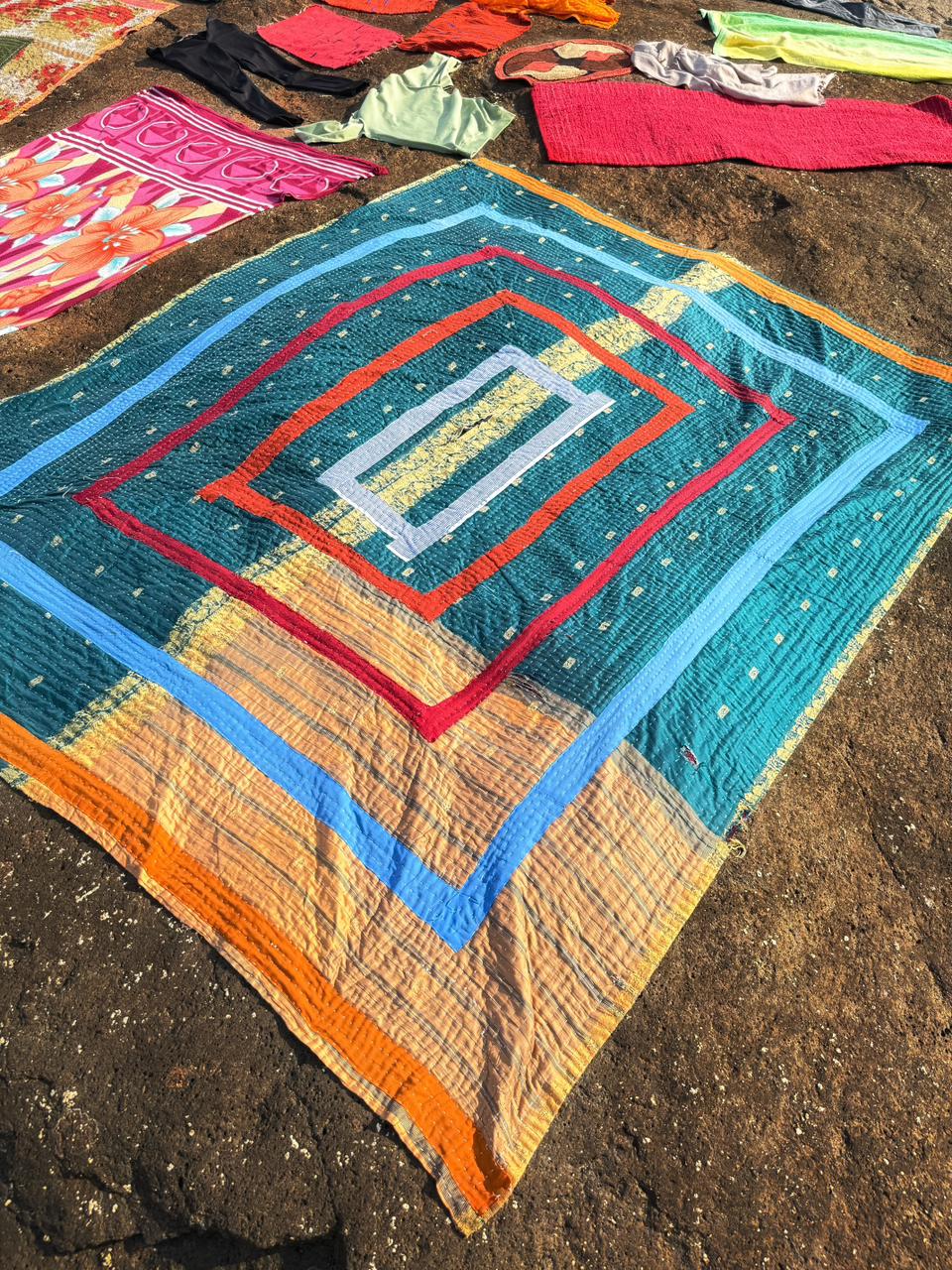
Sharad Ritu or Autumn is eulogized in almost all Indian epics. Ramayana especially talks about the crystal clear waters, emerging silver sand banks and blossoming kash grasses along the rivers in this season.
Festivals around the autumnal harvest time, like Durga Puja and Navratri bring bustle and energy across the land. In Maharashtra, days before Navratri hold a special significance. Entire homes are washed, scrubbed and laundered before the deity enters the abode. But thousands of people living in tiny homes, with miniscule bathrooms have no place to wash their bedsheets, blankets, curtains and such home linen. No space and more importantly, no water.
And so, they gather along a place where people have been coming together since time immemorial: the riverbank.
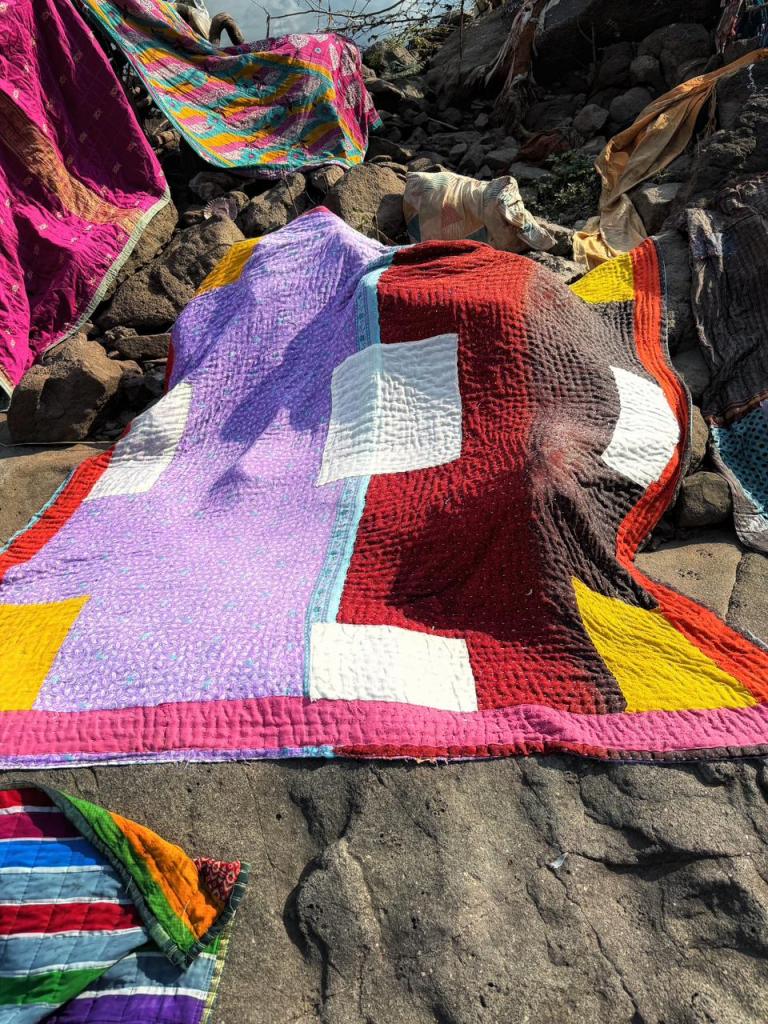
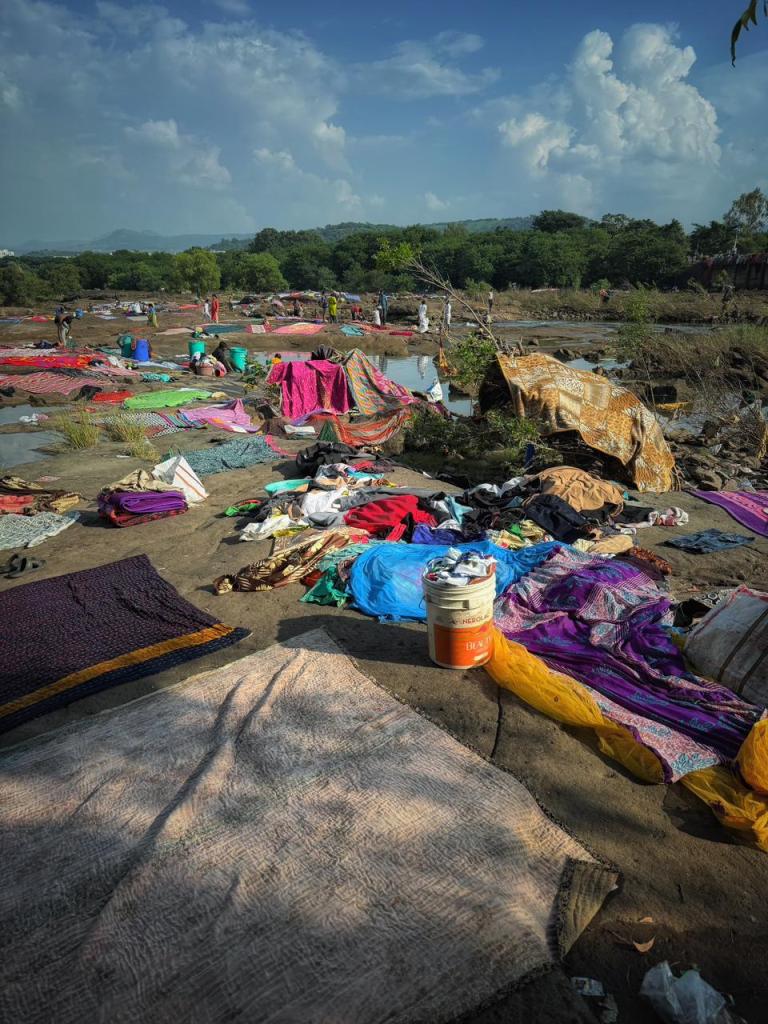
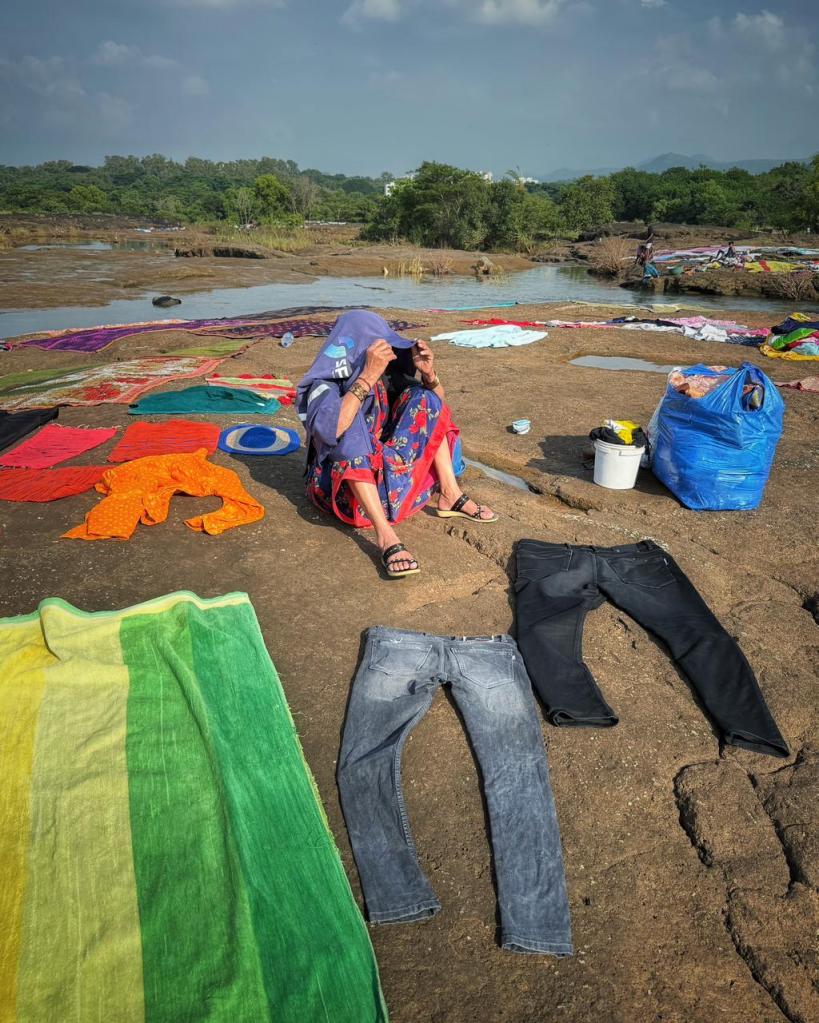
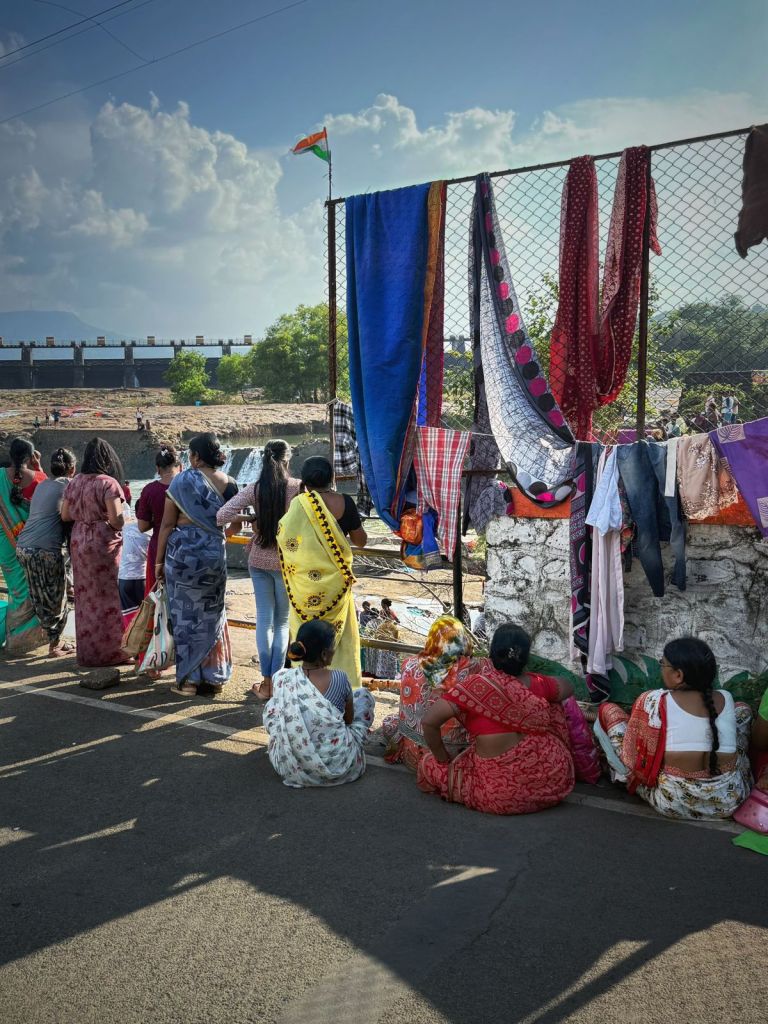
What happens at the Mula Mutha river banks for a few days before Navratri has to be looked at with curiosity and with an understanding of our privilege. We, the people of tiled bathrooms and shiny washing machines can very easily turn up our noses at the hordes of people who gather at the riverbanks to wash their clothes. But if we do so, we will not see the camaraderie that arises along a crowded river. Nor can we appreciate the rich colors, textures and patterns of home-sewn quilts. We cannot share tiffins and siestas on the riverbanks, nor hear the laughter and gossiping of the crowd brought together thus.
While the activity does contribute to pollution, this contribution fades away when compared to the outfalls of swanky complexes and a whole Municipal Corporation which refuses to treat its sewage.
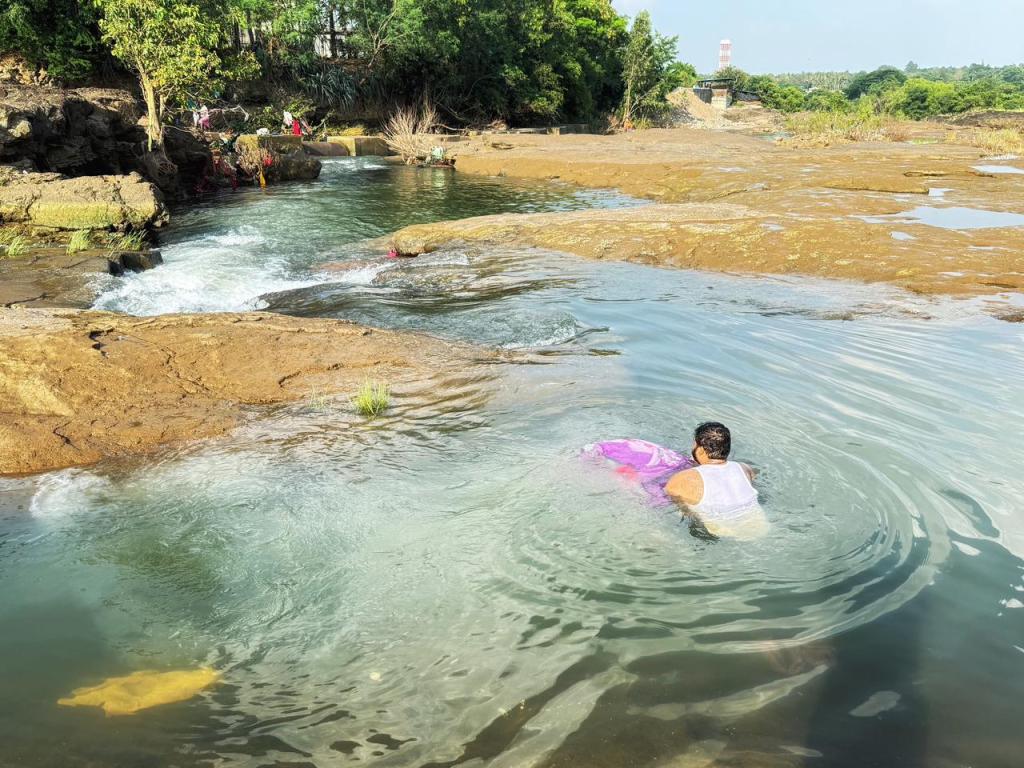
Washing home linen on a rocky river bank in flowing water is nothing less than a small festival. When we visited Khadakwasla Dam on the day before Navratri, hundreds of people were busy washing just downstream the dam. We soon realized that wringing a soaked blanket in flowing water is a back-breaking task! In a very rare show of solidarity, most women are accompanied by the men of the houses. Men wash with the women and strangely, seem to enjoy doing so. People gather here in the mornings, wash up twenty-twenty five blankets and bedsheets, eat lunch, snooze on the banks and head back home as the sun sets with a load of squeaky-clean laundry.
This year, the occasion was marred by a tragedy. A child drowned in Mutha river downstream of Khadakwasla Dam. Everyone was sad and shocked, people gathered in huddled masses along the bridge, peering at the river. But just like life, they resumed their work muttering under their breaths, holding their kids a bit closer.
Unbelievably, Khadakwasla Dam opened a gate and released water even when hundreds of men and women were right in the middle of the river and their laundry was drying on the banks! Police hollered at the people and were rude only as police can be. People cowered and some fled. We are adept at spoiling others’ fun. The river belongs to them as much as to us.
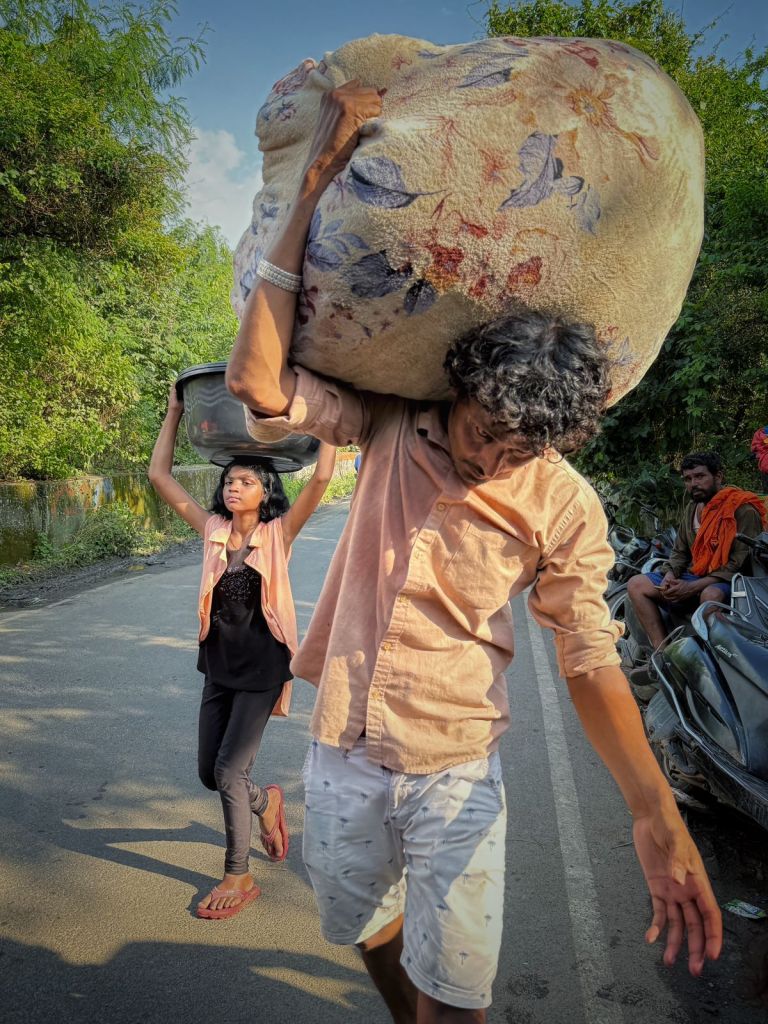
As the day darkened and silence fell, huge bundles were tied up, hoisted over heads and waists. Tempos, rikshaws and scooters bulged under the weight of the fragrant laundry. And in a while the riverbank was solitary again.
Photographer Abhay Kanvinde captured pictures from this day.
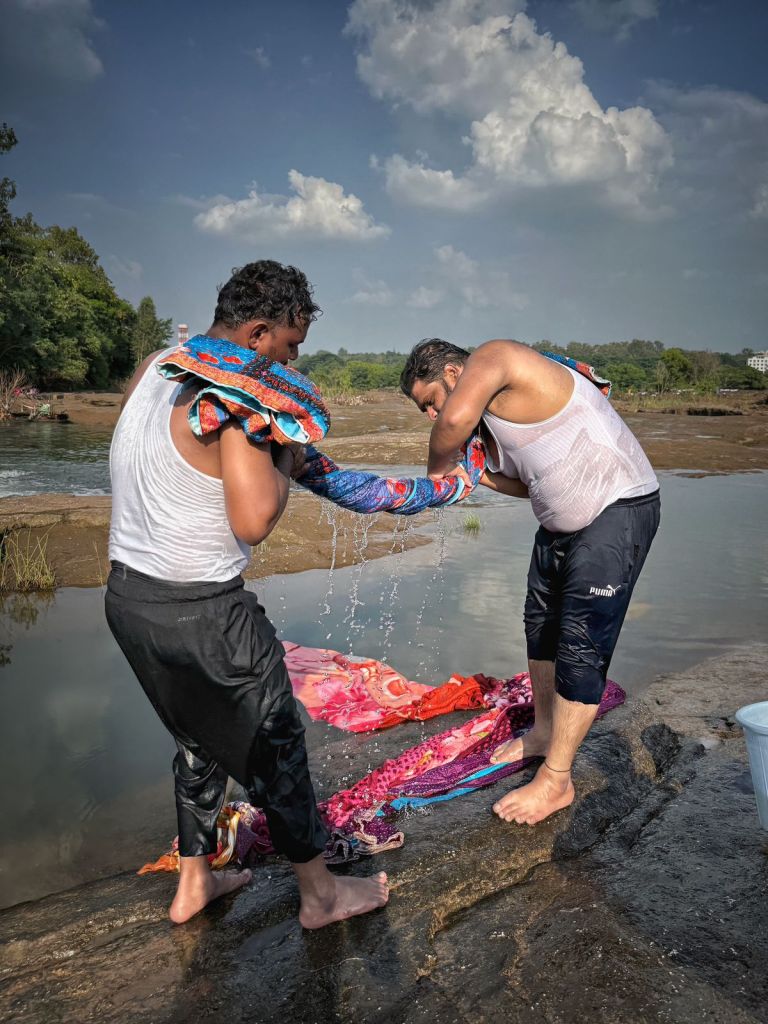
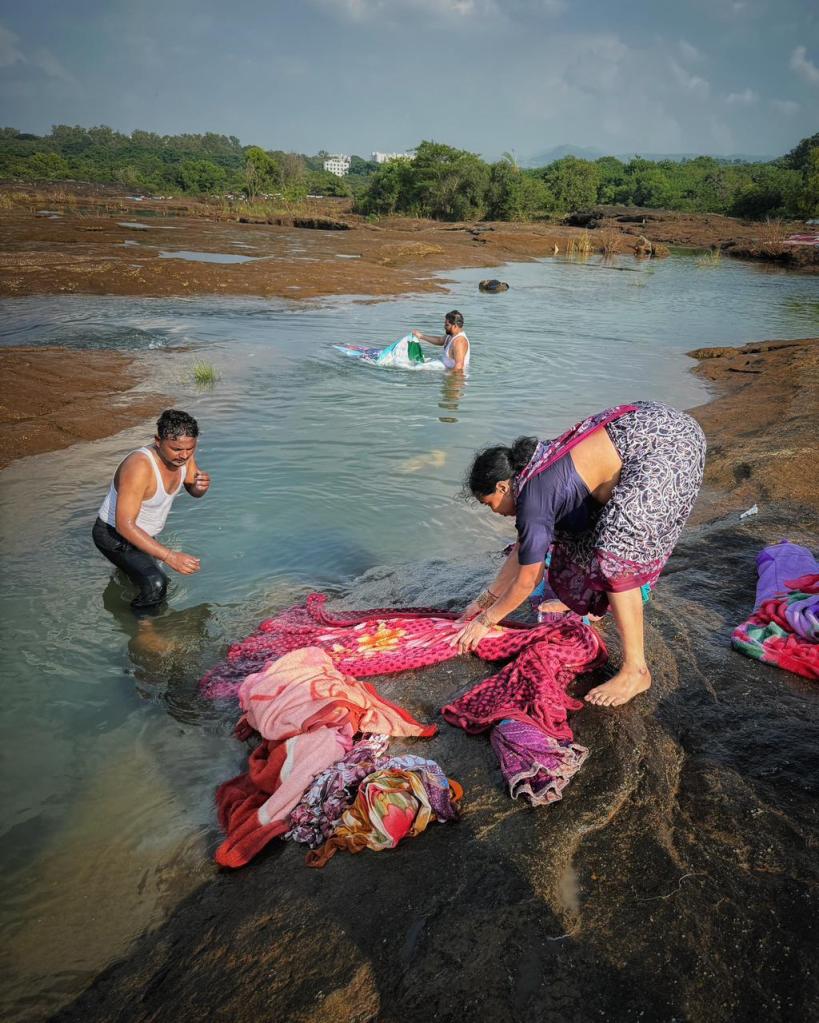

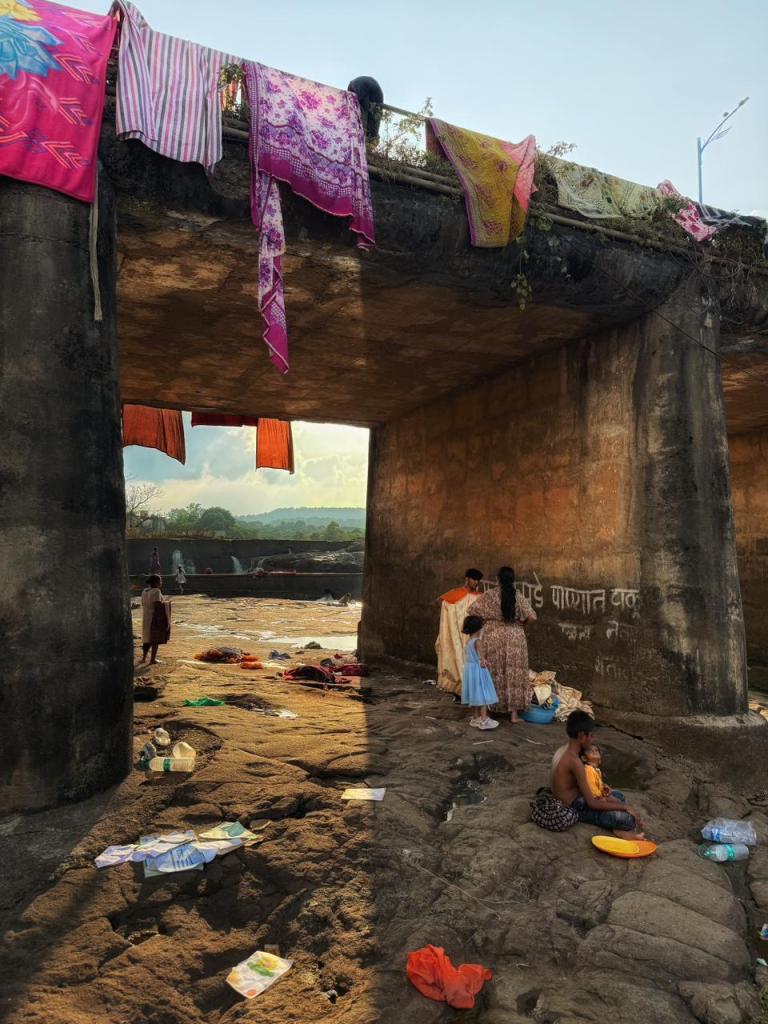
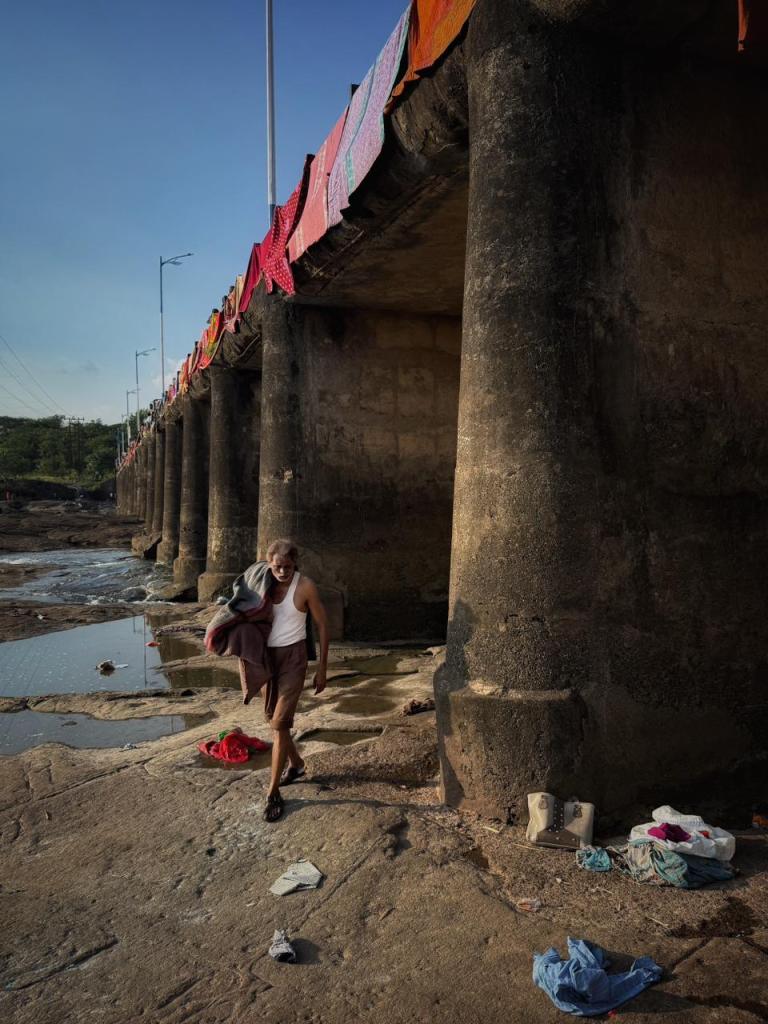


All photos: Abhay Kanvinde (https://www.instagram.com/abhaykanvinde/)
Text: Parineeta Dandekar, SANDRP

 SANDRP
This is an unusual article celebrating colours of a collective life. This is how our societies emerged from collective activities that in turn produced camaraderie. The author witnessed the early days of society’s infant life. I found seeds of a good heartwarming novel in it.
LikeLike
Thank you 🙂
LikeLike
Wow. Wonderful comment, thanks, Dipak ji, Hope you start the work on the novel soon!
LikeLike