DRP News Bulletin

DRP NB 200223: US EPA starts reporting methane emissions from dams

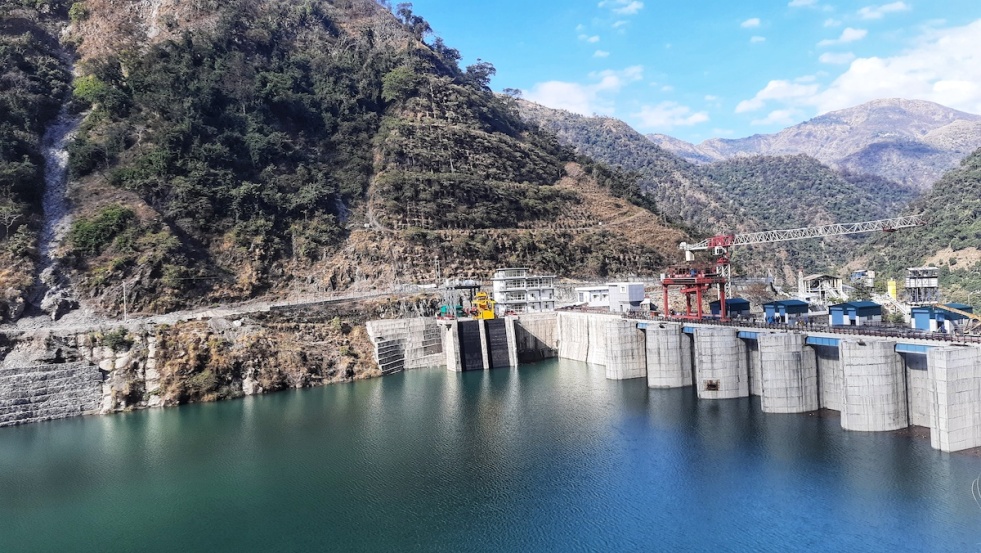
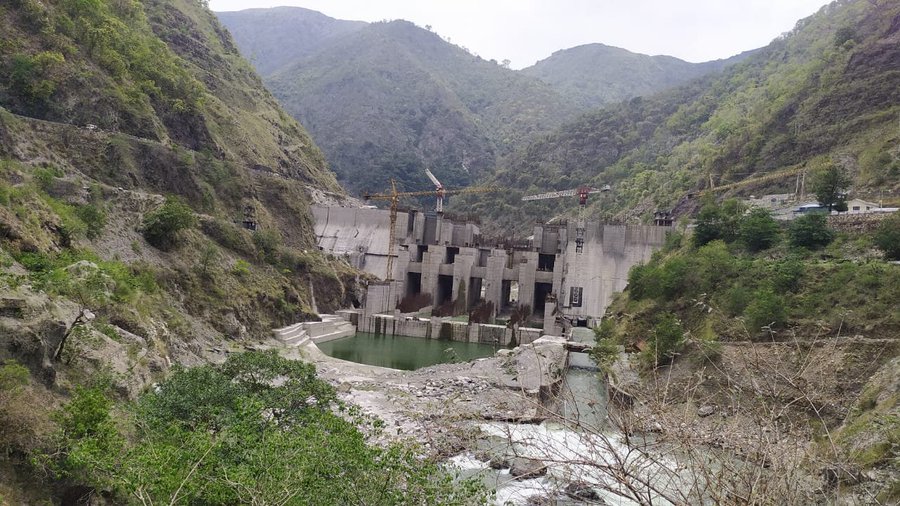
(Feature Image:-Vyasi HEP dam reservoir on Yamuna river in Dehradun. Credit: Varsha Singh/Third Pole, Jan. 2022)

In a landmark move, United States Environment Protection Agency has started reporting methane emissions from dams and hydropower projects in its annual reporting to UN in 2022. It needs to go a step further and make it mandatory for all dams and hydropower projects to annually report such emissions on their websites. This will not only help clear the mistaken notion that hydropower projects are climate friendly, it will also help take right policy measures and project construction or decommissioning decisions. It will also lead to more scientific accounting of global warming causing emissions. It will also give the consumer right picture about GHG emissions from such projects when they look at options for electricity supply. There is a lot that India and rest of the world that needs to learn from this and implement on urgent basis as US EPA seems to be the first agency to do this.  

Continue reading “DRP NB 200223: US EPA starts reporting methane emissions from dams”
DRP News Bulletin

DRP NB 230123: Welcome decision of FAC to deny clearance to Etalin HEP

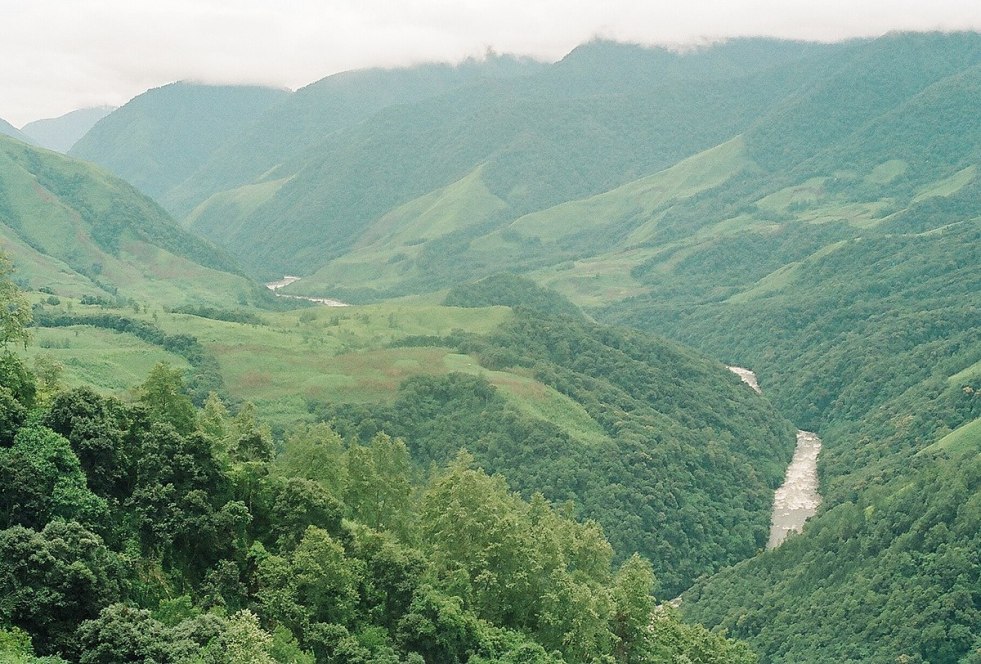
(Feature Image:- Upper Dibang Valley District, Arunachal Pradesh, India (Source: Wikipedia Commons/IWP)

It’s rather rare that we get a hydropower project related decision from official decision makers that can be welcomed. It has happened this week when the MoEF’s (Ministry of Environment, Forests & Climate Change) Forest Advisory Committee declined to give forest clearance to the controversial 3097 MW Etalin Hydropower Project in Dibang sub basin of Brahmaputra basin in Arunachal Pradesh and North East India. The project was under consideration for this clearance since 2014 and finally in the meeting on Dec 27, 2022, FAC conveyed that the current proposal cannot be considered for the clearance and revised proposal may be submitted. It is not a blanket rejection of the project, but considering the history of consideration of this project in FAC, it is closest we can come to that.

It is also welcome to know that the FAC has also looked at the poor track record of compliance of conditions of earlier forest clearances for the hydropower projects in Arunachal Pradesh among the many reasons why the project is rejected in current form. Arunachal Pradesh may do well to improve its track record before applying for forest clearance to any new projects in the state.

This decision is also a lesson for the MoEF’s Expert Appraisal Committee on River Valley Projects and also for MoEF itself for not even looking at the track record of compliance of the conditions of environment clearances that the EAC and MoEF give to the river valley and hydropower projects. They also never look at the implementation of the Environment Management Plans. Same is the case with the MoEF’s National Board of Wildlife.

Continue reading “DRP NB 230123: Welcome decision of FAC to deny clearance to Etalin HEP”
Sand Mining

2022: Riverbed Mining Destroying Indian River Eco-system & Freshwater Species

(Feature image sources: Clock wise (1) Mahseer fish/ Mongabay India, April 2022. (2) Gharials in Chambal/India Today, July 2022. (3) Gangetic dolphin/ECO NE. (4) Smooth-coated Otters in Cauvery/Round Glass, Jan. 2023.)

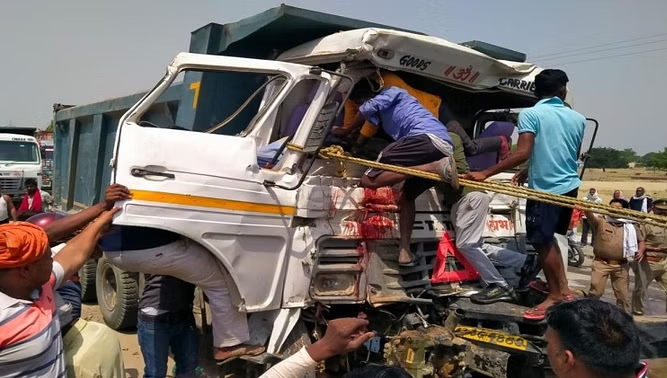
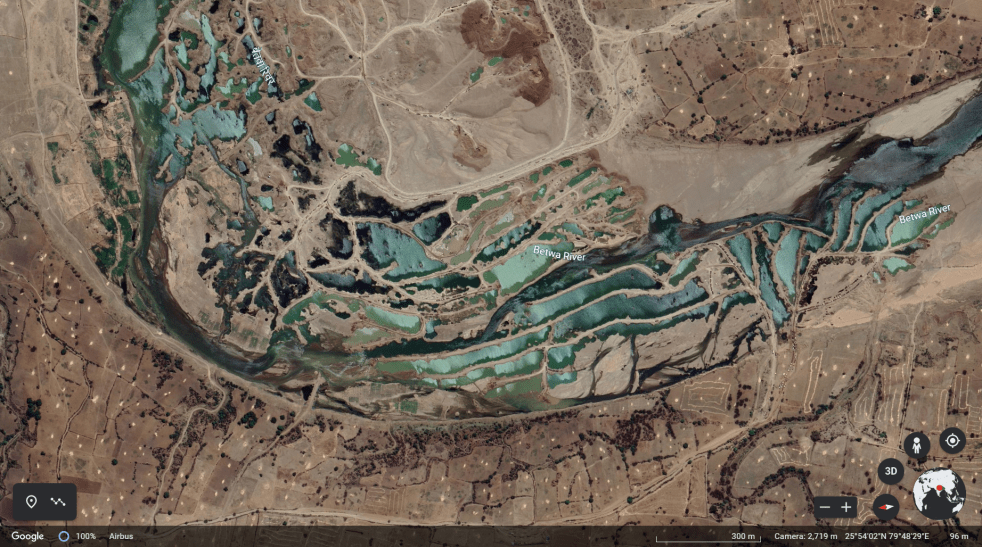
Indiscriminate mining of riverbeds for sand, gravel, pebbles have been rampant across the country increasingly damaging India’s rivers. The incidents of illegal sand mining, mafias, administrative actions & inactions, govt policies and court cases are routinely covered by the media. However the irreversible impacts of destructive riverbed mining operations on fresh water species and river eco-system are little understood, least explored, rarely covered by media and fails to attract the required attention from govts, judiciary and public at large. 

To some extent, we have been monitoring and highlighting the loop holes in sand mining governance. As part of our annual overview, in 2022 we have complied this separate report underlining the adverse impacts of riverbed mining on rivers and on aquatic life, fresh water species including endangered gharials, dolphins, turtles, fish etc.

Continue reading “2022: Riverbed Mining Destroying Indian River Eco-system & Freshwater Species”
DRP News Bulletin

DRP NB 160123: Top Court appeals for EIAs for Urban Development: Welcome, but…

The Supreme Court of India, while disposing of a petition related Chandigarh, in its order on January 10, 2023 has said: “Before we part with this judgement, we observe that it is high time that the legislature, executive, and the policymakers at the centre and state levels take note of the damages to the environment on account of haphazard development and take a call to take necessary measures to ensure that the development does not damage the environment… We therefore appeal to the Legislature, the Executive and the Policy Makers at the Centre as well as at the State levels to make necessary provisions for carrying out Environmental Impact Assessment studies before permitting urban development.”

This is most welcome. And urgently required. That India’s urban development is happening at the cost of life sustaining environment resources including rivers, water bodies, forests, wetlands among others is well known. That the government sees all requirements of environmental scrutiny as road blocks is also well known. The consequences of this are clear for all concerned, not only in case of Bangalore as cited by the Supreme Court Bench, but also in case of Ahmedabad, Bhopal, Chennai, Delhi, Ernakulam, Faridabad, Gurugram, Hyderabad, Indore, Joshimath, Kolkata, Lucknow, Mumbai and so on. So is there a good chance that the apex court suggestion will be followed either in letter or in spirit? Unlikely. So what is clearly required is that the apex court emphatically directs the centre and states in this regard and follows it up with ensuring its implementation.

Continue reading “DRP NB 160123: Top Court appeals for EIAs for Urban Development: Welcome, but…”
DRP News Bulletin

DRP NB 090123: Atal Bhujal Yojana just chaff without any wheat?

According to this detailed report, possibly the first independent review of the Atal Bhujal Yojana, a 5-year program of the Union govt for management of groundwater, India’s water lifeline, with over half of the project period completed, seems bereft of the fundamental aspects that the scheme itself says are necessary for any sound foundation of the scheme. The review describes it as a dish full of chaff, without almost any kernels of wheat for some sound reasons. It says hardly 18% of allocated money has been spent on Gram Panchayat level community-led Water Security Plan. Only 4% of the planned Gram Panchayat level trainings have been held, with Gujarat and Haryana holding none. Only 27% of money allocated for Gram Panchayat level Hydrogeological monitoring network has been spent. The data gathering instruments that were required from the beginning of the program have not been installed in over half the planned locations. On Information, Education and Communication activities, only 16% of allocated amount is spent.

More detailed independent review of the program implementation will help, but from the available information so far, the signs do not look particularly promising. Is it due to ineptness or lack of intention? Only time will tell.

Continue reading “DRP NB 090123: Atal Bhujal Yojana just chaff without any wheat?”
Hydro Power Projects

2022: Environment & Forest Clearances to Dams, Hydro, Irrigation Projects

SANDRP’s 2020 and 2021 overviews on the subject can be seen by clicking the links. You may also like to visit our 2022 overviews on (1) Dam induced floods & damages, (2) Fly ash dam breach incidents, (3) Impact of floods on Polavaram project, (4) People’s resistance against dams and hydro projects, (5) Disasters and accidents at HEPs sites, (6) Dam Safety Issues, (7) Hydro projects opposition and accidents in South Asia.

Continue reading “2022: Environment & Forest Clearances to Dams, Hydro, Irrigation Projects”
DRP News Bulletin

DRP NB 020123: Looking Back to Look forward to 2023

(Feature Image:-River Ken inside Panna National Park from River Stories, Walking Across India-I by Siddharth Agarwal)

This is the first DRP bulletin of 2023 and we would like to begin on a positive note. But to remain grounded in reality we also need to look back at the events in 2022. We see a number of positives in 2022 and we hope that trend continues. The number of new dams and hydropower projects being started has remained on a declining trend. People and civil society has continued its protests against destructive projects and for more decentralised projects and governance.

Continue reading “DRP NB 020123: Looking Back to Look forward to 2023”
Hydro Disaster

2022: Accidents & Damages related to Hydro projects in India

In this annual review, SANDRP compiles the hydro power related accidents, disasters and damages in North West and North East Himalayan states during 2022. It also covers relevant reports revealing gradual decline in power generation by hydro power projects amid growing concerns over physical and financial viabilities of new projects. There are also reports highlighting the looming climatic and geological threats over these projects. It is good to see that taking lessons from Chamoli disaster in Feb. 2021, NDMA has officially asked central govt not to rely on hydro power.

In previous parts of yearend roundups, we have covered (1) Dam induced floods & damages, (2) Fly ash dam breach incidents, (3) Impact of floods on Polavaram project, (4) People’s resistance against dams and hydro projects. Please see links for reports tracking hydro power projects related accidents and disasters in 2021 and 2020.

Continue reading “2022: Accidents & Damages related to Hydro projects in India”
Dams · Hydro Power Projects

2022: People’s Resistance against Unviable HEPs, Destructive Dams

(Feature Image: No Means No Campaign message against hydro projects on a rock in Kinnaur. Source: ToI)

There have been many instances of opposition by local people, organizations and experts against unviable hydroelectric power (HEP) and destructive dam projects in 2022. Such instances of the resistance from across the country have been successful in a number of ways including leading to the funding agencies, corporate houses and government agreeing to withdraw from the project in many cases. This overview presents top ten stories highlighting successful opposition to hydro and dams projects in 2022 in India followed by some relevant reports on the issue. In first part of the annual overview, SANDRP has tracked the dam failures and dam induced floods incidents in India in 2022, along with separate report on unraveling of Polavaram project and another one on breaches of fly ash dams.

Continue reading “2022: People’s Resistance against Unviable HEPs, Destructive Dams”
DRP News Bulletin

DRP NB 191222: Question marks over viability of pump hydro projects

(Feature Image: 1772 Mw PSHPs Spain. Photo courtesy of Iberdrola/ ENR)

The question marks over viability of huge number of pump storage hydro projects (PSHP) being pushed forward in India currently were flowing in the rivers for long. This week, Moody’s investors Service (MIS) seems to have strengthened this after it downgraded Greenko Energy Holdings’ corporate family rating. It may be noted that Greenko is the biggest investor in PSHPs in India from private sector and a major part of Greenko’s new investments are in PSHP.

This makes the implications of MIS’s downgrade all the more interesting. MIS has noted that PHSPs are capital intensive and each PHSP will generate cash flow only after at least 2-3 years of construction (in reality it can be much longer than 2-3 years, the operative phrase here is at least). It also noted that the additional debt to be raised from Greenko’s capital spending, coupled with a rising interest environment will put further pressure on “GEH’s already weak financial metrics” and that Greenko’s high financial leverage due to its substantial capital spending program will keep its financial metrics below its downgrade trigger “for an extended period of time”.

Continue reading “DRP NB 191222: Question marks over viability of pump hydro projects”