Agriculture · Chenab · Fish Sanctuaries · Groundwater · Hydropower · Indus

The Moon River: People’s Story of Chenab

Chenab, which translates as the Moon River is the largest of the five tributaries of River Indus. It flows for about 974 kilometers from the High Himalayas of Lahaul to the forests of Jammu and Kashmir and onto the plains of Pakistan. Its main tributaries in India include Miyar, Marusudhar and Tawi. In the vast plains of Punjab in Pakistan, it is met by Jhelum, Ravi and Sutlej to form the mighty Panjnad before it meets the Indus. Its catchment, spread across 67,430 km2, is shared between the two countries.
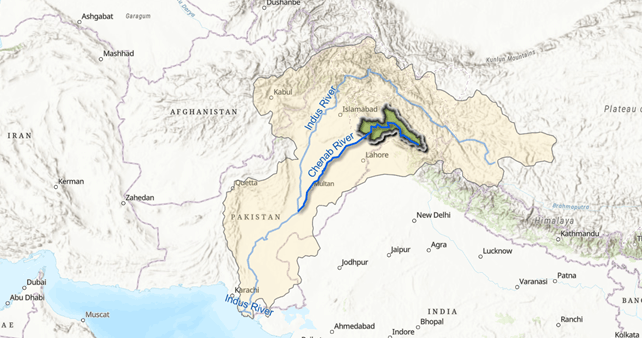
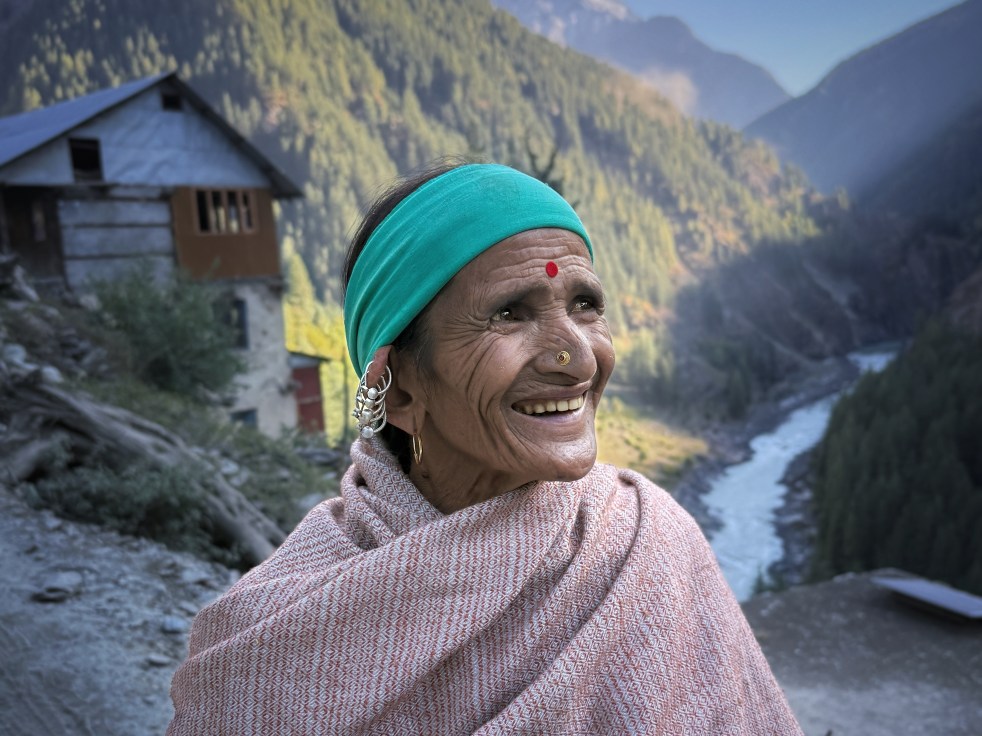
Chenab is Chandrabhaga (Crescent Moon) in its headwaters. It was the River Asikni in Rigveda, and the Acesines for the ancient Greek. From sparse mountain settlements of Lahaul to the bustling urban centers of Sialkot, more than 10 million people live and prosper along the Chenab. Hydropower projects operational and under constructions on the river have an installed capacity of more than 5000 MW (Central Electricity Authority 2024), and its canals irrigate hundreds of thousands of acres in Pakistan and India (Shakir et al).

Continue reading “The Moon River: People’s Story of Chenab”
Beas · Culture · Fish Sanctuaries · Wetlands

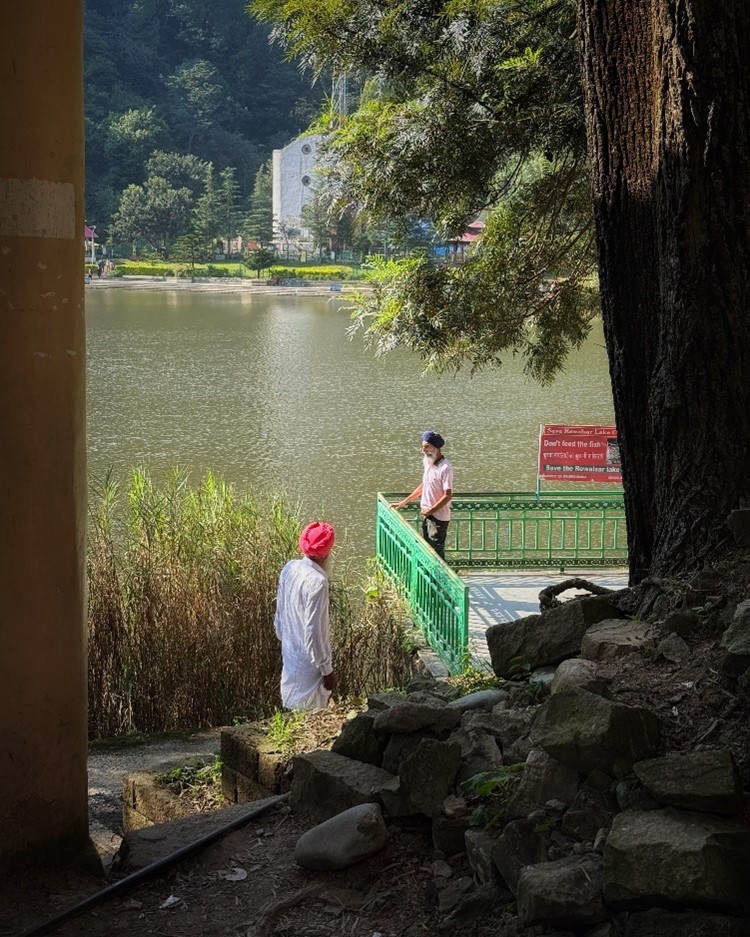
Rewalsar Lake: Where Faiths, Ecosystems and Communities Meet

Rivers and lakes of the Indus basin have been at the crossroads of civilizations, trade routes, and ecosystems for centuries. They are surrounded by stories and songs from many religions, languages and tribes. One such river is Beas, celebrated as Vipash[1] or the ‘breaker of chains’ in the Rigveda, circa 1500 BC. Beas originates at 4361 meters near Rohtang Pass[2] and flows through the Himalayan state of Himachal Pradesh before meeting River Sutlej in the plains of Punjab, literally “the land of five rivers’. Beas flows for about 470 kms to water some of the most fertile valleys in the world.

Continue reading “Rewalsar Lake: Where Faiths, Ecosystems and Communities Meet”
Art, Literature, Culture · Culture · Dams

When the riverbanks bloom in color

Sharad Ritu or Autumn is eulogized in almost all Indian epics. Ramayana especially talks about the crystal clear waters, emerging silver sand banks and blossoming kash grasses along the rivers in this season.

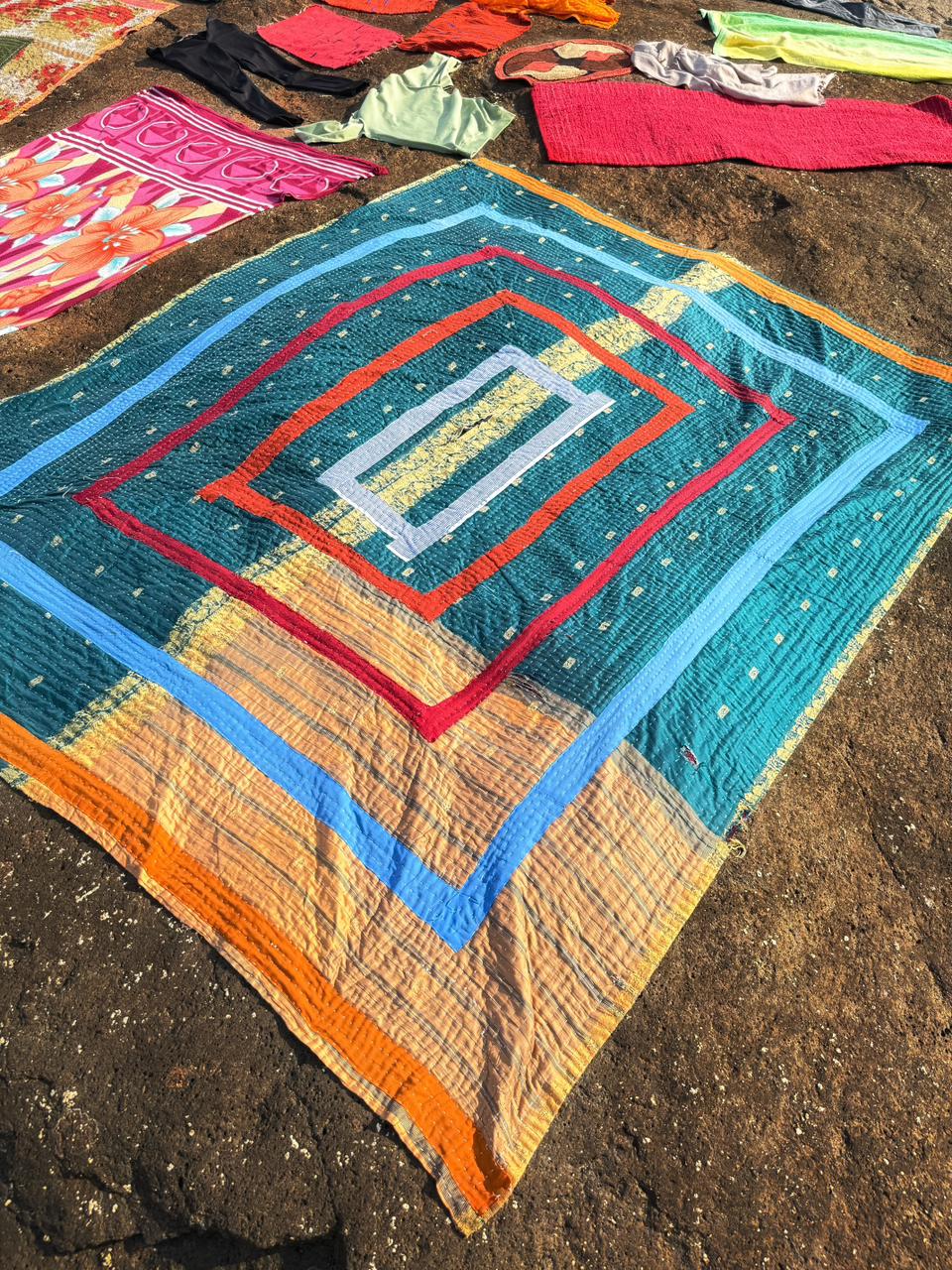
Festivals around the autumnal harvest time, like Durga Puja and Navratri bring bustle and energy across the land. In Maharashtra, days before Navratri hold a special significance. Entire homes are washed, scrubbed and laundered before the deity enters the abode. But thousands of people living in tiny homes, with miniscule bathrooms have no place to wash their bedsheets, blankets, curtains and such home linen. No space and more importantly, no water.

And so, they gather along a place where people have been coming together since time immemorial: the riverbank.

Continue reading “When the riverbanks bloom in color”
Yamuna River

Yamuna SW Monsoon 2024: Upper Segment Misses Flood  

Continue reading “Yamuna SW Monsoon 2024: Upper Segment Misses Flood  “