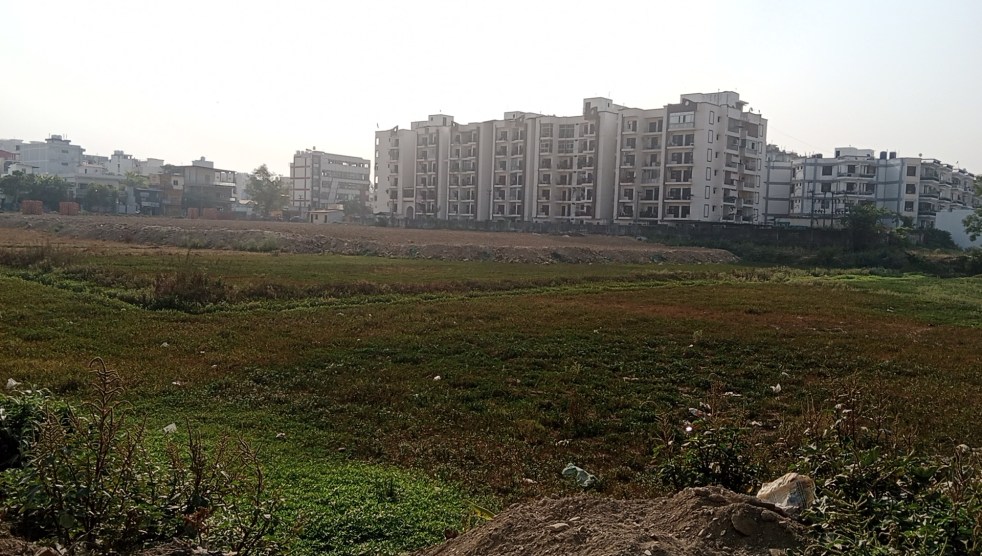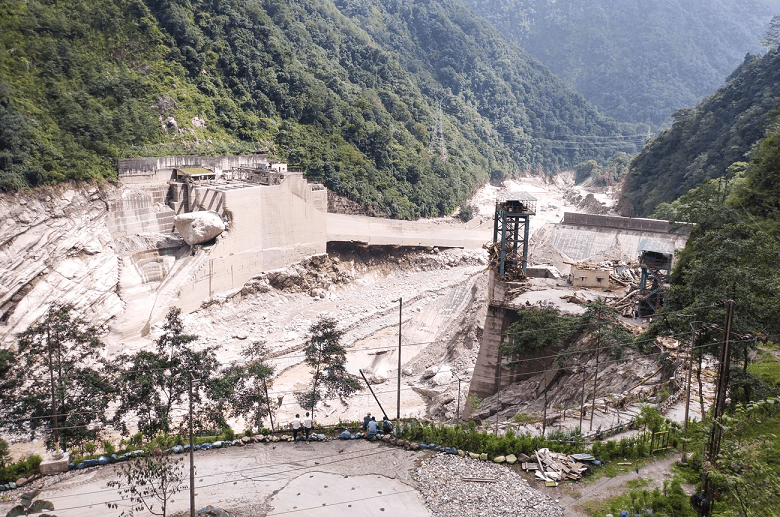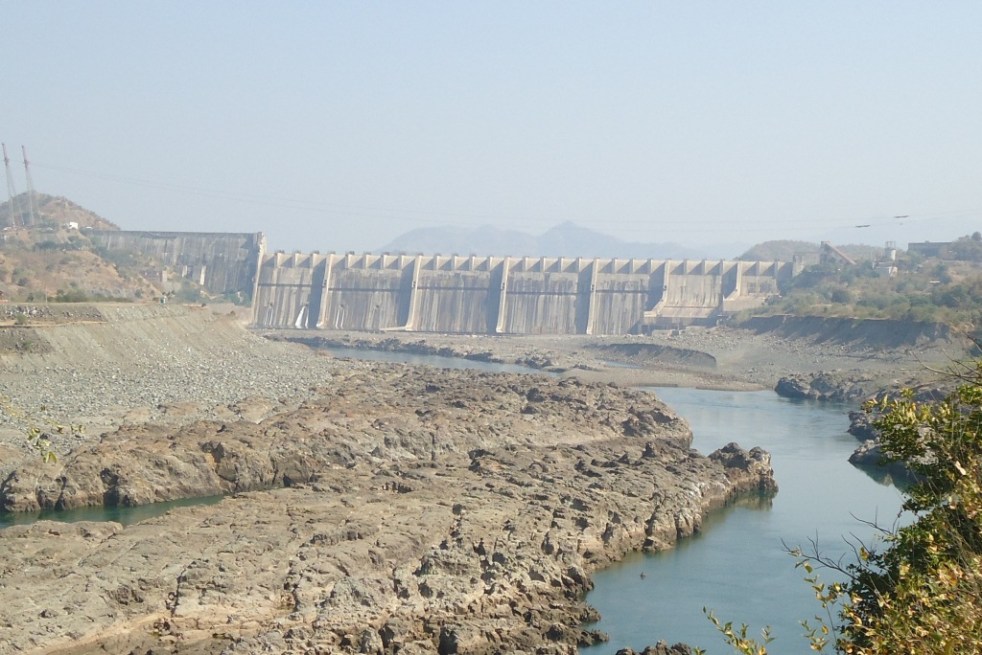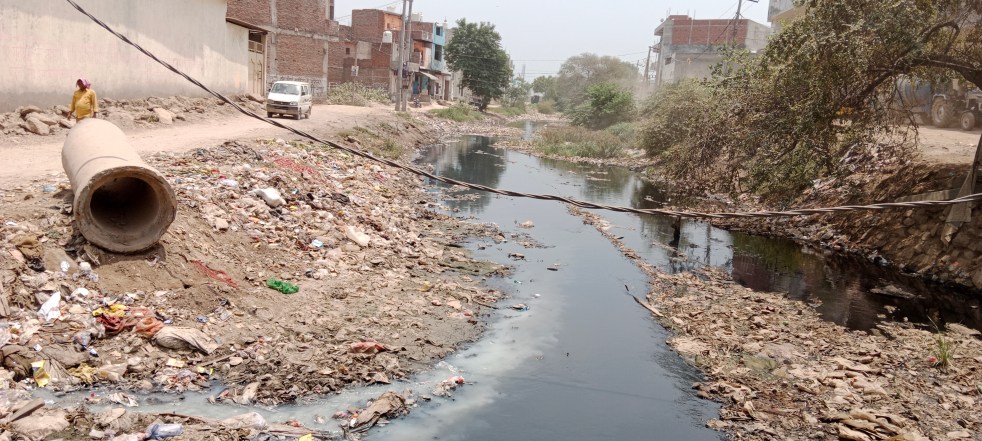
A detailed review of functioning of Union Ministry of Environment and Forests’ (MoEF) Expert Appraisal Committee (EAC) on River Valley Projects (RVP) for 2024 by SANDRP shows that the committee or for that matter MoEF has almost non-existent rejection rate. Even when a project is not cleared, when it applies again, it gets clearance, whether the application if for stage I (Terms of Reference) or Stage II (Environment Clearance- EC) clearance. Even in some cases like Pump Storage Projects (PSP) in Western Ghats or the Hydropower projects in disaster prone Himalayas, including the disaster-stricken projects like the 1200 MW Teesta III projects in Sikkim, the scrutiny including field visits by the EAC Sub committees is minimal, not worthy calling even scrutiny.
Continue reading “DRP NB 200125: Whither Env Clearance Rejection rate from Expert Appraisal Committee or MoEF?”Tag: rivers
2024: Siltation, Safety & Sustainability of Hydro, Dams in India
(Feature Image: Pune: Pavana, Mulshi, Panshet, and Khadakwasla Dams Release Water Due to Heavy Rain in Catchment Areas. Source: Pune Now News, Sept 2024)
This annual overview focusses on how siltation, muck dumping related issues are affecting the safety and sustainability of Hydropower projects and dams in India. Some of the key dams facing crisis in this regard include Bhakra, Ratle, Gangasagar, Hathnur among others. Some of the states where this issue is acute include HP, J&K, Maharashtra, Telangana, Kerala, Karnataka & Punjab.
Continue reading “2024: Siltation, Safety & Sustainability of Hydro, Dams in India”DRP NB 130125: Will Judiciary take these matters to logical conclusion?
There are at least four cases in this past week where the judiciary has used strong words or taken up crucial issues in water, dams, hydropower projects, wetlands and riverbed mining related issues. In the case related to the safety of Mullaperiyar dam on Kerala-TN border, the Supreme Court has prodded the Centre to wake up from the slumber to ensure that National Dam Safety Authority quickly forms a panel to examine the project. This case has wide ranging repercussions not only about this project, but also functioning of NDSA and other bodies under the Dam Safety Act 2021. Indeed, there is huge question mark as to what extent NDSA and DSA has made our dams any safer.
Continue reading “DRP NB 130125: Will Judiciary take these matters to logical conclusion?”2024: Climate Change, GLOF impact on Safety of Hydro, Dams in India
(Powerhouse of a hydro project ravaged by cloudburst induced flashflood in Sutlej basin Shimla, Himachal Pradesh in Aug 2024. Image Source: Social Media)
This 2024 annual overview focusses on important reports highlighting the safety and sustainability issues of the hydro and dam projects in India in 2024 in the context of Climate Change, including Glacier melt and GLOFs. The compilation shows that the climate change driven extreme weather events have become significant threat for the structural safety of these projects.
This is even more relevant in inherently vulnerable areas like the Himalayas and Western Ghats from the point of view of seismic activity, young erosion prone mountain, flash floods, avalanches and landslides. Here the impact of climate change effects like more intensified hydrological cycles, cloud bursts, reduction in snow fall, glacier melts and GLOF (Glacier Lake Outburst Flood) increase the vulnerability including landslide dams and avalanche dams.
Continue reading “2024: Climate Change, GLOF impact on Safety of Hydro, Dams in India”2024: Corruption in Hydro, Dams in India
(Feature Image: Construction site of 382 Mw Sunni Hydro project on Sutlej river in Himachal Pradesh. Source: Social Media)
This annual overview focusses on important reports highlighting the corruption issues related to the hydro and dam projects in India in 2024. The electoral bond case has revealed the deep nexus among political parties, contractors and financers as dominant force working behind the projects overlooking the evident disaster risks and undermining the democratic process. As a result, the people, rivers and environment are made to bear the burden and burnt.
The part 1 of the yearend roundup has documented the accidents and disasters related to dam and HEP projects in India in 2024. The part 2 focuses on community resistance against hydro projects in Himalayan states. The part 3 covers the struggle of dam projects affected people. The part 4 highlights growing concerns against pump storage projects.
Continue reading “2024: Corruption in Hydro, Dams in India”2024: Dam Induced Floods in Urban India
(Feature Image: A drone visual of the flood-affected areas of Vijayawada city on Sept. 6, 2024. Credit: ANI Photo/Source: Rediff.com)
Having covered dam induced flood incidents and embankment breach flooding events in part 1 and part 2, this third part on annual overview compiles media reports on manmade Urban flood disasters in India during the year 2024. While the cities of Pune, Nasik, Nagpur, Vadodara and Bharuch were affected by dam induced floods, the high discharges from Prakasam barrage and multiple breaches in Budameru river deluged the Vijayawada city. Interestingly, these urban flood episodes coincided with heavy rainfall events giving a reality check to dam and city managers.
In addition to failure in dam management, the deluge in Pune, Vadodara and Vijayawada city were particularly worsened by river front development projects and encroachment on river floodplains putting question marks on the urban planning and development works in these cities. Similarly, the breach in embankment of Munak canal in Delhi flooded several homes Bawana area during the monsoon season.
Continue reading “2024: Dam Induced Floods in Urban India”DRP NB 301224: We are not studying our rivers, Global North is studying
(Feature Image: Ramganga river at Marchula, Uttarakhand. Bhim Singh Rawat/SANDRP/Sept. 2024)
Exactly three months back, on Sept 30 2024, we had highlighted the urgent need for credible river studies in India (https://sandrp.in/2024/09/30/drp-nb-300924-focus-on-river-studies/). A new research report published last week in Nature has corroborated this, showing that volume of research across global south is disproportionately small compared to need based on basic population, water withdrawals and water consumption.
Based on review of 4237 publications using machine learning and desk review of 325 publications, analysis of 4713 case studies across 286 basins, it shows that river research currently in global south is predominantly led by global North institutions, thus the river research is shaped by selection of theme and locations done by such institutions.
Continue reading “DRP NB 301224: We are not studying our rivers, Global North is studying”2024: Dam Affected Continue to Struggle across India
(Feature Image: Tribals in Mandla district of Madhya Pradesh protesting against Basania dam in March 2024. Image: ETV Bharat)
The part 3 of annual 2024 overview on the dams and hydro projects covers the ongoing movements of dam affected people in India. All through the year 2024, the Narmada Bachao Andolan continued peaceful protests seeking justice for Sardar Sarovar Project affected villagers. Tribals in upper Narmada Valley have also been fiercely opposing the Basania dam. The Hirakud dam displaced people have demanded formation of statutory national commission to hear their grievances.
The plight of Pong dam affected villagers have worsened as they again face displacement from rehabilitated lands due to new development projects while most of the land given to Renuka dam affected has been damaged by floods. It is indeed tragic that despite sacrificing their land and livelihoods for the ‘development’ of the country decades back, thousands of dams affected villagers are still forced to fight for promised rehabilitation.
Continue reading “2024: Dam Affected Continue to Struggle across India”DRP NB 231224: Can we expect the Supreme Court to be more effective this time on Wetlands?
(Feature Image: The Basai wetlands in Gurugram. Photo by Pankaj Gupta at Live Mint)
It is indeed good to see an Editorial in a newspaper on the important issue of wetlands protection and rejuvenation. The Supreme Court’s order on wetlands last week shows its concern over the threat to wetlands as a natural feature of the environment that is under serious threat. The court ordered the protection of about 30,000 wetlands (each with area more than 2.25 ha) over the 201,503 protected by an order which it issued in 2017, and asked states to ensure their demarcation and ground-truthing which involves closer verification, within three months.
The order is in response to a PIL that said the Central government had abdicated its functions under the Environment Protection Act, 1986, to protect the wetlands. The petition also sought the identification and protection of around 5,55,557 wetlands which are less than 2.25 hectares in size. The court is likely to consider the proposal in March. One hopes the SC also gives effective orders for their protection.
Continue reading “DRP NB 231224: Can we expect the Supreme Court to be more effective this time on Wetlands?”DRP NB 161224: Arunachal Pradesh needs dialogue on dams
(Feature Image: Resident in upper Siang protesting agaisnt SUMP on Dec. 15. Image source: Ebo Milli @Ebo_Mili_Linggi on X)
Hundreds of People of Siang, East Siang and Upper Siang Districts of Arunachal Pradesh came out in peaceful protests on Dec 14 2024. They opposed the govt effort to deploy armed central and state police forces for a pre-feasibility study for the 12500 MW hydropower project on Siang River, a tributary of Brahmaputra River.
Indeed, as remarkably articulate report by in Arunachal Times said, Siang needs dialogue not guns. In fact, the Chief Minister recently and even the Prime Minister and Union Home Minister had earlier promised to the people of the state that if they do not want big dams, such projects will not be taken without people’s consent as there were options for power and development.
Continue reading “DRP NB 161224: Arunachal Pradesh needs dialogue on dams”