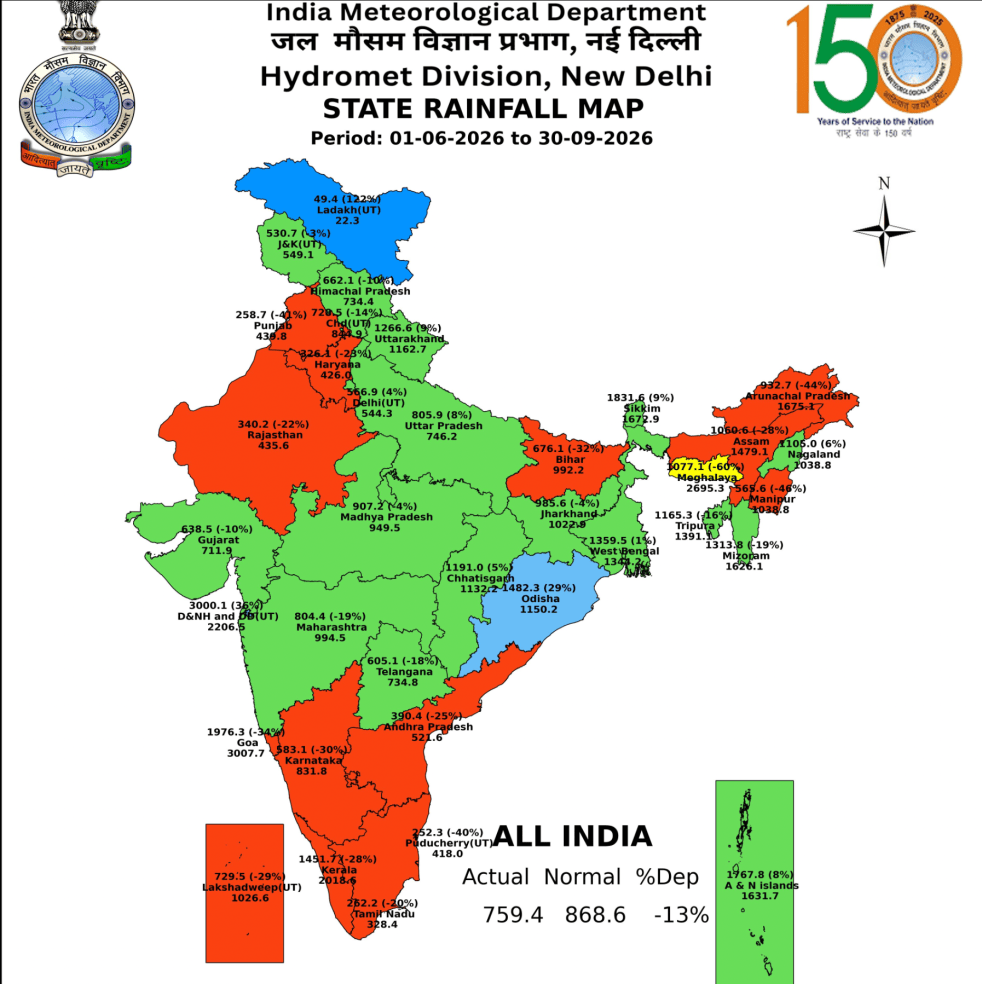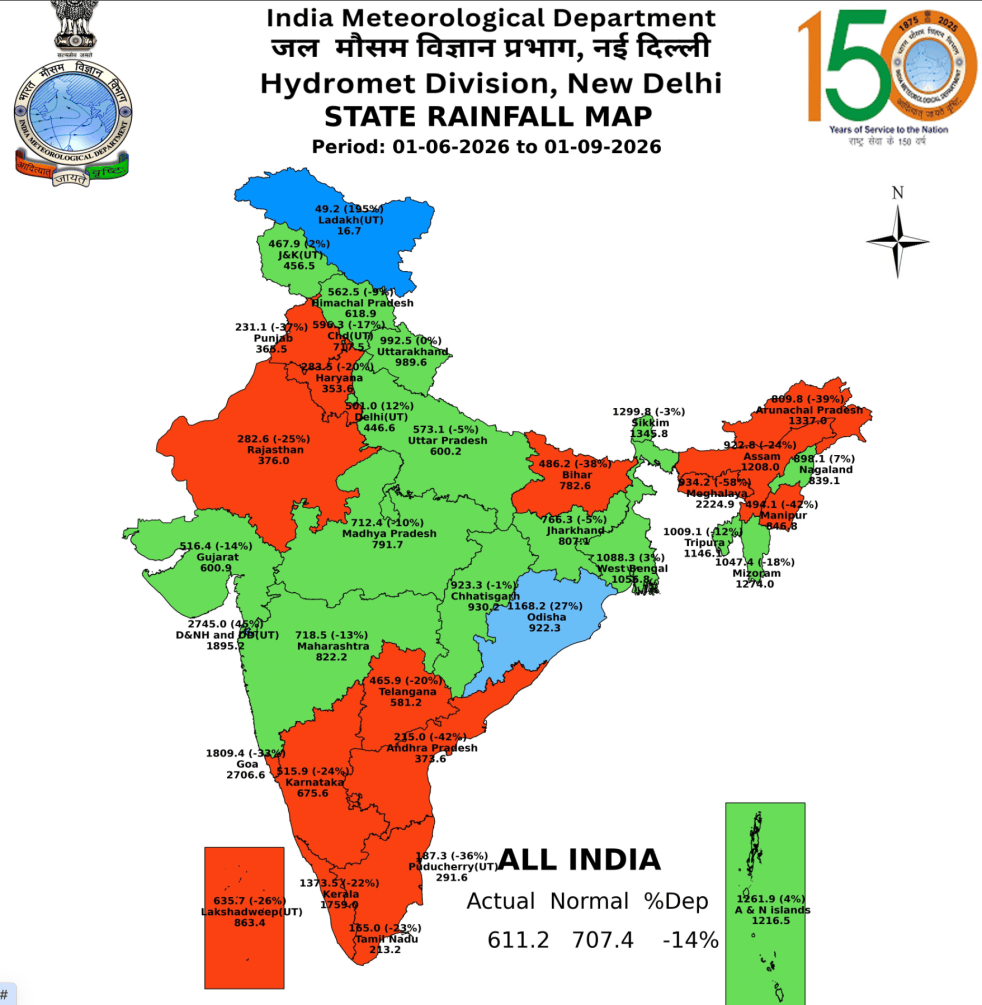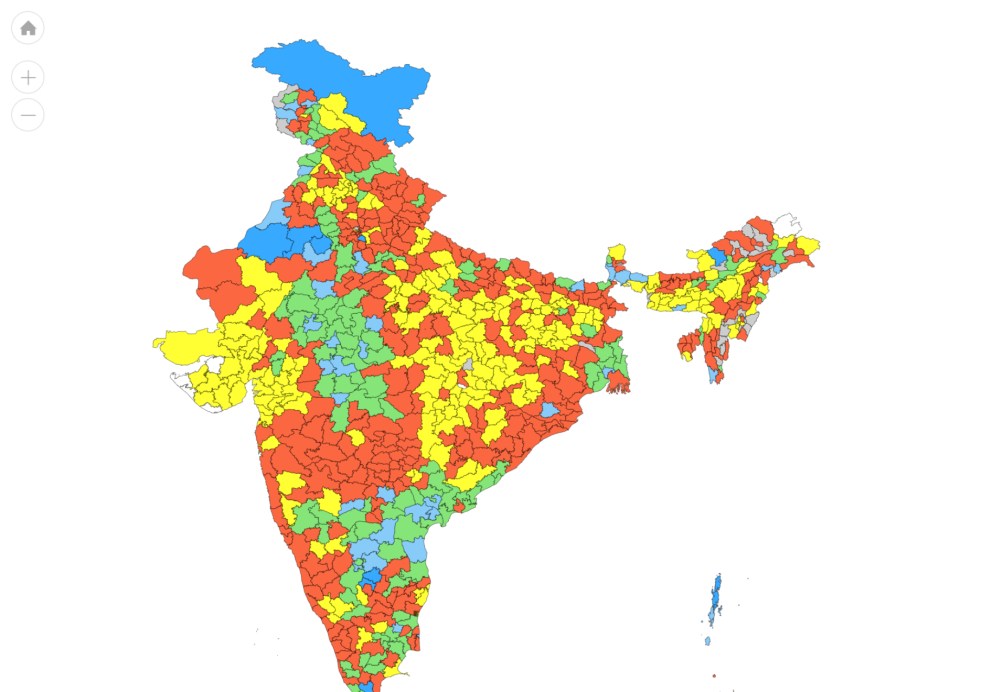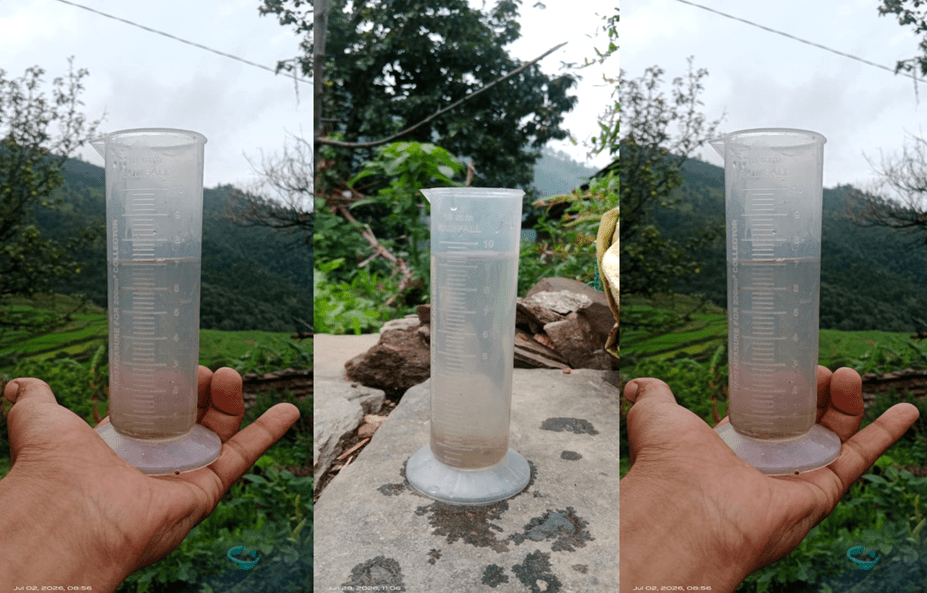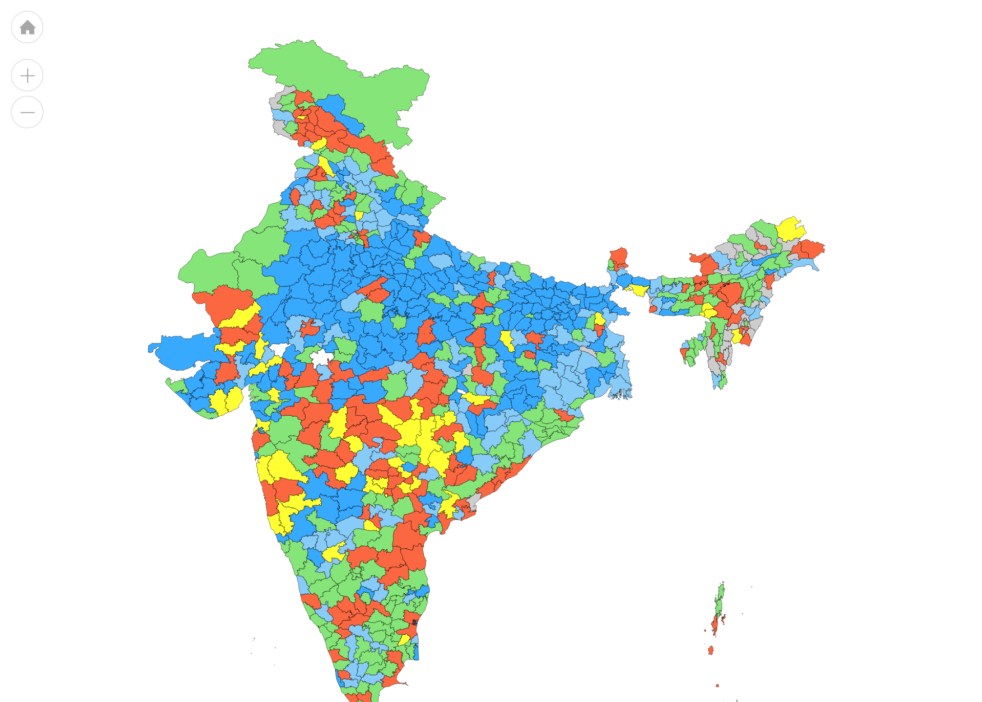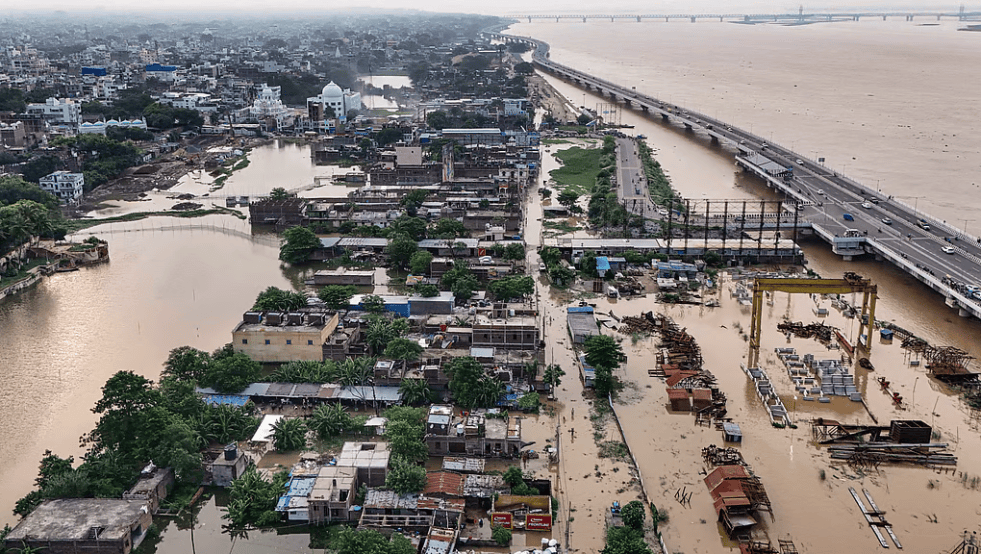
In Aug 2026, India received 213.9 mm (268.8 or 5.45% above normal in Aug 2025, 295.5 mm or 15.8% above normal in Aug 2024[i], 162.7 mm or 36.2% below normal in Aug 2023[ii], 263.8 mm in Aug 2022, 3.5% above the normal[iii]) or 16.1 % below normal rainfall of 254.9 mm as per India Meteorological department (IMD). In Aug 2021, the rainfall was 195.9 mm[iv], about 24.13% below normal and in Aug 2020, the rainfall was 327 mm[v], or about 26.6% above normal.
Continue reading “June Aug 2026: District wise rainfall in India’s SW Monsoon”Tag: Rainfall
Aug 2026: Failure to Manage Fly Ash Dams, Disposal in MP, UP & Chhattisgarh
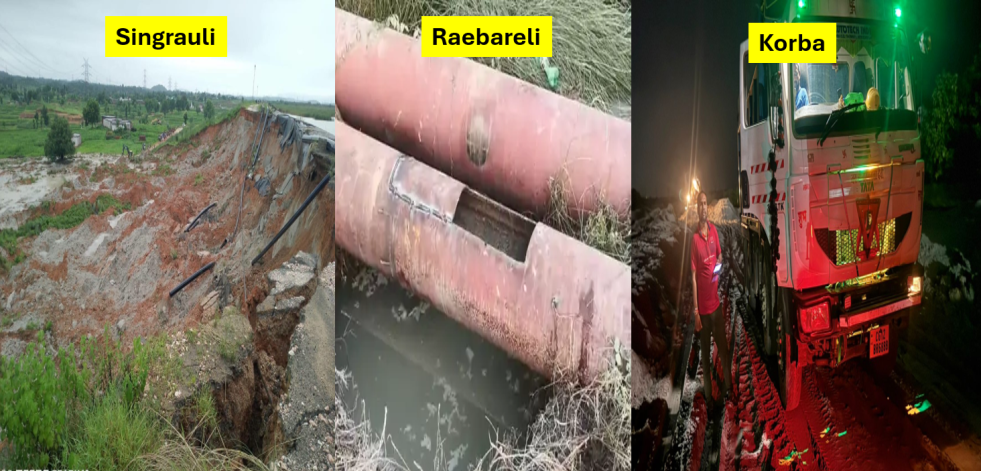
(Feature Image: Collage showing in left Sasan UMPP’s damaged fly ash dyke, in centre NTPC’s Unchahar plant damaged fly ash pipeline and on right truck found dumping fly ash illegally in Korba. Source: Amar Ujala, Dainik Bhaskar, ETV Bharat)
There have been at least three incidents of leakages from fly ash dykes at Reliance’s Sasan UMPP in MP & NTPC’s Unchahar Plant in Raebareli, UP in Aug. 2026. All the three incidents have considerably affected nearby village and farmer communities in both the states. Notably, both projects have also experienced ash dyke related leakages and failures in the recent past, raising serious concerns over safety of the structures and safe disposal of the toxic fly ash.
Continue reading “Aug 2026: Failure to Manage Fly Ash Dams, Disposal in MP, UP & Chhattisgarh”June July 2026: District wise rainfall in India’s SW Monsoon
In July 2026, India received 290.3 mm (294.3 mm in July 2025, 306.6 mm in July 2024[i], 318.4 in July 2023[ii] and 327.7 mm in July 2022[iii]) rainfall, 3.5% above (4.9% above normal in July 2025, 9.3 % above in July 2024, 13.5% above normal in July 2023 and 16.8% above normal in July 2022) the normal July rainfall of 280.5 mm as per India Meteorological department. So this is the fifth consecutive year when rainfall in July is above normal, the quantum has gone down with each passing year during these last five years. In July 2021, the rainfall was 266.1 mm[iv], about 6.7% below normal and in July 2020, the rainfall was 257.1 mm[v], or about 9.9% below normal.
Continue reading “June July 2026: District wise rainfall in India’s SW Monsoon”July 2026: Rivers Crossing Highest Flood Levels
(Feature Image: Yamuna river at Kalanaur flood monitoring station in Saharanpur on March 31, 2025. SANDRP)
In July 2026, SANDRP has documented Highest Flood Level (HFL) breaches at least at 15 flood monitoring sites of Central Water Commission (CWC) in India. These 15 sites are spread over 7 river basins, with maximum 4 sites in Brahmaputra basin followed by 3 sites each in Brahmani & Baitarani and Mahanadi basin, 2 sites in West Flowing Rivers from Tapi to Tadri basin and at 1 site each in Ganga, Narmada and Tapi river basin.
Continue reading “July 2026: Rivers Crossing Highest Flood Levels”June 2026: District wise rainfall in India’s SW Monsoon
In the just concluded month of June 2026, the first month of India’s South West 2026 monsoon, India received 99.5 mm rainfall, 40% below the normal June rainfall of 165.3 mm as per India Meteorological department. In June 2025, the rainfall was 180 mm, 8.89% above normal, June 2024 the rainfall was 147.2 mm, 11% below normal, June 2023 rainfall was 148.6 mm (10% below normal), in June 2022 the rainfall was 152.3 mm (8% below normal), in June 2021, the rainfall was 182.9 mm (about 11% above normal) and in June 2020, the rainfall was 196.9 mm (about 18% above normal) and in June 2019 it was 33% below normal. So in last seven years from 2019 to 2025, India had below normal rainfall in 4 years in June, and above normal in three years (2020, 2021, 2025). Nine times since 2008 June rainfall was below normal. The June 2026 rainfall is the fifth lowest since 1901, since when the records are available.
Continue reading “June 2026: District wise rainfall in India’s SW Monsoon”DRP 060726: India needs to improve Rainfall Monitoring?
(Feature Image: A manual rain guage in Syunsal village of Pauri district, Uttarakhand. Bhim Singh Rawat/SANDRP)
Two reports from Karnataka this week highlight that over half of the 6605 rain gauges in Karnataka are non-functional. Earlier we saw that IMD does not even report rainfall for at least 11 districts in Arunachal Pradesh alone, possibly since it does not have adequate number of rain gauges in those newly formed districts of Arunachal Pradesh. IMD’s Annual Report for 2025 says P 59): “IMD operates 1,008 Automatic Weather Stations (AWS), 1,382 Automatic Rain Gauge (ARG) stations, 200 Agro-AWS, 5 Automatic Snow Gauge (ASG) stations”. That comes to 2395 locations where rain or snow is measured by IMD, going by the Annual Report. IMD apparently uses rainfall data from other agencies, but their number is not given in the report. IMD also has a large number of manual rain gauges, but the IMD Annual Report does not provide those numbers.
Continue reading “DRP 060726: India needs to improve Rainfall Monitoring?”Pre Monsoon 2026: District Wise Rainfall in India
In the three month pre monsoon season (March 1 to May 31, 2026) India received 131.3 mm (185.8 mm in Pre-Monsoon 2025, 125.9 mm in Pre-Monsoon 2024, 146.6 mm in Pre Monsoon 2023[i]) rainfall, 0.54% above (42% above normal in Pre-Monsoon 2025, 4% below normal in Pre-Monsoon 2024 and 12% above in Pre Monsoon 2023) the normal rainfall of 130.6 mm as per the India Meteorological Department (IMD). In 2020[ii] , 2021[iii] and 2022[iv] India received 158.5 mm, 155.2 mm and 130.6 or 20% above normal, 18% above normal and 1% below rainfall respectively. So, India has received above normal rainfall in 5 of the last 7 years in Pre-Monsoon season since 2020.
Continue reading “Pre Monsoon 2026: District Wise Rainfall in India”DRP 040526: NGT acknowledges vacuous Groundwater Governance in India
It is good to see this week that the National Green Tribunal (NGT) has acknowledged the non-existent or vacuous groundwater governance in India at both central and state levels. It was long overdue. It took the judiciary almost three decades to realise this, since the Supreme Court order in late 1990s for setting up Central Ground Water Authority (CGWA) under the 1986 Environment Protection Act.
Continue reading “DRP 040526: NGT acknowledges vacuous Groundwater Governance in India”Post Monsoon 2025: District wise Rainfall in India
According to India Meteorological Department[i] (IMD), during the Post Monsoon Rainfall for 2025, that included rainfall during the three Oct-Dec 2025 months, India received 134.2 mm rainfall, 11% above normal (117.4 mm, 3% below normal in Post Monsoon 2024, 110.7 mm, 9% below normal in Post Monsoon 2023[ii], 144.1 mm, 19% above normal in Post Monsoon 2022[iii] and 177.7 mm rainfall, 43.54% above normal in Post Monsoon 2021[iv]) rainfall of 121 mm. In the same period in 2020, India received 124.6 mm rainfall, 0.64% above the normal rainfall. In Post Monsoon season of 2019, India received 160 mm rainfall[v] in this season, 29% above normal, when 2019 was not a La Nina year.
Continue reading “Post Monsoon 2025: District wise Rainfall in India”2025: Dam Induced Urban Floods in India
(Feature Image: The Musi river in flood spate in Hyderabad on Sept 27, 2025 following incessant rains and the lifting of gates at the overflowing Osman Sagar and Himayatsagar reservoirs. Credit: Nagara Gopal )
In 2025, we could find reports on two Indian cities facing the impact of dam induced floods. While the excessive discharges by Himayat Sagar reservoir severely inundated residential areas along Musi river in Hyderabad in last week of Sept 2025, the significant releases by Ukai dam authority into Tapi river affected daily life in Surat city twice in mid Aug and first week of Sept. 2025.
Continue reading “2025: Dam Induced Urban Floods in India”