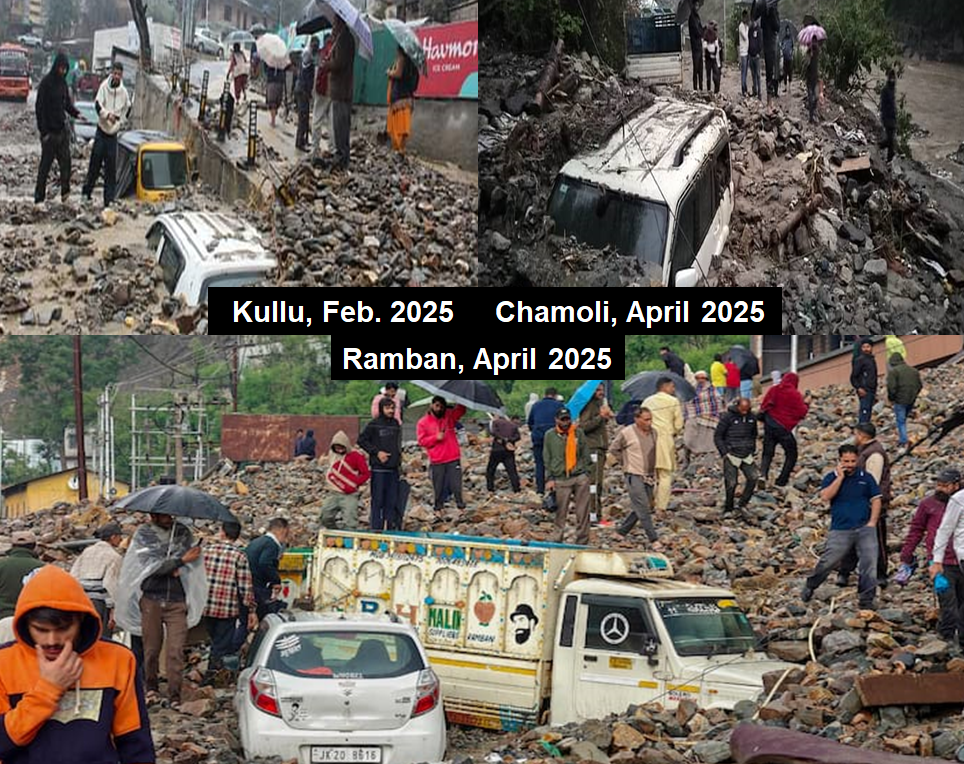
The rising numbers and intensity of western disturbances (WDs) in pre-monsoon months are causing excessive but short rainfall spells across the country particularly in the Himalayan states. These events are then resulting in sudden flash floods and taking a huge toll on human life and public infrastructure. However, the specific monitoring and warning services for such disasters by the Central Water Commission (CWC) & Indian Meteorological Department (IMD) are largely unavailable as these agencies are mainly forecasting floods during the monsoon.
Continue reading “CWC, IMD Need to Improve Extreme Weather Forecast Services”Tag: Monsoon
DRP NB 120525: BBMB’s poor track record on Operational Dam Safety
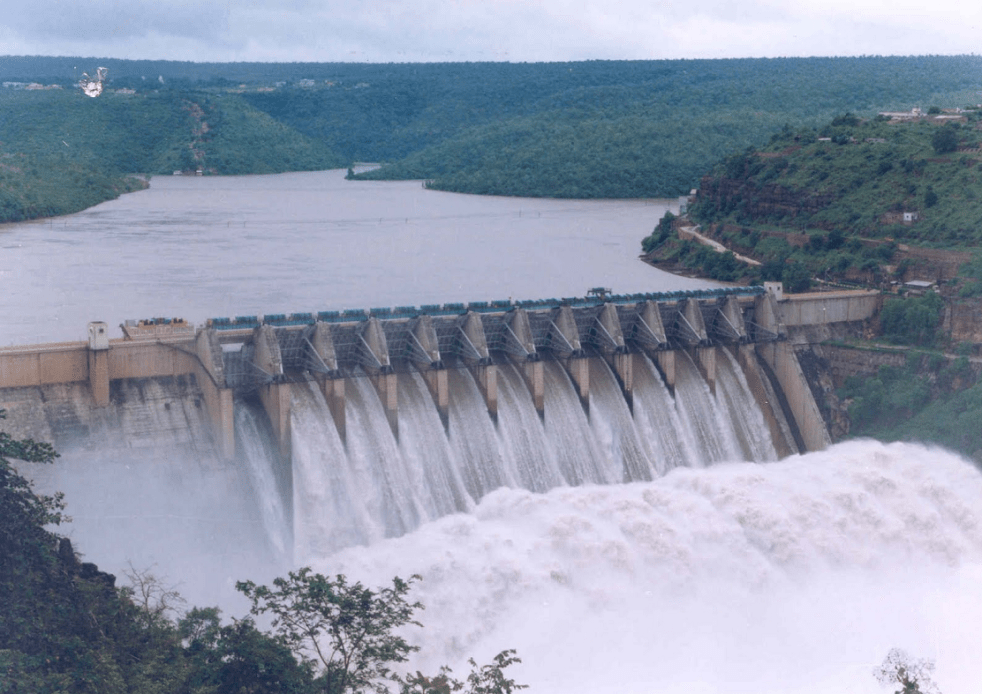
(Feature Image: 2019 image of Bhakra dam. Source: Punjab Kesari)
One aspect that stands out not so obviously in the ongoing water dispute between Punjab and Haryana is the poor track record of BBMB in achieving operational safety of BBMB projects during floods, particularly in recent years, but also starting from way back in 1970s. That is why it sounds strange when in early May, BBMB is talking about need for water releases to safeguard the Bhakra dam’s structural integrity, when the dam is at its lowest level in the season. We see no such urgency or public statements by BBMB during the monsoons last few years when not only IMD had forecast heavy rainfall in the catchment, but also there was no action by BBMB even when catchments had already received heavy rainfall.
Continue reading “DRP NB 120525: BBMB’s poor track record on Operational Dam Safety”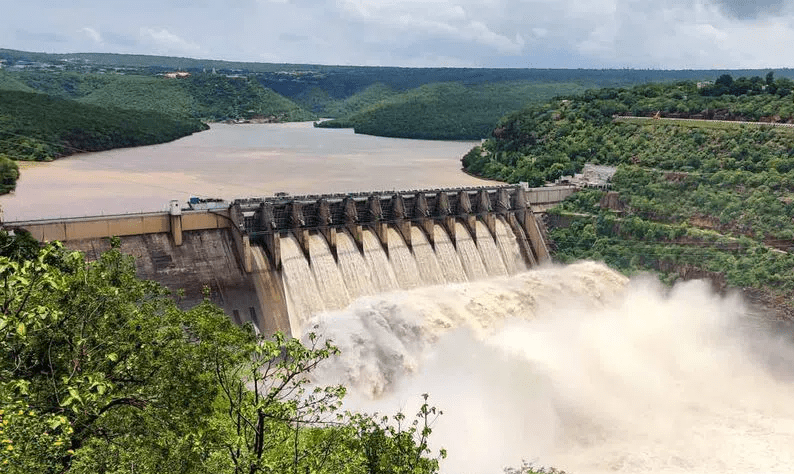
DRP NB 050525: Dam Safety concerns at Srisailam and Nagarjunsagar Dams
(Feature Image: Alarming situation at Srisailam Dam, says Telangana; Warns NDSA of potential catastrophe. Source: Telangana Today, Feb. 2025)
The visit of chairman of National Dam Safety Authority (NDSA) to Srisailam and Nagarjunsagar dams on Krishna River belonging to Andhra Pradesh and Telangana has brought out very worrying reports. These are two of the largest dams in India. This is symptomatic of the situation of dam safety across the country.
Srisailam dam was damaged during unprecedented floods in first week of Oct 2009 with washing away large amount of cement concrete from the apron and plunge-pool of the dam, but the repair work has still not been taken up even though there is risk to the stability of the dam. The discussion is still about source of funds and NDSA chairman has asked AP to initiate some work using AP’s own funds and get the expenses reimbursed afterwards. This is a hardly confidence inspiring situation. Any mishap on this project can start a chair reaction that can engulf all projects right upto Krishna barrage at Vijaywada.
Continue reading “DRP NB 050525: Dam Safety concerns at Srisailam and Nagarjunsagar Dams”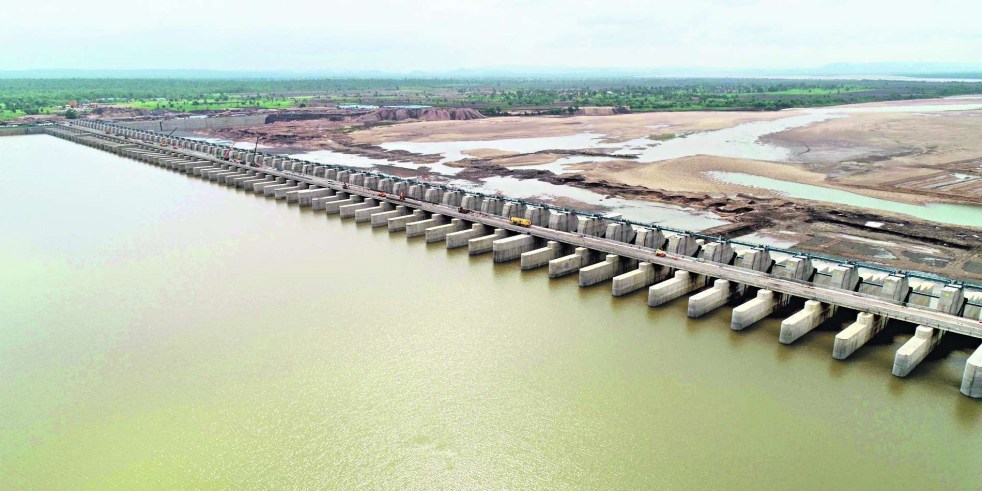
DRP NB 280425: Why did the Jal Shakti Ministry delay submission of NDSA Expert Committee report on Kaleshwaram to Telangana?
(Feature Image: Medigadda barrage of KLIS. Source: South First)
The National Dam Safety Authority (NDSA) expert committee report under chairman Shri J Chandrashekhar Iyer on the controversial Kaleshwaram project has at long last been submitted this last week to the Telangana govt vide DO letter dated April 24, 2025, from Shri Anil Jain, NDSA chairman. One of the intriguing aspects of this episode is that the NDSA expert committee submitted the report to the Ministry of Jal Shakti in December 2024 and it has taken almost four months for the report to be submitted to the executing authority, the Telangana Govt. Why should it take any time at all for the NDSA expert committee report to reach the state government, leave aside the 4 months it has taken.
Continue reading “DRP NB 280425: Why did the Jal Shakti Ministry delay submission of NDSA Expert Committee report on Kaleshwaram to Telangana?”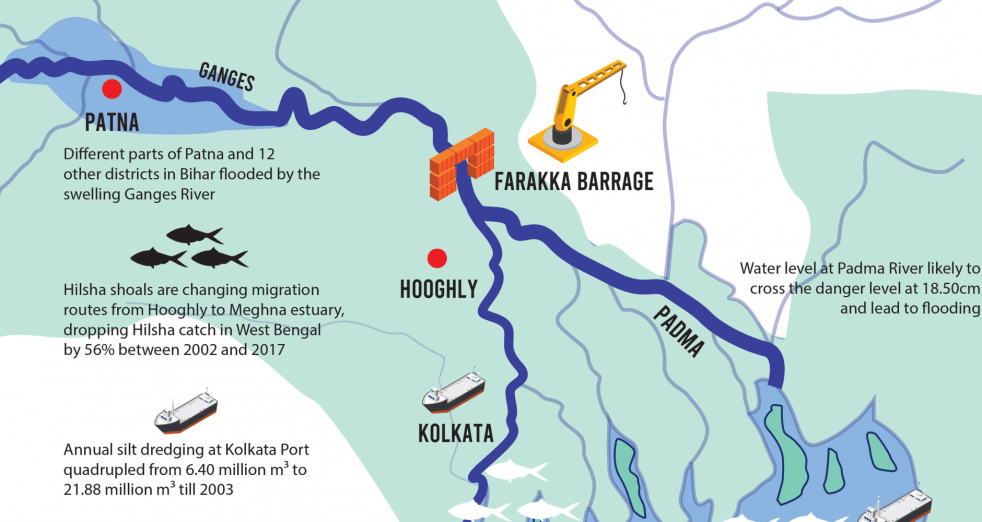
DRP NB 210425: Farakka Dam operation completes 50 years: A time to review?
(Feature Image: Infographic taken from Farakka now boomerangs on India: Source: TBS News, Oct. 2019)
The 2304 m long Farakka dam on Ganga in Murshidabad district in W Bengal was commissioned on Apr 21 1975 and completes 50 years today. The dam needs an independent review to assess the costs, benefits and impacts of the dam, both projected and actual and to decide about the need and form of its continued existence.
Continue reading “DRP NB 210425: Farakka Dam operation completes 50 years: A time to review?”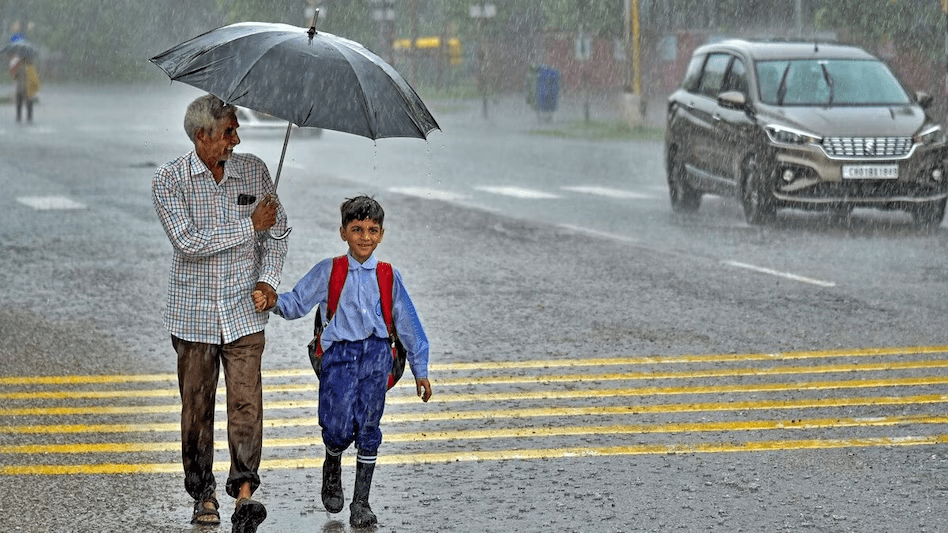
DRP NB 140425: Normal SW Monsoon Rainfall forecast
(Feature Image: Skymet predicts normal monsoon with 103% rainfall of the long-period average. Source: Business Today)
The private forecasting agency Skymet has forecast Normal SW Monsoon rainfall across India on Apr 8, 2025, a week before IMD comes out with its forecast. This advance forecast by private agency, compared to IMD raises question as to how come the private agency with much more limited resources is able to achieve this.
In any case, the forecast of about 3% above normal rainfall in June Sept 2025 is welcome. The rainfall distribution forecast, both across the four months and across the four regions is also good if it comes true.
Continue reading “DRP NB 140425: Normal SW Monsoon Rainfall forecast”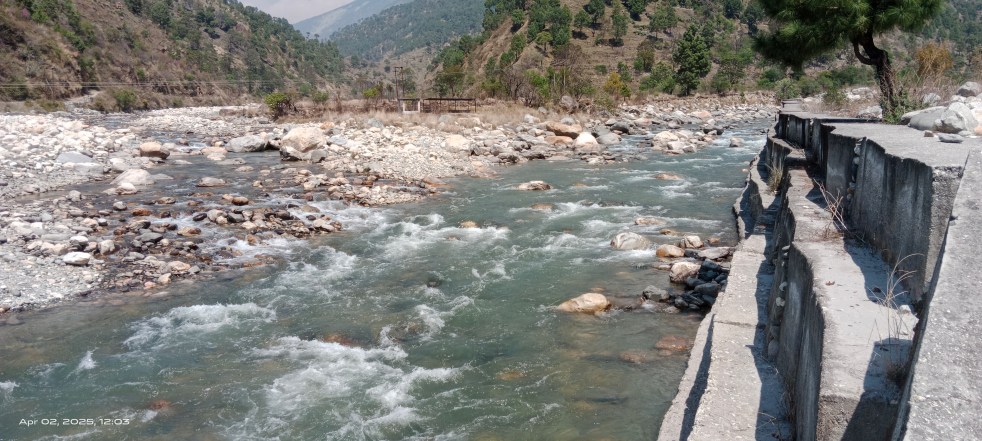
DRP NB 070425: New Impact of Big dams: Increased oxygen intake in inland waters
(Feature Image: Merging point of of Badiyar gaad (left) and Yamuna river (right) at Gangani in Badkot, Uttarakhand. BS Rawat/SANDRP)
New research published this week reveals a startling change: the oxygen levels in inland waters has been dramatically reducing since 1900, due to human activities including big dams and pollution. This condition leads to dead fish, collapsing food chains and reducing water quality, among other impacts.
There are simultaneous processes ongoing in inland waters leading to production and consumption of oxygen. The location and processes for both the production and consumption of oxygen has been changing during 1900 to 2010. The Global oxygen consumption in inland waters, net of production has gone up by over 100% from 0.26 Pg/year in 1900 to 0.53 Pg/ year in 2010. While earlier climate change was considered major contributor to this reduction, new research shows it is big dams and pollution that are much bigger contributors. Inland waters now pull nearly 1 billion tons of oxygen from the atmosphere every year — half as much as the entire ocean emits back.
Continue reading “DRP NB 070425: New Impact of Big dams: Increased oxygen intake in inland waters”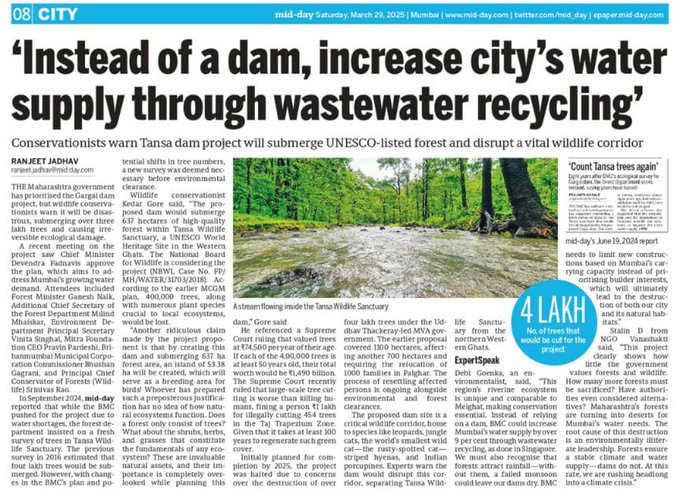
DRP NB 310325: Does Mumbai need Gargai Dam?
Maharashtra Chief Minister Devendra Fadnavis, brushing aside the concerns of forest officials, opposition, environment and available options this week has asked the officials to fast track the Forest and other clearances for the controversial Gargai dam for additional supply of water to Mumbai. This is shocking on several counts.
Our study earlier showed that Mumbai does not need any additional dam including Gargai if it utilizes available local resources including rainfall, reuse of treated sewage, desalinization, demand side management, groundwater recharge, among other cost effective and less destructive options. The Chief Minister of his government has not bothered to respond to these concerns or options. In fact, when our study was published, even government officials in Mumbai had supported our conclusions.
Continue reading “DRP NB 310325: Does Mumbai need Gargai Dam?”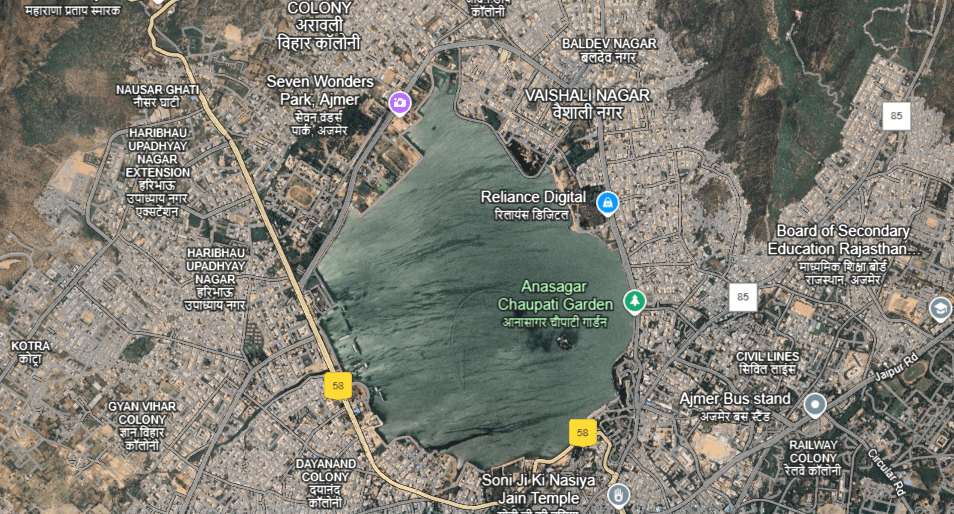
DRP NB 240325: Will the encroachments in Anasagar lake in Ajmer be removed?
Over the last about 4 years, very interesting events are playing out in India’s judiciary regarding the encroachments in Anasagar lake in Ajmer, Rajasthan.
The first order from the National Green Tribunal came to remove the encroachments from Anasagar lake in Dec 2021, reiterated in Aug 2023 as the encroachments were in violation of the environmental regulations and Wetland Rules of 2017. Apparently, the state government with investment of Rs 12 Cr was the biggest encroacher and the investment in the encroached land continued even while NGT order was awaiting implementation.
Continue reading “DRP NB 240325: Will the encroachments in Anasagar lake in Ajmer be removed?”
DRP NB 170325: Can we work for more Kham Rivers and Less Sabarmati Rivers?
This week’s DRP News Bulletin brings two encouraging reports about revival of Kham River in Sambhajinagar district in Maharashtra. The Bulletin also brings report of Gujarat Human Rights Commission sending notice to the state and city government to uphold the environment rights of citizens in Vadodara. There is also here the news of signing of MOU for beginning of 4 km water taxi along Yamuna in Delhi upstream of Wazirabad barrage, of course without any environment or social impact assessment, any environmental clearance, any public consultation process, with blind faith in Sabarmati River Front Development model.
Continue reading “DRP NB 170325: Can we work for more Kham Rivers and Less Sabarmati Rivers?” SANDRP