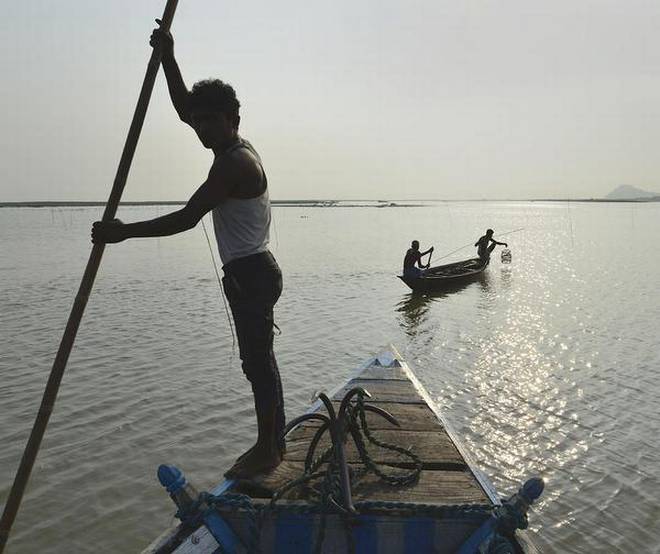
The Brahmaputra is believed to have two mythological fathers – Lord Brahma and sage Shantanu. In the 16th-century text Yogini Tantra, dedicated to the worship of goddesses like Kali and Kamakhya, the river is linked to an ancient ablution ritual with the following invocation:
O Son of Brahma! O Son of Shantanu! O Lohit! O Son of Lohit!
I bow before you, wash away my sins of the last three births.
Tag: Indus
DRP 020625
HYDRO POWER PROJECTS
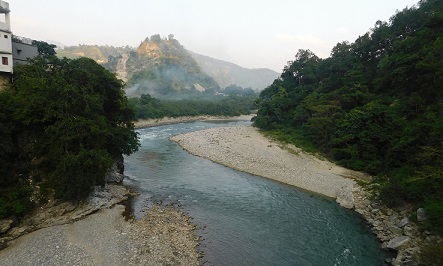
Jammu & Kashmir In Kupwara district the 12 Mw Karnah in Kishan Ganga sub basin has joined the long list of HEP projects facing reoccurring damages, repeated delays and cost escalation in Himalayan states. The flash flood, landslides and cloudburst disasters in Feb and May 2025 have further damaged the project and extended its completion date.
Continue reading “DRP 020625”
DRP 260525: Opposition to large hydro as strategic projects
(Feature Image: Lahaul Spiti Ekta manch holds a protest rally against hydel projects at Udaipur in Lahaul Spiti on Friday May 23. Source: The Tribune)
Some of the most prominent reports this week are related to wide spread opposition to large hydro projects in Arunachal Pradesh, Himachal Pradesh, Kerala, among other states. Indeed, there is little sense in building large hydro projects as strategic assets as seems to be the case in Himachal Pradesh and J&K (Chenab basin) and Arunachal Pradesh (Siang basin, among others). Use of security forces to complete pre-feasibility survey when local communities are strongly against the project, as is being done in case of Siang Upper Multipurpose Project is clearly counter-productive in so many ways. In Kerala people have again gathered to oppose the destructive Athirapally Hydro projects that they have been successfully opposing since late 1990s.
Continue reading “DRP 260525: Opposition to large hydro as strategic projects”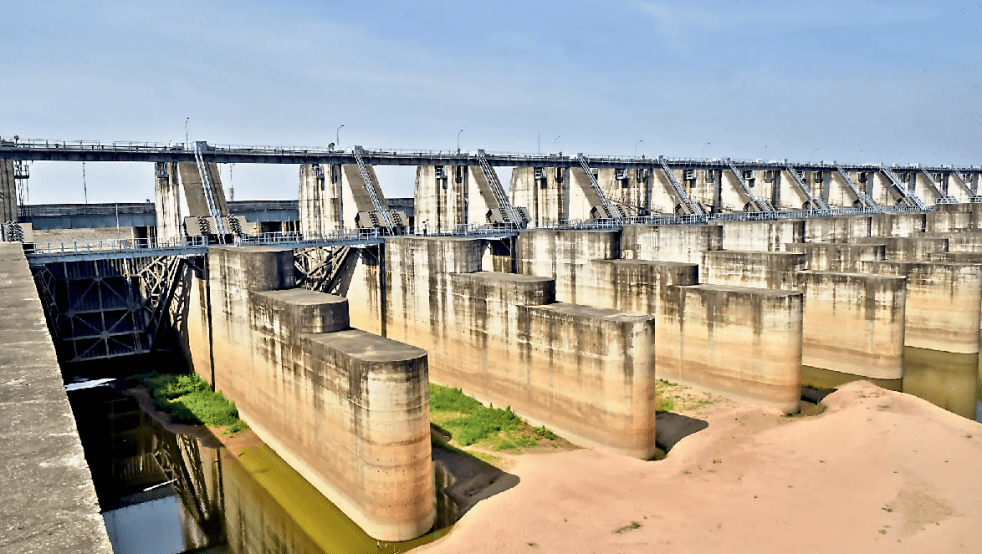
DRP 190525: Kaleshwaram Project to be abandoned?
(Feature Image: Medigadda barrage, part of the Kaleshwaram project, facing structural challenges due to design flaws. DC: File Photo)
One of the alarming news this week is the recommendation of irrigation experts and others to the Telangana govt is to prioritise Tummidihatti project, rather than spending limited available resources on repair of Kaleshwaram barrages: Medigadda, Annaram and Sundilla, all part of the controversial and disaster hit Kaleshwaram Project. The reasoning behind the recommendation seems to be apparent difficulty to rehabilitation of the barrages with inherent unstable foundation on sand beds.
Continue reading “DRP 190525: Kaleshwaram Project to be abandoned?”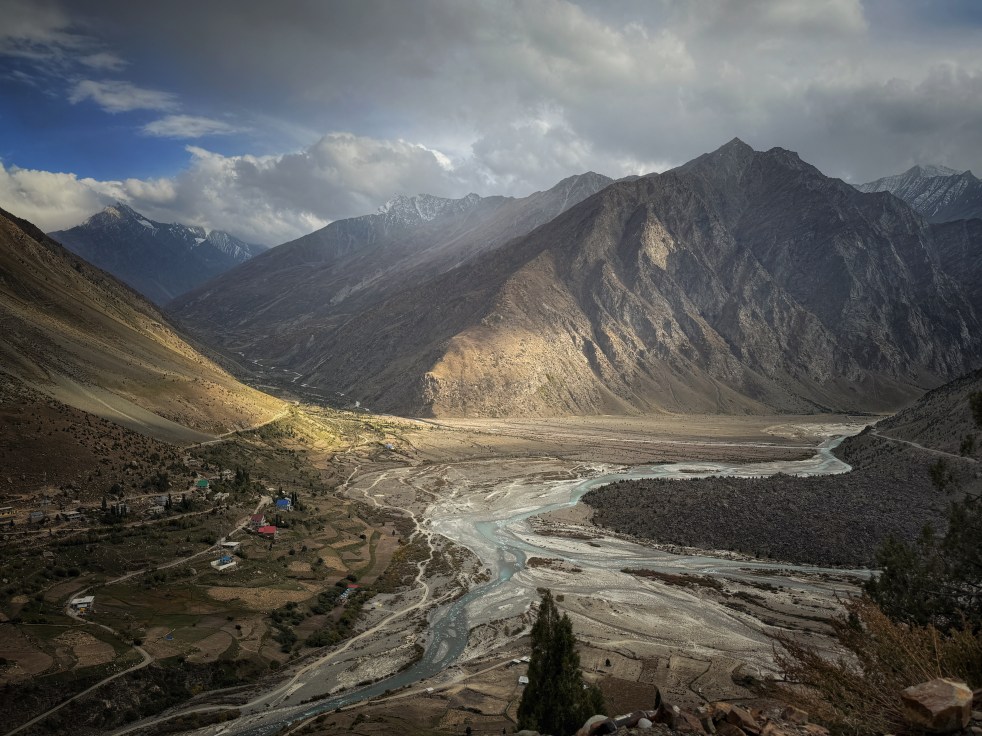
Of Landslides, Spirits and Stories
The Science and Myth surrounding a Himalayan Landslide
Here, in this central spot where three valleys come together
Is the triangle from which all phenomena originate,
An abode of the yoginis of the past,
A place for practitioners in the future.
~ A Tibetan prayer to the sacred Drilbu Ri Mountain where Rivers Chandra and Bhaga meet to form the Chenab
On a crisp September morning, we clank across an iron suspension bridge on the River Chandra to enter the valley of Bhaga. We are tracing the origins of Bhaga and will be reaching Barlacha La pass at an altitude of 15,900 feet in a few hours. Madly fluttering prayer flags swaddling the bridge and the roaring river below make it seem as if, like the prayers, we are adrift on the wind too. Below, on the toasty river sands, a few men doze like monitor lizards.
Continue reading “Of Landslides, Spirits and Stories”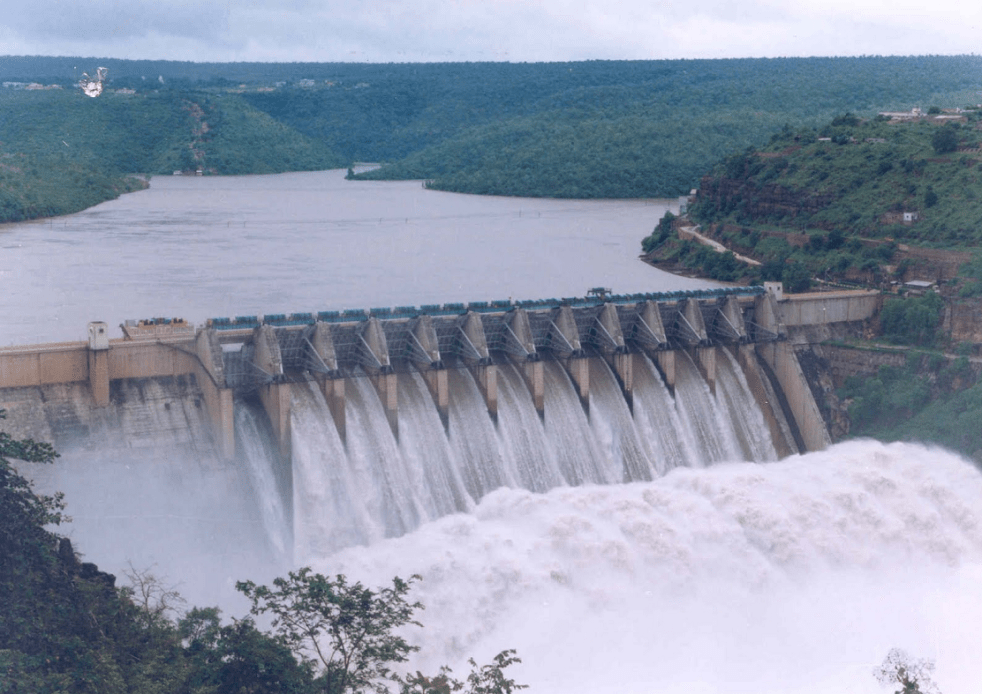
DRP 120525: BBMB’s poor track record on Operational Dam Safety
(Feature Image: 2019 image of Bhakra dam. Source: Punjab Kesari)
One aspect that stands out not so obviously in the ongoing water dispute between Punjab and Haryana is the poor track record of BBMB in achieving operational safety of BBMB projects during floods, particularly in recent years, but also starting from way back in 1970s. That is why it sounds strange when in early May, BBMB is talking about need for water releases to safeguard the Bhakra dam’s structural integrity, when the dam is at its lowest level in the season. We see no such urgency or public statements by BBMB during the monsoons last few years when not only IMD had forecast heavy rainfall in the catchment, but also there was no action by BBMB even when catchments had already received heavy rainfall.
Continue reading “DRP 120525: BBMB’s poor track record on Operational Dam Safety”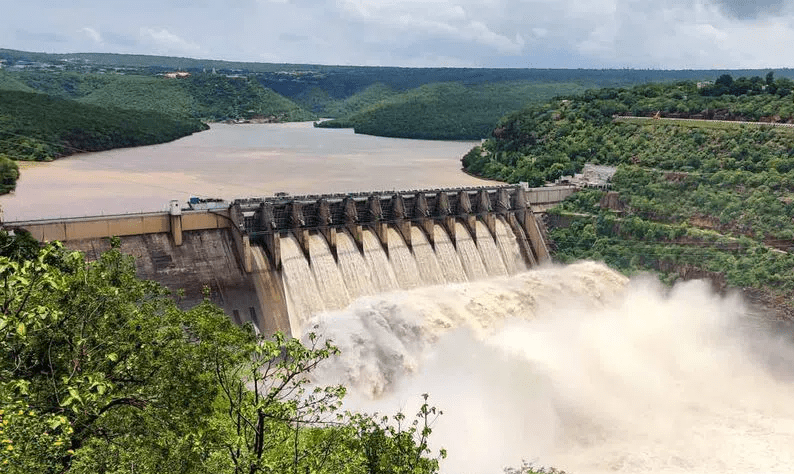
DRP 050525: Dam Safety concerns at Srisailam and Nagarjunsagar Dams
(Feature Image: Alarming situation at Srisailam Dam, says Telangana; Warns NDSA of potential catastrophe. Source: Telangana Today, Feb. 2025)
The visit of chairman of National Dam Safety Authority (NDSA) to Srisailam and Nagarjunsagar dams on Krishna River belonging to Andhra Pradesh and Telangana has brought out very worrying reports. These are two of the largest dams in India. This is symptomatic of the situation of dam safety across the country.
Srisailam dam was damaged during unprecedented floods in first week of Oct 2009 with washing away large amount of cement concrete from the apron and plunge-pool of the dam, but the repair work has still not been taken up even though there is risk to the stability of the dam. The discussion is still about source of funds and NDSA chairman has asked AP to initiate some work using AP’s own funds and get the expenses reimbursed afterwards. This is a hardly confidence inspiring situation. Any mishap on this project can start a chair reaction that can engulf all projects right upto Krishna barrage at Vijaywada.
Continue reading “DRP 050525: Dam Safety concerns at Srisailam and Nagarjunsagar Dams”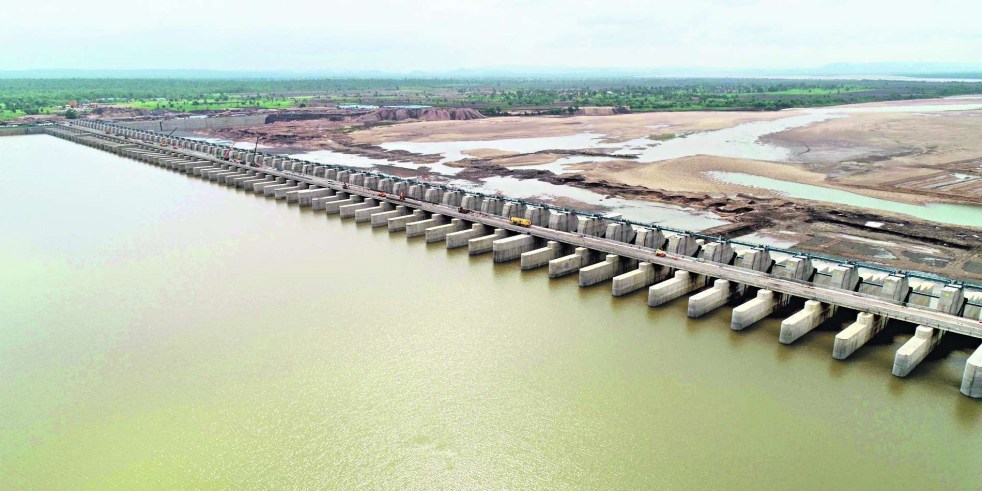
DRP 280425: Why did the Jal Shakti Ministry delay submission of NDSA Expert Committee report on Kaleshwaram to Telangana?
(Feature Image: Medigadda barrage of KLIS. Source: South First)
The National Dam Safety Authority (NDSA) expert committee report under chairman Shri J Chandrashekhar Iyer on the controversial Kaleshwaram project has at long last been submitted this last week to the Telangana govt vide DO letter dated April 24, 2025, from Shri Anil Jain, NDSA chairman. One of the intriguing aspects of this episode is that the NDSA expert committee submitted the report to the Ministry of Jal Shakti in December 2024 and it has taken almost four months for the report to be submitted to the executing authority, the Telangana Govt. Why should it take any time at all for the NDSA expert committee report to reach the state government, leave aside the 4 months it has taken.
Continue reading “DRP 280425: Why did the Jal Shakti Ministry delay submission of NDSA Expert Committee report on Kaleshwaram to Telangana?”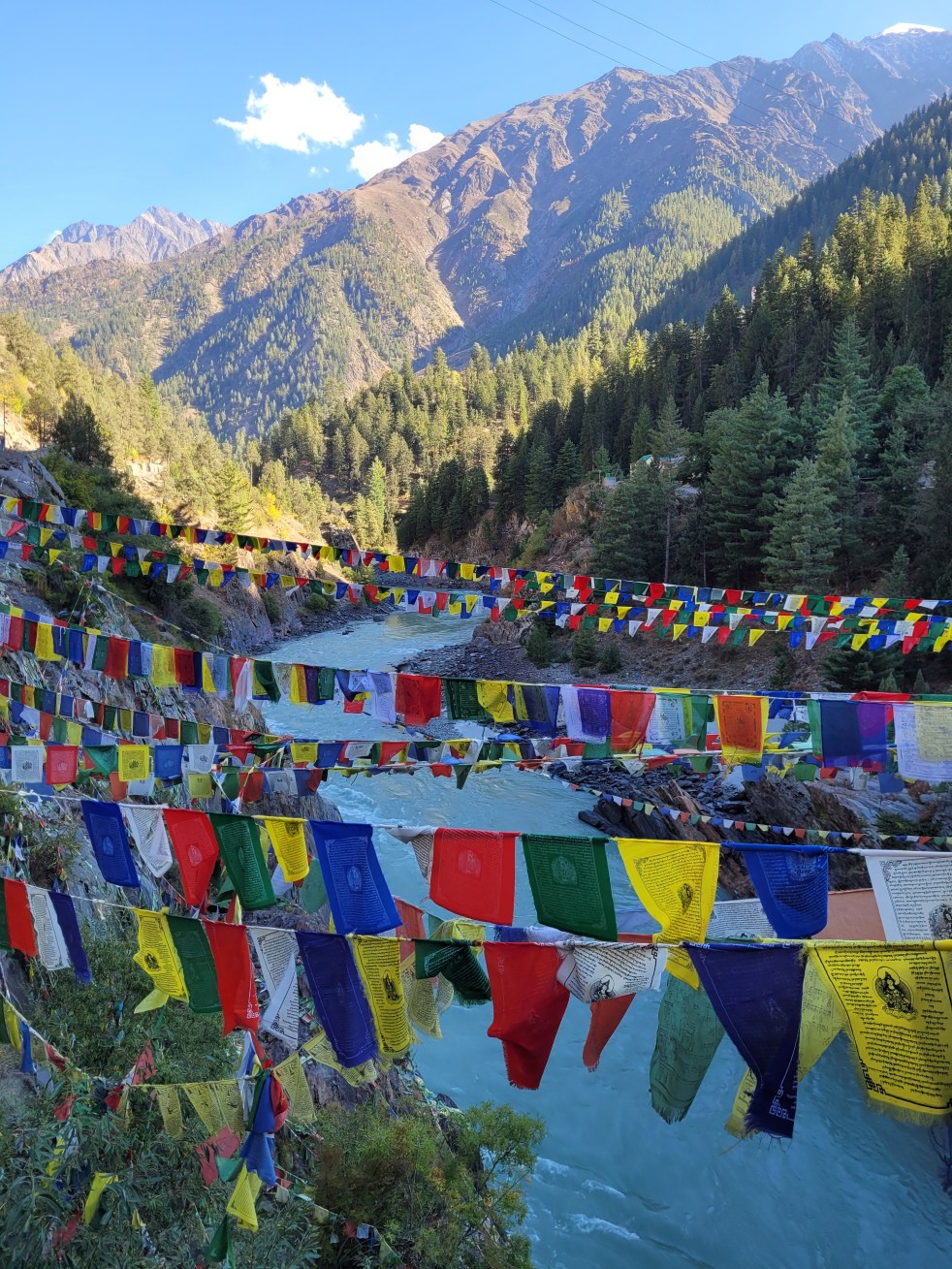
Infrastructure Projects in Chenab Basin and Climate Change: Need to Exercise Caution
The current developments around Indus Waters Treaty are deeply troubling. Following the heinous attack on tourists in Pehelgam, India has announced that Indus Waters Treaty, the only water sharing mechanism between India and Pakistan put in place in 1960, has been put in abeyance.
Continue reading “Infrastructure Projects in Chenab Basin and Climate Change: Need to Exercise Caution”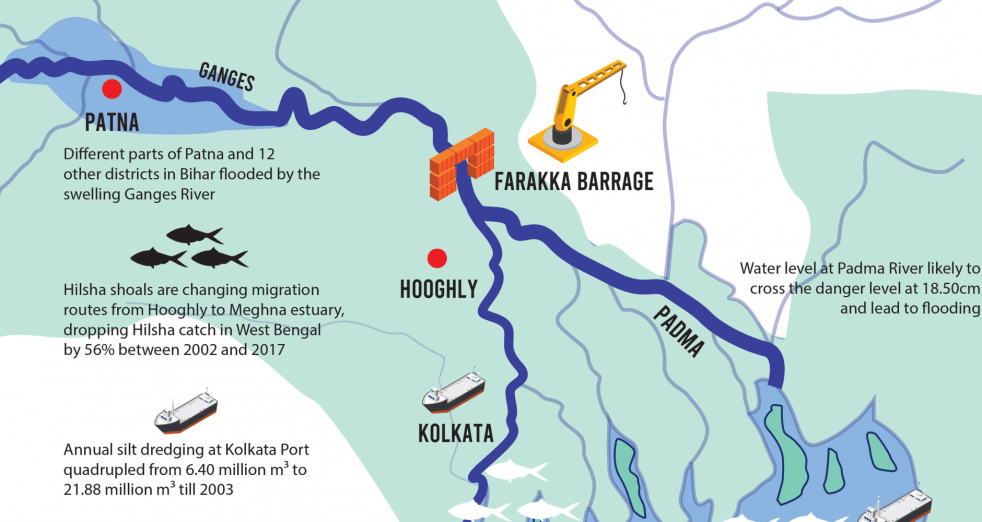
DRP 210425: Farakka Dam operation completes 50 years: A time to review?
(Feature Image: Infographic taken from Farakka now boomerangs on India: Source: TBS News, Oct. 2019)
The 2304 m long Farakka dam on Ganga in Murshidabad district in W Bengal was commissioned on Apr 21 1975 and completes 50 years today. The dam needs an independent review to assess the costs, benefits and impacts of the dam, both projected and actual and to decide about the need and form of its continued existence.
Continue reading “DRP 210425: Farakka Dam operation completes 50 years: A time to review?” SANDRP