DRP News Bulletin

DRP NB 14 Feb 2022: Wake up call: Chairman of Supreme Court HPC Chopra Resigns

(Feature Image: Pillars of elevated road eating into Ganga’s actual riverbed at Rishikesh. Bhim Singh Rawat/SANDRP, 08 Oct. 2021)

The resignation of Shri Ravi Chopra, chairman of the Supreme Court appointed High Powered Committed to report about the implications and dimensions of the Char Dham Highway in fragile Himalayan region is yet another wake up call for all concerned, including the Supreme Court. Chopra has said that following the Dec 14, 2021 order of the Supreme Court in the Char Dham case, the panel “has been shattered”. Chopra’s resignation letter dated Jan 27, 2022 has only now being made public. The order of Dec 14, 2021 was not only contrary to the order of Sept 8, 2020, but also limited the HPC’s role even in monitoring to less than 30% of the road, that too when the Ministry of Road Transport and Highways have consistently ignored the recommendations of the HPC. Will the resignation have any impact on the apex court of the project or the MoRTH?

Continue reading “DRP NB 14 Feb 2022: Wake up call: Chairman of Supreme Court HPC Chopra Resigns”
Wetlands

Top ten Judicial actions on India Wetlands-2021

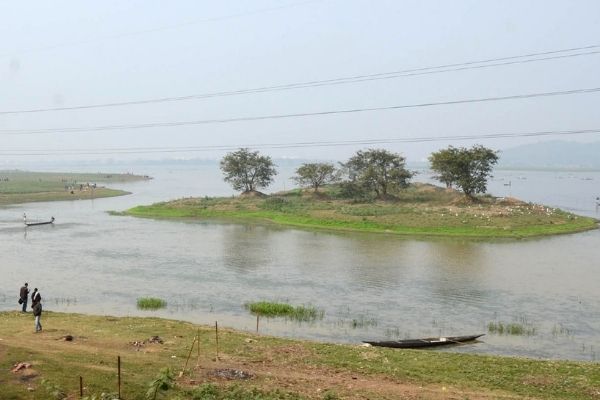
Feature image: Deepor Beel boundaries still await proper demarcation (27 Dec. 2021) by G Plus.

This third part of Wetlands Overview 2021 provides details of top ten judicial interventions in India in 2021 regarding wetlands. The first part presented top ten stories about current situation of wetlands in the country and the second part covered top 10 actions by the state and central governments that affected the wetlands in positive and adverse manner. 

Continue reading “Top ten Judicial actions on India Wetlands-2021”
Wetlands

India’s Wetlands Overview 2021: Gross Misuse of even Ramsar sites

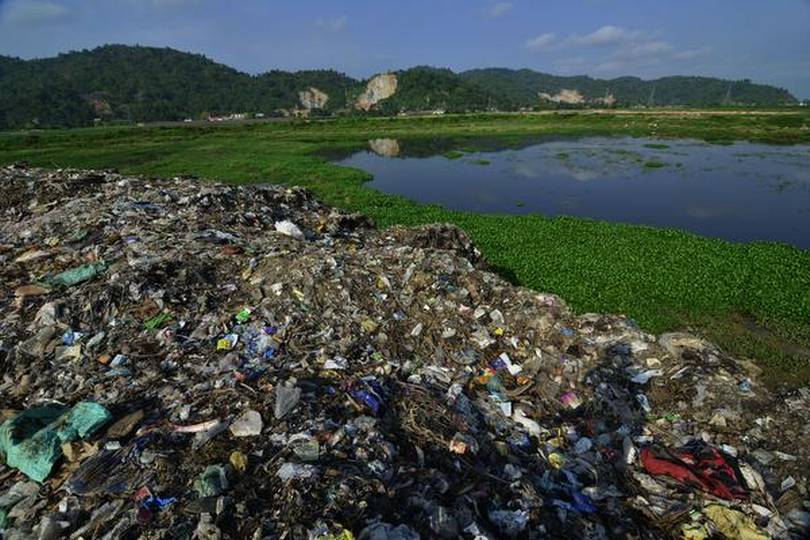
(Feature image:- Deepor Beel wetland area has been suffering from environmental degradation due to continuous encroachment and waste dumping. The Guwahati Municipality dump yard, located at Boragaon, lies in the eastern corner of Deepor Beel. Photo: Ritu Raj Konwar/Front Line)

Wetlands are important part of hydrological cycle and play critical role in water purification, climate moderation, biodiversity conservation and flood regulation apart from offering innumerable environmental services to aquatic, wildlife and human beings for which they are also referred as ‘kidneys of the earth’. There are more than 2 lakh wetlands in India covering nearly 4.6 per cent of its geographical area. Despite their essential services and significance, the already neglected wetlands eco-system have been facing multiple existential threats.

As part of its annual overview for 2021, SANDRP in three part series attempts to highlight the state of wetlands in India during past one year. This first part compiles the 10 top critical reports representing the present day status of wetlands across the country. The second part would cover various actions and initiative taken by the state governments and central government all through 2021 impacting the wetlands. The final part would deal with the judicial interventions on wetlands.

Continue reading “India’s Wetlands Overview 2021: Gross Misuse of even Ramsar sites”
DRP News Bulletin

DRP NB 17 Jan. 2022: Urban Water Mess visible in advocacy for Renuka and Mekedatu dams

This week brings heightened advocacy for major dams in the name of Urban Water supplies for cities that have no water policy, no worthwhile good water governance, but are happy demanding more and more water projects from further off places to cater to its unjustifiable demands. This is the underlying theme both in case of Renuka dam for Delhi and Mekedatu dam for Bangalore.

Some media reports are talking about need for additional storages, but in this advocacy there is no place for either efficient use of existing water storages, nor place for decentralised water storage options or underground water storage options, leave aside inclusion of soil moisture, which is a major storage option too.

Continue reading “DRP NB 17 Jan. 2022: Urban Water Mess visible in advocacy for Renuka and Mekedatu dams”
DRP News Bulletin

DRP NB 10 Jan 2022: Positive Groundwater stories from TN, Haryana

It’s rather rare that we have some positive stories related to groundwater. This week we have two: One each from Tamil Nadu and Haryana. A recent performance audit report, the CAG has lauded the Tamil Nadu Govt for regulating industry’s groundwater extraction. The CAG has also lauded TN for adopting ‘firka’(which are smaller than blocks and encompasses 10-15 villages) as the assessment unit in 2011 because this is expected to help in identification of pockets of groundwater potential within the over- exploited and critical blocks.

Continue reading “DRP NB 10 Jan 2022: Positive Groundwater stories from TN, Haryana”
DRP News Bulletin

DRP NB 27 Dec 2021: PM pushes unviable, destructive Hydro projects in HP

Feature Image: Renuka Dam Sangharsh Samiti members take out a protest march at Dadahu in Sirmaur district on Dec. 19, 2021. Tribune photo

What will be the realistic cost of power from hydropower projects being pushed by the Prime Minister during this visit today to Himachal Pradesh? One indication of that comes from the 111 MW Sawra Kuddu HEP that he inaugurates during his visit. The cost of this project is already over Rs 2080 Crores, likely to go up further. Which means per MW installed capacity, the cost is around Rs 20 Crores. At this cost, the cost of power from the project is likely to be over Rs 8 per unit even without factoring in the social, environmental and increased disaster vulnerability costs that such projects impose on the fragile Himalayan Mountains. As if to also remind the active seismic zone, on the eve of his visit, there were tremors, even if mild, in Mandi.

The Renuka dam that he lays the foundation for does not even have all the statutory clearances. Its EIA has been the most dishonest exercise, as came out in the NGT hearings. What signal is the government sending by laying foundation stone for such a project? Similar are the issues with Luhri I and Dhaulasidh HEPs. The government seems to be pushing such outdated, unviable, costly and destructive projects in fragile Himalayan regions, purely on political arithmetic assumptions, but possibly need to realise that these projects are not even popular and they are also most inappropriate in the climate change context. Or is it the lure of spending such huge sums of unaccountable public money that provide opportunities for getting election funds for the party that is driving such undemocratic decisions?

Continue reading “DRP NB 27 Dec 2021: PM pushes unviable, destructive Hydro projects in HP”
DRP News Bulletin

DRP News Bulletin 20 Dec 2021: Judiciary fails the environment AGAIN

By allowing the Char Dham Highway to go ahead, putting aside all the environment, safety, disaster vulnerability and even norms and affidavits of the Ministry of Highways and the Defence Ministry, as well as the report of the expert panel set up by the apex court, the Judiciary has again failed the Environment, among other things. This is contrary to the generally held belief that Judiciary stands up for the cause of the environment. That belief has no real basis, as can be seen again. This is also failure of the governance, experts and environmental groups, besides also the failure of the media too.

Continue reading “DRP News Bulletin 20 Dec 2021: Judiciary fails the environment AGAIN”
DRP News Bulletin

DRP NB 15 Nov 2021: District Level Vulnerability Assessment in India

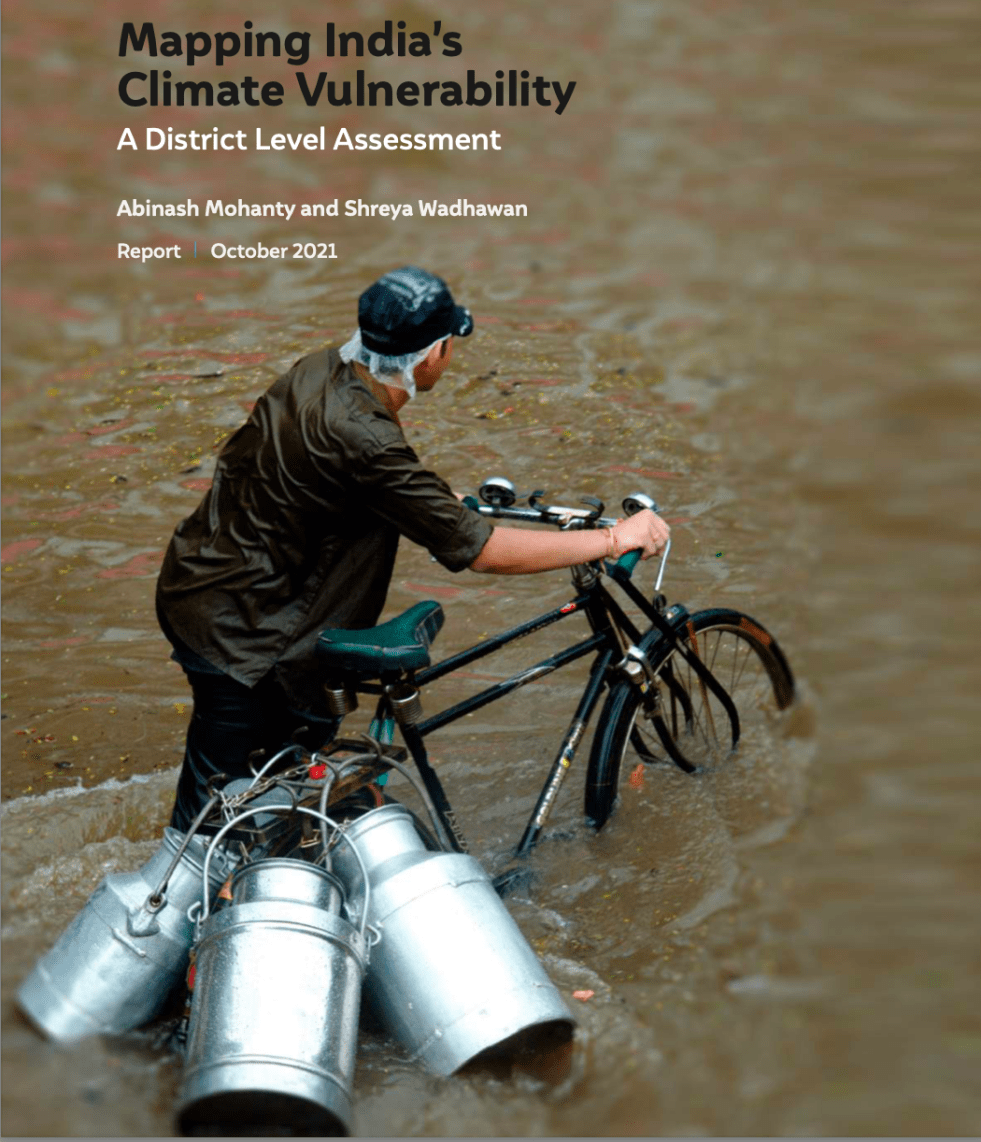
This is the kind of study that was long overdue. In fact such a study should have been done before formulating India’s National Action Plan on Climate Change (NAPCC) as SANDRP has been saying since 2009 (see SANDRP critique of NAPCC published under the title “THERE IS NO HOPE HERE) when NAPCC was made public by a dozen wise individuals sitting in a room without any participatory or transparent exercise. One hopes that India will restart the exercise of fresh formulation of NAPCC after doing such a study on an urgent basis, on the lines of the study described below. In any case one hopes the union and state governments will wake up and take up District level vulnerability assessment in India in an independent way on urgent basis.

“This study undertakes a first-of-its-kind district-level vulnerability assessment of India, which maps exposure, sensitivity, and adaptive capacity using spatio-temporal analysis. To do this, we developed a climate vulnerability index (CVI) of Indian states and Union Territories (UTs). Instead of looking at climate extremes in isolation, we map the combined risk of hydro-met disasters and their compounded impacts on vulnerability. By doing so, we aim to inform policy goals in the resource-constrained context of India.

Continue reading “DRP NB 15 Nov 2021: District Level Vulnerability Assessment in India”
DRP News Bulletin

DRP News Bulletin 08 Nov 2021: Is heavy rain ALONE to be blamed for flooding in Chennai?

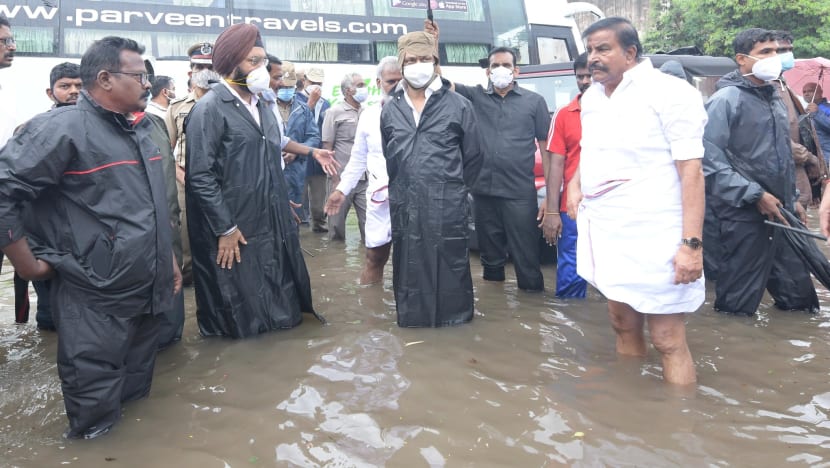
In past couple of days heavy rains have caused significant flooding in several areas of Chennai. While weather bloggers claim the rains were unusual and combination of several atmospheric factors, however the same can not be blamed for flooding in several residential areas, roads and other public spaces. Like common problem afflicting several urban centers across the country, Chennai is no exception to gradual encroachments of water bodies, wetlands, drainage channels and common lands.

Apart from lack of synchronization of hydrological factors in infrastructural projects, the urban water governance system is still missing despite the devastating 2015 flood event. Moreover the systematic and ongoing destruction of Ennore Creek which includes floodplain and wetlands of Adyar and Koshthiyar rivers has made lakhs of river, wetlands dependent people victims of such avoidable disasters.

Continue reading “DRP News Bulletin 08 Nov 2021: Is heavy rain ALONE to be blamed for flooding in Chennai?”
DRP News Bulletin

DRP NB 1 Nov 2021: Why is Ganga not ENTHU about Ganga Utsav?

The Government of India, through the National Mission for Clean Ganga (NMCG) under the Union Ministry of Jal Shakti has announced the celebration of Ganga Utsav this year from Nov 1-3, 2021. The Ganga Utsav is supposed to mark the anniversary of announcement of River Ganga as the ‘National River’ i.e. 4th November, 2008. It is supposed to be celebrated not only in Ganga basin, but across the country as River Festival. There is little enthusiasm or even knowledge about this across the country or even in Ganga basin, though.

Ganga River itself continues to face the onslaughts all across the basin in the name of development, some noteworthy aspect of these include: pushing unviable hydropower project in the upstream; pushing disastrous projects like the Lakhwar Dam project and the Ken Betwa River Link project in the Ganga basin; construction of Char Dham and other highways without any assessment of impacts of the project on the river; construction of huge infrastructure along the river in the name of Ganga waterway, further impacting the river and its biodiversity, again without any impact assessment or participatory decision making; continuously increasing water extraction, diversion, use, pollution and dumping of solid wastes along the river; increasing and indiscriminate sand and boulder mining and quarrying from the river bed and floodplain, without any credible impact assessment; increasing encroachments into the river bed in the name of solid waste dumping, river front development, channelisation etc, in absence of any policy, rules or regulation about the space belonging to the river, to name a few. No wonder, the rivers in the Ganga basin has shown no enthusiasm for the Ganga Utsav!

Continue reading “DRP NB 1 Nov 2021: Why is Ganga not ENTHU about Ganga Utsav?”