DRP News Bulletin

DRP NB 060223: Wetlands in India face damages, threats and Govt Apathy

(Feature Image:-Nayapakkam a lake near Chennai and a bird hotspot. 190 species have been recorded here and is a refuge for migratory harriers. https://ebird.org/hotspot/L3396760 Excavators were filling one end of the lake yesterday. Allegedly the ACS group is building an International school over it. M Yuvan, 05 Feb. 2023)

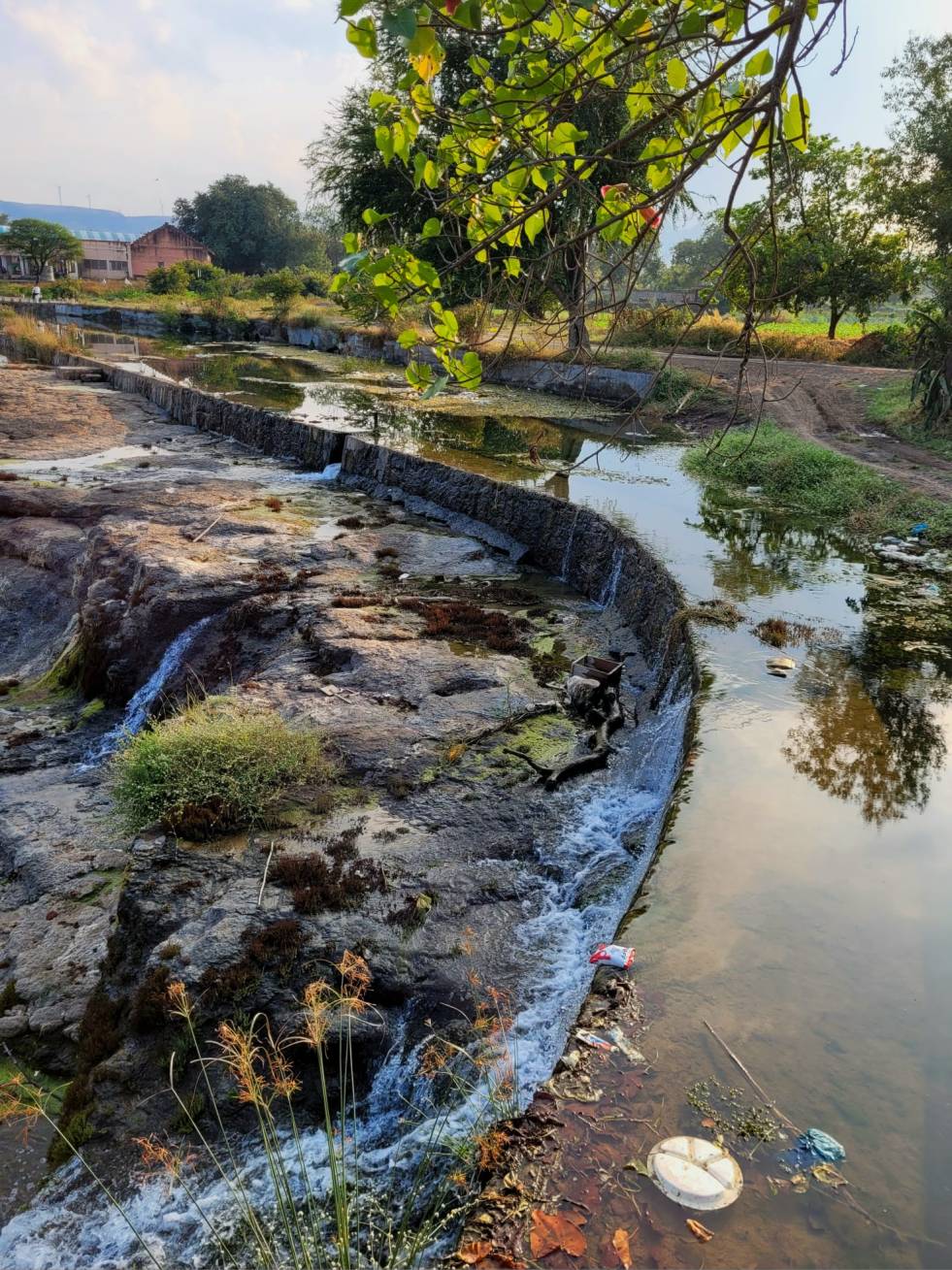
On the occasion of World Wetlands Day 2023 on Feb 2, 2023, SANDRP brought out five overviews about state of India’s wetlands. These included overview related to: 1. India’s Ramsar Wetlands 2. General overview of India’s wetlands 3. Top Ten stories about govt actions about wetlands 4. Top ten stories about judiciary actions about wetlands and 5. Positive stories about India’s wetlands. The links to the five overviews are available below.

The first thing that strikes from these overviews is that state of wetlands in India is bad, getting worse, they continue to face systemic neglect, damages, threats and govt apathy including Ramsar wetlands, which are supposed to have better protection than other wetlands, which is unfortunately not true. The nameplate of Ramsar wetland has now been given to 75 wetlands, but that provides no additional protection to them. in the name of information of Ramsar sites, there is only a combined interactive map apart from two separate pdf file links with location map and state wise listing Ramsar wetlands on Wetlands of India portal by MoEF&CC. The govt has neither prepared any concrete plan to address the threats nor has it developed credible monitoring mechanism which clearly shows it has no intention to improve the governance of these sites.

Continue reading “DRP NB 060223: Wetlands in India face damages, threats and Govt Apathy”
Sand Mining

2022 Riverbed Mining: 5 Bridges Collapsed, 22 Threatened

The indiscriminate, mechanized riverbed mining activities are not only impacting the river eco-systems and dependent communities in multiple adverse ways, but are also damaging the river based infrastructures including road bridges, railway bridges, embankments, irrigation channels and potable water supply schemes for past many years. We have put together reports on infrastructural damages and threats due to excessive riverbed mining in India in 2022. Our 2021, 2018 reports on this topic can be seen by clicking the links.   

Continue reading “2022 Riverbed Mining: 5 Bridges Collapsed, 22 Threatened”
Sand Mining

2022: Riverbed Mining Destroying Indian River Eco-system & Freshwater Species

(Feature image sources: Clock wise (1) Mahseer fish/ Mongabay India, April 2022. (2) Gharials in Chambal/India Today, July 2022. (3) Gangetic dolphin/ECO NE. (4) Smooth-coated Otters in Cauvery/Round Glass, Jan. 2023.)

Indiscriminate mining of riverbeds for sand, gravel, pebbles have been rampant across the country increasingly damaging India’s rivers. The incidents of illegal sand mining, mafias, administrative actions & inactions, govt policies and court cases are routinely covered by the media. However the irreversible impacts of destructive riverbed mining operations on fresh water species and river eco-system are little understood, least explored, rarely covered by media and fails to attract the required attention from govts, judiciary and public at large. 

To some extent, we have been monitoring and highlighting the loop holes in sand mining governance. As part of our annual overview, in 2022 we have complied this separate report underlining the adverse impacts of riverbed mining on rivers and on aquatic life, fresh water species including endangered gharials, dolphins, turtles, fish etc.

Continue reading “2022: Riverbed Mining Destroying Indian River Eco-system & Freshwater Species”
DRP News Bulletin

DRP NB 090123: Atal Bhujal Yojana just chaff without any wheat?

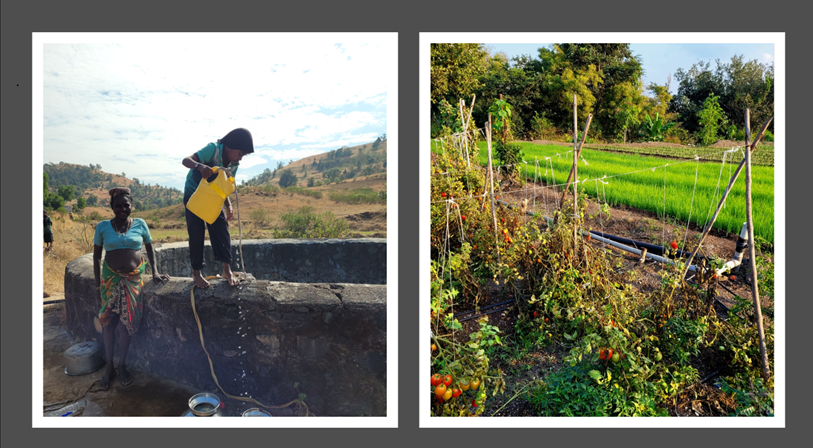
According to this detailed report, possibly the first independent review of the Atal Bhujal Yojana, a 5-year program of the Union govt for management of groundwater, India’s water lifeline, with over half of the project period completed, seems bereft of the fundamental aspects that the scheme itself says are necessary for any sound foundation of the scheme. The review describes it as a dish full of chaff, without almost any kernels of wheat for some sound reasons. It says hardly 18% of allocated money has been spent on Gram Panchayat level community-led Water Security Plan. Only 4% of the planned Gram Panchayat level trainings have been held, with Gujarat and Haryana holding none. Only 27% of money allocated for Gram Panchayat level Hydrogeological monitoring network has been spent. The data gathering instruments that were required from the beginning of the program have not been installed in over half the planned locations. On Information, Education and Communication activities, only 16% of allocated amount is spent.

More detailed independent review of the program implementation will help, but from the available information so far, the signs do not look particularly promising. Is it due to ineptness or lack of intention? Only time will tell.

Continue reading “DRP NB 090123: Atal Bhujal Yojana just chaff without any wheat?”
Hydro Power Projects

2022: Environment & Forest Clearances to Dams, Hydro, Irrigation Projects

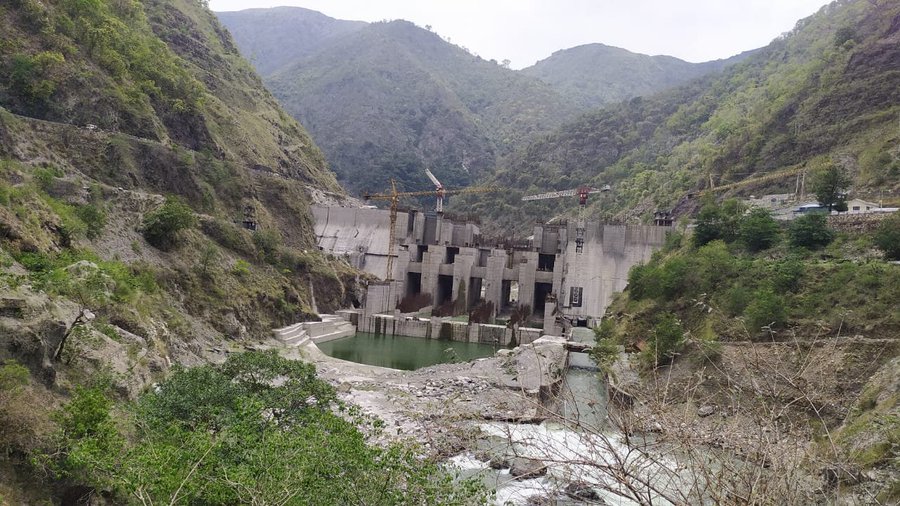
SANDRP’s 2020 and 2021 overviews on the subject can be seen by clicking the links. You may also like to visit our 2022 overviews on (1) Dam induced floods & damages, (2) Fly ash dam breach incidents, (3) Impact of floods on Polavaram project, (4) People’s resistance against dams and hydro projects, (5) Disasters and accidents at HEPs sites, (6) Dam Safety Issues, (7) Hydro projects opposition and accidents in South Asia.

Continue reading “2022: Environment & Forest Clearances to Dams, Hydro, Irrigation Projects”
Dam Safety

2022: Growing Concerns over Dam Safety, Sustainability & Impacts

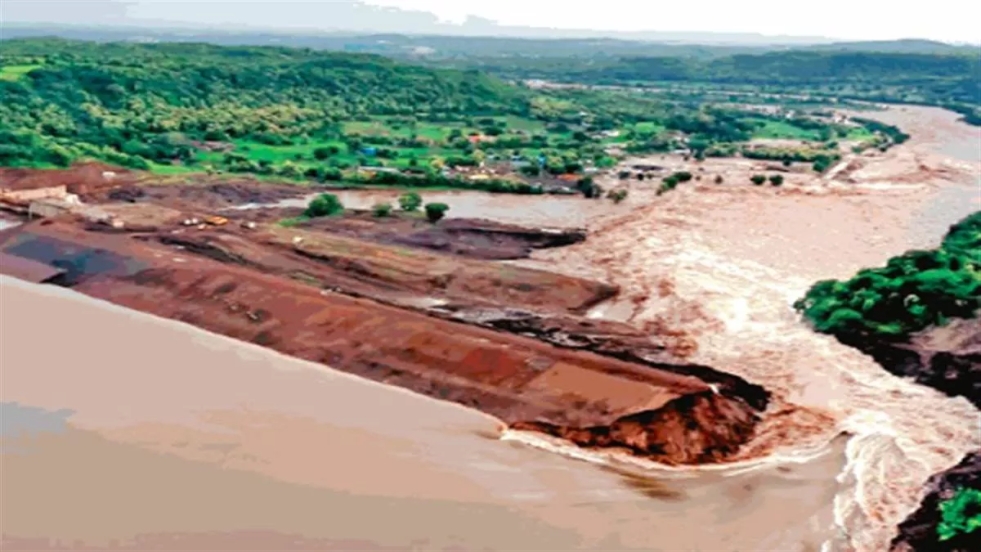
(Feature image: Breach in Karam dam, MP in Aug. 2022. Dainik Jagran)

This annual overview is focused on issues concerning structural and operational safety of dams that arose in 2022. It includes issues related to how climatic threats and siltation is making the large dams unsustainable. It also highlights the impacts of dams on river eco-system and riverine people amid some corrective measures being taken by the various state and central governments including the formation of National Dam Safety Authority.

Please see for links to SANDRP’s analysis on the issues in 2022 in India covering: (1) Dam induced floods, (2) Dam safety and related issues of Polavaram project, (3) Disasters and accidents caused by hydro power projects in Himalayan states, (4) Growing and ongoing resistance against destructive dams and hydro projects, (5) Fly ash dam breaches.

Continue reading “2022: Growing Concerns over Dam Safety, Sustainability & Impacts”
DRP News Bulletin

DRP NB 191222: Question marks over viability of pump hydro projects

(Feature Image: 1772 Mw PSHPs Spain. Photo courtesy of Iberdrola/ ENR)

The question marks over viability of huge number of pump storage hydro projects (PSHP) being pushed forward in India currently were flowing in the rivers for long. This week, Moody’s investors Service (MIS) seems to have strengthened this after it downgraded Greenko Energy Holdings’ corporate family rating. It may be noted that Greenko is the biggest investor in PSHPs in India from private sector and a major part of Greenko’s new investments are in PSHP.

This makes the implications of MIS’s downgrade all the more interesting. MIS has noted that PHSPs are capital intensive and each PHSP will generate cash flow only after at least 2-3 years of construction (in reality it can be much longer than 2-3 years, the operative phrase here is at least). It also noted that the additional debt to be raised from Greenko’s capital spending, coupled with a rising interest environment will put further pressure on “GEH’s already weak financial metrics” and that Greenko’s high financial leverage due to its substantial capital spending program will keep its financial metrics below its downgrade trigger “for an extended period of time”.

Continue reading “DRP NB 191222: Question marks over viability of pump hydro projects”
Dam floods

Dam Floods, Failures and Disasters in 2022

This annual overview highlights the dam induced flood disasters, dam failure incidents in India during 2022. This year, the massive floods in Godavari have exposed the flood vulnerability of giant projects like Polavaram and Kaleshwaram. Also there have been multiple dam failures and dam induced floods in Madhya Pradesh, Tamil Nadu and Kerala. In absence of coordination and data sharing Hirakud induced floods in Mahanadi basin have affected several villages in Odisha and Chhattisgarh. There have been several instances of unscientific operations of dams and the operators continue to hide behind TINA (There Is No Alternative) excuse. The functioning of CWC as key flood forecasting and management agency has not shown any significant improvement. However, now it has accepted that faulty dam operations can lead to flood in downstream areas. Please see links to our 2018, 2019, 2020 and 2021 annual compilations on the subject.    

Continue reading “Dam Floods, Failures and Disasters in 2022”
DRP News Bulletin

DRP NB 121222: Green Hydrogen from Hydropower is false solution

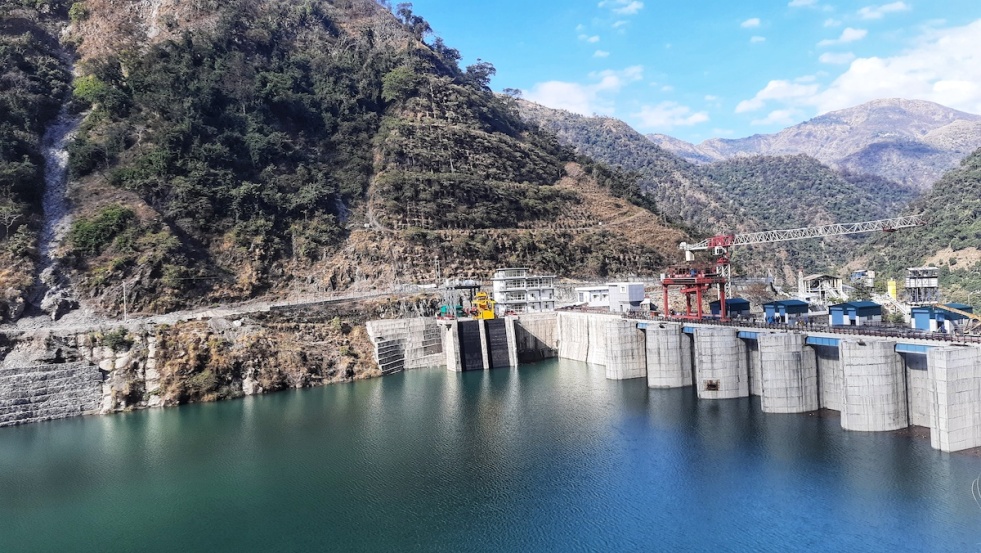
(Feature Image: Reservoir of Vyasi hydro project dam on Yamuna river in Dehradun. Credit: Varsha Singh/The Third Pole.)

A section of the hydro lobby has been trying to push hydropower in the name of producing green hydrogen as an alternative energy source. However, it has been known for a long time that this is a false solution. There cannot be green hydrogen when sourced from hydropower as not only hydropower projects have huge social and environmental footprint, they also have huge carbon footprint as the following article shows. It would be best to out rightly reject any such claim of green hydrogen when sourced from hydropower project.  

Continue reading “DRP NB 121222: Green Hydrogen from Hydropower is false solution”
DRP News Bulletin

DRP NB 14 Nov 2022: Jal Shakti Ministry says: Groundwater extraction down, recharge up???

(Feature Image: The report also states that the monitoring of the groundwater resources was affected by the Covid-19 outbreak in the country. Source: Bloomberg/TIE)

This sounds so counter intuitive. The Ministry Jal Shakti on Nov 9, 2022 made some findings of its latest “National Compilation on Dynamic Ground Water Resources of India, 2022 public, strangely, without making the report public. It is not clear why the govt did not make the report public, though the counter intuitive nature of the findings provide some hint. The report claims that at all India macro level, the ministry claimed that the groundwater extraction is the lowest in 2022 since 2004, or 18 years and that the groundwater recharge has gone up.

These are counter intuitive findings, even if at macro level for a number of reasons. It is also unclear what methodology is used to arrive at these conclusions and if there has been any independent scrutiny of the same. Since groundwater extraction has been going up for over six decades now, this reversal will need plausible reasons. There are no indications that there is any reduction in this groundwater use. Secondly, the groundwater recharge mechanisms are under attack all over India, and thus the finding that there is increase in recharge raises questions. Particularly since the efforts at groundwater recharge through rainwater harvesting are far from convincing.

More importantly, the real story is at micro level, since groundwater occurs in decentralised aquifers and any significant reduction in use, increase in recharge has to happen at the aquifer level and the assessment also needs to be done and made available at aquifer level for it to have any impact on future regulation of groundwater. In fact the only regulatory body working for groundwater regulation, the CGWA, works in a centralised way and its work has been far from confidence inspiring. That makes this whole findings questionable. Moreover, it would also be useful to see if the extraction has reduced in over exploited areas and if the recharge has increased where it is required most: in over exploited areas. Too many questions and no answers, unfortunately.

Continue reading DRP NB 14 Nov 2022: Jal Shakti Ministry says: Groundwater extraction down, recharge up???