Dam floods · Floods · Himalayas · Ravi River

One More Monsoon: Governance, Accountability and the Collapse of Madhopur Barrage

“Ye paani samne aa gaya. Gate khul nahi rahe to grenade dalo, blast kardo. Ye pura beh jaayega.”

“The water is right in front of us. If the gates are not opening, blast them with a grenade. Everything will be washed off.”

– Ex-Minister Lal Singh Chaudhary (Basholi, J&K) at Madhopur Barrage, on the eve of Madhopur gate collapse.[1]

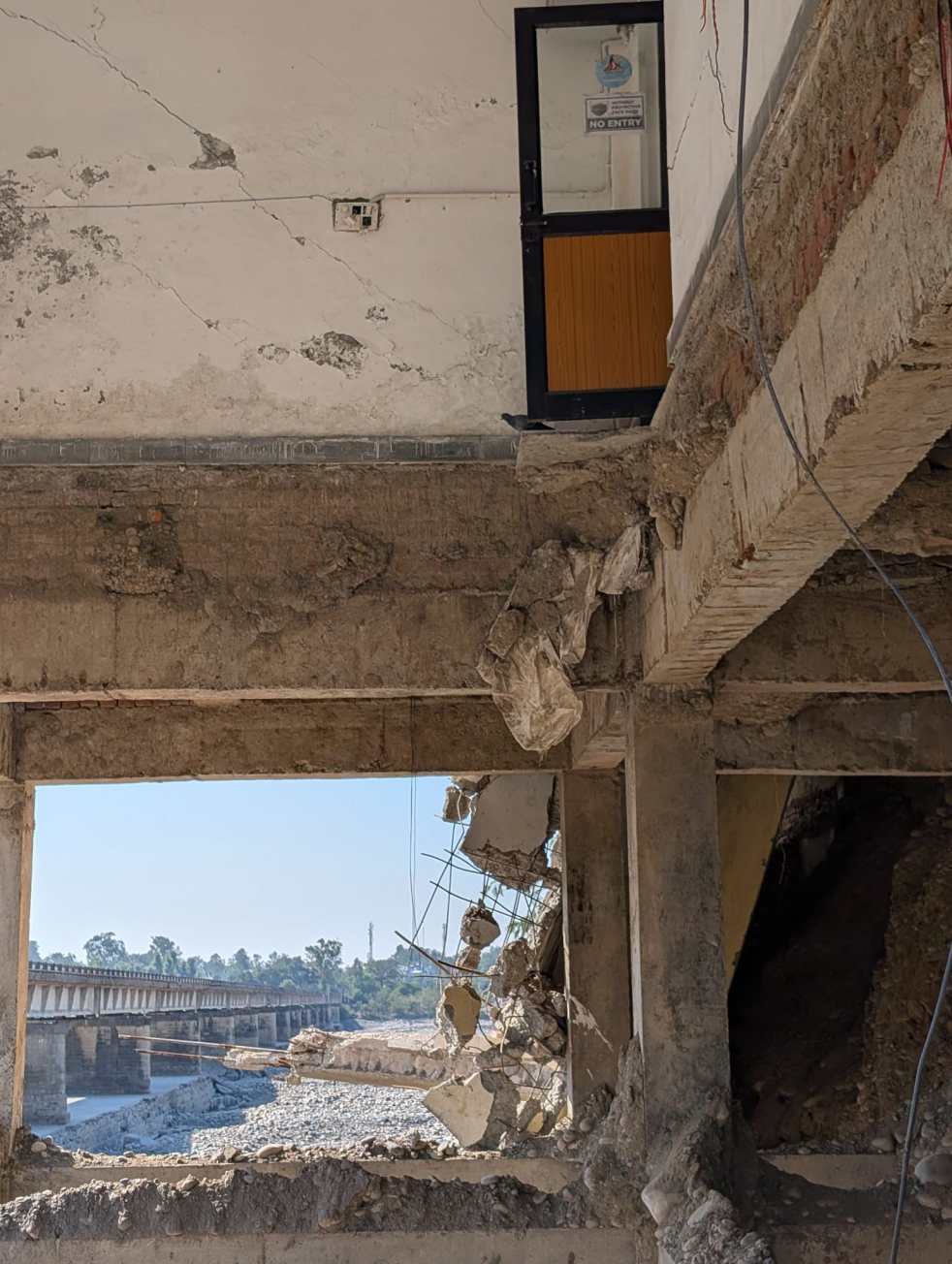
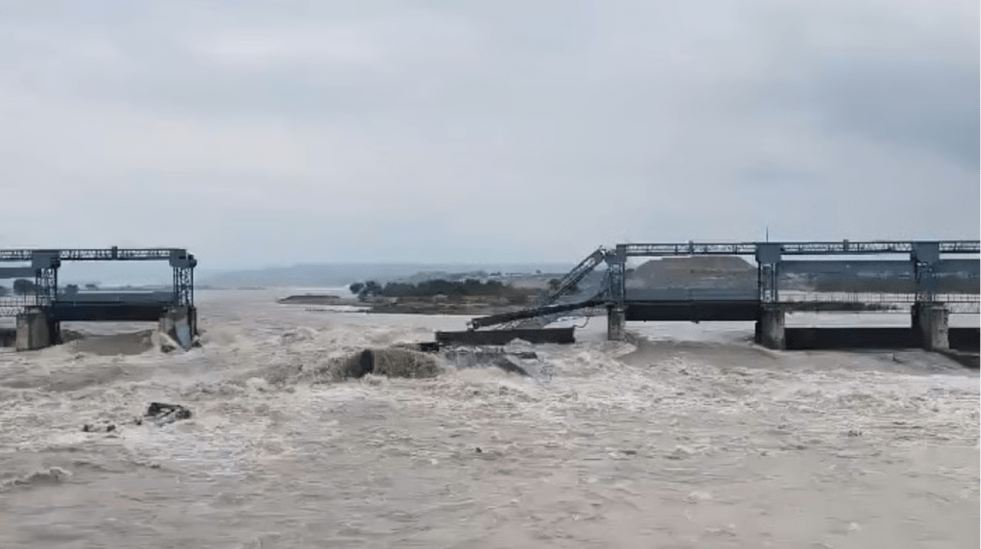
On the 27th of August 2025, after facing several days of floods from a swollen, angry Ravi River, three gates of Madhopur Barrage at Pathankot crashed into the brown, swirling waters. Around this time, a team of engineers and helpers were on the barrage, making dangerous but futile attempts at opening the jammed gates. Three people fell in the flood, two were rescued but one body was later recovered underwater, from the wrecked gates they were trying to open. Earlier that morning, 22 CRPF jawans were airlifted from a building next to the barrage, moments before it collapsed into the raging river. The flood unleashed a wave of destruction in the downstream.

Continue reading “One More Monsoon: Governance, Accountability and the Collapse of Madhopur Barrage”
Climate Change · Hydropower · Indus · Interlinking of RIvers

Chenab-Beas Link Tunnel: Safety of the Indian Himalayan Region at Stake

In an astounding move, NHPC published a Tender Notice for ‘Chenab-Beas Link Tunnel Project (Link 3)’ on the 20th May 2026 [1] and immediately cancelled it on the 23rd May 2026. No details of this project were online before this sudden announcement and its retraction, nor does the project have legally required environmental, forest, tribal ministry clearances or Gram Sabha resolutions in support.

Continue reading “Chenab-Beas Link Tunnel: Safety of the Indian Himalayan Region at Stake”
Groundwater · Himachal Pradesh · Himalayas · Ravi River · River Ethnographies

Chhatradi: Thirty-Six Spring Fountains of the Ravi

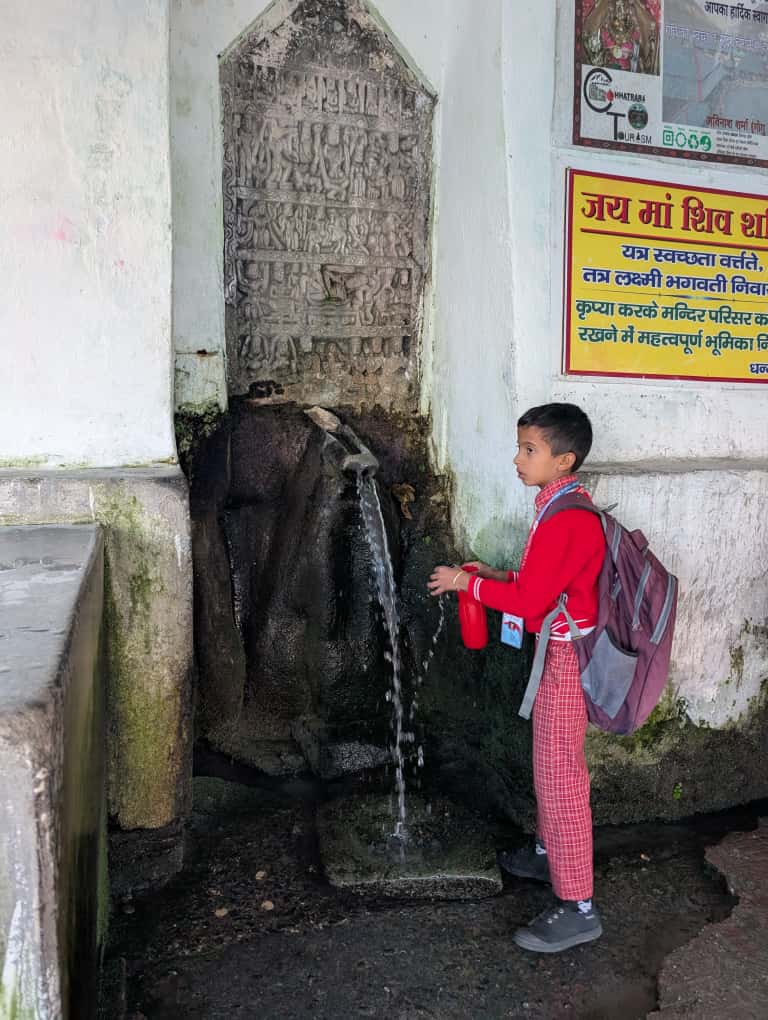
“If you really want to see Panihars, you should visit Chhatradi” says the shy Aditya. He is 15 years old and studies in class X. We are standing on a busy and dusty bridge across a tributary of Ravi in Chamba, Himachal Pradesh. Beside us is the legendary Fulmutala spring fountain (Panihar). Hundreds of people come here every evening to collect cool and clear drinking water. Most have piped water supply in their homes but insist that waters of Fulmutala are peerless. Spring Fountains are a way of life in the Ravi Basin. And yet, very little is said about these beautiful places bringing together groundwater, rivers, ecology and culture.

Continue reading “Chhatradi: Thirty-Six Spring Fountains of the Ravi”
Climate Change · Dam floods · Dams · Floods · Hydro Disaster · Hydropeaking · Hydropower · Indus

The Day Salun Village Fell: Impacts of Cascading Hydropower Projects in the Ravi Basin

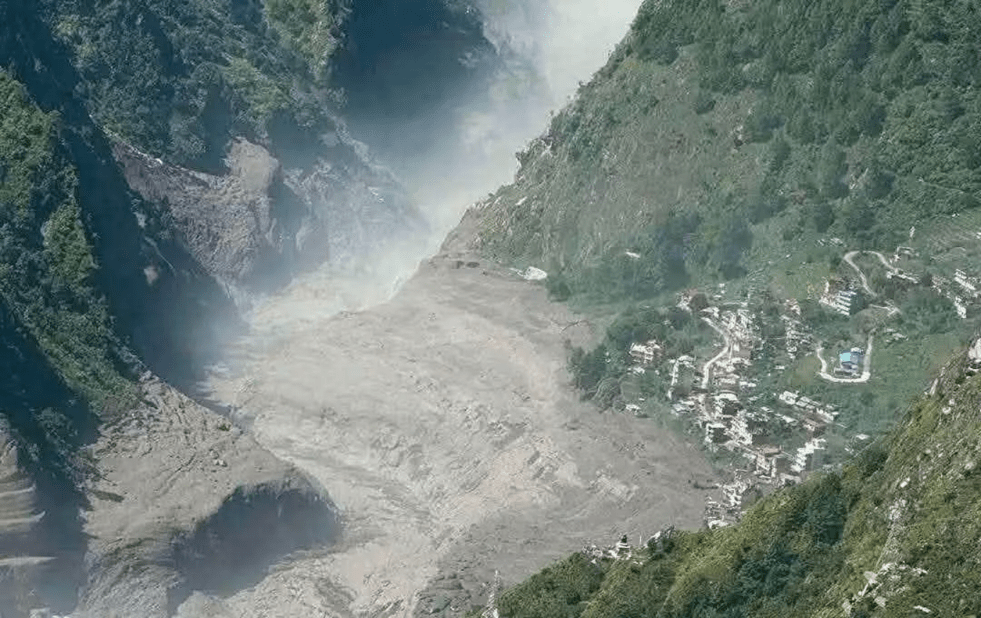
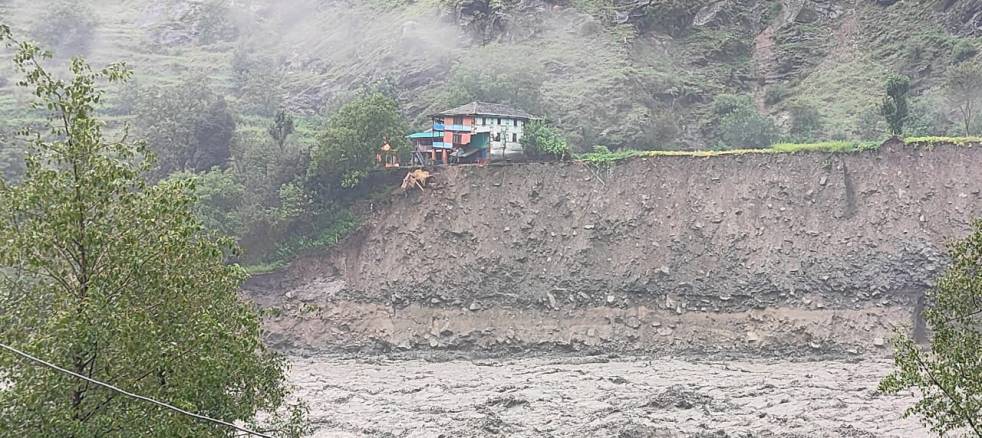
Salun village, perched roughly 50 feet above the Ravi River, had its moment of fame on the 26th August 2025 — a moment that also became its last. On the dark, rainy afternoon, the small village with homes, rajma fields, apple orchards and cattle sheds collapsed into the flooded River Ravi like a house of cards. In a matter of 30 minutes, ancestral homes with warm hearths, blankets for the coming winter, old report cards and wedding albums, adhar cards and bankbooks-entire archives of living-were erased. Villagers, who managed to escape in time stood in awe and saw their village going extinct before their eyes.

Continue reading “The Day Salun Village Fell: Impacts of Cascading Hydropower Projects in the Ravi Basin”
Dam Induced Flood Disaster

Punjab Floods 2025: Role of Bhakra, Pong and Ranjit Sagar Dams

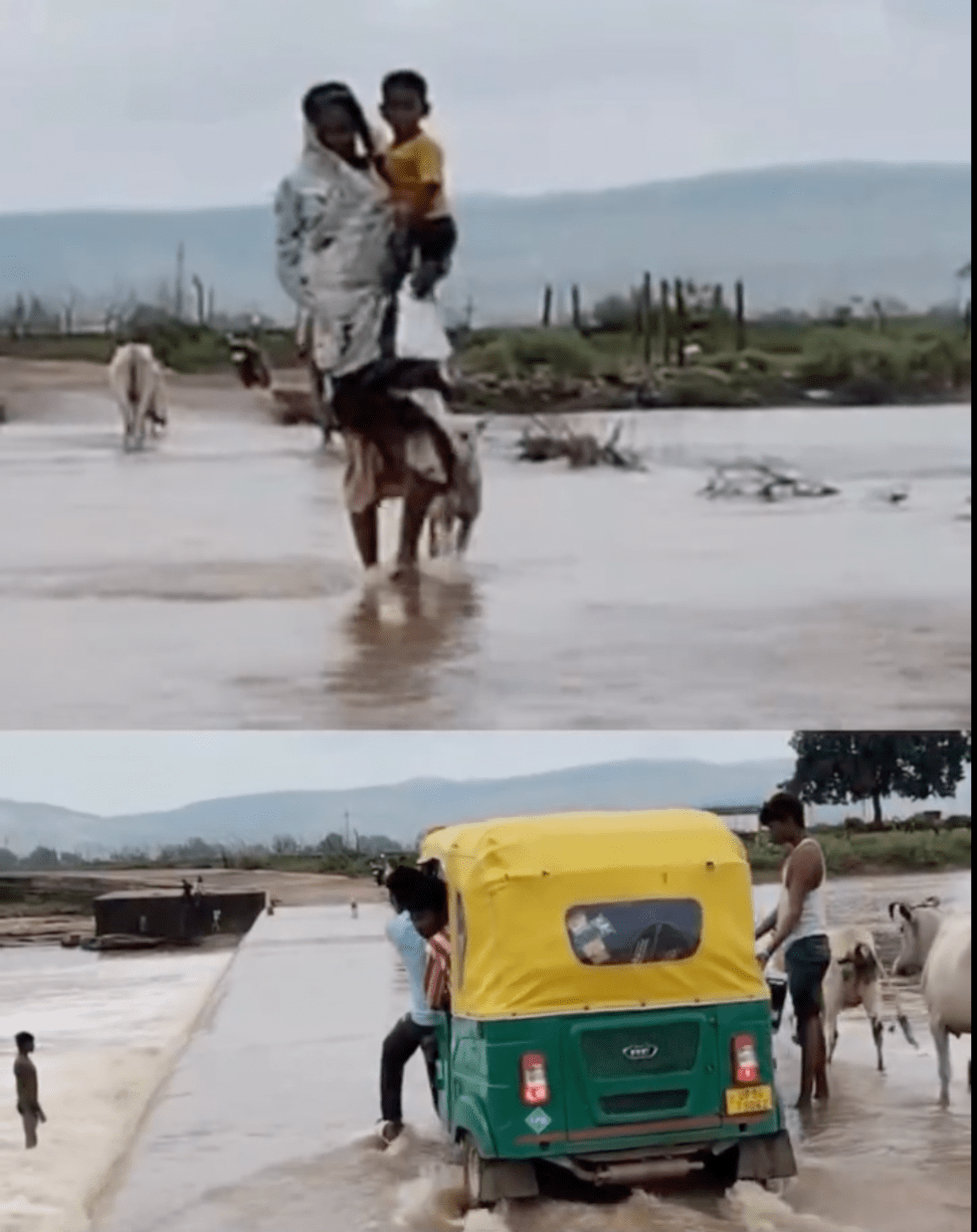
Every dam can potentially help moderate floods to some extent in the downstream area. This is possible only when the dam is operated with that objective in mind. However, when the dam is NOT operated with that objective and is filled up as soon as there is water available, the same dam can in fact bring avoidable flood disaster in the downstream area.

This is exactly what has happened in Punjab ONCE AGAIN during the 2025 SW Monsoon. This has happened on numerous occasions in the past including in 1978, 1988 and 2023, for example.

Continue reading “Punjab Floods 2025: Role of Bhakra, Pong and Ranjit Sagar Dams”
Climate Change · Dams · Floods

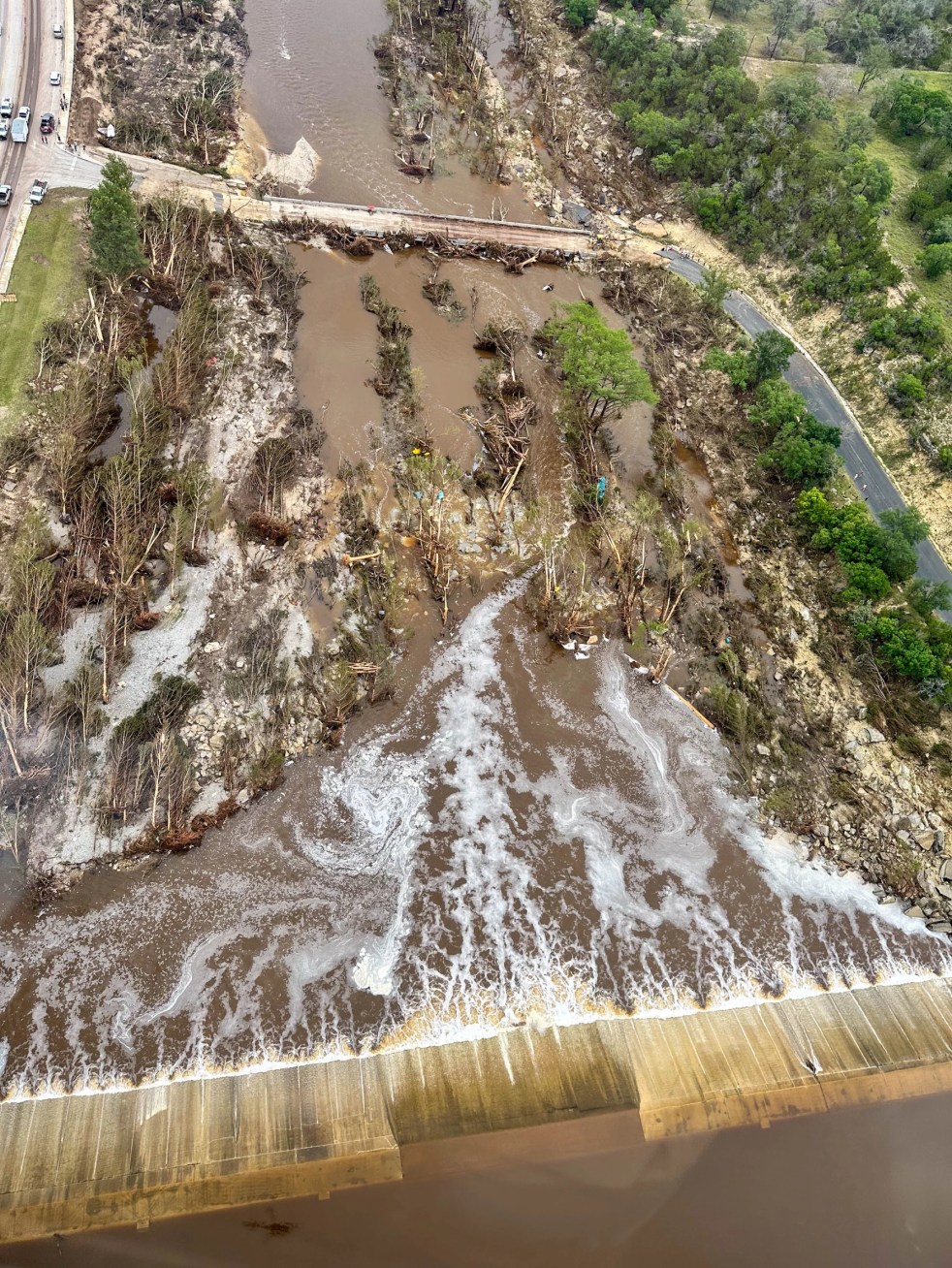
Guadalupe River Floods: Understanding the tragedy along ‘The Most Dangerous River valley in the USA’

“This is the most dangerous river valley in the United States, we deal with floods on a regular basis.” – Kerr County judge, Rob Kelly about Guadalupe River[i], 5th July 2025

“If you live in the Guadalupe River Basin, you also live in one of the three most dangerous regions in the U.S.A. for flash floods!”[ii] – Opening Statement of “Staying safe: A Guide to Flooding in the Guadalupe River Basin[iii]” published by the Guadalupe River basin Authority

Flash Flood Watch Alert from National Weather Service received 3 hrs 21 minutes ahead of the devastating “30 feet high tsunami ball of water[1]”.

“If you do not want to be flooded, do not build or live in a floodplain”Guadalupe-Blanco River Authority

And yet, several summer camp buildings built on not only floodplains, but on extremely dangerous floodways[iv]. more than 27 children lost to floods.

Continue reading “Guadalupe River Floods: Understanding the tragedy along ‘The Most Dangerous River valley in the USA’”
Agriculture · Chenab · Fish Sanctuaries · Groundwater · Hydropower · Indus

The Moon River: People’s Story of Chenab

Chenab, which translates as the Moon River is the largest of the five tributaries of River Indus. It flows for about 974 kilometers from the High Himalayas of Lahaul to the forests of Jammu and Kashmir and onto the plains of Pakistan. Its main tributaries in India include Miyar, Marusudhar and Tawi. In the vast plains of Punjab in Pakistan, it is met by Jhelum, Ravi and Sutlej to form the mighty Panjnad before it meets the Indus. Its catchment, spread across 67,430 km2, is shared between the two countries.

Chenab is Chandrabhaga (Crescent Moon) in its headwaters. It was the River Asikni in Rigveda, and the Acesines for the ancient Greek. From sparse mountain settlements of Lahaul to the bustling urban centers of Sialkot, more than 10 million people live and prosper along the Chenab. Hydropower projects operational and under constructions on the river have an installed capacity of more than 5000 MW (Central Electricity Authority 2024), and its canals irrigate hundreds of thousands of acres in Pakistan and India (Shakir et al).

Continue reading “The Moon River: People’s Story of Chenab”
Chenab · Climate Change · CWC - Central Water Commission · Himachal Pradesh · Hydropower

Hydropower-GLOF Nexus in Chenab Headwaters: Absence of credible studies and accountable governance

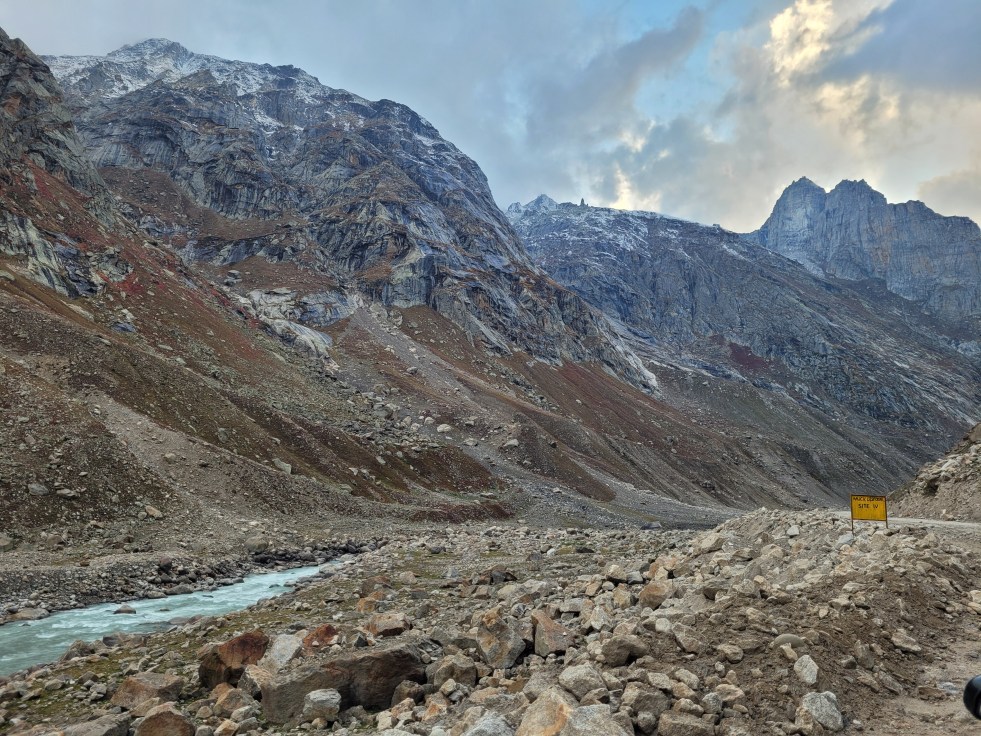
Increasing incidences of Glacial Lake Outburst Floods (GLOFs) are being experienced in the Indian Himalayas. One of the most notable examples of GLOF was the Chorabari Lake GLOF that occurred on 16th June 2013 in Kedarnath, Uttarakhand[1] which was triggered by heavy rainfall induced mass movements into the lake. The GLOF devastated villages of Kedarnath, Rambara, and Gaurikund. Around 6,000 people were officially killed, and a significant number of the deaths were linked to the GLOF. Countless bridges and roads were washed away, and about thirty hydropower plants were affected or completely devastated. Several Hydropower projects resulted in exponential losses to life and livelihoods. Whole of Uttarakhand was affected in the disaster, and a significant proportion of it was related with GLOF.

Continue reading “Hydropower-GLOF Nexus in Chenab Headwaters: Absence of credible studies and accountable governance”
DRP News Bulletin

DRP 251124: Protest by Mothers Union against sand mining along Assam-Meghalaya border

(Feature Image: Mother’s Union protest rally against sand mining. Image Source: Nagaland Post, 03 Nov 2024)

Continue reading “DRP 251124: Protest by Mothers Union against sand mining along Assam-Meghalaya border”