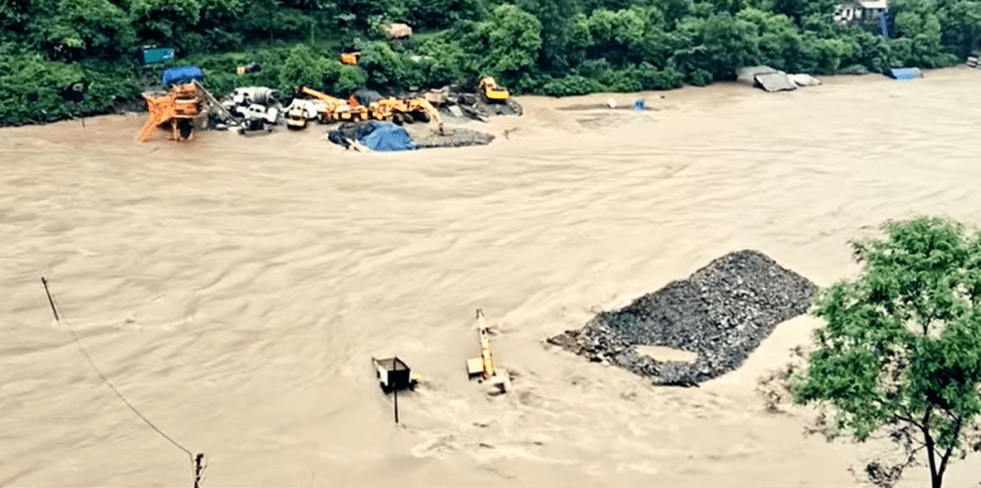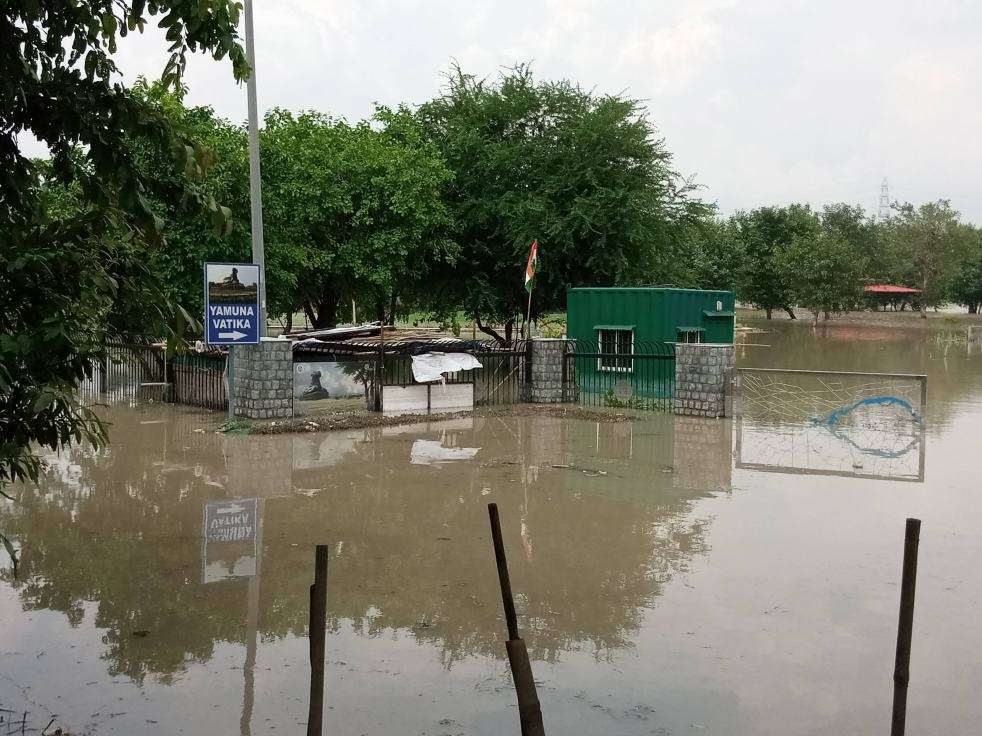
To, July 17, 2025
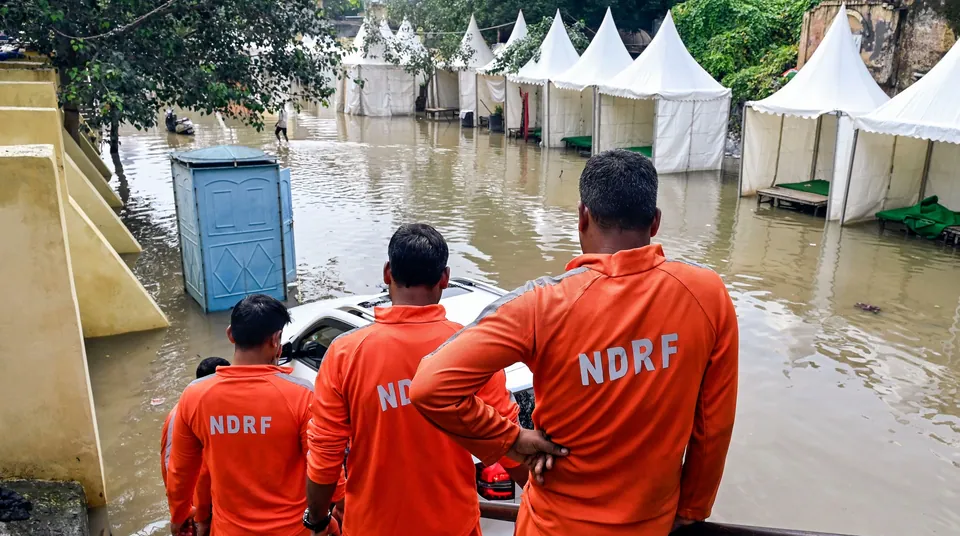
1 Shri Vinai Kumar Saxena
Honorable LG, Delhi Civil Lines,
New Delhi-110054
Continue reading “Letter: Encroachment of Yamuna floodplain near Wazirabad Barrage”South Asia Network on Dams, Rivers and People
To, July 17, 2025
1 Shri Vinai Kumar Saxena
Honorable LG, Delhi Civil Lines,
New Delhi-110054
Continue reading “Letter: Encroachment of Yamuna floodplain near Wazirabad Barrage”(Feature Image: Copco 2 dam removal on the Klamath River, California. Credit: Swiftwater Films, Source: American Rivers)
China decommissions hundreds of dams along Red river China has claimed to have dismantled 300 dams and decommissioned more than 90 percent of small hydropower stations along the Chishui River, also known as the Red River, a key tributary of the upper Yangtze. The move is seen as one of the largest state-led efforts to restore aquatic biodiversity in Asia’s longest river, reversing decades of hydro-infrastructure development that critically endangered native fish species, including the Yangtze sturgeon, the South China Morning Post reported.
Continue reading “DRP 140725: Dam decommissioning spreads to China”(Feature Image: EOS-RS Flood Proxy Map: New Delhi, Floods, 12 July 2023,v0.4)
July 13 will mark two years since the Yamuna river stretch in national capital witnessed unprecedented flood spell. The river not just submerged every part of existing available floodplain by several feet but also spilled over to reclaim its lost channels. The unusual flood also breached historic 1978 flood level at Delhi railway bridge by a huge margin, setting new benchmark.
Continue reading “Yamuna Manthan July 2025: Is Delhi Ready for July 2023 like Yamuna Floods?”(Feature Image: Screenshot of inactive hydrograph for Solang station on Beas river in Mandi district. Source: CWC Flood Forecast website)
Despite disastrous flood events causing significant destruction to human lives and infrastructures for past three years, the state of Himachal Pradesh has not seen much required improvements in flood monitoring and forecast servicesby the Central Water Commission’s (CWC) to help minimize the destruction toll.
Continue reading “Himachal Pradesh: Why CWC’s Forecasting is Unavailable Amidst Flood Disaster?”(Feature Image: Flood ravaged Priyadarshini HEP in Manuni khad in Dharamshala, Kangra. Source: Social Media)
Hydropower obsession, Himalayan failure The massive hydropower push, another legacy of post-1990s liberalisation, has amplified vulnerability. Dams have mushroomed across river basins in Kinnaur, Lahaul-Spiti, Chamba, and Kullu — with scant regard for ecological thresholds. Muck from these construction sites is routinely dumped into riverbeds, narrowing channels and raising riverbeds. When the rains arrive, this loose muck turns into a lethal force, taking down everything in its path. The hydropower model — built on the assumption of perpetual revenue — has neither delivered long-term employment nor sustainable energy. Instead, it has left behind ecological scars, displaced communities, and made vast swathes of the state more disaster-prone.
Continue reading “DRP 070725: Demand for Commission of Inquiry on Hydro Obsession in Himachal”(Feature Image: Dam site of Patikari HEP destroyed by the flash flood.)
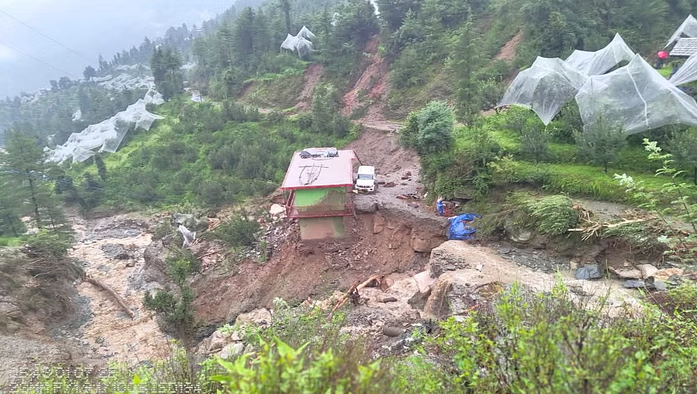
A ‘cloudburst’ induced deluge on the intervening night of June 30 and July 01, 2025 has totally destroyed the Patikari Hydroelectric Power (HEP) project in Mandi district of Himachal Pradesh. The 16 Mw project was built in Gudah village on Bakhali khad (Kuklah stream) a tributary of Beas River upstream Pandoh dam. The main project structures including the dam site and powerhouse have been washed away in the disaster. The 12 workers of the project managed to escape in the nick of time.
Continue reading “July 2025: Flash Flood Destroys Patikari Hydro Project in Himachal”(Feature Image: Kabini Dam. Source: WRD, Karnataka)
The SouthWest Monsoon has just set in and dam safety issues are coming up in large number of dams in Karnataka, Telangana, besides dam disasters in Himachal Pradesh. This shows how much more we need to do to assure structural and operational safety of India’s dams in changing climate.
Continue reading “DRP 30 June 2025: Dam Safety concerns arise as monsoon sets in”(Feature Image: Submerged powerhouse of Jiwa SHP in Siund, Sainj. Source: Amar Ujala)
A massive flash flood following a ‘cloudburst’ has totally damaged the powerhouse and weir site of the Jiwa Small Hydroelectric Project (SHP) in Sainj Valley of Kullu district, Himachal Pradesh on June 25, 2025. The powerhouse of 1 Mw SHP is located in Siund village area near the confluence point of Jiwa nullah with Pin Parbati river. Its weir site is located about 2 km upstream on the Jiwa stream.
Continue reading “June 2025: ‘Cloudburst’ damages Jiwa hydro project in Sainj Valley, Himachal Pradesh”Uttar Pradesh’s Noon river runs again Jalaun farmers in Bundelkhand will not have to toil too much this season to get water for crops. They have almost revived an 81km-long local river that had dried up completely. Community members have restored the drainage basin over a 14km course of Noon river to create a funnel through which water has again entered it. The river had dried up to encroachments and poor rainfall. The revival commenced in 2021 and reached the final stage only recently, with voluntary labour contributions from thousands of local men and women. Officials said the water would start flowing through the entire course of the river in a fortnight. The river is expected to help more than 15,350 farmers.
Continue reading “Yamuna Manthan June 2025: Positive water, river stories from Yamuna basin”INDUS RIVER: Stephen Alter, in his article “With the River by My Side” says about Indus River that some rivers are older than the landscape through which they pass: “Nowhere is this clash between hydrological and geological history more apparent than along the Indus, as it passed through Ladakh. This seemingly eternal river has followed its winding course since long before the Himalaya were formed, tossing and tumbling over. Boulders, stones and pebbles that the water polishes and grinds into sand. Eroded flanks of the mountains on either side of the river are scarred and twisted by tectonic forces that lifted giant slabs of rock more than eight kilometres into the clouds but failed to block the persistent flow of the Indus. Driving along the highway that runs parallel to the river, from Leh to Kargil, it feels as if the landscape is a timeless epic that the waters of the Indus have etched in stone.”
Continue reading “DRP 16 June 2025: “Indus River older than its landscape, Himalayas””