
Op-Ed NGT failed its mandate by allowing AOL event This is such an amazing editorial on the issue of destruction of floodplain by Art of Living, whose behaviour is brazen, but predictable, it says! So amazingly forthright, it says “ Far more unfortunate, however, is the manner in which the NGT appears to have conducted itself in this affair. It is a sad commentary on the state of environmental governance n the country that its premier green body”, NGT, “ has to prevaricate on its earlier order”. It concludes. NGT failed to protect such an ecologically sensitive area. It is deeply disturbing that the country’s apex environmental tribunal allowed itself to be pressured and intimidated. Salutes to the Author of this forthright editorial! Meanwhile, the committee of experts, appointed by Green has found that the “entire floodplain area used for the main event site” has been “completely destroyed” causing “invisible loss of biodiversity” that “may never be able to return”. In its 45 page report, submitted to the NGT on July 28, the seven-member panel, said “the entire floodplain area used for the main event site, i.e. between the DND flyover and Barapullah drain (on the right bank of river Yamuna) has been completely destroyed, completely destroyed not simply destroyed. The ground is now totally levelled, compacted and hardened, totally devoid of water bodies or depressions, and almost completely devoid of any vegetation (except a few large cattails at the base of of the DND flyover)”. On the contrary AOL alleged that NGT appointed committee is biased, unscientific and lacks credibility.
Continue reading “DRP: 22 August 2016 (NGT failed its mandate by allowing AOL event)”Tag: Delhi
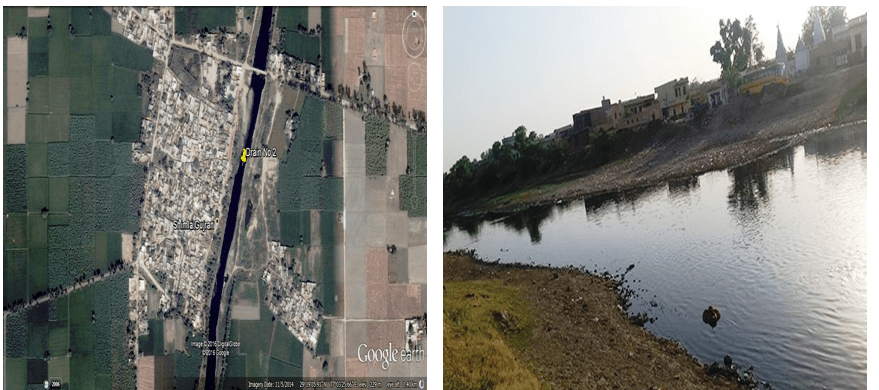
Shimla Gujran in Yamuna basin: Journey from a flourishing village to a living hell

Shimla Gujran village on the other side of DN-2 (Photo by Vikas Sharma, village doctor who had to fix an air tight aluminimum framed glass door at his clinic to avoid to deadly stench)
The news of ammonia laden pollution entering Delhi’s water supply via Yamuna River has become more of a routine. The periodical nuisance forces closure of Delhi Jal Board (DJB) water treatment plants for few days, leading in disruption of water supply to lakhs of people. But as usual, within couple of days things fall back to normalcy until the cycle strike back.
The source of pollution remains undisclosed with only hint that the origin presumably a drain carrying pollutants from Haryana sneaks into river somewhere upstream of Delhi. Much is not talked or heard about the mystic drain and the problem largely remains unfixed. Haunted time and again Delhi Government has now installed one Ammonia-Neutralizers and planning to buy more as a remedial measures.
Are Large Dams a Smart option for cities?
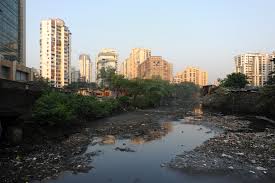
Above: Polluted, encroached and neglected water sources of Mumbai Source: visualwhiplash.com
The total dependency of urban areas on dams in faraway regions is a fairly recent phenomenon. Till the middle of nineteenth century, even important urban centers like Mumbai, Bangalore and Chennai used local water sources like shallow wells, tanks and rivers to quench the thirst of a concentrated population. British administration pushed dam building and long distance transfers in many cities like Mumbai. While dam building did quench the thirst of a growing population, and some of it spurred from acute water crisis like in the case of Mumbai in 1845, distant water sources and dams were instrumental in cutting the connection of the local residents with their water sources, which were revered and well maintained till then. In no time, wells in Mumbai were reclaimed, tanks in Chennai and Bangalore were encroached and Boalies and wetlands of Delhi disappeared. Urban centres became hopelessly dependent on large dams, away from the cities. Water supply and sanitation became someone else’s responsibility. The vestiges of a more independent water management can still be seen lying defunct and dilapidated in form of wells and tanks like Banganga in Mumbai, water channels of Pune, several tanks of Bangalore, Nugambakkam Lake of Chennai, Baolis of Delhi, etc.
Mumbai: Mumbai currently receives a supply of 3,750 MLD (million litres per day), while its usage is around 2,400 MLD. However, the requirement is projected as 4,200 MLD by officials and media based on an inflated figure of 240 liters per capita per day – used to justify construction of new dams. The requirement is projected to reach 6,680 MLD by 2041.
The Brihanmumbai Municipal Corporation (BMC) has proposed 4 dams to increase the water supply to Mumbai. Two of the proposed dams are the Gargai and Pinjal dams which are awaiting clearances. The dams are together expected to submerge 17 villages and 2850 ha forest land in a predominantly tribal region, with many areas falling under Schedule 5 of the Constitution. All the tribals from the affected villages are strongly against the project. More than 12 dams in close proximity are in various stages of construction in the same region and no cumulative impact assessment or even options assessment has been conducted so far. The Gargai and Pinjal dams will cost about Rs 16,000 crore and take 8 years for construction. They are expected to supply 440 and 865 MLD respectively to Mumbai. Read more about the projects here.

The other proposed dams are part of the Damanganga-Pinjal river linking project which is being pushed by the union water resources ministry. The Union water resources minister Uma Bharati announced that the project is to be a national project, making it eligible for 90% funding from the Centre. The project is expected to cost around Rs 800 crore. It includes construction of a dam on the Damanganga River in Nashik district close to the Gujarat border and another dam across Vagh river in Mokhada taluka, Thane district. It proposes to direct surplus water from the Damanganga River in Gujarat via the 2 reservoirs to the Pinjal reservoir which is to be constructed by the BMC. The project is expected to bring 2,450 MLD to Mumbai.
The project has been stalled as of Feb 2016 as the Gujarat government wants a greater share of water from the Tapi River in return for increased share of water to supply to Mumbai. Maharashtra is already facing regional disputes over water in water starved Nashik, Ahmednagar and Marathwada. The Chief Minister had to promise the Assembly in March 2015 that “not a drop of water from Maharashtra will go to Gujarat”. Activists have objected that these regions would be adversely affected by the river linking project. The river linking proposals are already creating new conflicts.
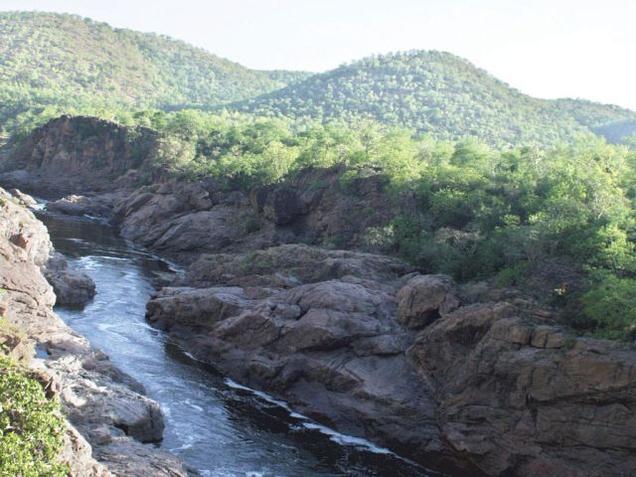
Bangalore: To meet the growing demands of Bangalore city, Karnataka has proposed two dam projects across Cauvery near Mekedatu, in Kanakapura taluka in Ramanagaram district. The project is expected to help the state store 48 TMC (thousand million cubic feet) of water. Mekedatu is located about 110 km from Bangalore.
In the March 2015 budget of Karnataka, the chief minister proposed preparing a detailed project report (DPR) for the project and Rs 25 crore was allotted for the same triggering a new round of conflict over sharing Cauvery water with Tamil Nadu.
Tamil Nadu says that the project is in violation of the final award of the Cauvery Water Disputes Tribunal. Tamil Nadu adopted a resolution urging the Centre to stop Karnataka from going ahead with the project and a bandh was observed. It has also moved the Supreme Court arguing that the reservoirs would result in ‘impounding of the flows’ of Tamil Nadu.
However Karnataka claims that the dams are within the rights of Karnataka and that the project would act as a balancing reservoir and harness water otherwise flowing into the sea. The CM informed that his government was committed to implementing the Mekedatu dam project and it would face the issue legally. Similar show of political will in preserving wetlands of Bangalore city and implementing steps for water conservation would go far in improving water security of the city.
On June 18, 2015, the Karnataka Water Resources minister said that the Mekedatu project was being expedited and the DPR for the implementation of the project will be readied within three months (as opposed to the usual period of one year). The projects would be right in the middle of the Cauvery Wildlife Sanctuary. About 2,500 acres of forest area will be submerged. As the project is for potable purpose, it does not require environment clearance from the ministry of environment and forests (MoEF).
Hyderabad: Hyderabad is going to draw drinking water from Yellampally barrage in Adilabad district on the Godavari River. It is an ambitious project for the Telangana government bringing approximately 680 MLD of water to the city of Hyderabad. While the Godavari flows toward Eastern Ghats before draining into the Bay of Bengal, Hyderabad is located in another river basin, namely Krishna basin. Such water transfers can have many impacts, including floods and land sliding. A 186 km long pipeline would route the water from the Yellampally barrage.
Delhi: The Renuka dam project was proposed on the Giri River, a tributary of Yamuna, in Sirmaur district of Himachal Pradesh in 2008. The project was expected to supply 1,240 MLD water to Delhi and its surrounding areas.

After a prolonged controversy, the National Green Tribunal (NGT) on Feb 2, 2016 passed judgement in a case challenging the environmental clearance to the Renuka project, basically since Supreme Court in an earlier case had made some remarks about the project, as one can see from reading of the NGT order. The tribunal took grounds of national importance of the project and amount already spent on the project to allow it. Under the UPA government, the then environment minister Jairam Ramesh denied forest clearance to the project saying that the national capital should first fix its water distribution losses of over 45 %. “Delhi must learn to use the tougher options that are available. It cannot be a parasite on the rest of the country”, he said. The project is yet to receive forest clearance.
The NGT declined to stall the land acquisition proceedings for the dam by the State government since the Centre had declared the project as one of “national importance”. To execute the project, Himachal has acquired about 2,950 ha, including private agricultural and forest land despite protests of the locals. The state claimed that until Oct 2015, the Centre had not released any money to compensate farmers whose plots were taken over. 90% of the funding of the project is to be borne by the Centre as the project was declared a national project.
The project has been delayed for lack of clearances, support and funds. The total project cost which was initially estimated at Rs 3498.86 crore as in March, 2009 is likely to go beyond Rs 5,200 crore with delay in the execution of the project. In Nov 2015, Delhi Water Minister declared at India Rivers Day function that Delhi does not need water from Renuka dam, but very strangely, neither Delhi govt filed an affidavit to that effect before NGT, nor did NGT take cognizance of this public stand of Delhi Government.
Srinagar: Protests erupted in Chadoora area of Kashmir’s Budgam district on Dec 18, 2015 against a proposed water supply scheme sourced from Doodh Ganga River for Srinagar. People from twin constituencies of Chrar-e-Sharief and Chadoora fear the scheme will dry up half-a-dozen water supply schemes, already fed on Doodh Ganga. The protestors were worried that the projects would deprive them of irrigation and drinking water and also put them under risk of flooding. The protesters alleged that they had approached the officials to put forth their reservations, but nobody heeded their concerns.
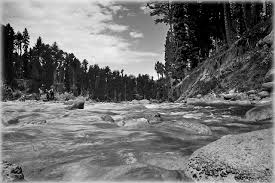
The executive agency, Jammu and Kashmir Economic Reconstruction Agency (ERA) claimed that the scheme will benefit 3.5 lakh people and that there are no risks associated with it. The ERA said that more than Rs. 10 crore had been invested by the Asian Development Bank (ADB) and that the state would lose out future investment from ADB if Dhoodhganga water scheme were stopped.
Hundreds of protestors held demonstrations for a week. The protesters allegedly clashed with government forces while the forces retaliated by firing teargas shells and pepper gas. After days of massive protests and clashes, on Dec 24, 2015, the Jammu and Kashmir Government ordered temporary suspension of the work on the scheme.
Big dams come at a huge social and environmental cost. Recurring costs of repair and maintenance are so much that they far outweigh the benefits. Urban areas can and should explore low cost local solutions and conserve water than solely rely on dams. Recent happenings bear witness to the drawbacks of building dams to supply water to cities.
Drought of 2015-16: As of Jan 2016, water levels are already very low in dams at many places across the country because of deficient rains in 2015. Water usage has to be rationed until the monsoons. Even in such times, urban usage is often not regulated and urban water supply is prioritized and comes at the cost of irrigation water for agriculture.
As of Jan 2016, reservoir levels in Gujarat are at a 10 year low. Rains last year were 23% less than normal and the state’s 202 reservoirs have only 24% usable water as compared to the usual 48% around this time of the year. The CM has declared that the water would only be used for drinking purposes for the next 5 months and no water would be spared for agriculture until monsoons. In Porbandar town, water is provided once a week in several areas. Two main reservoirs that provide water to the area may go dry in a month. Drinking water crisis is expected to hit Saurashtra and Kutch badly.
The depletion of water table at the Lower Manair Dam on the Godavari basin in Karimanagar district, Telangana raised alarm in Jan 2016 as the reservoir provides drinking water to Karimnagar, Warangal and other places located close to the reservoir. The drought in the region has cast concerns over availability of drinking water for the coming summer season.
Water levels, as of late Feb 2016 have hit a record low in reservoirs on Krishna and Cauvery Rivers threatening drinking water supply to Bengaluru and other places in Karnataka, Telangana and Andhra Pradesh. Reservoirs in the Krishna basin have never been in such bad shape. The worst hit is Tungabhadra dam which has a storage capacity of 100.86 TMC while the available water at present is a mere 9.23 TMC. Cities like Hubli-Dharwad are getting water once in eight days, owing to the alarmingly low level in Malaprabha dam in Krishna basin. Farmers have been alerted in both Krishna and Cauvery basins that there will be no water release for irrigation, this summer. Despite the austerity measure, meeting drinking water needs will be difficult until monsoons fill up the reservoirs. Storage as of late Feb 2016 in the KRS reservoir supplying water from the Cauvery River is only 18.69 TMC compared to last year’s level of 32.84 TMC. While 2 TMC is dead storage (water which cannot be utilised), another 2 TMC of water will be lost due to evaporation over the next five months. Bengaluru alone requires 1.5 TMC water every month.
With no rainfall in the latter part of Jan 2016 and release of water for irrigation, storage in the Vaigai reservoir in Theni district, Tamil Nadu is fast depleting and has slipped below 50 feet (maximum level is 71 feet). The Vaigai dam provides drinking water to Madurai and it is anticipated that shortages might be experienced during April-May 2016.
Prior to the monsoons in 2015, it was reported that Panvel was facing massive water cuts for 4 months, until rains came in the end of June 2015, as the Dehrang dam, the city’s primary source of water had dried up. The dam was constructed in 1964 and at present the city has a population over 1.11 lakh.
Reliance of urban areas solely on dam based water supply exposes them to seasonal shortages. As the summers are becoming hotter, longer and drier, dams lose greater amount of water to evaporation. Climate change is changing the rainfall pattern and has increased occurrences of intensely heavy rainfall and prolonged periods of drought. Dams also increase risk of flooding during heavy rains.
Flooding: More than 1,500 people, including 500 people from Ahmedabad city, were evacuated due to sudden floods in the Sabarmati River after water was released from the Dharoi dam in Mehsana district, Gujarat, on July 30, 2015. Sabarmati water level dramatically rose after huge volume of water was released into the river from the dam due to heavy rainfall in the catchment.
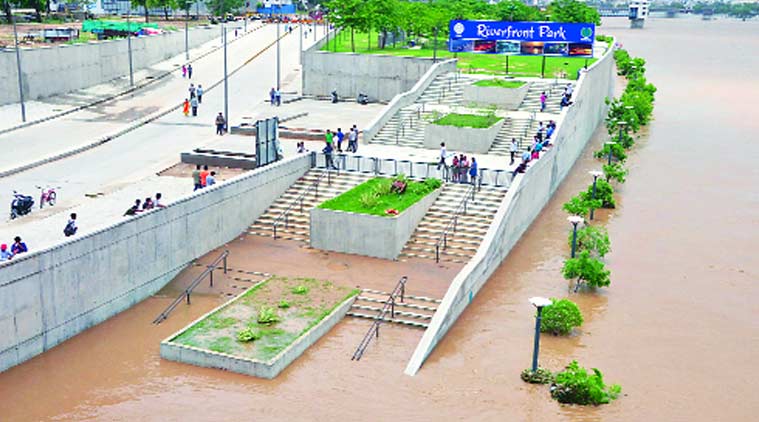
Flooding is frequently seen during heavy rains when the rivers are already overflowing and surplus water also has to be released from dams. During 2015 monsoons, flooding also occurred in West Bengal after release of water from the Damodar Valley project and in Punjab after authorities opened the flood gates of the Pong dam in Himachal Pradesh.
The floods in Chennai in Dec 2015 were made worse by negligent operation of the Chembarambakkam reservoir in the outskirts of the city. Meteorological agencies had predicted heavy rains and advised the PWD and other bureaucrats to bring down the water level in the reservoir. However the proposal to release water was caught in bureaucratic red tape. From Nov 24 to Nov 30, when the city experienced little rainfall, outflow from the reservoir was limited, while storage levels were maintained at 85-88%. Orders to open the Chembarambakkam sluice gates were received only after the city was pounded with rain and the reservoir started overflowing. On Dec 1, following heavy rainfall, approximately 29,000 cusecs (cubic feet per second) was released in a short span of time into the already constricted Adyar River and into the waterlogged city. Much of the flooding and subsequent waterlogging was a consequence of these outflows and water level in many areas went up even after the rains stopped.
Accumulation of silt is another recurring problem with dams. The dam’s storage capacity reduces with silt accumulation. Removal of silt is economically unviable – desilting a dam might be as expensive as constructing multiple new dams. However, the structure itself is endangered due to silt accumulation – necessitating removal or increasing the storage level of the dam. Deterioration over time of material used to build the dam also necessitates repair.
Khadakwasla dam which had 4 TMC storage capacity and supplied water to 80,000 Punekars when it was constructed, was left with 2 TMC water storage capacity as of June 2015.
Environmental NGOs and socially aware groups have been working on desilting the dam removing a lakh truckloads of silt in the last 3 years. The Temghar, Panshet dams in Pune are also prone to loss of capacity from silting. While periodic silting by civic agencies is called for, it is also observed that the reason behind increased silting is deforestation and catchment destruction. An environmentalist working on Khadakwasla explained that over time the area around the dam has lost its green cover leading to a rise in the rate of silting.
The Central Water Commission (CWC) with assistance from the World Bank has initiated the Dam Rehabilitation and Improvement Project (DRIP) at an estimated cost of Rs. 2100 crore and progress was reviewed on Feb 10, 2016. The project across seven states of India (Kerala, Madhya Pradesh, Orissa, Tamil Nadu, Karnataka, Uttarakhand, and Jharkhand) targets rehabilitation of about 225 dam projects and preparatory activities have been completed for 207 dams in collaboration with states.
Land acquisition and rehabilitation: The Thumbe vented dam on the Nethravati River is the primary source of water for Mangalore city. A new dam is being constructed at Thumbe to increase the height of stored water from present 4m to 7m. An estimated 386 acre of additional land would be submerged if water is stored up to that level. The construction of the new dam has been almost completed and the process of land acquisition would be initiated soon. Strangely, the process of land acquisition is being initiated when the dam is almost completed.
In Jan. 2016, it was reported that Pune district has at least 800 pending cases of rehabilitation for the dam-affected that the district aims to clear during the year. The district has 25 dams. Besides rehabilitation and compensation, provision of civic amenities and basic infrastructure is also pending.
The rehabilitation process is often fraught with corruption. For instance, in the case of rehabilitation of Narmada dam oustees, activists have claimed that thousands of oustees have faced serious corruption in the rehabilitation process, thereby depriving them of their rights and rehabilitation benefits. The soon to be released report of the Jha Commission set up by the Madhya Pradesh HC to investigate corruption in the rehabilitation process is expected to reveal misappropriation to the tune of Rs 1,000 to 1,500 crore.
The recently reported issues related to dams reveal that they are an inefficient approach to urban water supply. Dams come at a high cost and the final expenditure is almost always in excess of what is predicted at the outset. Dam building also offers potential for embezzlement of huge amounts of money. Maintenance is again an expensive affair and is indispensable as they could otherwise lead to major disasters. They come at a huge social and environmental cost submerging agricultural lands, villages, forests and habitats of other species often against the will of the people they displace whose livelihoods are lost and life is altered permanently. Diversion of water is also at the cost of competing local demands for irrigation and domestic use. The burdens and benefits of such projects are distributed inequitably and cleave along the urban-rural, rich-poor social divide.
There is little appreciation of the huge costs involved and there is no incentive to conserve water among urban residents who are beneficiaries of the project. Often there is also lack of information regarding shortages on the supply side. Urban water supply can benefit more at lower costs and greater reliability from developing better water managing techniques such as rainwater harvesting, conserving and developing aquifers, protecting local water bodies and rivers, treated and recycling sewage and recharging groundwater. Groundwater is a much better storage option in times of drought, as it is not lost by evaporation. These require way less infrastructure and work along with nature than destroy it. However making sustainable use of groundwater requires disciplined planning and might not present chances for corruption that major dam projects do. It is sincerely hoped that the planners make this paradigm shift sooner than later.
Unless all available low cost and low impact options are exhausted, Dams are not water smart, climate smart or economically smart option for urban areas. Such projects should not be part of smart cities scheme.
Anuradha uv.anuradha@gmail.com, SANDRP

Blow by Blow, how pollution kills the Yamuna river: A Field Trip Report
Yamuna River from Hathini Kund Barrage to Delhi (All maps from Google Earth, created by author)
A field trip along the Yamuna River this April 2015 showed how the river is killed blow by blow, by the pollution and diversion. The visit was planned with an objective to study and observe actual status of industrial and domestic pollution reaching River Yamuna via various Escapes and Drains in Haryana, upstream Delhi. A team of two members Sri Manoj Misra, Yamuna Jiye Abhiyan and Bhim Singh Rawat, SANDRP spent three days (03-05 April 2015) closely travelling along the river through four districts of Haryana (Sonipat, Panipat, Karnal and Yamuna Nagar) and tracking various drains, escapes (from origin) which pour massive amount of effluents in River Yamuna . Continue reading “Blow by Blow, how pollution kills the Yamuna river: A Field Trip Report”
ENSURING ENVIRONMENTAL FLOWS IN INDIAN RIVERS
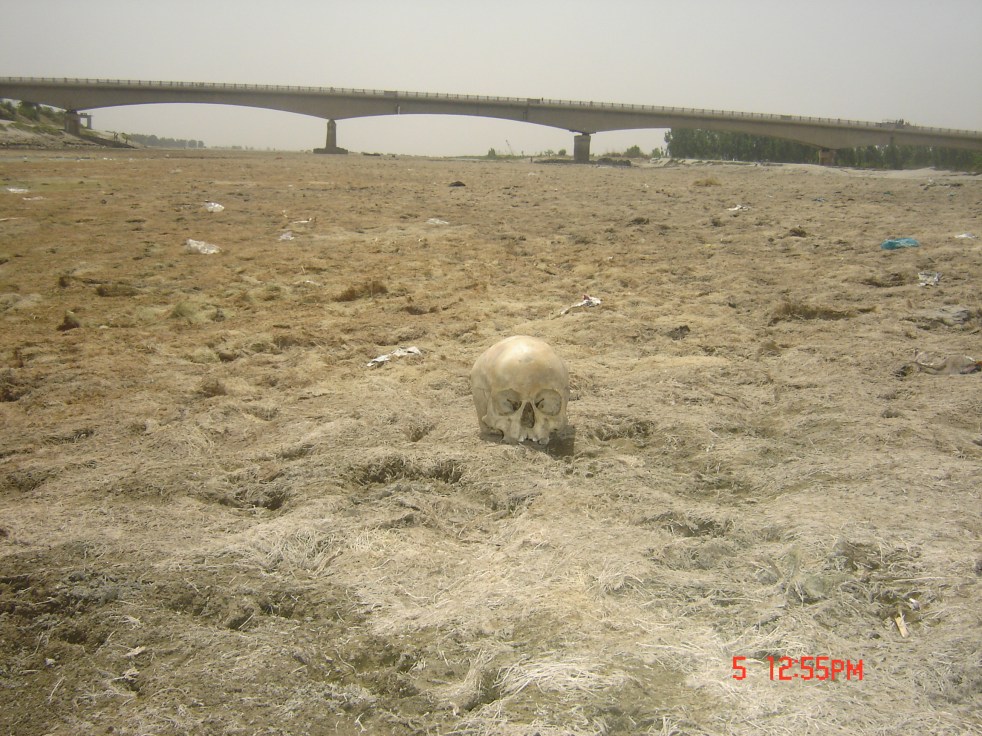
Above: Dead river Yamuna at Mawi (Panipat) in Haryana (Photo by Yamuna Jiye Abhiyaan)
Guest Blog by: Manoj Misra (yamunajiye@gmail.com)
A perennial river that does not flow is no river. This is because flow enables a river to fulfil its various ecological functions of which completion of the water and nutrient cycles; maintenance of aquatic and riparian flora and fauna and recharge of ground water through aquifer action is the most evident and critical. The recharged ground water also helps meet a number of human dependencies like irrigation and drinking water supplies.
On this World Water Day (March 22) 2015, following the 6th meeting of the Yamuna Review Committee held under chairperson ship of Union Water Resources Minister Sushri Uma Bharti (See Annexure for the PIB Press Release about it) on March 20, 2015, this blog shows how it is possible to achieve environment flows in Yamuna River. Hope all the concerned state governments including that of Delhi headed by Arvind Kejriwal, Union Water Resources Minister and the National Green Tribunal that made an order in this regard, will take due note of this.
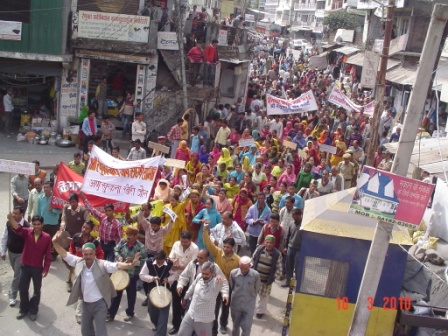
The state of the Yamuna has reached a boiling point as eleven members of the Yamuna Muktikaran Abhiyaan have started a fast unto death on March 21, 2015 in Delhi, charging Union Water Resource Minister Uma Bharti that “she only made hollow promises. She barely knew about the issue”. This group has been marching to Delhi every year since last three years and have felt cheated by the authorities each time. They decided to end the protest action on March 22, 2015 under some rather vague promise by the government that within two months Yamuna river will be brought under Environment Protection Act, 1986.
Continue reading “ENSURING ENVIRONMENTAL FLOWS IN INDIAN RIVERS”
Crisis in India’s Urban Water Sector
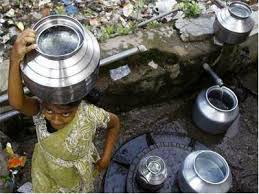
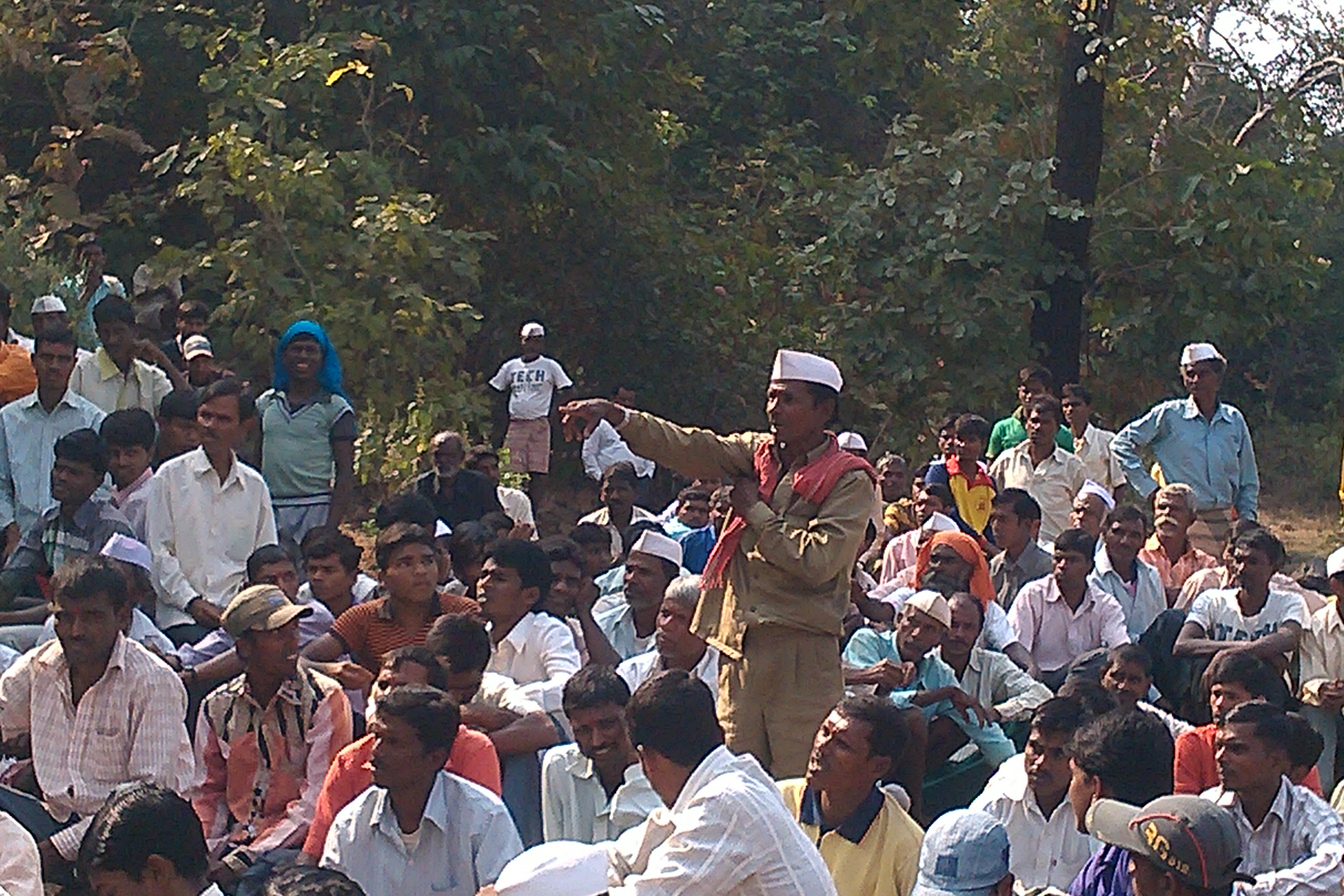
More than 50 people including tribal groups, social activists, water experts, ecologists and wildlife experts, academics came together for a brainstorming workshop about Dams coming up for Mumbai Region. The meeting was organized by South Asia Network on Dams, Rivers and People, Shramik Mukti Sangathana, and Jalbiradari.

About 12 dams are planned or are under construction to satisfy the increasing thirst of the Mumbai Metropolitan Region (MMR). All of these dams fall in eco-sensitive region of the Western Ghats. They will together submerge more than 22,000 hectares of land, including nearly 7000 hectares of forests, lakhs of trees and more than 750 hectares of Tansa Sanctuary. They will affect a minimum of 100,000 tribals who depend on the forests and their ancestral lands for livelihoods. These dams include Kalu, Shai, Balganga, Susari, Khargihill, Bhugad, Pinjal, Gargai, Middle Vaitarna, Barvi and Poshir, among others. These are in addition to the dams already constructed for MMR water supply.
Tribals and other affected groups of Thane and Raigad region have been strongly opposing these projects. Most people in Mumbai seem unaware of their struggles or impacts of these projects.
Most of these dams are escaping the social and environmental impact assessments and management plans, environment clearance requirements, environmental monitoring or public consultations due to blunders in environmental impact assessment notification of Sept 2006, which excludes domestic and industrial water supply projects from environmental clearance process. It signifies the environmental illiteracy of the officials and ministers at the Union Ministry of Environment and Forests. In spite of repeated letters, and acknowledging that this makes no sense, they have refused to change it.
MMR has not done any sort of options assessment before pushing these projects and cursory review show that many options exist. At the city or Region level, there is no shortfall in water supply currently and the existing problems are due to inequitable, non-transparent, non-participatory and wasteful water governance in MMR. Municipal corporations under the MMR which are pushing new dams do not treat even 15% of their sewage. Bhiwandi Nizampur & Vasai Virar Corp do not treat ANY of their sewage. The Mumbai Region has no estimate of its rainwater harvesting potential, and there is little effective action in this direction despite high rainfall. Water supply and distribution losses are over 30%. Local water sources like rivers, lakes and wells are being destroyed by pollution and encroachments. There is no interest in democratizing governance of MMR water sector.
The meeting resolution urged the MMR region to address these issues first, which would lead to sustainable water supply to the city and suburbs. Konkan Irrigation Department which is constructing most of these projects has violated several laws related to tribal and forest rights, environment, forests and resettlement and has been mostly favoring a single contractor, illegally.
The meeting also strongly urged the MMRDA, MCGM, Municipal Corporations of MMR, Maharashtra government, Union Ministry of environment and forests, Maharashtra Forest Department, National Board of Wildlife and all others concerned to ensure that following steps are taken up urgently and in a credible way:
Þ Undertake thorough options assessment for Mumbai’s (and also for other cities of MMR) water needs which includes groundwater recharge and sustainable use, protect and use local water sources, rainwater harvesting, sewage treatment and reuse, plug leakages, improve water supply efficiency, take up systematic demand side management measures etc.;
Þ Undertake Environmental and Social impact assessments for all the dams coming up for Mumbai Region;
Þ Take immediate action against KIDC for violating multiple laws while bulldozing ahead with projects and MMRDA for funding projects in the absence of clearances;
Þ Respect people’s protests and Gram Sabha resolutions against displacement, deforestation and their refusal to give permission for these projects;
Þ Take strong penal action against the officers and the contractors who have displaced Adivasis illegally;
Þ Not resume any work or planning for any project before the above is done, stop work on projects in the meantime;
Þ Change the EIA notification to ensure that all large dams are included for environment clearance, public hearings and EIA requirements;
Þ Immediately institute a credible Cumulative Impact Assessment of the projects already constructed and advanced in implementation;
Þ Institutionalize decentralized, democratic governance of water sector in MMR from bottom to top.
Forests in the Western Ghats are Mumbai’s and MMR’s lungs. They are the watersheds of rivers and water sources like Tansa and Bhatsa and naturally purify Mumbai’s & MMR’s drinking water. Rich tribal culture of Thane and Raigad is a shared heritage of Mumbai and we have no right to displace the tribals or destroy their livelihoods. This destruction in Mumbai’s backyard must be stopped.
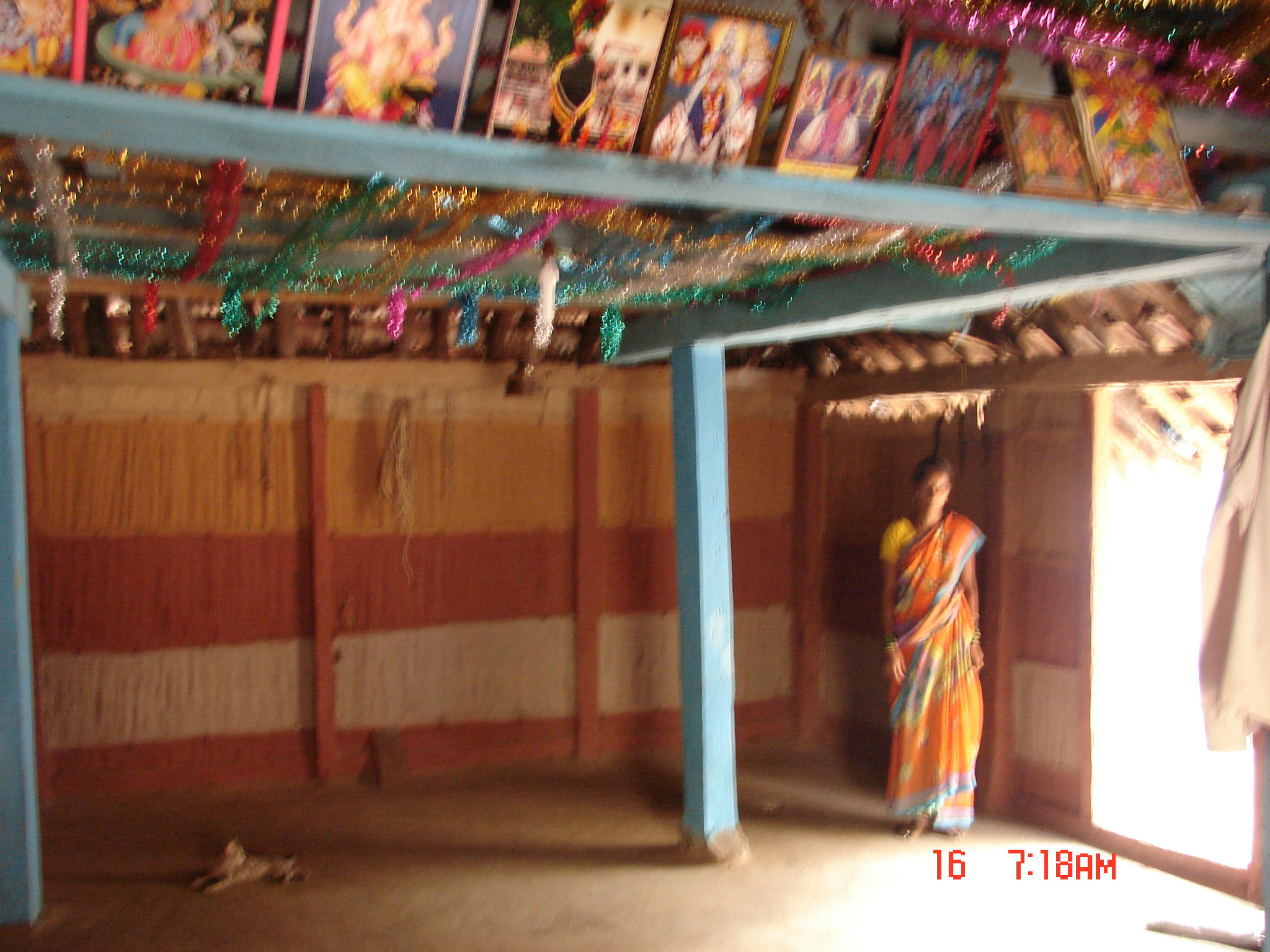
However, Mumbai and MMR are not the only urban areas guilty of destroying the environment, forests, biodiversity and livelihoods of lakhs of poor people. Delhi, already having more per capita water than European cities like Paris, Amsterdam or Bonn, is asking for Renuka, Lakhwar and Kishau dams in upstream Yamuna basin, while destroying the YamunaRiver for all downstream areas. Ahmedabad is using water from the Sardar Sarovar Narmada dam that was meant for the people of Kutch and Saurashtra and which has led to displacement of over two lakh people. Jaipur is taking water from Bisalpur dam. Farmers for whom it was made are not getting the water and some lost their lives in police firing, while demanding that water. Massive diversion of Nethrawathi water is proposed for Bangalore and other areas, destroying the pristine Western Ghats forests. 3 farmers died in police firing near Pune when a huge farmers rally was protesting against diversion of water from Pawna Dam to the Corporation of Pimpri-Chinchwad.

As Planning Commission member Dr Mihir Shah recently wrote, the 12th Five Year Plan proposes paradigm shift in Urban sector sector: “Each city must consider, as the first source of supply, its local waterbodies. Therefore, cities must only get funds for water projects, when they have accounted for the water supply from local waterbodies and have protected these waterbodies and their catchments. This precondition will force protection and build the infrastructure, which will supply locally and then take back sewage also locally.”
The trouble with this urban water sector reform agenda is that close to two years into the 12th Plan, we still do not see it being implemented anywhere. We do not see any roadmap for its implementation. And yet the UPA government continues to fund solutions catering to only long distance supply-side measures like big dam projects for urban areas under the Jawaharlal Nehru National Urban Renewal Mission. In fact, of the first Rs 60 000 crores sanctioned for JNNURM, about 70% was for urban water sector, but do we see any progress in democratisation or even improvement of Urban Water Governance?
The hope lies with clean, transparent and participatory governance. Let us hope we see some change in this direction.
Himanshu Thakkar (ht.sandrp@gmail.com), Parineeta Dandekar (parineeta.dandekar@gmail.com), SANDRP
A slightly edited version of this has appeared in Civil Society http://www.civilsocietyonline.com/pages/Details.aspx?480
AAP Government in Delhi: Agenda on Water
Dear Arvind and everyone else at AAP,
It is indeed a historic day in Indian politics and governance as AAP government led by Arvind Kejriwal took oath at Ramlila Ground today(December 28, 2013). It gives and amazing, thrilling feeling and has filled us with joy and hope. It is indeed likely to change the politics of India in fundamental ways. Salutes to all those who made this possible.
As well wishers we are unable to avoid the temptation of writing to AAP about some of the things they can be done in whatever little time that they may be allowed to govern in Delhi.
1. Democratise governance of DJB Delhi Jal Board (DJB) is one of the most non-transparent, non participatory, unaccountable bodies. Longer term agenda would need to institutionalize bottom up democracy in its functioning from mohalla sabha level to the top. In the mean time, you can tame some immediate steps to ensure that there is immediate independent oversight and participation of the Board. The steps suggested in AAP manifesto like putting daily readings of bulk water meters at each step are certainly welcome, but more steps are required in this line regarding the governance of the Board.
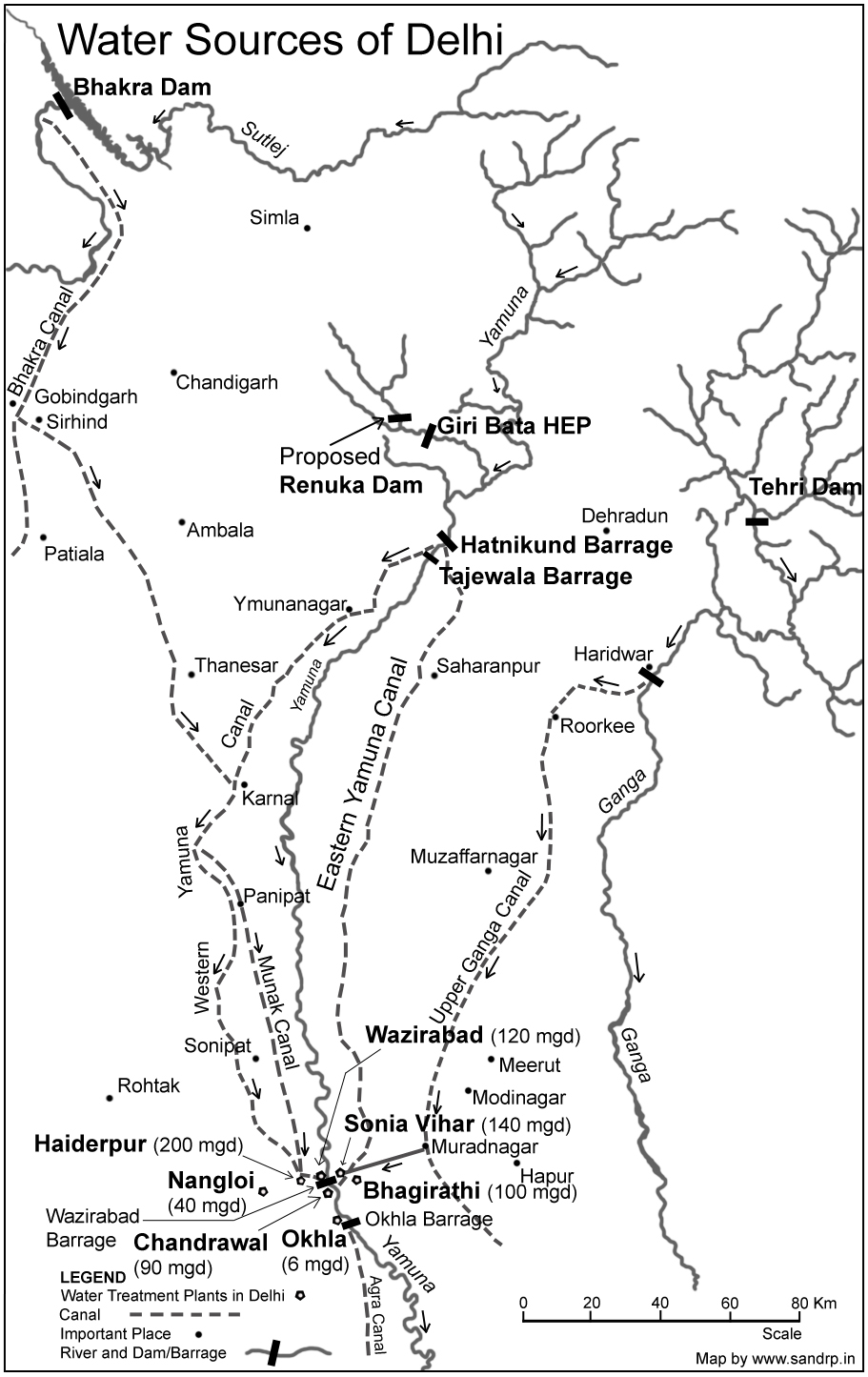
2. Stop Supply side projects Delhi as a city is privileged place. As even planning commission has noted, Delhi gets more per capita water than Amsterdam, Paris, Bonn or most other European cities. The amount of water that Delhi gets is sufficient to provide for necessary needs of today and even for all future times. Delhi should not be asking for any more water from new dam projects like the Renuka, Lakhwar and other dams. To move in that direction, DJB can be asked to prepare a plan for next 20 years (as a first step) assuming Delhi wont get any more water than it currently gets. As you are well aware, there will be several components of this plan including: A. Rainwater harvesting B. Plugging leaks C. Instituting Water Audits D. Putting in place functioning water meters at each junction E. Adequate treatment of wastewater F. Reuse and recycle of waste water G. avoiding unnecessary water intensive activities H. Protecting local water bodies I. Ensuring sustainability of flood plains, Ridge and other such ecological spaces J. Ensuring protection of catchments.
Some of these are elaborated below and all of them can be effectively achieved only with democratic water governance.
DJB should also be asked to get out of the commitment for resources for Renuka and other upstream projects and also need for such projects.
3. Rainwater harvesting Ask DJB to prepare time bound plan to ensure that there are functioning rainwater harvesting and use/ recharge systems in place at: All government buildings, all colleges, all schools, all institutions, all metros, all railway stations, all flyovers, all (over-ground) metro lines, all parks, all malls, all multiplexes, all commercial buildings. Many of the storm water drains can also be used for recharging groundwater where appropriate. This should be time bound and consequences to follow after a reasonable time limit say one year. There should be some credible way of ensuring that these function.
4. Sewage Treatment PlantsDelhi has India’s largest installed capacity of STPs, but none are functioning as per the design in terms of quantity or quality of outputs. Put in place credible governance for these to ensure that they function and make specific officers responsible for these and mechanisms to ensure they face consequences when these STPs do not function. Each plant can immediately have a monitoring committee including AAP or local MLA, media persons, civil society persons and RWA persons.
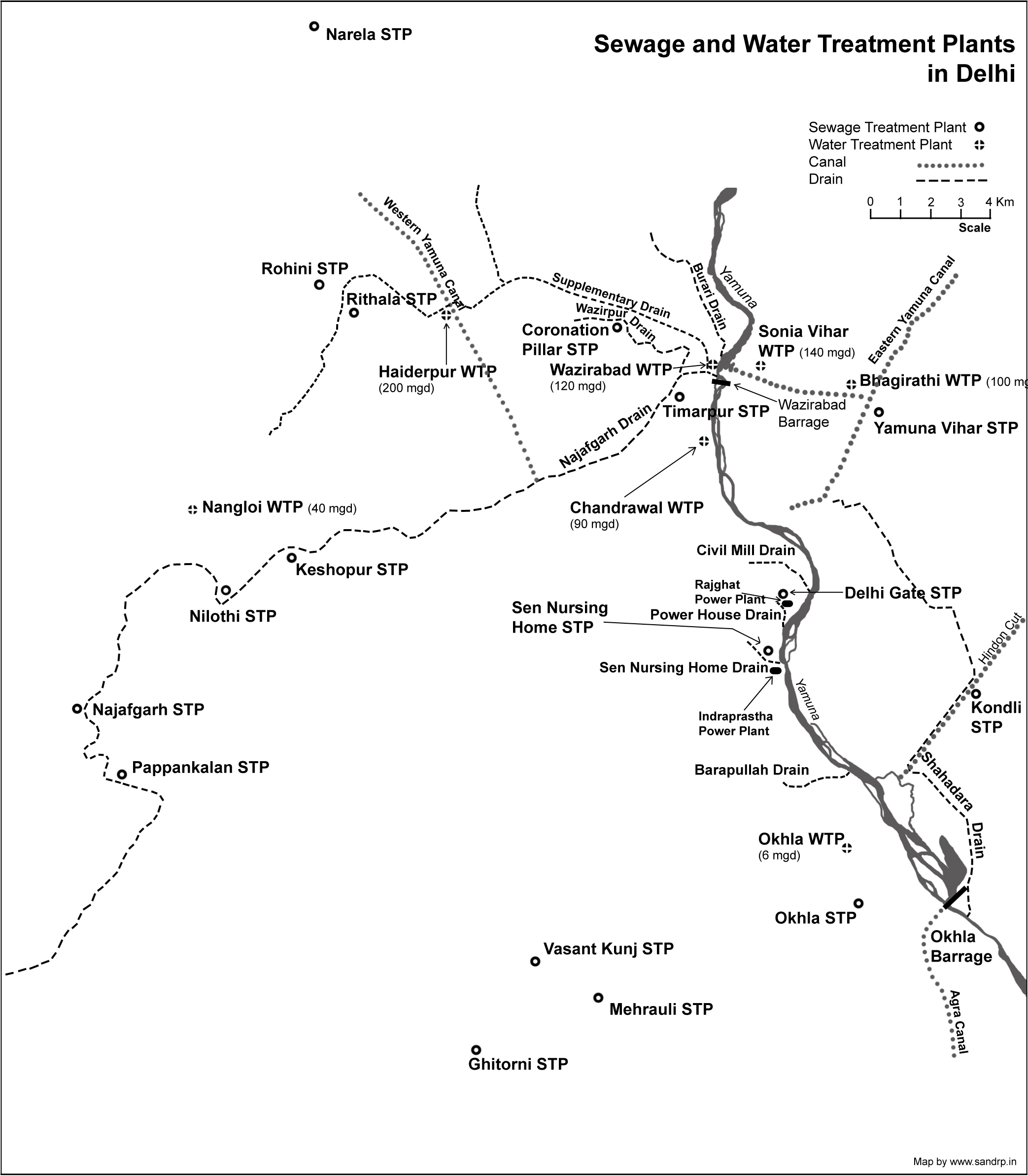
5. Decentralisedsewage capacities Where necessary and possible, put in place decentralized STPs using less resources and more environment friendly methods in a time bound manner. All large establishments in any case should have their own STPs and water recycle plans. Additional STP capacity should preferably be decentralized one. DJB should be asked to prepare norms and plans for these.
6. Sewage reuse plans DJB should be asked to prepare a credible sewage reuse and recycle plans so that there is less pressure on fresh water supply and more recycled sewage is used to meet non potable use in the city.
In addition to the DJB the three wings of the MCD must also in tune with the DMC Act 1957 be re-vested with roles and responsibilities for an efficient sewerage system and management in the city.
7. Drainage system A functioning drainage system and their maintenance is key part of urban water system and it is good that AAP manifesto has included this. DJB should be ask to put their plan on this in public domain along with the maintenance system and those responsible for it. Connect this too to Mohalla Sabha.
8. Groundwater governance It is well known that Delhi is over using groundwater, 2004 estimates show that this was 70% above the recharge then. The governance of groundwater use is under DJB and this needs to be democratized and only at RWA, mohalla or ward level can there be proper governance, which needs to be put in place urgently, along with more recharge systems. Ask DJB to prepare a ground water map of Delhi along with aquifer map (over longer term) and use it to integrate rainwater harvesting, local water sources and Delhi water supply.
9. 700 lphd free water Equity in water distribution remains a serious issue in the city. On the AAP promise to provide free water to those that are going to use less than 700 litres water per household (or less than 140 lpcd), while intentions of helping ensure those who are using minimum water is good, there are a large number of question marks. We sincerely hope this does not translate into clamour for more water for Delhi from outside sources. Secondly, we hope this does not lead to wastage of water, which would actually mean less water available for those who do not have. This also hinges on functioning household level water meters. Moreover, 140 lpcd may be the norm, at least 50 lpcd would be guaranteed with credible enforcement mechanism. Even this 50 lpcd can be provided at minimum token price of Rs 1 per KL. Those who use higher quantity should be asked to pay for the full water use with some subsidy and those who use more than 140 lpcd should be asked to pay higher than cost price so that there is some revenue generation for cross subsidization for the poor. Water price should include the full sewage treatment cost. Incentivising local treatment and reuse is an excellent idea in AAP manifesto.
10. Investigate Munak stalemate We have noticed that AAP manifesto talks about ensuring that Delhi gets is water share from Munak based on the money spent. However, one of the reasons Delhi is not getting that water is that Delhi did not enter into an agreement with Haryana before agreeing to provide money for the Munak project. It needs to be investigated why did Delhi agree to spend money on Munak before entering into such legal agreement. AAP govt may consider instituting such an investigation.
11. Yamuna river There is a lot that is required to be done for the Yamuna river, some of which has been highlighted in the AAP manifesto as well. Some of the steps listed above could help the cause of the river. Some of the addition steps should include: a) Demarcate Yamuna flood plain to ensure there is no more encroachment of the same; b) some of the current encroachments can be asked to vacate the flood plain in time bound manner; c) ensure there is some releases of water from Hathnikund and Wazirabad barrages immediately, ask for a long term plan for the river assuming there will be no more dams in the upstream.
12. Transparency about and reversal of agreements with Degremont, Veolia and other private companies The agreement that DJB has entered into with various private companies on Sonia Vihar, Rithala and other projects and the three water supply zones should be put in public domain and ways found to reverse them where possible.
We know Mr Kejriwal and lot of others at AAP would be familiar with a lot of this since Mr Kejriwal led the successful campaign against water privatisation in Delhi in 2005, and we hope credible steps would be taken up in these directions as soon as possible.
Thanking you,
Yours sincerely,
Himanshu Thakkar
South Asia Network on Dams, Rivers & People (https://sandrp.wordpress.com/, http://sandrp.in)
Manoj Misra
Yamuna Jiye Abhiyaan (http://www.peaceinst.org/)

LAKHWAR DAM PROJECT: Why the project should not go ahead
PRESS STATEMENT ON WORLD EARTH DAY: APRIL 22, 2013
We the signatories to this statement would like to bring some key issues to the attention of all concerned on the proposed Lakhwar Dam Project on the Yamuna River in Upper Yamuna River Basin in Dehradun district of Uttarakhand state.
The proposed dam involves a massive 204 m high dam with storage capacity of 580 Million Cubic meters, submergence area of 1385.2 ha, including 868.08 ha forest land, at least 50 villages to be affected by submergence of land in the upstream, many more in the downstream area. This site is just about 120 km downstream of the river’s origins from the holy shrine of Yamunotri. The composite project involves, in addition to the Lakhwar dam with 300 MW underground power house, another 86 m high Vyasi dam with 2.7 km long tunnel and 120 MW underground power house and a barrage at Katapathar.
As can be seen from the details below:
a) The project has not undergone basic, credible environment or social appraisal in any participatory manner.
b) It does not have legally valid environment or forest clearance.
c) There has not been any cumulative impact assessment of various existing, under construction and planned dams and hydro-projects in the Yamuna system.
d) There has not been any credible assessment about options for the project.
e) The project is to come up in an area that is seismically active, prone to flash floods and also prone to erosion and land slides.
f) The spillway capacity of the project has been awfully underestimated resulting in significant risks of dam damage / breakage with concomitant risks of unprecedented downstream flooding and destruction. It may be mentioned here that Delhi is a major city standing in the path of the river in the downstream area.
g) The religious and spiritual importance of the Yamuna River is at risk since whatever remains of the river will be completely destroyed both in the upstream and downstream of the project.
h) No agreement exists among the Upper Yamuna basin states about sharing of costs and benefits of the project, which should be a pre-condition for taking up any such project.
i) It is well known that Yamuna River is already one of the most threatened rivers in the country and the project shall further adversely affect the river system.
Recently as well as earlier last year thousands of people from Allahabad/ Vrindavan marched to Delhi, seeking a revival of their river Yamuna. The focus of the authorities should be on ways and means to restore the river Yamuna system rather than take such massive project without even basic appraisal.
We thus urge the official agencies at both the state and at the centre level to not go ahead with this project. We urge them to rather take steps to protect and preserve than destroy one of the biggest and culturally important river, without even basic appraisal at project or basin level or any options assessment carried out in a due participatory manner.
We hope that the government will not go ahead with this project until all the issues mentioned have been satisfactorily resolved.
Endorsed by:
Ramaswamy Iyer, Former Union Water Resources Secretary, Delhi, ramaswamy.iyer@gmail.com
E.A.S. Sarma, Former Union Power Secretary, Vishakhapattanam, eassarma@gmail.com
Medha Patkar, Narmada Bachao Andolan, Badwani, nba.medha@gmail.com
Ashish Kothari, Kalpavriksh, Pune, chikikothari@gmail.com
Rajendra Singh, Tarun Bharat Sangh, Rajasthan, watermantbs@yahoo.com
Prof. MK Prasad, Kerala Sastra Sahitya Parishad, Cochin, prasadmkprasad@gmail.com
Bittu Sahgal, Editor, Sanctuary Asia, Mumbai bittusahgal@gmail.com
Prashant Bhushan, Senior Supreme Court Lawyer, Delhi, prashantbhush@gmail.com
Vandana Shiva, Navdanya, Delhi, vandana.shiva@gmail.com
10. Amit Bhaduri, Prof. Emeritus, JNU, Delhi, amit.bhaduri@gmail.com
Ravi Agarwal, Toxics Link, New Delhi, ravig64@gmail.com
Madhu Bhaduri, Former Indian Ambassador & member Yamuna Jiye Abhiyaan, Delhi, madhubhaduri@rediffmail.com
Prof S. Janakarajan, Madras Institute of Development Studies, Chennai, janak@mids.ac.in
Dr Dinesh Mishra, Barh Mukti Abhiyan, Bihar, dkmishra108@gmail.com
Sharad Lele, Centre for Environment and Development, Bangalore, sharad.lele@gmail.com
S. Faizi CBD Alliance, Kerala, s.faizi111@gmail.com
Rohit Prajapati, Paryavaran Suraksha Samiti, Gujarat, rohit.prajapati@gmail.com
Bharat Jhunjhunwala, Former Professor-IIM Bengaluru, Uttarakhand, bharatjj@gmail.com
Vimalbhai, Matu Jansangthan, Uttarakhand, matujansangthan@gmail.com
20. E Theophilus, Malika Virdi, Himal Prakriti, Uttarakhand, etheophilus@gmail.com
Ramnarayan K, Save the Rivers Campaign Uttarakhand, ramnarayan.k@gmail.com
Kalyani Menon-Sen, Feminist Learning Partnerships, Gurgaon, kmenonsen@gmail.com
Dr RK Ranjan, Citizens Concern for Dams and Development, Manipur ranjanrk50@gmail.com
Jiten Yumnam, Committee on Natural Resources Protection in Manipur, jitnyumnam@yahoo.co.in
Renuka Huidrom, Centre for Research and Advocacy, Manipur, mangangmacha@gmail.com
Shweta Narayan, The Other Media, Chennai, nopvcever.new@gmail.com
Wilfred Dcosta, Indian Social Action Forum – INSAF, New Delhi insafdelhi@gmail.com
Nidhi Agarwal, Activist, Community rights on environment, Delhi, nidhi.sibia@gmail.com
Rahul Banerjee, Dhas Gramin Vikas Kendra, Indore, rahul.indauri@gmail.com
30. Subhadra Khaperde, Kansari Nu Vadavno, Khargone, subhadra.khaperde@gmail.com
Shankar Tadwal, Khedut Mazdoor Chetna Sangath, Alirajpur, shankarkmcs@rediffmail.com
Michael Mazgaonkar, Gujarat, mozdam@gmail.com
Ranjan Panda, Convenor, Water Initiatives Odisha, ranjanpanda@gmail.com
M Gopakumar, Bangalore, gopakumar.rootcause@gmail.com
Janak Daftari, Jal Biradari, Mithi Nadi Sansad, Mumbai, daffy@jalsangrah.org
Shripad Dharmadhikary, Manthan Ahdyayan Kendra, Pune, manthan.shripad@gmail.com
Prof Rohan D’Souza, Jawaharlal Nehru University, Delhi, rohanxdsouza@gmail.com
Dr Brij Gopal, Jaipur, brij44@gmail.com
Alok Agarwal, Narmada Bachao Andolan & Jan Sangharsh Morch, Madhya Pradesh, aloknba@gmail.com
40. Debi Goenka, Conservation Action Trust, Mumbai, debi1@cat.org.in
Shardul Bajikar, Editor – Natural History, Saveus Wildlife India, Mumbai shardulbajikar@gmail.com
Sankar Ray, Kolkata, sankar.ray@gmail.com
Samir Mehta, International Rivers, Mumbai, samir@internationalrivers.org
V Rukmini Rao, Gramya Resource Centre for Women, Secunderabad, vrukminirao@yahoo.com
Dr. Latha Anantha, River Research Centre, Kerala, latha.anantha9@gmail.com
Mrs Anjali Damania, Aam Admi Party, Mumbai, anjalidamania@rediffmail.com
Manshi Asher, Him Dhara, Himachal Pradesh, manshi.asher@gmail.com
Commodore (rtd) Lokesh Batra, Social and RTI activist, NOIDA, batra_lokesh@yahoo.com
Arun Tiwari, Water activist, Delhi, amethiarun@gmail.com
50. Ananda Banerjee, Writer and member, Yamuna Jiye Abhiyaan, Delhi,
Sudha Mohan, Yamuna Jiye Abhiyaan, Delhi, sudhamohan@peaceinst.org
Dr Sitaram Taigor, Yamuna Jiye Abhiyaan, Madhya Pradesh, srtchambal@gmail.com
Bhim S Rawat, Yamuna Jiye Abhiyaan, Delhi, we4earth@gmail.com
Prasad Chacko, Social activist, Ahmedabad, prasad.chacko@gmail.com
Swathi Seshadri, EQUATIONS, Bangalore, swathi.s@equitabletourism.org
Parineeta Dandekar, SANDRP, Pune, parineeta.dandekar@gmail.com,
Manoj Mishra, Yamuna Jiye Abhiyaan, Delhi (09910153601, yamunajiye@gmail.com)
58. Himanshu Thakkar, South Asia Network on Dams, Rivers & People, 86-D, AD block, Shalimar Bagh, Delhi (09968242798, ht.sandrp@gmail.com)
Annexure
DETAILED NOTES
1. No Options Assessment There has been no assessment to show that this project is the best option available for the services that it is supposed to provide, including water supply to Delhi, irrigation in Uttarakhand, hydropower generation and water storage. It was not done during the process preceding the now out-dated environmental clearance given in 1986, nor has it been done subsequently.
It is well known that Delhi has much cheaper, environment friendly and local options that has not been explored with any sense of seriousness. These include reduction in transmission & distribution losses (which stand at 35%), rainwater harvesting (as National Green Tribunal order in April 2013 exposed, even the Delhi Metro is not doing this) including groundwater recharge, demand side management, stopping non essential water use, protection of local water bodies, protection of flood plains, streams and the ridge, recycle and reuse of treated sewage, among others.
As far as irrigation in Uttarakhand is concerned, in this relatively high rainfall area, and considering the local agro-geo-climatic situation and suitable cropping patterns, better options exist. Similarly about other claimed services.
It may be added here that the EIA manual of Union Ministry of Environment & Forests, the National Water Policy and best practices around the world including the recommendations of the World Commission on Dams, require such an options assessment study, including no project scenario, before embarking on such costly and risky projects.
2. No Basin wide cumulative impact assessment or basin study: Yamuna River is already in very bad situation in many senses, including being very polluted for lack of surface water flow. The river basin also has large number of projects existing and under construction, See: http://www.sandrp.in/basin_maps/Major_Hydro_Projects_in_Yamuna_Basin.pdf, for details. Particularly, see the concentration of projects in narrow upper Yamuna Basin. However, there has been no basin wide cumulative impact assessment of projects and water use in the basin in the context of its carrying capacity on various aspects. Without such an assessment, adding more projects may not only be unsustainable, it may actually be worse than zero sum game, since the new projects will have large number of adverse impacts. That we may have already crossed the basin carrying capacity upstream of Delhi seems evident from the worsening state of Yamuna over the past decades in spite of investment of thousands of crores rupees. Adding this project with its massive impacts without such an assessment may actually be an invitation to disaster.
We learn that a Yamuna basin study has been assigned to the Indian Council for Forestry Research and Education (Dehradun). However, it should be noted that in the first place, ICFRE has had poor track record. Its EIA study for the Renuka dam in the same Yamuna basin was so poor that it was based on the poor quality of the study that the National Green Tribunal stayed the work on the project for over a year now.
3. No valid environment clearance, no valid EIA-EMP or Public consultation process
The Composite Lakhwar Vyasi project got environment clearance 27 years back in 1986 without any comprehensive environment impact assessment (EIA) or preparation of environment management plan (EMP) or any participatory process. Some preliminary work started, continued only till 1992 and stopped thereafter for lack of funds.
a) In Sept 2007, the 120 MW Vyasi HEP, part of the original composite project, sought and got environment clearance although the minutes of the Expert Appraisal Committee of MoEF notes a number of unresolved issues. In Nov 2010 EAC meeting, the EAC considered the Lakhwar Dam for Env clearance, and raised a number of questions, none of them were ever resolved. The EAC did not consider the project in any meeting after Nov 2010.
This sequence of events makes it clear that Lakhwar Dam does not have valid environment clearance. The MoEF and project proponent assumption that the Environment Clearance (EC) of 1986 is valid is not correct, since if that EC was not valid for the Vyasi HEP which has sought and received fresh EC in Sept 2007, then how could Lakhwar HEP Dam of which Vyasi HEP is a part, continue to possess a valid EC.
Thus to give investment clearance to Lakhwar dam without valid EC will be imprudent, and might invite long drawn legal challenge to the project, resulting in more delays and in turn unnecessary cost escalations.
b) The project also does not have valid EIA-EMP. What ever assessments were done before the 1986 EC cannot be considered adequate or valid today. The environment standards and also environment situation has hugely changed in the intervening 27 years.
The project did not have any public consultation process in 1986 or anytime there after. Fresh EC will require that and the project must go through that process.
4. Issues raised by EAC remain unresolved: When the 43rd meeting of EAC considered the project for EC on Nov 12-13, 2010, the minutes of the meeting raised a large number of questions, all of them remain unresolved. These issues are fundamental in nature. Without resolving these issues, the project should not go ahead.
Just to illustrate, EAC raised questions about the need and usefulness of various project components. It is clear from the EAC minutes that the project also involves construction of Katapathar barrage downstream from Vyasi Power House at Hatiari. However, just about 10 km downstream from this barrage there is an existing barrage at Dak Pathar. It is not clear why this Katapathar barrage is required, the EAC asked. None of these issues have been resolved.
5. Project does not have valid forest clearance: The composite Lakhwar Vyasi project requires a very large area of forest land, at 868.08 ha, the diversion was originally permitted for the UP irrigation Dept, which was then transferred to Uttaranchal Irrigation Dept upon creation of the separate Uttaranchal State. However, the project has now been transferred to Uttaranchal Jal Vidyut Nigam Limited. The Vyasi Project was earlier transferred to NHPC and now stands transferred to UJVNL.
In Aug 2012 FAC (Forest Advisory Committee is a statutory body under the Forest Conservation Act 1980) meeting, there was a proposal put forward to transfer the clearance for 99.93 ha (out of total forest land of Rs 868.08 ha for composite project) forest land required only for the Vyasi Project to UJVNL from Uttaranchal Irrigation Dept. While discussing this proposal, FAC noted that the Vyasi project was earlier transferred NHPC, without getting the forest clearance transferred in favour of NHPC. In fact FAC has recommended, “State Govt shall examine the reasons for not obtaining prior approval of the Central Govt under the Forest (Conservation) Act, 1980, for change of user agency from irrigation dept to NHPC and fix responsibility”. Secondly what is apparent from the minutes of the Aug 2012 FAC meeting is that even the Catchment Area Treatment Plan for the Vyasi project has not yet been prepared. This shocking state of lack of preparation of basic management plan is the consequence of allowing the project based on outdated clearances. The FAC has now asked the user agency to fulfil all such requirements, before which the project will not be given stage II forest clearance. So the Vyasi Project also so far does not have stage II forest clearance.
Most importantly, the transfer of forest clearance for the remaining 768.15 ha of forest land required for the Lakhwar project from Uttarakhnd irrigation dept to the current project agency UJVNL has not been even sought. So the Lakhwar project does not have valid forest clearance even for first stage, and surely no stage II forest clearance. Under the circumstances, the project does not have legal sanction.
6. Inadeaquate spillway capacity The project spillway capacity is proposed to be of 8000 cumecs, as per official website, see: http://india-wris.nrsc.gov.in/wrpinfo/index.php?title=Lakhwar_D00723. However, as per the latest estimates, the location is likely to experience probable Maximum Flood of 18000 cumecs. This is as per a paper titled “The probable maximum flood at the Ukai and Lakhwar dam sites in India” by P R Rakhecha and C Clark, presented in the year 2000 at an international Symposium. Dr Rakhecha later joined Govt of India’s Indian Institute of Tropical Meteorology in Pune. The paper concludes: “For the Lakhwar dam site there would be significant flow over the dam crest after 12 h from the start of the storm hydrograph and this would be maintained for over 18 h. The maximum depth of flow over the crest would be 4 m which is large enough to cause major if not catastrophic damage to the dam structure.”
Thus the spillway capacity of the project needs to be reviewed and it would not be prudent to go ahead without the same as the new PMF could cause major damage to the dam, the paper says. Any damage to this massive structure will have far reaching consequences all along the downstream area, right upto Delhi and downstream.
In fact even for the Vyasi HEP, while discussing the project in the EAC meeting of Aug 16, 2007, the minutes notes that the clarification sought by EAC on Dam Break Analysis for the project is incomplete, inadequate and far from satisfactory and the EAC desired further concurrence of Central Water Commission. In fact, EAC should not have recommended EC to the Vyasi Project with a flawed study. For the bigger Lakhwar project, there has not even been any such appraisal.
7. No agreement among Upper Yamuna basin states, Unresolved disputes The Lakhwar storage project is part of the Upper Yamuna basin. An interstate agreement was arrived at in 1994 for sharing of water in the Upper Yamuna basin among the basin states of Himachal Pradesh, Uttar Pradesh (now also Uttarakhand), Haryana, Delhi and Rajasthan. Each project under the agreement required separate agreements. However, there has been no agreement on sharing the costs and benefits of the individual projects under the agreement.
On Renuka project also in the same Upper Yamuna basin, there was an agreement that was arrived at in 1994, but the Ministry of Law has said that the agreement is no longer valid. For several years now the Upper Yamuna River Basin Board has been holding meetings, but has failed to arrive at any agreement for sharing the costs and benefits of Renuka dam. For Lakhwar dam there has been not been any serious attempt in that direction. The current project proposal envisages to provide 50% of water (about 165 MCM) to Delhi and 50% to Uttarakhand for irrigation (see: http://www.business-standard.com/article/companies/work-on-300-mw-lakhwar-project-to-begin-by-aug-112062200178_1.html dated June 22, 2012 includes statement from project proponent UJVNL (Uttarakhand Jal Vidyut Nigam Ltd) Chairman). However, this proposal completely ignores the claims of share from the project by Uttar Pradesh, Haryana, Rajasthan and Himachal Pradesh. To go ahead with the project without an inter state agreement on sharing costs and benefits would surely not be prudent.
8. Inadequate cost estimates As per estimate as on March 1996 the cost of the project is Rs 1446 crore out of which Rs 227 crore have been spent (see: official website http://uttarakhandirrigation.com/lakhwar_vyasi_project.html). Note that this cost was for the composite project, including Vyasi HEP. As per UJVNL official webstie http://www.uttarakhandjalvidyut.com/lakhwar.php, the cost of Lakhwar Project alone is Rs 4620.48 crore on Feb 2010. The same site gives the cost of Vyasi HEP at Rs 1010.89 crores, so the cost of combined project at Feb 2010 PL is Rs 5631.37 crores. The cost has thus seen 300% escalation in 14 years between 1996 and 2010. This is a very costly project and the cost is likely to be even higher at current prices. In any case, the estimate should be for current price level and the cost benefit calculations should also be for the latest date.
9. Seismically active area, erosion prone landscape: The project area is seismically active, flash flood, land slides, cloud bursts and erosion prone. In the context of changing climate, all these factors are likely to be further accentuated. When the project was first proposed in mid 1980s, none of these issues as also the issues of biodiversity conservation, need to conserve forests for local adaptation, forest rights compliance, environment flows etc were seen as relevant or important. However, all of these issues are important today. The project clearly needs to be reappraised keeping all these issues in mind.
~~
 SANDRP