Dams · Environment · Maharashtra · Photoblog · River Front Development · Rivers and Culture · Urban Rivers · Urban Water Sector

Of Peace and Pollution: Urban Rivers as Public Spaces

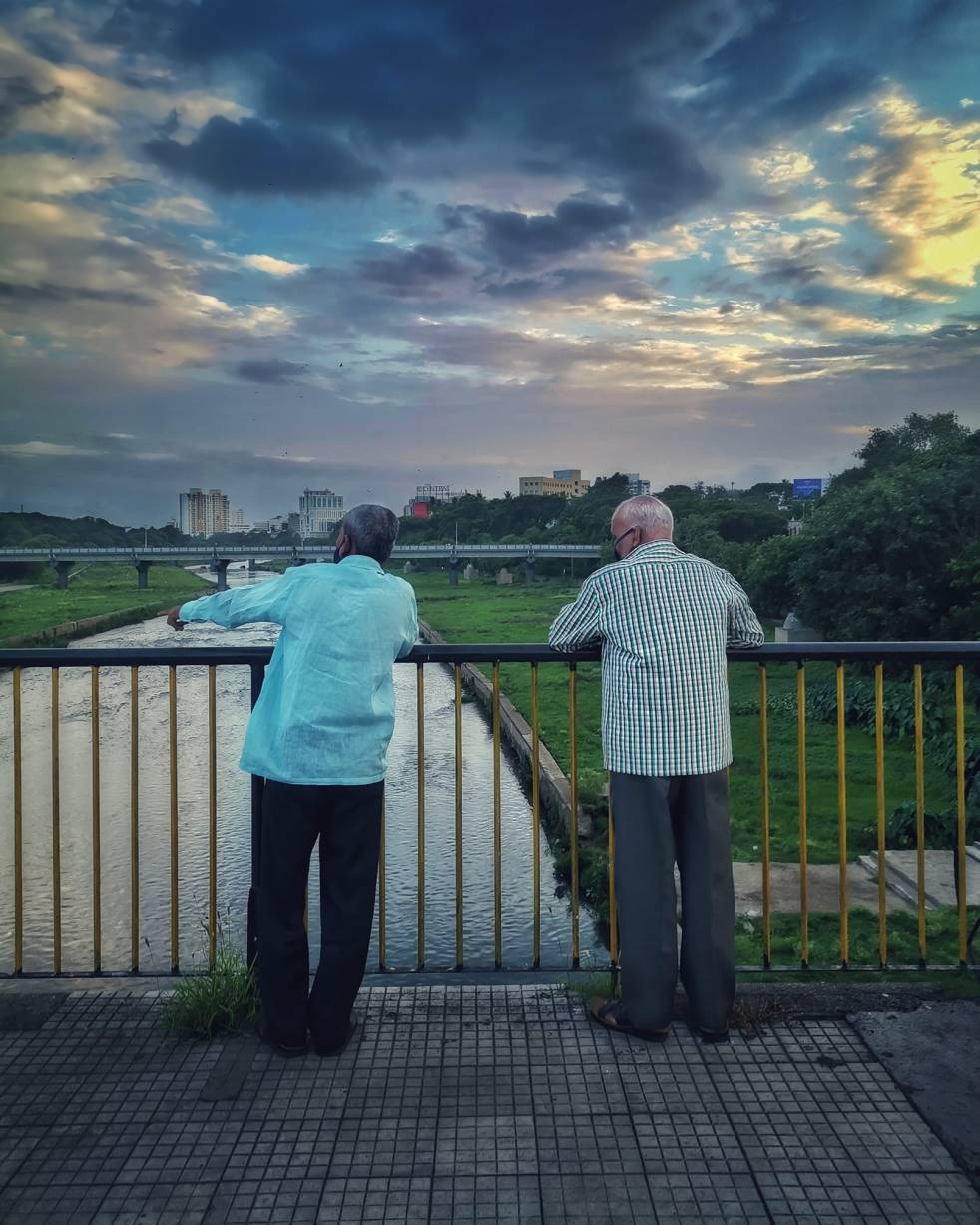
In the ongoing Covid crisis, accessible green, open spaces are a dream for many city dwellers. And yet, there is burgeoning work on the profound positive impacts of urban green spaces on the physiological and psychological health of city dwellers.

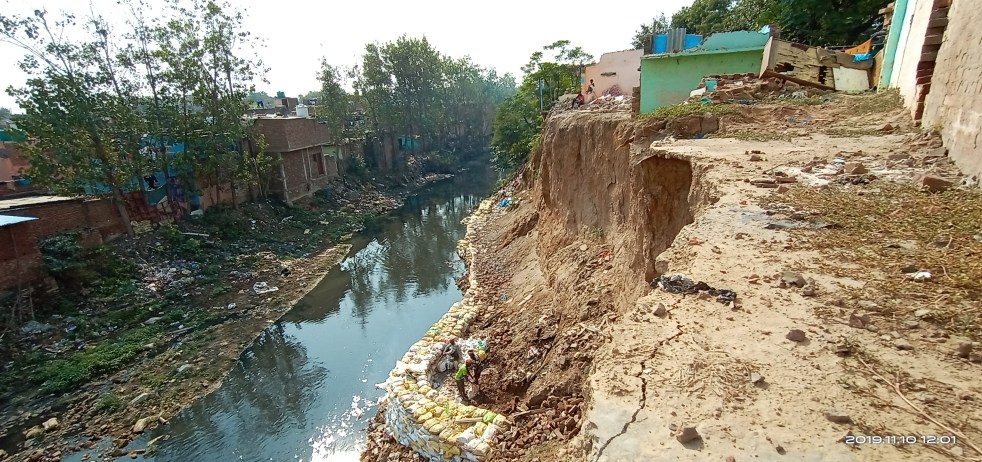
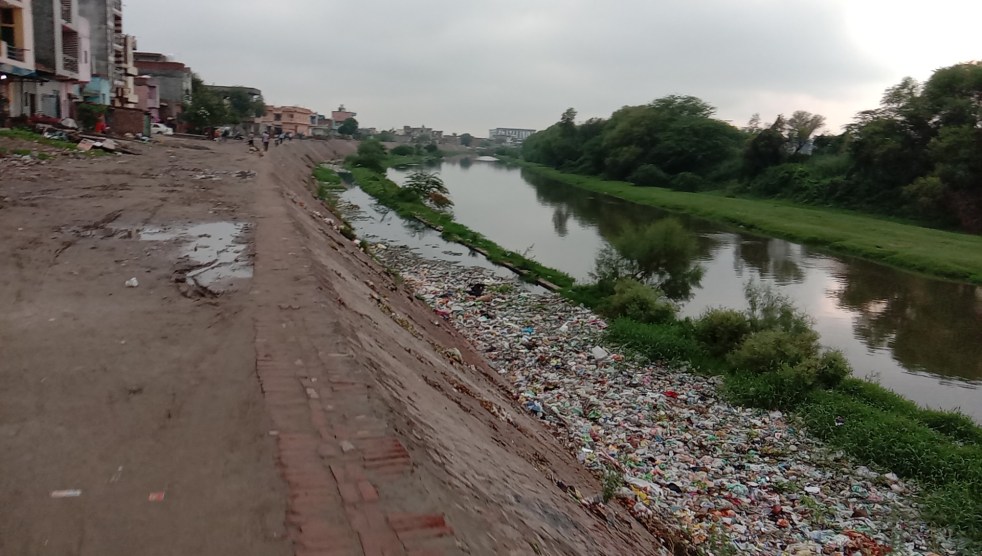
Despite being polluted, dammed, encroached and thwarted, rivers continue to be free and open public places. Today more than ever, rivers, riverbanks, floodplains and bridges are an invaluable resource for any Indian City. This momentous service is ignored in our riverfront development projects, metro and road plans and city development plans which encroach upon rivers. Continue reading “Of Peace and Pollution: Urban Rivers as Public Spaces”
Dams · Urban Water Sector

Delhi Drinking Water Canal gets toxic mix

In May 2019 SANDRP wrote, with photo evidence, after a visit to the Drain No 8 that brings Delhi’s drinking water that it is running next to drain no 6 carrying untreated industrial toxics from Haryana, with only sand bags separating the two. A visit on 21st July, 2020 provided video proof that water from drain no 6 is still happily mixing with drain no 8 at several places.

A visit to drain number 8, one of prominent canal carrying potable water supply of national capital can be shocking experience to anyone concerned with water quality and health of people. The canal (called escape) flows close to Delhi Haryana border in Sonipat district. The drinking water in the escape is being repeatedly contaminated with all sorts of industrial effluents.

Continue reading “Delhi Drinking Water Canal gets toxic mix”

Dams · Urban Water Sector · Water

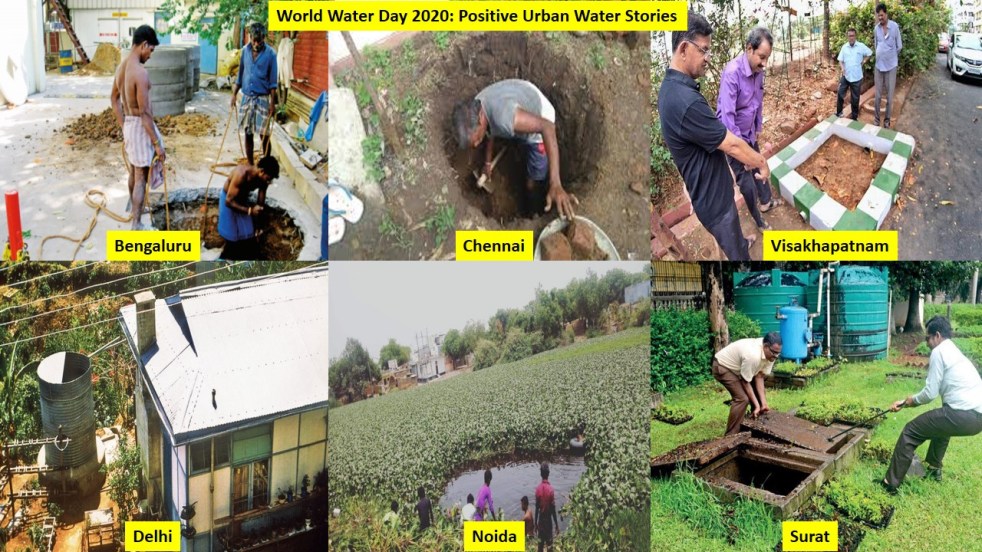
World Water Day India 2020: Top Positive Urban Stories

The theme for World Water Day 2020 is ‘Water and Climate Change’. Indeed the changing climate has been altering the earth weather system including disrupting the water cycle.

Urban areas in India are facing increasingly severe water crisis due to mismanagement of available resources, urban flooding due to blockage and encroachments of drainage channels, pollution of water sources on account of increasing solid and liquid waste. However, there are individual, civil society group and government efforts which have been helping ameliorate the situation with rain water harvesting, pond revival, wells restoration among others. Here is a compilation of positive urban water stories from for World Water Day 2020. 

Continue reading “World Water Day India 2020: Top Positive Urban Stories”

Urban Water Sector

Chandigarh: Faidan Pind Drain Shows Ugly Side of ‘City Beautiful’

Union Territory of Chandigarh enjoys ‘City Beautiful’ tag for better planned urban development. Undoubtedly the city has wide roads, abundant green patches, well planned residential sectors, public amenities, cyclist tracks etc.; however dumping of solid waste and untreated sewage around its periphery shows that the city performs poorly in managing its water and natural sources.

The story of Faidan Nizampur also known as Faidan Pind drain near Airport is an apt example showing that while city manages to get beautiful tag, the rivulets and lives of people around it have turned miserable by increasing pollution load and other issues.

Continue reading “Chandigarh: Faidan Pind Drain Shows Ugly Side of ‘City Beautiful’”

Urban Water Sector

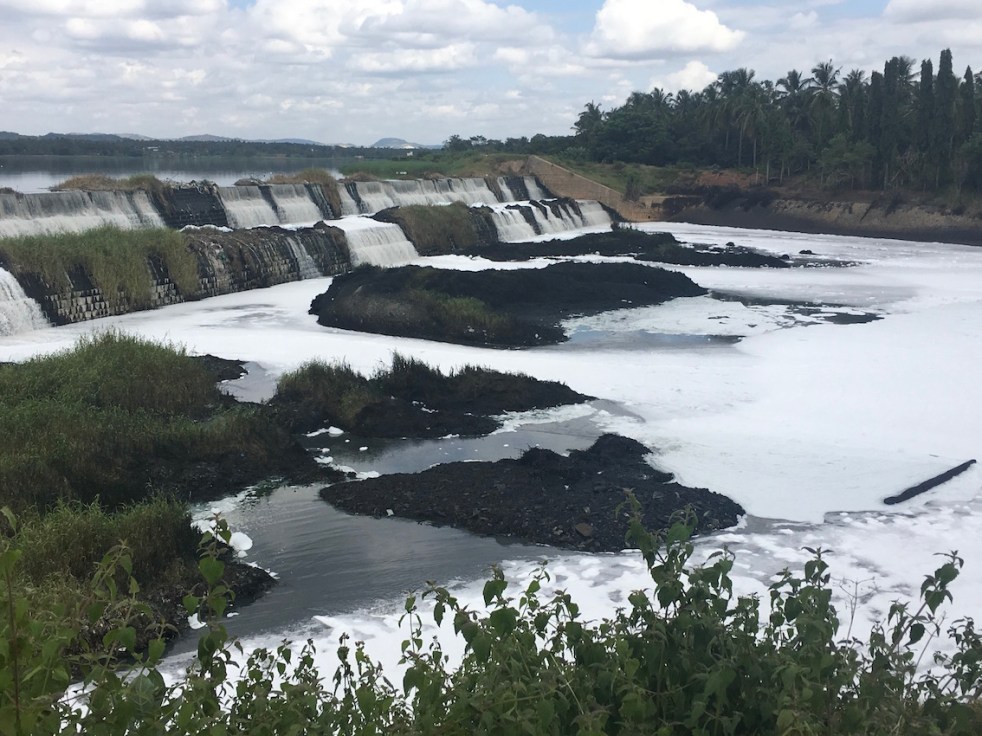
Brewing Farmer Crisis in heavily polluted, frothing Byramangala Tank Region

Guest Blog by: Nirmala Gowda

     Diverting sewage and desilting are cornerstones of all lake rejuvenation today. Some important questions loom large. Doesn’t this push the problem downstream to the next water body? The lake filled with sewage and other questionable effluents is a problem for residents around the lake. Quite understandable so: The Mosquitoes, the intolerable stench, garbage piling up along with the recklessly growing vegetation. So, sewage gets diverted and garbage get thrown in someone else’s backyard. This apparently, is called Nimbyism. Continue reading “Brewing Farmer Crisis in heavily polluted, frothing Byramangala Tank Region”

Groundwater · Urban Water Sector · Water

India’s Water Management Crisis

Blessings, like disasters, are complicated. Blessings come with a lot of attachments. And if you cannot manage them, you could invite disasters.

India is a blessed country in so many ways as far as water endowment is concerned. Our monsoons, rivers, aquifers, the Himalayas, the rich traditional techniques and management systems, to name a few. But the impacts of accumulated mismanagement over the last several decades are now coming out in the form of crisis in multiple ways. Continue reading “India’s Water Management Crisis”

Urban Water Sector

India’s water unsmart cities operate in policy vacuum

The Urban Water footprint in India is increasing in multiple ways. Rapid Urbanisation predicted by experts is just unfolding. Per Capita Demands are going up.

The City water managers are looking at big storages for dependable source of water, such big storages are necessarily far off from the cities. Cities are also generating sewage equal to 80% of the water they consume. Such storages created behind Big Dams have huge social, environmental impacts, besides massive economic costs and increased disaster risks. There is competition for water allocation from such sources, either existing, under construction or to be constructed. Such allocations for long distance cities thus creates conflicts, and potential disruption for cities, like the ones Delhi frequently faces, including in Summer of 2018. Continue reading “India’s water unsmart cities operate in policy vacuum”

Himachal Pradesh · Urban Water Sector

Shimla water crisis: How smart are we getting?

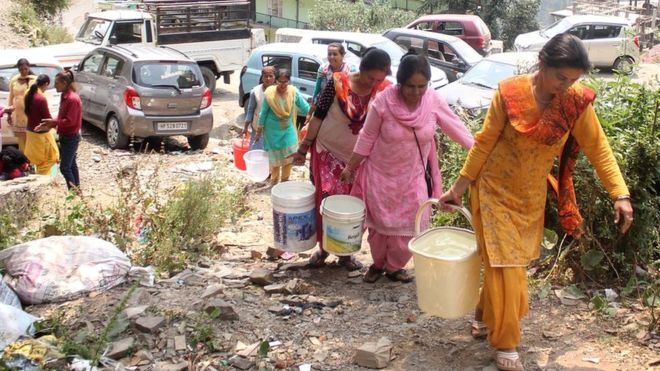
“If you love Shimla, please do not visit” is one of the viral messages in social media this season, encapsulating the water crisis in the hill city this summer. The current round of severe water crisis in Shimla possibly had some roots in what happened here in Dec 2015-March 2016. In winter of 2015, Shimla faced severe water quality issue[i], out break of hepatitis lead to huge reduction in water use in Shimla from Ashwini Khad. Thousands suffered from the outbreak and dozens of people died. The poorly functioning Malyana Sewage Treatment Plant, was releasing the effluent in the same Ashwini Khud from where the Hill city was taking a significant part of water. That water supply was then reduced, but nothing has been done to improve the situation. The Himachal Pradesh Chief Secretary has also told media[ii] that water available from Giri and Gumma streams have hugely reduced currently. Continue reading “Shimla water crisis: How smart are we getting?”

Maharashtra · Rivers · Urban Water Sector

India Urgently Needs Urban Water Policy: River Front Development Kills the Rivers

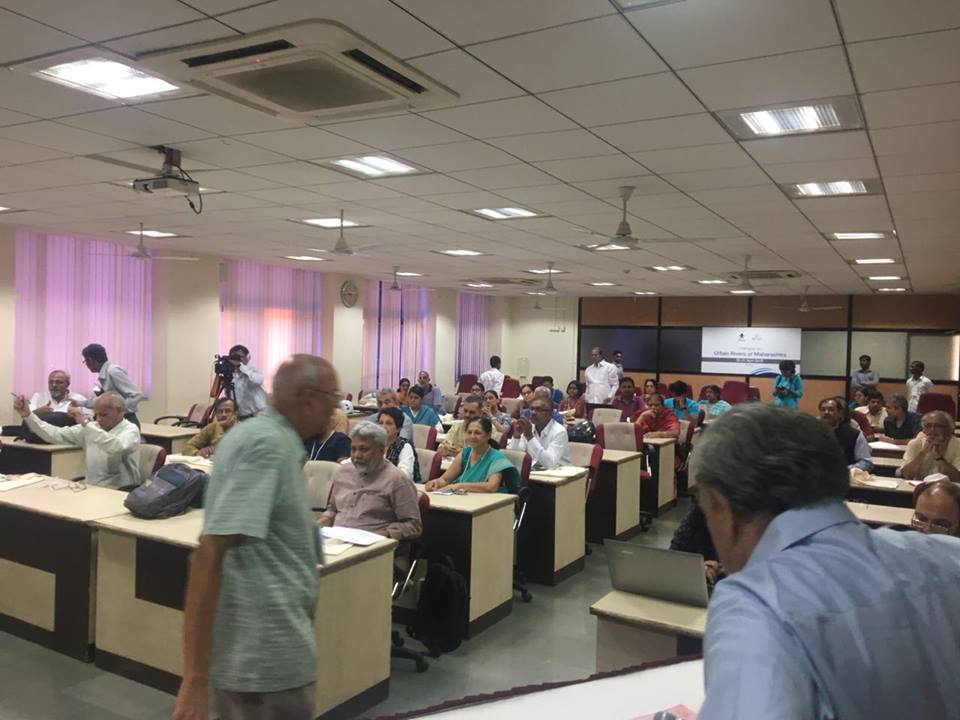
In the conference, “Dialogue on Urban Rivers of Maharashtra”, experts on water and rivers from all over the country strongly expressed their views and unanimously agreed that, “Pune River Front Development Project is certainly going to cause a disaster.” The conference also underlined the need for and decided to work for Urban Water Policy for Maharashtra and India.

The conference was jointly organised on 20 and 21st April at YASHADA by Indian National Trust for Art Culture and Heritage (INTACH – Pune Chapter) and South Asian Network for Rivers Dams, Rivers and People (SANDRP). Experts from Delhi, Andhra Pradesh, Gujarat, Madhya Pradesh, Karnataka and various parts of Maharashtra attended the conference. Continue reading “India Urgently Needs Urban Water Policy: River Front Development Kills the Rivers”

Maharashtra · Rivers · Urban Water Sector

Pune Dialogue on Urban Rivers of Maharashtra on April 20-21, 2018

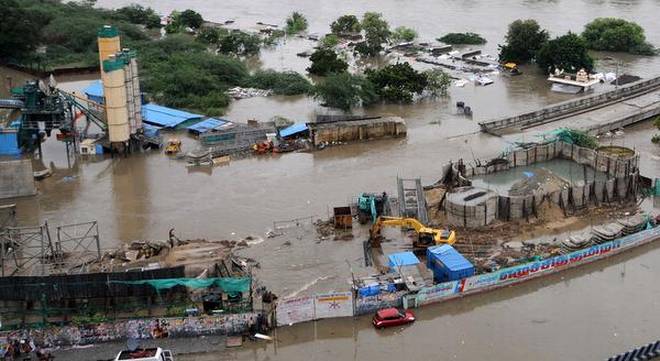
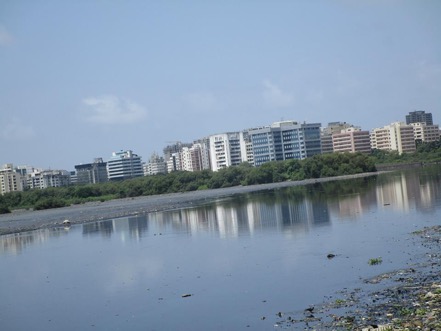
The health and future of our country is critically dependent on the health of our rivers. To compromise upon our rivers’ health is to endanger our own existence and future. Most of the urban rivers[1] in Maharashtra are in poor state affected by problems like pollution, with little or no biodiversity, little or no flow during most of the year, encroachment, dumping of waste, concretization and sometimes even mining. Water pollution from Urban Industrial effluents is a serious problem for the river, floodplain as well as ground water. With unplanned development, as the floodplains and riverbeds are being encroached, we are experiencing increased intensity and frequency of floods and flash floods. This can lead to an increasing possibility of water scarcity, depletion of groundwater levels and drought in spite of rains. Continue reading “Pune Dialogue on Urban Rivers of Maharashtra on April 20-21, 2018”