brahmaputra · Dams, Rivers & People

Dams, Rivers & People: June 9 2025: The Myths around Brahmaputra River

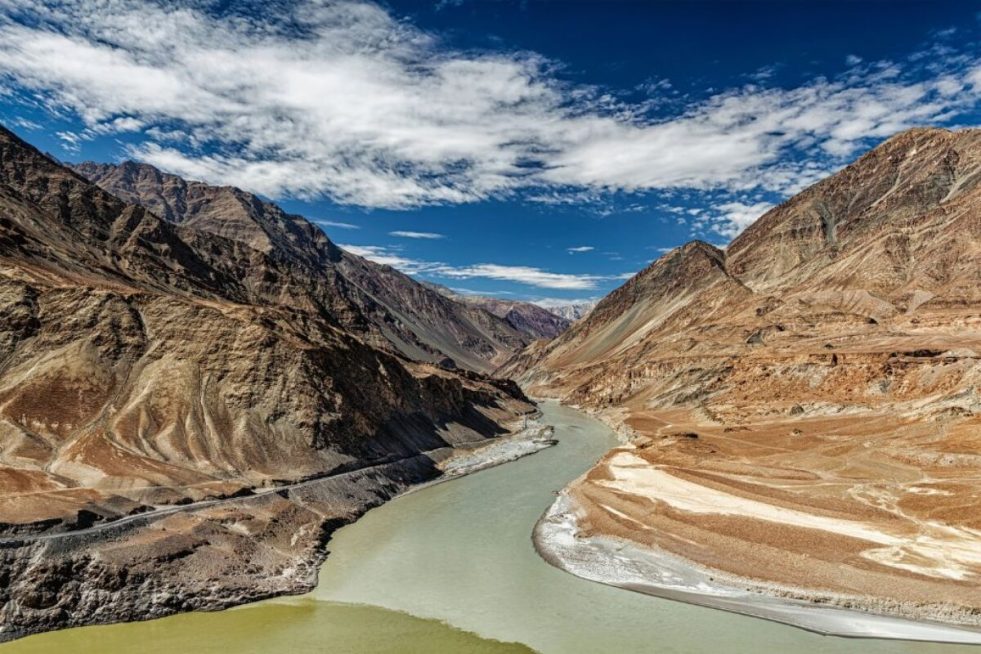
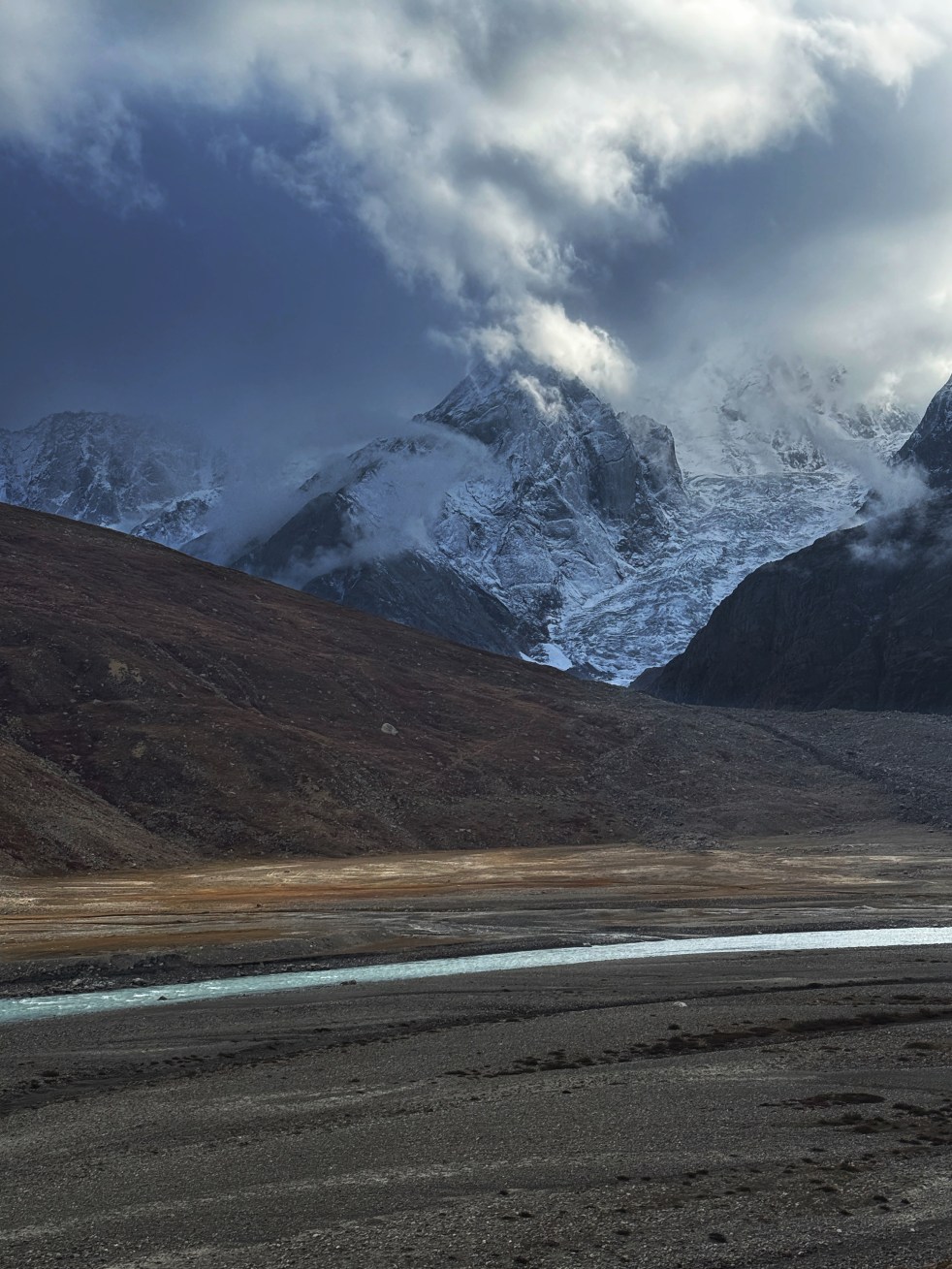
The Brahmaputra is believed to have two mythological fathers – Lord Brahma and sage Shantanu. In the 16th-century text Yogini Tantra, dedicated to the worship of goddesses like Kali and Kamakhya, the river is linked to an ancient ablution ritual with the following invocation:
O Son of Brahma! O Son of Shantanu! O Lohit! O Son of Lohit!
I bow before you, wash away my sins of the last three births.

Continue reading “Dams, Rivers & People: June 9 2025: The Myths around Brahmaputra River”
Climate Change · Dams · Rivers · Water · Water Options

DRP 020625

HYDRO POWER PROJECTS

Continue reading “DRP 020625”
Chenab · Climate Change · Himalayas · Hydropower

Of Landslides, Spirits and Stories

The Science and Myth surrounding a Himalayan Landslide

Here, in this central spot where three valleys come together
Is the triangle from which all phenomena originate,
An abode of the yoginis of the past,
A place for practitioners in the future.
~ A Tibetan prayer to the sacred Drilbu Ri Mountain where Rivers Chandra and Bhaga meet to form the Chenab

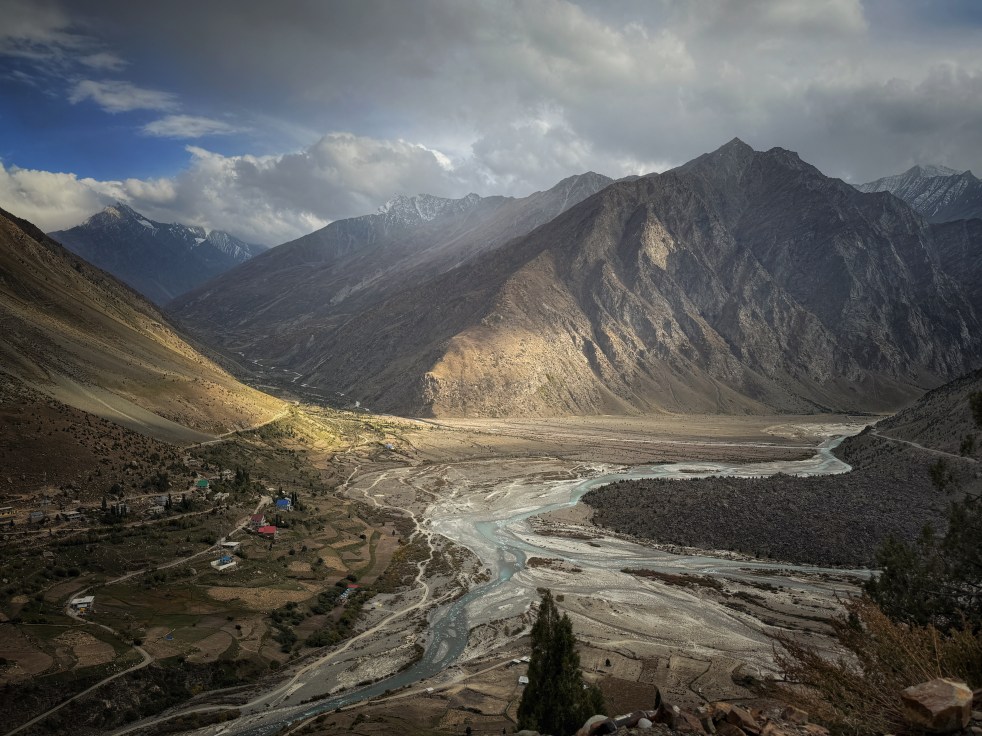
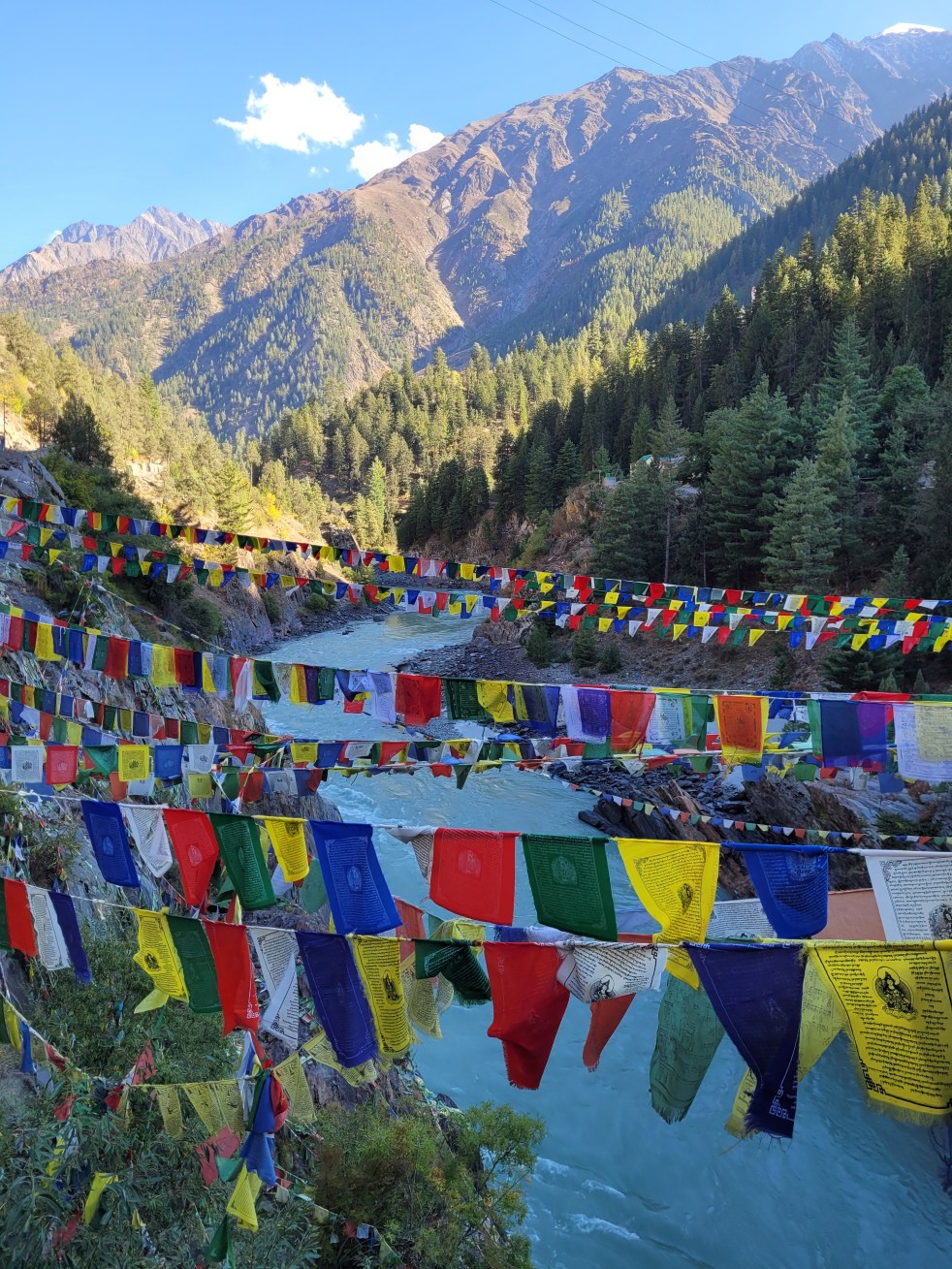
On a crisp September morning, we clank across an iron suspension bridge on the River Chandra to enter the valley of Bhaga. We are tracing the origins of Bhaga and will be reaching Barlacha La pass at an altitude of 15,900 feet in a few hours. Madly fluttering prayer flags swaddling the bridge and the roaring river below make it seem as if, like the prayers, we are adrift on the wind too. Below, on the toasty river sands, a few men doze like monitor lizards. 

Continue reading “Of Landslides, Spirits and Stories”
Chenab · Climate Change · Glaciers · Hydropower · Indus

Infrastructure Projects in Chenab Basin and Climate Change: Need to Exercise Caution

The current developments around Indus Waters Treaty are deeply troubling. Following the heinous attack on tourists in Pehelgam, India has announced that Indus Waters Treaty, the only water sharing mechanism between India and Pakistan put in place in 1960, has been put in abeyance.

Continue reading “Infrastructure Projects in Chenab Basin and Climate Change: Need to Exercise Caution”
Chenab · Climate Change · Floods · Glaciers · Himachal Pradesh · Lahaul, Lindur · Landslide · Landslide dam

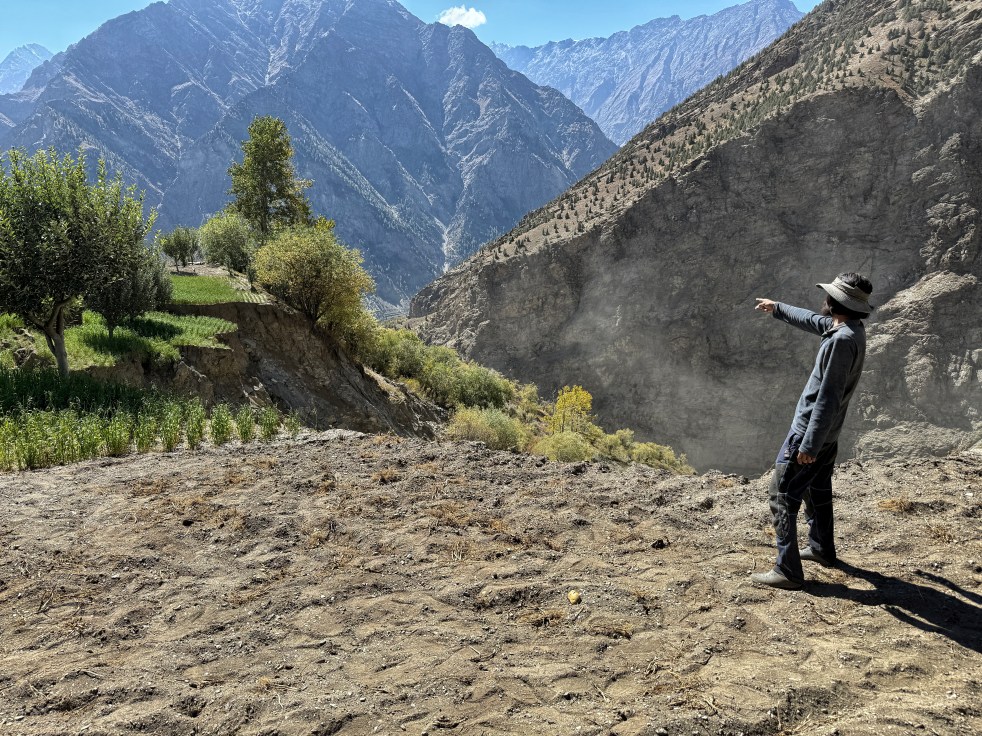
A Sinking Village & a Stream that Floods in the Sun: Climate Change, Jahlma Nallah and Lindur in Chenab Basin

At the village of Jasrath in Lahaul and Spiti, the River Chandrabhaga’s current is swift and strong like a rambunctious toddler. The river is new here, birthed just 16 kms upstream at the confluence of the Rivers Chandra and Bhaga. Chandrabhaga will be named as Chenab only after a journey of about 400 kms downstream. Chenab is one of the largest tributaries of the River Indus whose expansive basin feeds over 250 million people in the heart of Asia.  

Lahaul and Spiti district in Himachal Pradesh is a cold desert with very little rain, but the narrow ribbons of land along the Chandrabhaga are emerald with willows, apple orchards and cultivated farms. This is precious land. 

Continue reading “A Sinking Village & a Stream that Floods in the Sun: Climate Change, Jahlma Nallah and Lindur in Chenab Basin”
Agriculture · Chenab · Fish Sanctuaries · Groundwater · Hydropower · Indus

The Moon River: People’s Story of Chenab

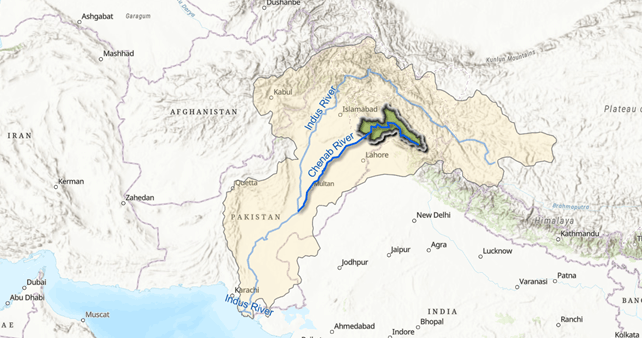
Chenab, which translates as the Moon River is the largest of the five tributaries of River Indus. It flows for about 974 kilometers from the High Himalayas of Lahaul to the forests of Jammu and Kashmir and onto the plains of Pakistan. Its main tributaries in India include Miyar, Marusudhar and Tawi. In the vast plains of Punjab in Pakistan, it is met by Jhelum, Ravi and Sutlej to form the mighty Panjnad before it meets the Indus. Its catchment, spread across 67,430 km2, is shared between the two countries.

Chenab is Chandrabhaga (Crescent Moon) in its headwaters. It was the River Asikni in Rigveda, and the Acesines for the ancient Greek. From sparse mountain settlements of Lahaul to the bustling urban centers of Sialkot, more than 10 million people live and prosper along the Chenab. Hydropower projects operational and under constructions on the river have an installed capacity of more than 5000 MW (Central Electricity Authority 2024), and its canals irrigate hundreds of thousands of acres in Pakistan and India (Shakir et al).

Continue reading “The Moon River: People’s Story of Chenab”
Chenab · Climate Change · CWC - Central Water Commission · Himachal Pradesh · Hydropower

Hydropower-GLOF Nexus in Chenab Headwaters: Absence of credible studies and accountable governance

Increasing incidences of Glacial Lake Outburst Floods (GLOFs) are being experienced in the Indian Himalayas. One of the most notable examples of GLOF was the Chorabari Lake GLOF that occurred on 16th June 2013 in Kedarnath, Uttarakhand[1] which was triggered by heavy rainfall induced mass movements into the lake. The GLOF devastated villages of Kedarnath, Rambara, and Gaurikund. Around 6,000 people were officially killed, and a significant number of the deaths were linked to the GLOF. Countless bridges and roads were washed away, and about thirty hydropower plants were affected or completely devastated. Several Hydropower projects resulted in exponential losses to life and livelihoods. Whole of Uttarakhand was affected in the disaster, and a significant proportion of it was related with GLOF.

Continue reading “Hydropower-GLOF Nexus in Chenab Headwaters: Absence of credible studies and accountable governance”
Beas · Culture · Fish Sanctuaries · Wetlands

Rewalsar Lake: Where Faiths, Ecosystems and Communities Meet

Rivers and lakes of the Indus basin have been at the crossroads of civilizations, trade routes, and ecosystems for centuries. They are surrounded by stories and songs from many religions, languages and tribes. One such river is Beas, celebrated as Vipash[1] or the ‘breaker of chains’ in the Rigveda, circa 1500 BC. Beas originates at 4361 meters near Rohtang Pass[2] and flows through the Himalayan state of Himachal Pradesh before meeting River Sutlej in the plains of Punjab, literally “the land of five rivers’. Beas flows for about 470 kms to water some of the most fertile valleys in the world.

Continue reading “Rewalsar Lake: Where Faiths, Ecosystems and Communities Meet”
Gangetic Dolphins

2024: Dams, Mining, Construction Damaging Gangetic Dolphin Habitats

Continue reading “2024: Dams, Mining, Construction Damaging Gangetic Dolphin Habitats”
Dams · Godavari

उगम: Story of Godavari and Vaitarna’s Origin

Most Indian languages have a saying which goes something like: “Do not go looking for a river’s origin or a Rishi’s lineage”. I thought this was because these stories become eclectic and frankly scandalizing as we trace them. But while looking at several origins of River Godavari on the Brahmagiri Mountain, I realized that the meaning can be much simpler (or much complicated): It is difficult to decide on a single origin for a river.

Continue reading “उगम: Story of Godavari and Vaitarna’s Origin”