Dams

Relevance of Ganga Mukti Andolan: Then and Now

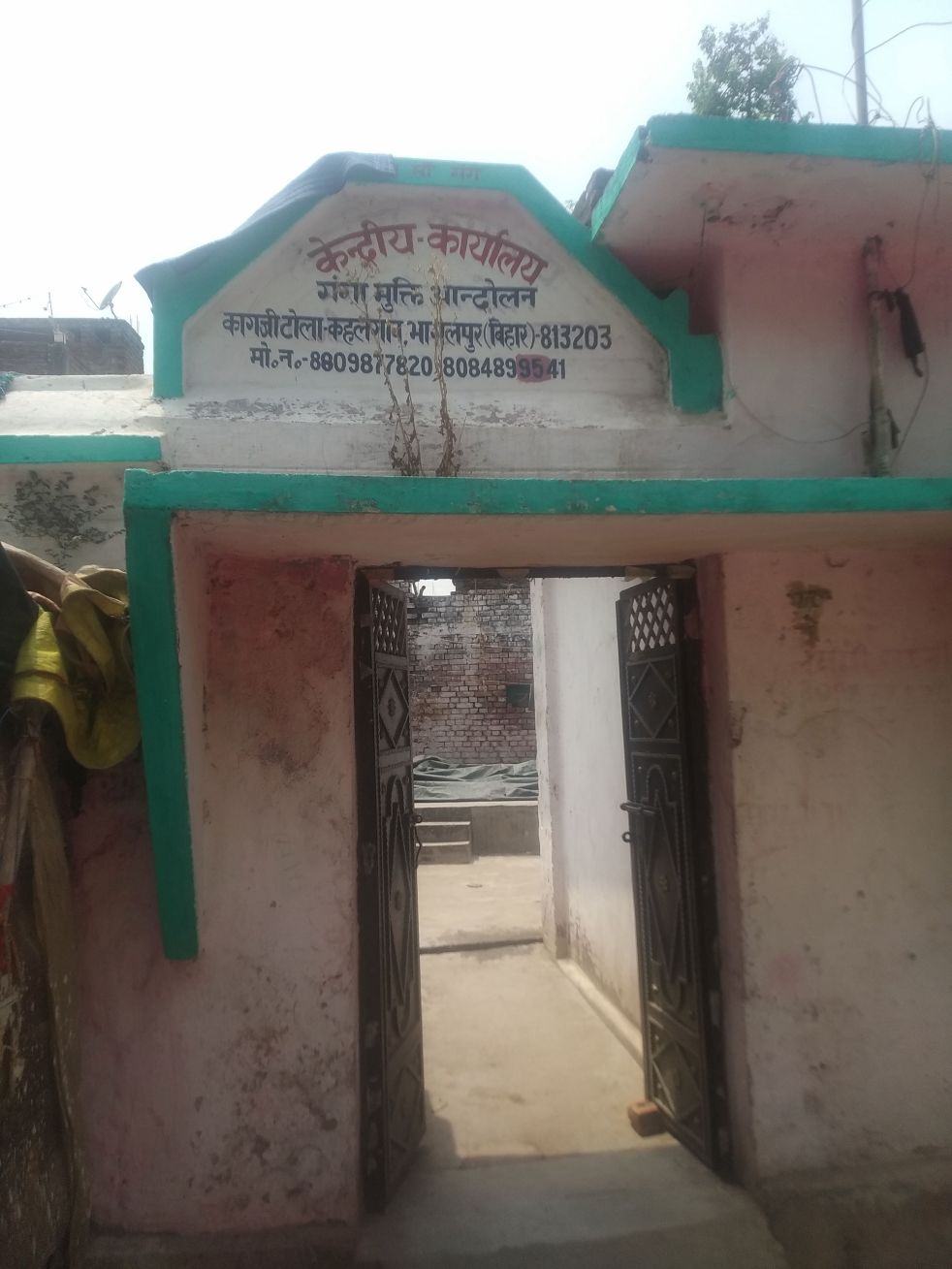
((Above Photo of GMA office by Miss Shalini Jha)

GUEST ARTICLE BY DR. RUCHI SHREE

On 22-23 February, 2025, Ganga Mukti Andolan (GMA) celebrated its 43rd anniversary in Kahalgaon (Bhagalpur, Bihar). In these two days celebration, social activists from different parts of the country participated to underline the problems faced by river Ganga and the fisherfolk community of this region. Its slogan ‘Ganga ko aviral bahne do’ (let the Ganga flow freely) which united the different sections of the society to come together in the 1980s seems to be so relevant even today. For a movement to survive for four decades undoubtedly marks its relevance. However, during this long span of time, the movement has undergone several changes. But at the same time, it also marks a continuity and this essay is an attempt to understand the nuances and significance of this struggle.

Continue reading “Relevance of Ganga Mukti Andolan: Then and Now”
DRP News Bulletin

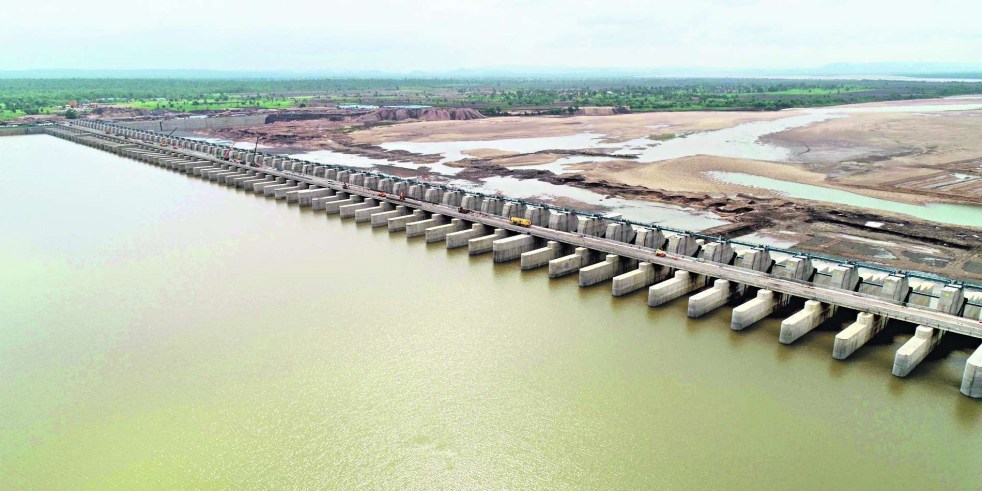
DRP NB 280425: Why did the Jal Shakti Ministry delay submission of NDSA Expert Committee report on Kaleshwaram to Telangana?

Continue reading “DRP NB 280425: Why did the Jal Shakti Ministry delay submission of NDSA Expert Committee report on Kaleshwaram to Telangana?”
Book Review

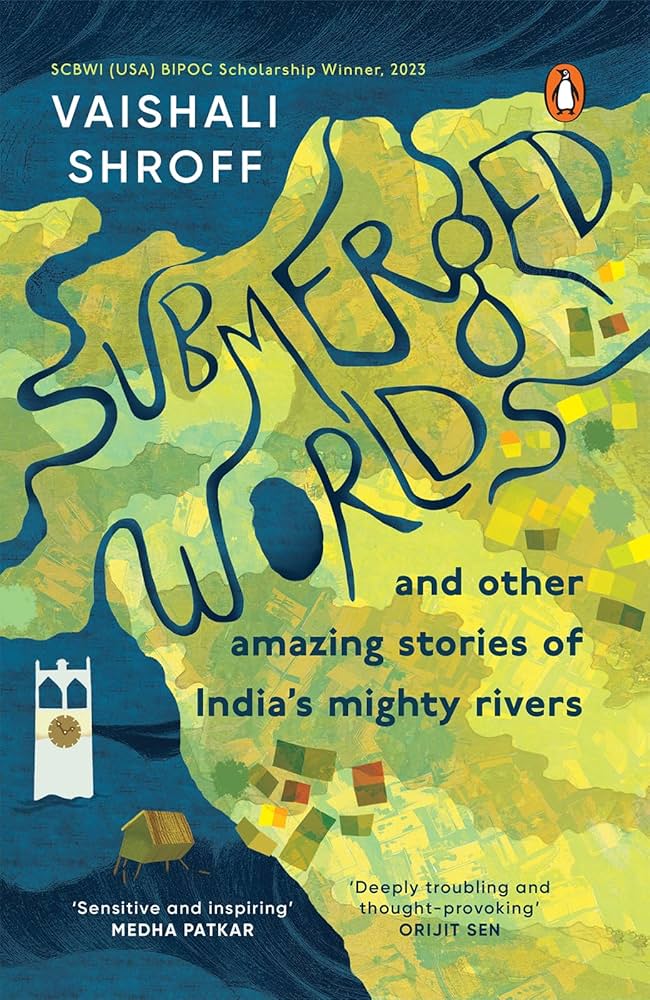
Book Review: Submerged Worlds & Amazing Stories of India’s Mighty Rivers

Continue reading “Book Review: Submerged Worlds & Amazing Stories of India’s Mighty Rivers”
Chenab · Climate Change · Glaciers · Hydropower · Indus

Infrastructure Projects in Chenab Basin and Climate Change: Need to Exercise Caution

The current developments around Indus Waters Treaty are deeply troubling. Following the heinous attack on tourists in Pehelgam, India has announced that Indus Waters Treaty, the only water sharing mechanism between India and Pakistan put in place in 1960, has been put in abeyance.

Continue reading “Infrastructure Projects in Chenab Basin and Climate Change: Need to Exercise Caution”
Irrigation · Maharashtra

Maharashtra Irrigation Act 1976 exists for 49 years without Rules!

Guest Article by: Pradeep Purandare

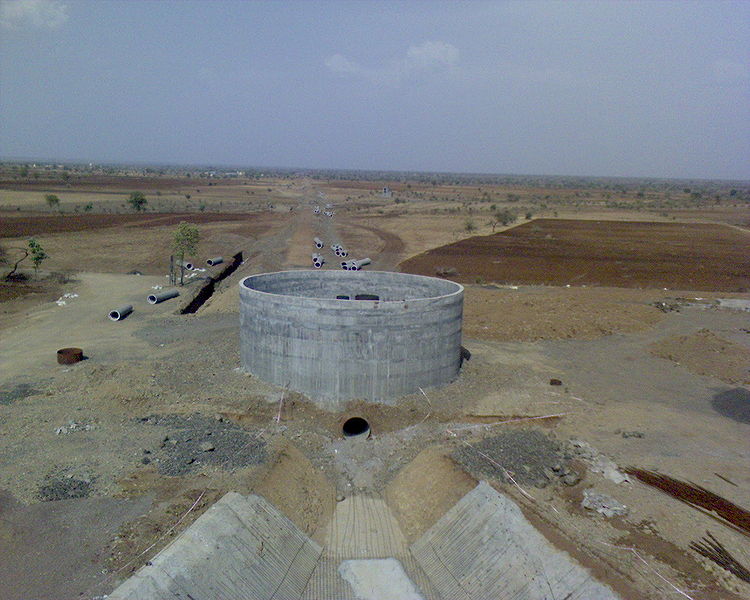
A PIL (152 / 2014) has been filed by this author before the Aurangabad bench of Mumbai High Court way back in 2014. Maharashtra Irrigation Act, 1976 (MIA 1976) is not being implemented in letter & spirit, thanks to the absence of Rules of MIA 1976. It is needless to add that Act/Law states the general principles and Rules give the necessary details required for the actual implementation of the Act. For example, Act only says that Water Use Rights may be given to all farmers in the command area as prescribed. Rules of the Act, however, give the details to answer the usual questions like How? How much? When? Where? To whom? Application / Agreement required? Applicable terms & conditions? etc. Rules reduce the scope for discretion and chances to interpret the Act in different manner by different individuals at different times & places. Rules facilitate smooth & uniform implementation of the Act.

Continue reading “Maharashtra Irrigation Act 1976 exists for 49 years without Rules!”
DRP News Bulletin

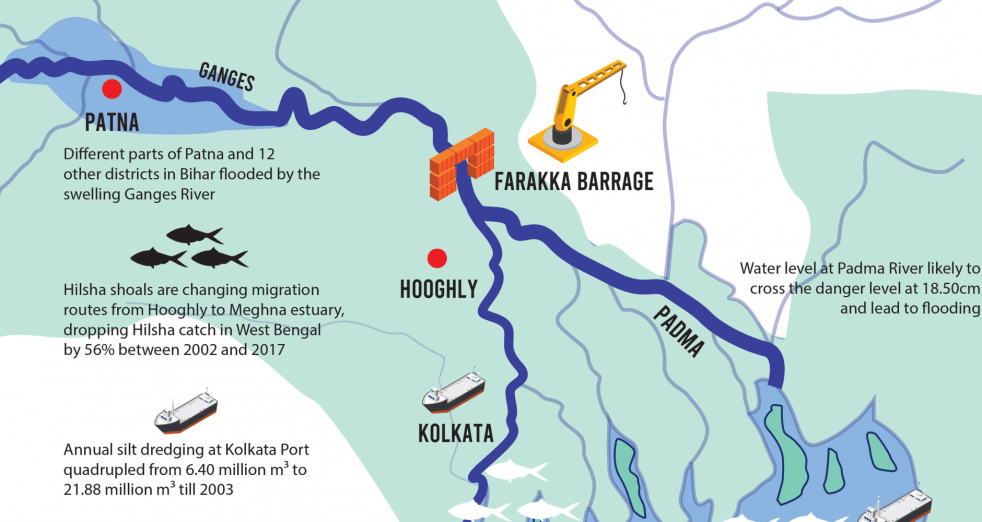
DRP NB 210425: Farakka Dam operation completes 50 years: A time to review?

Continue reading “DRP NB 210425: Farakka Dam operation completes 50 years: A time to review?”
Sand Mining · Yamuna River

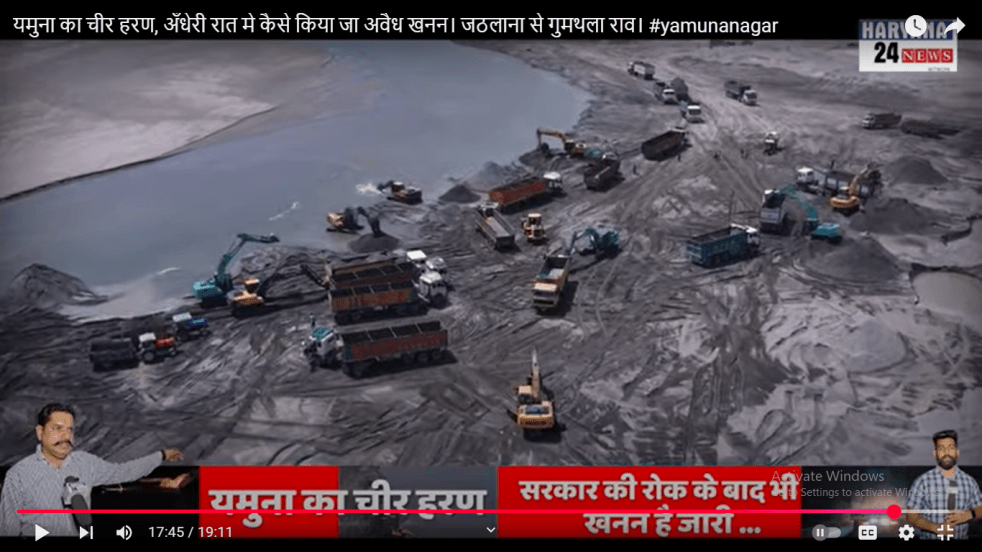
Advocate Waryam Singh Interview: मशीनी खनन से हो रही यमुना बर्बाद

Continue reading “Advocate Waryam Singh Interview: मशीनी खनन से हो रही यमुना बर्बाद”
Chenab · Climate Change · Floods · Glaciers · Himachal Pradesh · Lahaul, Lindur · Landslide · Landslide dam

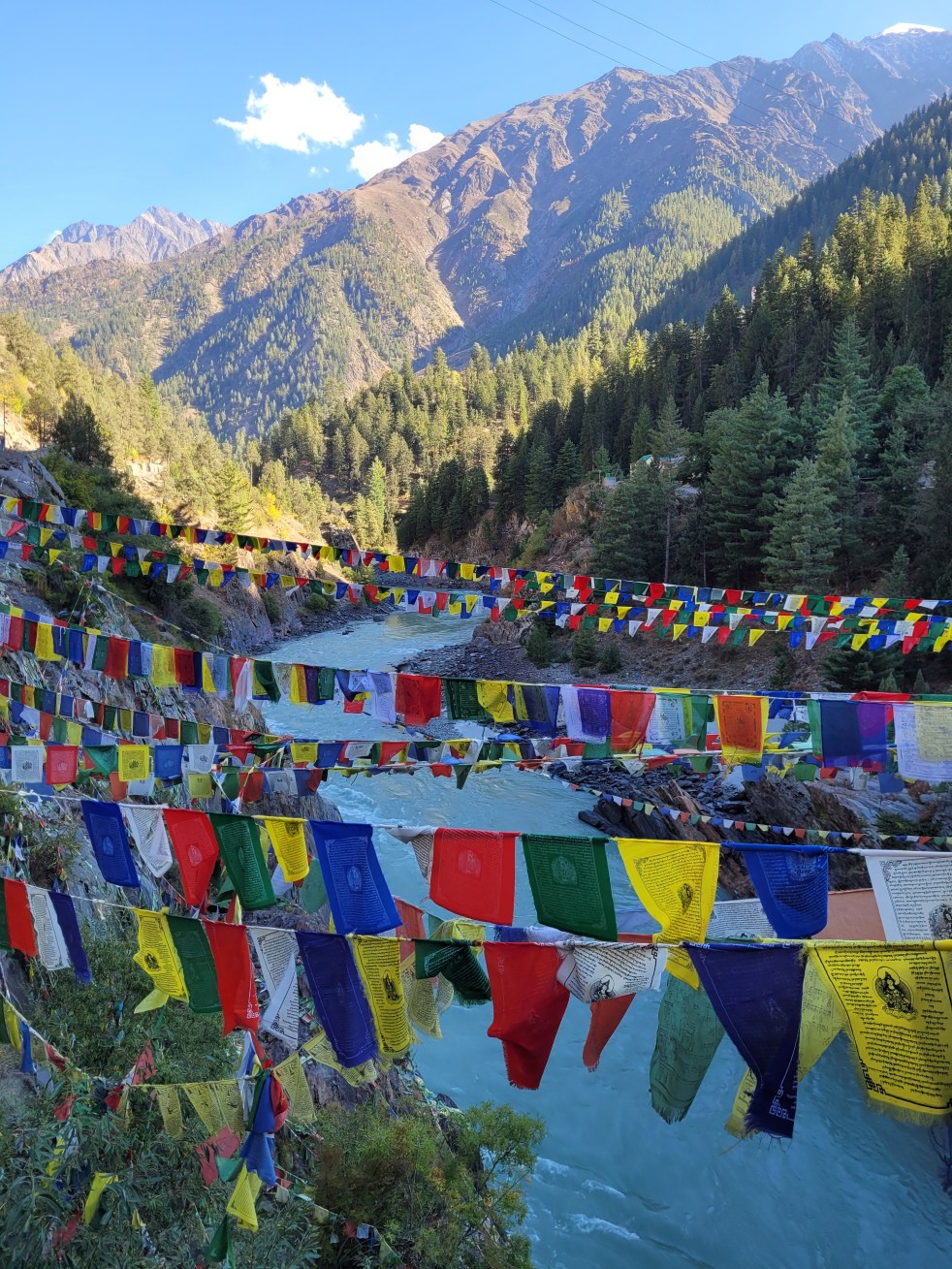
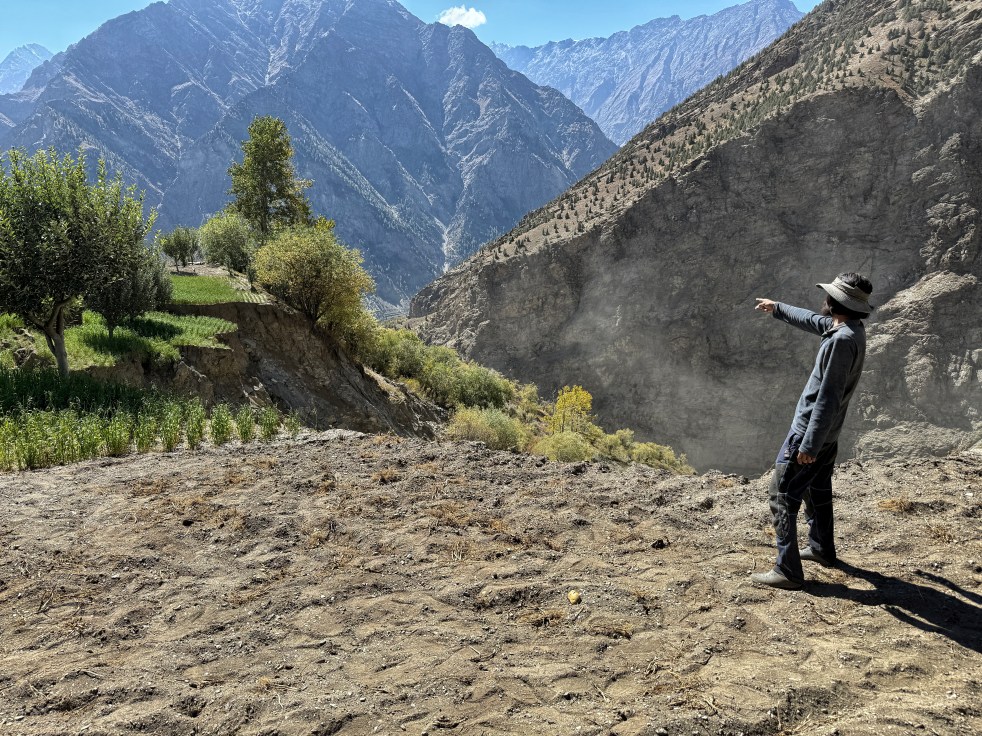
A Sinking Village & a Stream that Floods in the Sun: Climate Change, Jahlma Nallah and Lindur in Chenab Basin

At the village of Jasrath in Lahaul and Spiti, the River Chandrabhaga’s current is swift and strong like a rambunctious toddler. The river is new here, birthed just 16 kms upstream at the confluence of the Rivers Chandra and Bhaga. Chandrabhaga will be named as Chenab only after a journey of about 400 kms downstream. Chenab is one of the largest tributaries of the River Indus whose expansive basin feeds over 250 million people in the heart of Asia.  

Lahaul and Spiti district in Himachal Pradesh is a cold desert with very little rain, but the narrow ribbons of land along the Chandrabhaga are emerald with willows, apple orchards and cultivated farms. This is precious land. 

Continue reading “A Sinking Village & a Stream that Floods in the Sun: Climate Change, Jahlma Nallah and Lindur in Chenab Basin”
Agriculture · Chenab · Fish Sanctuaries · Groundwater · Hydropower · Indus

The Moon River: People’s Story of Chenab

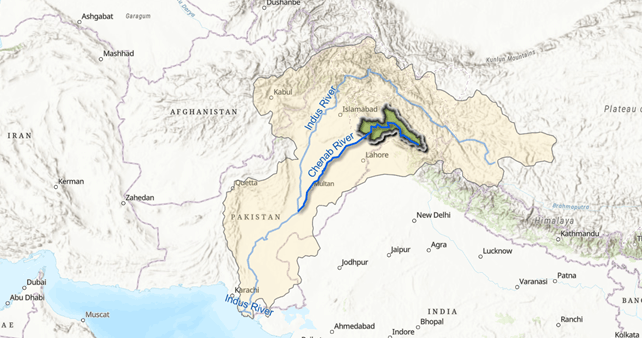
Chenab, which translates as the Moon River is the largest of the five tributaries of River Indus. It flows for about 974 kilometers from the High Himalayas of Lahaul to the forests of Jammu and Kashmir and onto the plains of Pakistan. Its main tributaries in India include Miyar, Marusudhar and Tawi. In the vast plains of Punjab in Pakistan, it is met by Jhelum, Ravi and Sutlej to form the mighty Panjnad before it meets the Indus. Its catchment, spread across 67,430 km2, is shared between the two countries.

Chenab is Chandrabhaga (Crescent Moon) in its headwaters. It was the River Asikni in Rigveda, and the Acesines for the ancient Greek. From sparse mountain settlements of Lahaul to the bustling urban centers of Sialkot, more than 10 million people live and prosper along the Chenab. Hydropower projects operational and under constructions on the river have an installed capacity of more than 5000 MW (Central Electricity Authority 2024), and its canals irrigate hundreds of thousands of acres in Pakistan and India (Shakir et al).

Continue reading “The Moon River: People’s Story of Chenab”
DRP News Bulletin

DRP NB 140425: Normal SW Monsoon Rainfall forecast

Continue reading “DRP NB 140425: Normal SW Monsoon Rainfall forecast”