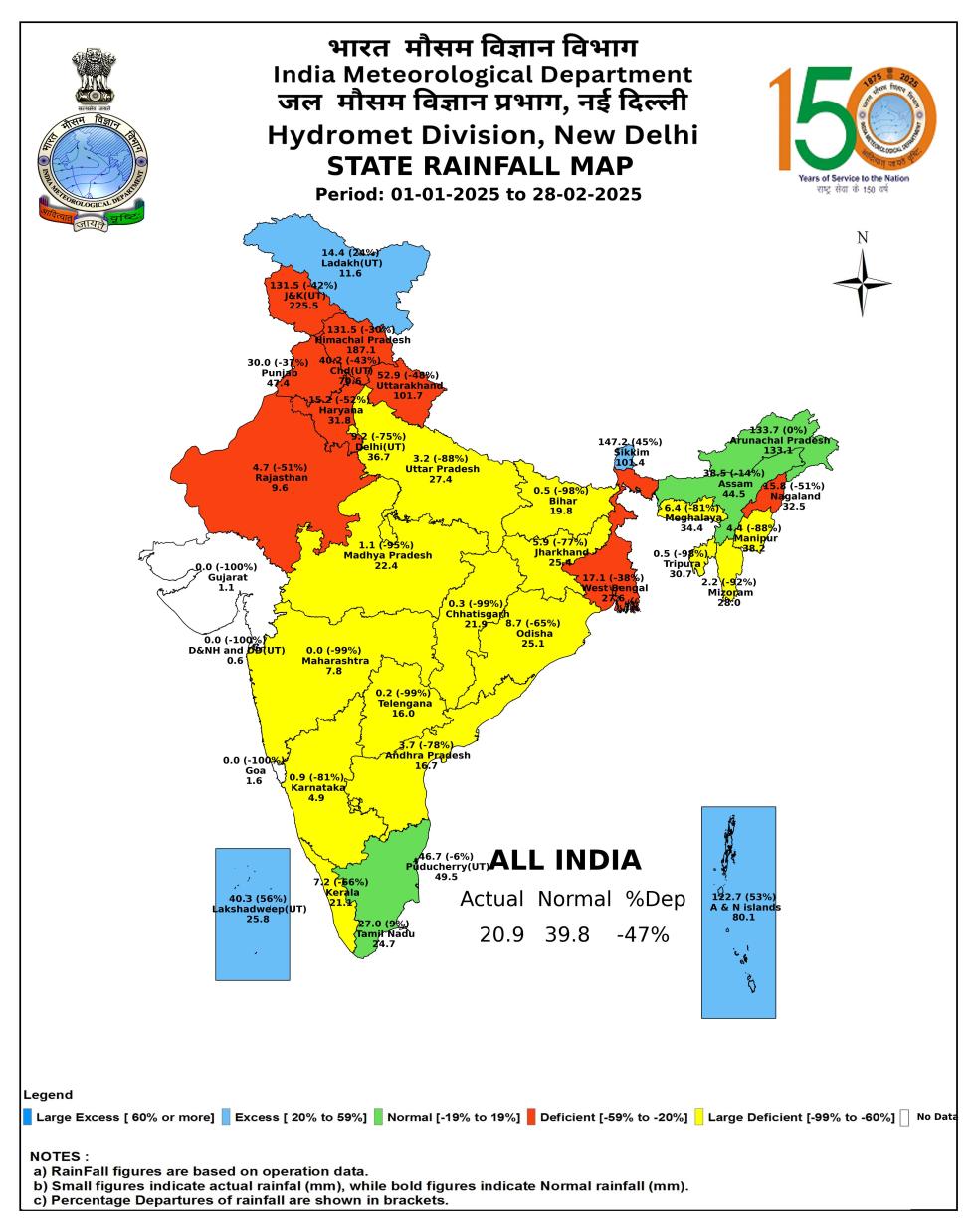
In the just concluded 2025 Winter Season (January 1 2025 to February 28 2025), as per India Meteorological Department (IMD), India received 47% below Normal Rainfall (it was 33% below normal in winter 2024[i], it was 45% below normal in winter 2023[ii], 44% above normal rainfall in winter 2022[iii] and 32% below normal rainfall in winter 2021[iv]). This is coming on top of 8% above normal in SW Monsoon 2024 and 3% below normal rainfall in Post Monsoon season 2024[v].
Continue reading “Winter 2025: District wise Rainfall in India”Month: March 2025

Mumbai Civil Society Efforts to Protect Mangroves, Wetlands
(Feature Image: On World Migratory Bird Day, May 11, 2024, green groups formed a human chain to protest against the ‘deliberate destruction’ of flamingo homes – wetlands. Source: FPJ)
Like previous years, several civil society groups in Mumbai have continued their remarkable efforts dedicated towards protection and conservation of the mangroves and wetlands throughout 2024. While their untiring efforts have met with some successes, given the hostile agencies and increasing developmental pressures the threats to mangroves and wetlands continue to increase. Despite growing challenges, their undying spirit offers inspiration to other civil society groups in the country. This report tracks the top ten developments regarding the subject beginning with broader issues impacting the future of mangroves and wetlands in the city and the documenting specific cases of DPS Flamingo Lake, Ulwe, Nerul, Kharghar, Panje and other wetlands.
Continue reading “Mumbai Civil Society Efforts to Protect Mangroves, Wetlands”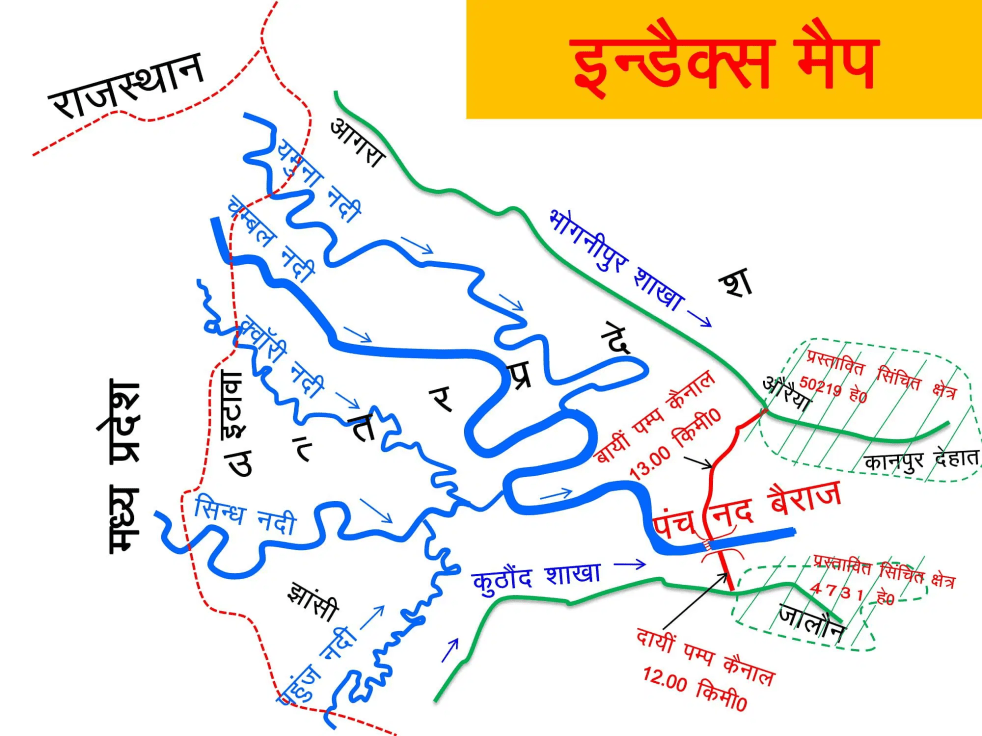
Yamuna Manthan 060325: Dolphin Survey Rings Alarm for Pachnad Dam Project
(Feature Image: Line drawing of proposed Pachnad Major Irrigation Project. Source: Amar Ujala)
The findings of the latest Project Dolphin Survey Report released on March 3, 2025, by Prime Minister Narendra Modi in presence of Union Environment Minister Bhupendra Yadav have raised significant concerns over proposed Pachnad Major Irrigation Project.
While the survey reiterates the adverse impacts of dams, barrages fragmenting the national aquatic animal’s habitat as the population has been found nearly absent between Narora barrage and Kanpur barrage stretch in main stem of Ganga, it also reveals that the endangered species are preferring refuge in Ganga tributaries and confluence points and has been found in highest numbers along 47 km long river stretch between Chambal and Pachnad in Bhind which still undammed.
Continue reading “Yamuna Manthan 060325: Dolphin Survey Rings Alarm for Pachnad Dam Project”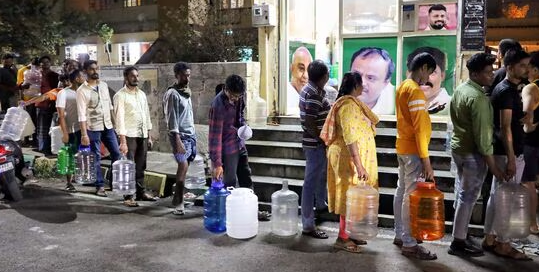
2024 Bengaluru Groundwater: Top ten Reports: Problems, Causes & Solutions
(Feature Image: People stand in a queue with water cans to get drinking water at Jnana Jyothi Nagar, in Bengaluru. Image Source: PTI/Live Mint, 10 March 2024)
This annual overview complies the top ten reports regarding the continual depletion in groundwater levels in Bengaluru, the factors responsible for it and its impact on the citizens. It also highlights relevant steps taken by government agencies and some cost-effective sustainable alternatives suggested by experts and civil society groups.
Continue reading “2024 Bengaluru Groundwater: Top ten Reports: Problems, Causes & Solutions”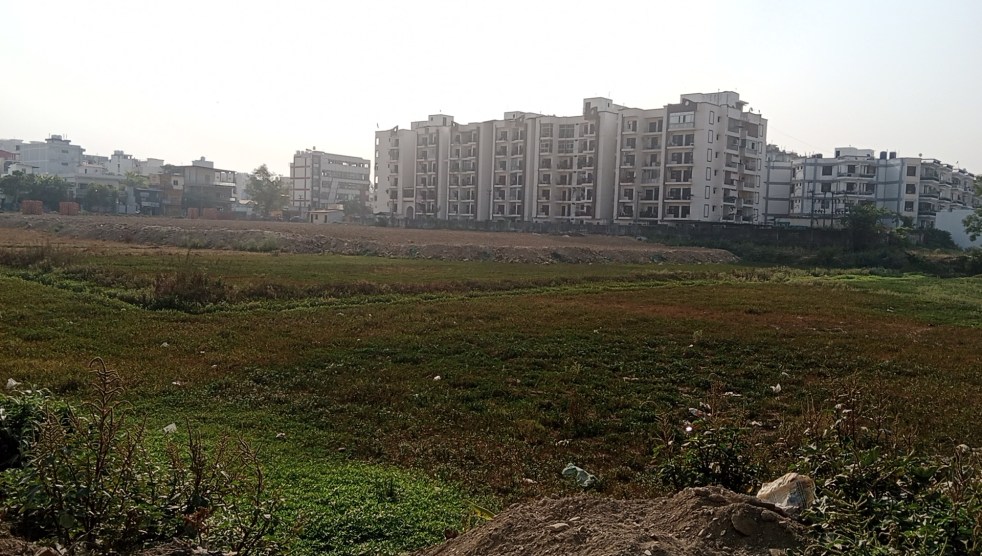
DRP 030325: Supreme Court asks: How a city can become smart without protecting the water bodies, wetlands
In a welcome development, the Supreme Court of India has asked, in the context of Ajmer City in Rajasthan, how can a city become smart without protecting the water bodies/ wetlands? How cities will become smarter by encroachments on the water bodies and wetlands? The Supreme Court bench threatened the Rajasthan government of contempt of court for non-compliance of order dated Dec 1 2023 as also the order of National Green Tribunal on Dec 13 2021.
The Supreme Court here has hit the nail and raised a very fundamental question that is relevant to all the cities across India as they are all guilty of allowing encroachments and destruction of local water bodies in their respective areas. This is a suicidal step as it has adverse impact on the cities in multiple ways and yet, most cities consider this smart and in fact get away with it. There is also no National Urban Water Policy guiding the cities solve the puzzle of multiple issues handled by multiple departments, including some by the local, state and central governments. This self-created mess in the cities comes handy for the various vested interests in encroaching more water bodies. The judiciary, so far has also not been effective in addressing this issue with any effectiveness.
Continue reading “DRP 030325: Supreme Court asks: How a city can become smart without protecting the water bodies, wetlands” SANDRP