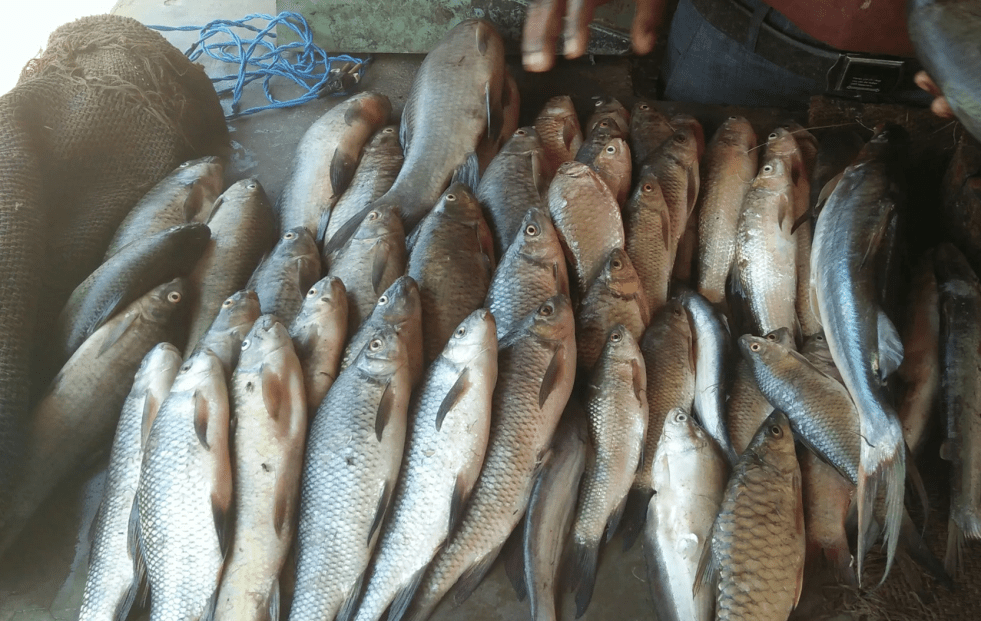
Recognizing the fisherfolks’ valuable services to the society, the annual World Fisheries Day (WFD) will be celebrated on Nov. 21 with the theme “We have not caught anything, but at your word I will let down the nets”. On this occasion SANDRP compiles top 10 positive developments that took place during last one year regarding protection of inland fisherfolks’ rights and also protecting the habitats of freshwater fish species in India.
Continue reading “World Fisheries Day 2025: Top 10 Positive Stories from India”Tag: Waterbodies

World Wetlands Day 2025: Ten Positive Stories from Urban India
(Feature Image: Dharmesh Barai, who leads the NGO Environment Life Foundation (ELF), began the “Mangrove Clean-Up Drive” on August 15. Source: TIE)
This compilation highlights ten positive efforts put in to protect the lakes, waterbodies and mangroves in urban India by individuals and environmental groups during 2024. The top ten stories come from five metros: Delhi (3), Mumbai (2), Bengaluru (2), Chennai (2) and Kolkata (1). We are sure such positive actions also happened in other cities in 2024, but we could not find them.
We have also compiled the top ten positive wetlands reports from the countryside here. Also see overviews on the worsening plight of Ramsar wetlands, deteriorating situation of wetlands in India in general and some important judicial interventions concerning protection and management of wetlands in the country that have taken place during the past one year.
Continue reading “World Wetlands Day 2025: Ten Positive Stories from Urban India”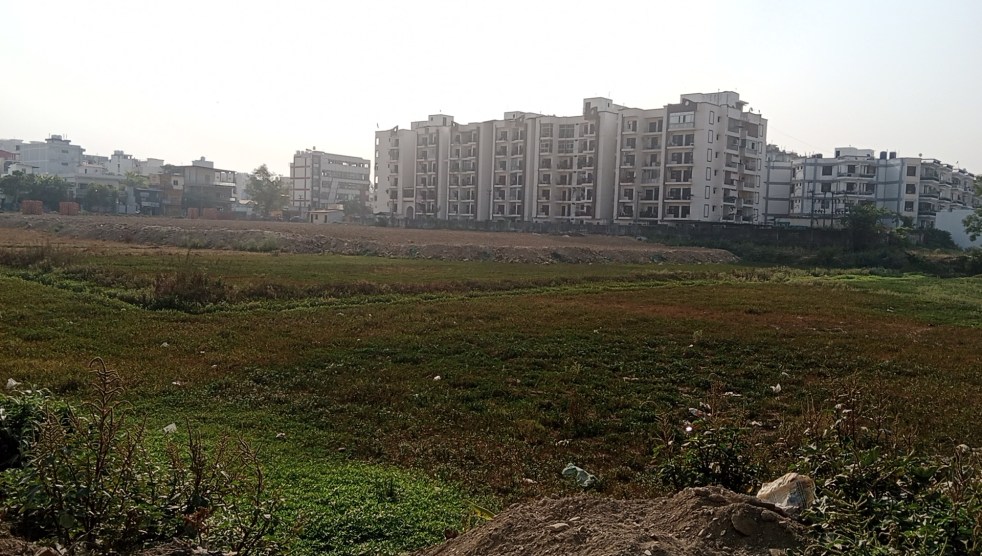
World Wetlands Day 2025: More Judicial Decisions, Less Actions by Govts
(Part of a marsh land already covered by residential buildings in Asan river basin in Dehradun being filled up further in May 2024. BS Rawat/SANDRP)
In third part of annual overview, we compile top ten judicial decisions taken during 2024 by various courts regarding protection and conservation wetlands in India. The first part of the overview has covered the looming threats on Ramsar sites and the second part has highlighted the deteriorating condition wetlands in the country.
Continue reading “World Wetlands Day 2025: More Judicial Decisions, Less Actions by Govts”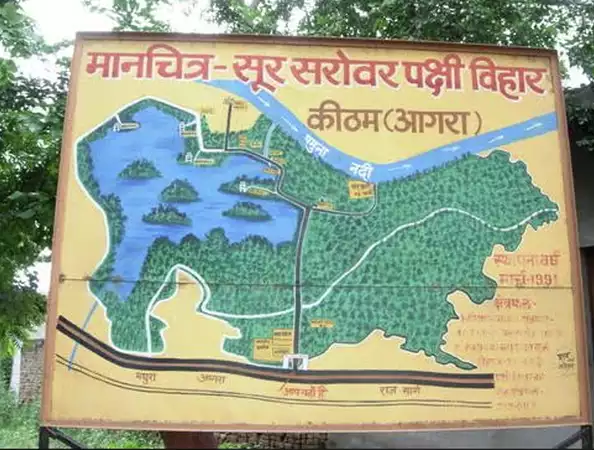
Yamuna Manthan 031024: Threatened River Wetlands
(Feature Image: Soor Sarovar Bird Sanctuary, along with the river Yamuna, is considered to be green lung of the Agra city. Source: ToI report Six-member committee to probe development of Agra Trade Centre in Soor Sarovar eco-zone. Nov. 01, 2018)
The waterbodies, lakes, wetlands in Yamuna basin continue to face damages and threats from many quarters, including concerned govt departments. In latest examples of this, there are reports of Uttar Pradesh govt’s plan to reduce the eco-sensitive zone (ESZ) of Keetham lake to zero. The wetlands also known as Sur Sarovar is a large ox bow lake formed by Yamuna River in Agra. It is a protected bird sanctuary and has been designated a Ramsar site in August 2020. In Sept. 2022, the Supreme Court had directed the govt to increase lake’s ESZ to 799 ha from 403 ha.
Similarly, the Uttar Pradesh govt departments have also been delaying process to notify Dhanauri wetlands as a Ramsar site in Greater Noida. The case is going on in NGT (National Green Tribunal) for the past many years. In the recent hearing held on Sept. 26, the NGT asked govt department to explain reasons behind delay in notifying the wetlands apart from directing it to remove water hyacinth chocking the wetlands. The next hearing will be held on Jan. 27, 2025.
Continue reading “Yamuna Manthan 031024: Threatened River Wetlands”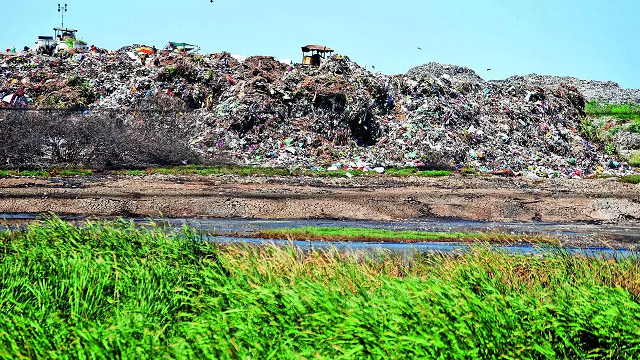
WWD 2024: Top Ten Judicial Actions for Wetlands in India
(Feature Image: A file picture of garbage dumping extending to an additional patch of land at the Pallikaranai marshland. Source: ToI)
The fourth part of the wetlands overview 2023 covers the top ten judicial interventions for the protection of wetlands including Ramsar sites in India. The report shows that the judiciary is increasingly petitioned with legal disputes as the governmental bodies dealing with urban authorities and particularly the regulators have been failing to check unabated pollution and encroachments of the wetlands in their jurisdiction. The legal cases pertaining to encroachments and degradation of Ramsar sites and other wetlands in Himachal Pradesh, J&K, Ladakh, Bhoj lake in Bhopal, Tampara lake in Odisha and Sundarbans in West Bengal clearly indicate the fate of lesser known but equally important water bodies in the country. Overall, the judiciary seems to be finding it tough to stir executioners and unwilling governments and is not equally effective everywhere. However, it has made some landmark orders.
Continue reading “WWD 2024: Top Ten Judicial Actions for Wetlands in India”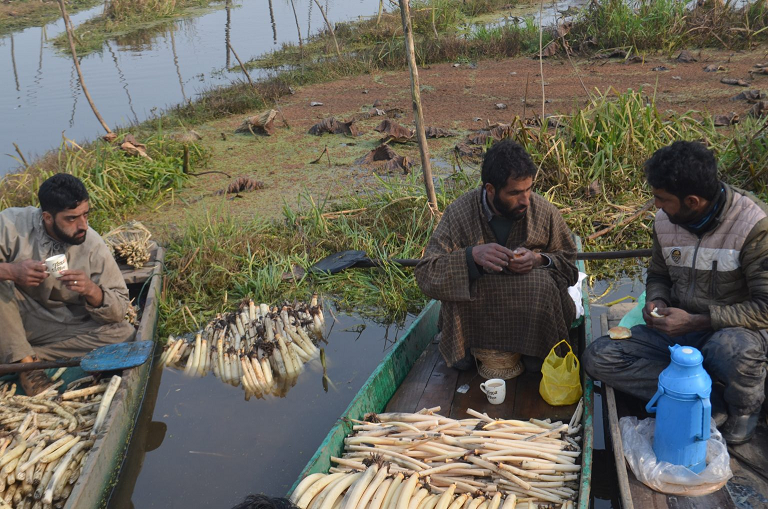
WWD 2024: Both Wetlands & Human Beings Remain Neglected
(Feature Image: Struggling for survival: The harrowing lives of Anchar Lake Nadru harvesters. The Nadru harvesters highlight the lack of safety measures, as they can only afford low-quality wetsuits. Haseeb Ibm Hameed/Greater Kashmir)
While the theme for World Wetlands Day (WWD) 2024 is Wetlands and Human beings, this compilation of top ten wetlands (other than Ramsar Wetlands) reports reveals that on ground most of the wetlands and dependent people in India continue to be subject of degradation and neglect primarily due to absence of holistic restoration plans and clearly defined wetlands governance. The first of the series covering the worrying condition of Ramsar Wetlands sites in the country can be seen here.
Continue reading “WWD 2024: Both Wetlands & Human Beings Remain Neglected”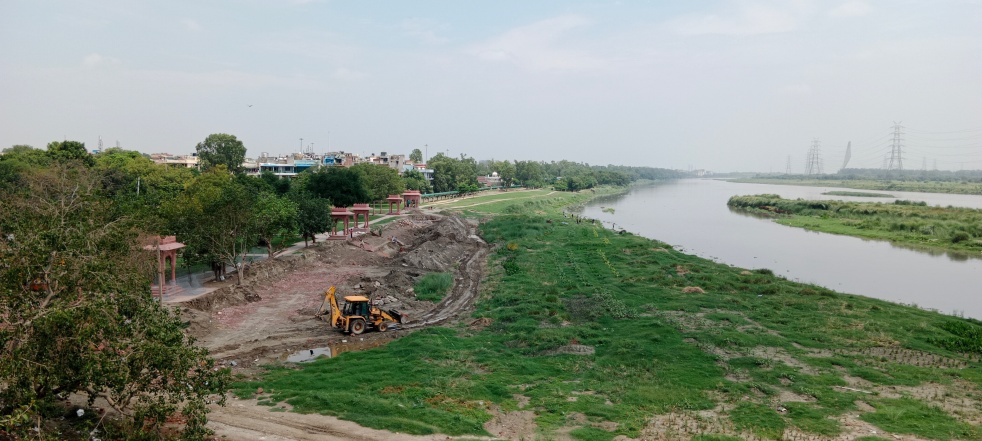
DRP 180923: Floodplain loss, the biggest in Asia, disaster in the making
(Feature Image: Ongoing ghat work along Yamuna at Qudsia ghat, ISBT Dellhi. SANDRP, June 2023)
A floodplain, according to the US Federal Emergency Management Agency, is “any land area susceptible to being inundated by floodwaters from any source”. According to the report “Human alterations of the global floodplains 1992–2019”, over 460,000 sqkms of floodplain area was lost to agriculture, while another 140,000 sqkms was redeveloped to new areas over the existing floodplain. Continent-wise, Asia lost the biggest area of floodplains — a little over 200,000 sqkms — among all the continents. It was followed by South America (92,000 sqkms) and Africa (73,000 sqkms).
Continue reading “DRP 180923: Floodplain loss, the biggest in Asia, disaster in the making”
DRP 170423:Forecast of Indian SW Monsoon & definition of normal monsoon
The India Meteorological Department (IMD) has on April 11, 2023 forecast that rainfall at national level in four months of June-Sept 2023 Southwest Monsoon will be 96% of Long Period Average (LPA). IMD considers Indian Monsoon rainfall as normal based on just one parameter of total rainfall in these four months at national level is between 96% and 104% of LPA, with model error of +/- 5%. This raises large number of questions as media has rightly raised post the IMD announcement.
Firstly, in a strange turn of events, on April 12, an update jointly by US weather agencies under the National Oceanic & Atmospheric Administration (NOAA), contradicted a number of assumptions of IMD the previous day, including the period when El Nino will become active and probability of it being a strong event, both of which have a strong bearing on the Indian Monsoon in an adverse way. So the first question that arises is, did the IMD not have the benefit of the observations on April 11 based on which NOAA made the forecast very next day? Or was it an attempt at providing an unjustified feel good monsoon forecast? This question arises as in the past too questions have been raised about such attempts by IMD. This question also becomes important as only a day or two before IMD’s forecast, private forecaster had predicted that monsoon rainfall is likely to be deficient and not normal.
Continue reading “DRP 170423:Forecast of Indian SW Monsoon & definition of normal monsoon”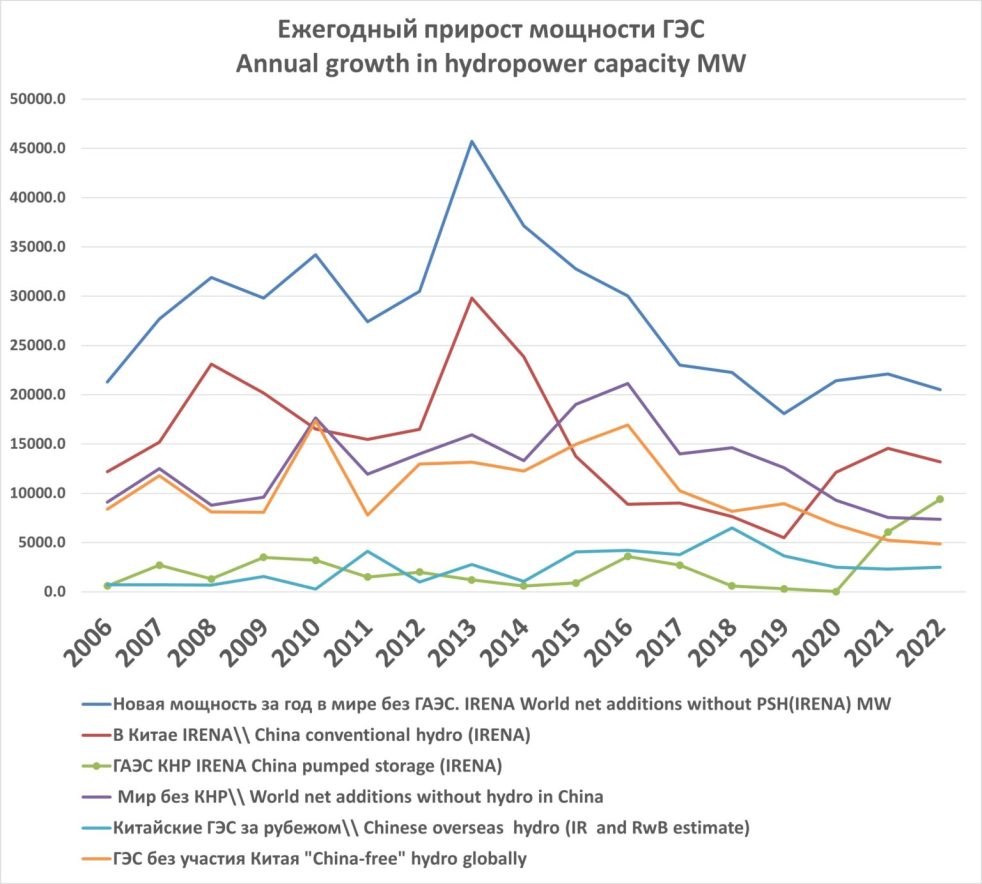
DRP 030423: IRENA confirms bleak future of Large Hydro globally
(Feature Image: Graph showing annual growth in hydro power capacity in MW. Source: Rivers Without Boundaries, April 01, 2023)
The annual Renewable Statistics 2023 report from IRENA (International Renewable Energy Agency) says that globally, only 1.6% was added to the hydropower capacity in 2022, that too two thirds in non-democratic China. The capacity added in rest of the world outside China in 2022 was 7.3 GW, lowest figure in last 15 years. Similarly 99% of additional capacity added in pump storage projects in 2022 was in China. The report from IRENA also says that 97% of hydropower finance comes from public or government sources and private sector seems to have little enthusiasm for this sector. The projections for future painted in the report is no better. This is broadly in line with our lead story in DRP News Bulletin last week (dated March 27 2023) painting bleak future of large hydropower projects.
Continue reading “DRP 030423: IRENA confirms bleak future of Large Hydro globally”
DRP 060223: Wetlands in India face damages, threats and Govt Apathy
(Feature Image:-Nayapakkam a lake near Chennai and a bird hotspot. 190 species have been recorded here and is a refuge for migratory harriers. https://ebird.org/hotspot/L3396760 Excavators were filling one end of the lake yesterday. Allegedly the ACS group is building an International school over it. M Yuvan, 05 Feb. 2023)
On the occasion of World Wetlands Day 2023 on Feb 2, 2023, SANDRP brought out five overviews about state of India’s wetlands. These included overview related to: 1. India’s Ramsar Wetlands 2. General overview of India’s wetlands 3. Top Ten stories about govt actions about wetlands 4. Top ten stories about judiciary actions about wetlands and 5. Positive stories about India’s wetlands. The links to the five overviews are available below.
The first thing that strikes from these overviews is that state of wetlands in India is bad, getting worse, they continue to face systemic neglect, damages, threats and govt apathy including Ramsar wetlands, which are supposed to have better protection than other wetlands, which is unfortunately not true. The nameplate of Ramsar wetland has now been given to 75 wetlands, but that provides no additional protection to them. in the name of information of Ramsar sites, there is only a combined interactive map apart from two separate pdf file links with location map and state wise listing Ramsar wetlands on Wetlands of India portal by MoEF&CC. The govt has neither prepared any concrete plan to address the threats nor has it developed credible monitoring mechanism which clearly shows it has no intention to improve the governance of these sites.
Continue reading “DRP 060223: Wetlands in India face damages, threats and Govt Apathy” SANDRP