
This annual overview tracks the minutes of meetings held by Expert Appraisal Committee (EAC) for River Valley and Hydropower Projects between 20 December 2023 and 31 December 2024 for consideration of Dams, Hydroelectric Power (HEP), Pumped Storage Hydro Projects (PSP) and Irrigation related proposals seeking Terms of Reference (TOR) and Environment Clearance (EC) approvals. The analysis also covers various water projects related proposals considered by the Forest Appraisal Committee (FAC) between 15 December 2023 and 26 December 2024 for Forest Clearances (FC).
Continue reading “EAC & FAC Decisions on Dams, Hydro, Irrigation Projects in 2024”Tag: SJVN
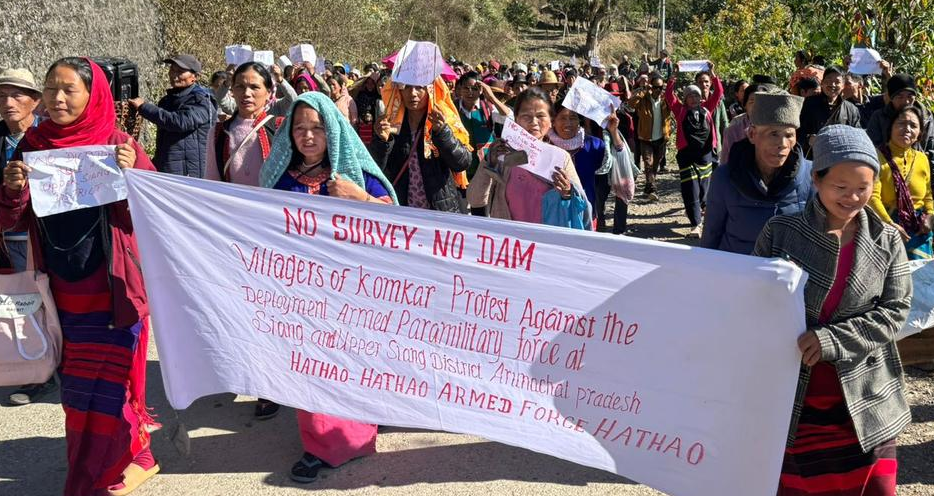
2024: People’s Resistance against Dam, Hydro Projects in Himalayan States
(Feature Image: Tribals in Siang river belt in Arunachal Pradesh demonstrating against a proposed mega hydropower dam. Photo Credit: Special Arrangement/The Hindu)
All through 2024, the vulnerable communities across Himalayan states have continued their resistance and struggles against proposed, under construction & damaged hydro and dam projects as can be seen in this yearend roundup.
The tribals in Siang valley have been urging Central and State govts to stop pushing the giant SUMP. In Teesta valley the GLOF, flood and landslide though have served as wake-up call, the planners seem to ignore the warnings. Facing adverse impacts, the native people in Manipur have resolved to stop further extension to Loktak lake HEP. In Nagaland, fearing damages, the villagers have made the future of Dikhu HEP uncertain.
Continue reading “2024: People’s Resistance against Dam, Hydro Projects in Himalayan States”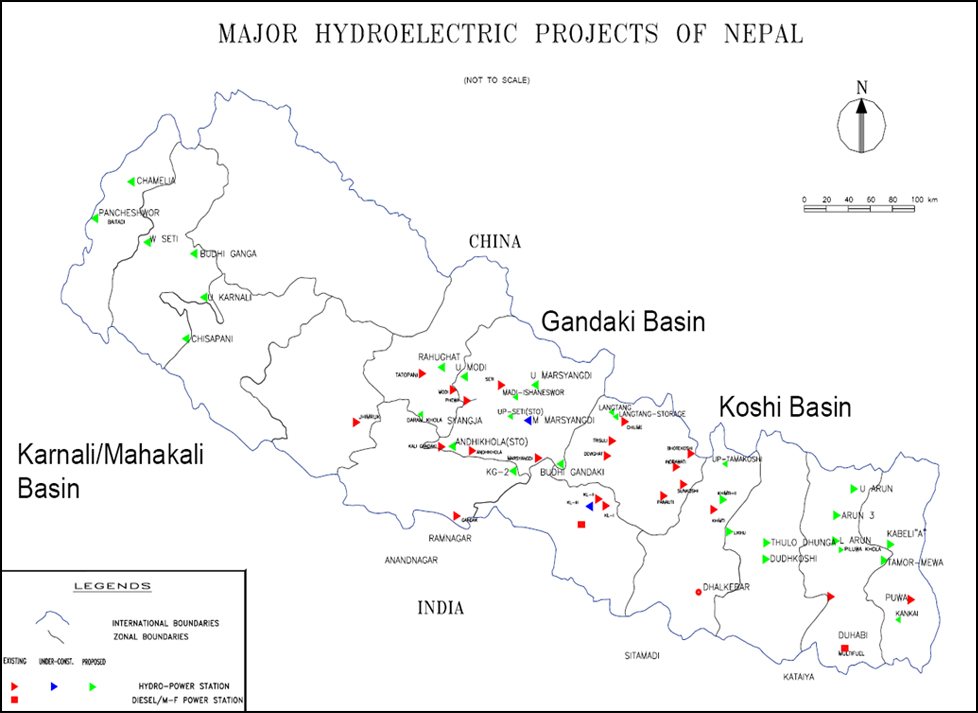
NEPAL DRP Overview 2019
RIVERS
China not to alter course of rivers flowing into Nepal China has agreed not to deliberately change or cause to change the course of any trans-boundary rivers flowing into Nepal. This comes under an Agreement on the Boundary Management System reached with Nepal during the visit of Chinese President Xi Jinping to Kathmandu in October 2019. All the major rivers including the Karnali, Kali Gandaki, Budhi Gandaki, Trishuli, Sunkoshi, Bhotekoshi, Tamakoshi and Arun originate in the Tibet Autonomous Region (TAR) of China. Nepal as well as the northern part of India could be seriously affected if any dams or diversion projects are built in upper riparian Tibet. “Both sides shall, as far as possible, prevent the boundary rivers from changing their courses. Neither side shall deliberately change or cause to change the course of any boundary river,” states Article 7 (1) of the Agreement. Continue reading “NEPAL DRP Overview 2019”

Bhutan Hydropower Developments in 2015
Above: Punatsanghchu River in Bhutan
Bhutan is the only country in the world that measures its development in terms of Gross National Happiness, which includes environmental conservation and preservation of culture[1]. However, Bhutan’s hydropower construction spree in the recent years has increased debt burden on the country. Concerns are emerging over Bhutan’s profligate spending on a single sector without bringing commensurate benefit to its citizens. Hydropower development in the country faces severe risk of climate change effects and has a huge social and ecological cost. But Bhutan continues to develop hydropower claiming that the revenues would fuel economic growth and the loans are self-liquidating. This review of hydropower developments in Bhutan during the year 2015 is based on media reports throughout the year and other publicly available information. Continue reading “Bhutan Hydropower Developments in 2015”

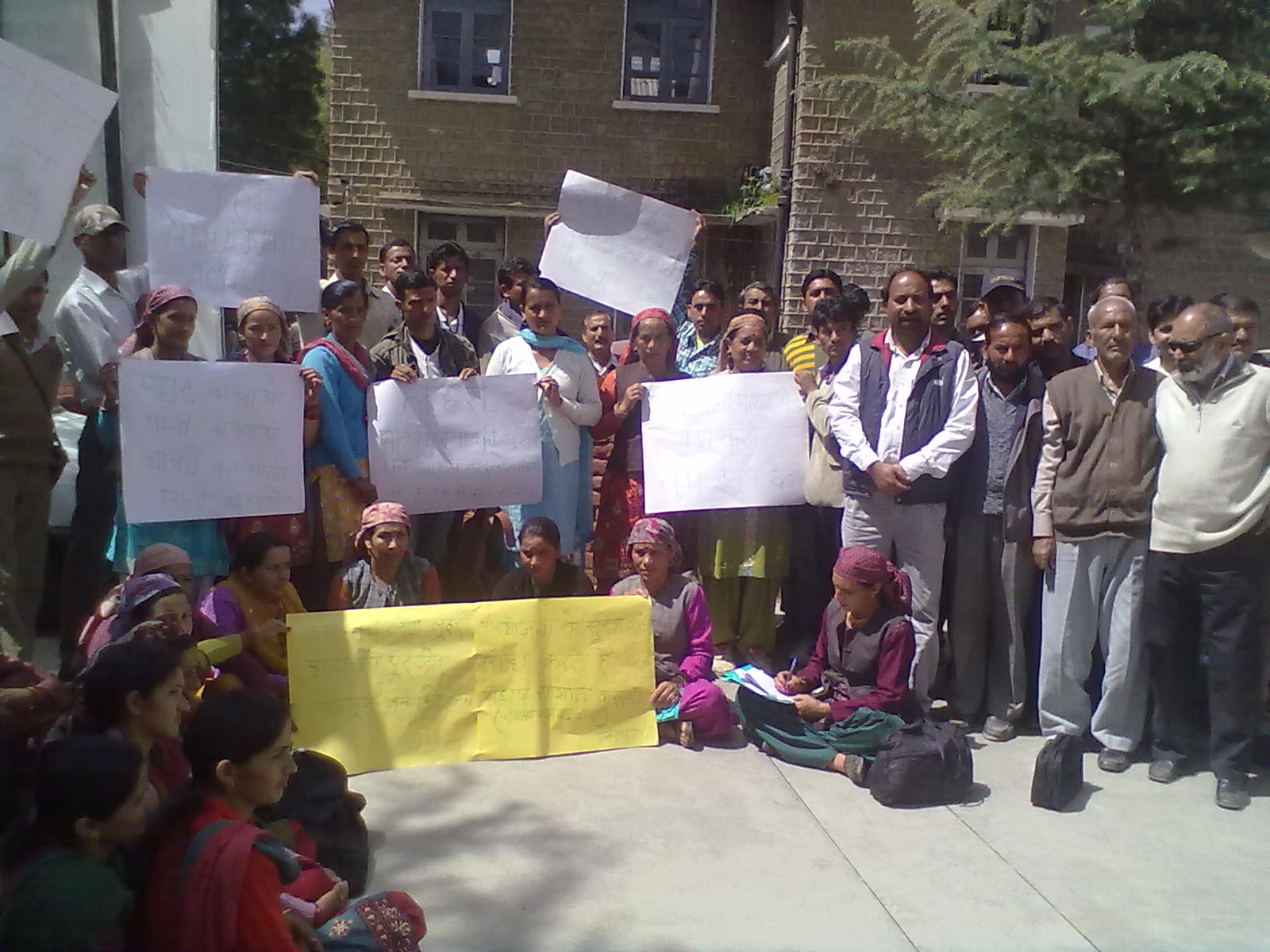
The World Bank drops funding USD 650 m for the LUHRI Hydro project! Victory for the Sutlej Bachao Jan Sangharsh Samiti
The World Bank has decided not to lend financial assistance to the massive Luhri Hydropower project on Sutlej River in Himachal Pradesh. The World Bank, which was to provide a huge USD 650 million to the $ 1150 million project, on its website now indicates[i] the status of the project as DROPPED. Environmental groups and local affected people under the banner of Sutlej Bachao Jan Sangharsh Samiti consider this is a major victory for the campaign to save the last remaining stretch of “free”[ii] flowing Sutlej River.
 SANDRP