DRP News Bulletin

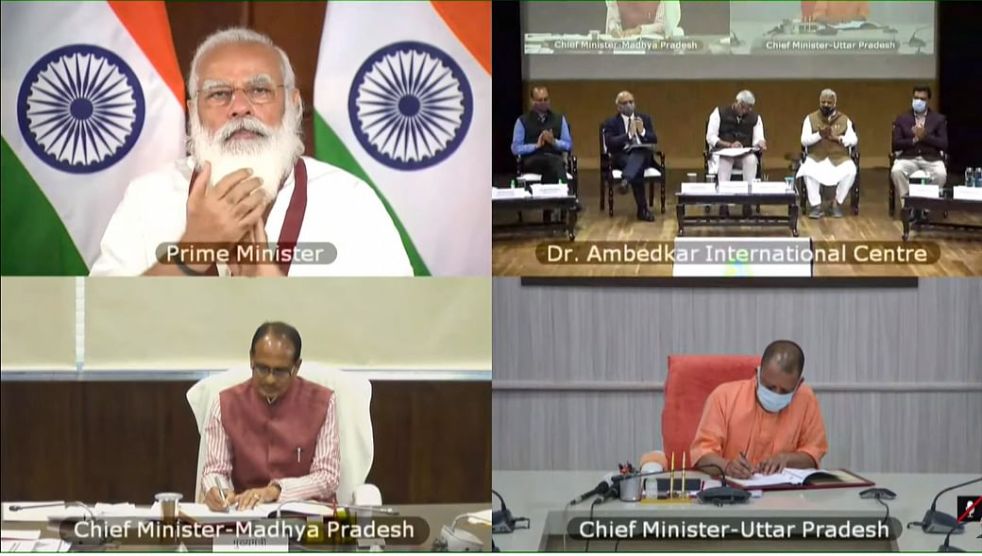
DRP 220321: PM presiding over proposal for destruction of 46 lakh trees, Bundelkhand & Panna Tiger Reserve on World Water Day?

There cannot possibly be any worse news on World Water Day for India than that the Prime Minister is presiding over the agreement between Uttar Pradesh and Madhya Pradesh Chief Ministers to destroy some 46 lakh trees, Panna Tiger Reserve, Ken River, Bundelkhand and also downstream Banda district. All to export water from Bundelkhand to Upper Betwa basin.  All this in the name of pushing the mindless project called Ken Betwa River Link Project. Why is the government pushing this destructive project, a Rs 38 000 Crore proposition? The answer to that question is in that question: it is a Rs 38 000 Cr proposition!

There is still some hope though for the people of Panna, Banda and Bundelkhand if there is any respect for the law of the land. This is because the project does not have final forest clearance and the conditions of the stage I forest clearances are not implementable. The Wild Clearance of the project is challenged by the Central Empowered Committee of the Supreme Court, following a petition. The Environment Clearance to the project has also been challenged before the National Green Tribunal. Let us hope there is sufficient respect for the law of the land, to ensure that the project does not go ahead even with the agreement signed. But a key propriety question arises is, should the prime minister endorse a project that does not have all the statutory clearances and legal challenge to whose clearances are before the judiciary?

But the prime minister’s advocacy for rainwater harvesting on the same also loses a lot of its credibility, seeing that he is presiding over this destruction that goes totally against the central message of harvesting rain where it falls, when it falls.

Continue reading “DRP 220321: PM presiding over proposal for destruction of 46 lakh trees, Bundelkhand & Panna Tiger Reserve on World Water Day?”
DRP News Bulletin

DRP 150321: MoEFCC & NMCG join March 14 celebrations on the Day of Action for Rivers

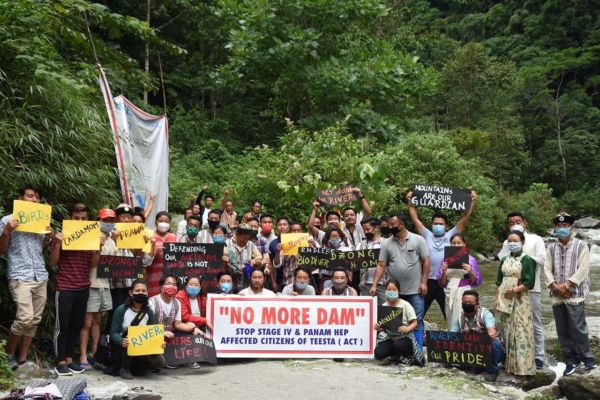
The International Day of Action Against Dams and For Rivers, Water and Life,  or in short, “International Day of Action for Rivers” as used now, was adopted by the participants of some 20 countrties, at the first International Meeting of People Affected by Dams in March 1997 in Curitiba Brazil. Representatives from 20 countries including India, USA, Brazil & other countries from Asia, Americas, Europe, Africa decided that the International Day of Action would take place on March 14. Thus, the celebration started from 1997. The aim on this International Day of Action for Rivers is to raise voices against destructive water development projects, reclaim the health of our watersheds, and demand the equitable and sustainable management of our rivers.

This year, among many other events happening on this day in South Asia, we have reported in this weekly bulletin, besides the blog from SANDRP highlighting the resistence against destructive hydro and dam projects in India in last one year, the online discussion by the Endangered Himalayas on “Extinct Rivers or free flowing rivers: The future of Himalayan Rivers”, Official launch of Right of Rivers South Asia Alliance and Pakistan Fisherfolk Forum’s 14-days long campaign Rights of the River and personhood rights to Indus River and Indus delta.

Continue reading “DRP 150321: MoEFCC & NMCG join March 14 celebrations on the Day of Action for Rivers”
Dams · DRP News Bulletin

DRP 220221: Case against NTPC for criminal negligence in Tapovan Project?

Consider these facts: The NTPC, the project developer, failed to appraise that the 520 MW Tapovan Vishnugad Hydropower project, where maximum damage and deaths occurred in Chamoli Avalanche disaster that started on Feb 7, 2021 morning, is in Paraglacial influence zone. Such an appraisal would have meant a number of implications, including possibly a decision that the project is geologically unviable.

NTPC failed to take any action to save the workers even after it was known upto 10-20 minutes before the disaster struck. Something that Mangshri Devi could do to save about 25 lives, NTPC could not do.

The project had faced several disasters since 2008, but fails to put in early warning system in place. For several days post disaster, reports say that NTPC failed to share even the detailed map of the tunnel where over 30 workers were stuck. NTPC’s disaster management system showed no signs of existence throughout the disaster. Reports say that the barrage gates were closed, which if they were open, it may have helped the flow of the flood debris downstream, which in turn could have possibly meant more time and saving of more lives.

Continue reading “DRP 220221: Case against NTPC for criminal negligence in Tapovan Project?”
Dams, Rivers & People

DRP 080221: Will NITI Aayog study the costs of overturning the Radhakrishnan Judgement on Uttarakhand?

NITI Aayog, we learn, has started studies of implications of the Supreme Court and NGT orders on environment issues. In the context of the massive Chamoli disaster now unfolding in Uttarakhand, NITI needs to urgently institute an inquiry as to who all are responsible for overturning the Justice Radhakrishnan led verdict of Aug 13, 2013 about the June 2013 Uttarakhand disaster and role of hydropower projects in the disaster and the costs of overturning that verdict. In fact if the Justice Radhakrishnan verdict were to have been sincerely and honestly implemented to its logical conclusion, the proportions of the current Chamoli disaster and others would have been majorly reduced. So the costs are no doubt huge and mounting. Will NITI Aayog institute such an independent inquiry urgently?

Continue reading “DRP 080221: Will NITI Aayog study the costs of overturning the Radhakrishnan Judgement on Uttarakhand?”
Urban Rivers

South India Urban Rivers Overview 2020

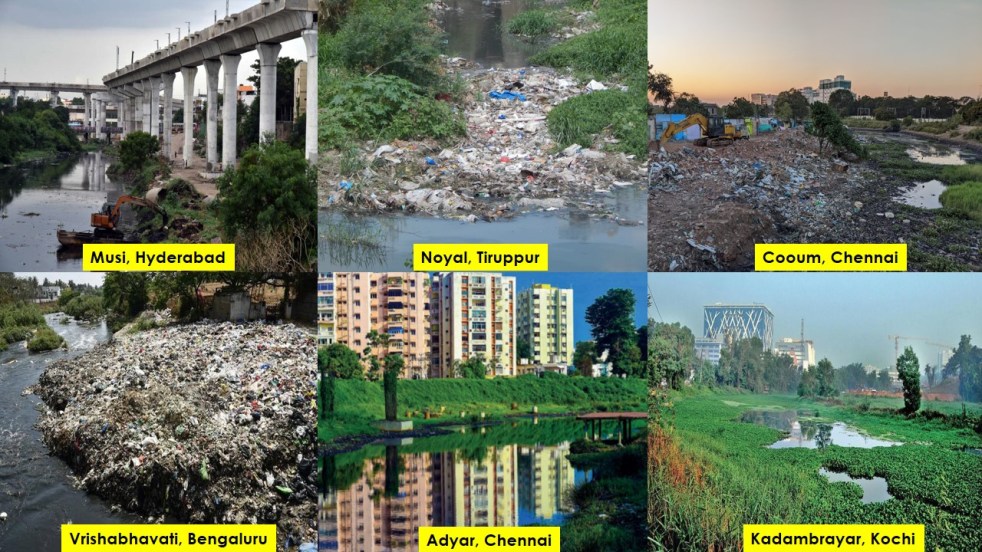
Urban rivers provide a lot of services, but the urban areas are inviting major trouble by destroying them through dumping of solid and liquid waste, encroachments, river front developments, unsustainable mining among others. The urban areas also operate in almost total policy vacuum and none of the cities under smart city programs are dealing with Urban rivers with any smartness.

This overview includes some key developments about Urban Rivers in 2020 from the South Indian states of Karnataka (Vrishabhavati in Bengaluru; Swarna-Netravati in Udupi), Tamil Nadu (Adyar, Buckingham Canal and Cooum rivers in Chennai; Kiruthumal in Madurai; Noyyal in Tiruppur; Bhavani in Coimbatore; Palar in Vellore; Vasishta in Salem), Telangana (Musi in Hyderabad), Andhra Pradesh (Tungabhadra in Kurnool), Kerala (Periyar, Kadambrayar & Konthuruthy in Kochi; Kodoor in Kottayam) and Puducherry (Sankarabarani).

Continue reading “South India Urban Rivers Overview 2020”
Dams

Gangetic dolphin deaths in 2020

More than a decade after Gangetic dolphins (platanista gangetica) was granted the status of national aquatic animal, the rare mammal species continue to face multiple threats impacting their habitat and population in Ganga rivers. Just in past one year, the year when the Prime Minister of India declared the Project Dolphin, six dolphins were found dead for unnatural reasons in three states along the Ganga. In addition to Gangetic, river dolphin were killed in three other states.

Continue reading “Gangetic dolphin deaths in 2020”
DRP News Bulletin

DRP 180121: Is there any hope for Yamuna from Delhi, SC actions?

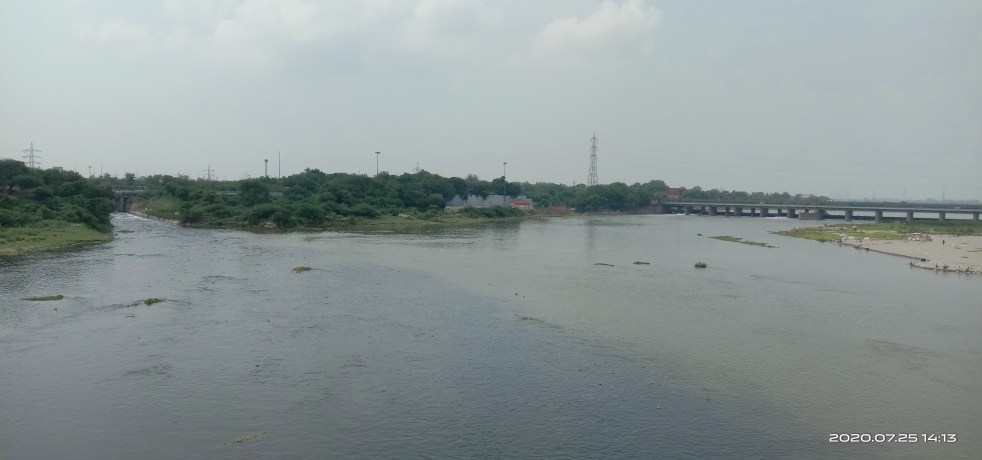
Yamuna is again in headlines in this week’s Bulletin. It carries the Nov 2020 announcement of Delhi Govt plan to clean river by 2023 and the action by the Supreme Court. There is nothing very convincing, path breaking or new in what the Delhi Govt has announced, such announcements keep coming every few years and then tend to be forgotten, to be renewed with announcement of new deadlines in this case. Unfortunately, the Supreme Court action is not particularly different. One only needs to remind the apex court and everyone else that in 1994, the SC had taken up Yamuna case suo moto. No impact on the river could be achieved till around 2017, when the SC decided to handover the case to NGT. It is not clear what exactly has prompted SC to take it up again, but the move does not inspire confidence considering the past track record.

We hope we are wrong and the Delhi Plans and the SC move does lead to better days for Yamuna. In the meantime, the Yamuna Monitoring Committee set up by the NGT is doing its role, but one wishes, their hands and plans as strengthened and pushed by the NGT, which does not seem to be the case currently.

Continue reading “DRP 180121: Is there any hope for Yamuna from Delhi, SC actions?”
Dams, Rivers & People · Nepal

Dams, Rivers & People overview of Nepal 2020

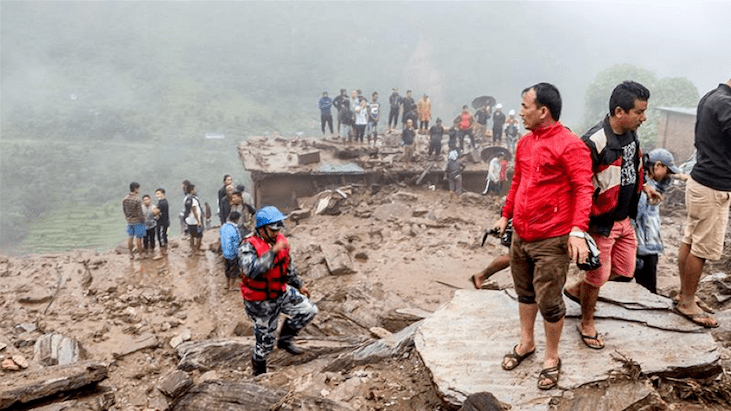
This report provides and overview of key developments in Nepal about Dams, Rivers, Environment and people in 2020, we had provided similar overview in 2019[i] too. We have divided the overview into these sections: Hydropower projects, Power Trade, Governance, River Sand Mining, Monsoon 2020 dominated by Landslide news, Climate Change, India-Nepal issues dominated by Pancheshwar and border dispute issues, Nepal China issues.

Continue reading “Dams, Rivers & People overview of Nepal 2020”
DRP News Bulletin

DRP NB 28 Dec. 2020: Five Positives of outgoing Corona year

The outgoing year 2020 is likely to be remembered as Corona year as Covid 19 pandemic has been the most influential aspect of the year. However, there have been many positives of the outgoing year. We identify five biggest positives as we see them.

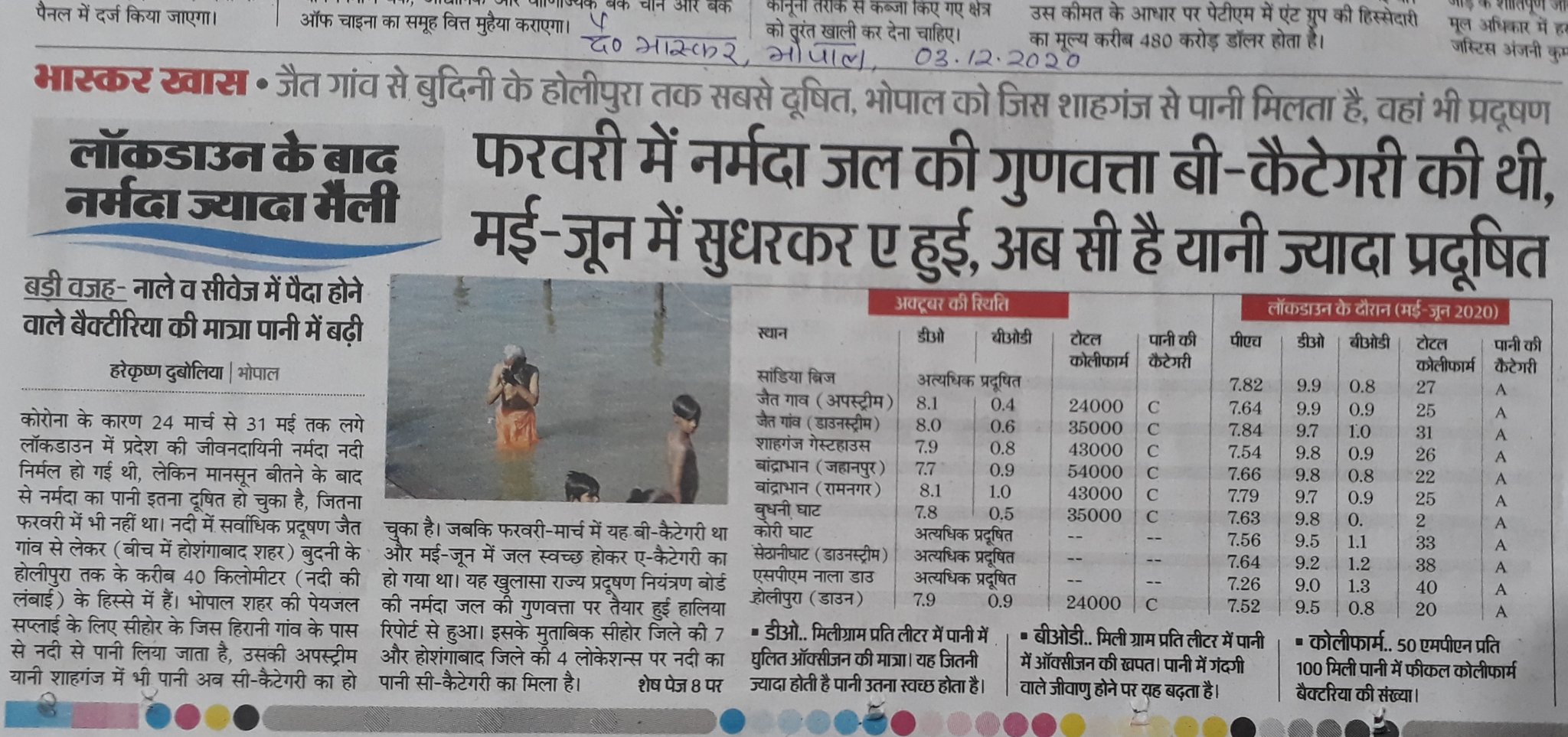
Firstly, the complete lockdown that we experienced during March-April 2020, to slow down the spread of the Covid 19 infection showed, among many other things that it is indeed possible to clean up our rivers and also indicated the way forward: tackle industrial pollution. Unfortunately, those clear lessons have not been learnt by the government, its been busy in ease of doing business, not even understanding that in changing climate, clean rivers are going to be a major resource that will help people adapt.

The second notable positive was the major across the country protests, particularly from the younger generation against the government’s attempt to bulldoze the completely anti- environment amendment to the EIA notification. The protests along with the judicial orders have so far stopped the amendment from getting implementation. The government will do well to abandon any attempt to push them.

Similar to the protests against amendments to EIA notification were the protests against trying to bulldoze the massive Etalin Hydropower project in Dibang Valley in Arunachal Pradesh, at the cost of lakhs of trees and biodiversity rich forest and river and against the wishes of the people of Arunachal Pradesh and North East India. Here again it was good to see that the campaign has so far been successful.

India Rivers Week 2020 organised Zonal and National dialogues on river sand mining in India, in which large number of groups and stakeholders from across the country participated and has created a new wave of awareness and energy on this very important but so far largely ignored issue. We are hopeful that this energy will lead to change in governance of river sand mining in India.

Continue reading “DRP NB 28 Dec. 2020: Five Positives of outgoing Corona year”
DRP News Bulletin

DRP Bulletin 21 Dec 2020: Morand Ganjal Dam opposed in Narmada Valley

Tribals of large number of villages from Seoni Malwa Tehsil of Hoshangabad district in Madhya Pradesh have been strongly opposing the Morand Ganjal dam for several years now, as they again came out in large numbers this week on Dec 17, 2020, also remembering their rally exactly a year ago on Dec 17, 2019. They has simple demand: plz first provide all the information about the project in Narmada Valley and get approval of all the involved villages as required under the law. But the arrogant administration has not even responded to basic demand of all the relevant information.

Under the Rs 2813 Cr project, dams are to be built on Morand river near Morghat village of Seoni Malwa tehsil and on Ganjal river near Jawardha village of Rahatgaon tehsil-Harda district with the objective of irrigating 4,617 ha of land in 28 villages of Hoshangabad, 17,678 ha in 62 villages of Harsud tehsil-district Khandwa, and 29,910 ha in 121 villages of Harda, Khirkiya, Sirali and Rahatgaon tehsils of Harda district. The project was approved in 2017. Some 23 villages and over 3000 ha of land is facing submergence, affecting Korku tribals in Hoshangabad, Harda and Betul districts, but there is no rehabilitation plan in place as per the Narmada Valley R&R policies.

Dams are no longer delivering promised benefits and the age of building dams is over. But the political economy of massive funds spent on a major project keeps driving the politicians and officials to keep pushing more projects. The least one can expect from the government is to provide all the relevant information to the affected people in manner and language they can understand, have public consultation and approval in each affected village in front of an independent panel. Without such due process pushing such dams are bound to raise more conflicts, confrontations and opposition.

Continue reading “DRP Bulletin 21 Dec 2020: Morand Ganjal Dam opposed in Narmada Valley”