Dams · DRP News Bulletin

DRP New Bulletin 28 August 2017 (Need for Policy on Equitable Sharing of River Flow)

Krishna River Water Sharing Dispute  The Andhra Pradesh government is contemplating a legal battle against the Maharashtra and Karnataka governments for denying the “rightful share” of Krishna river water to the state. 

As per DU Rao, Water Resources Minister, Andhra Pradesh, State Government is consulting legal experts to file either a special leave petition or public interest litigation in the Supreme Court against Maharashtra and Karnataka for withholding water in river Krishna and depriving the lower riparian state of its rightful share. The minister also said that upper riparian states are not releasing water even as a humanitarian gesture to meet drinking water needs.

The minister further stated that due to abundant rains, reservoirs on river Krishna in Maharashtra and Karnataka were filled to the brim. Both these states have a total of 275 tmc ft of water stored in their reservoirs, but they are not letting out even one tmc ft to lower riparian states like Telangana and Andhra and instead taking cover under tribunals, those states are fully utilising the water.

It will really be a good case if they draft it well. The Maharashtra and Karnataka parts of Krishna basin have stored 275 TMC of water and Maharashtra is also diverting water from Krishna basin to high rainfall Konkan area this monsoon, but not releasing any water to downstream Telangana and Andhra Pradesh. http://www.deccanchronicle.com/nation/current-affairs/220817/ap-mulls-moving-sc-against-maharashtra-karnataka-over-krishna-water.html

Continue reading “DRP New Bulletin 28 August 2017 (Need for Policy on Equitable Sharing of River Flow)”

Dams

Pancheshwar Dam’s Public Hearing: Neither People nor Environment were heard

The recently concluded Pancheshwar dam Environment Public Hearing (EPH) is classic example of how undemocratically EPH are conducted against the letter and spirit of EIA notification of Sept 2006. Umpteen violations were committed wilfully during three EPH on Pancheshwar Dam on 09, 11 and 17 August 2017 in Champawat, Pithoragarh and Almora district of Uttarakhand.

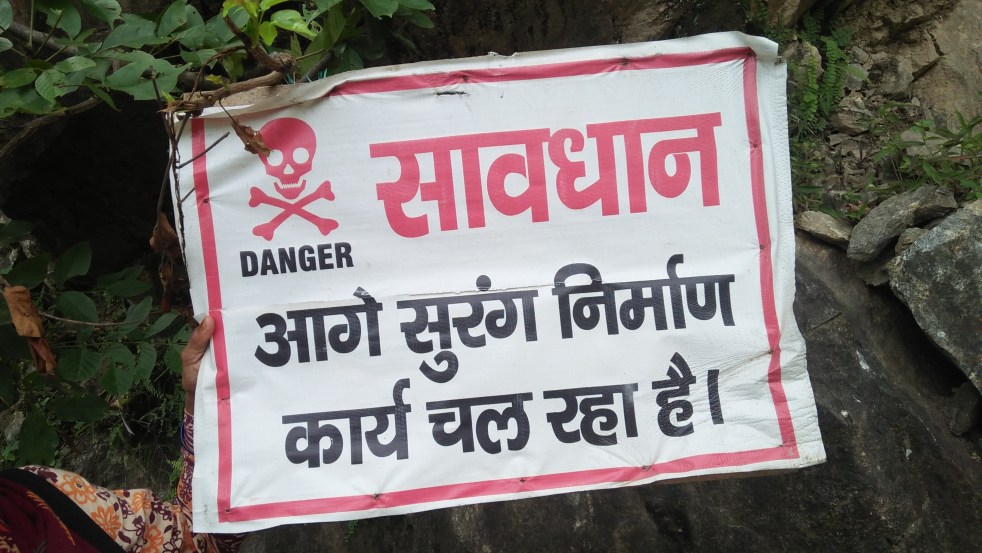
WHY EPHs IN MONSOON? In July 2017, the proposed Pancheshwar Dam Project planned on Kali river along the India-Nepal border invited sharp criticisms from local groups. Given the ongoing monsoon rain across the disaster prone hills, the people asked the concerned District Magistrates and Uttarakhand Environment Protection and Pollution Control Board (UEPPCB) for the rescheduling[I] the EPH. But overlooking genuine public concerns and incidents of cloud bursts and landslides causing flash floods and road blocks in the project affected districts the authorities went ahead with the EPH plans.  

Continue reading “Pancheshwar Dam’s Public Hearing: Neither People nor Environment were heard”

Dams

पंचेश्वर बॉध की अनुचित, अन्यायपूर्ण एवं गैरकानूनी पर्यावरण जनसुनवाई रद्द हो

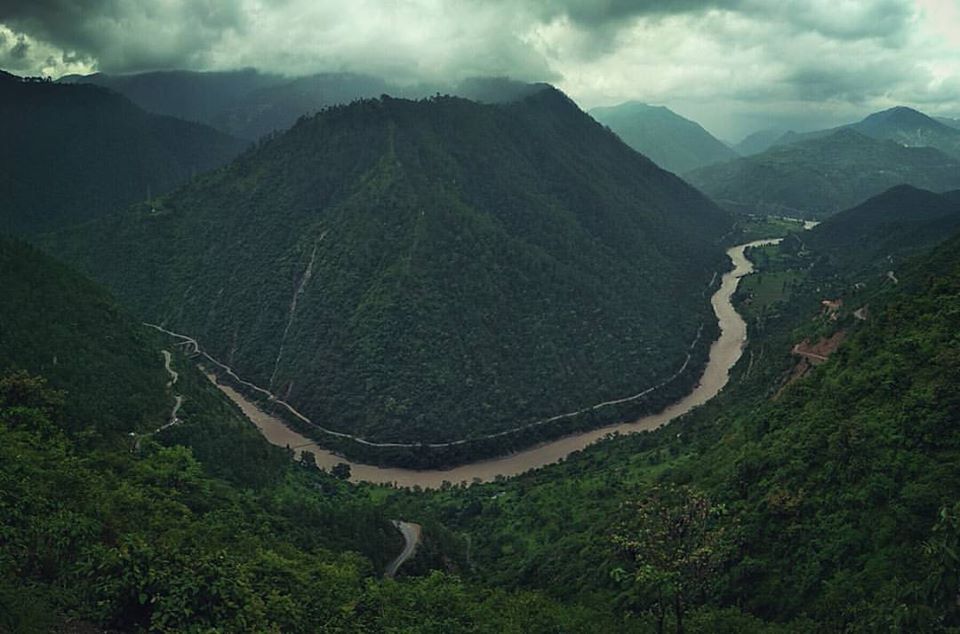
Featured Image: Saryu River winding through Pithoragarh by Sumit Mahar, HIMDHARA

This is Hindi version of SANDRP petition submitted to District Magistrate Almora, Pithoragarh and Regional Official, Environment Protection and Pollution Control Board, Uttarakhand pleading them to postpone the unfair and unjust public hearing of Pancheshwar Multipurpose Project on Mahakali River. The English version of same can be seen here https://sandrp.wordpress.com/2017/08/10/cancel-pancheshwar-dam-public-hearings-it-involves-too-many-violations-and-illegalities/

भीम सिंह रावत, सैनड्रप,

we4earth@gmail.comhttps://sandrp.wordpress.com/

पंचेश्वर बॉध पर्यावरण जनसुनवाई, 

अल्मोडा, उत्तराखण्ड, 17 अगस्त 2017 

सेवा में, 

अध्यक्ष पंचेश्वर बॉध पर्यावरण जनसुनवाई, 

एवं जिलाधिकारी, अल्मोडा उत्तराखण्ड

dm-alm-ua@nic.in

  
अध्यक्ष क्षेत्रीय कार्यालय प्रभारी

उत्तराखण्ड पर्यावरण सुरक्षा एवं प्रदूषण निंयत्रण बोर्ड देहरादून, 

dkjoshi21@yahoo.com

आदरणीय पंचेश्वर बॉध पर्यावरण जनसुनवाई अधिकारिक सदस्य दल,  

आज पंचेश्वर बॉध परियोजना की अल्मोडा जिले में तय तीसरी एवं अंतिम पर्यावरण जनसुनवाई, पूरी तरह से पर्यावरण प्रभाव आकलन Environment Impact Assessment (EIA) राजपत्र 2006 के नियमों के विपरीत है। अतः इस जनसुनवाई को निरस्त कर, प्रभावित गॉववासियों से समोचित चर्चा के बाद, भविष्य में यथोचित स्थान पर जनसुनवाई कि जानी चाहिए। 

इस जनसुनवाई को निरस्त करने के अनेक कारणों में से कुछ मूल कारणों को निम्नांकित किया जा रहा है।  Continue reading “पंचेश्वर बॉध की अनुचित, अन्यायपूर्ण एवं गैरकानूनी पर्यावरण जनसुनवाई रद्द हो”

Dams · DRP News Bulletin

DRP News Bulletin 07 August 2017 (MANIPUR GOVT DEMANDS DECOMMISSIONING OF LOKTAK DAM & HYDROPOWER PROJECT)

In an interesting development, Biren Singh the Chief Minister of Manipur on August 01, 2017, has urged Prime Minister Narendra Modi to have a review of the Loktak Dam (Ithai barrage) and Hydropower Project, leading to decommissioning to the dam.  https://thenortheasttoday.com/manipur-cm-biren-singh-apprises-pm-modi-of-worst-man-made-ecological-disasters-faced-by-state/  

Mentioning that Ithai barrage has become the main cause of frequent flood in the State, the CM has also demanded Prime Minister to figure out a permanent solution to the frequent floods in the state. Stating that Manipur is facing one of the worst man made ecological disasters and the floods have severely affected the socio-economic life of the people, the CM asserted that the Ithai barrage should be removed so that natural course of water could be maintained. . He mentioned that at present, the state is having sufficient power resources from other sources.  http://www.easternmirrornagaland.com/modi-urged-to-review-manipurs-loktak-project-ithai-barrage/

Before this, on July 27, in a very significant statement, M. Asnikumar, the vice chairman of Manipur Infrastructure Development Agency (MIDA) and also the state vice president of BJP Manipur has said that the Loktak Hydro Electric Project and Ithai dam have been disastrous projects and they must be decommissioned. The people of Manipur can live better without the Loktak Project. But we cannot develop without the Loktak. The statement Ithai dam has been the main reason for flash flood in an around the Loktak lake.  http://www.ifp.co.in/item/2247-time-to-decommission-loktak-hydro-electric-project

Since the commissioning of Ithai Barrage in 1983, there have been disastrous flash floods in and around the lake. These floods have severely affected the socio-economic life of the people of Manipur. Since the construction and commissioning of this dam, there have been drastic overnight changes in the hydrological path of Loktak that have in turn adversely affected the environment and socio-economic condition of the people of Manipur, Loktak dwellers being the most affected.

Continue reading “DRP News Bulletin 07 August 2017 (MANIPUR GOVT DEMANDS DECOMMISSIONING OF LOKTAK DAM & HYDROPOWER PROJECT)”

Dams · DRP News Bulletin

DRP News Bulletin 31 July 2017 (Dams Turning Floods into Disasters, Yet We Continue to Push More & Bigger Dams)  

All through the month, several states in the country have been battling severe flood situation. The Northeastern (Arunachal Pradesh, Assam), Western (Rajasthan Gujurat), Central (Madhya Pradesh, Uttar Pradesh) and Eastern (Bihar, Odisha, West Bengal) regions have been particularly affected by floods following incessant rain.

Till July 28, 2017, 293 people have succumbed to flood related accidents. As per govt sources, the economic cost of flood damages has reached 53894.634 lakh.  http://www.ndmindia.nic.in/flood-2017/floodsJuly-2017.htm

Superficially water deluge seems a natural disaster occurring on annual basis. But a closer observation of flood monitoring mechanisms and scores of media reports reveal that most of the flood crisis is man-made and dams have been playing a bigger role in creating a disaster out of a natural phenomenon.

So far there have been more than a dozen reported incidents across country where breaching of aged or unmaintained dams have led to inundation of human habitation. On July 06, 2017 breaching of Shiv Sagar dam was such an incident causing severe floods in several villages in Mirzapur district, Uttar Pradesh. http://amritprabhat.com/mirzapur-mirzapur-floods-with-heavy-rain-dozens-of-houses-and-five-people-of-the-same-family-found-dead-body-of-two-shivsagar-dam-broke/

Similarly, there is information from reliable sources proving that the wrong operation of dams end up creating flood situation in downstream areas which were already facing heavy rains. The devastating floods in Lakhimpur Assam around July 09, 2017, were a result of release of huge amount of water from Ranganadi dam in Arunachal Pradesh. https://scroll.in/article/844509/severity-of-assam-floods-heightens-old-fears-about-dams-in-the-brahmaputra-basin

In one more similar and latest incident, untimely release of water by Damodar Valley Corporation (DVC), Jharkhand resulted in flood disaster in Birbhum, Purulia, West Medinipur and Hoogly districts. As per West Bengal Govt the DVC officials discharged the around 2 lakhs cusec of water on 25 July 2017, from many dams built on Damodar river without intimating it.  https://scroll.in/latest/845268/mamata-banerjee-blames-west-bengal-floods-on-centre-run-damodar-valley-corporation  

The third dimension in the flood tragedy is the fact that responsible authorities like Central Water Commission (CWC), concerned state department have failed to issue timely warning in so many incidences which could have otherwise been avoided or mitigated. There are also reports suggesting that there was no prior forecast and warning for ongoing floods in Gujarat and Rajasthan.

Similarly there have been dozens of incidents in different parts where flood situation has been either caused or aggravated by faulty dam operation, breach in dams and lack of timely warning by responsible authorities.

The breach in Jaitpura dam and over spilling of Jawai dam in Jalor Rajasthan has inundated several villages. http://indiatoday.intoday.in/story/jawai-dam-pali-disrict-floods-rajasthan-heavy-rains-rescue-operations-ndrf-food-material/1/1012924.html The breach in Narmada canal has led to floods in Badmer districts. http://timesofindia.indiatimes.com/city/jaipur/narmada-canal-damaged/articleshow/59762317.cms

The sudden discharge from Seepu dam on West Banas River, Dharoi dam on Sabarmati river has created severe flooding in downstream districts killing many villagers. http://indianexpress.com/article/india/aerial-survey-of-banas-river-to-be-undertaken-as-death-toll-in-gujarat-floods-touch-111-4768335/ , http://timesofindia.indiatimes.com/city/vadodara/gujarat-sabarmati-waters-flood-anand-villages/articleshow/59786379.cms  

Further, the latest Comptroller and Auditor General (CAG) latest report only goes on reinforcing all these issues. The shocking report tells us that out of 4,862 large dams, emergency action plans or disaster management plans of only 349 (seven per cent) large dams had been prepared till March 2016. http://www.newindianexpress.com/nation/2017/jul/22/huge-delay-in-completion-of-flood-control-projects-in-country-cag-1632017.html

In a similar development another CAG report has put onus on Hirakud dam officials for 2011 floods. http://www.newindianexpress.com/states/odisha/2017/jul/23/cag-puts-onus-on-hirakud-officials-for-2011-flood-1632412.html 

The CAG has also presented scathing indictment of India’s CWC’s shoddy flood forecasting system. https://www.dailypioneer.com/todays-newspaper/indias-flood-forecast-capability-a-washout-cag.html

The efficiency of flood monitoring can be judged from the fact that Irrigation Department Uttar Pradesh still relies on blade runners to convey flood information in the digital era. http://timesofindia.indiatimes.com/city/varanasi/in-e-age-runners-alert-officials-about-flash-floods/articleshow/59676066.cms

The DAM FLOOD sanction of this update is full of such reports proving that dams have turning the floods into disasters.

Continue reading “DRP News Bulletin 31 July 2017 (Dams Turning Floods into Disasters, Yet We Continue to Push More & Bigger Dams)  “

Dams · DRP News Bulletin

DRP News Bulletin 24 July 2017 (Pancheshwar Dam Public Hearing Needs To Be Postponed)

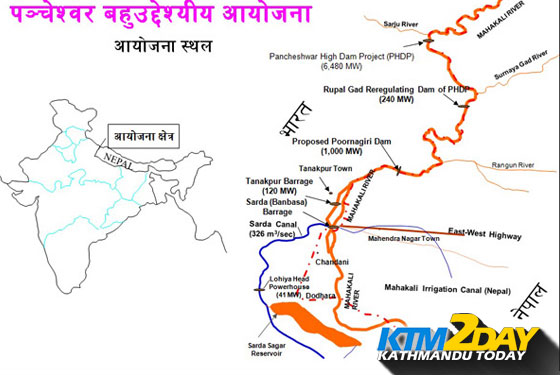
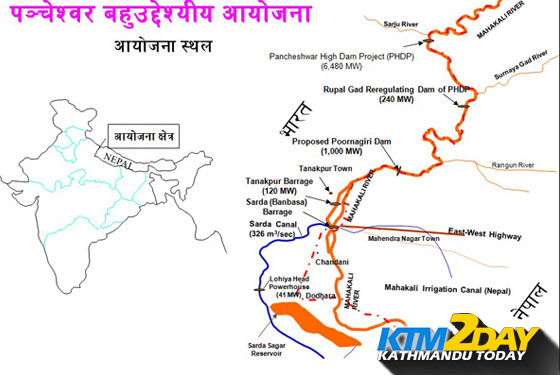
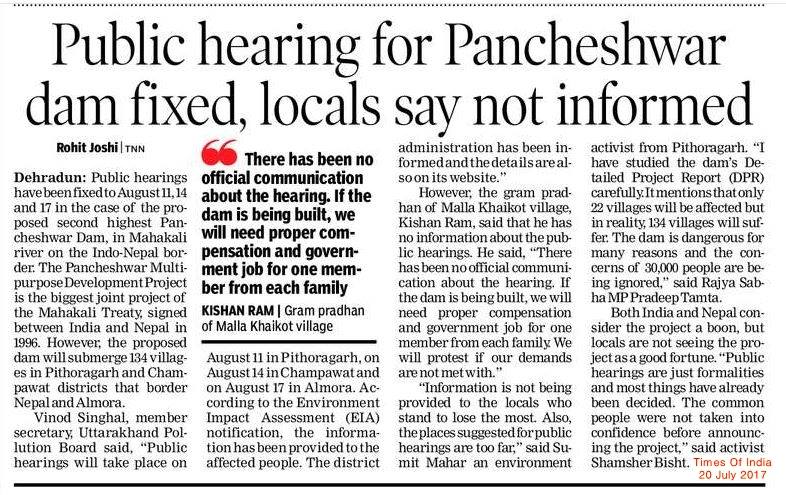
In the middle of monsoon season, authorities have fixed August 7, 11 and 17 as public hearing dates for the Pancheshwar Dam project, a giant dam on Mahakali river at India Nepal border. The proposed dam will submerge 134 villages in Pithoragarh, Champawat and Almora districts. http://www.tribuneindia.com/news/uttarakhand/public-hearing-dates-for-land-fixed/437736.html

The public hearing is happening, when media news reports have widely revealed that villagers have not been informed properly. Many to be affected villagers have even said that they have no information regarding the public hearing. http://timesofindia.indiatimes.com/city/dehradun/ngo-seeks-postpone-of-pancheshwar-dam-hearing/articleshow/59727412.cms  Social media reports, too have disclosed that the state govt has disseminated no relevant information regarding Pancheshwar dam public hearing. https://www.facebook.com/pg/dev1bhoomi/posts/?ref=page_internal

The Environment Impact Assessment (EIA) of the project is incomplete and not shared with villagers in affected area in local language. On the contrary the environment ministry has waived off the requirement of a joint mechanism to assess its environmental impact. https://www.masterbuilder.co.in/india-nepal-pancheshwar-project-assessment-guidelines-now-eased/

The public hearing place is far away from the dam site making the public hearing site unreachable for many concerned villagers. It is worth to mention that its monsoon season, the region in landslide affected, several roads are blocked and it’s not possible for the most of the concerned villagers to reach the hearing venue.
20139587_1969050769787030_8371146017204709374_n.jpg

Local people, regional parties, individuals and civil societies groups have been raising concerns on the disastrous impact of second highest dam project of the world.  http://timesofindia.indiatimes.com/city/dehradun/pancheshwar-dam-spells-doom-for-locals-of-130-villages-who-fear-tehri-re-run/articleshow/57561939.cms

Experts’ demand of postponing the meaningless is right. In a democratic system, the concerned authorities must hear the public voices. It is their responsibilities to share all the relevant information in public domain beforehand, conduct the public hearing in each and every dam affected districts instead of just one place. The present weather conditions are not favorable for the public hearing at all and it must be postponed. http://matuganga.blogspot.com/2017/07/23-8-2017.html

Its also beyond understanding that why such a unviable, high impact, risky project is being pushed in a seismically active region is a multi billion rupee question. http://www.firstpost.com/india/pancheswar-dam-uttarakhand-makes-steady-progress-project-to-generate-employment-power-irrigation-3837837.html

HYDRO POWER

Himachal Pradesh Lahaul-Spiti people condemn Jispa dam, demand eco tourism During a public hearing held on July 17, 2017, regarding 300 mw Jispa hydro project, local people of Jispa village have severely criticized the project making it clear that they would not allow the project. Agitated people also forced the officials to leave the meeting without any outcome. It is worth to mention that since 2009, people of Todh valley in Lahaul-Spiti district are opposing the Jispa Dam project proposed over Bhaga river, a tributary of Chenab, at Jispa village. http://timesofindia.indiatimes.com/city/shimla/jispa-dam-locals-demand-eco-tourism-not-hydel-project/articleshow/59665492.cms

As per, Rigzin Samphel Hayerpa, Convener of Jispa Baandh Jan Sangarsh Samiti (JBJSS), hundreds of residents of the affected villages had made it clear to the officials that they would not allow the valley to be ruined in the name of development. He added that merely on the ground that the project was of national importance, destruction of fragile ecology could not be allowed.

Zila parishad member from Kwaring Chhime Lhamo said the state government wanted to construct the dam against the wishes of the local people. She said that from the start the people were against the project but the government was not scrapping it. She also said that development at the cost of destruction cannot be allowed. http://timesofindia.indiatimes.com/city/shimla/meeting-over-jispa-dam-yields-no-result/articleshow/59657026.cms

National There is very interesting discussion with Union Power Minister, which clearly shows that Hydro is no longer viable even with all the additional subsidies the govt is considering.  https://www.youtube.com/watch?v=YaGujdFCwCA&sns=em

Continue reading “DRP News Bulletin 24 July 2017 (Pancheshwar Dam Public Hearing Needs To Be Postponed)”

DRP News Bulletin

DRP News Bulletin 26 June 2017 (Why India should not push Pancheshwar Project in Nepal)

India should not push Pancheshwar Project in Nepal DIPAK GYAWALI asks a lot of pertinent questions here, including this one about PANCHESHWAR DAM: “Did it (India) not ram the Mahakali Treaty down Nepali throats in 1996 against all sane voices of caution and then has been unable to move an inch forward in all these two decades since then? As per the agreement, Nepal was to have received additional irrigation benefits from Tanakpur from an outlet with a sill level built maliciously high: Nepal has already spent billions building canals and distribution structures on its side but not only is there no movement on the Indian side, rather the latest Mughlani communication has been that you Nepalis can build all the canals you want on your side but we will do nothing until after the 6480 MW Pancheshwar high dam is built (when, in the next century?).” Continue reading “DRP News Bulletin 26 June 2017 (Why India should not push Pancheshwar Project in Nepal)”

Dams · DRP News Bulletin

DRP News Bulletin 12 June 2017 (Rain Bearing Clouds Thinning Out Over India: IMD Study)

A recent IMD study has found that rain-bearing clouds have been thinning out across the country over the last 50 years. The study, published in the IMD journal Mausam, shows that between 1960 and 2010, annual mean low cloud cover (responsible for the bulk of the rainfall) over India has been decreasing by 0.45% per decade on an average.

According to the study, the number of rainy days is also declining during the monsoon season at an average rate of 0.23 days for every decade. This means that the country has lost approximately one rainy day over the last five decades. The study found that while the number of rainy days is decreasing, there is not much change in the total amount of rainfall. This shows a trend towards shorter, heavier bursts of rain.

That is bad news, because heavier raindrops can dislodge wheat and rice grains from their stalks while on the farm. It also means rainwater flows down a slope that much faster instead of percolating underground.

Meanwhile, a new NASA study has warned  the amount of rainfall in the Earth’s tropical regions will significantly increase as the planet continues to warm. As per study rainfall is not related just to the clouds that are available to make rain but also to Earth’s “energy budget” — incoming energy from the Sun compared to outgoing heat energy. High-altitude tropical clouds trap heat in the atmosphere. If there are fewer of these clouds in the future, the tropical atmosphere will cool.

Continue reading “DRP News Bulletin 12 June 2017 (Rain Bearing Clouds Thinning Out Over India: IMD Study)”

Dams · DRP News Bulletin

DRP News Bulletin 02 Jan 2017 (Corruption in Nepal’s Hydro Power Projects)

The latest report of Transparency International reveals that lack of dependable hydrological data, authentic study, action plans giving dual meaning, lack of transparency in the power purchase agreement and a failure to increase the risk-bearing capacity among power developers have remained major hindrances towards the development of hydropower sector in Nepal.

As per the report, the irregularities start from the stages of project selection and identification and this tendency further flourished in the period of a survey and the project implementation, the report states, highlighting a responsible role from the government level to control this practice.

The report also points out that environment standard violations, inadequate compensation in regard to land acquisition, false claims, unreasonable local demands, unwarranted contract variations, bias in selection of top officials like board members and CEOs during the construction, procurement, and implementation phases are working as a catalyst to bring the hydro sector under the grip of corruption.

Continue reading “DRP News Bulletin 02 Jan 2017 (Corruption in Nepal’s Hydro Power Projects)”