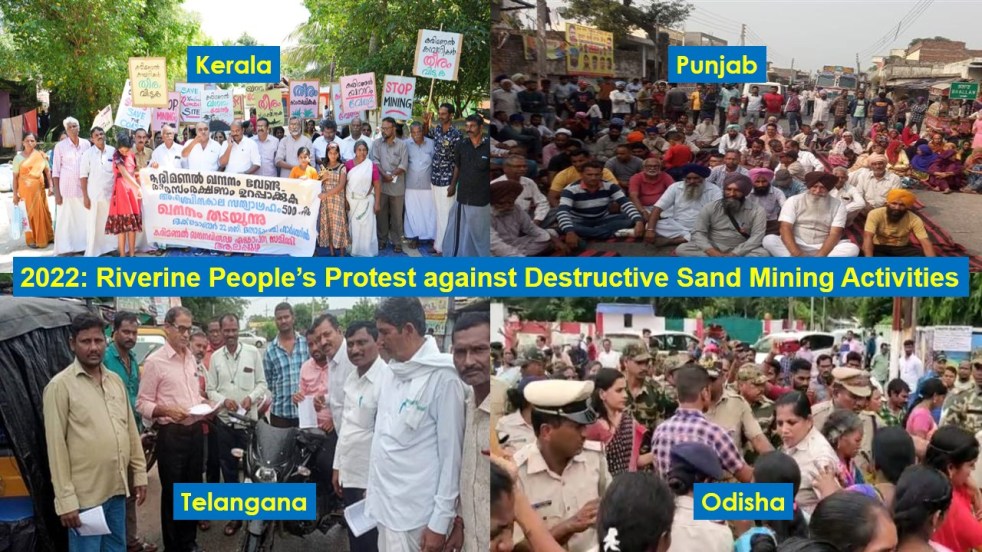
The rampant riverbed mining in India have reached the alarming stage where the adverse impacts on river’s eco-system, river based environmental services including fishing, groundwater recharge, potable and irrigational water supply schemes have started affecting the riverine communities in multiple ways. Given the poor track records of responsible agencies in addressing their plight, the dependent, affected and concerned people have been left with no option but to resist. Like in past years, there have been several incidents of riverine people strongly opposing the destructive mining practices in many states in 2022. This overview compiles some such incidents which we could track. The first part of the overview highlighting the adverse impacts of riverbed mining on river eco-system and freshwater species can be seen here.
Continue reading “2022: Riverine People’s Protest against Destructive Sand Mining Activities”Tag: Neugal
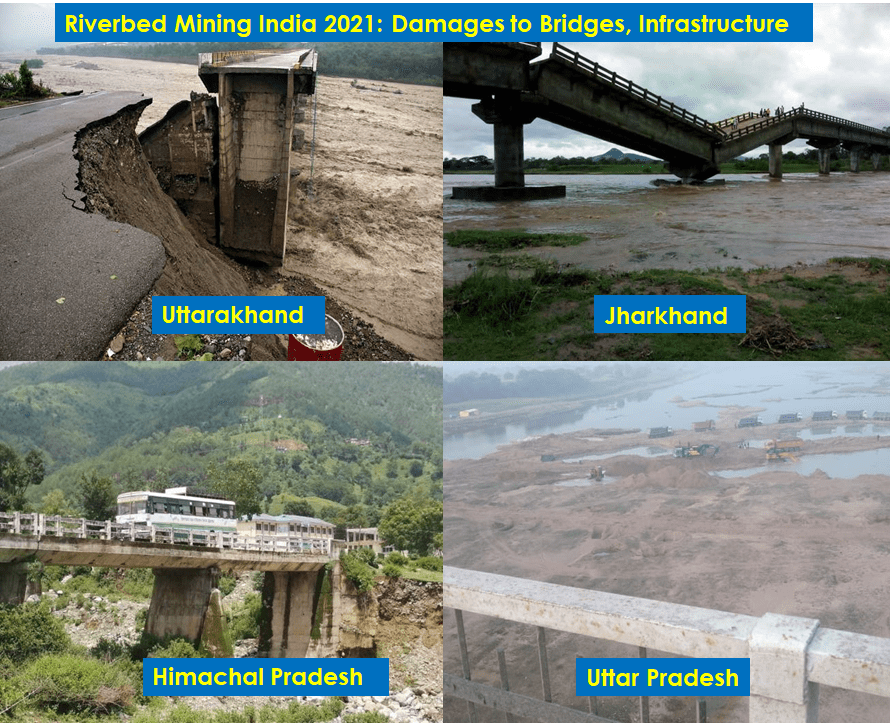
Riverbed Mining India 2021: 2 Bridges Collapsed, 23 Threatened
Riverbed mining activities in India has not only been affecting river ecology, geo-morphology in multiple adverse ways but also leading to collapse of crucial infrastructures along rivers. This includes dams, barrages, bridges, drinking water projects, embankments etc. In 2021, there have been several of such incidents particularly damaging or threatening the bridges across the country most of which we have tried to compile here.
Continue reading “Riverbed Mining India 2021: 2 Bridges Collapsed, 23 Threatened”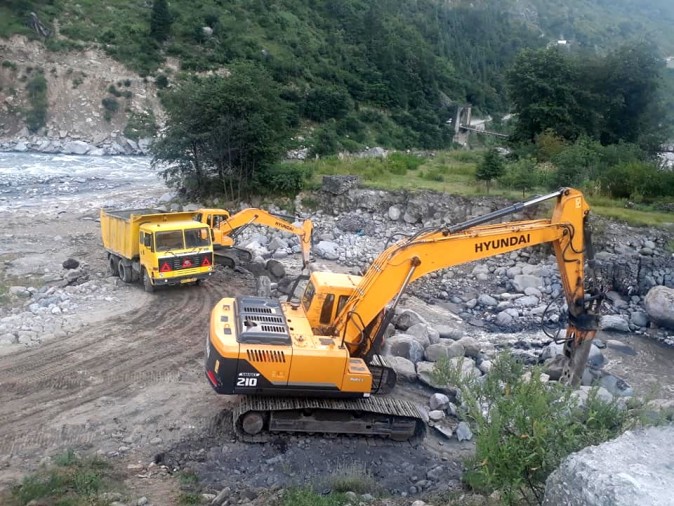
Himachal Pradesh sand mining 2020: No Replenishment study, district foundation
Himachal Pradesh is a hilly state where large scale, mechanized mining of riverbed minerals has been going on for past many years. The damaging impacts on rivers, streams and dependent communities are evident and on the rise. However the state government has failed to bring any change in the scenario as can be seen in this overview covering the related developments during 2019-20.
Continue reading “Himachal Pradesh sand mining 2020: No Replenishment study, district foundation”
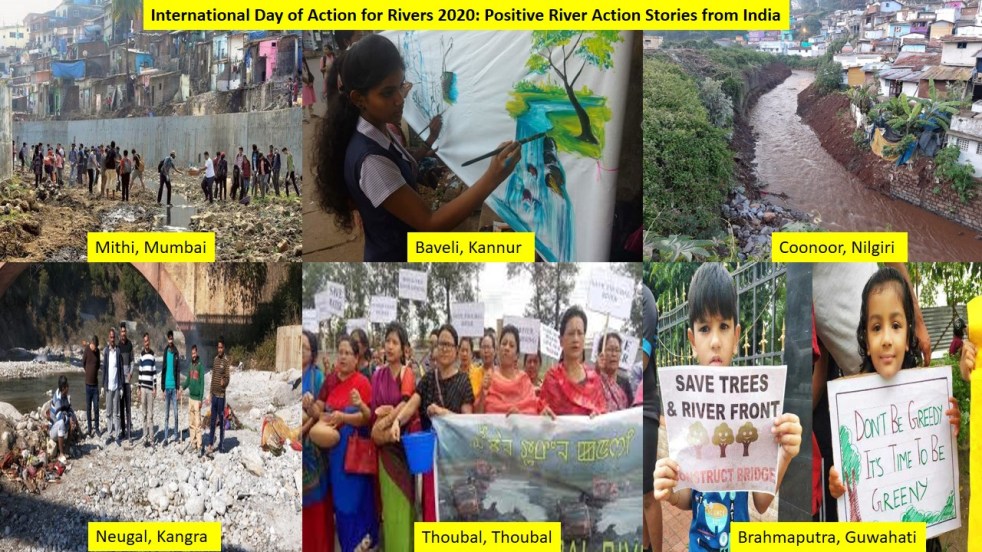
International Day of Action for Rivers 2020: Positive River Stories from India
On the occasion of International day of action for rivers which is annually celebrated on March 14, SANDRP put together some positive citizens and community led actions taken in last one year to protect and revive the rivers in different parts of India.
Continue reading “International Day of Action for Rivers 2020: Positive River Stories from India”

Himachal Pradesh Rivers Profile
About Himachal Pradesh
5 river basins; Total Area: 55,000 square kms.; Total Population: 68.65 lakhs; Total Catchment Area of 5 rivers; Total Catchment Area: 53311 sq.kms
Himachal is a relatively small state and in 2011 its population stood at 68.65 lakhs. It is only 9% urbanised and most of Himachal lives in its villages. Of the total land geographical area only 10% is under agriculture while close to 70% in under the category of ‘Forest land’. And yet agriculture is the main source of livelihood in Himachal with over 93% of the population dependent on it. As in most mountain areas agriculture and forest dependence is interwoven.
Agriculture is made possible due to the irrigation from river channels or natural springs. The health of the forests directly determines the health of the surface and ground water systems which in turn determines the viability of agriculture and horticulture. Horticulture and cash based agriculture was pushed by the government in the late 70s and 80s. Today the state has massive apple cultivation, apart from commercial vegetable cultivation, which is an important source of income for the farmers.
 SANDRP