Chenab · Climate Change · Floods · Hydropower

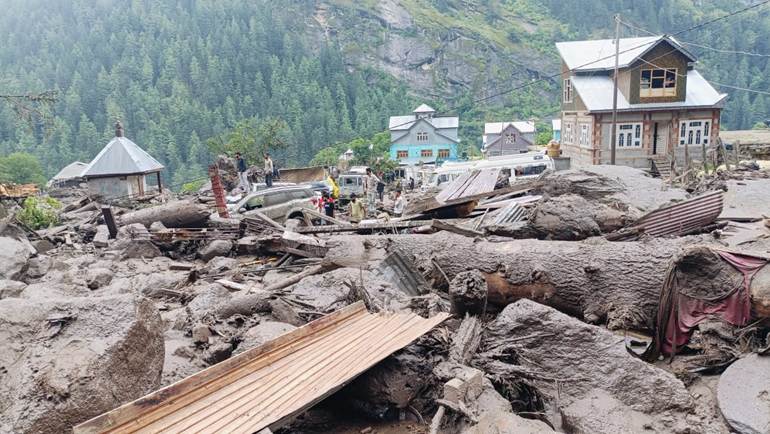
Devastation at Chasoti: Underlining the vulnerability of Chenab Basin again

Last October, we were about 15 kms from Chasoti in the Paddar valley of Jammu when we met Dular Singh jee, Priest of Machail Mata Temple, accompanied by other members of the Temple Management Board. They were on their way to Mindhal Mata Temple also on the banks of Chenab in the neighboring Pangi Valley. Theirs was a journey upstream and ours was downstream. We talked of Chenab, floods, Mindhal and Machail Mata Yatra (pilgrimage) and beautifully carved wooden temples of this region.

And today, Dular Singh jee, who is just 3kms from Chasoti, tells me in voice choked with emotion, “I have not seen such a catastrophic flashflood in my life.” The flood that started around 12 noon on Aug 14 2025, devastating Machail Mata yatra and pilgrims at Chasoti. “Mata Rani sabki raksha kare”. (May the deity protect all). He is also worried about villages like “Hangu, Hanoti, Hamori and Bhajanu Nalla”.

Continue reading “Devastation at Chasoti: Underlining the vulnerability of Chenab Basin again”
Agriculture · Chenab · Fish Sanctuaries · Groundwater · Hydropower · Indus

The Moon River: People’s Story of Chenab

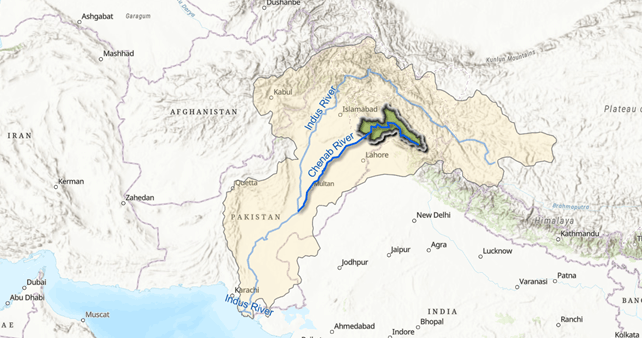
Chenab, which translates as the Moon River is the largest of the five tributaries of River Indus. It flows for about 974 kilometers from the High Himalayas of Lahaul to the forests of Jammu and Kashmir and onto the plains of Pakistan. Its main tributaries in India include Miyar, Marusudhar and Tawi. In the vast plains of Punjab in Pakistan, it is met by Jhelum, Ravi and Sutlej to form the mighty Panjnad before it meets the Indus. Its catchment, spread across 67,430 km2, is shared between the two countries.

Chenab is Chandrabhaga (Crescent Moon) in its headwaters. It was the River Asikni in Rigveda, and the Acesines for the ancient Greek. From sparse mountain settlements of Lahaul to the bustling urban centers of Sialkot, more than 10 million people live and prosper along the Chenab. Hydropower projects operational and under constructions on the river have an installed capacity of more than 5000 MW (Central Electricity Authority 2024), and its canals irrigate hundreds of thousands of acres in Pakistan and India (Shakir et al).

Continue reading “The Moon River: People’s Story of Chenab”
Cloud Burst

Monsoon 2021: Cloud bursts in Jammu & Kashmir and Ladakh

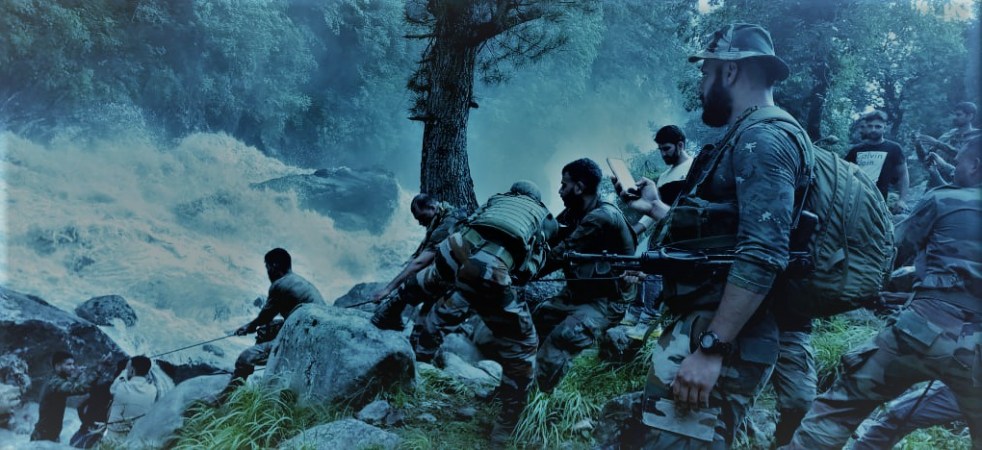
(Feature image:- Local people, army personnel carrying rescue work at Honzar, Kishtwar after davastating cloud burst on July 28. Image source: Social Media)

The increasing incidents of cloud bursts in Himalayan states have been proving significant disaster for lives and livelihoods of native people, rivers and environment of the states. Since 2018, SANDRP has been compiling reports on these extreme weather events to analysis the frequencies and impacts. After documenting cloud bursts reports in pre[i] and during[ii] monsoon season in Uttarakhand and in Himachal Pradesh[iii], this is fourth and last report of this series in 2021, this one from Jammu and Kashmir (J&K) and Ladakh Union Territories (UT). We have not come across any such incidents reported in North Eastern states this year.  

Continue reading “Monsoon 2021: Cloud bursts in Jammu & Kashmir and Ladakh”