
Marking World Fisheries Day (WFD) 2025, we present some of important studies and reports highlighting the growing threats over freshwater fish species in India and across the globe. The multi-taxon global freshwater fauna assessment for The IUCN Red List of Threatened Species published this year is among most concerning report revealing looming extinction threats over 24% of freshwater fauna worldwide. This includes the hump-backed mahseer, subterranean snakehead and peninsular hill trout found in rivers and waterbodies of Western Ghats.
Continue reading “WFD 2025: Important Studies, Reports on Freshwater Fish Species, Habitats”Tag: IUCN
World Fisheries Day 2024: Important Studies, Reports on River Fish, Fisherfolks
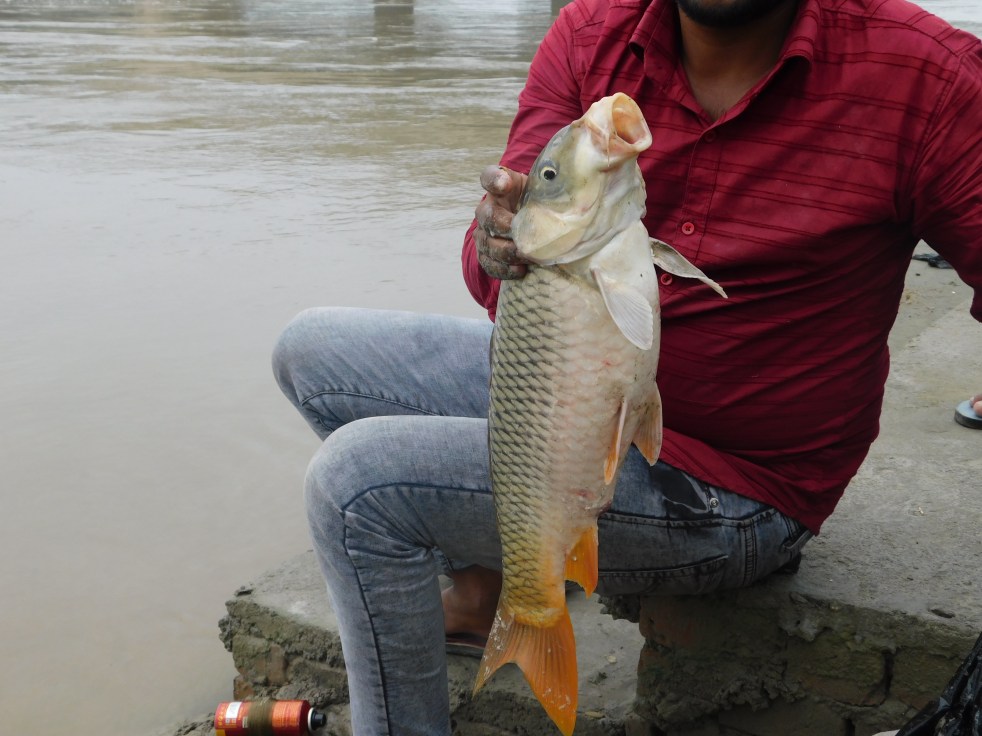
(Feature Image: Prized catch of a fishman at Yamuna bank in Kairana, UP in Sept 2024)
During past one year, there have been several new studies and reports published amplifying the adverse effects of developmental projects including dams, waterways, river interlinking, invasive fish species, degradation of rivers and climate change on river fish and fisherfolks in India. In the last part of the annul overview on the World Fisheries Day on Nov 21 2024, we focus on these important studies and reports highlighting the threats and challenges on freshwater fish and fisherfolks.
Continue reading “World Fisheries Day 2024: Important Studies, Reports on River Fish, Fisherfolks”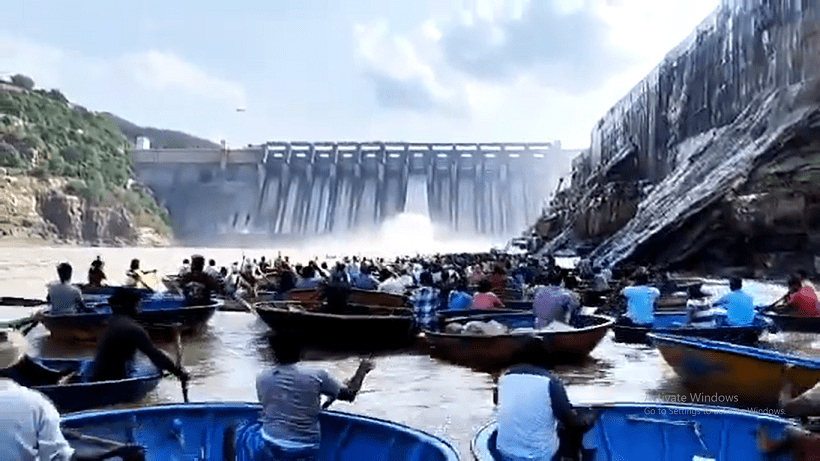
World Fisheries Day 2024: Top Ten Positive Fisheries Reports from India
(Fature Image: Telangana fishermen fishing downstream Srisailam project after closing of dam gates in Aug 2024. Source: Social Media)
On the occasion of World Fisheries Day 2024 which is celebrated on November 21 annually, we compile top ten positive developments during the last one year on the issues of fish, fisheries and fisherfolks from India.
Continue reading “World Fisheries Day 2024: Top Ten Positive Fisheries Reports from India”
2024: Dams, Mining, Construction Damaging Gangetic Dolphin Habitats
(Feature Image: Dolphin corpse found along Ganga in Sahibganj, Jharkhand in Feb. 2024. Image source: ETV Bharat)
Despite declaring Gangetic Dolphin a National Aquatic Animal in May 2010, launching of Project Dolphin in August 2020 and recognizing October 05 as National Dolphin Day since 2022, the key species indicating river health continues to face unnatural deaths and threats from various developmental activities. This overview highlights the incidents of suspicious death of precious mammal and looming threats on its habitat along with some noteworthy steps being taken by conservationists and governments to protect the endangered species.
Continue reading “2024: Dams, Mining, Construction Damaging Gangetic Dolphin Habitats”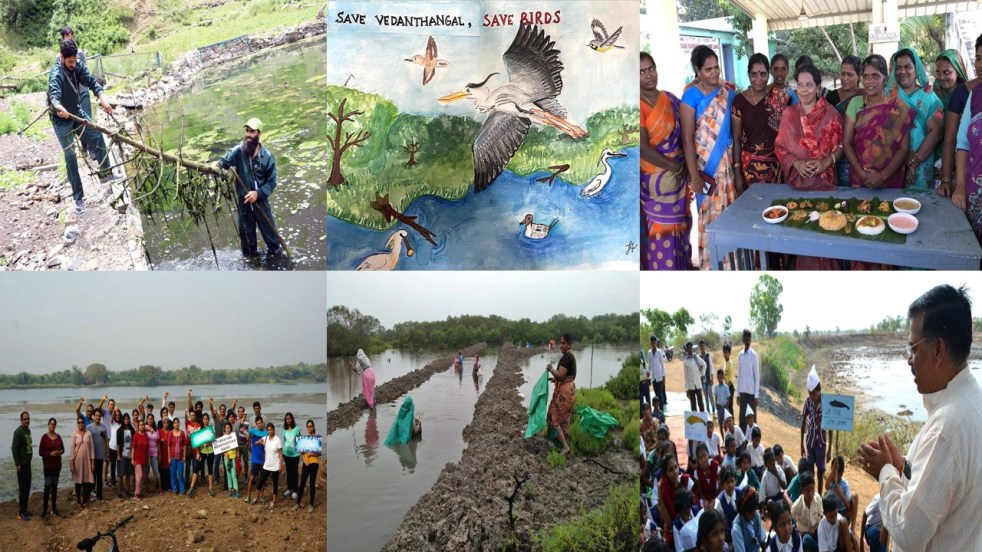
Wetlands 2020: Positive Developments
Pondicherry Collector led the revival of over 300 waterbodies The then District Collector and present Secretary to the Chief Minister, A. Vikranth Raja, stepped in with the idea of digging into revenue records to locate the region’s traditional water bodies. It all started with a query raised at the meeting. When someone asked if Karaikal had the capacity to store 7 tmcft of river water allotted by the Cauvery Water Disputes Tribunal, “the response from officials was an emphatic no,” says Selvaganesh, Assistant, District Collectorate of Karaikal.
In June 2019, in the tiny coastal enclave of Karaikal, administration officers brainstormed about putting in place a sustainable water resource management model for the town’s two lakh people. They found 549 ponds within a small territory spread over 157 sq. km. 40% of these water bodies were in various stages of extinction. Most of them turned out to be dumping yards.
Continue reading “Wetlands 2020: Positive Developments”
DRP: 31 Dec 2018: China Built Ecuador Dam, Advt For What Dam Can Do To River, Environment, Nation & Future
Best Advertisement of What Dam Building can do. Great Expose by NYT: “The dam sits under the glare of an active volcano, with columns of ash spewing toward the sky. Officials had warned against the dam for decades. Geologists said an earthquake could wipe it away. Now, only two years after opening, thousands of cracks are splintering the dam’s machinery. Its reservoir is clogged with silt, sand and trees.
South India Wetlands Review 2017: Wetlands Critical in Changing Climate
KERALA WETLANDS REVIEW 2017
State wetlands face multiple threats In March 2017, a book titled “Biodiversity Richness of Kerala” revealed that riverine ecosystem of Kerala were subjected to human pressures in form of deforestation, land use change, construction of dams, roads, encroachments and mining affecting water holding capacity of the catchments and leading to drying up the rivers and wetlands. Kerala constituted only 1.18 per cent of India’s geographical area but it accommodated 25.69 per cent of the flowering plants in the country. In 2004, Kerala had around 328,402 hectare of wetlands which over the years had fallen to 160,590 hectare dramatic 49 per cent decrease. http://www.business-standard.com/article/news-ians/kerala-wetlands-face-multiple-threats-says-book-117030200590_1.html (Business Standard, 2 March 2017)
Mining posing threat to mangrove forests In Feb. 2017, the district environment committee of the Kerala Sastra Sahithya Parishad alleged that the mineral sand-mining activity carried out by the public-sector Indian Rare Earths along Vellanathurutu in Alapad panchayat was causing widespread damage to the naturally growing mangrove forests in the area. Calling for immediate ban on mining activity the committee complained that a destructive mechanical process was being applied in the area instead of applying the more eco-friendly beach washing method of mining. According to committee the activity had already destroyed over 2 ha of mangrove forests at estuary where the Pallikkal River met the sea. At least 12 mangrove species, some of them threatened or endangered, were growing in the region. http://www.thehindu.com/todays-paper/tp-national/tp-kerala/Mineral-sand-mining-posing-threat-to-mangrove-forests/article17281729.ece (The Hindu, 10 Feb. 2017)

Continue reading “South India Wetlands Review 2017: Wetlands Critical in Changing Climate”
West India Wetlands Review 2017: No Protection Here
GUJARAT WETLANDS DEVELOPMENTS 2017
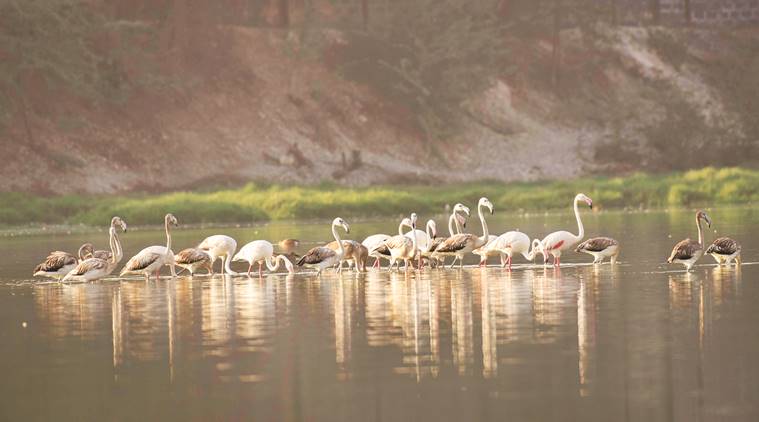
Gosabara wetland declared IBA In March 2017 during a two days workshop, The Bombay Natural History Society (BNHS) declared 96 sq km coastal wetland area of Gosabara-Mokarsagar in Porbandar, as Important Bird Area (IBA) site. There are around 544 IBAs in India and 18 in Gujarat. As per experts though IBA does not have any legal status, it helps environmentalists to raise alarm if the site faces any threats and press for its conservation. In 2001, Salim Ali Centre for Ornithology (SACON) conducted a country-wide survey for important ‘Inland Wetlands of India’ and Gosabara-Mokarsagar wetland was one the 50 important wetlands of the country. https://timesofindia.indiatimes.com/city/rajkot/gosabara-wetland-now-a-bnhs-iba-site/articleshow/57453811.cms (The Times of India, 4 March 2017)
Continue reading “West India Wetlands Review 2017: No Protection Here”
Impacts of Ganga Waterways Plan on its ecology and the people
Guest Blog by Debadityo Sinha
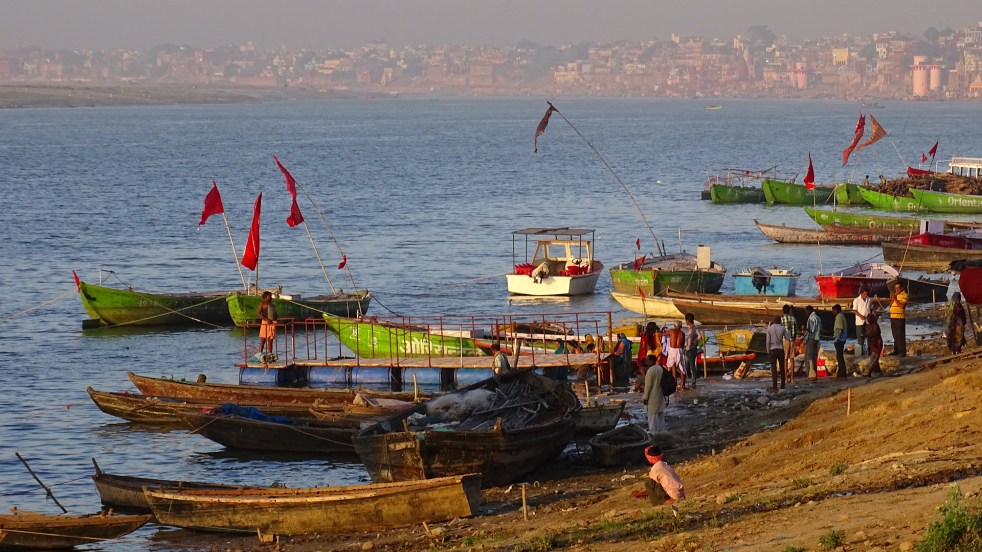
It has been two years since the Union Minister for Shipping and Transport, Mr. Nitin Gadkari, announced the Government’s ambitious plan to revive the National Waterways-1 (Ganga Waterway) between Haldia and Allahabad, justifying it on the grounds that India’s waterway potential remains highly underutilized, although six times cheaper than road transport. In a letter dated 18th June, 2014 forwarded by Mr. Gadkari to the Finance Minister, Mr. Arun Jaitley, a proposal for financial assistance to four navigational barrages was also made.
Continue reading “Impacts of Ganga Waterways Plan on its ecology and the people”
 SANDRP