CentreEAC defers clearance to Yadadri Power project The Expert Appraisal Committee (EAC) under the Ministry of Environment has deferred its decision for granting environmental clearance for the 8,000 MW Yadadri Thermal Power Station in Telangana by TSGENCO due to a “lackadaisical” approach in preparing documentation. The EAC said the Environmental Impact Assessment (EIA) report was incomplete and there was lack of clarity on many issues raised by the Committee earlier. EAC on Thermal Power Companies has in its minutes meeting held on 29-30 2016 held the EIA consultants guilty of cut & paste jobswhich can be found here. At some places, it is mentioned that coal will be transported from two ports and in some other places, four ports are mentioned. Hence, complete and specific details regarding coal import ports and coal transportation routes were not given. Further it is also observed that two important sections of the EIA report- “risk assessment” and “disaster management plan”- are almost entirely generic and contain hardly any site or project specific aspects.
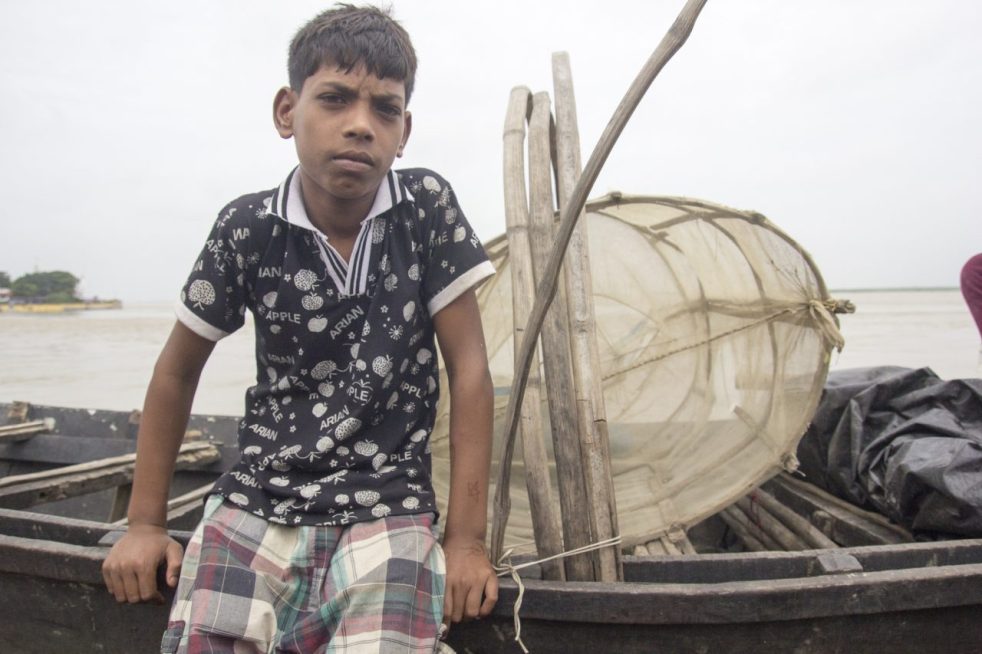
Above: Young kid from a fishing family in Kahalgaon, even the most informed communities (Ganga Mukti Andolan) are clueless about the government’s intentions (Photo by Veditum)
GUEST BLOG BY: Siddharth Agarwal
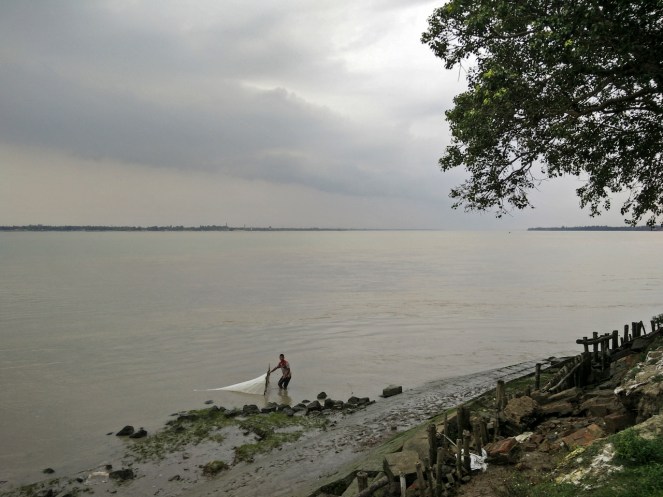
As the Ganga rises and fills streets and alleys with it’s water all along it’s course, I spend a time out at home, partially because of personal reasons and in some parts due to the rising levels of the river hindering all sorts of movement around it. Currently on a walk along the Ganga for Veditum India Foundation’s ‘Moving Upstream’ project, I’ve been able to walk a distance of about 1000 kms alongside it’s banks from Ganga Sagar till Varanasi in 50 days’ time. Some places saw me walking right next to the river while others had me maintaining my distance since it just wasn’t possible to peruse a course anywhere in the vicinity of the flooded banks.
The rising levels of the river are no surprise, an annual occurrence with variation only in ferocity. We’re surprisingly still caught off guard, every single year, with this news about floods in cities like Patna, Allahabad and Varanasi making it to national television on an almost daily basis. But what of all the places between Patna, Allahabad and Varanasi? What of all the places that are not cities and of all the people who are not urban dwellers? The major focus as I walk along the river are the people of the river and their lives, those who inhabit this space known to all as the vastly fertile Indo-Gangetic plains but unknown as a place extremely vulnerable to the forces of nature and shaky towards those man-made.
What will happen to a river that already has no fish and is way too salty. The barrages will mean doom for even the few fish that are left (Photo by Veditum)
I had been informed in advance of the situation of our fishermen by minds already working in the field of environment and rivers in our country, often mentioning that these communities were severely under-represented and very much neglected even when it came to discussions relating to them. Non-inclusiveness of communities while making decisions is not a new theme in India, but given the extent of impact that some upcoming government decisions/policies was going to have on these people, I decided to ask them a few questions as I proceeded upstream from Ganga Sagar, starting early June 2016.
Anywhere downstream of the Farakka barrage, the mention of the word barrage has a stunning effect on the people and 1975 is a year that fisher folks remember as a year of doom. For most readers and even for me before I started upon this trip, this would makes sense if one tries to put in a little effort in imagining how a barrage or dam might affect a river. But unlike how logic would dictate, this effect doesn’t exist just downstream of the barrage and similar reactions continued even further upstream, in Jharkhand and Bihar.
In places along the feeder canal from the Farakka Barrage, an increased frequency of ships to the Thermal Power Plants has resulted in rapid soil erosion (Photo by Veditum)
The National Mission for Clean Ganga and The National Waterways programme have been in the limelight for making grand promises of :
1.) Cleaning and maintenance of the river
2.) Economic Development and Cheaper Transportation.
Now, this is not a commentary on the efficiency and feasibility of making such proposals, simply an attempt to understand the impact of such programmes. EIA (Environmental Impact Assessment) and SIA (Social Impact Assessment) are the terms you might be looking for, something that ideally the governing authority should be taking care of. But why is any of this important or relevant to this article? It is because whatever happens in these places between Patna, Allahabad and Varanasi is very much relevant and important to discuss. These are not uninhabited spaces, but pretty well populated areas with a lot of lives at risk.
Coming back to the point of the two government programmes, firstly, the NMCG letting the Waterways programme run through protected areas and non-protected ecologically sensitive areas goes very much against the whole agenda why this mission was set up. Secondly, the waterways programme in a bid to decrease ‘transportation’ costs and utilise our river potential recently ran tests with large vessels on the Ganga.
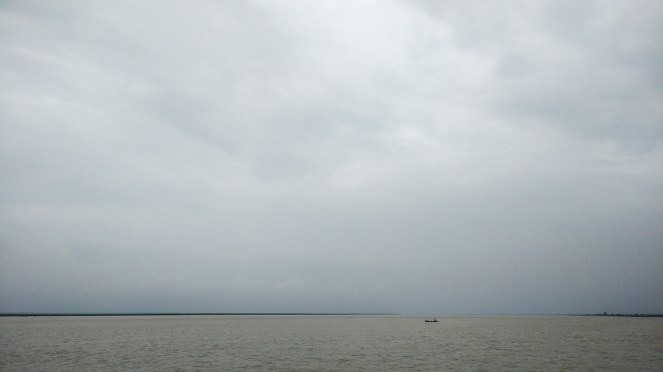
Small country boats near Farakka. Wonder what large waves from huge vessels will do to these (Photo by Veditum)
What is surprising (or rather not) is that these test runs were without any warnings to fishermen and boatmen in said test sections, the few who were on the waters at the time of passing of these vessels had to face high waves, enough to topple a less experienced or unaware boatman. The news of these tests were flashed all over the main stream media, but failed to make it to those for whom it mattered. Not an uncommon occurrence at all, but till when will this go un-noticed? On asking these fishermen if they have any clue why this is happening, most of them responded in the negative while a few said they’ve learnt about the government’s plans to run large vessels on the river.
As this conversation extends and questions follow, it is gradually revealed that the picture is not clear and conversations have somehow trickled down in a very muzzled form. Though most fishermen laugh off the prospect of this being a constant activity because of the extreme reduction in water level that the river has seen these past years, often mentioning how large excavators and multiple tugboats have been needed anytime a large vessel has traversed these stretches in lean seasons. There’s talk of loss of fishing nets and reduced catch, difficulty in controlling small country boats in high waves, chances of accidents when transporting villagers to small ‘diars’ for agricultural work, loss of land where there’s no embankments and so on, but this also brings us to the most important part of this article.
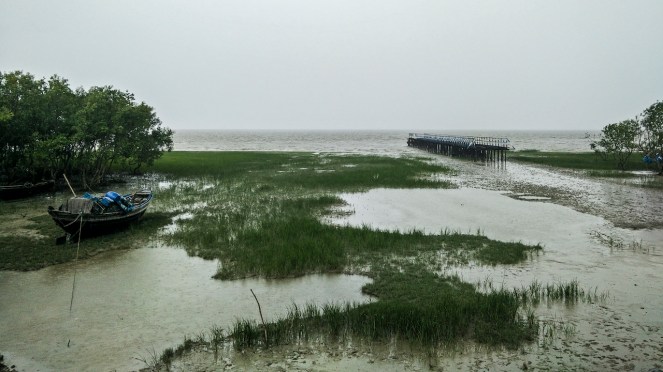
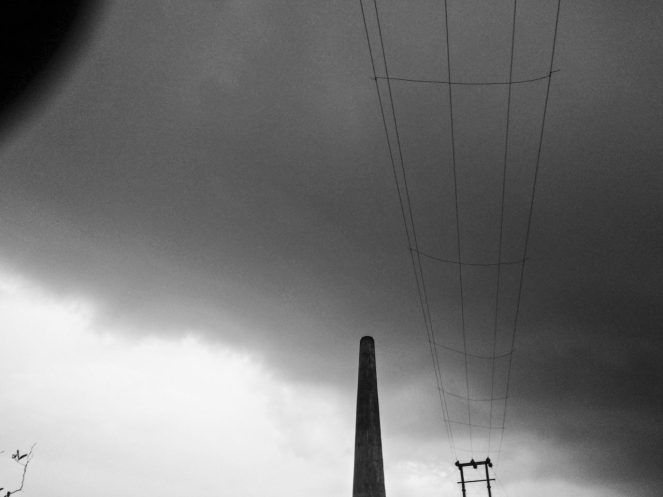
The dark clouds often linger over the heads of those not involved, not informed (Photo by Veditum)
The Water Highway programme on the Ganga has been proposed on a 1500 km stretch from Allahabad to Haldia, with barrages at about every 100 kms. Now, an avid news reader would have knowledge of this as a great policy step but the fisherman who directly depends on the river for his livelihood does not. This holds true for maybe 15-20 different fishing communities that i’ve had the chance to interact with in the first 50 days and even the mention of new barrages was way too shocking for those who have had to bear the burden of Farakka’s impacts. There are even places where locals have signed their wishfulness of a barrage near their villages without understanding consequences and only having been shown the shiny side like we see everyday in the papers, called ‘development’.
The ‘Moving Upstream’ project intends to understand and present a narrative of the river and it’s people, hoping this will lead to more meaningful conversation and inclusive action by the government. In a recent announcement by Sushri Uma Bharti Ji – Union Cabinet Minister of Water Resources, River Development & Ganga Rejuvenation, she said she will march down the length of the river to take stock of the status of various projects commissioned by her. I’m glad that cues are possibly being taken from the Moving Upstream project, but like every other government project, when will our habit of assessment (if at all) after execution stop and preparedness & understanding before implementation materialise? I hope she does her Ganga yatra before approving any projects, I hope for inclusiveness.
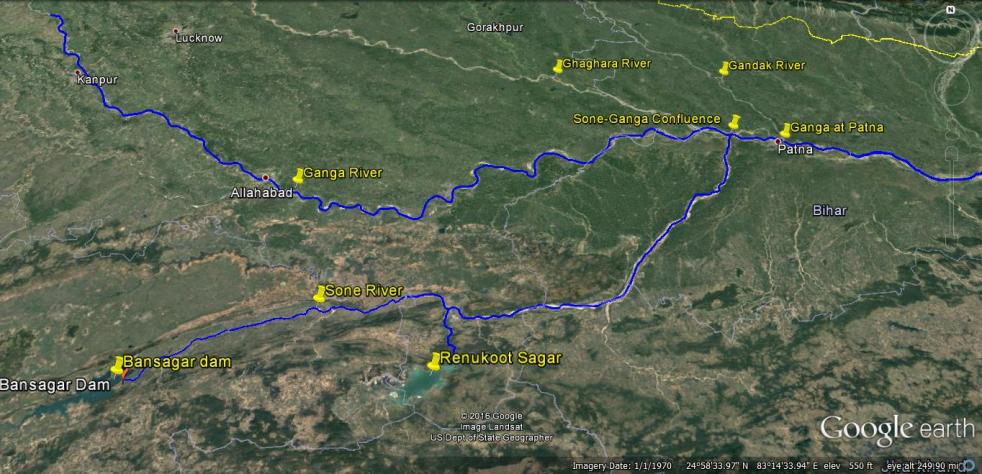
बाणसागर बाॅध, सोन नदी, गंगा नदी और पटना को दर्शाता मानचित्र
21 अगस्त 2016 की सुबह, गंगा नदी का जलस्तर लगातार बढ़ते हुए, पटना में 50.43 मीटर पर पहुॅच गया। जिससे पटना में गंगा नदी अपने पहले के उच्चतम बाढ़स्तर 50.27 मीटर से 16 सैंटीमीटर ऊपर बह रही थी। 22 अगस्त 2016 तक पानी का जलस्तर गंगा नदी के किनारे तीन अन्य स्थानों पर उच्चतम बाढ़स्तर को पार कर गया। जिसका विवरण निम्न हैः-
स्थान 22.08.2016 को उच्चतम बाढ़स्तर पुराना उच्चतम बाढ़स्तर बलिया उत्तरप्रदेश 60.30 मीटर 60.25 मीटर (14 सितंबर 2003) हाथीदाह, बिहार 43.17 मीटर 43.15 मीटर (07 अगस्त 1971) भागलपुर बिहार 34.55 मीटर 34.50 मीटर (05 सितंबर 2013)
इस तरह से हम देखते हैं कि पटना में उच्चतम बाढ़ का रिकार्ड तोडने के बाद, अब यह बाढ़ गंगा नदी के किनारे बसे बिहार और उत्तरप्रदेश के अन्य इलाकों में पहुॅच रही है। यहाॅ यह बात उल्लेखनीय है कि बिहार में अब तक वर्षा औसत से 14 प्रतिशत कम हुई है। सवाल यह उठता है कि इसके बावजूद गंगा में रिकार्ड तोडने वाली बाढ़ क्यों आयी?
Above: Map Showing the location of Bansagar Dam, Sone River, Ganga River and Patna
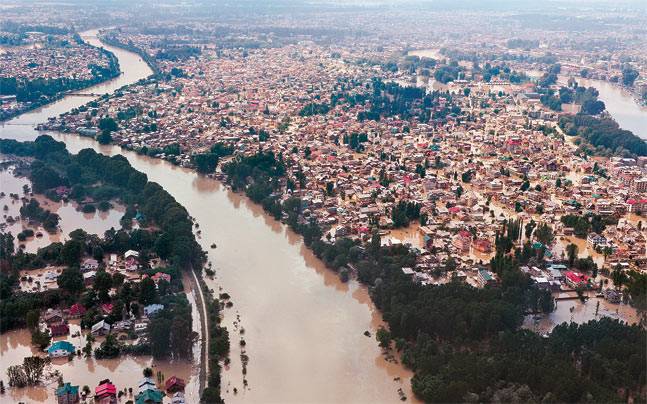
Water level of Ganga at Patna reached 50.43 m on Aug 21, 2016 morning with still showing rising trend. This level was already 16 cm higher than the highest ever recorded flood level (HFL) of Ganga at Patna of 50.27 m. By Aug 22, 2016, at three more sites along Ganga, the water level had already breached the highest recorded levels: Balia in Uttar Pradesh (Ganga Water level at 60.3 m, higher than the HFL of 60.25 m recorded on Sept 14, 2003), Hathidah in Bihar (Ganga water level at 43.17 m, higher than the HFL of 43.15 m recorded on Aug 7, 1971, that is 45 years back) and Bhagalpur in Bihar (Ganga water level at 34.55 m, higher than HFL of 34.5 m recorded on Sept 3, 2013). This means that the highest flood level that started at Patna is now travelling both upstream and downstream along Ganga.
Several districts of Bihar along Ganga are facing floods, with at least 10 lakh people affected and about 2 lakh people displaced. On Aug 21 alone, NDRF teams have rescued over 5300 people from Didarganj, Bakhtiyarpur, Danapur Chhapra, Vaishali and Maner. At least ten lakh people have been affected in Bihar, two lakh have been displaced and scores have been killed. It seems more like and annual natural calamity.
But that is not the case, if we look closely. Available information shows that the unprecedented floods that we are now seeing in Ganga in Bihar and UP are largely due to contribution of two dams: Bansagar Dam along Sone river in Madhya Pradesh in the upstream and Farakka Dam (misleadingly called a Barrage) on the Ganga river in West Bengal. If Bansagar Dam was operated in optimum way, than it need not have released over ten lakh cusecs of water. As pointed out by Bihar government, the high floods brought by Ganga in Patna are majorly due to the high flow contributed by Sone river upstream of Patna. Continue reading “A tale of two dams: Is Bihar’s unprecedented flood an avoidable man-made disaster?”→
Op-EdNGT failed its mandate by allowing AOL eventThis is such an amazing editorial on the issue of destruction of floodplain by Art of Living, whose behaviour is brazen, but predictable, it says! So amazingly forthright, it says “ Far more unfortunate, however, is the manner in which the NGT appears to have conducted itself in this affair. It is a sad commentary on the state of environmental governance n the country that its premier green body”, NGT, “ has to prevaricate on its earlier order”. It concludes. NGT failed to protect such an ecologically sensitive area. It is deeply disturbing that the country’s apex environmental tribunal allowed itself to be pressured and intimidated. Salutes to the Author of this forthright editorial! Meanwhile, the committee of experts, appointed by Green has found that the “entire floodplain area used for the main event site” has been “completely destroyed” causing “invisible loss of biodiversity” that “may never be able to return”. In its 45 page report, submitted to the NGT on July 28, the seven-member panel, said “the entire floodplain area used for the main event site, i.e. between the DND flyover and Barapullah drain (on the right bank of river Yamuna) has been completely destroyed, completely destroyed not simply destroyed. The ground is now totally levelled, compacted and hardened, totally devoid of water bodies or depressions, and almost completely devoid of any vegetation (except a few large cattails at the base of of the DND flyover)”. On the contrary AOL alleged that NGT appointed committee is biased, unscientific and lacks credibility.
In absence of clear and strict laws to define the rivers zone and demarcate flood plains, our rivers are increasingly becoming subject to exploitation. When the river spaces of our National River Ganga & Yamuna River which flow through National Capital are not well protected, then the plight of other rivers across country can be understood.
This week, there are two news reports which again are highlighting this cause. Interestingly in both cases, legal fight is going on in green tribunal which indirectly deals with the issue though with no success so far. In fist case, NGT has directed Govt. of Uttarakhand todemarcate floodplainsof Ganga river from its origin in Gomukh till Roorkee, a 65-km long stretch in the state. The tribunal has posted the matter for the next hearing on Oct 20 and asked the state government to submit its compliance report by then. The bench also sought a report on the total number of hotels on the 65-km stretch from the govt. The green panel allowed the state govt to take the help of Roorkee-based National Institute of Hydrology for identification of flood plains. Construction on flood plains and inside river zones is a sure invitation to disaster such as Kedar Nath Floods in 2013 when human made infrastructures erected very much inside river zones were raised down like sand dunes by enraged rivers. It is sad and even more worrisome that we have learnt nothing from such events.
In second incident Govt. of Uttar Pradesh has drawn green tribunal’s ire over constructions in floodplains. The apex court for environmental issues, expressed its dissatisfaction over the manner in which State Govt filed its report on the distance of various real estate projects from the Yamuna flood plain zone in the city. Coming down heavily in the state govt and various Agra authorities, Agra Development Authority (ADA) & irrigation department, it stated that “authorities were expected to act fairly and judicially while complying with its directions.” The tribunal appointed registrar general Mukesh Kumar Gupta as local commissioner and asked him to file a correct position of flood plains and the distances of the various projects. Meanwhile, ADA has been asked to produce the original records before the tribunal on the next date of hearing, Aug19.
Floods & floodplains are integral part of a river eco-system. Both has essential roleto play in smooth functioning of multiple ecological processes that takes place throughout the journey of a river. It is abused of floodplains that our cities are facing flood threats. It is surprising to see how govts have so far failed in protection of flood plain.
With incidents of excess rainfall, cloud burst & land slides happening at increased frequency, it is time to define our river zone and flood plain clearly in the own interest of human being.
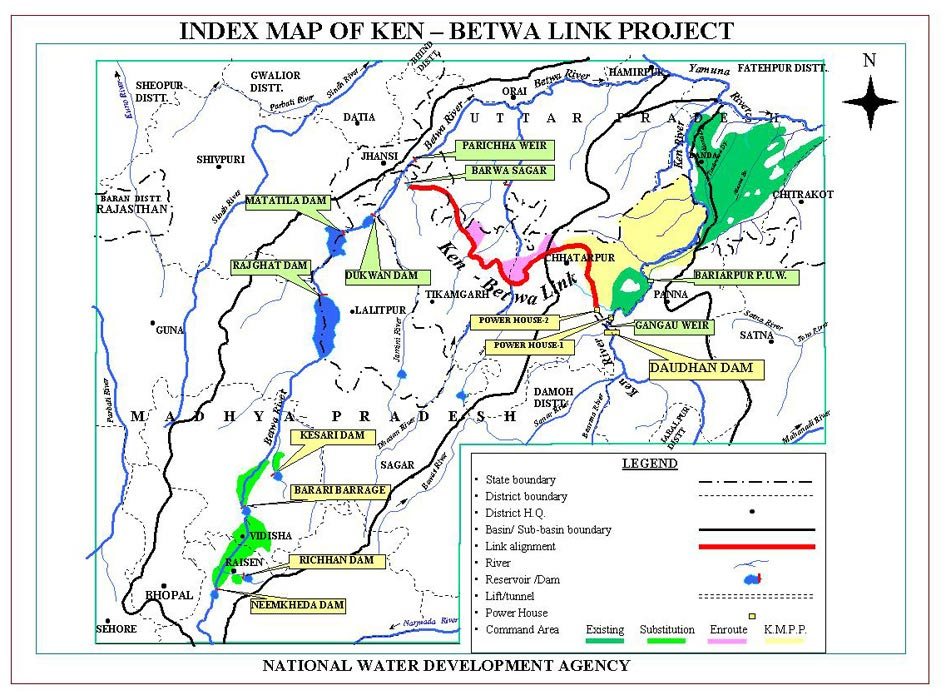
SANDRP BLOG Aug 06, ILR meeting is no dialogueWhile dialogue is necessary and welcome in any democracy, the meeting that was organized on Aug 06 at Constitutional Club is certainly not the right step in almost every sense. We hope MoWR and those who gather at the constitution club today will deliberate on these issues and resolve to correct them before a dialogue can really begin on the issue of ILR, and in fact Rivers. SANDRP coordinator was invited at this meeting on ILR being held at Constitution Club at 4 pm today as a speaker, but have decided to decline the invite, as elaborated in the note here. Please help us spread the word. Feedback is welcome.As was expected, Minister Uma Bharti reiterated that the Ken Betwa Link project will be implemented, even though the project has none of the clearances as yet! The reporter should have mentioned that.
CenterMeeting held to sort out Mahanadi issueUnion Water Ministry on July 31 called a Meeting of representatives of Odisha & Chattisgarh Govts to consider the various water resources issues/projects in Mahanadi Basin. It was decided that the Central Water Commission would invariably ensure that the DPRs for the projects in Mahanadi basin which are appraised by it, are duly shared with the other riparian State and that the riparian State is given a period of 45 days to convey their views/comments on the project. It was also decided that the DPRs would be delivered to the Resident Commissioners of respective States and thereafter the representatives of the State would be invited to share their observations. The meeting was called in pursuance of the assurance given by Water Minister Uma Bharti in Parliament on July 26. Earlier, fearing that dams on river Mahanadi in Chhattisgarh would have adverse impact on Odisha, former union minister Jairam Ramesh has asked CM Naveen Patnaik to take up all party team to Delhi to raise the matter with the PM. He also said that Congress will send a delegation to Chhattisgarh in a week to study the sites where dam and barrages are proposed to be constructed. On the other hand, former CM Ajit Jogi having broken away from the Congress on July 25 attacked Congress over its opposition to Chhattisgarh’s plan to construct dams & barrages on Mahanadi river.
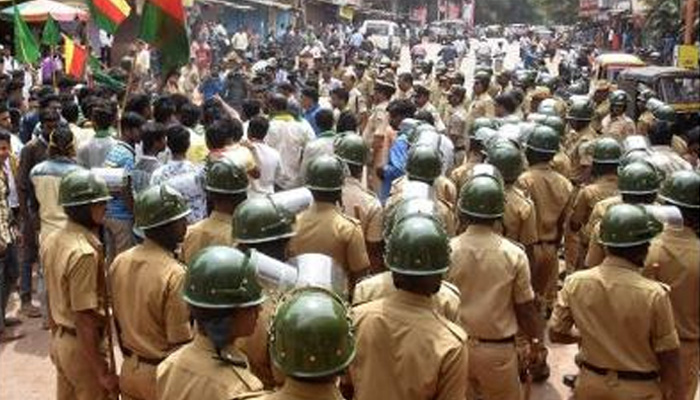
Arunachal Tawang residents protest against unfulfilled promisesHundreds of residents on July 22 marched through the streets of Tawang, the home district of newly elected CM Pema Khandu, in protest against non-fulfillment of their demand for jobs to kith and kins of two anti-dam activists killedin police firing on May 2. During the protest march they also led a signature campaign against large dams planned in Tawang, where the predominantly Buddhist Monpa tribe feared that many of the proposed hydro-power projects would damage sacred Buddhist sites in the district. At least 13 large hydro-power projects have been planned in the district, which shares border with China’s Tibet region. On June 21 the Lamas-led Save Mon Region Federation had issued six-point charter of demand to the state government for fulfillment in 30 days. Arunachal comprises a fragile, rich parcel of wildlife and ecosystem, among the richest ecosystems in India. But planning & building of hydro projects has been and will cause irreversible environmental damage. Perhaps it’s time for an aggressive freeze on all the un-built projects and an evaluation of other models of energy. Mr Prema Khandu must consider why Arunachal should become India’s mitochondria-the country’s energy provider, while losing its own enormous wealth. But contrary to this new while addressing a press conference, the new CM, on July 18 said that the govt would find ways to tap the petroleum resources & harness the hydropower potential which could be a money spinner for the state. On the 2000Mw Lower Subanisiri HEP at Gerukamukh, Mr Khandu has emphatically said he would discuss the issue with the Assam govt as well as the Centre for a solution. He said that in all the hydropower projects the affected people should be taken into confidence by both the executing agencies as well as the state govt.The new CM elected from Tawang, seeing the hydropower projects as money spinner does not sound very encouraging. Let us see how far he actually goes to take people into confidence as promised by him.

 Water Commission would invariably ensure that the DPRs for the projects in Mahanadi basin which are appraised by it, are duly shared with the other riparian State and that the riparian State is given a period of 45 days to convey their views/comments on the project. It was also decided that the DPRs would be delivered to the Resident Commissioners of respective States and thereafter the representatives of the State would be invited to share their observations. The meeting was called in pursuance of the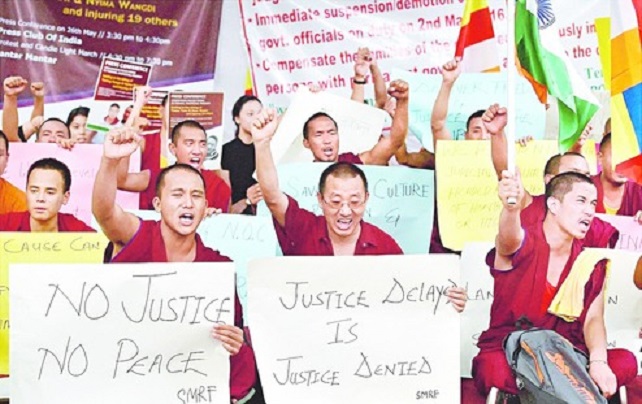
 SANDRP