Agriculture · Chenab · Fish Sanctuaries · Groundwater · Hydropower · Indus

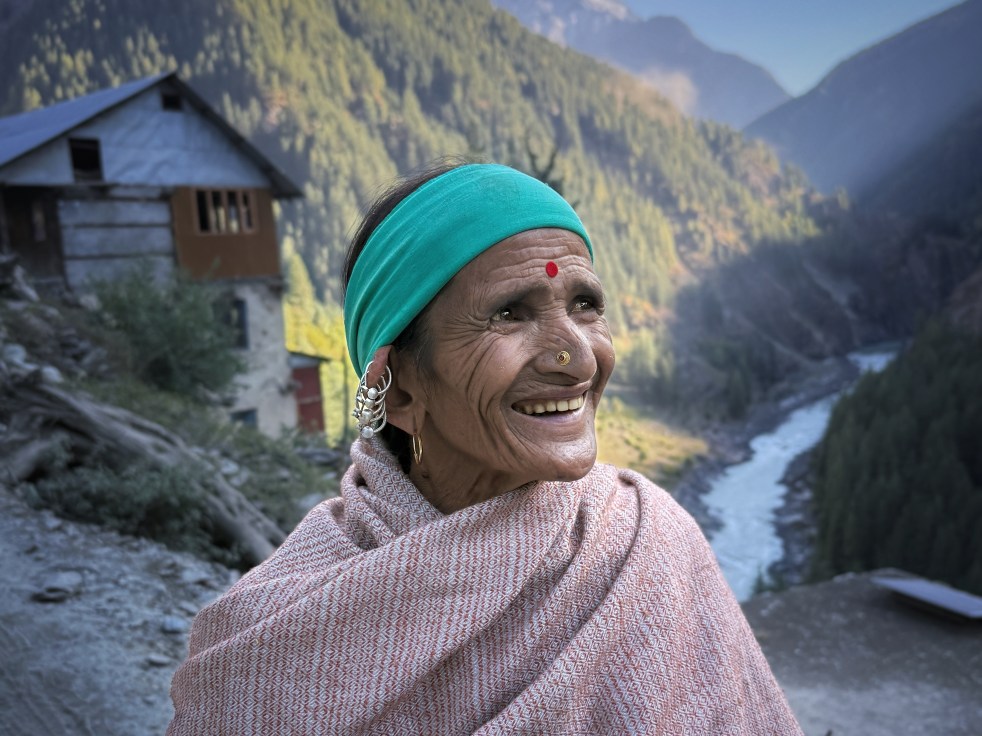
The Moon River: People’s Story of Chenab

Chenab, which translates as the Moon River is the largest of the five tributaries of River Indus. It flows for about 974 kilometers from the High Himalayas of Lahaul to the forests of Jammu and Kashmir and onto the plains of Pakistan. Its main tributaries in India include Miyar, Marusudhar and Tawi. In the vast plains of Punjab in Pakistan, it is met by Jhelum, Ravi and Sutlej to form the mighty Panjnad before it meets the Indus. Its catchment, spread across 67,430 km2, is shared between the two countries.
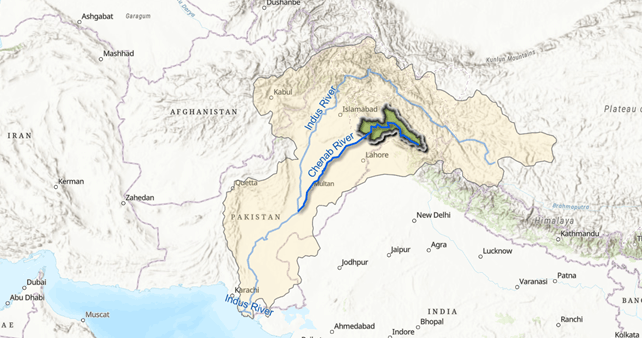
Chenab is Chandrabhaga (Crescent Moon) in its headwaters. It was the River Asikni in Rigveda, and the Acesines for the ancient Greek. From sparse mountain settlements of Lahaul to the bustling urban centers of Sialkot, more than 10 million people live and prosper along the Chenab. Hydropower projects operational and under constructions on the river have an installed capacity of more than 5000 MW (Central Electricity Authority 2024), and its canals irrigate hundreds of thousands of acres in Pakistan and India (Shakir et al).

Continue reading “The Moon River: People’s Story of Chenab”
Culture · Narmada

Experience of Narmada Parikrama in 2020: a 3500 km pilgrimage along the river

Guest Blog by Jubin Mehta

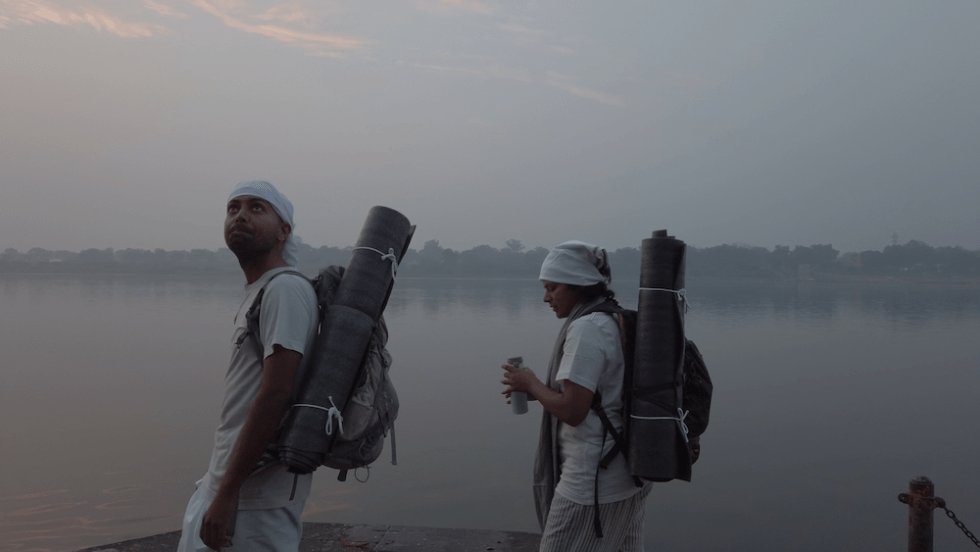
Narmada is a sacred river originating in the Maikal Hills of central India from a place called Amarkantak. Parikrama is a Sanskrit word derived from the root ‘pari‘ meaning around and ‘krama‘ meaning going. And hence, Narmada Parikrama means circumambulating the river. This is a spiritual/religious tradition of the Hindus existing from centuries wherein pilgrims start walking from any point along the river after collecting Narmadaji’s water in a vial and start walking with the river to their right.

If a person has started from the north bank, they’d walk upstream to the origin of the river in Amarkantak, cross over from beyond the origin point, come to the south bank and walk downstream till the point where the river meets the ocean in south Gujarat. From here, pilgrims board a large boat for an estimated four to seven hours to cross over and reach back to north bank at a place called Mithi Talai. From here, the pilgrim starts walking upstream again to arrive again at the point where they started from. At the end of the journey, pilgrims go to the super sacred Omkareshwar which is one of the 12 ‘Jyotirlingas’ and also a river island which means a person cannot go to this point during the parikrama. One of the rules of the walk is that a person cannot cross over the river and go to the other bank or in the middle. At Omkareshwar, the pilgrim pours back the water that she collected in a vial when she started the walk and completes the parikrama. Continue reading “Experience of Narmada Parikrama in 2020: a 3500 km pilgrimage along the river”