Dams · DRP News Bulletin

DRP: 29 Jan 2018 (Organic Farming Through Cluster Approach Can Help Farmers, Groundwater And Our Future)

There have been many positive developments on agriculture, groundwater and environment round the week. In the first positive development, data from the first impact study of Paramparagat Krishi Vikas Yojana (PKVY) shows that small and marginal farmers, who can’t afford costly agricultural inputs, are turning a new leaf by going organic because of lower costs and higher margins. The study conducted by the National Institute of Agriculture Extension Management, has also revealed that Net Returns of organic farmers were higher for all the three crops studied, namely wheat, paddy and soybean, by 15.8%, 36.7% and 50% respectively.

of

This was based on study of 690 organic clusters in 25 states, out of some 6211 clusters comprising of 2.25 lakh farmers in a PKVY (each ha getting Rs 50 000 as aid) scheme launched in 2015, comprising of 52.3% small farmers. The average cluster size was 69 acres, in each there were 54.6 farmers on average. Maharashtra had the highest number of clusters at 1043 and MP had the highest area under clusters. The funding however remained irregular. India’s domestic organic food market is expected to show Compound Annual Growth rate of 25%, says the study. https://www.hindustantimes.com/india-news/small-farmers-go-big-with-organic-farming/story-nlyQQVUnoewHgeJyvaAnJI.html (Hindustan Times, 29 January 2018)

Another positive news report, have disclosed that how a simple groundwater recharge technique is transforming farmlands in Gujarat. The simple pit and pipe system simply and expertly captures standing water during rains, thus freeing arable land from water logging while recharging groundwater to use for irrigation during the lean season. This is essentially a simple groundwater recharge scheme but appears to last long. As per report about 3000 such units have already been installed in Gujarat and several other states.  http://www.thehindu.com/society/this-simple-technology-has-transformed-gujarat-farmlands-into-an-oasis/article22529034.ece (The Hindu, 27 January 2018)

The third positive news have come from Central Government which has prepared a Rs 6000 crore plan to recharge ground water. The scheme is yet to be cleared by the Expenditure Finance Committee and the Cabinet.  

As per report, the new 5-yr long scheme will be funded 50: 50 by the World Bank and centre, to be implemented in Gujarat, Maharashtra, Madhya Pradesh, Uttar Pradesh, Karnataka, Haryana and Rajasthan, covering 78 districts, 193 blocks and 8300 gram panchayats.

Gram Panchayats that prepare water security plans and put infrastructure to augment water supply will get incentives. Interestingly, an earlier version of the scheme, called National Groundwater Management Improvement Scheme was rejected by AFC in May 2017.  https://www.hindustantimes.com/india-news/centre-readies-rs-6-000-crore-plan-to-recharge-groundwater/story-nziZ6rvp88ZJHFo0DM5kNO.html (Hindustan Times, 28 January 2018)  

Continue reading “DRP: 29 Jan 2018 (Organic Farming Through Cluster Approach Can Help Farmers, Groundwater And Our Future)”
Dams · DRP News Bulletin

DRP: 22 Jan 2018 (Dams Again Being Used To Achieve Electoral Objectives) 

As per Counter View report, a well-informed Gujarat government source has told it that a major reason why the Sardar Sarovar Narmada Nigam Ltd (SSNNL) recently declared there would be “no water” from the multi-purpose irrigation scheme, Sardar Sarovar dam, to Gujarat farmers starting March 15, 2018, is Madhya Pradesh elections, scheduled for this year-end.

The source, refusing to be identified, said, “Already, massive preparations are on in Madhya Pradesh to provide as much Narmada water to the state’s farmers by storing as much water as possible. The idea is to appease the farmers with Narmada waters in the same way as it was done last year before the elections took place in Gujarat.”

This shows how dams in Narmada Valley are being used for achieving political ends, once again. Earlier they were used for Gujarat elections, now they are being used for Madhya Pradesh elections. https://www.counterview.net/2018/01/narmada-waters-in-gujarat-stopped-to.html (Counter View, 20 January 2018)

In another report, anonymous official admits water shortage apparent in Nov 2017 before Gujarat polls was not announced, another indicator of how Narmada dams are used to achieve political ends. https://www.counterview.net/2018/01/narmada-water-for-irrigation-state.html (Counter View, 21 January 2018)

However, this is not happening for the first time. This also happened before the Nov 2017 Gujarat elections and also before 2014 General elections and 2012 Punjab elections, as illustrated below.

Before 2014 general elections too the level of water in Narmada reservoirs was depleted to generate additional power keeping in mind the elections. https://sandrp.wordpress.com/2014/04/13/narmada-dams-levels-depleted-to-generate-more-electricity-threatening-water-security-for-gujarat-and-madhya-pradesh/

In case of Bhakra, the way the reservoir level was allowed to deplete in summer of 2012 had consequences in subsequent monsoon.  https://sandrp.in/dams/PR_Why_precarious_water_situation_at_Bhakra_dams_was_avoidable_July_2012.pdf

Continue reading “DRP: 22 Jan 2018 (Dams Again Being Used To Achieve Electoral Objectives) “
Dams · DRP News Bulletin

DRP: 15 Jan 2018 (Do We Care About Rivers’ Aquatic Bio-diversity?)

Great to see this focus on aquatic biodiversity (unfortunately the article keeps using the word marine biodiversity, not using the word aquatic or freshwater biodiversity even once) along the 120 km long Sindhudurg Coast line, one of the 11 ecologically sensitive habitats identified along India’s coasts.

The FIRST study of local Otter Population by Ela Foundation identified upto 591 Smooth coated otters (strangely article does not mention about existence of small clawed Otters in Sindhudurg), 561 Indo Pacific humpbacked dolphins, among many others. The coast is particularly river rich with some twelve creeks/ rivers including Shanti, Piyali, Naringre, Achra, Gad, Talavade, Otawane and Pithdhaval Rivers.

The biodiversity here is facing multiple threats including rapid urbanisation, tourism onslaught with attendant plastic and sewage disposal, unregulated fishing trawlers, illegal sand mining, and global warming. It also underlines the need to do assessment of any interventions done in the area, of impacts on the aquatic biodiversity. http://www.hindustantimes.com/india-news/orphans-in-the-wild-what-the-otter-s-trying-to-tell-us-about-our-oceans/story-IfRFFi63Q8nV7UkUK4c16O.html (The Hindustan Times, 14 January 2018)

Continue reading “DRP: 15 Jan 2018 (Do We Care About Rivers’ Aquatic Bio-diversity?)”
Dams · DRP News Bulletin

DRP: 8 Jan 2018  (“THIS IS RIVER, NOT LAND” Chennai Fisherfolks Fight To Save Ennore river)

In a remarkable protest echoing urgent need for protection of rivers, fisherfolk of Kosasthalai River on 03 January 2018, launched a ‘Jal Satyagraha’ against Kamarajar Port project. The proposal would divert 1000 acres of creek area. It mainly comprises of river, wetlands, marshy areas on which fisher community depend for livelihood.

Raising their voices against the project with holding play cards that read “This is River, Not Land” they stood in waist-deep in waters to save Ennore Creek. Joining the protest, hundreds of residents also demanded the withdrawal of alleged fraudulent maps denying the existence of the Ennore Creek. The community has been fighting a lonely battle against the Tamil Nadu government accusing it of turning wetlands illegally into industrial real estate corridors.

– “Fishing economy has been hit massively. Shrinking of water body means less space for fish. Shrinking has happened in terms of surface spread as well as depth thanks to the dumping of dredged sand from the sea, silting the waterbody. The larger concern is fly ash and heavy metals from the industries polluting the environment causing health hazards,” said Nityanand Jayaraman, Environmental activist and researcher who was part of the protest. https://www.oneindia.com/india/chennai-fisherfolk-stage-jal-satyagraha-to-save-ennore-creek-2613088.html (One India, 04 January 2018)

Continue reading “DRP: 8 Jan 2018  (“THIS IS RIVER, NOT LAND” Chennai Fisherfolks Fight To Save Ennore river)”
Dams · DRP News Bulletin

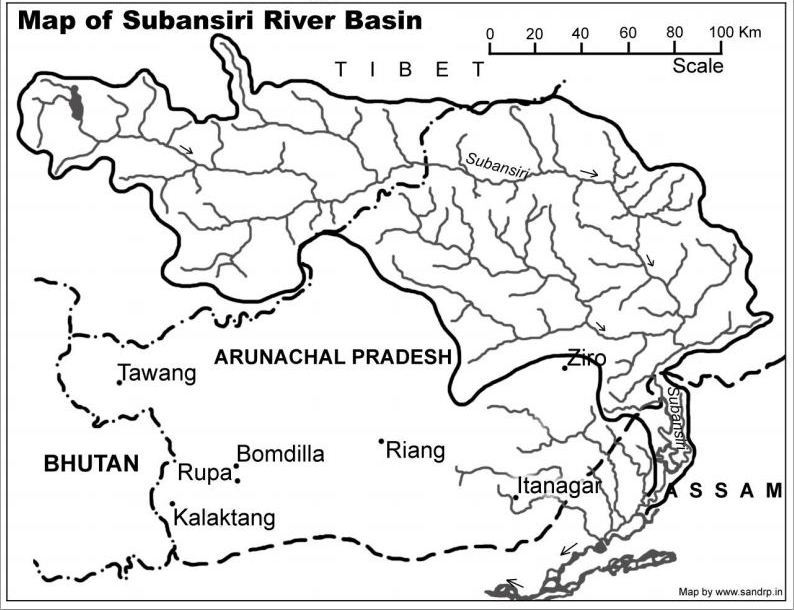
DRP: 1 Jan 2018 (NGT Ordered Com on Subansiri: MoEF Again Fails To Understand Conflict of Interest)

As per NGT’s October 16, order, the Ministry of Environment & Forest (MoEF) was asked to set up a “neutral” panel to objectively consider conflicting recommendations that have stalled the 2,000-MW Subansiri Lower Hydroelectric Project (HEP) on the Arunachal Pradesh-Assam border and come up with an “independent opinion” in three months.

The NGT said this was the only way to break the six-year logjam that has stalled a project vital to the “national interest.”

Contrary to this, MoEF on November 16, 2017 has set up a three-member panel with experts -who or their organisations- have all backed NHPC’s positions on the project in the past: Prabhas Pande, I D Gupta and P M Scott.

Continue reading “DRP: 1 Jan 2018 (NGT Ordered Com on Subansiri: MoEF Again Fails To Understand Conflict of Interest)”
Dams · DRP News Bulletin

DRP: 25 Dec 2017 (CAG Report Shows Ganga River Has No Hope Under NMCG)

Apart from mentioning Govt failure in checking Ganga pollution, the Comptroller & Auditor General’s (CAG) performance audit report on Ganga rejuvenation tabled in Parliament on December 19, 2017 specifically mentions that National Mission for Clean Ganga (NMCG) “could not finalize the long-term action plans even after more than six-and-a-half years of signing of agreement with the consortium of Indian Institutes of Technology”. The fact that NMCG does not have a “river basin management plan even after a lapse of more than 8 years of National Ganga River Basin Authority notification”, mentioned in the report also has great significance. 

It is surprising that NMCG is working without a river basin management plan or a long-term action plan. The CAG performance audit is also lacking. It rightly mentions that infrastructure to treat pollution has not been created but does no assessment whether the creation of infrastructure alone would revive the river.

Further, CAG audit does not look into the issues if lessons from past failures have been learnt, corrections done, independent scrutiny institutionalised, participatory governance achieved, and if this business as usual approach is going to achieve any better results even if all the money were spent, all the DPRs were sanctioned, all the meetings happened, all the manpower available and all the STPs constructed?

Hence it critical that CAG performance audit should have tried to address these issues. Can the state of Ganga improve without improving the state of tributaries? CAG does not even look at this issue.

The CAG report shows that this programme provides no real hope for better future of Ganga and Modi and his government will have a lot to answer when they go to polls in less than 1.5 years. It’s a serious indictment for the govt in general and Modi in particular since he has said right from the beginning that Ganga is their priority and all that they have tried is audited here. http://www.livemint.com/Politics/KW6MIOrOvMvZvEGeozwifJ/CAG-slams-Centre-for-failing-to-utilize-funds-for-Ganga-reju.html;                                 http://indianexpress.com/article/india/ganga-pollution-hc-orders-uttarakhand-govt-to-seal-establishments-polluting-rivers-4991923/; https://timesofindia.indiatimes.com/city/dehradun/building-of-ghats-crematoria-on-ganga-misses-nov-deadline/articleshow/62234114.cms https://www.nationalheraldindia.com/environment/pm-modi-fails-to-clean-up-his-mother-ganga

Continue reading “DRP: 25 Dec 2017 (CAG Report Shows Ganga River Has No Hope Under NMCG)”
Dams · DRP News Bulletin

DRP: 18 Dec 2017 (Also Needed To Mention This About Turial HEP)

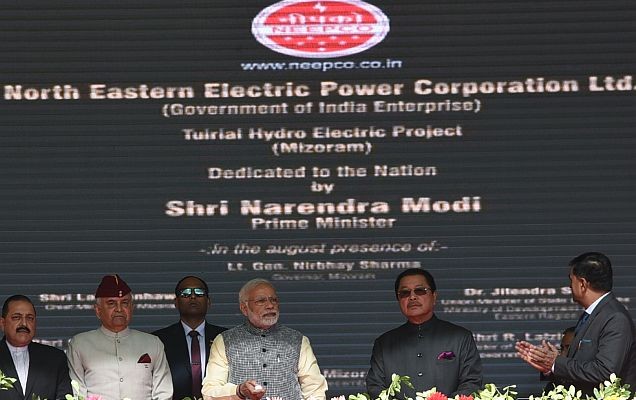
The Prime Minister, on Dec 16, 2017, while dedicating to nation the 60 MW Turial HEP, should have also mentioned:

– PUBLIC PROTESTS: The project faced strong protests from local people, so much so that work had to be stopped for over 7 years from 2004 to 2011. Even a day before PM dedicated the project, people took out a protest march.

– NO PUBLIC CONSULTATION:  One of the reasons people protested was that the project did not have any proper public consultation.

– NO PROPER IMPACT ASSESSMENT: Another reason for people’s anger was no proper environment or social impact assessment, or proper compensation and rehabilitation.

– HIGH COST: The project cost was Rs 368.72 Crores, but now already has gone above Rs 1441 crores officially, likely to go up further. That means per MW cost is already above Rs 24 crores, one of the highest in the country. WHO WILL PAY THE HIGH COST OF ELECTRICITY FROM THE PROJECT?

– HUGE COST ESCALATION from Rs 369 crores to over Rs 1440 crores

– HUGE TIME OVER RUN: The project was supposed to be completed many decades back but  has seen huge time over run, not only because of protests, but also because of inadequate mobilisation by the contractor, poor approach road, power house slope failure, among many other reasons.

This latest project once again shows that big hydro is no longer viable, one wishes, the Prime Minister would also highlight these realities in his speeches.

Continue reading “DRP: 18 Dec 2017 (Also Needed To Mention This About Turial HEP)”
Dams · DRP News Bulletin

DRP: 11 Dec 2017 (Shoddy EIA, People’s Opposition & Unviable Pancheshwar Project Highlighted In Documentary)

A brilliant coverage by NDTV INDIA at PRIME TIME (08 Dec 2017) on so many issues related to the proposed controversial Pancheshwar Dam, World’s tallest dam in the Himalayas that has neither credible impact assessment nor proper public hearings. Please watch and share.

Meanwhile, residents and various political organizations at Almora, Pithoragarh and Jhulaghat staged a protest against public hearings held for environmental clearance of Pancheshwar projec, saying that the sessions were unfair and flouted procedure. https://timesofindia.indiatimes.com/city/dehradun/pancheshwar-row-residents-protest-against-public-hearings/articleshow/61946615.cms

The wrong process of dam clearance for the Pancheshwar and Rupaligad Dams have been strongly condemned by Mahakali Lok Sangathan, Uttarakhand Parivartan Party, Uttarakhand Kranti Dal, the National Alliance of People’s Movements: Uttarakhand Akta Manch, Delhi Solidarity Group and others. https://www.facebook.com/sandrp.in/posts/1874936619200669

Continue reading “DRP: 11 Dec 2017 (Shoddy EIA, People’s Opposition & Unviable Pancheshwar Project Highlighted In Documentary)”
Dams · India Rivers Week

भारतीय नदी दिवस 2017 – नदियों के संरक्षण का अभिनव प्रयास

देश की नदियों की दुर्दशा किसी से छिपी नहीं है। एक ओर नदियों का जलप्रवाह लगातार घट रहा है, दूसरी ओर उनमें प्रदूषण की मात्रा चिंताजनक स्तर पर पहुॅच गई है। बढ़ती बॉध, पनबिजली, सिंचाई परियोजनाओं, भूजल दोहन, वनविनाश, बाढ़ भूमि अतिक्रमण और अवैध खनन से हमारी नदियों की जैवविविधता पर विपरीत प्रभाव सामने आ रहे हैं। साथ में नदियों पर गुजर बसर करने वाले मछवारों, मल्लाहों, किसानों की आजीविका पर गंभीर खतरा मंडरा रहा है।

इन सबके बीच, नदियों को बचाने के सरकारी प्रयास नाकेवल नाकाफी और निष्फल साबित हो रहे है, अपितु अब यह स्पष्ट है कि नदी विरोधी सरकारी योजनाओं के चलते ही छोटी बडी जलधाराएॅ सूख रही है, मैला हो रही है और बाढ़ के समय आपदा का कारण भी बन रही है। वास्तव में नदी संरक्षण संबंधी नियम कानूनों और व्यापक जनभागीदारी के अभाव के चलते आज हमारी जीवनदायनी नदियॉ, खुद के स्वछंद बहते जल को तरस रही है। 

इन्हीं सब महत्वपूर्ण मुद्दों को उजागर करने के लिए 25 नवम्बर 2017 को दिल्ली भारतीय नदी दिवस[1] समारोह आयोजित किया गया। इस बार के एक दिवसीय आयोजन में शहरी नदियों को केंद्र में रखकर मनाया गया। कार्यक्रम में भारत के विभिन्न क्षेत्रों से अस्सी से अधिक सरकारी विभागों -गैरसरकारी संस्थाओं से जुडे़ नदीप्रेमियों, चितंको और विचारकों ने भाग किया। यह कार्यक्रम वर्ष 2014 से निरंतर मनाया जा रहा है। हर साल की तरह, इस बार भी देश में नदियों को बचाने में संघर्षरत व्यक्तियों और नदी संगठनों को ‘भगीरथ प्रयास सम्मान’[2]  से नवाजा गया। प्रभावी नदी लेखन, छायांकन और चित्रण के माध्यम से नदियों की आवाज उठाने वाले मीडियाकर्मी के लिए, इस साल से अनुपम मिश्र[3] मैमोरियल मैडल का शुभांरभ  किया गया।  

Continue reading “भारतीय नदी दिवस 2017 – नदियों के संरक्षण का अभिनव प्रयास”

Dams

पन्ना की पूर्व कलेक्टर ने केन-बेतवा परियोजना को केन बेसिन के लोगों के लिए एक त्रासदी बताई थी

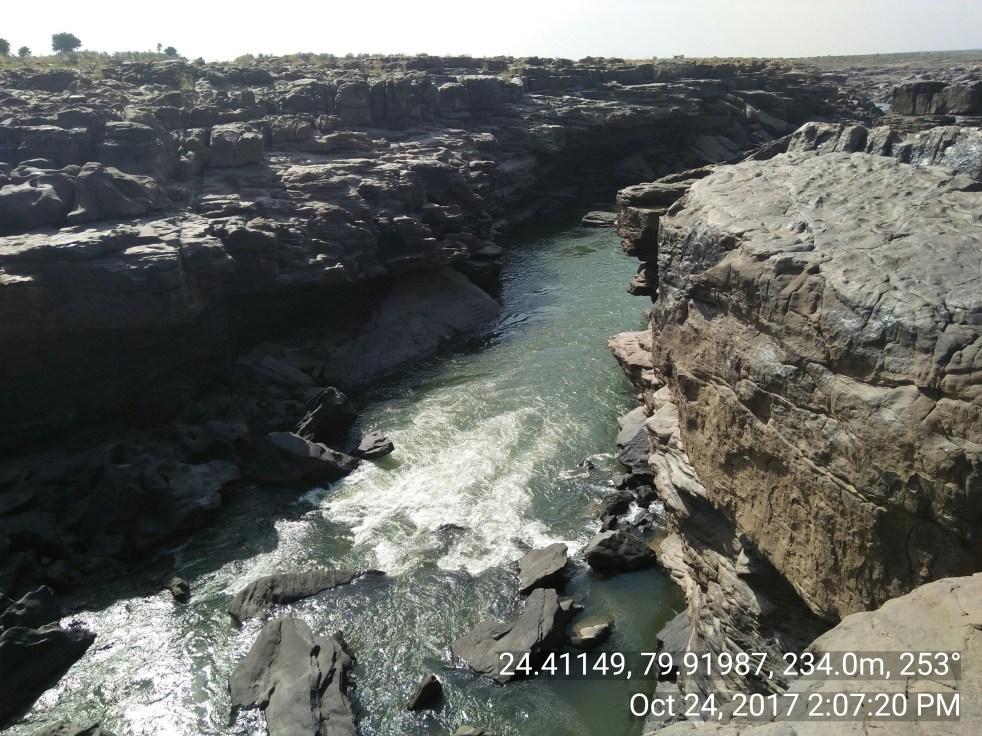
2005 से 2008 के बीच पन्ना जिले की कलेक्टर ने अपने कार्यकाल के दौरान केन-बेतवा परियोजना के बारे में अपने शीर्ष अधिकारियों और विभागों को पत्रों की एक श्रृंखला लिखी थी। इन पत्रों में उन्होंने एक चौंकानेवाला निष्कर्ष दिया था कि यदि केन बेसिन के लोगों की पानी की बुनियादी जरूरतें पूरी की जाए, तो केन नदी में कोई अतिरिक्त पानी ही नहीं बचेगा। उन्होंने यहाँ तक लिखा था कि केन-बेतवा नदी जोड़ो परियोजना केन बेसिन के लोगों के लिए एक त्रासदी होगी।

एसएएनडीआरपी (SANDRP) को मिले दस्तावेजों से यह पता चलता है कि 2005 से 2008 के बीच पन्ना कलेक्टर के रूप में अपने कार्यकाल के दौरान उन्होंने केन बेतवा परियोजना को रोकने के लिए कड़ा संघर्ष किया था। उन्होंने दिखाया था कि यदि मध्य प्रदेश 1983 के अपने जल संसाधन मास्टर प्लान को केन बेसिन में लागू करता, तो बेतवा बेसिन में भेजने के लिए कोई पानी ही नहीं बचता। इसे देखते हुए उन्होंने हताश होकर अंततः यह निष्कर्ष निकाला कि केन-बेतवा परियोजना “पन्ना जिले के निवासियों और केन नदी बेसिन के अन्य जिलों के लिए विनाशकारी दुष्परिणामों वाली होगी।”

Continue reading “पन्ना की पूर्व कलेक्टर ने केन-बेतवा परियोजना को केन बेसिन के लोगों के लिए एक त्रासदी बताई थी”