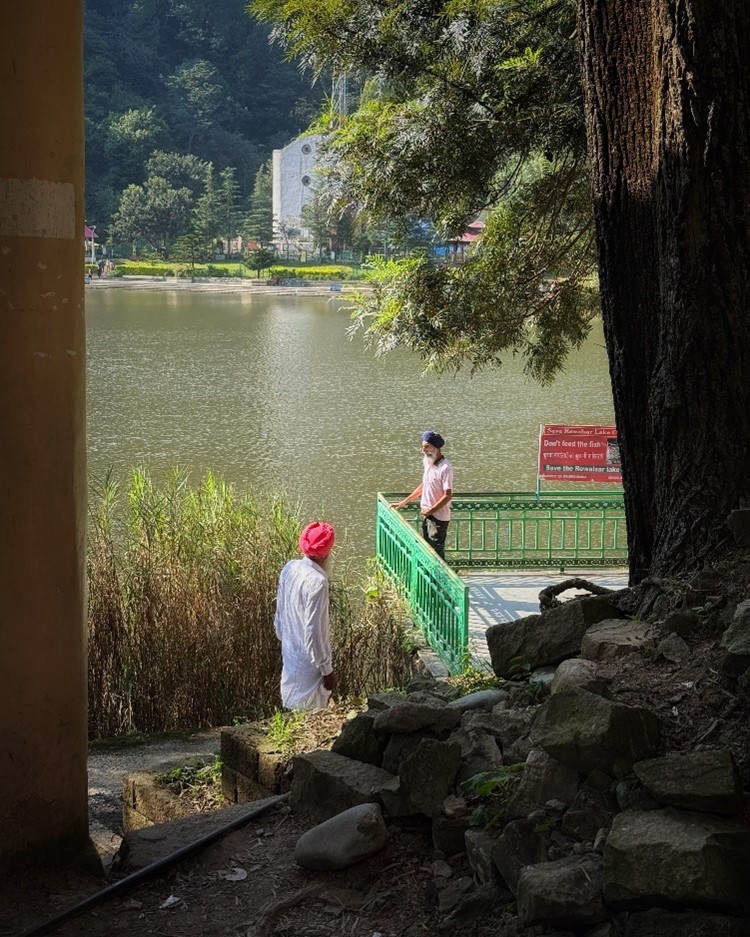
Rivers and lakes of the Indus basin have been at the crossroads of civilizations, trade routes, and ecosystems for centuries. They are surrounded by stories and songs from many religions, languages and tribes. One such river is Beas, celebrated as Vipash[1] or the ‘breaker of chains’ in the Rigveda, circa 1500 BC. Beas originates at 4361 meters near Rohtang Pass[2] and flows through the Himalayan state of Himachal Pradesh before meeting River Sutlej in the plains of Punjab, literally “the land of five rivers’. Beas flows for about 470 kms to water some of the most fertile valleys in the world.
Continue reading “Rewalsar Lake: Where Faiths, Ecosystems and Communities Meet”Tag: Culture
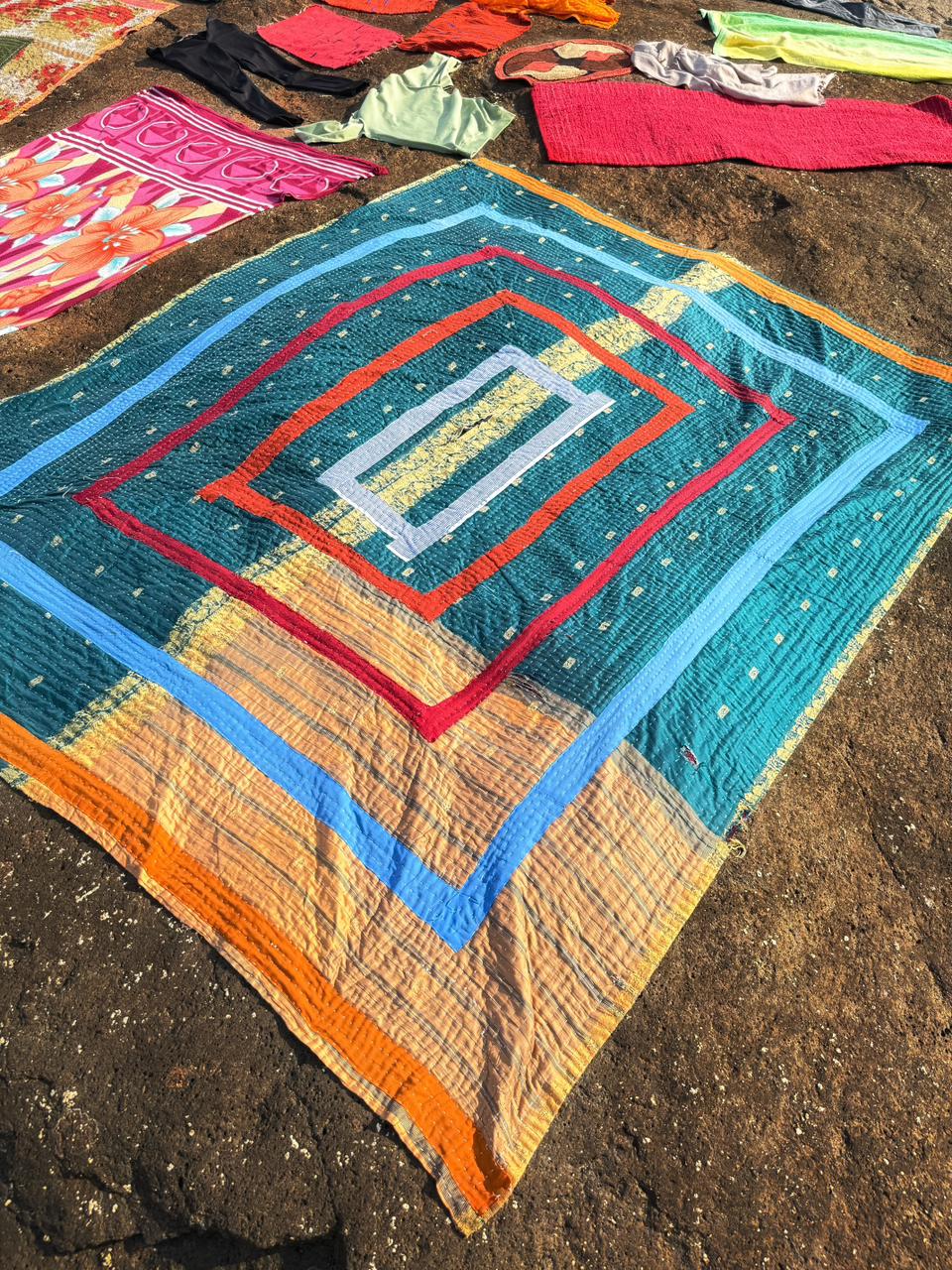
When the riverbanks bloom in color
Sharad Ritu or Autumn is eulogized in almost all Indian epics. Ramayana especially talks about the crystal clear waters, emerging silver sand banks and blossoming kash grasses along the rivers in this season.
Festivals around the autumnal harvest time, like Durga Puja and Navratri bring bustle and energy across the land. In Maharashtra, days before Navratri hold a special significance. Entire homes are washed, scrubbed and laundered before the deity enters the abode. But thousands of people living in tiny homes, with miniscule bathrooms have no place to wash their bedsheets, blankets, curtains and such home linen. No space and more importantly, no water.
And so, they gather along a place where people have been coming together since time immemorial: the riverbank.
Continue reading “When the riverbanks bloom in color”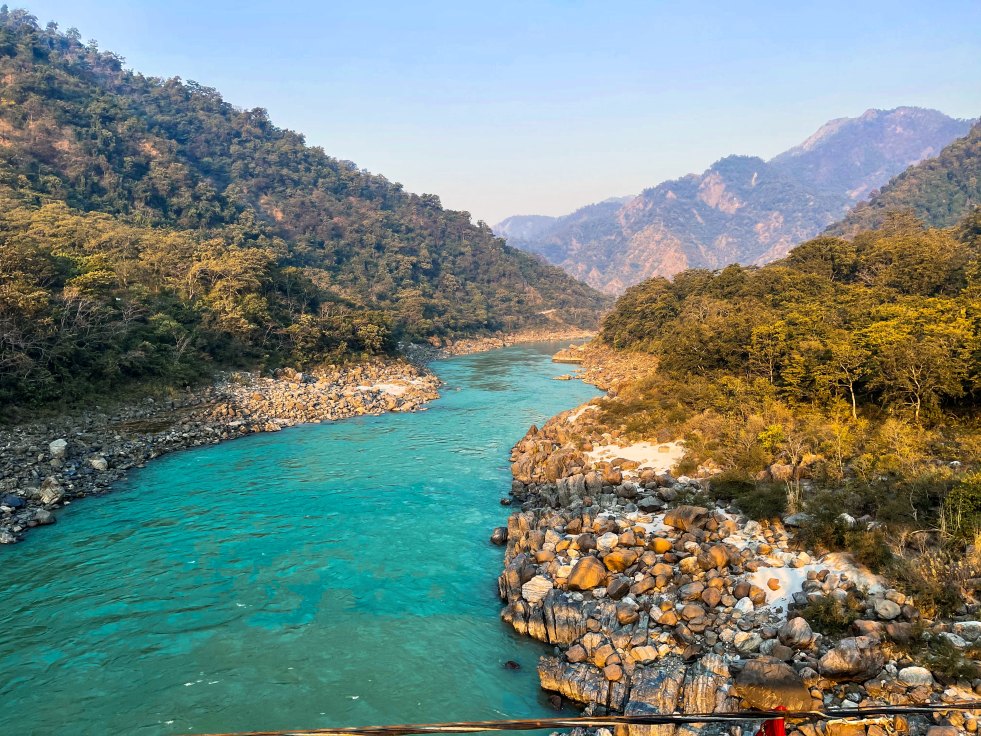
The Eternal Ganga: A Journey Through Artistic Depictions of India’s Sacred River
(Feature photo above: “… But I go on forever” The pristine Ganga flowing through the mountains (Rishabh Gagneja, June 2021))
Guest Article by Anantaa Ghosh
The Ganga, often termed as the ‘River of Heaven’ has always been deemed as the purest and most sacred of all rivers. In the west, Ganga was believed to be Phison, a river flowing in Eden. The river has found its place in the works of several famous authors, including Kalidasa who describes the river in words of unique grace.
Then in familiar Alaka find rest,
Down whom the Ganges’ silken river swirls
Whose towers cling to her mountain lover’s breasts,
While clouds adorn her face like glossy curls.[1]
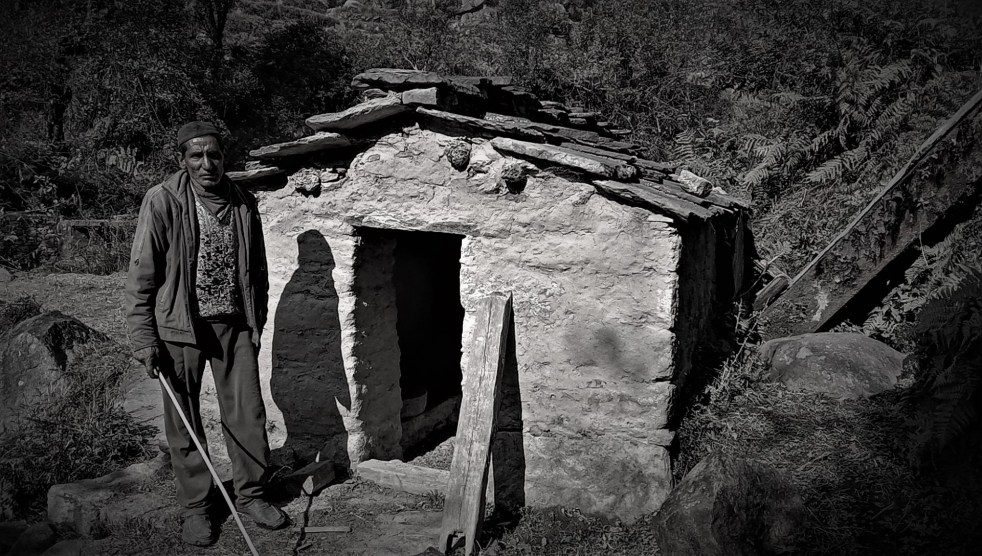
Gharat: Traditional wisdom seeking community care, govt support
Water mills, also known as gharat have been serving native communities in hills of Uttarakhand possibly for hundreds of years. Till a few decades back, the indigenously developed technique was only source of crushing variety of grains to produce flour. The symbols of ancient wisdom have been mostly lying in ruins in Chauthan patti (belt). This account explores reasons behind the gradual desertion of gharat culture which was once indispensable part of the local community there.
Continue reading “Gharat: Traditional wisdom seeking community care, govt support”
Rivers of Stories
Above: Sohni in Chenab, painitng by Manjit Bawa
To say that rivers hold great cultural significance for South Asia is stating the obvious. Also obvious is that the cultural legacy of rivers overpowers the religious narrative… which too, is not tied only to Vedic Hinduism. All faiths in the subcontinent have a deep connection with rivers which manifests in stories, lore, songs and poetry. While Suktas in Rigveda eulogizing rivers are known, actually breathtaking is the lyrical beauty of the verses which describe Sindhu or Indus as a “wild, magnificent white stallion, roaring and galloping through the Himalayas into the plains” or sometimes as a “loving mother cow, its calves following her from the steep mountain paths”. Continue reading “Rivers of Stories”
 SANDRP